BC Bike Parks Travel Guide
Across British Columbia, lift-access riding has become a defining part of mountain bike culture, shaping trail design and rider progression with as much gravity-fed descending as your body and bike can handle.
What makes BC special isn’t just the quality and quantity of bike parks spread across the province, but the variety of experiences they offer. Each park has evolved independently and garnered its own distinct personality stemming from a blend of each local riding community’s talented builders and unique terrain.
For riders planning a BC summer road trip, the following nine bike parks represent the core of the province’s lift-access scene. From Whistler’s legendary jump lines and Sun Peak’s rich freeride history, to brand new parks like Grouse and RED Mountain, all the way to dramatic alpine offerings in the Rockies—the sheer amount and diversity of riding is mind-boggling. Together they form one of the strongest collections of gravity riding destinations anywhere in the world.
THE COAST
Grouse Bike Park
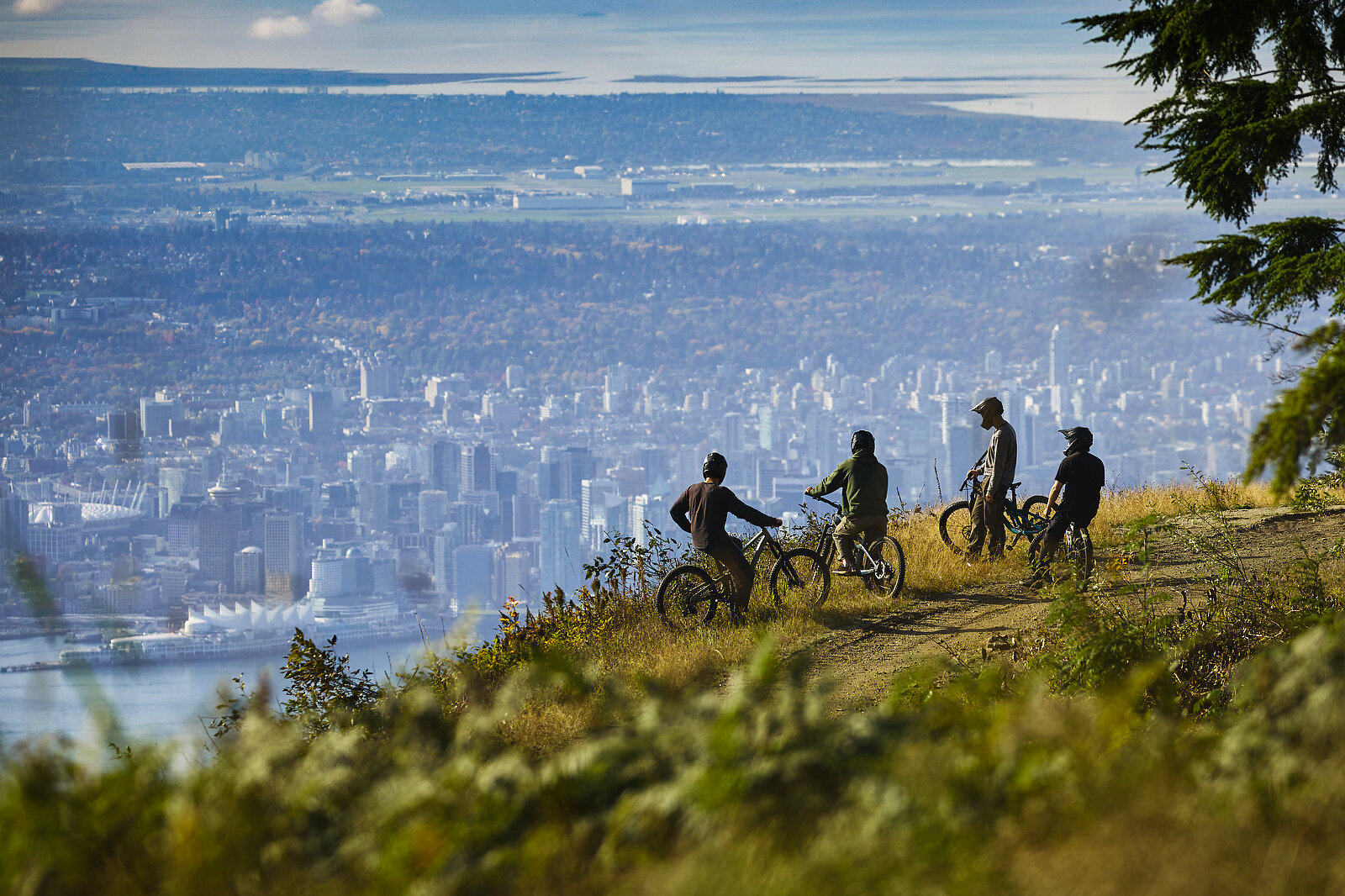
The North Shore’s relationship with lift-access mountain biking has been surprisingly complicated given the huge success of Whistler’s park less than two hours north. Hurdles have traditionally been land access, environmental concerns, and negative public perception. But the overwhelming positive impacts and adoption of mountain biking into the cultural fabric of North Vancouver have come full circle here in the spiritual home of mountain biking.
Perched above Vancouver’s North Shore, Grouse Bike Park occupies a unique place within BC’s gravity riding landscape. Unlike destination resorts built around sprawling village infrastructure, Grouse feels like a remote mountain experience tied directly to the longstanding history of The Shore. The terrain reflects its formative roots, leaning heavily toward technical descending in addition to new-school jump lines.
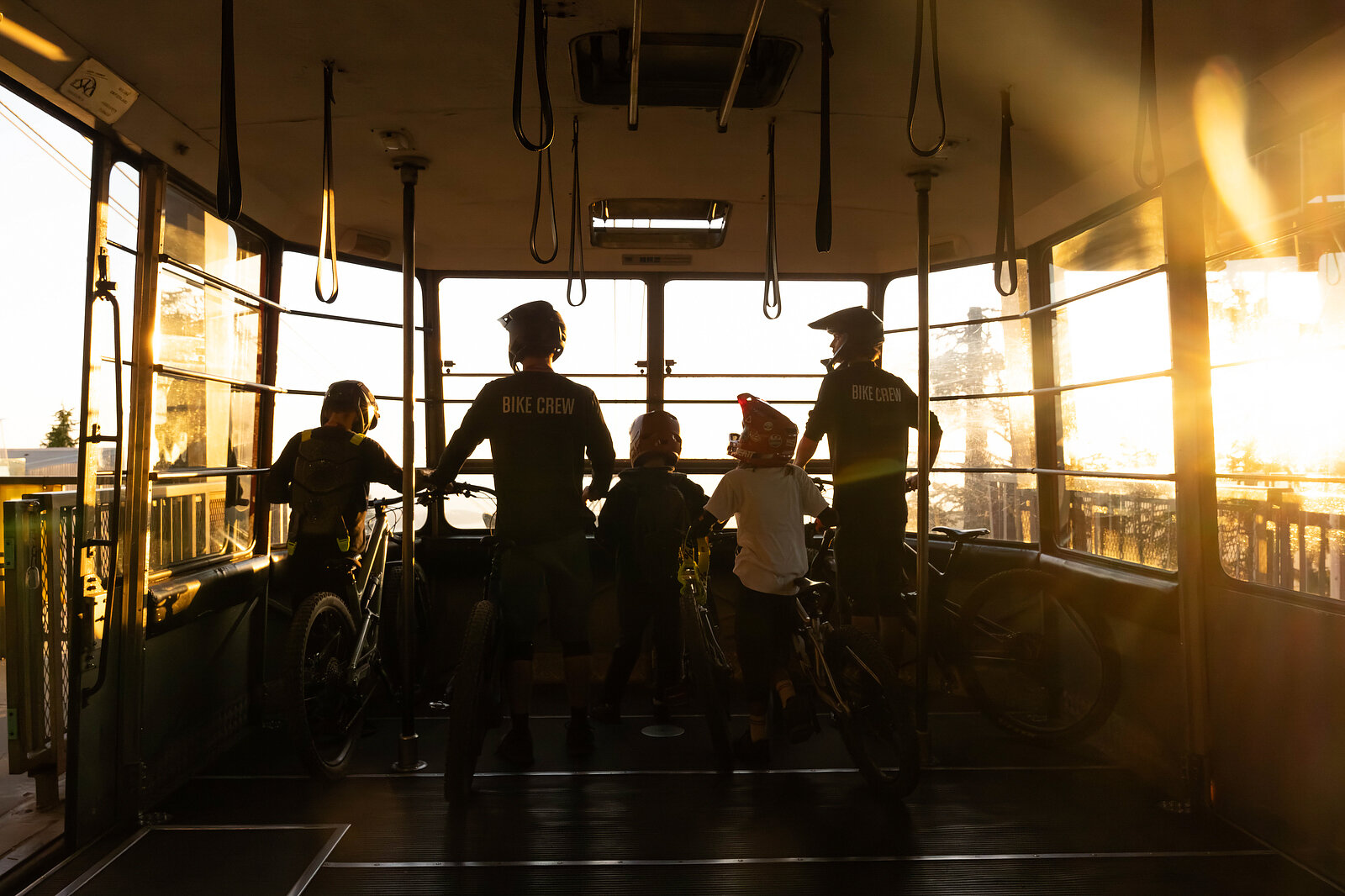
There’s an old saying that “There’s no jumps on the Shore.” That myth is being slowly dispelled by the modernizing of legacy trails into jump lines, but Grouse is unique with purpose-built, Gravity Logic designed jump lines emerged straight from the hallowed soil. BC’s second newest bike park has filled in a much-anticipated puzzle piece in the North Shore’s bike infrastructure.
Intermediate riders have increasingly more options than in the broader network. Flow trails and blue-rated descents now create smoother entry points into the mountain’s naturally technical terrain where, traditionally, riders were forced into a “baptism by fire” introduction. Advanced riders will appreciate how raw the trails feel compared to more heavily sculpted bike parks. Paper Cut is a great example which follows most of the original line that hosted rowdy World Cup downhill races from 2001 to 2003.
One of Grouse’s biggest strengths is convenience, removing complicated shuttle logistics and navigating the spiderweb of main and alt-lines through the main North Shore networks—Grouse is plug and play, rinse and repeat, lap after lap. Rental bikes and protective gear are readily available on mountain, making the park accessible for visiting riders and easy for locals to zip up for a quick after work lap with sunset views over the Georgia Strait. Oh Deer and Sooty’s Jump Line are great progression trails to build toward Grouse’s answer to A-Line: Boc Roc.
Whistler Bike Park
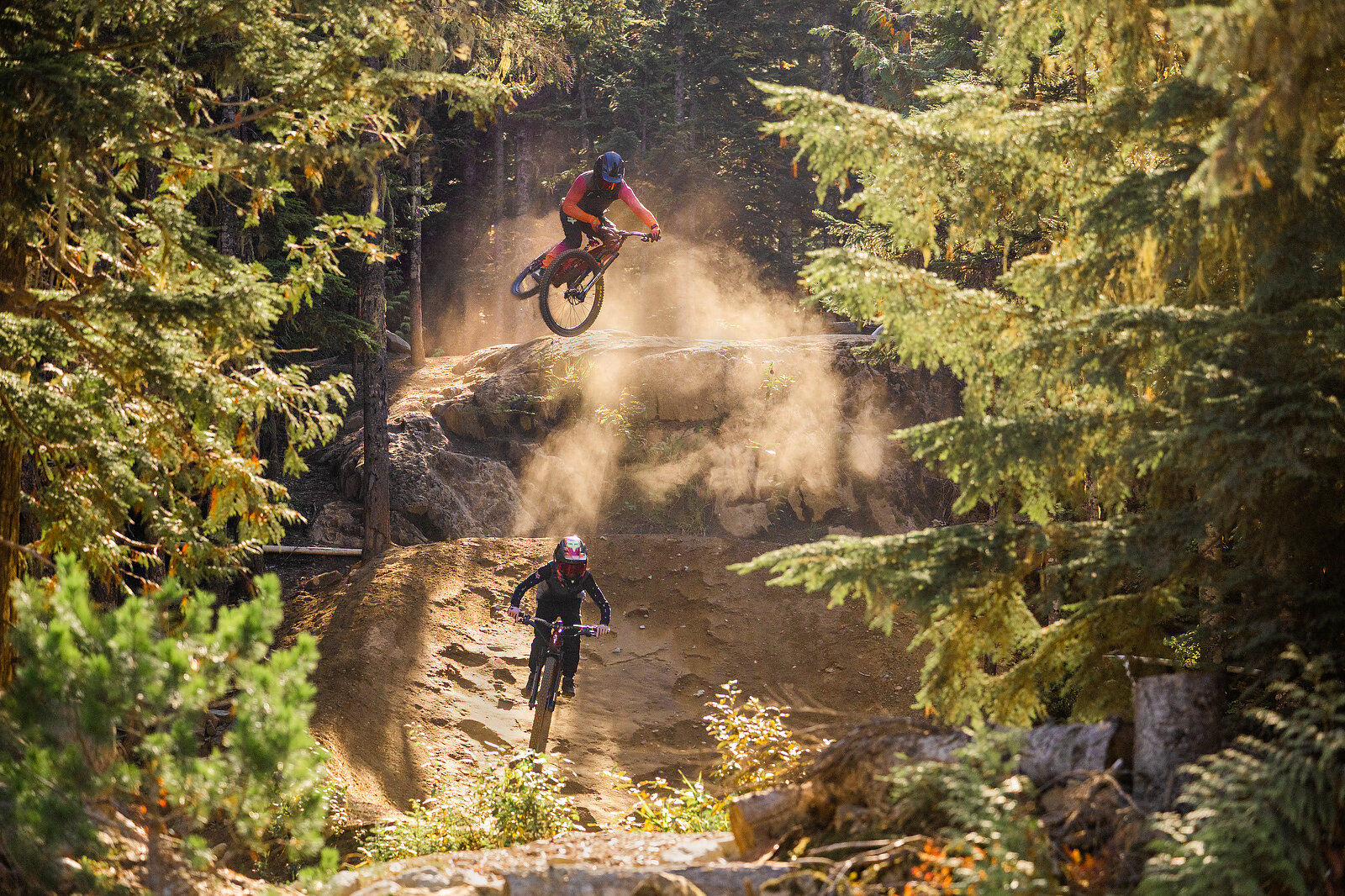
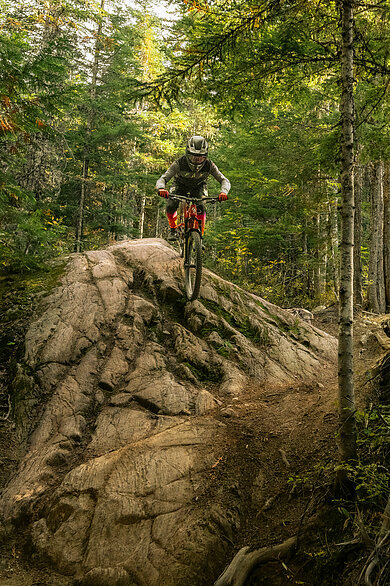
Any conversation about lift-access riding in British Columbia inevitably starts in Whistler. Since 1999, the Whistler Bike Park didn’t just popularize lift-access mountain biking—it defined what modern bike parks could look like. Nearly every major park in North America has borrowed from Whistler’s blueprint in some shape or form, but nowhere on earth can replicate the energetic bike party vibe found in Whistler.
The sheer volume and diversity of trails is what keeps the park fresh year after year and all but guarantees progression. If you’re looking for steep, rooty tech and rock slabs, head to the Garbanzo Zone; If you want epic alpine vistas, Top of the World offers up arm pump for all with its 5,000-foot (1,524-meter) descent from Whistler Peak. Or, if all you want to do is party train jumps ‘til dark, the original Fitz Zone reads like a greatest hits album with A-Line, Dirt Merchant, and Crank it Up. What keeps Whistler relevant in its 27th season is that it continues to evolve.
New trail development has sprouted in nearly every one of the park’s four main zones with the greatest expansion in Creekside. The “do-it-all” sub-network is a creative mix of hand-built technical singletrack and machine-built flow. Highlights include the tech trio of Miss Fire to Delayed Fuse to BC’s Trail or the fast, blue tech of Call Me Maybe that I challenge any skill level rider not to finish with a grin. The area also provides a much needed second access from the valley easing congestion from the main village.
Whistler also benefits from a huge mountain bike support network. Rental fleets are extensive and constantly updated, with multiple shops in the village offering everything from downhill bikes and enduro setups. Mechanics and spare parts are easy to find, which matters in a gravity paradise where you can go through brake pads faster than an après beer at the Longhorn.
THE INTERIOR
Big White Bike Park
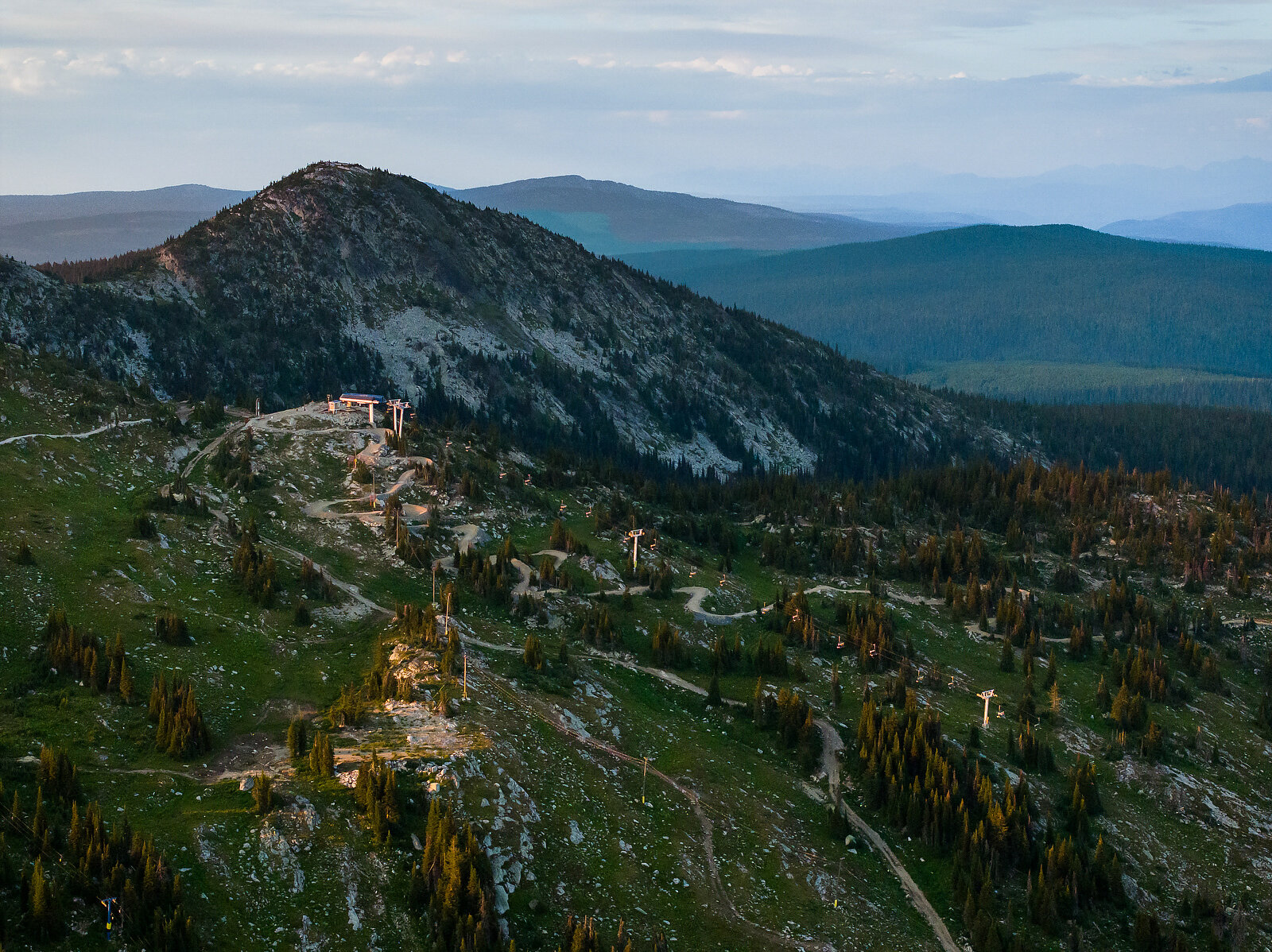
Big White has quietly become one of the strongest all-around bike parks in the province—especially for riders who prioritize flow and progression. Located in the hills southeast of Kelowna, the family-owned resort blends alpine scenery with a trail network designed to keep riders progressing smoothly into larger features. If your hands and forearms are up to the task, it’s easy to stack a huge amount of vertical in a day.
The riding style here is generally open, fast and less rooty, with long sight lines and dry summer dirt that encourages ramping up the speed and roosting berms. Machine-built flow trails are the backbone of the network, but there’s plenty of technical terrain mixed in to prevent the park from feeling one-dimensional. Catapult Ranch is like a Thanksgiving turducken: jumps, tech, slabs, gaps, and steep chutes all in one delectable package.
Trails are thoughtfully graded, and many blue runs offer optional jumps, drops, and technical features to let riders scale difficulty gradually. Progression seems faster here simply because the terrain is approachable. Shark Fin Soup embodies this ethos as a great starting point to get a feel for the jumps, dirt, and trail ratings. For tech lovers, Black Slabbath lets you know what you’re in for from the name alone.
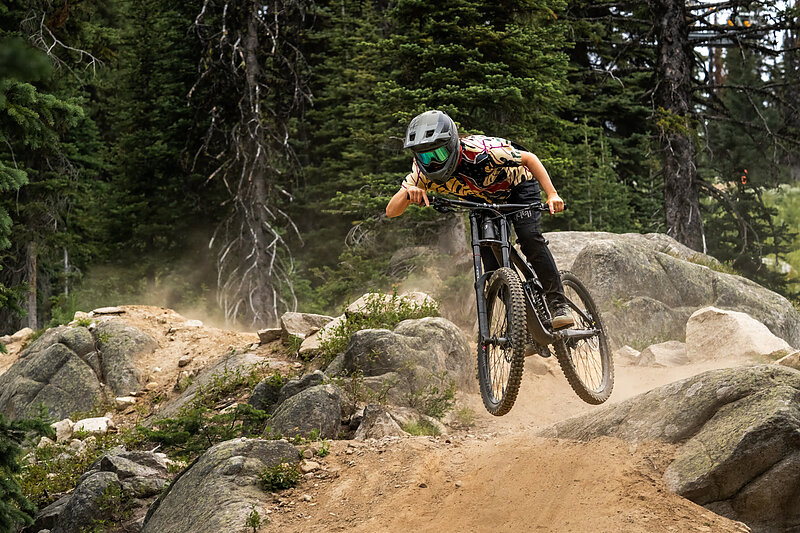
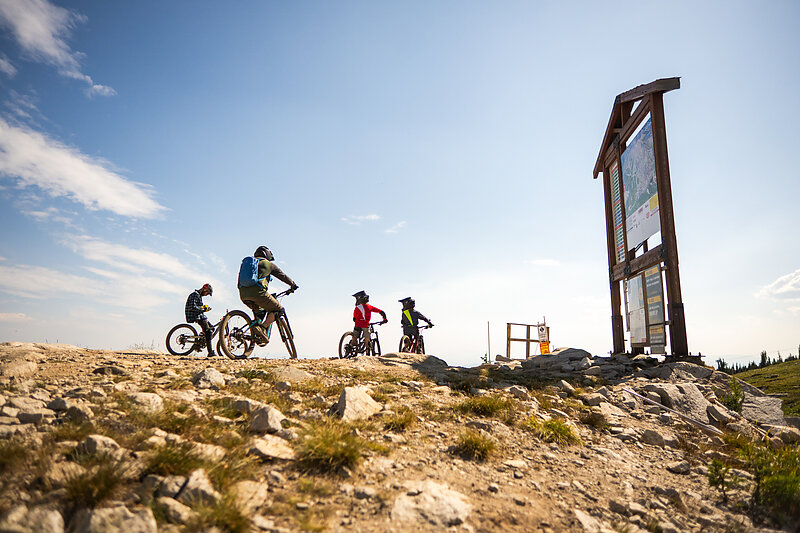
Jump trails like Black Mamba and Dark Roast are arguably the park’s biggest draw. The resort has invested heavily in shaping and maintenance, and the result is a collection of smooth, confidence-inspiring jump lines that can handle speed with confidence. The larger features on trails like The Joker are substantial without feeling unpredictable, but make sure to scope before sending this double-black line.
The quaint mountain village is noticeably quieter than larger resorts, which means mellow lift lines and a more relaxed overall vibe. You actually feel like you’re on holiday here. The resort runs a rental and repair shop, but if you’re after a larger selection of parts and products, Kelowna has four well stocked shops and all the amenities of a small city
SilverStar Bike Park
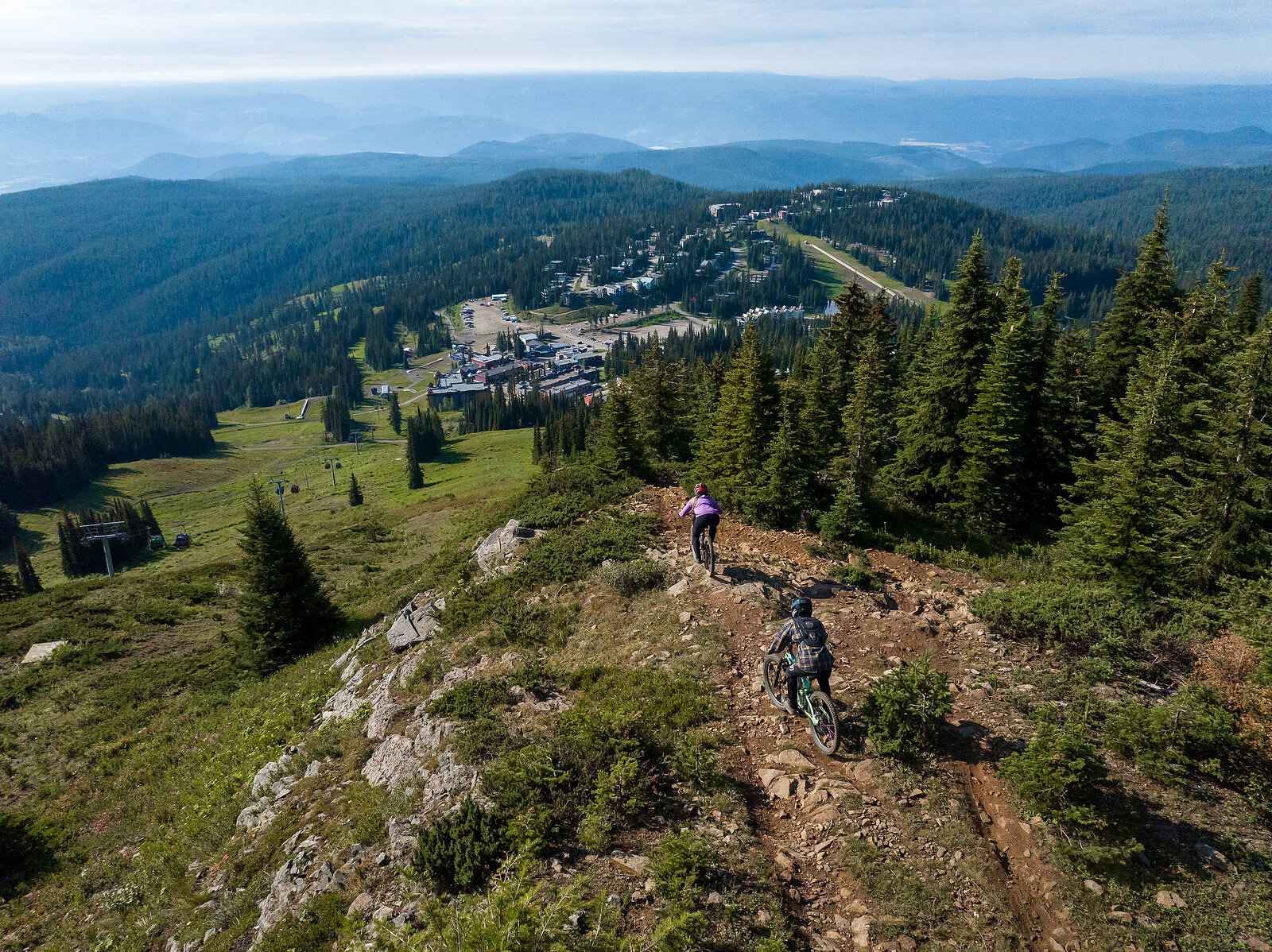
SilverStar has earned a loyal following by refusing to overcomplicate what makes a good bike park: pure fun. The family-friendly resort has been servicing riders since 1994, and the extensive network has evolved with the times. The classic interior sub-alpine terrain ranges from beginner-friendly flow to old-school technical singletrack, with a strong emphasis on natural-feeling lines. Once you’ve experienced a SilverStar berm, you’ll have an instantly critical opinion of every other corner from this new benchmark of perfection.
Everything here is unpretentiously fun. Trails like Jedi Mind Trick and Super Star provide excellent entry points for newer gravity riders or warm up laps, while technical trails like Throwback, Double Dog, and Chainsaw Mullet harken back to the park’s origins, retaining enough roots, committing steeps, and janky tech for a healthy pucker factor. The dirt here is a special recipe that holds up exceptionally well through the hot, dry summer months. It’s not uncommon for moisture to hold for weeks of pure sunshine, inspiring confidence to push harder through corners and technical sections.
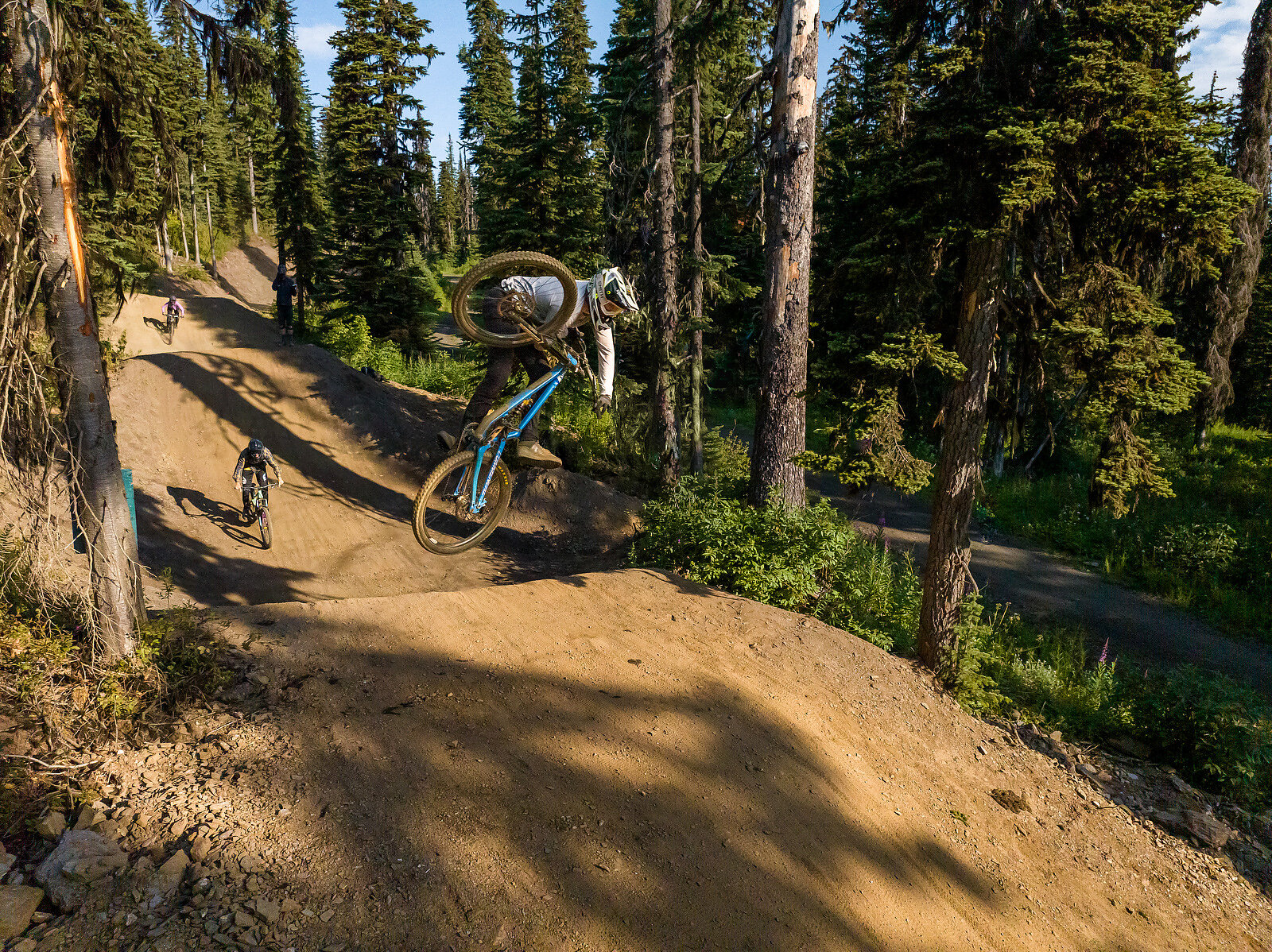
There are more than enough opportunities to get your tires off the ground on Pipe Dream and World Cup, and it’s easy to spend a whole day alternating between the two. For something a bit larger, try Walk the Line on for size. If you’re looking to switch it up, there is a great selection of cross-country (and a few enduro) trails at the nearby Sovereign Lakes and Vance Creek networks.
Similar to Big White, the village is compact and rider-friendly, feeling more community-focused than corporate. Lounging on the grassy public areas with a sandwich and coffee from Bugaboos Cafe makes for a great mid-day break. With easy access to rentals, repairs, restaurants and accommodations, there are enough amenities to leave the truck keys alone for an entire weekend, although the cider and pizza at Cambium Cider at the base of the hill are worth a visit. The parking lot camping scene is legendary
Sun Peaks Bike Park
Sun Peaks has been gradually emerging as a BC local’s favorite bike park. From its humble beginnings in 1999, the park is heavily influenced by the rich freeride culture and deep trail building talent from nearby Kamloops. Trail development began on Tod Mountain, which was the original name of the resort. Owners rebranded to Sun Peaks in 1993 because the literal German translation is “Death Mountain.” To the uninitiated, the name was appropriate as the resort developed a reputation for steep, technical, and rugged hand-built singletrack. Insanity One, Gnar-Boom, and Sugar set the tone before machine building superseded technical gnar as the dominant bike park trail style. The resort expanded its lift-access trail network to adjacent Sundance Mountain in 2022.
The current version of the park features more than 55+ miles (89+ kilometers) of trails descending 1,952 feet (595 meters) of elevation. Trail crews have retained a great mix of original steep tech with modern, machine-built flow trails for all ability levels. One of the successful ingredients is the dirt. There’s a magical quality to the soil composition that allows it to stick to steep slopes and shape into lips and berms that look unnatural in their geometric perfection. Stella Blue and Steam Shovel are the showcase jump trails that will keep you coming back for more.
Sun Peaks hosts the Canada Cup Dunbar Series—touted as the premier, affordable downhill race event with the Canadian National Downhill Championships tucked into the final day of the weekend at the end of July. The village—similar to the other resorts of the interior—is a charming European-style community with a relaxed and welcoming feel. Combined with SilverStar and Big White on a circular road trip through the BC interior, each resort offers a very different riding experience culminating in some the best of BC has to offer.
THE KOOTENAYS
RED Mountain Bike Park
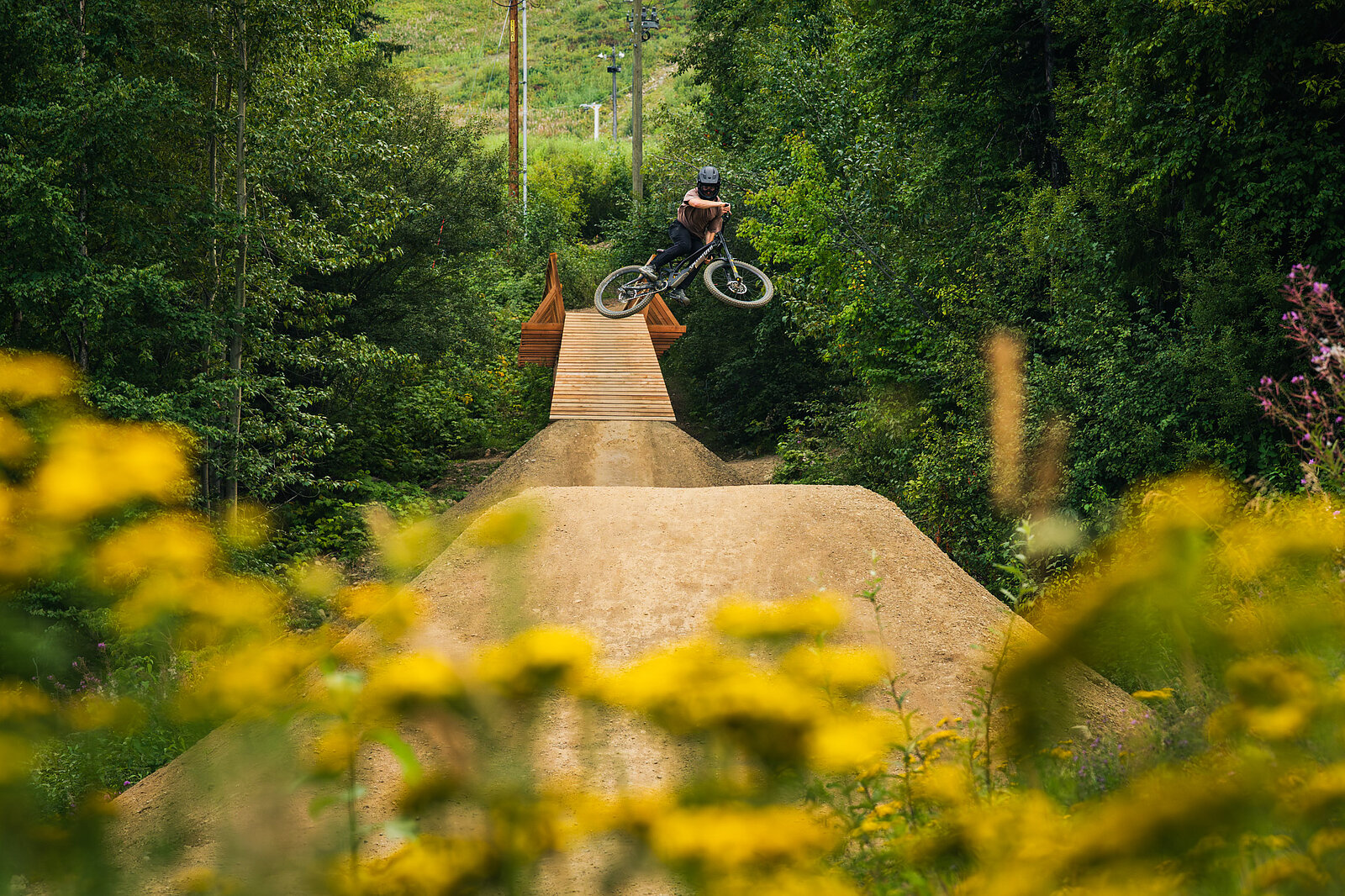
RED Mountain Bike Park is the most recent arrival on the scene, opening in June 2025. The Kootenays are a late adopter of lift-access riding but hold a long-standing historical significance in mountain biking’s diaspora. The former mining town of Rossland has always punched above its weight when it comes to quality and quantity of riding, and the park embodies this rugged terrain with established technical trails providing a solid foundation to compliment the park’s modernized trail offerings.
RED embraces its history as much as its future and the park reflects its local roots. The keyword here is “roots” because you’ll find a lot of them in both a deeply rooted riding culture as well as crisscrossing the trail tread on technical masterpieces such as Mineshaft that feel natural, raw, and more like a secret loamer than a bike park showpiece.
What truly stands out is the hybridization of trail styles. Can O’ Worms incorporates unrefined technical sections with machine-built features that seamlessly combine riding styles into a dynamic, grin-inducing package. Paydirt is another good example—one of the original freeride lines from the mid-aughts has been modernized into the perfect blend of technical singletrack, bermed corners, and optional airs.
Lapis Lazuli is the crown jewel of intermediate flow trails with optional tombstones capping the progressive tabletops for riders to gradually boost toward bigger jump lines like Dragon Tail or Obsidius, which is slated for completion in 2026.
If you’re drawn to explore what’s beyond the resort like the numerous prospectors from centuries past, the cross-country epic 7 Summits trail is a long-standing classic that traverses the Rossland Range. Or, if a shorter pedal is in on the menu, check out Redhead which starts from the top of Red Chair just south of the park.
Revelstoke Mountain Resort
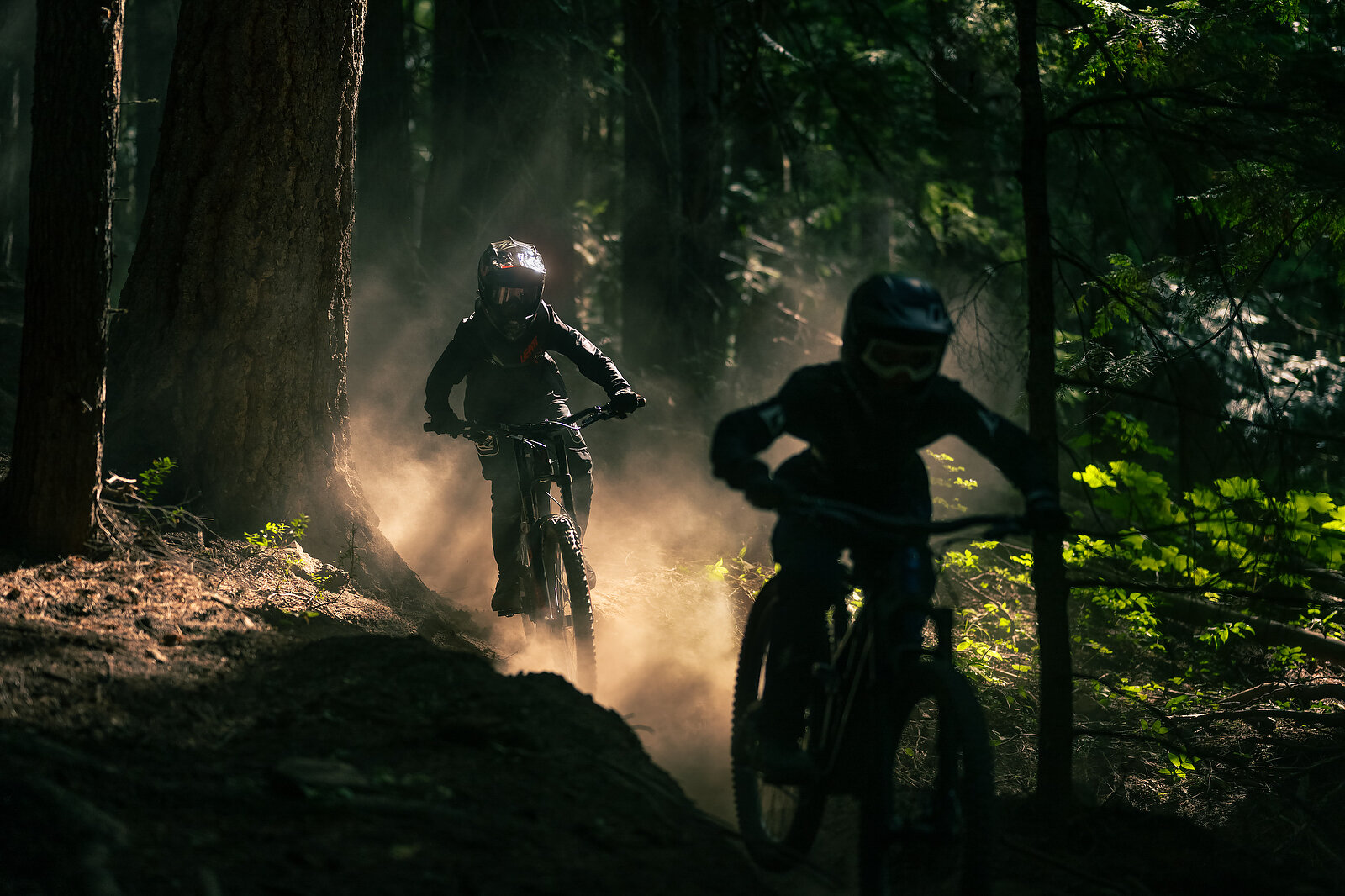
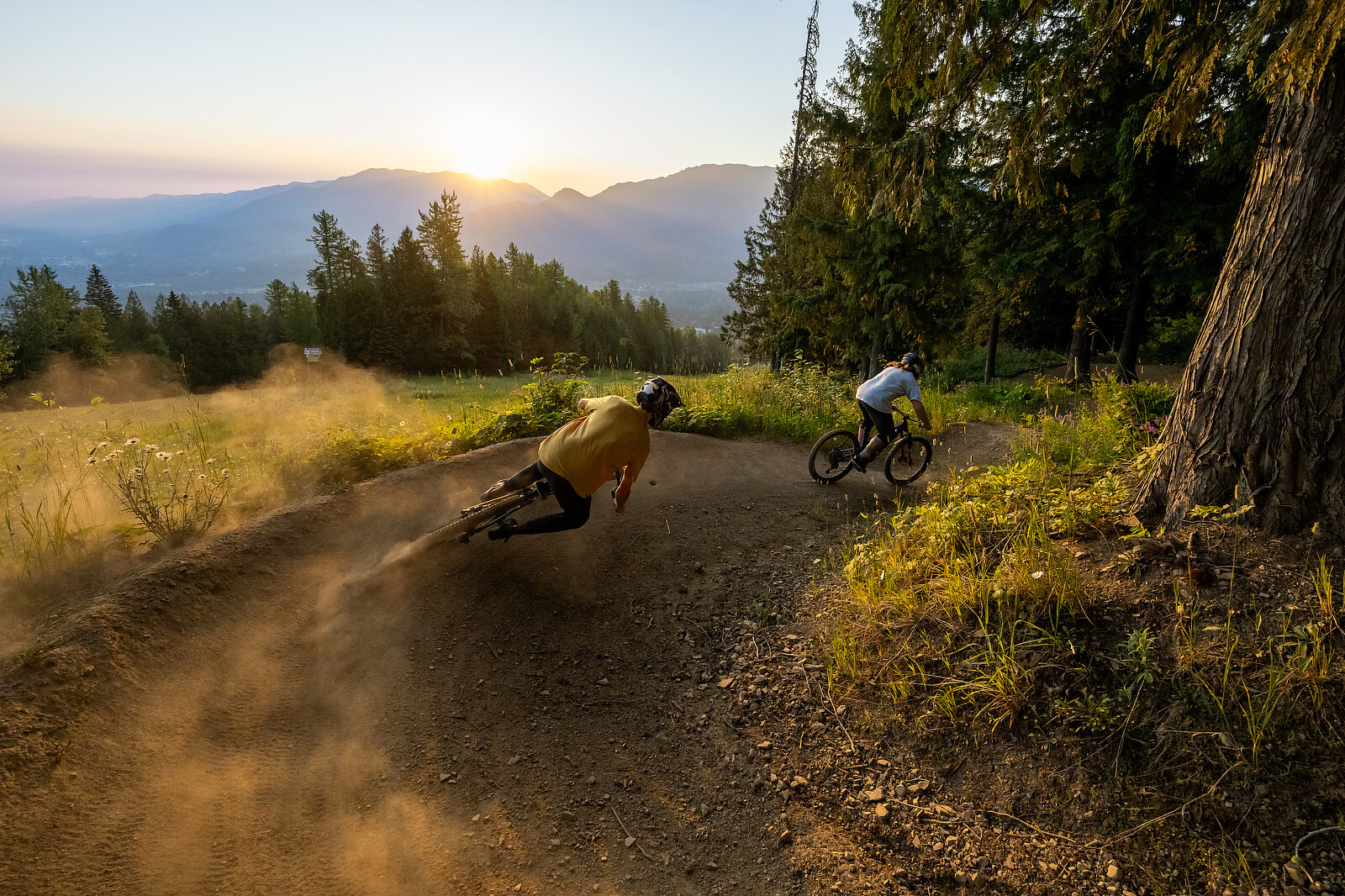
Whether you’ve experienced the legendary dirt firsthand or seen photos of the epic alpine singletrack with dust backlit by a golden summer sunset, Revelstoke needs little introduction. The town itself has become one of BC’s major mountain sports hubs, and the bike scene continues to expand alongside residential growth—enter the bike park at Revelstoke Mountain Resort (RMR).
Younger than many of BC’s established bike parks, builders here leverage the mountain’s steep topography with trails that feel fast and aggressive, with flow trails that carry more speed which is welcome as the features grow.
One of RMR’s defining features is its sheer vertical relief. And nowhere is this more apparent than on the 9.5-mile (15-kilometer) trail Fifty Six Twenty. Utilizing the entirety of the resort’s vertical drop (hence the name), the top section is pure alpine bliss and accessed via the Stoke Climb. It’s worth a lap on the out-and-back Mackenzie Ridge trail for extra buttery alpine singletrack. If pedaling isn’t in the cards, the lower two-thirds of the descent can still be accessed by the aptly named Guilt Trip. Even with this shortcut, you’ll still likely clock more continuous berms and jumps on a single lap than anywhere else.
Although shorter, Fish Bonker is one of the most popular trails that feels akin to winter freeriding. A step up in the tech department is Pipe Wrench—the only double-black trail in the resort with steep rocky chutes and a good dose of Kootenay tech.
RMR is a “feature-rich” environment to say the least. Bagfull of Boogie is as fun as it sounds and deposits you conveniently back at mid-station to access the (longer) upper section of the park which holds the majority of the riding. Doomsday is a new-school jump line with a mandatory log gap offering a taste of what to expect on the rest of the trail. End Game finishes at the bottom of the resort and features sessionable dirt jumps if you have anything left in the tank after a day of massive descents.
THE ROCKIES
Fernie Alpine Resort
Fernie holds the title of BC’s original bike park (and one of the first in North America for that matter), having opened in 1990. Nestled within the Elk Valley, the picturesque town’s reputation has always been tied to rugged mountain terrain and the bike park reflects that personality. The resort delivers a more organic trail experience than more processed bike parks which is one of its strengths—the riding feels instinctive and visceral.
The postcard-perfect valley naturally lends itself to steeper grades and technical descending, which is where the magic lies. Advanced and Expert technical trails retain all of the steep roots, rocks and pucker factor you’d expect, but are generally less sustained with a lower consequence and commitment level which makes it a great place to push technical competence. Warm up with Top Gun, then start a progression tour through Rumplestumpskin, Bicycle Thief, Will Power, and the old-school vibe of Aggravated Assault, and work your way up to TNT and Cats Pyjamas.
It’s worth budgeting a few extra days to ride the extensive network in the valley, explore the beautiful townsite, and make sure to end your day with a lazy float down the Elk River.
Kicking Horse Bike Park
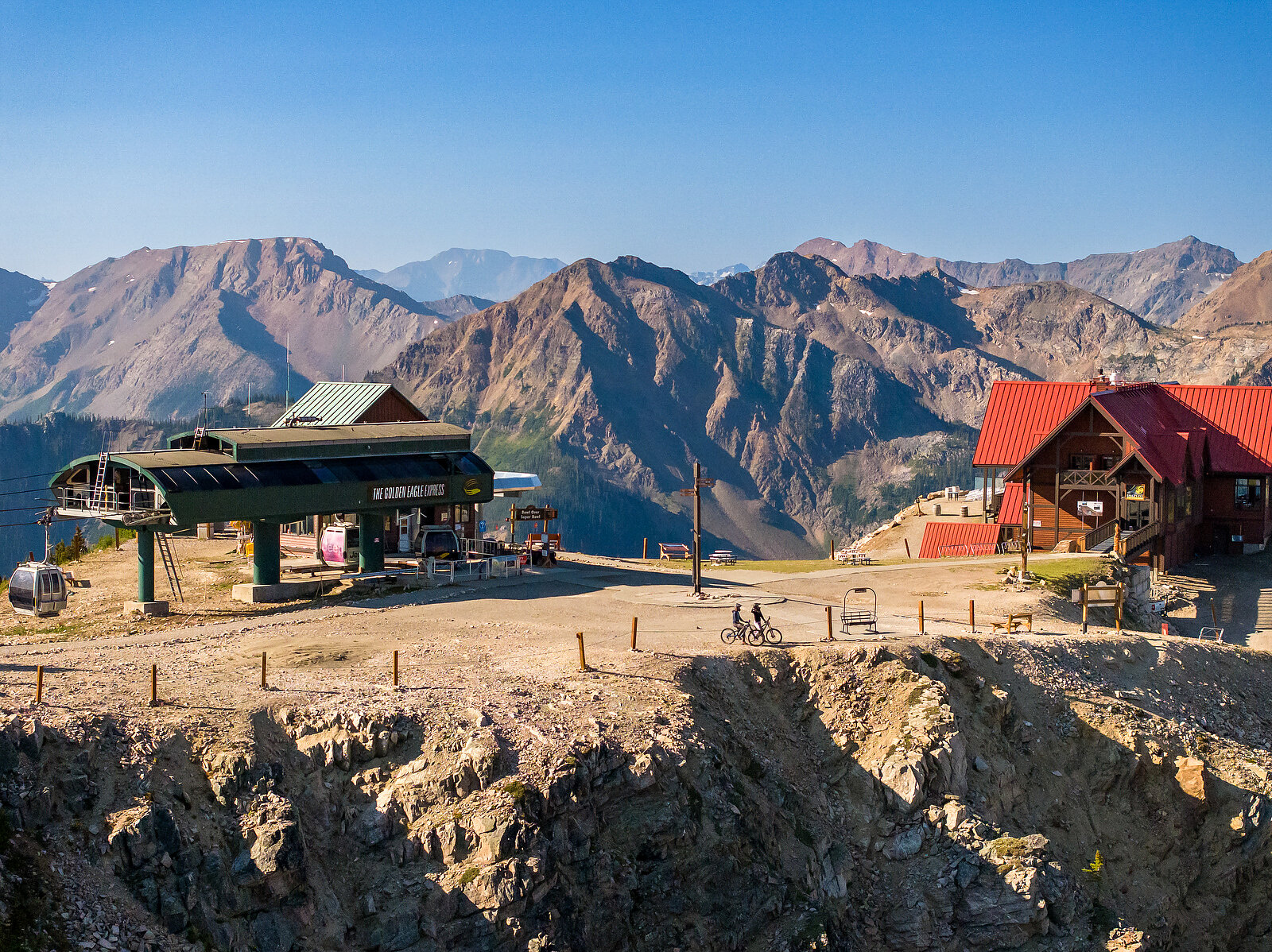
Kicking Horse has never tried to be the easiest bike park in BC, and that’s precisely why many riders love it. Located above Golden, trail development at the resort was pioneered by local riders with a penchant for steep, chunky, unforgivingly long descents, resulting in a burly persona. Technical trails dominate much of the mountain with descents that demand commitment and hold more consequence for mistakes than Fernie. That said, more than half the trails are rated as intermediate or below with the scenic upper alpine trails well within the skill level of most riders.
What separates Kicking Horse from many parks is its sense of scale. It’s BC’s highest elevation bike park at 7,677 feet (2,340 meters) and the terrain feels massive and exposed, with dramatic alpine views adding to the experience. As The Crowe Flies or Dragon Chaser are top choices for the upper trails before the park expands laterally, where standouts include the flow of Super Berm and Swamp Donkey or, if you want to experience Golden’s original flavor, try Pioneer for some white-knuckled goodness.
The BC Bike Park Road Trip
What ultimately separates British Columbia from nearly every other lift-access riding destination is the ability to connect these parks into one epic road trip, or smaller geographical sub-sections of rich bike culture nurtured and refined by passionate locals over decades. Riders can spend weeks moving between coastal rainforest, dry interior plateaus, and rugged Rocky Mountain terrain without ever exhausting the variety on offer. While there’s no single best bike park in the province, the real appeal lies in experiencing several of them back-to-back—trail styles, dirt conditions, and mountain personalities shift between the ranges.
BC isn’t just home to great bike parks, it’s one of the few places in the world where lift-access riding has become part of the landscape itself.