The Return Documenting the Journey, No the Destination
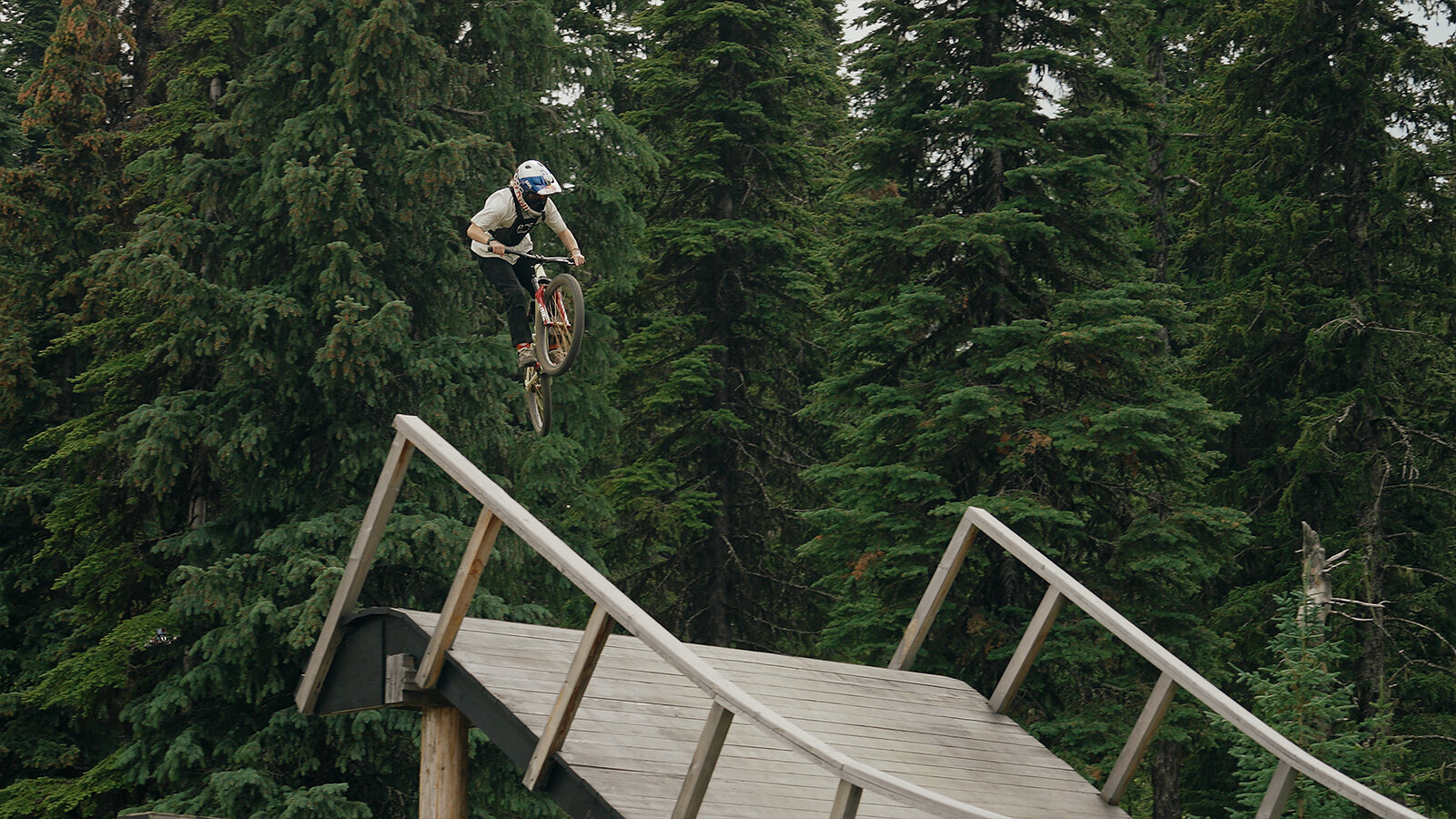
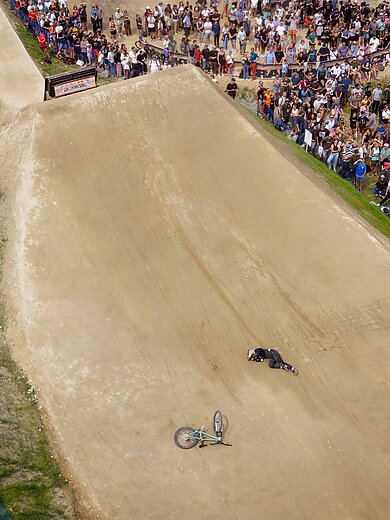
“That’s where I landed,” says Harriet Burbidge-Smith, gesturing to one of the many massive landings on Whistler's Red Bull Joyride slopestyle course, “And that’s where I landed over there too. And possibly—well, one of them broke my neck.”
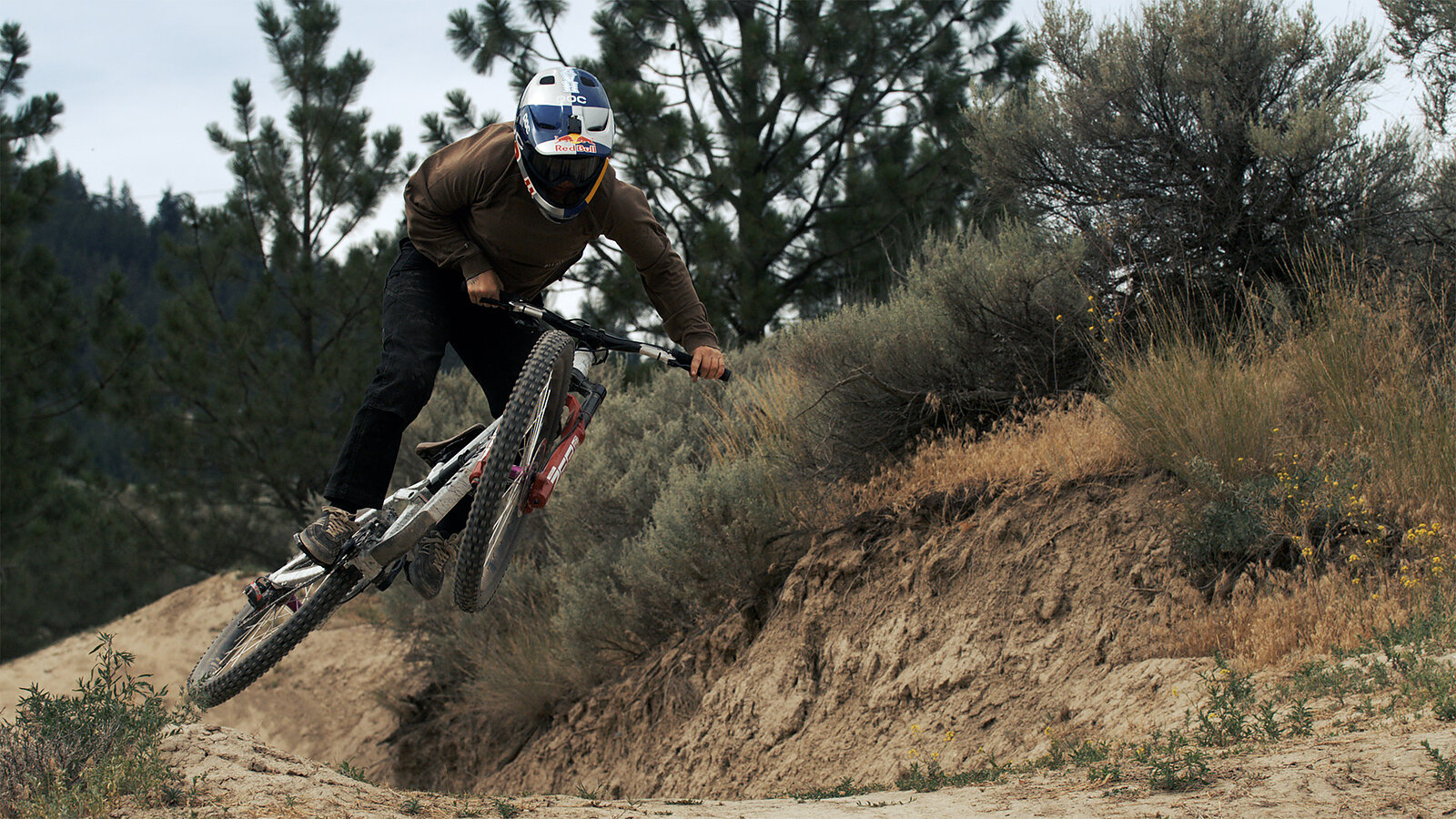
The opening act of the 2026 Freehub PRESENTS film festival, “Return to Something,” follows slopestyle and freeride athlete Burbidge-Smith (also known as “Haz”) as she makes her comeback from a broken neck that required surgery. Recovering from such a serious injury is never a small feat. Still, every aspect of recovery, both physical and mental, is amplified when attempting to return to the highest level of professional riding.
Documented by Whistler-based filmmaker Alex Clapin, “Return to Something” offers behind-the-scenes insight into Haz’s determined approach to recovery and its non-linear nature. While it’s easy to make assumptions from the spectators' side of the tape, this film illuminates the array of obstacles an athlete faces throughout recovery, the majority of which goes unseen from an outside perspective.
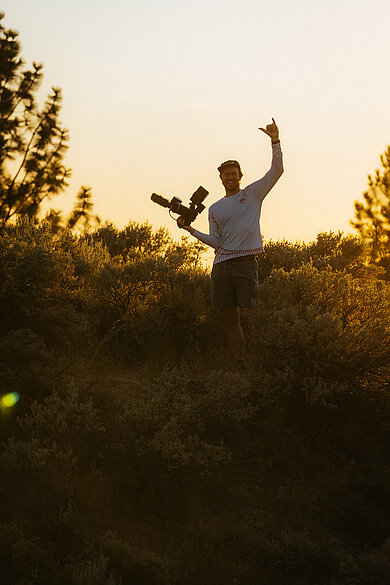
We recently caught up with Clapin to hear about what went into creating this film, and to hear his perspective on Haz’s mindset and approach to re-establishing herself on the world slopestyle and freeride scene.
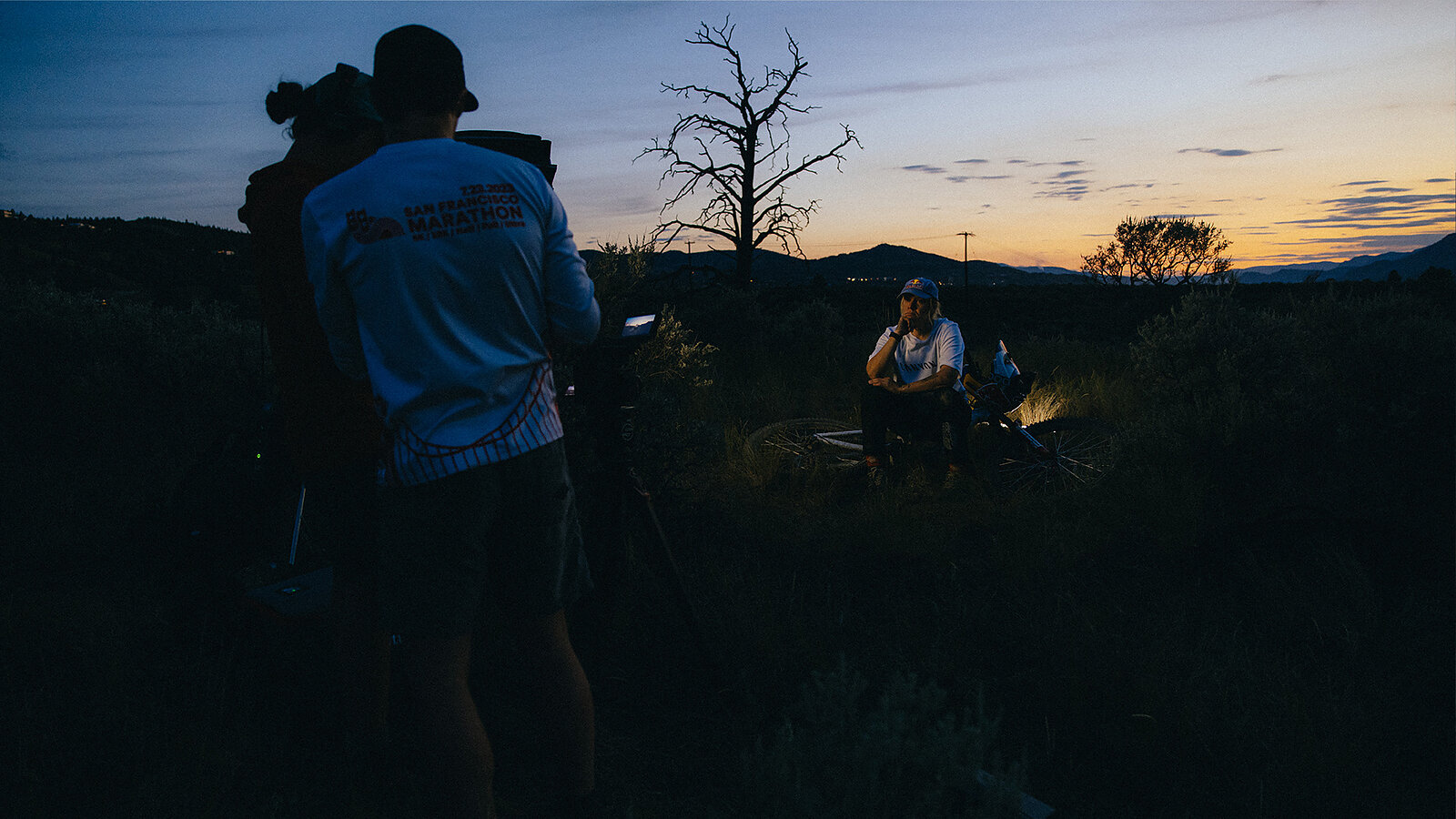
What is your background in filmmaking, and when did mountain biking and film converge for you?
I started filmmaking 15 years ago, just following mates around, shooting GoPro videos in the snow on trips. That slowly built into doing a bit of work for clients back in Perth, Australia. I'd always had this passion in the background to make films for some of the adventure-driven film festivals that I'd seen growing up and had always been passionate about those activities themselves. So when the opportunity came up to film an ultra runner over in Australia, I jumped on that and made a film. It went well and we had a kind of tour in a few film festivals.
From there, I really dove into the story-driven films and focused on that, and became extremely passionate about finding the right people and making films that had a bit more depth to them, with good characters and good stories. Amongst that, I moved over to Whistler in Canada. I actually hadn't mountain biked myself until then. So I picked up a bike just as a social thing and got absolutely hooked on it.
What was it like getting your first experience mountain biking in Whistler?
Yeah, I'd seen a bit of mountain biking and thought it was cool, but hadn't really appreciated it until our housemates basically threw us straight in the bike park. I think the first lap was down Crank It Up, and I couldn't believe it. I didn't know what to do on the jumps and all of a sudden, a few laps later, everyone's pretty comfortable on those trails and you progress pretty quickly, which is scary but also really fun. I just loved it. The standard here is crazy. You do a lap through A-Line or Dirt Merchant and there are 12-year-old kids throwing no-handers and all the rest. So, it's a really cool place to start on a bike.
What type of projects do you find most fulfilling as a filmmaker?
In that respect, the sport is kind of in the background, and finding an interesting character or someone to work with who's overcoming challenges or has a journey that they want to accomplish, or something that they're battling against, is really the kind of story I've looked for more recently and the films that I'm most passionate about making. So often that has a physical component to it, if it's an injury recovery or a fastest known time, or a record that they're trying to break. But most of the time it's down to the person and what they're trying to overcome mentally and emotionally, and where that journey kind of lies.
What similarities do you see between ultra-endurance athletes and slopestyle athletes?
I think the internal motivation that they have is what shines through in most of these sports. The way ultra runners train and put in huge volumes of running to be able to race well, I think you can draw some comparisons there with the amount of training and rehab and work that these slopestyle athletes do to maintain that level of performance and be able to rock up and put down tricks in a competition environment when there's pressure, or maybe when they don't feel like it. So, I think there's a lot more mental work involved with the slopestyle side of things, just with the nature of what they do. But what stands out is just the internal motivation that all of them have to push and put the work in. It's seriously inspiring.
Was there a distinct point you recall where it went from a linear recovery journey to the idea of “Return to Something?"
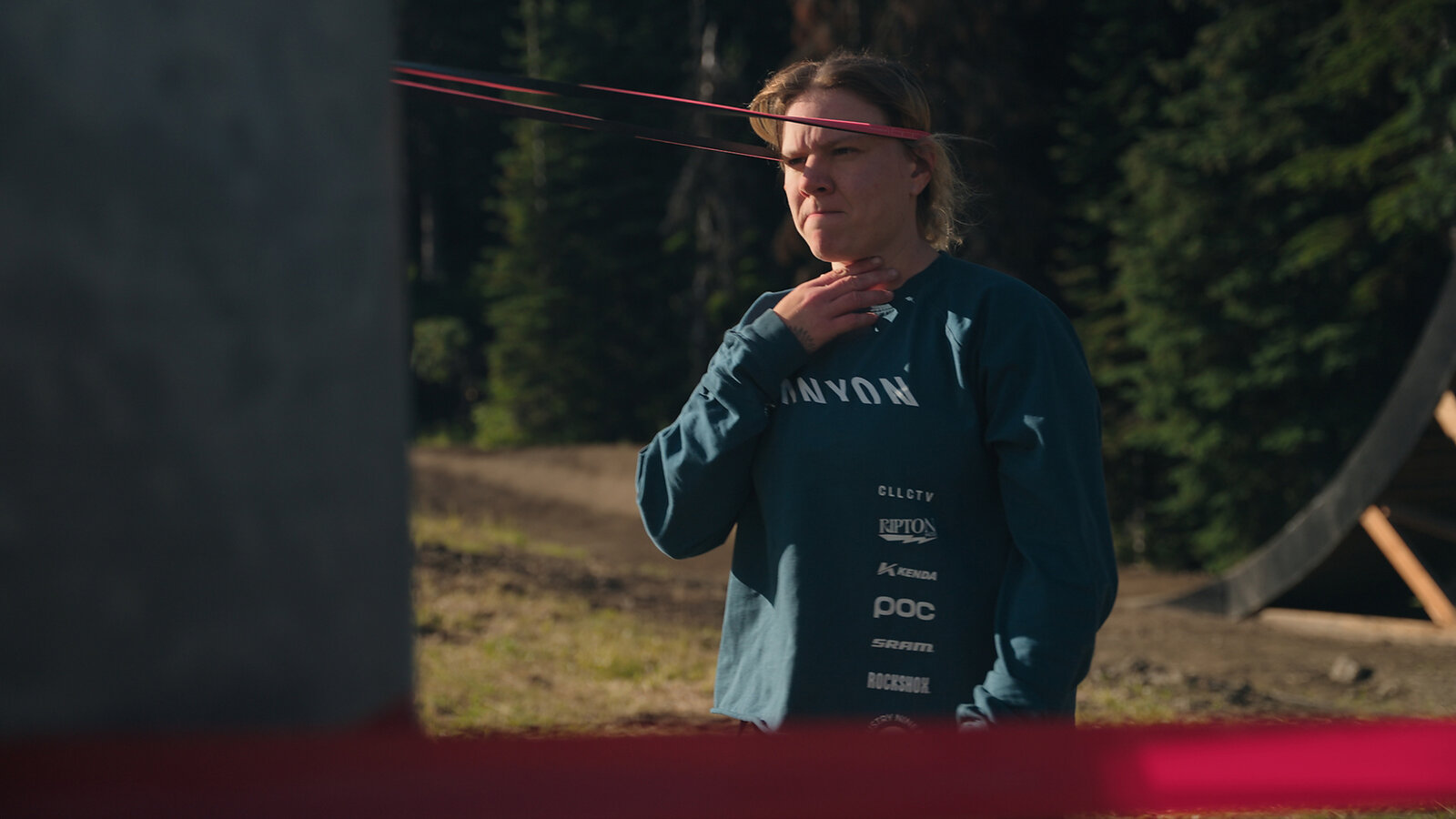
She got back on the bike pretty quickly, but was really trying to break through to that next level of feeling confident on the bike and being at a place where she was happy with her own riding. It was a big jump, which I don't think she had expected. She was back riding the course at Crankworx Cairns, and I think everyone thought, “Oh, Haz is back.” She was riding, but she didn't feel like that.
What impressed you most about her mindset throughout this whole process?
I think just how driven she was. There were so many moments along the way that everyone else was saying maybe call it quits or maybe not head back into competition, but she was just so driven and you could see that the whole way through. She’s up early every morning doing her exercises and physio and really committing to that rehab. Then, with her riding, just trying different techniques and strategies to push past fear. She's really done a lot of work physically and mentally to get to that point.
While following along and documenting, can you feel the external pressure athletes feel to perform in competition for sponsors?
Yeah, absolutely. And as a filmmaker, not wanting to add pressure with a camera there was challenging in some moments. You don't want to add pressure, but at the same time they've been competing and are used to that kind of coverage.
I really love this style of filming and we introduced quite a bit of vérité, kind of fly-on-the-wall style, so that it felt like we weren't intruding too much and at the same time picking up on some of those moments that happened authentically. Just kind of let them know that the cameras are there and we're rolling and see what happens.
What would you say was your biggest takeaway from Return to Something? And then also, just building off of that, what do you want the audience's takeaway to be?
I would hope, and Haz would hope, people take away the setbacks and the non-linear path that it takes to recover from an injury like this. Everyone from the outside who watches these athletes and often sees them back in competition a year or so out, or maybe even 6 months out of injury, and thinks that's just how it is, and that it's a straightforward process for them to be back competing, but I think for a lot of them it requires such a huge amount of dedication and work to get back to that point. Even when they're back, or the audience thinks that they're “back,” there's still a lot of doubt and things that they need to continue to work on. So, just sharing that with the fans and the people that love and support these athletes.
From a filmmaking point of view, my biggest takeaway would just be being patient and giving things time to unfold. With a project like this, there was so much uncertainty for the athlete behind the camera that it was hard to know exactly when to film, or when things would be resolved. I think that's the wrong way to look at it. I think it's more important to just be there, be patient and look out for significant moments and keep that story and the journey kind of front and center throughout.