Followup: Santa Cruz Nomad A unique flavor of smash.
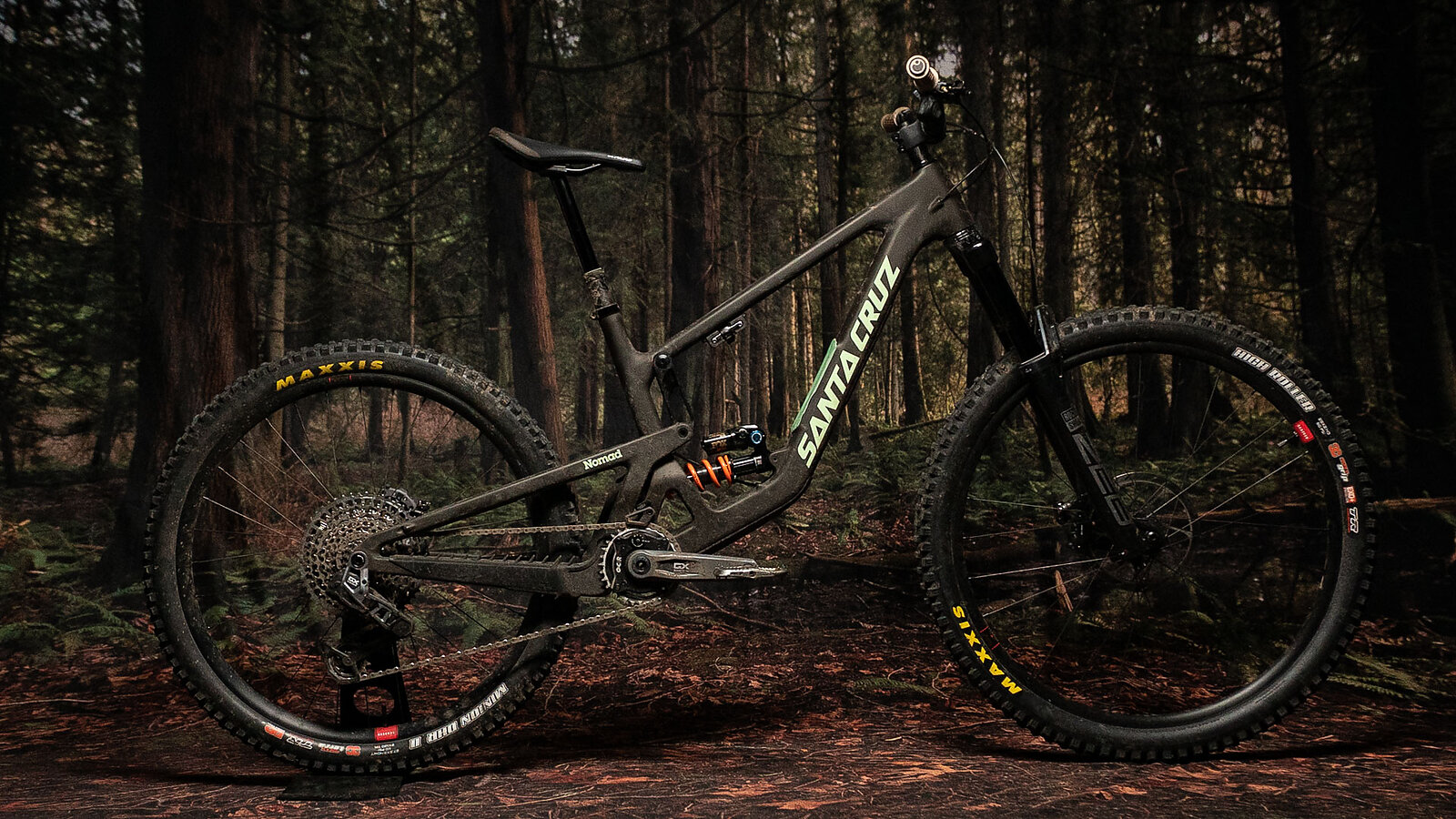
Soon after Santa Cruz dropped the newest Nomad gen 7, I wrote up my initial review of the bike in its stock form.
The short version is that I dug the Nomad, but I also felt like it might benefit from some parts swaps and some experimentation. So experiment I did. This piece will break down the results of those experiments, dive into some hypothetical setups, and talk about the bike’s longer-term performance.
What About an Ochain?
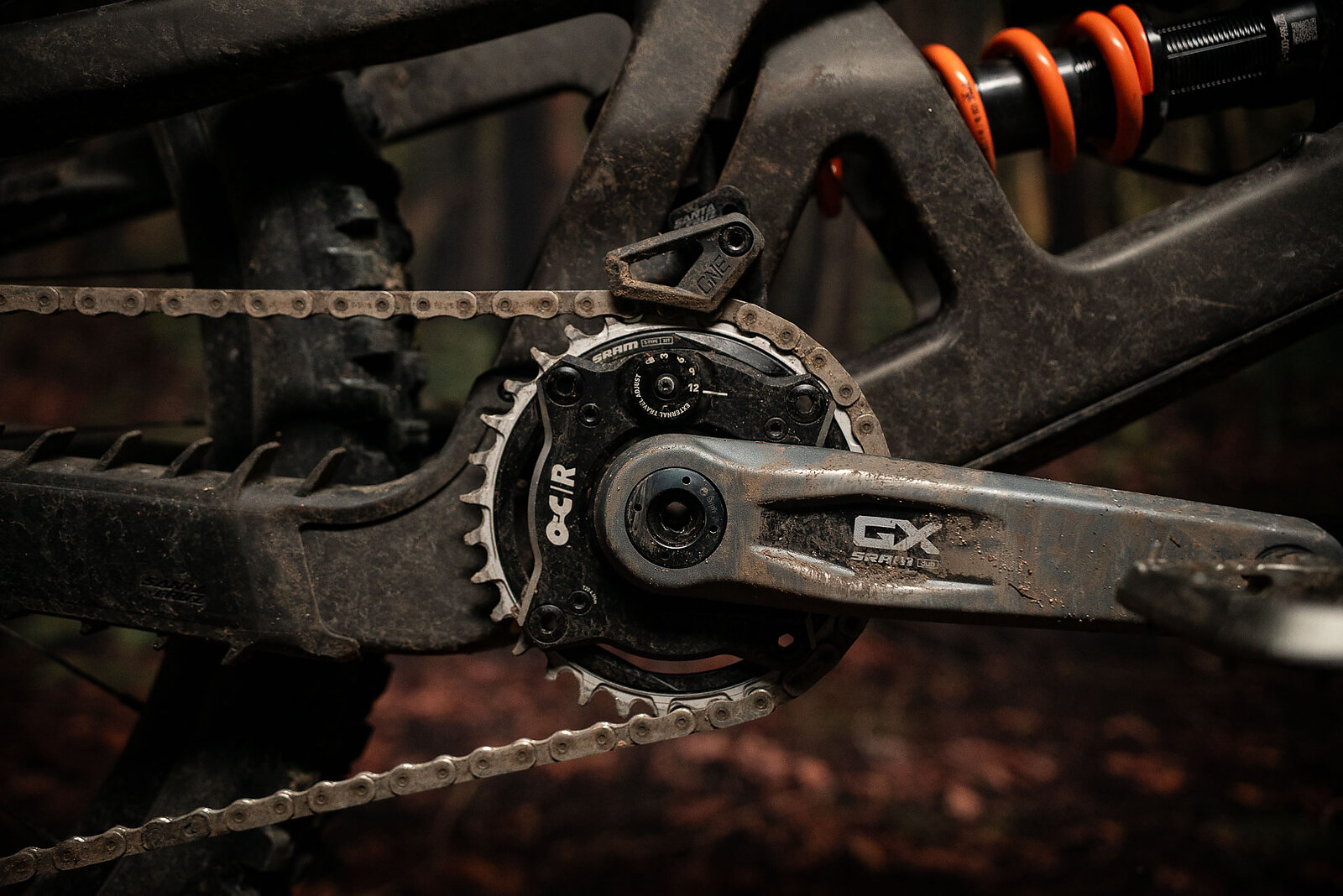
The first part I swapped on the Nomad was the chainring. SRAM dropped the updated Ochain at the perfect time for me to swap it onto the Nomad. The more expensive builds of the Nomad come with DT Swiss DEG hubs, that allow you to create some deadband, but the GX Transmission build I had does not. I think the Ochain is a great choice for this bike. It doesn’t totally transform it, but it does make it feel noticeably quieter underfoot. I especially noticed this on faster, flatter trails.
Some 170-millimeter travel bikes feel like trophy trucks in these scenarios, where the suspension does an absurd job of separating the chassis from the terrain. The Nomad is not one of those bikes. It has more “trail feel” and feels more direct, and responsive than bikes like the Trek Slash or new Devinci Spartan. That’s mostly a good thing, but the Ochain does a good job of removing smaller chatter, and rounding over bigger impacts. This makes for a quieter, less fatiguing ride, without compromising the responsiveness that makes the Nomad so fun. I mostly climbed with the Ochain locked out, and descended with it in the 9° position. If I owned this bike, I’d absolutely throw on an Ochain, this was the easiest-to-quantify change I made.
With a smaller bike, like the Bronson, I understand wanting to save weight, and maintain a more direct connection through the drivetrain for ratcheting moves and technical climbs, but with a big bike like the Nomad, I’m happy to make those tradeoffs.
Shock Experiments
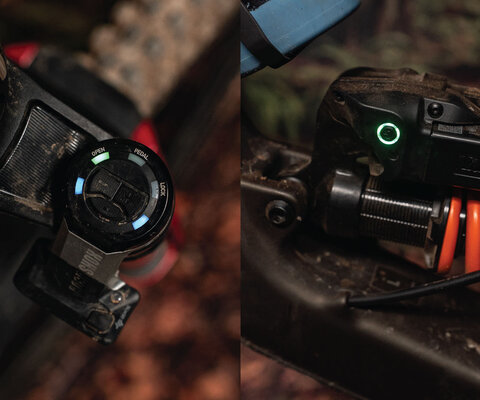
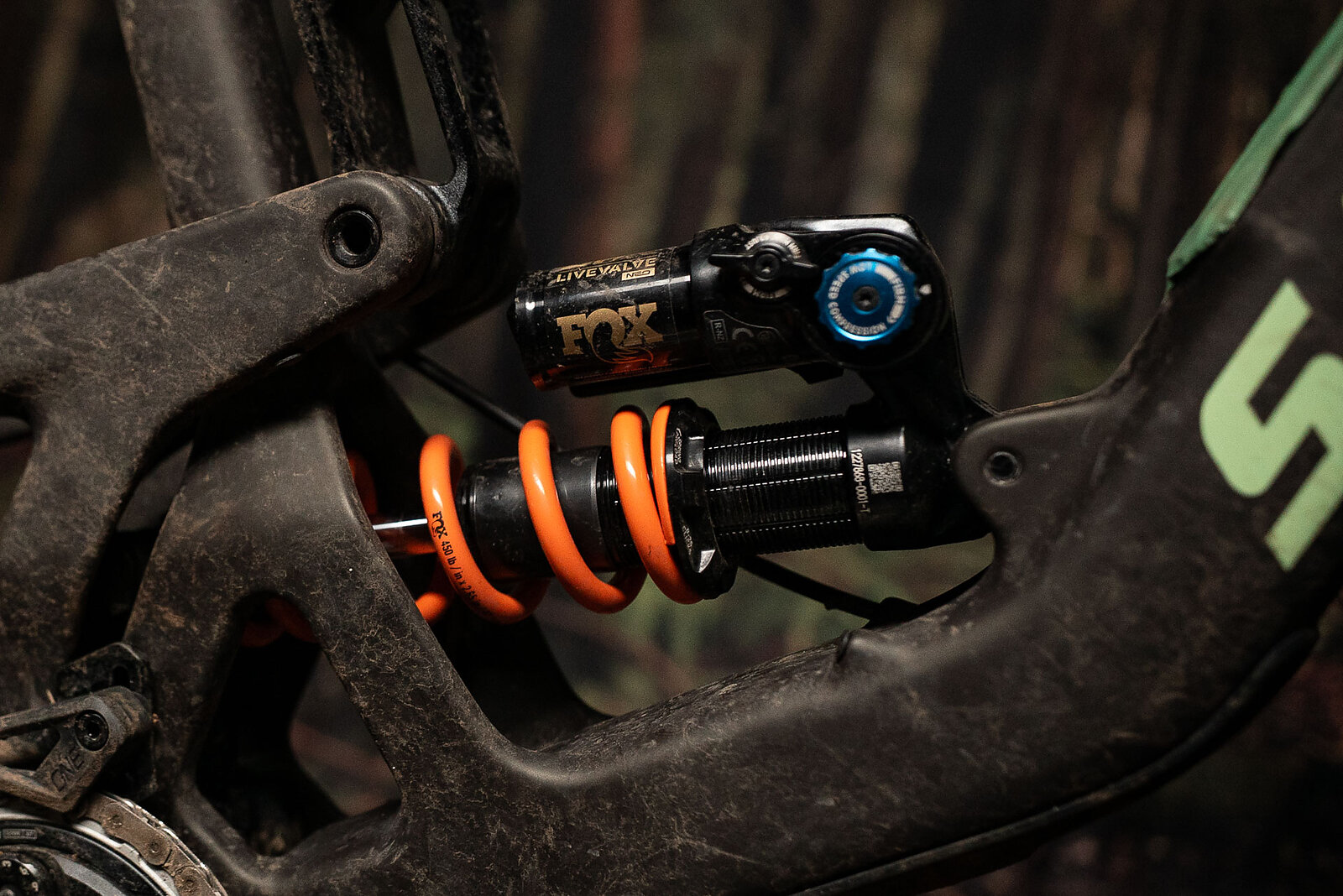
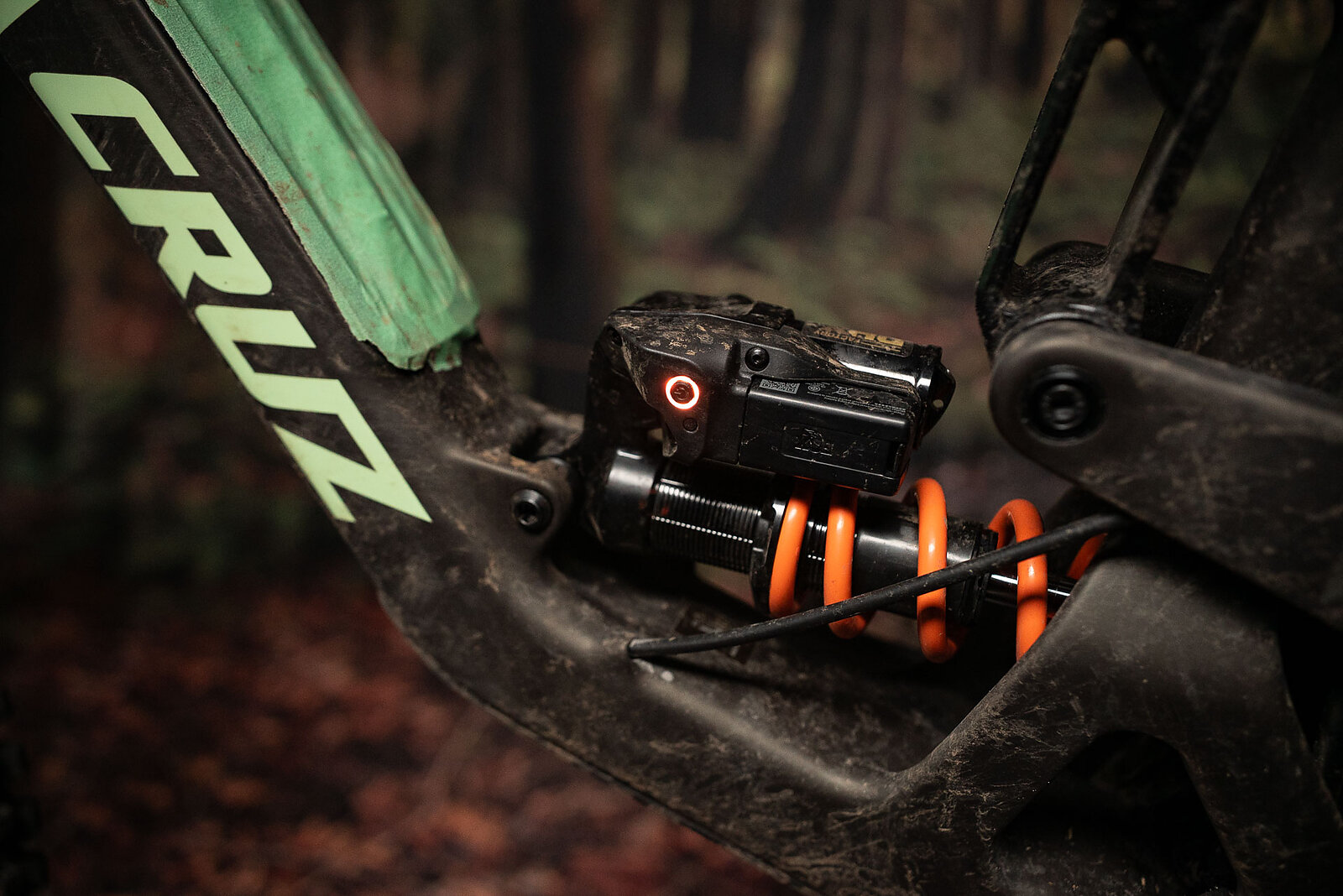
With the Ochain sorted, I swapped on a Fox LiveValve DHX2 coil shock. That will get its own stand-alone review in another piece, but it did make for an interesting match on the Nomad. The electronically-controlled LiveValve system defaults to locking out the shock, until the sensors at each wheel tell it to open. That means it’s a very efficient and snappy feeling ride on climbs and rolling terrain. That was a cool sensation on the Nomad, especially since it’s already a fairly light and snappy bike.
Headed downhill, the coil felt slightly more supple and traction-forward than the Super Deluxe that came stock on the bike, but it wasn’t as night-and-day of a difference as I expected. The bike still had plenty of platform, pumped very well, and still felt more direct than some other similar bikes.
For my riding here in Bellingham, Washington, I don’t think swapping to a coil made enough of a positive difference in how the Nomad rides to make up for the weight penalty. I appreciated the change in ride feel, but also the stock Super Deluxe was excellent, and didn’t really leave me wanting, so adding grams for marginal gains didn’t make much sense. If I owned a Nomad I’d probably track down a Vivid Air, or Float X2 and split the difference with a larger volume air can, without as much extra weight.
Fork Experiments
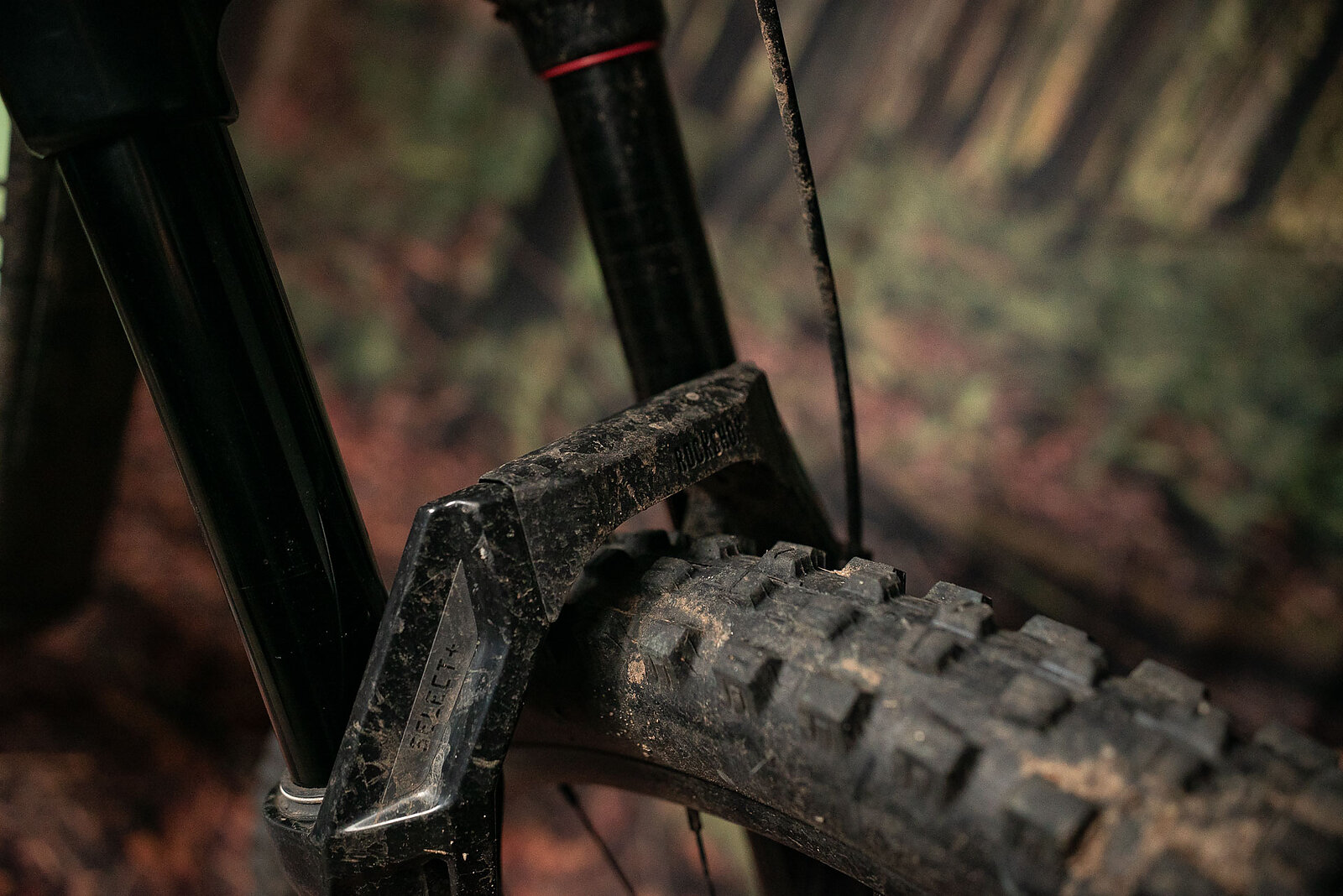
The Nomad comes stock with a 170-millimeter Zeb Select+. I swapped on a previous generation 180-millimeter Zeb Ultimate for a few rides, just to see how it handled. Generally, I’m a fan of running 180-millimeter forks on 170-millimeter bikes. It makes them just a little more smashy and safe feeling on steep trails. And that mostly rang true on the Nomad, but it also felt a little like putting monster truck tires on a rally car. It feels more balanced, and more true to its nature, with the shorter travel fork. If I was trying to make the most traction-heavy, most-pedalable-downhill-bike-feeling version of the Nomad, then yeah, I’d run the 180-millimeter fork but, also, if I was trying to make the biggest-feeling enduro or freeride bike, I’d start with a different frame than the Nomad, rendering that point moot.
Instead, I found that the Nomad was a better match for a 170-millimeter Manitou Mezzer I had in the garage. That fork is significantly lighter than the new Zeb and allows you to dial in a pretty aggressive midstroke support that matches the Nomad’s rear end really nicely. This version of the Nomad felt really tight and responsive, and was my favorite iteration I tested. I didn’t get a chance to try it, but this bike feels like the perfect platform to try the new 170-millimeter version of the Lyrik. I haven’t ridden that fork in the longest-travel layout yet, but its linear feel and lighter-than-Zeb weight sound like a perfect match for the Nomad.
Ride Updates
My friends give me a hard time for always making bikes “more smashy.” I love to put bigger brakes, tires, and forks on bikes in an effort to make them more capable. But, if anything, I found myself going the opposite direction on the Nomad. Some of that is due to its weight. Weighing in at about 34 pounds with a burly and affordable build means there's a lot of weight you could shave. One could, hypothetically, build up a 32-pound Nomad that doesn’t make too big of performance compromises. And that bike would be sick! I’m way more interested in a Nomad with a Super Deluxe, 170-millimeter Lyrik, and lighter wheels than I am in making it into one of my typical 40-pound enduro beasts.
That’s because the overall ride experience on the Nomad rewards a more engaged, aggressive rider. The more you’re riding with intention—choosing lines instead of falling into them, trying to pump or double obstacles instead of surviving them—the better the Nomad feels. If you ride this bike limp-wristed, it matches your energy and feels milquetoast. Ask me how I know. It’s not one of those ego-stroking enduro bikes that erases your mistakes and lovebombs you into feeling like you’re a better rider than you are. And that can leave a sour taste in your mouth when you’re riding poorly.
But damn. When I’m riding committed, when I’m pushing the bike, the Nomad is absurdly fun. It makes me want to pull for stupid trail gaps, push through compressions and accelerate out instead of braking, and choose tighter lines just because I can. It’s so active and agile, and the rear end feels better the harder you push it. The Nomad doesn’t want a passenger, but with a rider it comes alive.
And my experiments with swapping parts around really brought that into focus. Bigger suspension felt like it dulled its shine, instead of just making it more capable. So instead, I’d err towards a lighter, quicker build, and just make sure to put on my big boy pants and come ready to push whenever I rode. Heck, I might even leave the flip chip in the high position just because I can.
Liveability
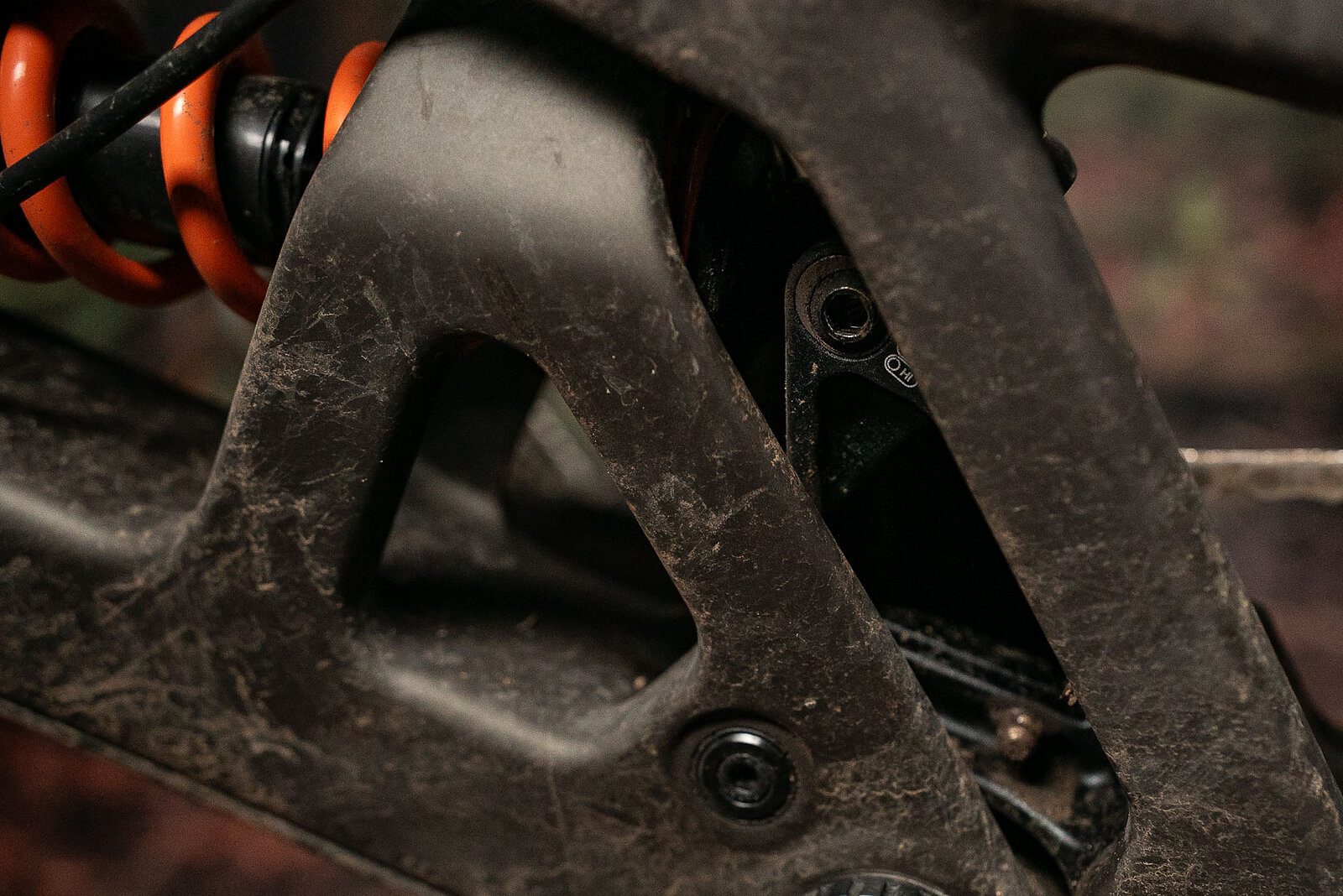
All in, the Nomad has been an easy bike to love and live with, with no creaks or hardware issues. Yes, the flip chip is a little frustrating to swap (a flathead screwdriver and a dab of grease makes it easier to hold in place), but I don’t expect most riders to be doing that often.
I am still a little annoyed by the seatpost insertion, but I’m also a long-dropper lover without the legs to back it up. I can easily run a 210-millimeter dropper, and might get away with a OneUp shimmed to 230 millimeters, which is totally adequate, I’ve just been spoiled by the 250-millimeter dropper on my Trek.
I did have one issue with Santa Cruz’s updated Glovebox V2, that I’m pretty sure is all my fault. Before a ride, I pulled the lid off to show my partner how big and spacious the Glovebox was. She pretended to be impressed. And then I put the lid back on, put the bike on the rack, and drove off. When we got to the trailhead, the lid, and attached water bottle were no longer there. I’m 90-percent sure that I forgot to slide the little switch locked, and thus this is all my fault.
Regardless, I really like the new Glovebox, but I’d admonish everyone to make sure it’s all the way locked before you drive off into the sunset.
For Now
Looking back on my original Nomad piece is funny, because in some ways I took a winding road to end up right back where I was, but with more conviction. In its stock form the Nomad is a solid bike. Beef it up and you get a moderately more capable, safer-feeling ride that doesn’t have quite the same magic as it did out of the box. But put it on a touch of a diet, and you get a rig that still leaves me no excuses to not drop into the biggest moves around, but that also makes the less committed trails feel more fun and engaging. 170-millimeter bikes don’t have to be a monolith, and the new Nomad is a great reminder of that.
Learn more: Santa Cruz