Welcome to Issue 17.1
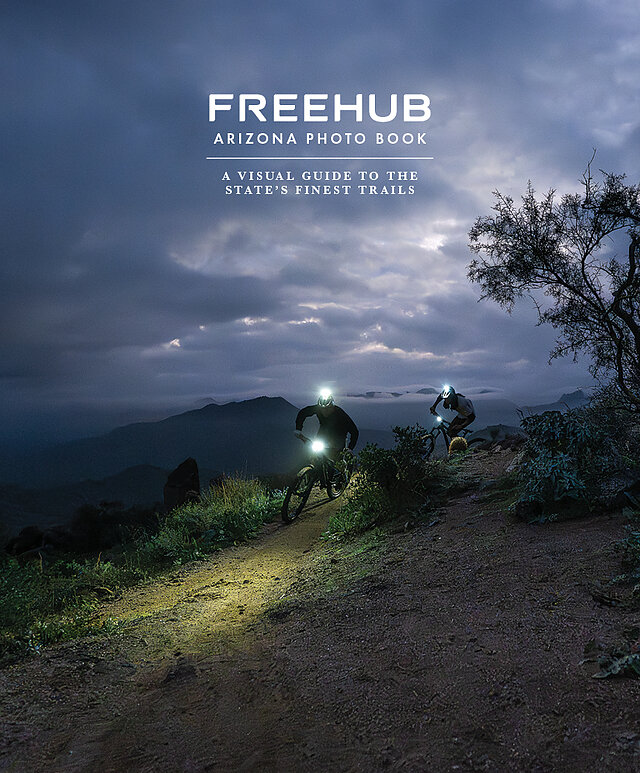
As a mountain biker, reasons to visit Arizona are nearly endless: the scenery, the terrain, the underlying hum of a perfectly still desert. This is a state confident enough in its supremely beautiful sunsets to slap one on its flag. But it’s also brutal. Momentum is hard to come by, rocks are aplenty, and the heat is suffocating. This dichotomy lies at the heart of what makes Arizona riding completely unlike anywhere else. Now, after decades of work in communities including Sedona, Flagstaff, Prescott, Phoenix, and Tucson, the Grand Canyon State has earned a spot among North America’s premiere fat-tire destinations. This edition of Freehub documents Arizona’s range of riding scenes, from vast interconnected urban networks to the loneliest stretches of the famed AZT.
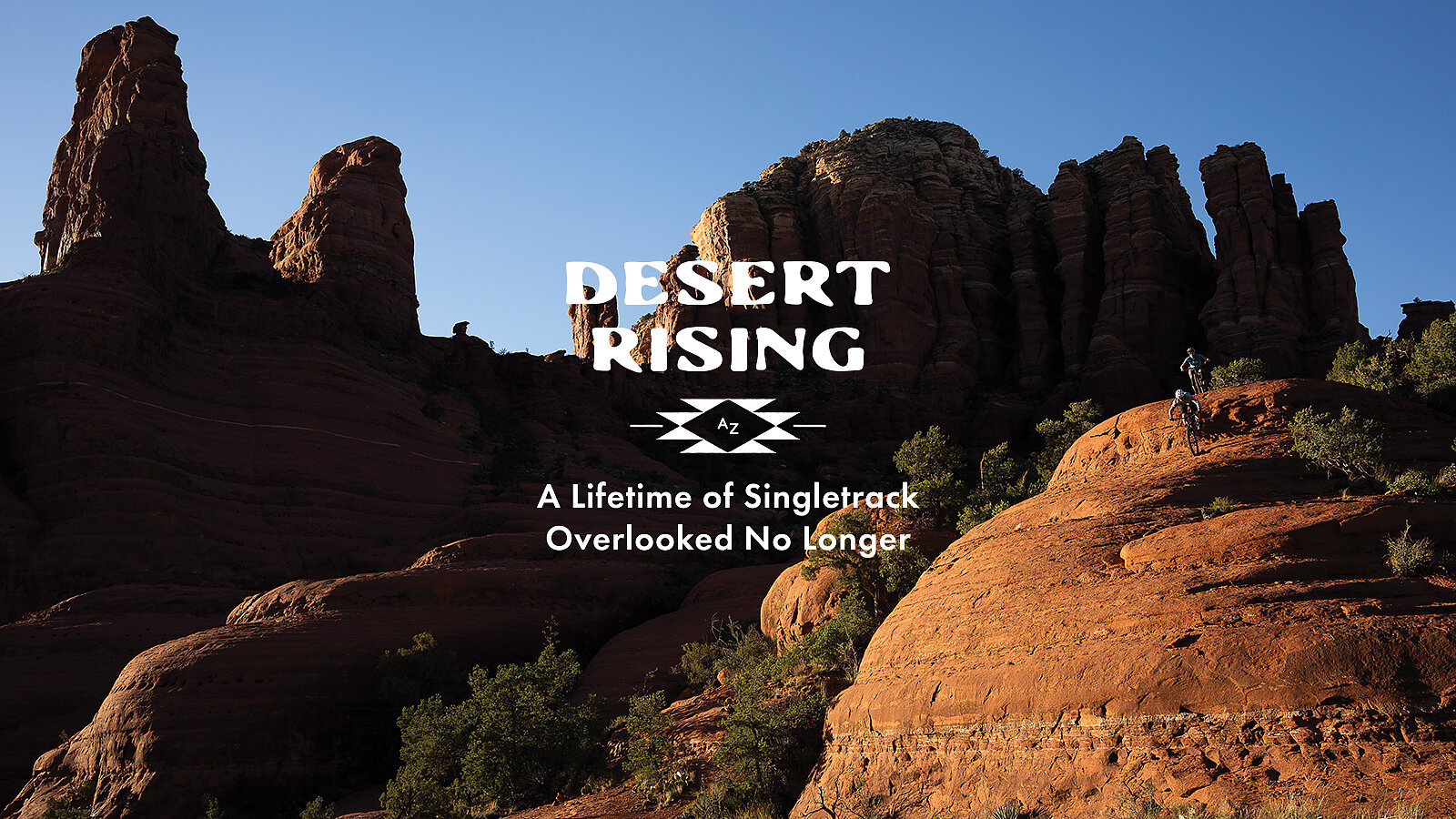
In the mid-1970s, when Dale Shewalter began mulling the idea of a trail that would traverse the entire state of Arizona from Mexico to Utah, mountain biking was just a glimmer in the eyes of a handful of misfits—and certainly not in Arizona. Yet through his vision to create a statewide trail for non-motorized use, Shewalter became one of the earliest advocates for mountain biking in the Grand Canyon State.
The idea came to Shewalter after years of rambling the parched mountains around Tucson. Having long dreamed of connecting these stunning landscapes, he set off in 1985 to explore how far he could go on existing backroads and paths. That original 750-mile expedition cemented Shewalter’s vision of “experiencing Arizona, the diversity and the beauty of our landscapes and our cultural history, one step at a time.”
Words by Aaron Gulley
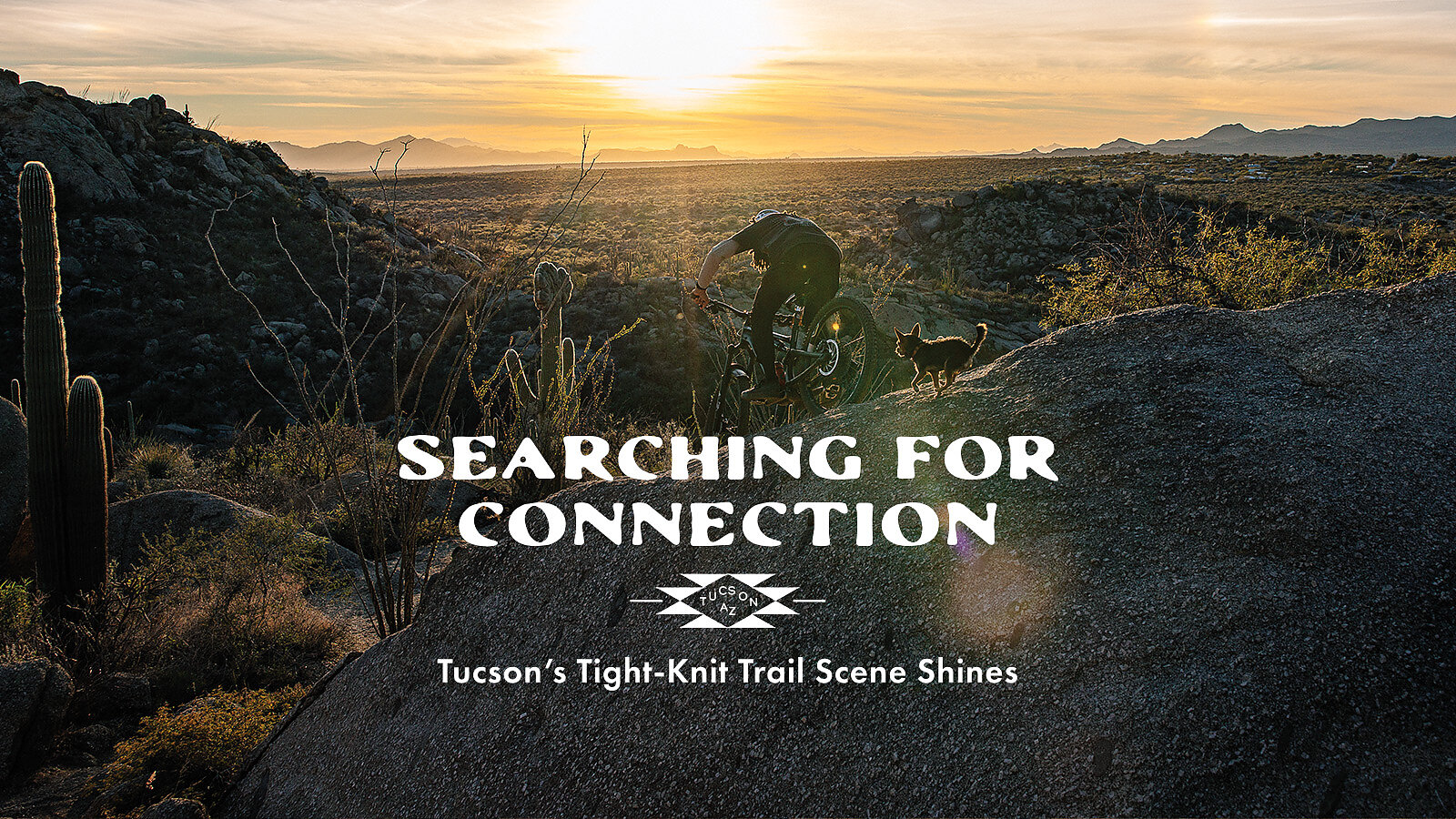
On a rare rainy week in the Sonoran Desert, Kate Van Roekel juts out her tongue in concentration as she confidently navigates an upper section of the Explorer trail within Tucson Mountain Park.
The trail charts a path through stands of huge, impossibly stoic saguaro cactus, found only at certain elevations in and around the Madrean Sky Islands, a series of isolated, desert mountain ranges. Their shallow roots extend from a central stem in every direction, akin to spokes on a wheel. They reach out radially for water, for connection, for life. The desert is thirsty and the dirt is perfect. The sky has cleared and the sun is setting low behind the Tucson Mountains.
Words by Molly Cameron
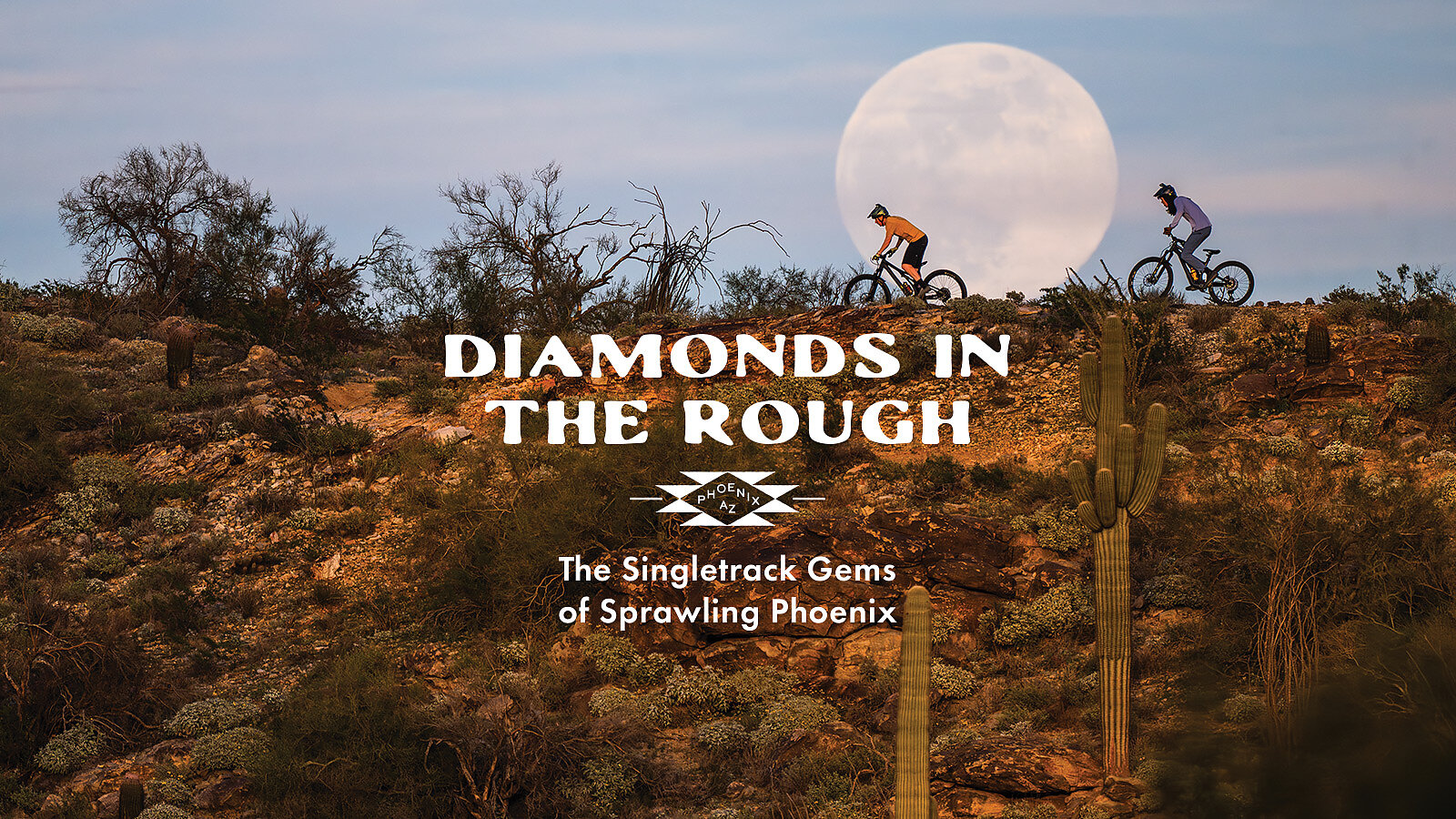
It took the home air conditioning revolution of the mid-20th century before cycling could truly blossom in Phoenix’s oven-like heat.
The Sonoran Desert, where Phoenix lies, spreads south from the lower half of Arizona down into Mexico and typically receives less than 10 inches of rain each year. Despite the heat and dry, it’s one of the most biologically rich deserts in the world. Many types of unique flora can only be found here, such as the saguaro cactus and the palo verde tree, which performs photosynthesis using its entire bark.
Words by Edward Andrés Dennis
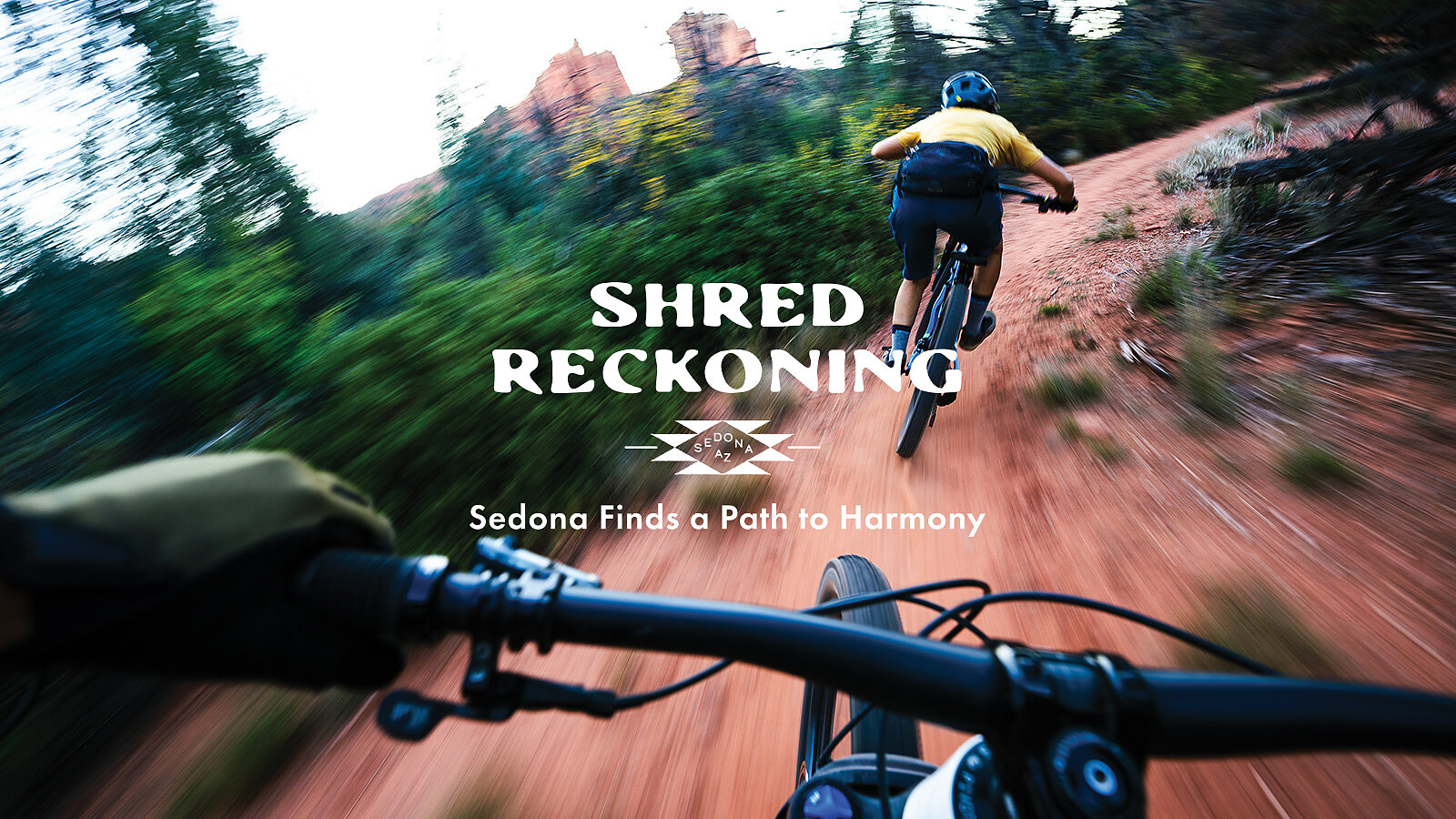
Phil Kincheloe unfolds his Sedona trail map and spreads it across the trailhead picnic table in front of us. His hand sweeps across the entirety of it, some 200 miles of tiny, squiggly lines.
The Sonoran Desert, where Phoenix lies, spreads south from the lower half of Arizona down into Mexico and typically receives less than 10 inches of rain each year. Despite the heat and dry, it’s one of the most biologically rich deserts in the world. Many types of unique flora can only be found here, such as the saguaro cactus and the palo verde tree, which performs photosynthesis using its entire bark.
Words by Anne Keller
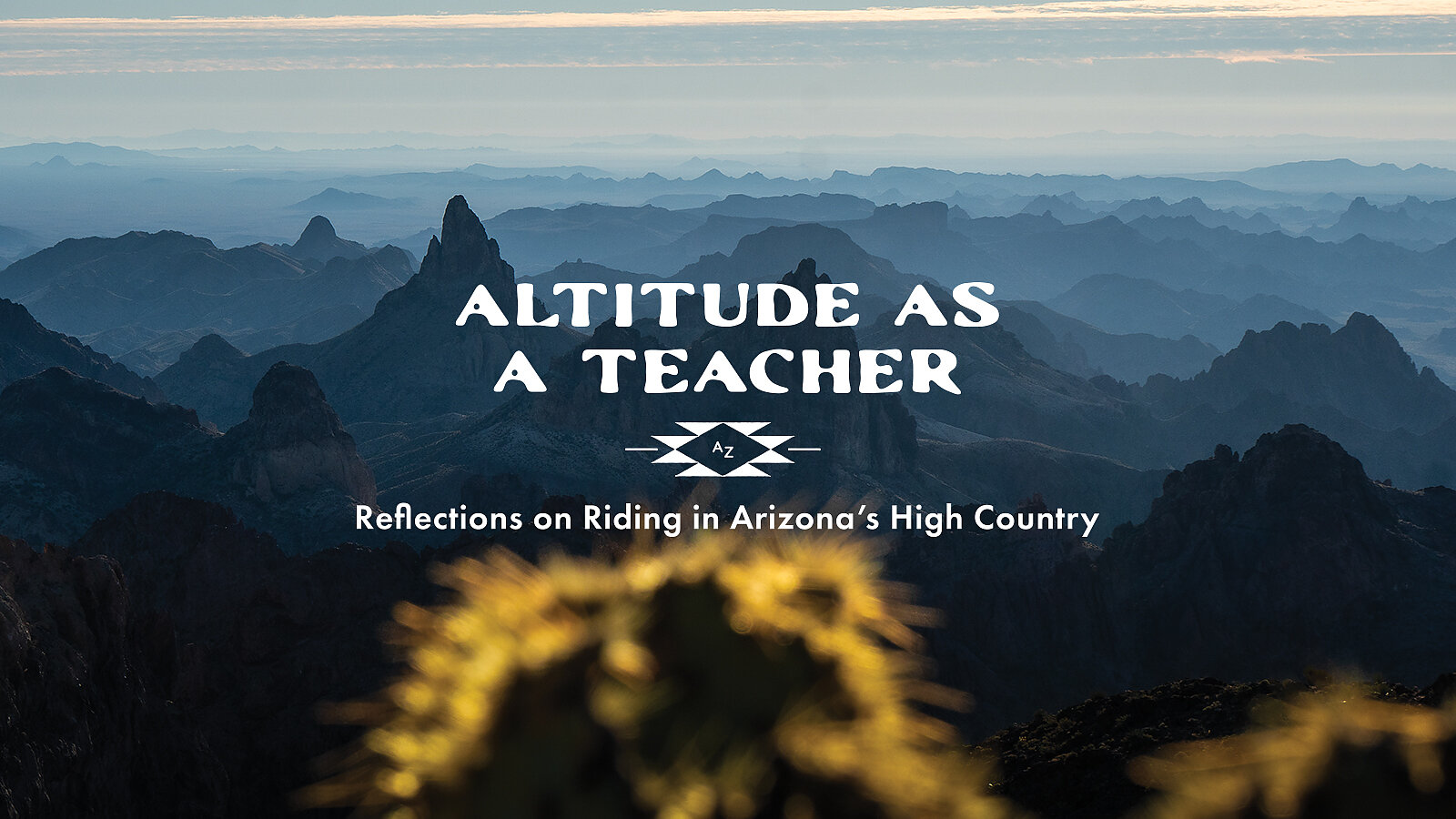
I’ve always been drawn to landscapes that don’t announce themselves in overt ways. Places that resist spectacle and require presence before revealing anything meaningful. They don’t reward the drive-by glance or the checklist mentality. Instead, they ask you to slow down, linger, and learn how to look.
Arizona is often associated with grandeur, yet so much of its beauty is subtly hidden in silence, heat, and distance from the interstate. The desert is frequently written off as barren or unremarkable, a place to pass through rather than stay for a while. But those who linger discover a landscape rich with character and restraint; it doesn’t reveal itself easily, and that’s the point. Its beauty is accumulative, earned through repetition and patience rather than immediate awe.
Words by Elliott Milner