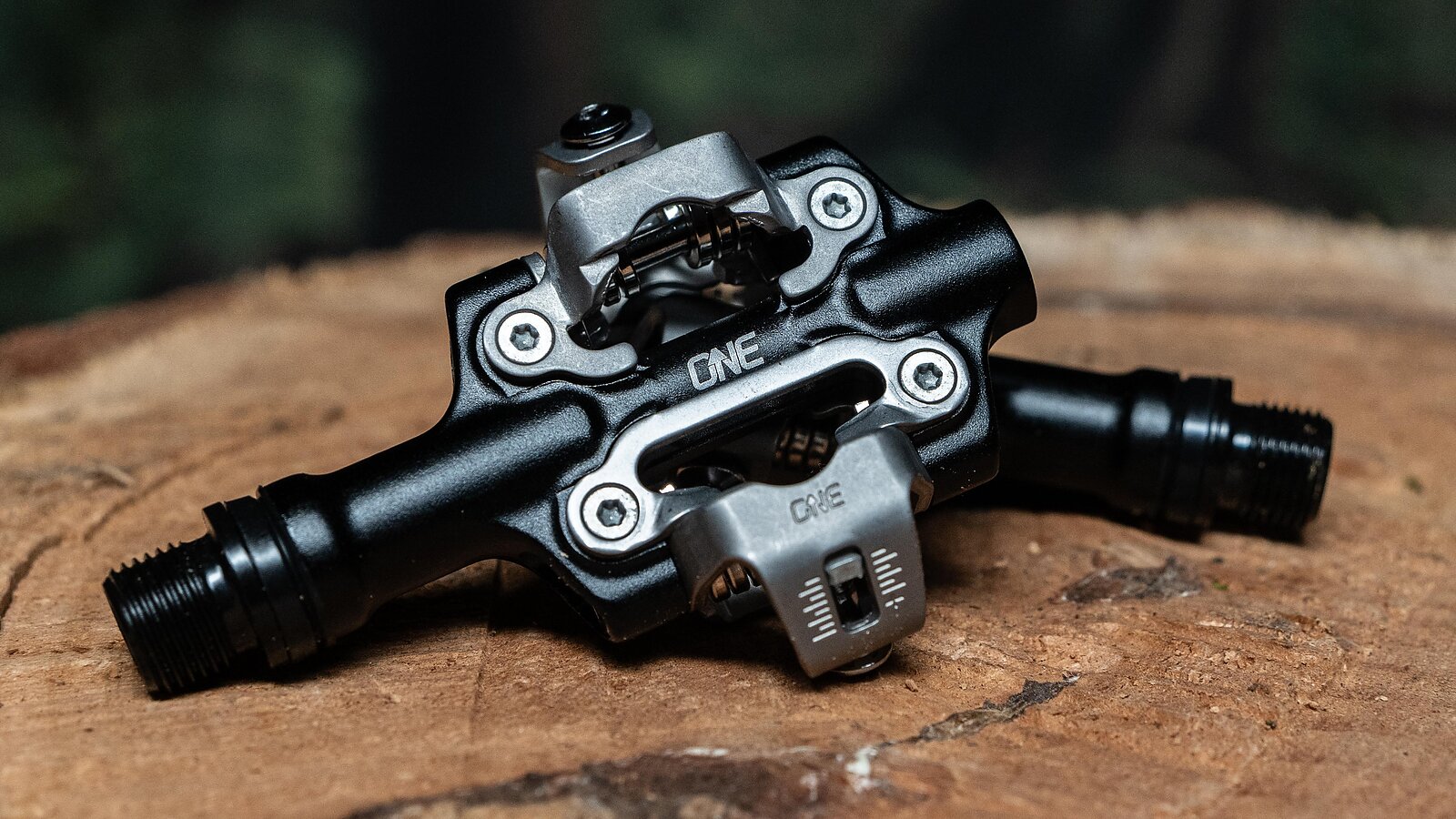
OneUp XC Clip Pedals Marginal gains for the win.
OneUp is on a tear of doing reasonably predictable things remarkably well. The Squamish-based brand has developed a knack for taking “normal” components and eeking just a little bit of extra out of them, and this latest release of a cros-country version of the Clip pedal is a perfect example.
There’s nothing weird or out of the ordinary here: OneUp took its tried and true, SPD-compatible clip system and stuck it in a pedal that manages to be a hair lighter, a hair thinner, and a hair more affordable than the classic Shimano XTR M9200.
OneUp XC Clip Pedal Details
- Thickness: Body 14.4 mm / Binding 26.8 mm
- Size: 75 mm wide x 90 mm long
- Compatible with a standard SPD cleats
- Weight (one pedal): 152 g
- Price: $159.99
OneUp XC Clip Pedal Features
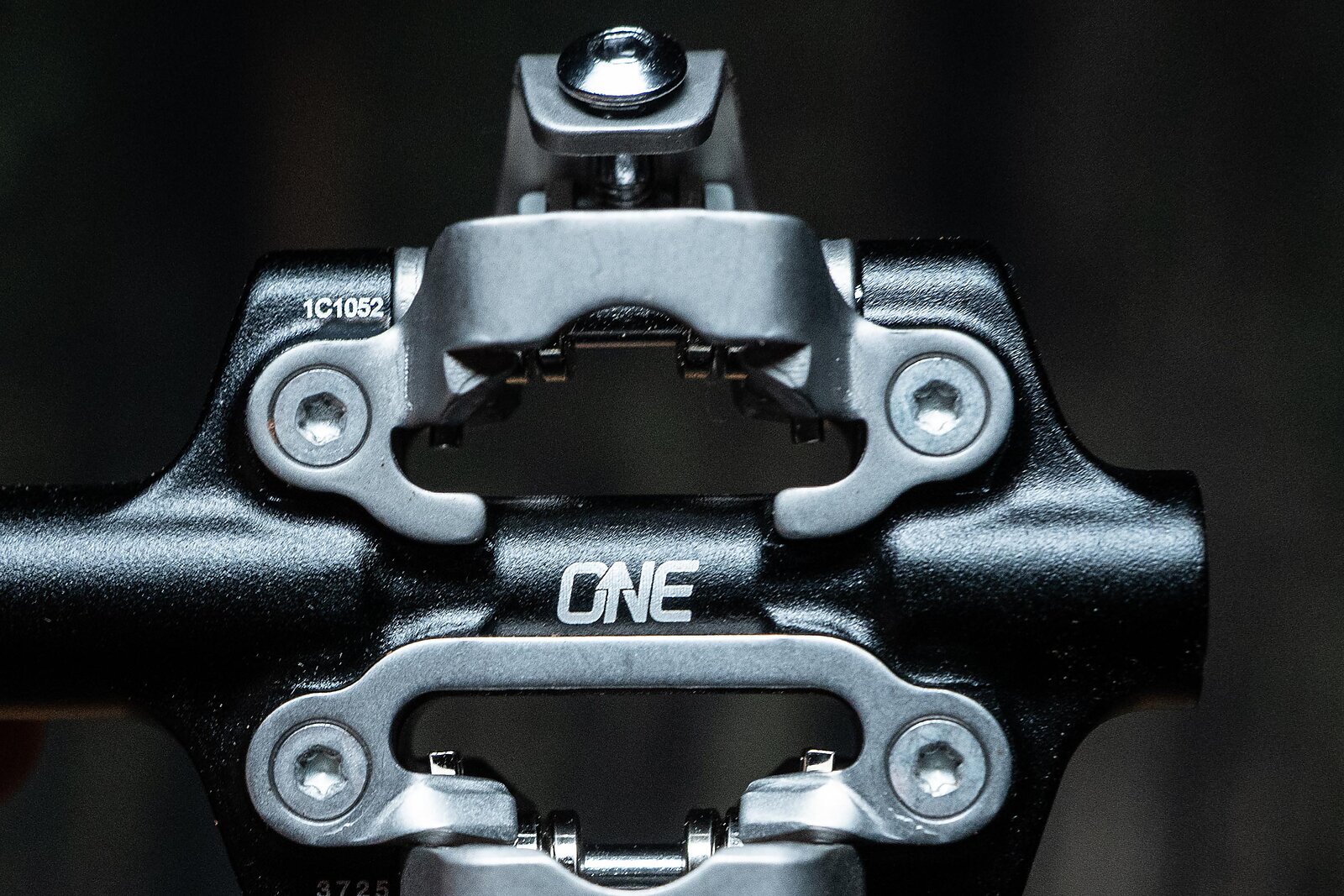
Unsurprisingly, the XC Clip pedal is fairly simple and stripped-down. It uses the same SPD-friendly retention system as OneUp’s Clip pedal with 5° of float and a 12° release angle, and we haven’t had any of the teething failure-to-release issues that the first round of that pedal displayed. Like the original Clip pedal, its release range trends tighter than Shimano’s. You can run a significantly higher retention value with the XC Clip than you can with the XTR.
When OneUp released the Clip, one of its selling points was that it was the thinnest clipless mountain bike pedal on the market, and the XC version maintains that title, with the same 14.4 millimeter body thickness, and 26.8 millimeter binding thickness. This is, undeniably, a game of tiny marginal gains, and the XC Clip is only buying you a millimeter and change of clearance, but it’s still worth noting.
Weight-wise, the XC Clip is about eight grams lighter per pedal than the XTR and at MSRP it costs $40 less than the $200 XTR. Not huge numbers, but nothing to scoff at either.
And of course, because this is a OneUp pedal, it’s available in six anodized colors, so you can customize to your heart’s content. Another small feature that I appreciate is that OneUp has standardized the axles and internals across its pedal lineup, so that the original Clip, XC Clip, and Wave pedals all use the same components and rebuild kits. That should make it easy to find service parts for your pedals, and means that, despite its name, the XC Clip is fully approved for any riding discipline.
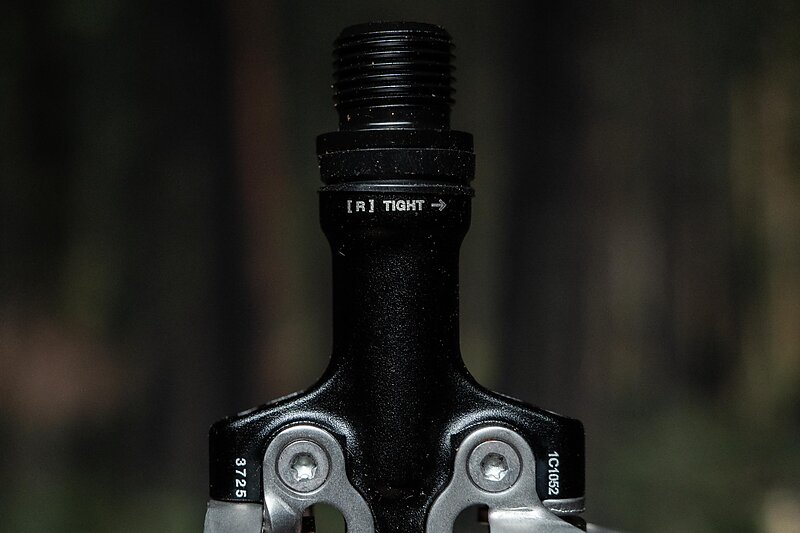
OneUp XC Clip Pedal Performance
While I’m happy to clip in on occasion, I am not the sort of lycra-wearing, high-intensity rider that the XC Clip is aimed at. So I handed off this set to Julia Tellman, who has put them through the wringer on her drop-bar bike this winter, racing cyclocross, and chasing big gravel loops.
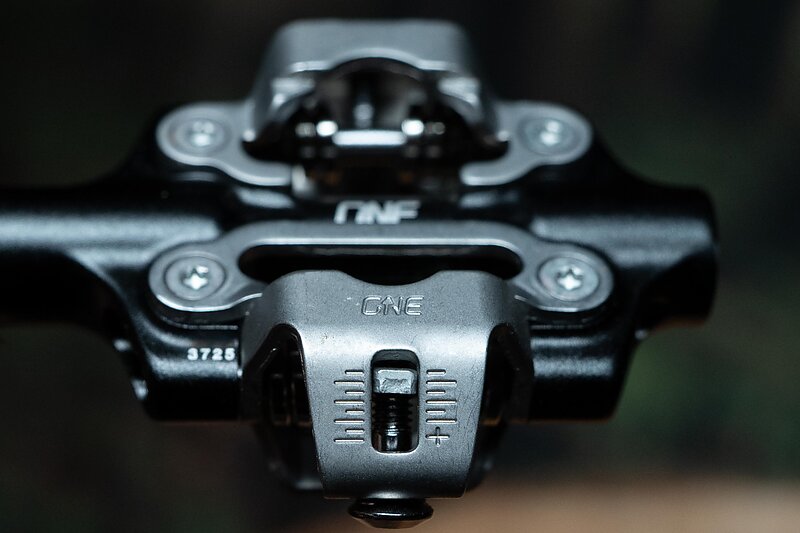
So here’s Julia’s feedback, followed by my own: “The XC Clip has a much stiffer adjustment range than the Shimano pedals I typically run. I’m usually right in the middle of Shimano’s range, and with the XC Clip, I’m running them close to fully open. But clipping in and out feels very similar to Shimano SPDs (that’s a good thing) and the XC Clip clears mud as well as Shimano pedals.”
It is worth noting that Julia opted out of racing cyclocross on the XC Clip because the outboard end of the axle/pedal interface has the potential to take a calf core sample if you flub a dismount or run-up. That shouldn’t be an issue for mountain bikers though.
I’d echo everything Julia said. In my brief time on the XC Clip I tried clipping into them back to back with a set of Shimano XTR pedals. I think there’s a subtle difference in how the two mechanisms feel, with the Shimano system feeling just a touch smoother and quieter, but it’s not a big difference at all, and if you’re not repeatedly swapping back and forth between the two pedals back-to-back you might not even notice it.
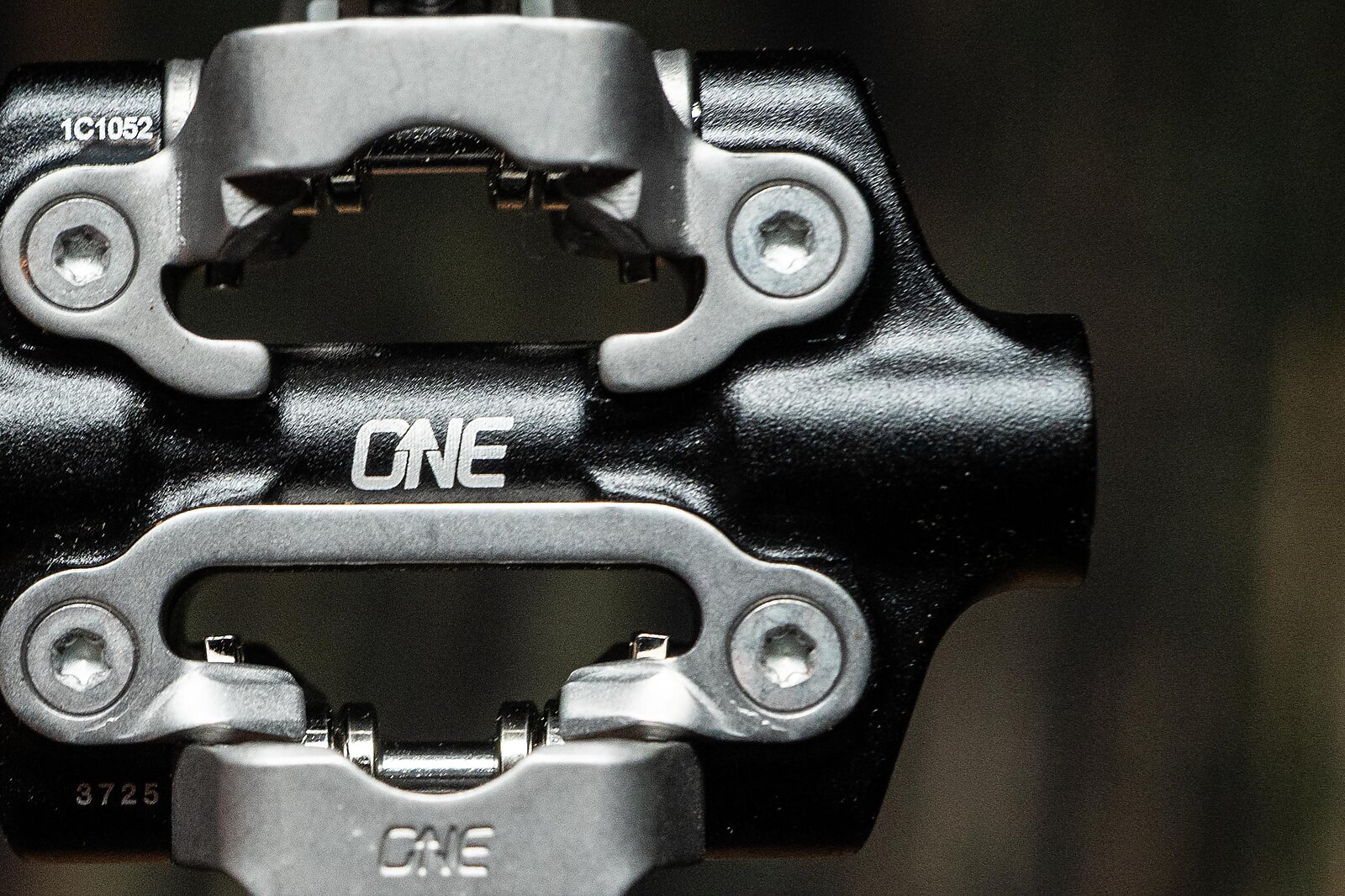
For Now
You come at the king, you best not miss. Shimano’s clipless pedals don’t leave much to be improved, but OneUp has managed to make a pedal that has a stiffer adjustment range, a touch more ground clearance, and a touch less weight for less money than Shimano’s XTR pedals. And it’s easy to service, and comes in pretty colors. What’s not to like?
Learn more: OneUp Components