Altitude as a Teacher Reflections on Riding in Arizona's High Country
I’ve always been drawn to landscapes that don’t announce themselves in overt ways. Places that resist spectacle and require presence before revealing anything meaningful. They don’t reward the drive-by glance or the checklist mentality. Instead, they ask you to slow down, linger, and learn how to look.
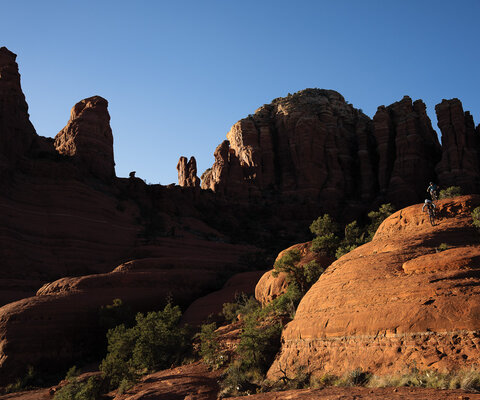
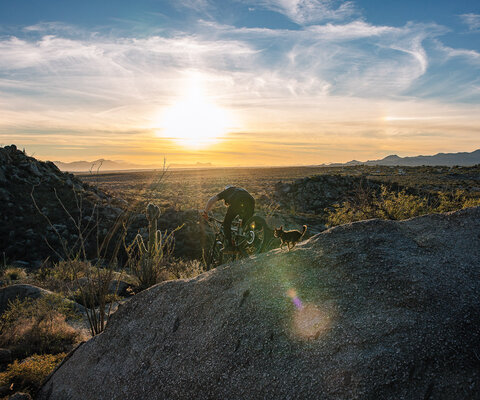
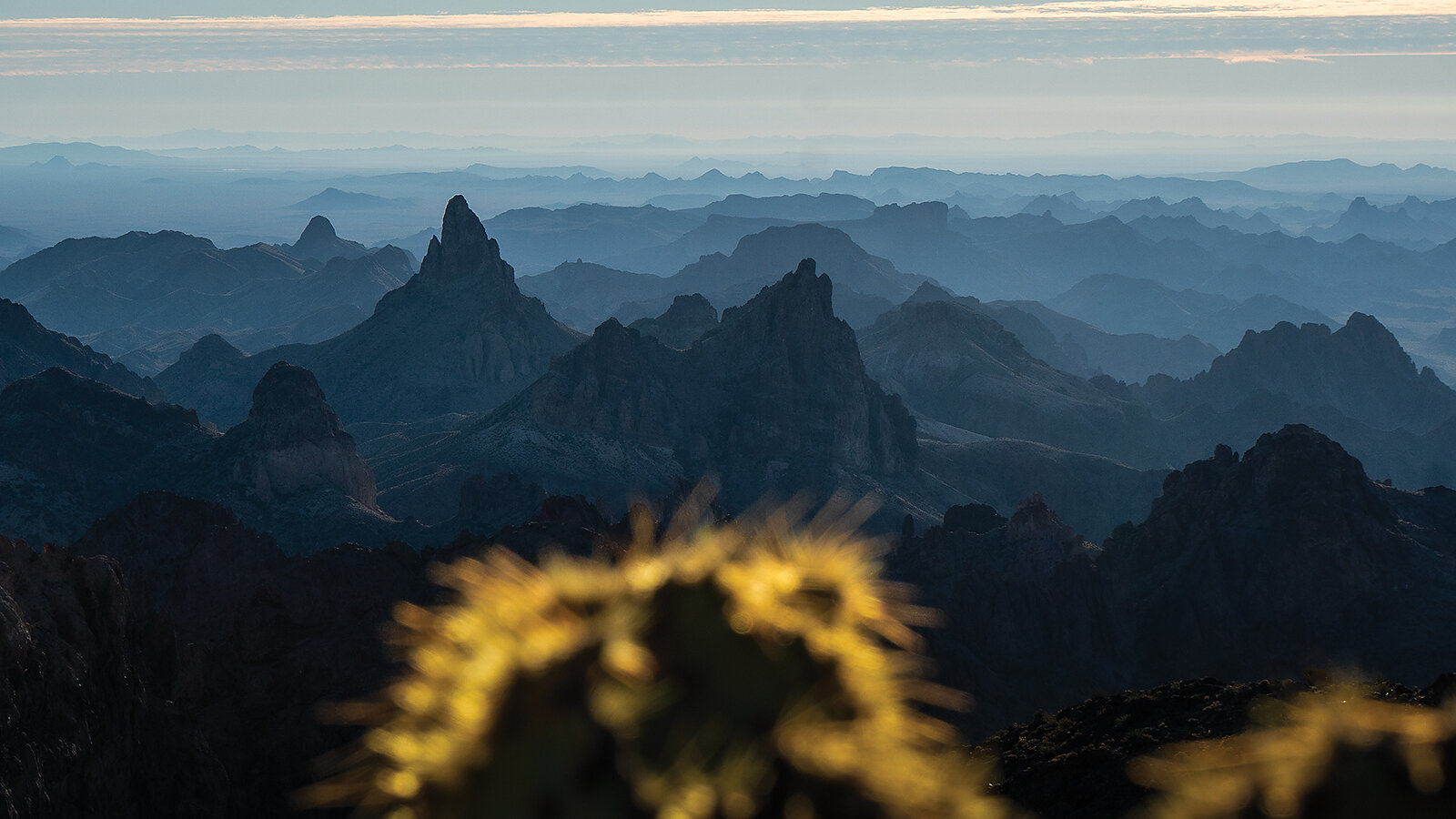
Arizona is often associated with grandeur, yet so much of its beauty is subtly hidden in silence, heat, and distance from the interstate. The desert is frequently written off as barren or unremarkable, a place to pass through rather than stay for a while. But those who linger discover a landscape rich with character and restraint; it doesn’t reveal itself easily, and that’s the point. Its beauty is accumulative, earned through repetition and patience rather than immediate awe.
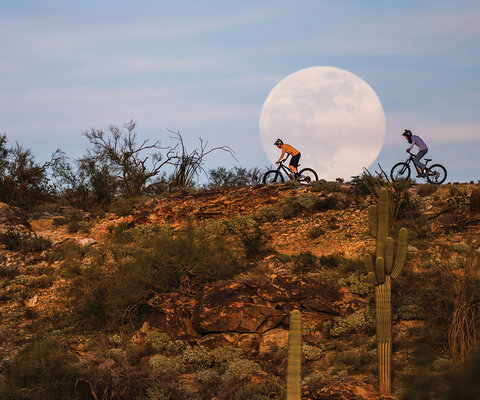
After finishing school, I relocated to Tucson, trading Phoenix’s sprawl for the southern edge of the state. For years, my instincts pulled me north toward Prescott and Flagstaff—chasing elevation, novelty, and relief from the heat. At the time, those places felt like escapes. But living in the desert’s furnace reframed them entirely. In a land of relentless sun and long summer days, elevation isn’t just scenery. It’s survival, reprieve, and perspective.
Time in Arizona has a way of sharpening awareness. It teaches restraint. It teaches humility. This state demands effort, rewards patience, and offers an uncommon kind of honesty—one that reveals both strength and limitation with equal clarity. The riding here also reflects that truth. It isn’t about conquest or spectacle, but about learning to exist within the landscape as it is.
Prescott and Flagstaff sit at different elevations, shaped by different histories and terrains, yet together they shade in a picture of what riding in Arizona can be when you’re willing to meet the land on its terms.
Prescott greets you with a quiet sense of juxtaposition. As the elevation settles around 5,300 feet, the air cools just enough to signal change. It’s high enough to offer relief, yet low enough to feel deceptively familiar. The transition happens gradually, marked by subtle shifts rather than dramatic contrast.
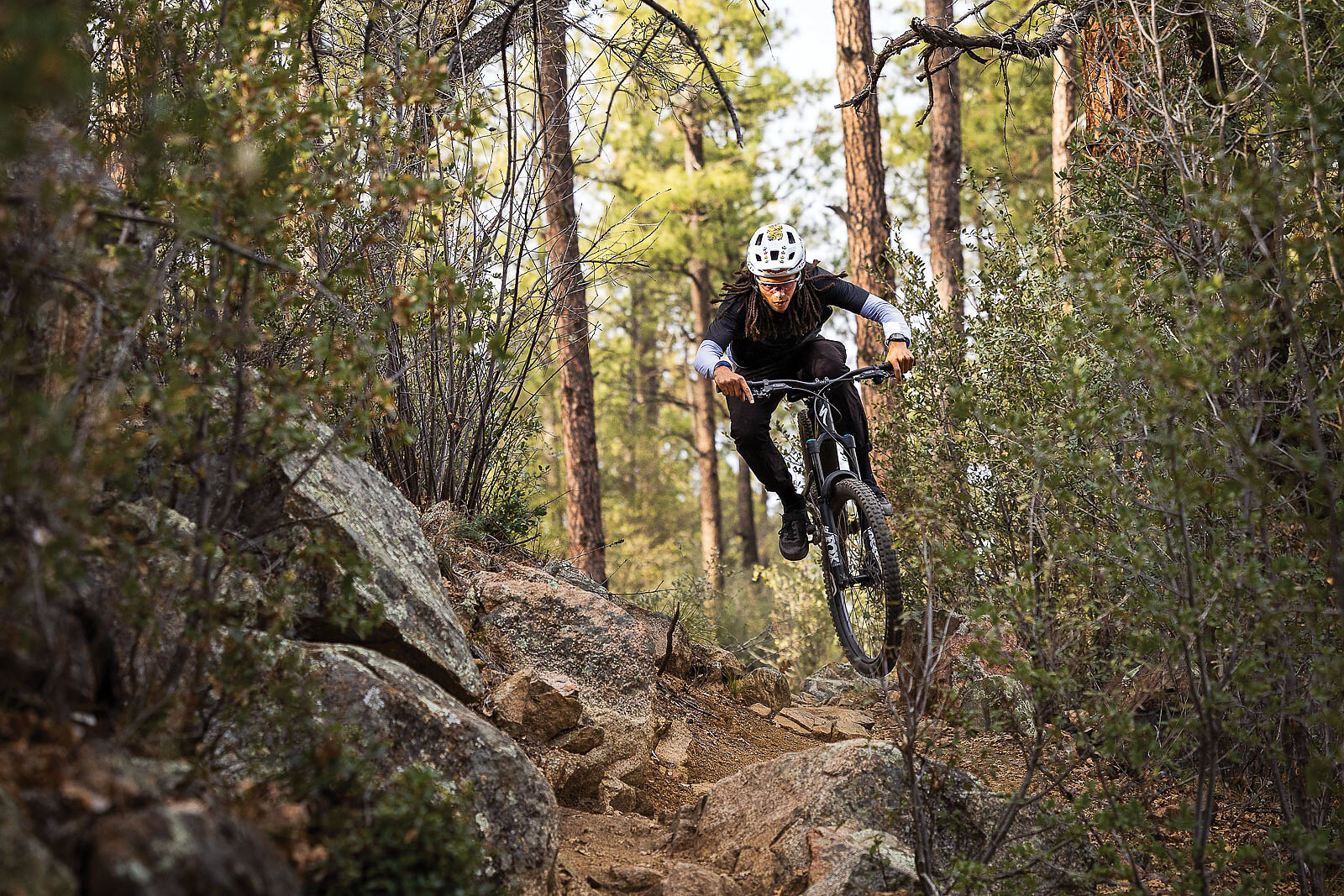
From the first pedal strokes, riding here feels distinctly cowboy. The trails reward forward thinkers, and the pace is dictated less by predictable flow than by how comfortably you can handle rocky disruptions. Despite its character, Prescott feels approachable, even on a first visit, welcoming riders into its rhythm without demanding outright mastery up-front.
The landscape surrounding Prescott is shaped by a rare convergence of geology, ecology, and elevation that gives the region its unmistakable signature. Granite rises in globular, peculiar formations, while dense pine forests provide contrast, shade, and reprieve. Under tire, the ground rides fast yet loose—firm in places, squirmy in others—creating a constant dialogue between traction and uncertainty.
There’s a balance here that’s easy to appreciate. The trails feel undeniably Arizonan without being foreign, technical without becoming too overwhelming. This terrain encourages tempo and intention, rewarding riders who value creative line choice over brute force.
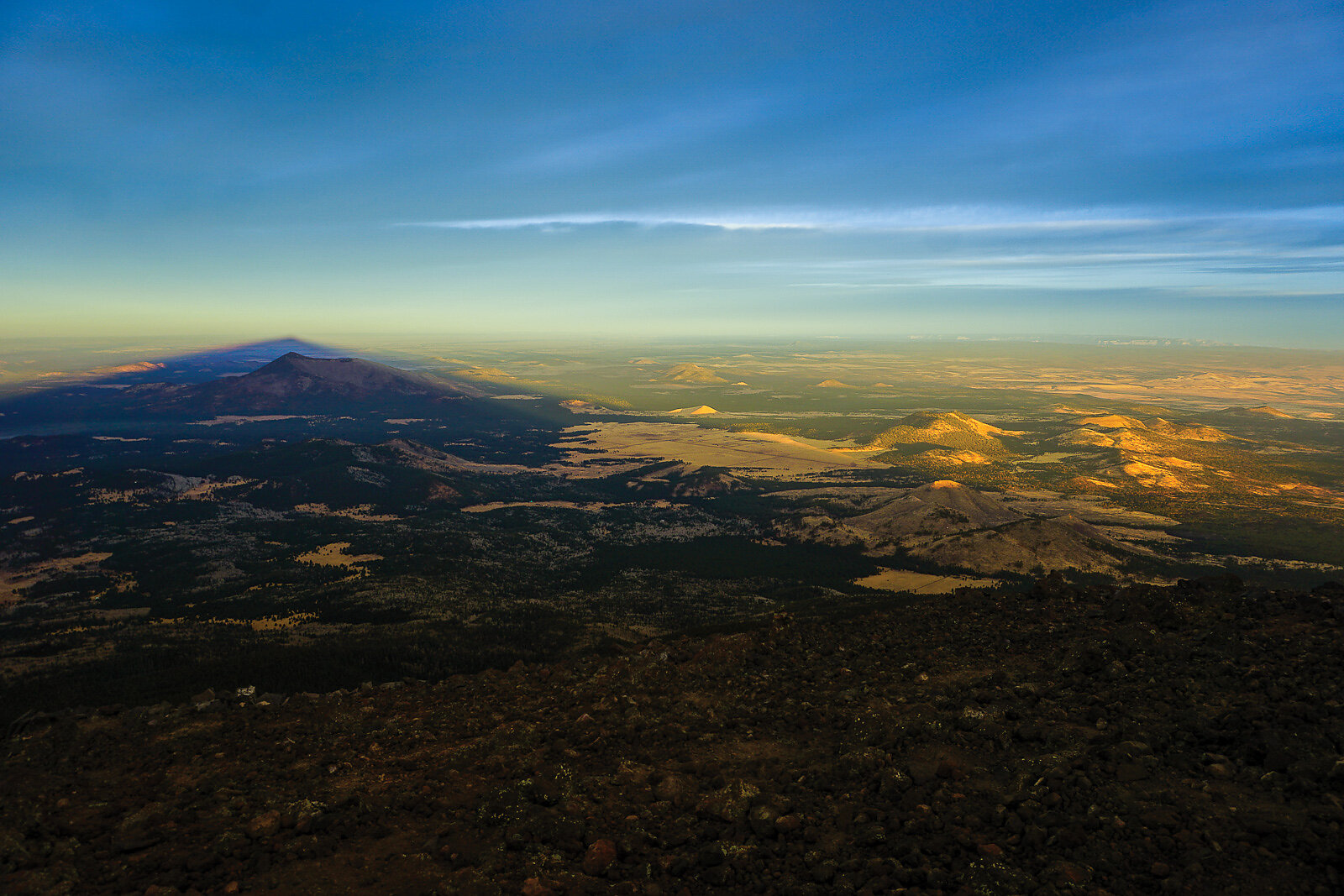
Prescott’s riding is shaped as much by frontier history as by its physical landscape. Climbs unfold steadily, often punctuated by expansive high-desert views, while descents flow smoothly before breaking into rocky moments of disruption that invite creativity rather than all-out aggression.
This is riding that speaks to the adventurous bike nerd. Riders who fancy a proper climb will find plenty to engage with, while those drawn to varied scenery will appreciate the region’s high-desert frontier charm. Prescott supports a wide range of riding styles without forcing any one approach.
There’s a rhythm to riding in Prescott that mirrors the town itself—unhurried, grounded, and welcoming. The trails feel inviting, shaped by years of local stewardship and care. Riding here carries a strong sense of place and freedom, less about proving anything and more about appreciating nuance. Subtleties are seen in unlikely unions established in micro-climate variations, marrying cactus, chaparral, and pines to banded zones. Thanks to its elevation and climate, Prescott offers a refreshing reprieve. The riding season feels extended, allowing for repeat visits and familiarity over time.
Prescott leaves you with a feeling of a familiar past. Riding here feels timeless and nostalgic, grounded in community, and shaped by passionate riders. If Prescott offers a gentle, calm reminder that high-elevation riding doesn’t need to be overly intense, then Flagstaff asks for effort due to its sheer scale.
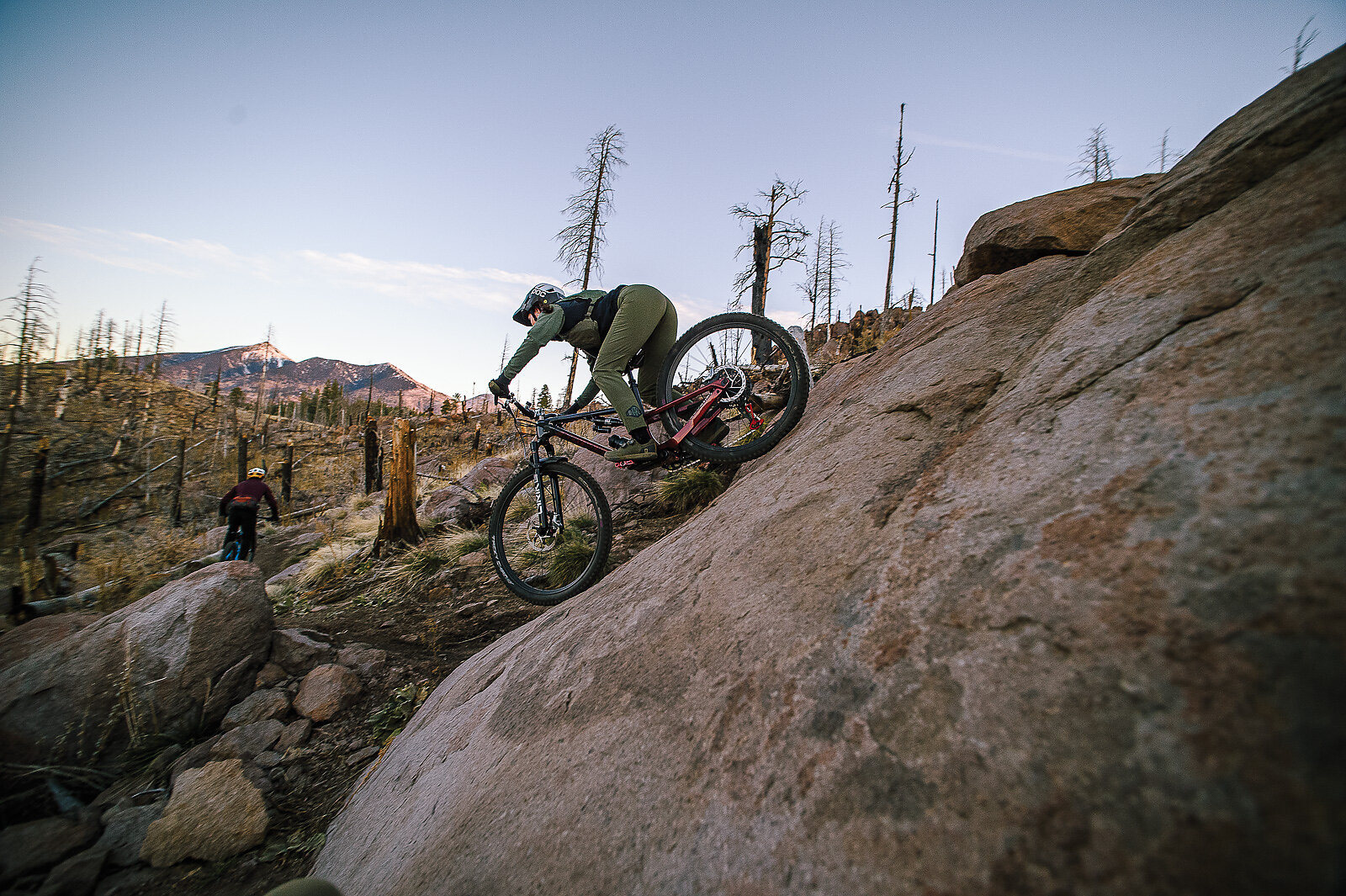
The first thing I noticed when arriving in Flagstaff was its grandeur. It’s vague at first—a hint of altitude—but undeniable once you begin to move. As the air thins, the body responds instinctively, slowing the pace in a forced recalibration. Riding here immediately asks for respect, something that isn’t optional at this elevation.
Compared to the rest of Arizona, Flagstaff feels almost out of place. The light shifts dramatically, and the landscape stretches wider than expected. Even standing still, there’s a palpable sense of awe and understanding that this is a place shaped by scale, weather, and time.
The ground in Flagstaff rides steady and firm. Rather than gentle meandering, the trails are shaped by alpine terrain and rugged elevation. Aspen groves give way to dense pine forests, while the soil shifts between loamy earth and volcanic remnants beneath your tires.
There’s a rhythm to the terrain that feels almost jazzy. Climbs unfold gradually, rarely offering shortcuts, while descents reward patience over haste. Momentum here comes from sustained effort and consistency rather than force alone.
Riding in Flagstaff demands thoughtful pacing. The elevation makes itself known through lungs and legs, especially on the climbs. Efforts feel fully earned, and the reward arrives in the form of long, meaningful descents. This isn’t riding built around raw speed alone. It favors riders who appreciate challenge, those willing to burn matches in exchange for depth and duration. The climbs don’t apologize or offer much respite, but they do unveil quiet surprises for those who pay attention.
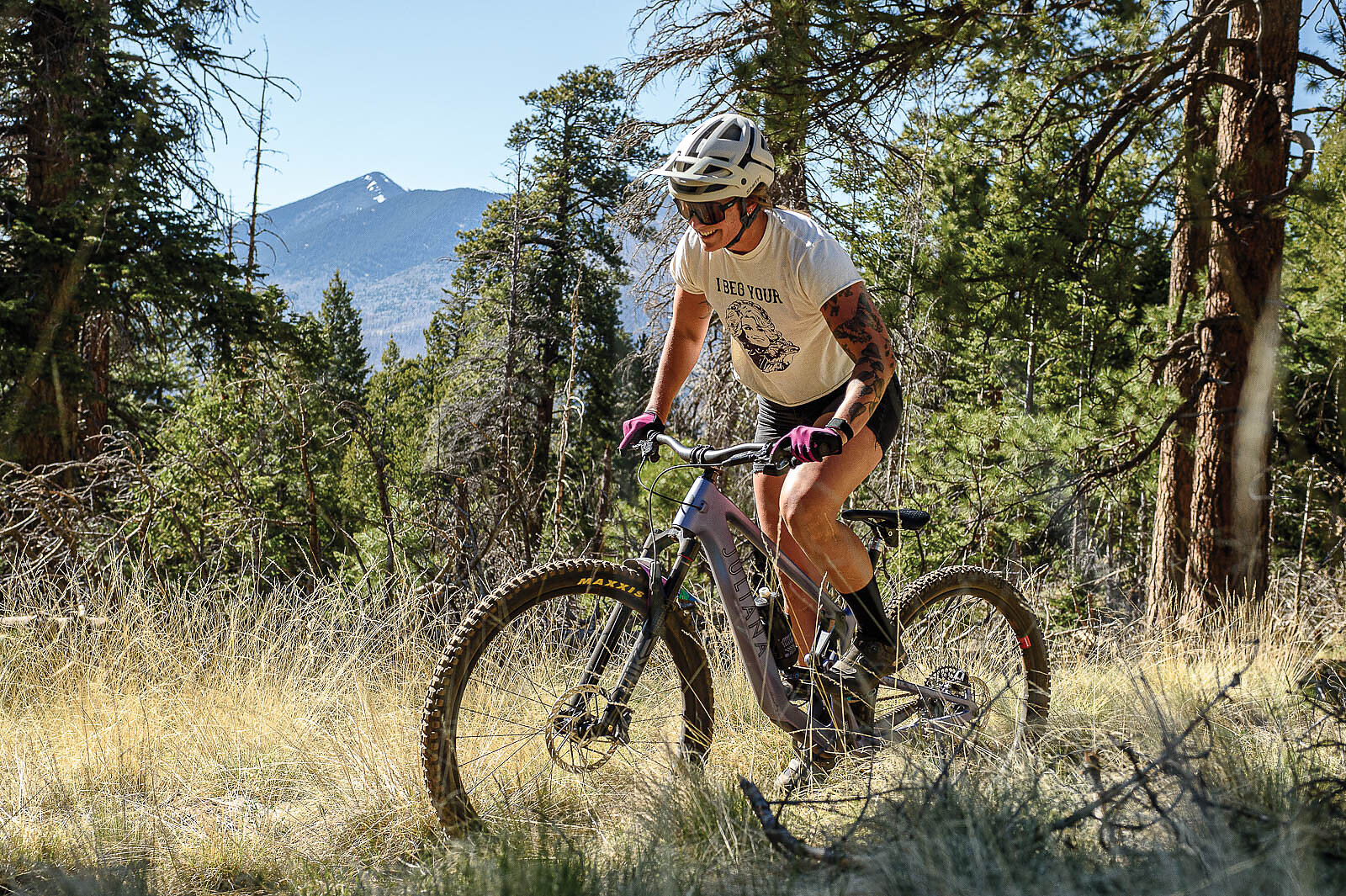
Flagstaff’s riding season is defined by rhythm and restraint. When the trails open, there’s a shared sense of anticipation and understanding that time here is limited. The window is short, which makes every ride feel deliberate and precious.
The town itself balances charm and grit. Riders move fluidly between town and trail, weaving riding into daily life rather than treating it as an escape. Here, riding isn’t just recreation. It’s a rhythm embedded in the fabric of the place.
Flagstaff leaves me with a sense of wonder. It’s a place that demands respect, rewards curiosity, and offers depth in return. Riding here is a reminder that elevation isn’t just a numerical value—it’s a guide to a uniquely human-powered experience.
Arizona rewards those willing to slow down rather than chase excitement. Its landscapes don’t announce themselves; they unfold gradually, revealing depth only after time, effort, and attention. Riding here becomes less about conquering terrain and more about learning how to move through it—how to read shifts in soil, light, and air, and how to listen to what the land is asking in return.
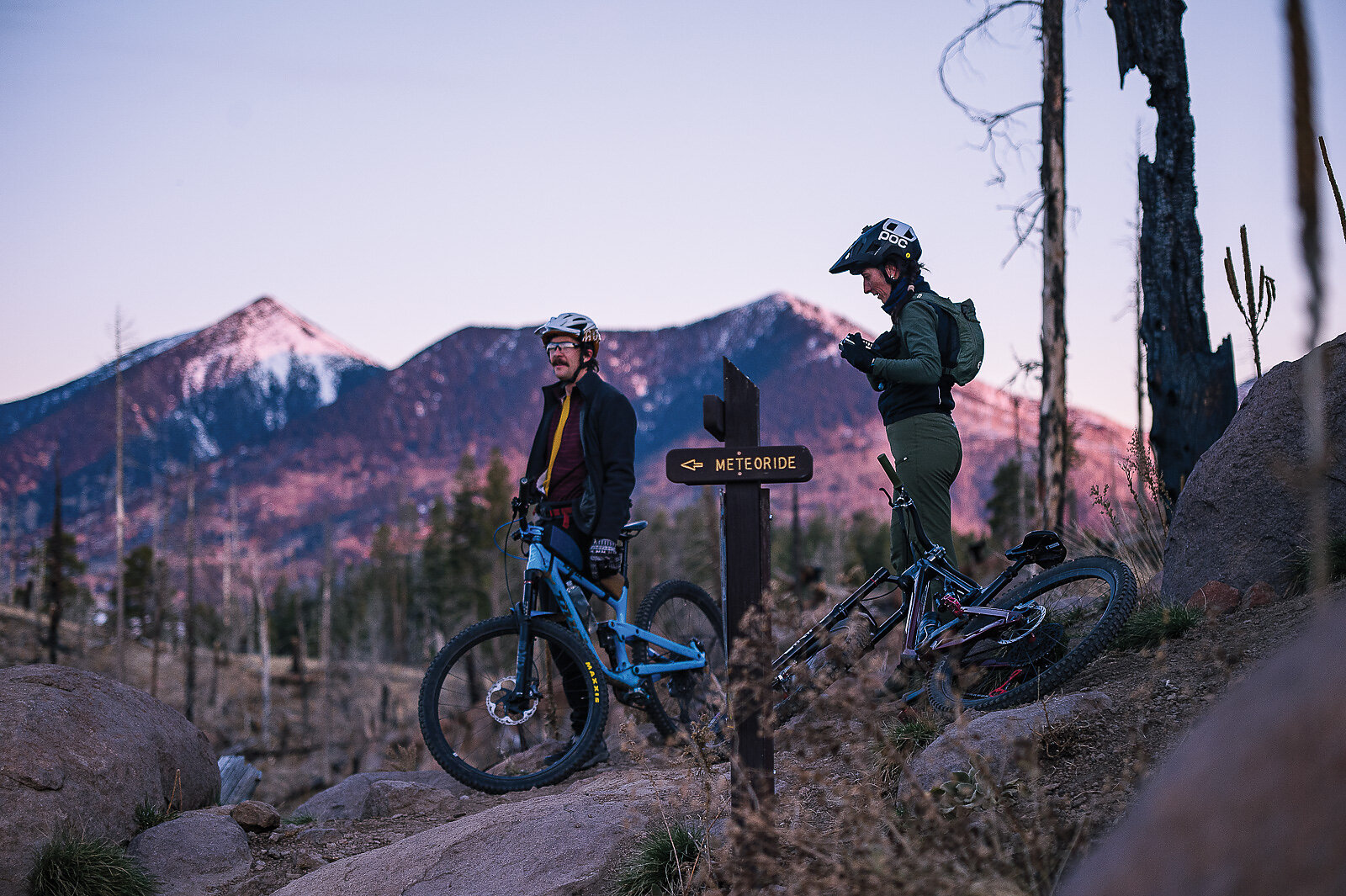
Living in Arizona has reshaped the way I think about elevation. What once felt like escape now feels like relationship. Time spent riding between these places has taught me that meaning isn’t something you chase at the sharp end of performance, but something you return to—again and again—at a pace slow enough to let it surface.
In a broader mountain biking culture too-often defined by speed and drama, Arizona offers a quieter alternative. Here, elevation becomes a teacher, terrain becomes a conversation, and effort becomes a form of honesty. The reward isn’t just distance covered or descents earned—it’s the clarity that comes from meeting a place on its own terms.
That’s what keeps pulling me back. Not the promise of extremes, but the opportunity to engage more deeply—to ride with patience, to notice what’s usually passed over, and to accept that the most meaningful experiences often reveal themselves only after you’re willing to stay awhile.