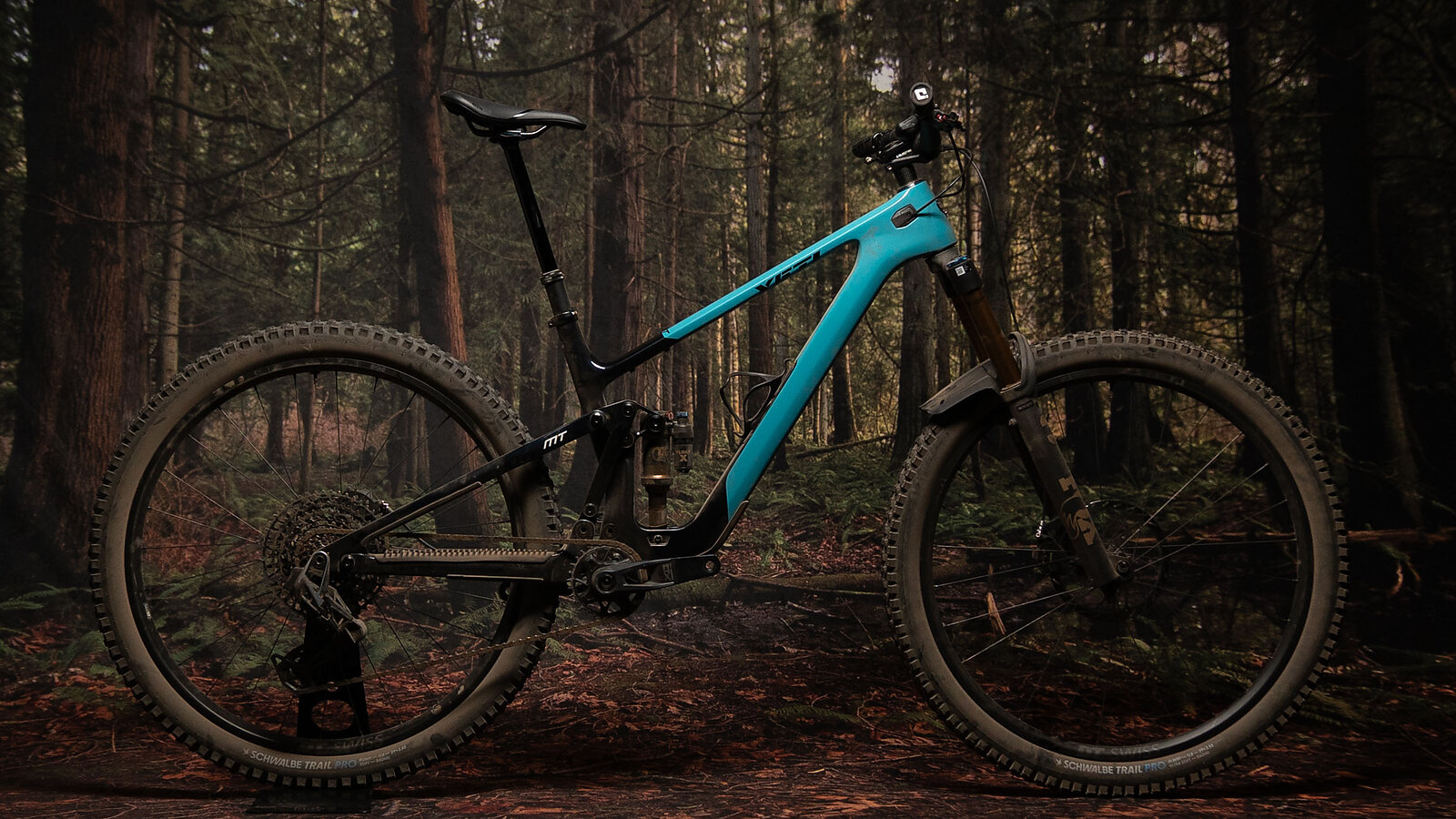
Yeti MT Next-gen trail.
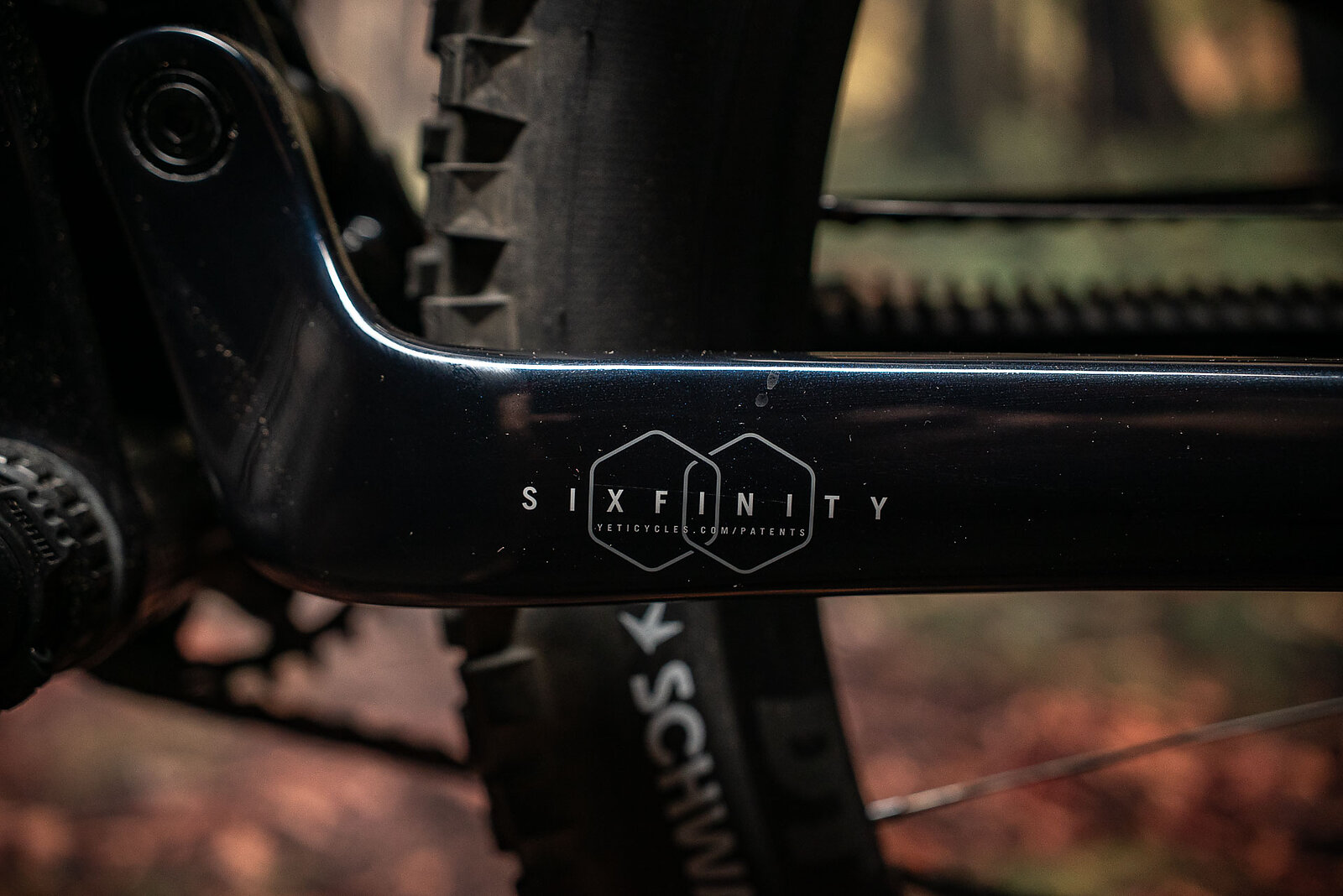
When Yeti launched the all-new LT earlier this summer the shorter-travel MT writing was on the wall, after all, the MTe led last year’s e-bike revival. So no one should be too surprised that there's a new 140-millimeter-traveled human-powered bike from Yeti out today. The MT uses the same Sixfinity suspension layout as the longer-legged LT, and has very similar lines, but eschews most of that frames built-in adjustments to create a much lighter set-and-forget platform.
So no, there’s no flip chip at the seat stay to swap between wheel sizes, and there are no (impressively-manufactured) swappable dropouts to change between different rear centers. What you see is what you get, geometrically-speaking at least. But, even without those adjustments, the MT still delivers a fun, impressive, and familiar ride.
Yeti MT Details
- Travel: 140 mm (rear) 160 mm (front)
- Wheel Size: 29”
- Size Tested: Large
- Build Tested: XO
- Head Tube Angle: 64.5°
- Weight: 32.31 lbs, 14.66 kg
- MSRP: $9,800
What’s the deal with the MT?
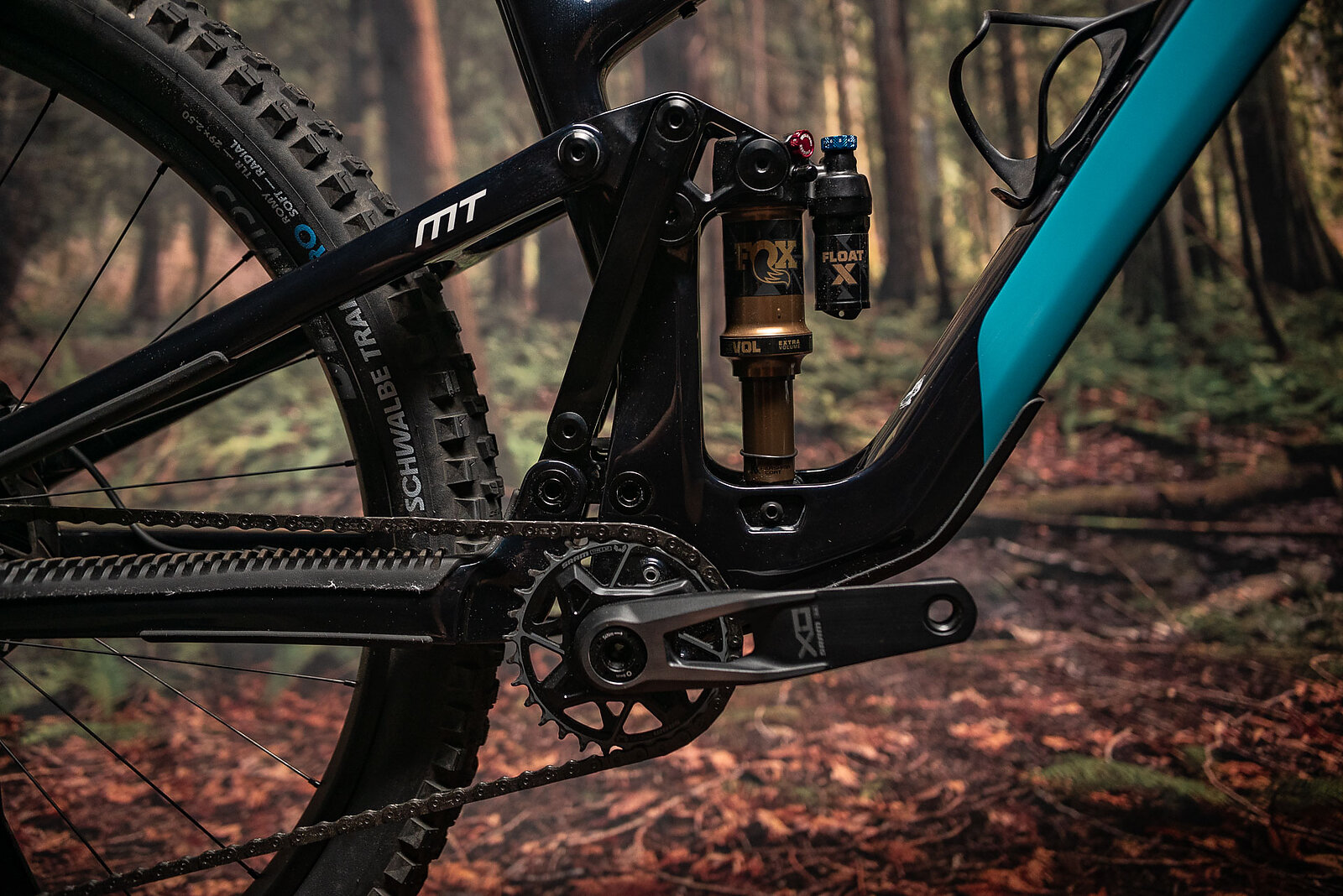
Yeti says that the goal of the MT was to build on the success of the very popular SB130 and SB140. Apparently the Sixfinity suspension system gives Yeti’s engineers more space to dail in every size of frame for its rider, as opposed to throwing the same suspension system on variously-sized front triangles. That means that every size of the MT gets slightly tweaked pivot points to make sure the suspension feels as consistent as possible for every rider.
The MT has higher anti-squat values than the LT, and lower anti-rise than the SB models it replaced. Yeti says this is another benefit of Sixfinity - it allows much more flexibility here.
Like the LT, the MT will only be available in Yeti’s highest-end Turq carbon, but the SB140 will continue to be available, at a lower price, as inventory allows.
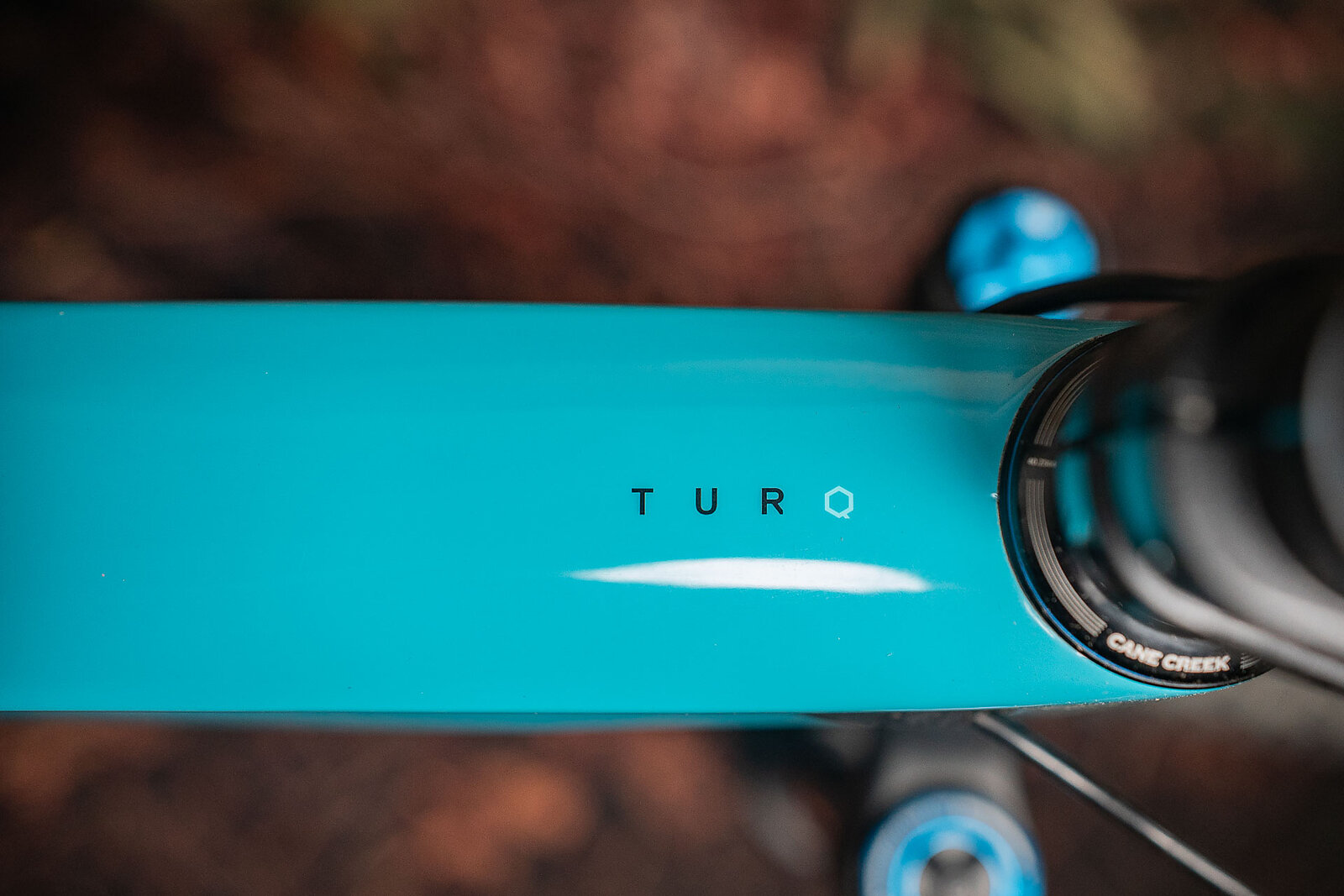
Yeti MT Frame Details
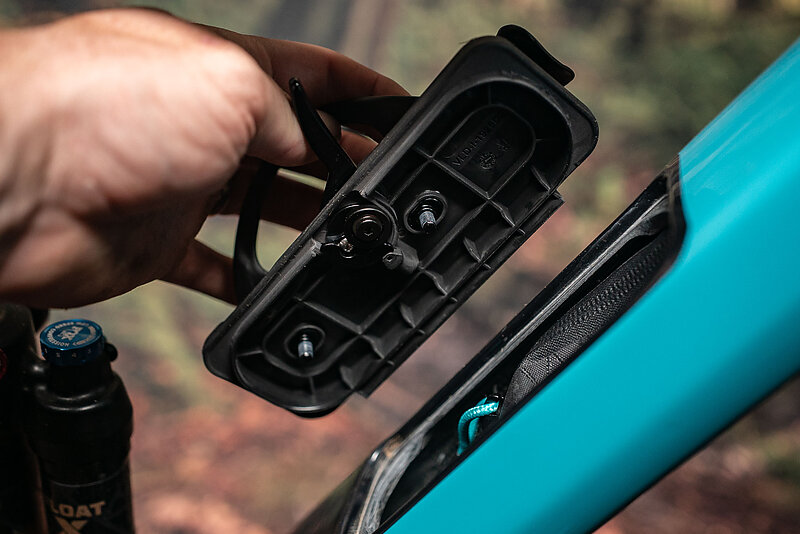
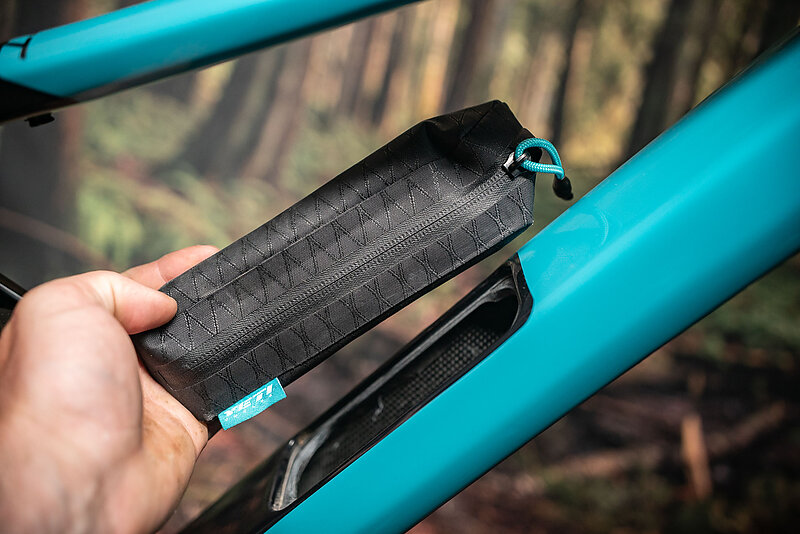
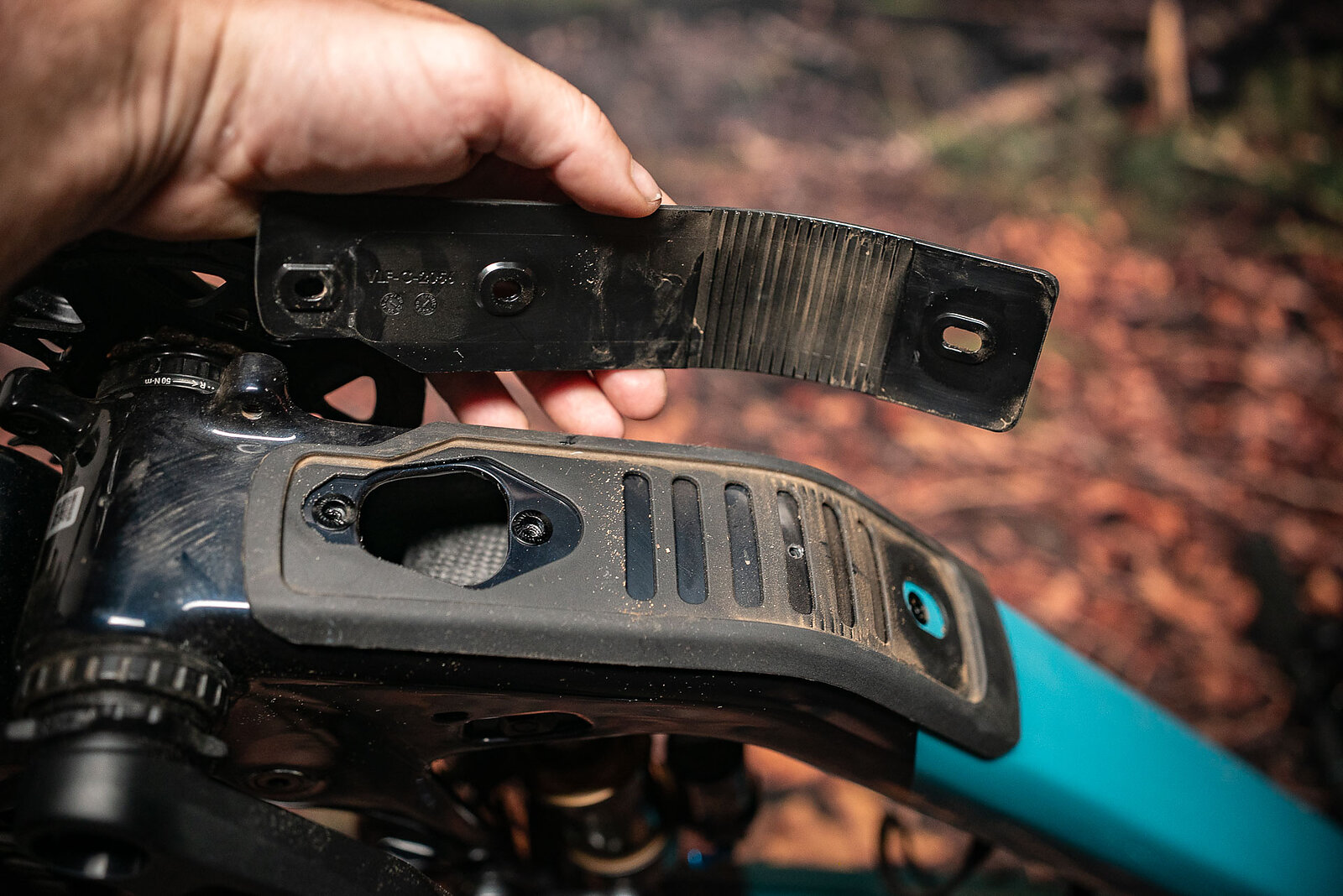
As I mentioned in the LT review, Yeti’s frames feel “premium” and are a delight to work on, which is good given their cost. All the little details are dialed, and everything makes sense. I’m still a fan of Yeti’s Cavity storage, the AirTag tracker under the BB padding is still clever, and the chainslap protection is still smart and effective. There’s a huge amount of seatpost insertion depth available, so you should be able to run long droppers with no issues, and all the standards (31.6 mm seat tube, threaded BB, 148 mm rear end, etc) are normal and make sense.
While the MT doesn’t have the rear center and wheelsize-adjust flip chips present on the LT, it does still have a three-position chip at the bottom of the shock that allows riders to adjust the suspension curve to be more or less progressive at 10, 15, or 20%
Yeti MT Geometry
Unsurprisingly, the MT follows similar geometry cues to the LT, but toned back a little for all-round riding. I rode a size large with a 480 millimeter reach, 635 millimeter stack, 64.5° head tube angle, 77° seat tube, and 446 millimeter rear center. That chainstay length is the one element that stands out. It’s not abnormally long, but it is on the lengthy end of things for a 140 millimeter bike, and I think it had a fairly large impact on how the bike handled, especially when combined with Yeti’s not-so-tall stack numbers.
Yeti MT Build
Yeti’s XO-level builds leave very little to be desired. SRAM’s XO Transmission still does everything I want it to, and Mavens are still my brake of choice.
The Fox Float X shock and 36 fork are still solid, as is the Transfer dropper. After my first ride I swapped on wider (800 millimeter) and taller (50 millimeter rise) bars to get the cockpit more in line with what I’m used to.
The only changes I would make are to the wheels and tires. Yeti specs DT DEF hubs on the MT, which is a sweet option to have. That said, I did one ride with the middle 10° range of freedom and immediately took them apart and locked them out. I think DEF hubs make less sense the less travel you have, and on a shorter-travel, snappy bike like the MT they felt a bit out-of-place, at least for how I ride. I didn’t miss their float after I locked them out, but I did feel like they took away from this bike’s technical climbing ability when they were open. It’s easy to lock them out though, and cool to have the option to run them open.
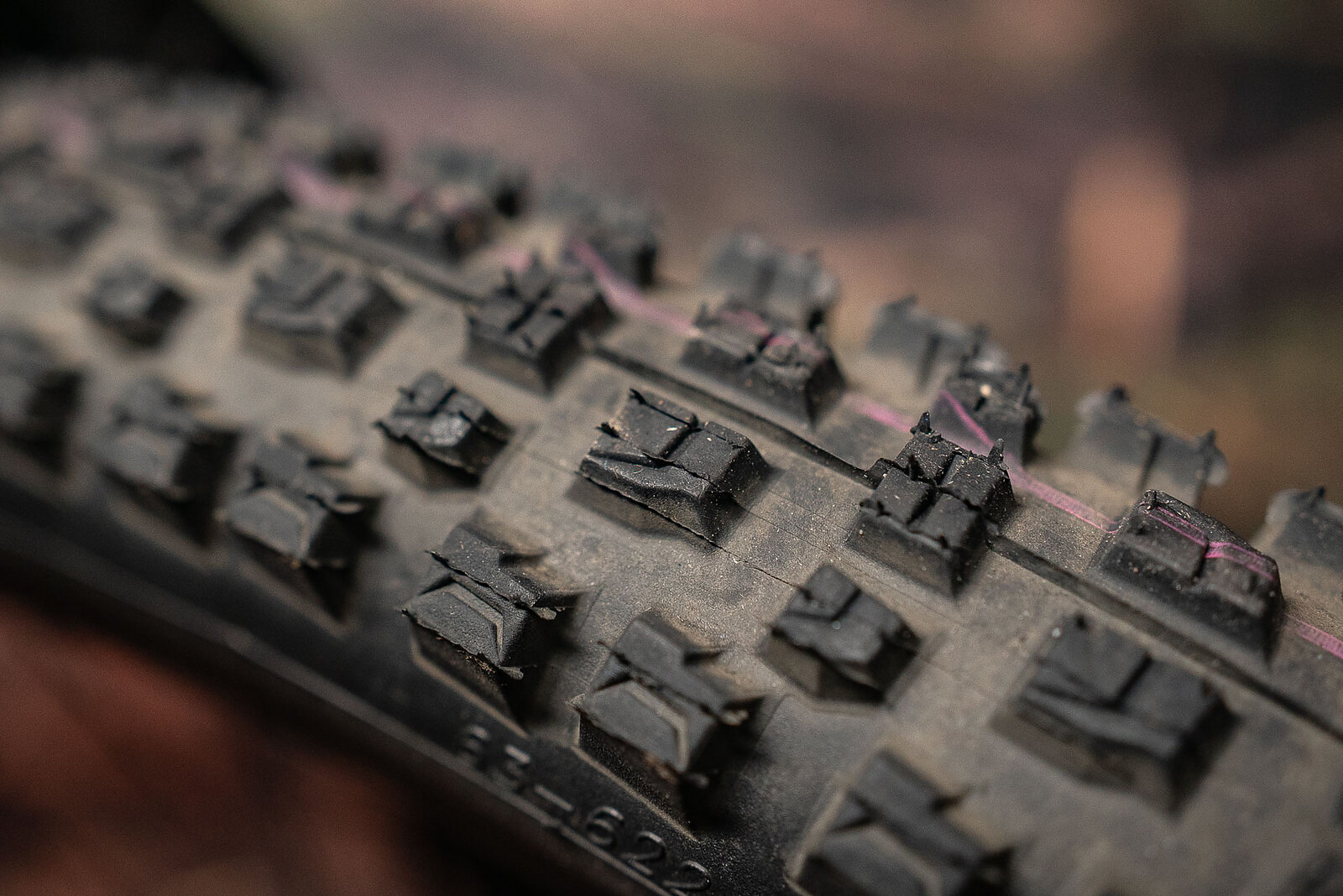
The bigger change I would make if I owned an MT is the tires. The MT comes specced with Trail Radial casing Schwalbe Albert and Romy tires, and they deliver an awesome combination of grip and rolling speed. What they don’t deliver is support. I’ve generally shied away from lighter casing radials and these were a good reminder why. The MT has a very capable, and fairly stiff frame, which encouraged me to push it hard. And when I did, those tires were squirming all over the place. If I owned an MT I’d probably end up with a non-radial enduro casing tire on at least the rear, and maybe the front too. This bike wants to eat, and I want to let it!
That said, for folks living in areas with less supported trails like Colorado or Pisgah, the trail casing radials might make more sense.
Yeti is also doing the SRAM XO/90 build with this MT, and I still think that’s rad, and would love to see more manufacturers taking advantage of SRAM’s inter-compatibility to spec wired drivetrains with lighter cassettes.
Riding the Yeti MT
Getting to know the MT was much simpler than its longer-legged sibling. There’s no endless combination of wheel size and geometry options to work through, instead I just set it up using Yeti’s excellent suspension calculator and started riding. I left the progression flip chip in the middle position for most of my time on the MT. If I owned an MT, I’d potentially swap to the more progressive setting for steeper trails and bike park riding, but for all-round trail riding, I dug the default setting.
The MT is more than four pounds lighter than the LT and it shows. It’s no XC-inspired sprite on the way up, but it feels tidy and efficient, with very little wasted effort. At this travel range I think there’s a divide between bikes that don’t waste any energy, and those that go above and beyond to motivate you to push harder on the climbs because they feel so snappy. The MT falls into that first class for me. It didn’t make me want to blow up my legs and chase PRs, but it goes uphill with absolutely no fuss.
On traversing, rolling trails, it pumps very well. That’s consistent with every Sixfinity bike I’ve ridden, they all respond very well to rider input, and don’t feel sluggish or wallowy. This character is especially nice on the MT because it lends itself to eating mileage in a way that makes big, all-day rides feel quicker. Some of that is probably due to the MT’s stiff-feeling frame. It’s not uncomfortable or harsh, but it’s very precise feeling. And the MT’s geometry compliments that. The lower stack and longer chainstays created an interesting fit where I felt more “locked in” and aggressive than on similar bikes. The MT feels more “serious” and is more interested in plowing over things than popping around them.
That sensation is even more apparent on the way down. I found myself intentionally pointing the MT into heinous sections of trail, and then doing my best to hold on, instead of trying to dance through them, in part because the frame required more effort to get it to dance, and in part because the bike relished the challenge. The frame feels super solid and supportive, which in turn motivated me to care less about line choice and instead do things that made those poor radial tires squirm.
It’s interesting to me that the MT (at least with Yeti’s recommended suspension setup) doesn’t have the same “holy shit, how is it possible to combine this level of traction and support” that the MTe did. Some of that, of course, is due to the extra 11 pounds of motor and battery the MTe is carrying around, but overall, the MT feels to me like a more taut, supportive ride. Looking at Yeti’s kinematic charts make it clear that the MT has a lot more antisquat than the MTE, and that bears out on the trail too. It’s not the most forgiving trail bike around, but it does feel well suited to folks who want to under-bike gnarly trails regularly, and it’s a good match for its more serious, speed and stability-focused geometry.
That’s an interesting combination, given its place in Yeti’s lineup. There’s more overlap in the capability of the MT and LT than I expected. I would be happy with either bike on most rides that I do, and the choice would be less about overall performance and more about prioritizing the low weight of the MT vs the adjustability of the LT. Or, to put it another way, I’d happily race an enduro on the MT, and I’d happily go on a mellow trail ride on the LT, so the choice gets complicated.
A couple of comparison bikes come to mind. The first is the Specialized Stumjumper 15. It has the same travel numbers as the MT, and a similar weight. But the MT feels stiffer, and smashier than the stock Genied-out Stumpy. On the flipside, the Stumpy does a better job with small-bump-absorption and creates more traction, while also being much more adjustable, and more fun to goof around and jib on. I think the Stumpy is easier to get along with, but might not have as high of a top end as the Yeti.
Compared to the Trek Fuel EX, the MT is notably stiffer and more aggressive. There’s less flex in the rear end, and it feels better suited to smashing down chunky trails, where the Trek wants to dance. Again, the geometry differences here play out, with the Trek feeling a touch more upright and the Yeti feeling more racy.
Finally, the other bike I’ve been riding the most during this MT review is the Santa Cruz Tallboy. On paper, it's a bad comparison, and I should be comparing the MT to the Hightower, but in practice, I found myself having to choose between the two on nearly every trail ride. I think the Tallboy’s relationship to the MT is illuminative of the MT’s relationship to the LT. The top end of the Tallboy’s preferred trails has a ton of overlap with the bottom end of the MT’s, just like the MT and the LT’s spheres of comfort overlap.
Examining that relationship has been instrumental to my understanding of the MT. Yeah, it’s a 140 millimeter trail bike. But I had the most fun on it when I pushed into enduro bike territory, and the more I rode mellow rolling trails the more I wished I was on the Tallboy (or a Yeti SB 120). Yeah, the MT is fine on chill rides, but it’s at its best when it's pushing boundaries. It’s on the short list of 140 millimeter bikes I’d put a 160 millimeter 38 and DH casing tires on to lap the bike park.
Overall, the MT has held up well. It’s been more creaky than the LT, but that could also be due to the fact that I’ve been riding it during the loudest, dustiest part of the summer, whereas the LT was blessed with copious amounts of hero dirt.
For now
The new MT rounds out Yeti’s lineup of Sixfinity meat-powered bikes and is an interesting complement to the LT. It’s less adaptable, but at its core, it’s a very capable trail bike that wants to be pushed hard, which means it will be a whole bunch of fun for the right rider.
Learn more: Yeti