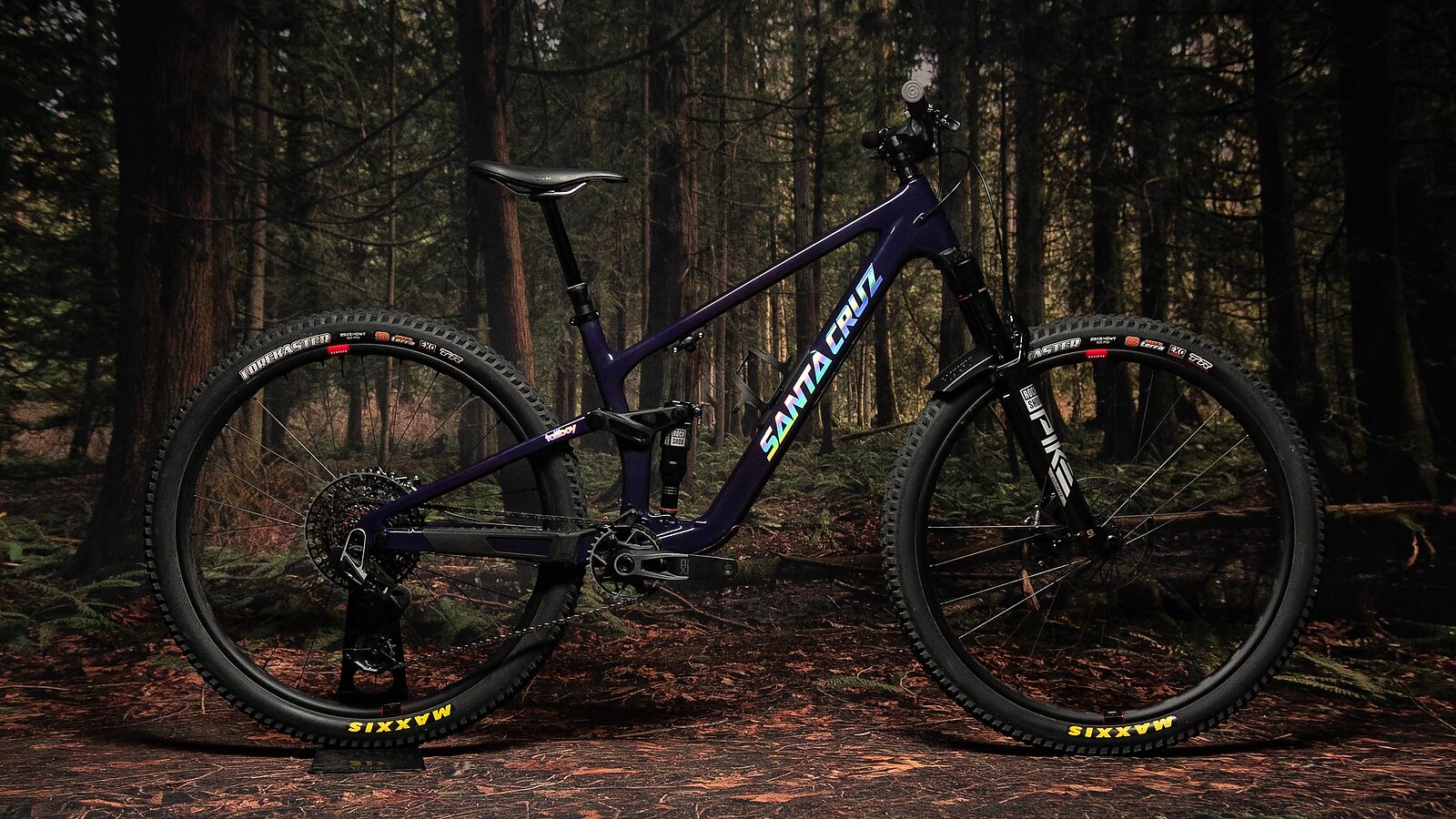
Santa Cruz Tallboy A standout specimen.
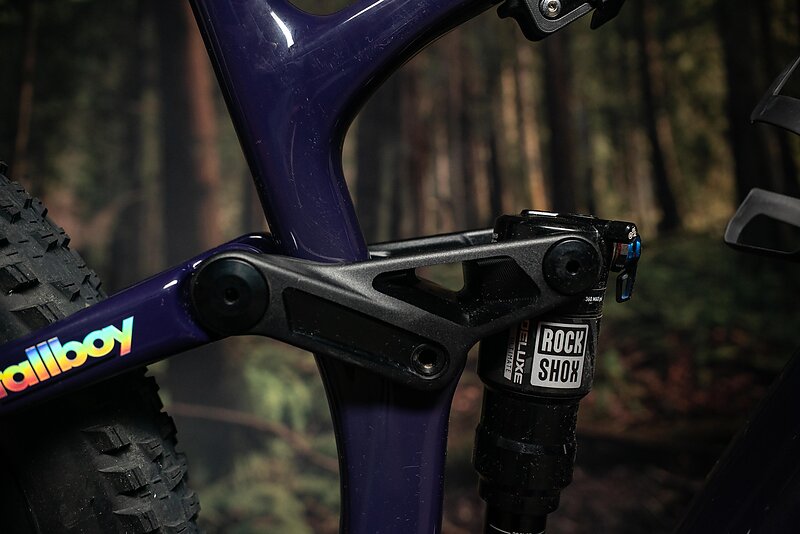
Eager consumers of bike rumors won’t be surprised that Santa Cruz is transitioning from its recent Nomad launch to an all-new, Horst link Tallboy. There’s been plenty of forum speculation, along with "spy shots" of lanky men stuffed with ginger fried rice abandoning unreleased bikes in plain sight. So yeah, there’s a new Tallboy. And its linkage is downright brachyuran, as opposed to the lower link VPP design that most other Santa Cruz meat bikes employ.
On paper that’s the big news, but after riding the new Tallboy, I’ve come away much less interested in the speculation and drama around this move, and more focused on how this bike rides, and how that, in turn, reflects the broader category of lightweight trail bikes. We’ll cover the suspension platform change, but the focus of this review will be on the new Tallboy’s performance, because that shines brighter than some pivot movement.
Santa Cruz Tallboy Details
- Travel: 130 mm (rear) 140 mm (front)
- Wheel Size: 29”
- Size Tested: Large
- Build Tested: XO AXS RSV
- Head Tube Angle: 65.1-64.8°
- Measured weight: 29.49 lbs, 13.38 kg
- MSRP: $9,299
Santa Cruz Tallboy Frame Details
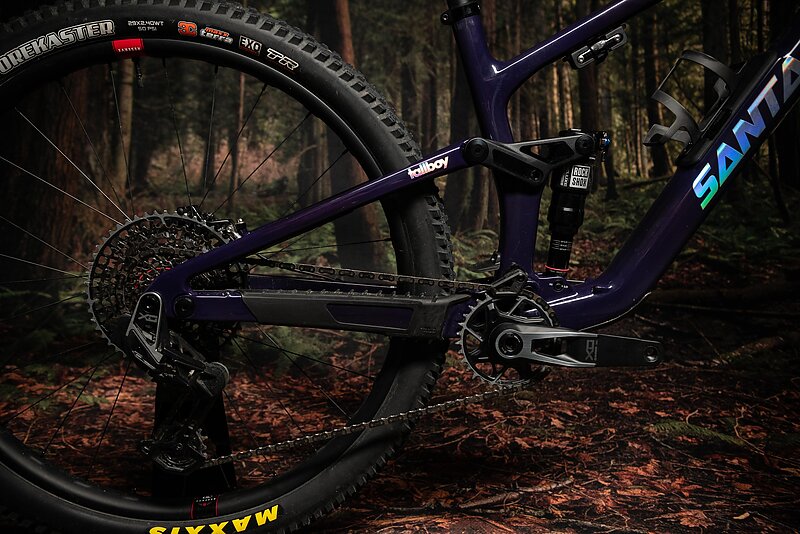
This Tallboy launch prompts the question: What makes a Santa Cruz a Santa Cruz? Is there some magic sauce in low-shock VPP, or is there something more to it? I’ve long been of the opinion that suspension platform alone is a reductionist way to define a brand, and this Tallboy is a great argument for that. One of the defining Santa Cruz traits is attention to detail, and this frame is nothing but considered.
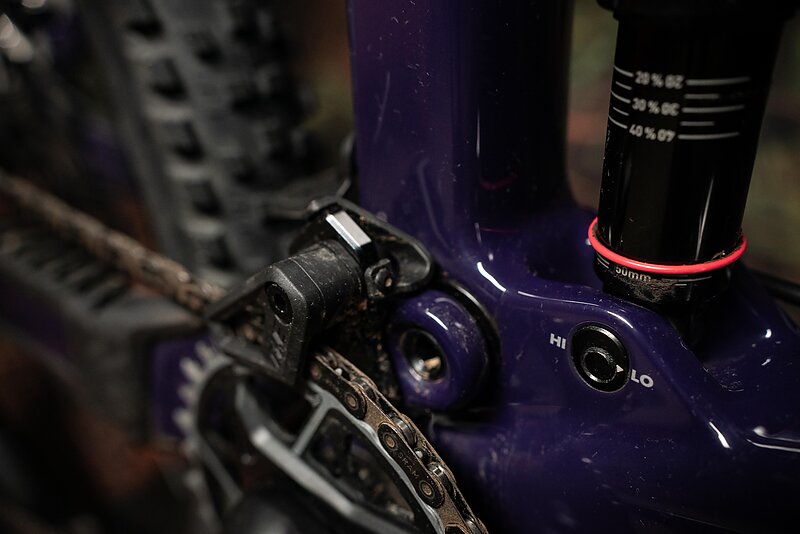
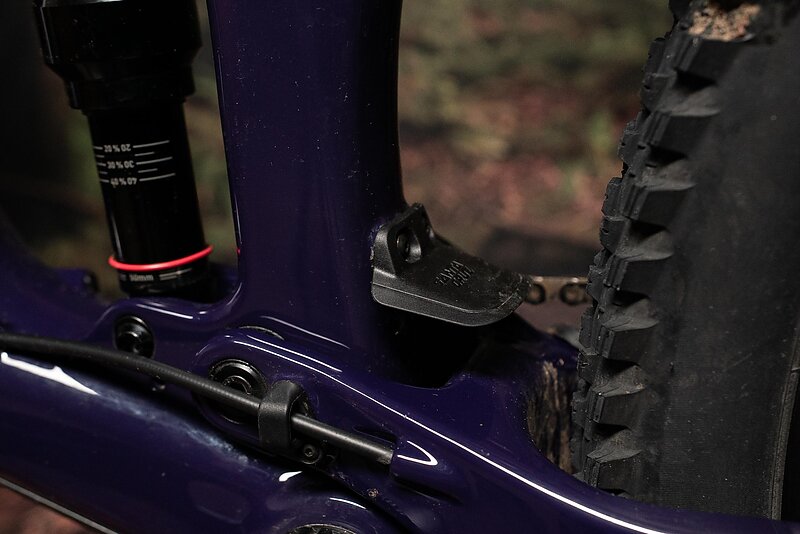
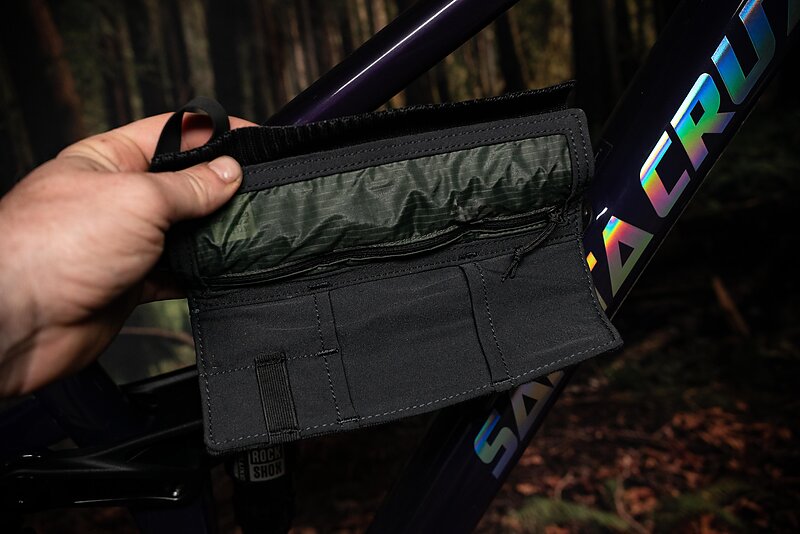
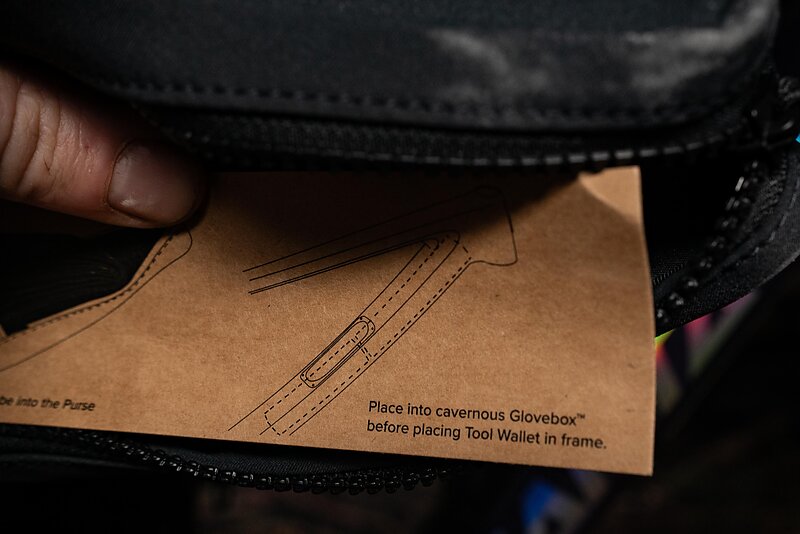
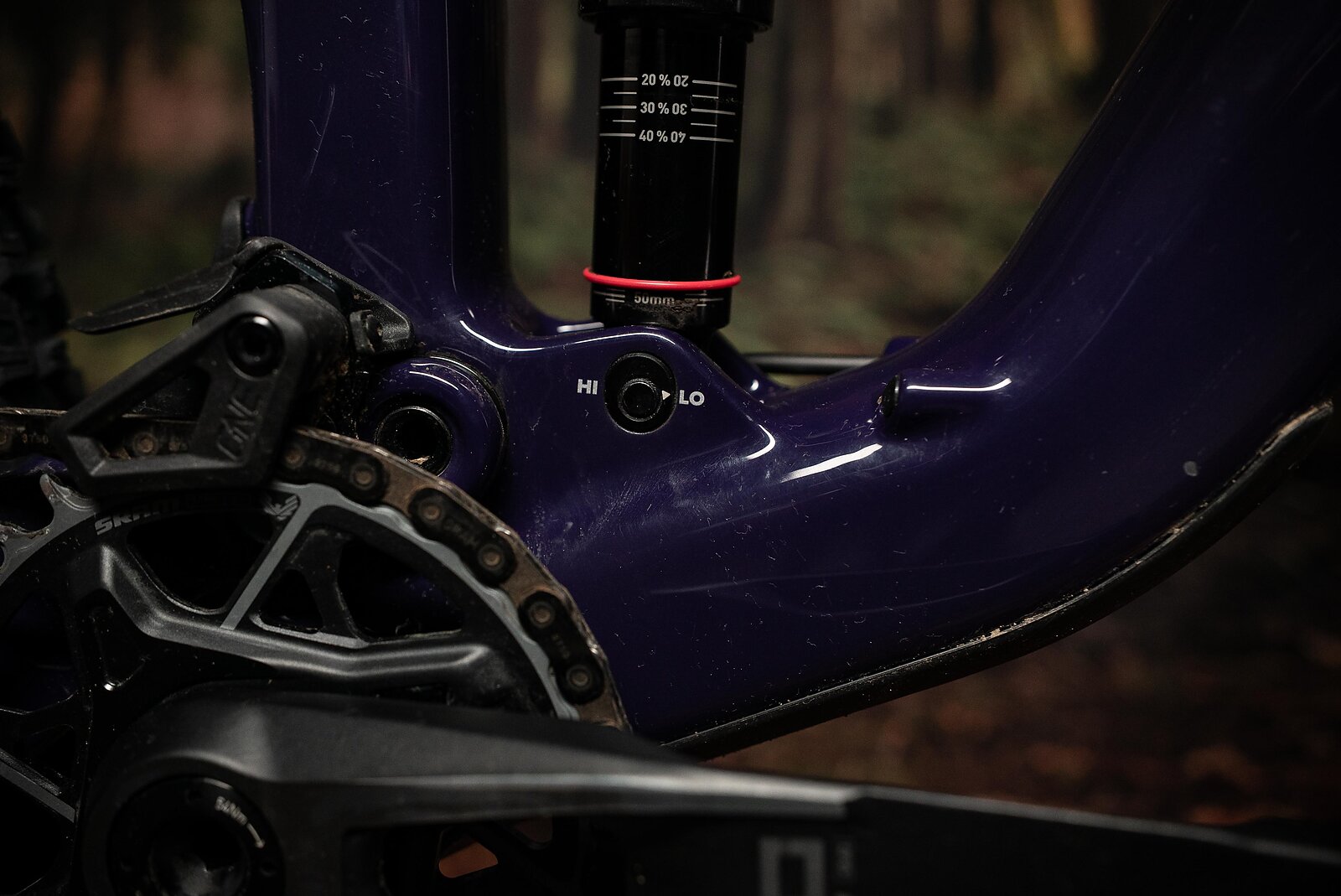
All cables are fully internally sleeved, the chainslap protection does a great job of keeping the bike quiet, and there’s a sleek chain guard with integrated cable guides for the rear derailleur. The Glovebox V2 is one of my favorite in-frame storage options—Santa Cruz’s bags are dialed and come with loading instructions. There’s a tiny fender near the main pivot and a tiny flip chip that provides the classic Santa Cruz .3° of angle adjustment.
While some brands use a similar linkage along with an adjustable headset cup to deliver a host of adjustments, Santa Cruz falls into the “we put a lot of effort into this, so we’d really rather you rode it with the geo we intended” class. This saves on weight and complexity, but does mean you’re pretty limited if you’re trying to make one bike fit multiple roles. On that note, while you could under-stroke the rear shock to reduce the travel, Santa Cruz doesn’t recommend it because the bike’s pedaling performance is more affected by anti-squat than total travel. Similarly, don’t try to over-stroke the shock for more travel, since the seatstay bridge will foul on the seat tube at bottom-out.
All in, the new Tallboy feels dialed and considered. I’ve ridden a bunch of similar looking bikes in this travel class and the Tallboy just feels a touch “nicer” and more premium than most of them. It also comes with a lifetime warranty and lifetime bearing replacement, which helps sweeten the pot.
Last week I wrote about budget bikes. You can buy much cheaper bikes with the same suspension layout and similar geometry. You can have a bunch of fun on those bikes. Nobody needs to buy high-end mountain bikes but the Tallboy is a good reminder that those extra dollars are paying for something, and it’s up to you to decide where your priorities lie.
Santa Cruz Tallboy Geometry
The Tallboy’s geometry gets a few updates as well. The head tube angle gets slacker, the seat tube angle gets steeper (76.5°) and the seat tube gets shorter (420 millimeters on a Large). Chainstay length changes a few millimeters per size, ranging from 435 on the XS to 444 on the XXL. Santa Cruz says these changes go hand-in-hand with the travel bump, making the Tallboy a touch more capable.
I rode the size Large Tallboy, and its 475-millimeter reach was spot on for my preferences at 6’2” tall. I did swing a leg over the XL, and its 495-millimeter reach didn’t feel out of place. Here in the Pacific Northwest, I prefer to size down to bikes in the 475-485- millimeter reach range thanks to our steeper, tighter trails. But, if I still lived somewhere like the Rocky Mountains where trails are a little more open and flat, I’d be tempted to go with the XL Tallboy.
I spent the entirety of my time on the Tallboy in the Low flip chip setting and loved it. I think some folks will swap to High for cross-country races and mellower rides, and this swap is easy to make, but for the riding I like to do on this style of bike, Low was perfect.
Santa Cruz Tallboy Build
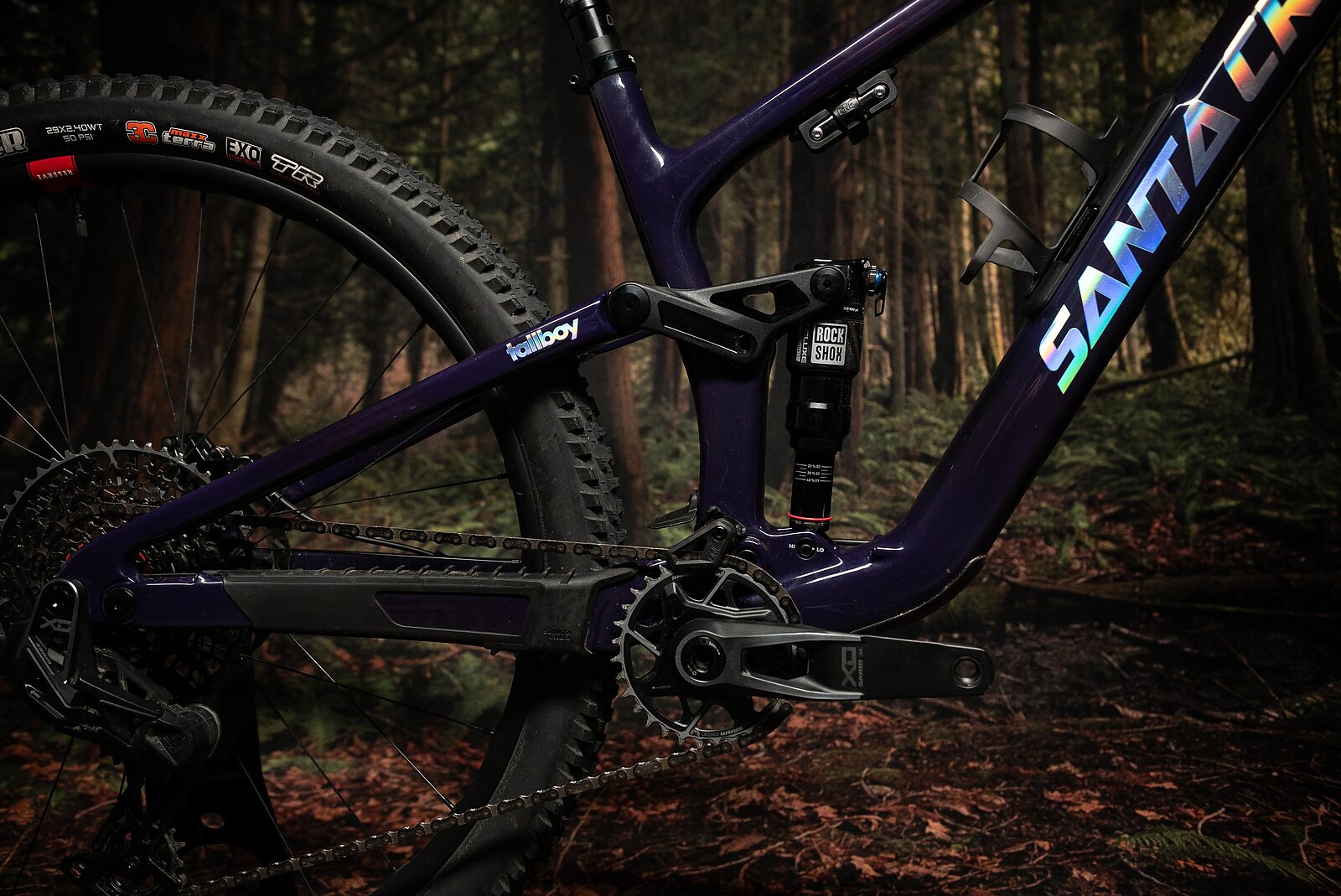
I rode the XO AXS RSV build of the Tallboy and it was predictably good. The XO Transmission drivetrain kept things spinning smoothly, and the Pike fork and Deluxe Ultimate are some of my favorite dampers. The Reserve Carbon SL wheels worked well, although I can imagine jumping down to lighter wheels for an even snappier feel. They do come laced to DT Swiss DEG hubs if you want to experiment with drivetrain feedback mitigation, although I didn’t notice any aggressive pedal feedback on this bike.
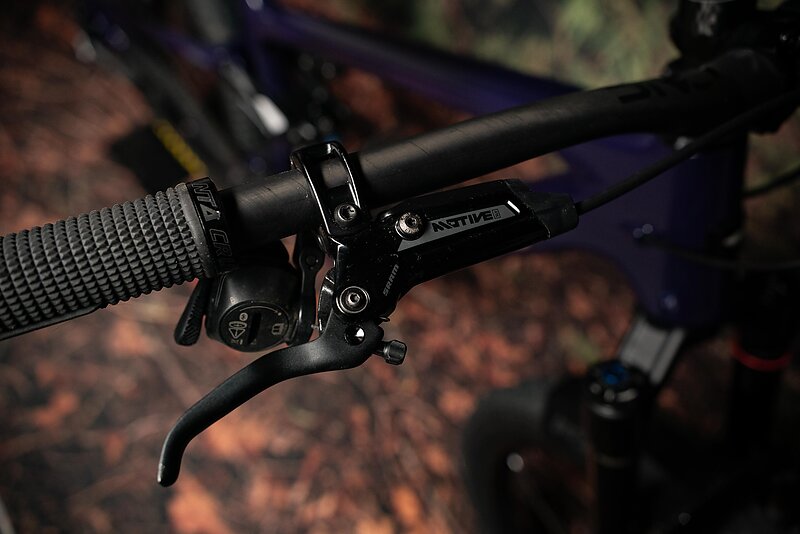
The Tallboy comes specced with SRAM’s Motive brakes. On paper, and for most Tallboy riders, they’re probably the right choice. If I owned a Tallboy, this is the one part I’d swap, to Mavens. Luckily it does come with 200-millimeter HS2 rotors, which, combined with the Motive, make for a very tolerable braking experience. All Tallboy builds get SRAM brakes and suspension, but there are Deore and XT Di2 drivetrain builds available.
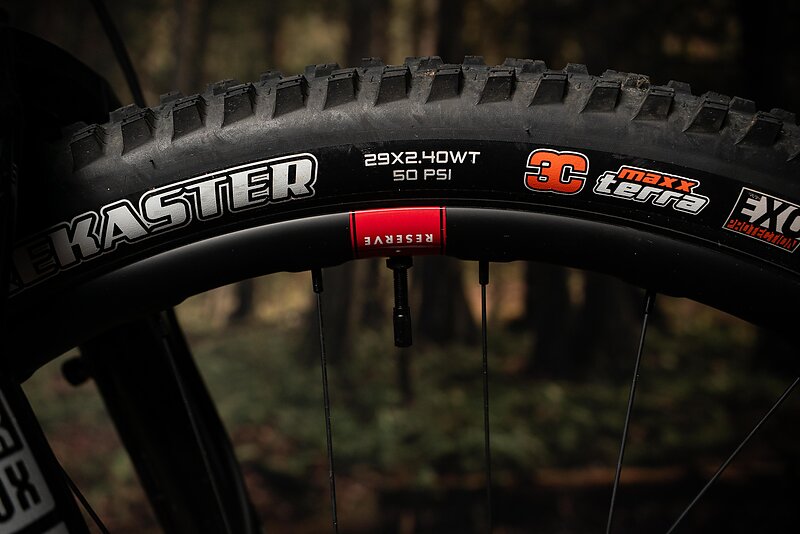
I hadn’t spent much time on Maxxis Forekaster tires before this bike, but they also stood out as an excellent spec choice. They hit a nice “safer than a Rekon, faster than a Dissector balance. I can imagine putting a MaxxGrip Dissector up front for winter riding and swapping a Rekon onto the rear for summer efficiency but, for a do-anything setup, they’re right on the money.
Riding the Santa Cruz Tallboy
My buddy Jack likes to point out what he calls “representative specimens” when we’re riding through the woods. These are trees or plants that are top-of-their-class, the ones you’d use as an example of what an excellent cedar, or hemlock, or whatever should look like. Full branches, clean trunks, the sort of tree you want to put on Christmas cards or dendrology textbooks. The Tallboy is a representative specimen for how a lightweight trail bike could and should ride. It’s the one to beat.
I was never tempted to fiddle with the Tallboy’s climb switch. It doesn’t have the super firm, almost harsh feel of some similar travel bikes, but it feels quite efficient with minimal bob. And it’s got better climbing traction than most bikes in this class. It feels well suited to scooting around and eating big miles fast and comfortably.
That same sensation holds true when the trail goes sideways. These rolling sections where you’ve got to work to conserve momentum are a great test for bikes in this class and the Tallboy eats them up. It’s an absolute hoot on trails where you could just meander because, instead, it motivates you to push. Steal a pedal stroke where you can, get the most out of every pump, and charge through traversing cross-country trails.
Given its geometry and travel updates, it should come as no surprise that the Tallboy punches above its weight on the way down. I found myself rolling into moves that I often size up on bikes with 20 or 30 more millimeters of rear travel, and blasting out the bottom giggling.
I’ve ridden several bikes in this class that feel like beefed up cross-country rigs. As a big dude (210 pounds) with a proclivity for steeper trails and poor line choices, I end up hyper-aware of their potential fragility. I loved the Transition Spur, but it never really felt like it had my back when I got weird. Then I bumped up to the Trek Top Fuel and mostly solved that sensation, or so I thought.
The Tallboy takes that confidence to the next level. It doesn’t feel like a small enduro bike, instead it strikes an excellent balance of comfort and stiffness that lets me ignore the bike and focus on the riding. No weird flex or scary noises, but also no “dead” feeling or harshness. There are two factors to credit here: one, Santa Cruz says there was a lot of thought put into frame flex and chassis feel. And then the combination of kinematics and shock tune is really good. The rear end feels quite point-and-shoot. Set the sag, dial in the rebound, ride your bike. It’ll do what it needs to do without any fuss. Even when what it needs to do is handle trails and speeds that are perhaps better suited to the Nomad.
Regardless of the why, the what is excellent. I enjoy this class of bikes quite a bit, so here’s a quick comparison roundup: On paper you might compare the Tallboy to the Transition Spur. But the Tallboy feels less “sharp” going uphill, and falls into a totally different class going down. Compared to the Smuggler, the Tallboy feels similar but more refined. It’s lighter and more efficient going uphill, delivers better traction, and has more predictable support going down. It doesn’t necessarily feel like a “bigger” bike than the Smuggler, instead it feels more refined and “nicer” all-round. I ran the Smuggler set up at 140/150 millimeters for most of my time on it, but I’d happily ride the same moves on the lighter, shorter travel Tallboy.
The Revel Rascal SL is another excellent bike in this class. But the Tallboy is lighter, with more refined frame features (Glovebox, better cable routing) and has more capable geometry. The Tallboy goes uphill similarly to the Rascal SL, but feels safer and more aggressive going down. I’d feel better riding bigger moves and charging harder on the Tallboy in pretty much every situation. That said, the Rascal has something special going on with its suspension and, while the Tallboy is truly excellent, I can understand why some folks will prefer the Rascal. Instead of erasing bumps it rounds them out in a cool way.
Finally, my previous favorite bike in this class: the Trek Top Fuel. I love that bike. I have mine set up with a 140-millimeter fork, similar geometry, and a lighter build than this Tallboy. But somehow, the Tallboy’s overall weight is still lighter. The Top Fuel feels sharper on the climbs. It’s got more of a platform and for folks that equate discomfort with perceived efficiency, it’s got the edge. But I think watt for watt, the Tallboy is right in line with it. And going downhill, the Tallboy feels like “more” bike in a positive way. It generates more traction without feeling gooey, and does a better job of smoothing out the trail. The chassis also feels more beefy and predictable, and like it’s less likely to bite me for being a big man doing stupid things. Honestly, this is the comparison that surprised me the most because I’ve spent the better part of two years “optimizing” the Top Fuel for my riding on my favorite trails. And then I went and rode those same trails on the Tallboy and was blown away. It’s lighter, goes uphill similarly, and headed downhill it feels significantly more capable.
Some folks might want the Tallboy to feel sharper or more taut, more like a high-strung cross-country whip. But I think there’s a disconnect between perceived and actual efficiency, and I’d take the Tallboy’s comfort and traction over a more snappy ride feel in every situation short of traditional, non-technical cross-country racing.
That brings us back to that “representative specimen” intro. The Tallboy fits that bill perfectly for the lightweight trail bike class. It’s the rare bike that I wish I could bring in for a long term review, not because I need to spend more time on it to understand it and suss out its intricacies, but because, selfishly, I want one in the garage so I can ride it all the time.
For Now
I came into my time on the Tallboy feeling skeptical. Was Santa Cruz killing the magic when they jumped from VPP to four-bar? I’m sure the suspension absolutists will have plenty to say about that in comments sections, but after a fair number of miles on the new bike, it’s still got a special spark that sets it apart. If you’re looking for a lightweight trail bike, the Tallboy should be high on your list.
Learn more: Santa Cruz Bikes