Shimano Deore Mechanical Drivetrain Look mom, no batteries!
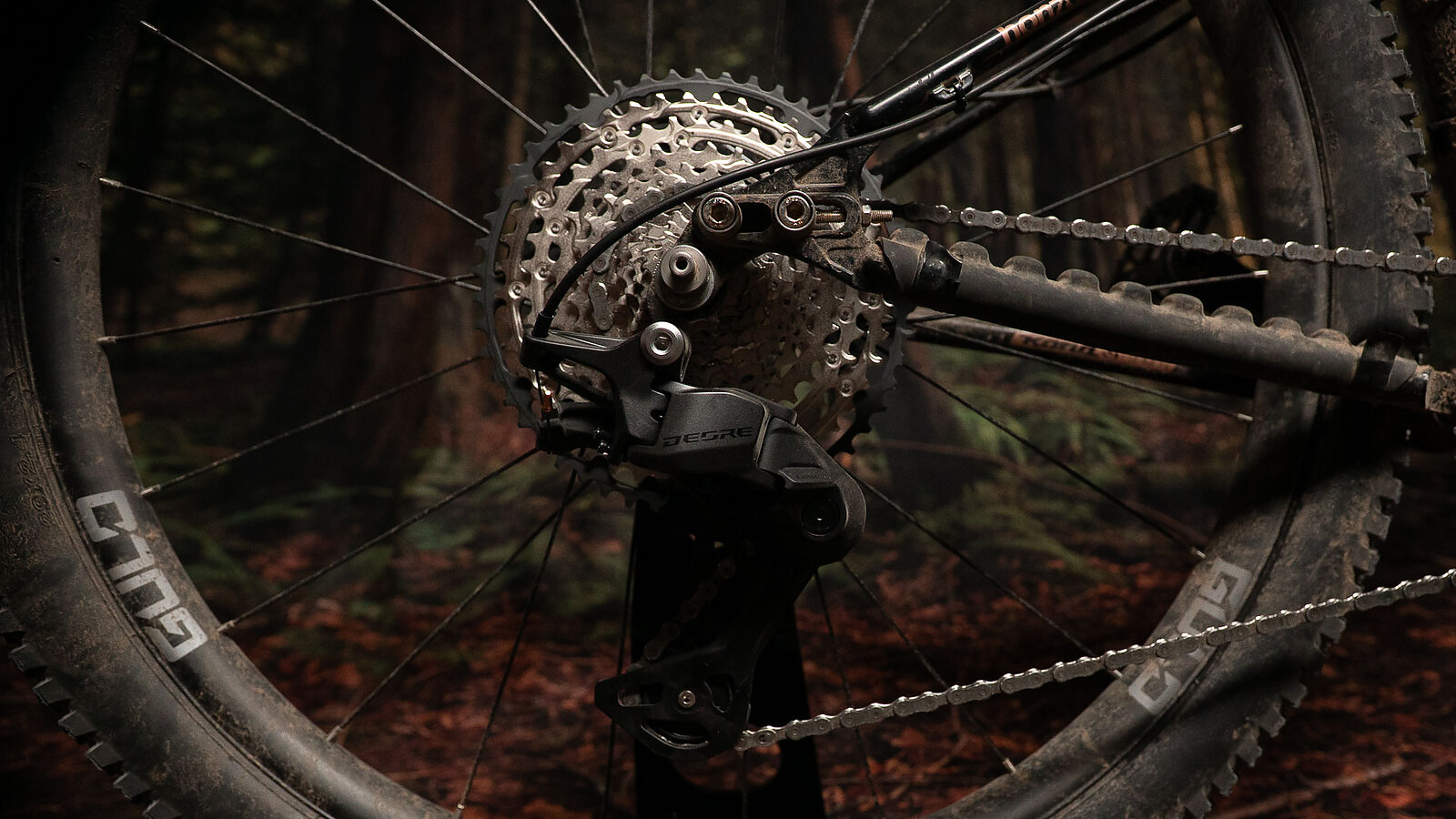
Since the latest generation of XTR Di2 dropped last summer, Shimano has been busy trickling out a whole host of new drivetrains. Last year we also got XT Di2, and more recently, Deore Di2, and a few weeks ago, those were joined by Deore and XT level mechanical groups that forego the battery and wireless shifting, but keep most of the other changes this latest generation of Di2 brought to Shimano’s line. That means Shimano’s Shadow ES low-profile design, and dual-spring stabilizer instead of a clutch in the rear derailleur, along with new, lower viscosity mineral oil in the brakes.
I’ve been riding the new Shimano Deore mechanical groupset for a few weeks now, and it’s time to weigh in.
Shimano Deore Mechanical Overview
- Speeds: 12
- Cassette range: 10-51T
- Measured Weight:
- Derailleur: 429 g
- Cassette: 507 g
- Shifter and cable: 129 g
- Cranks (165 mm length, with 32T ring): 725 g
- Brakes (front, uncut hose): 301 g
- MSRP:
- Derailleur: $100
- Cassette: $180
- Shifter: $30
- Cranks: $100
- Brakes: $155-160
Deore Mechanical Options
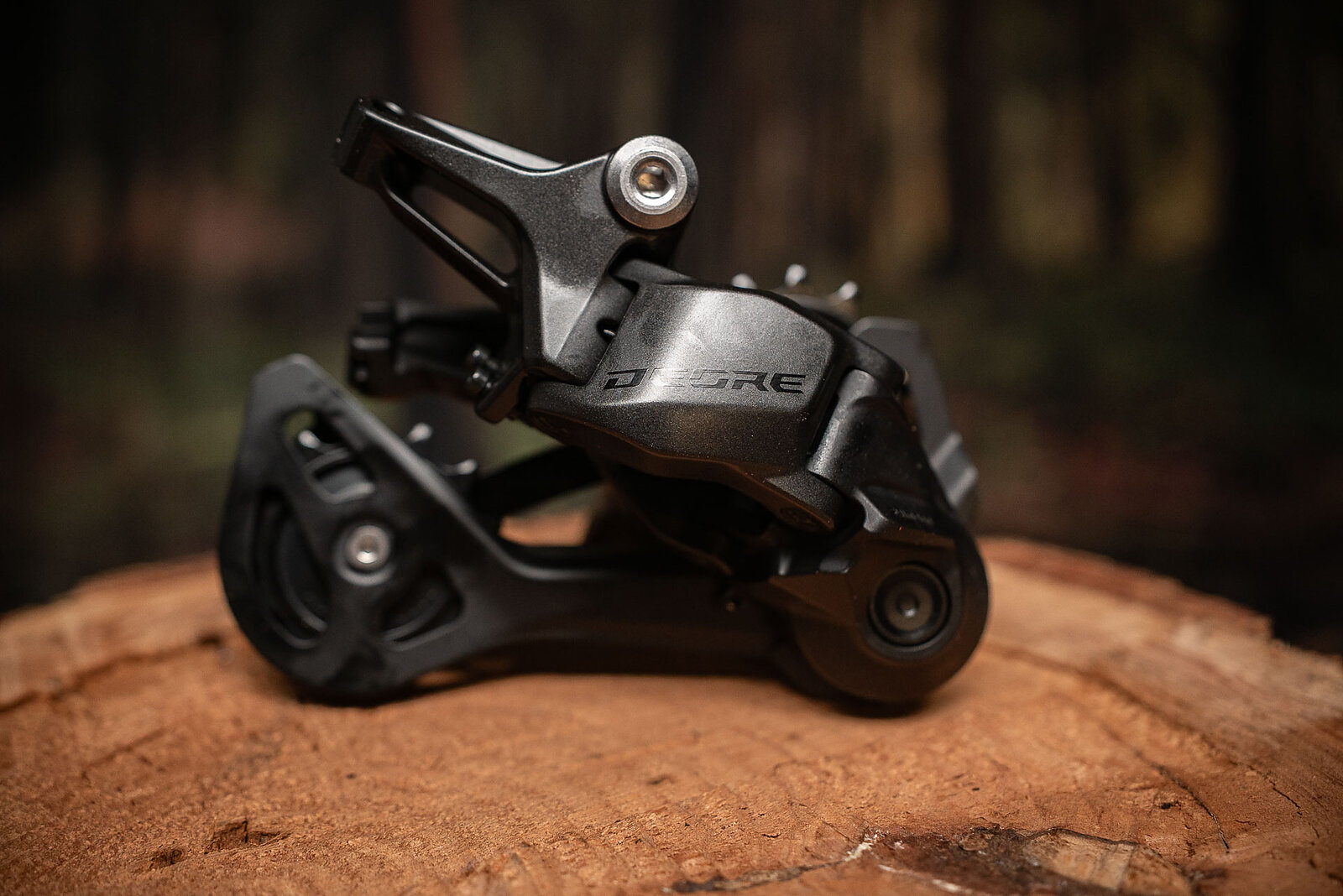
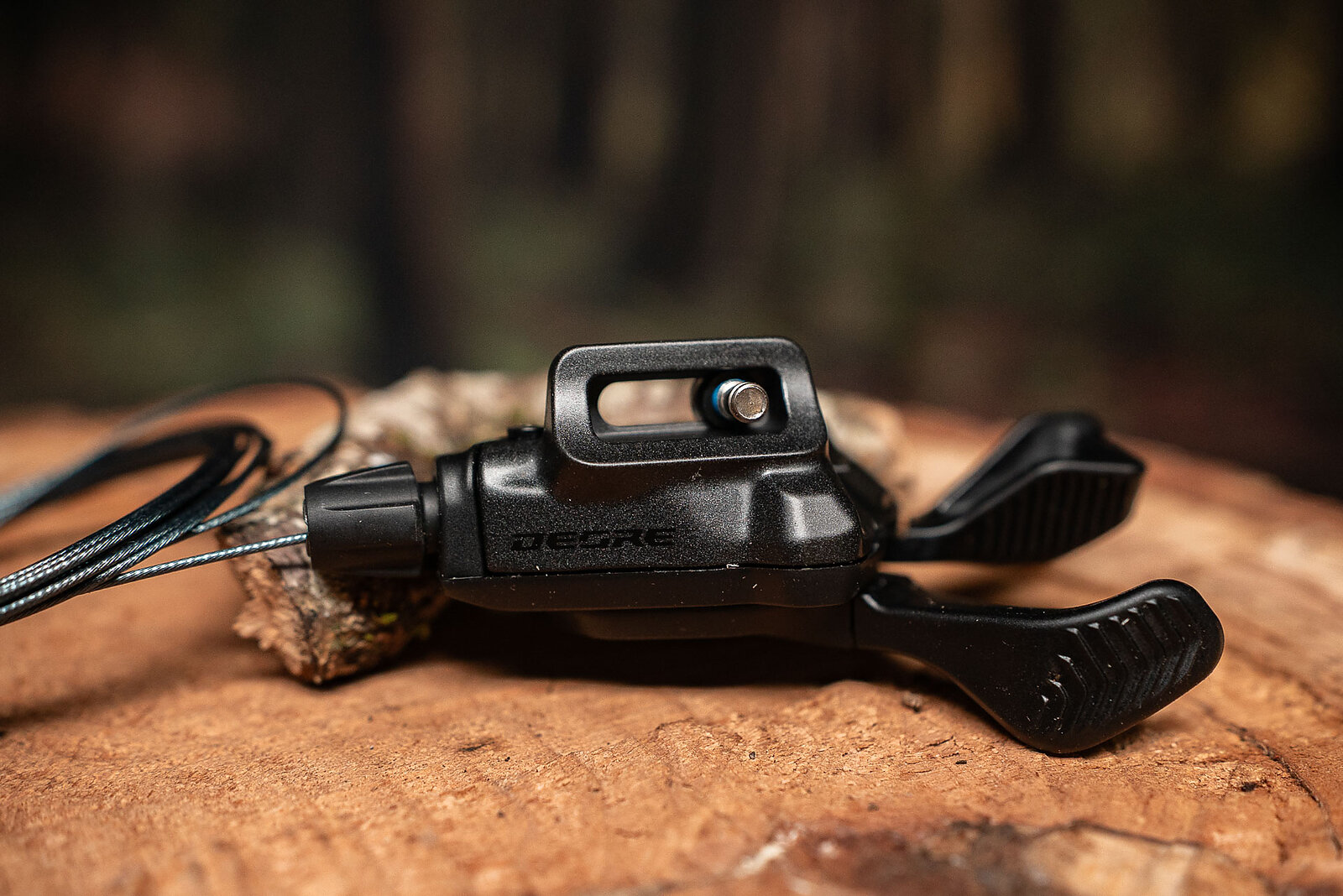
Even though Shimano has gotten rid of the SLX tier in an effort to simplify its line, there are still several options for most Deore Mechanical components, so it’s worth working through them one by one. The shifter is available in three versions: the SL-M6200 that I’m using has multi-shift, is designed for Hyperglide+ drivetrains and has two-way release, which will be very welcome to long-time Shimano fans. You can also get it in a “high-torque e-bike” version, which limits you to single shifts, and in an 11-speed Deore Linkglide version.
The derailleur is also available in three versions. The RD-M7200 I’m using is a 12-speed, Hyperglide+ affair, but you can also get an 11-speed Linkglide version, or, somewhat confoundingly, a 12-speed Hyperglide+ version that comes with a traditional clutch instead of the new dual spring design.
Cassettes are more simple: I’m using the CS-M7200-12 version, which is has an aluminum 51T cog for weight savings. But, there’s also an all-steel version as well.
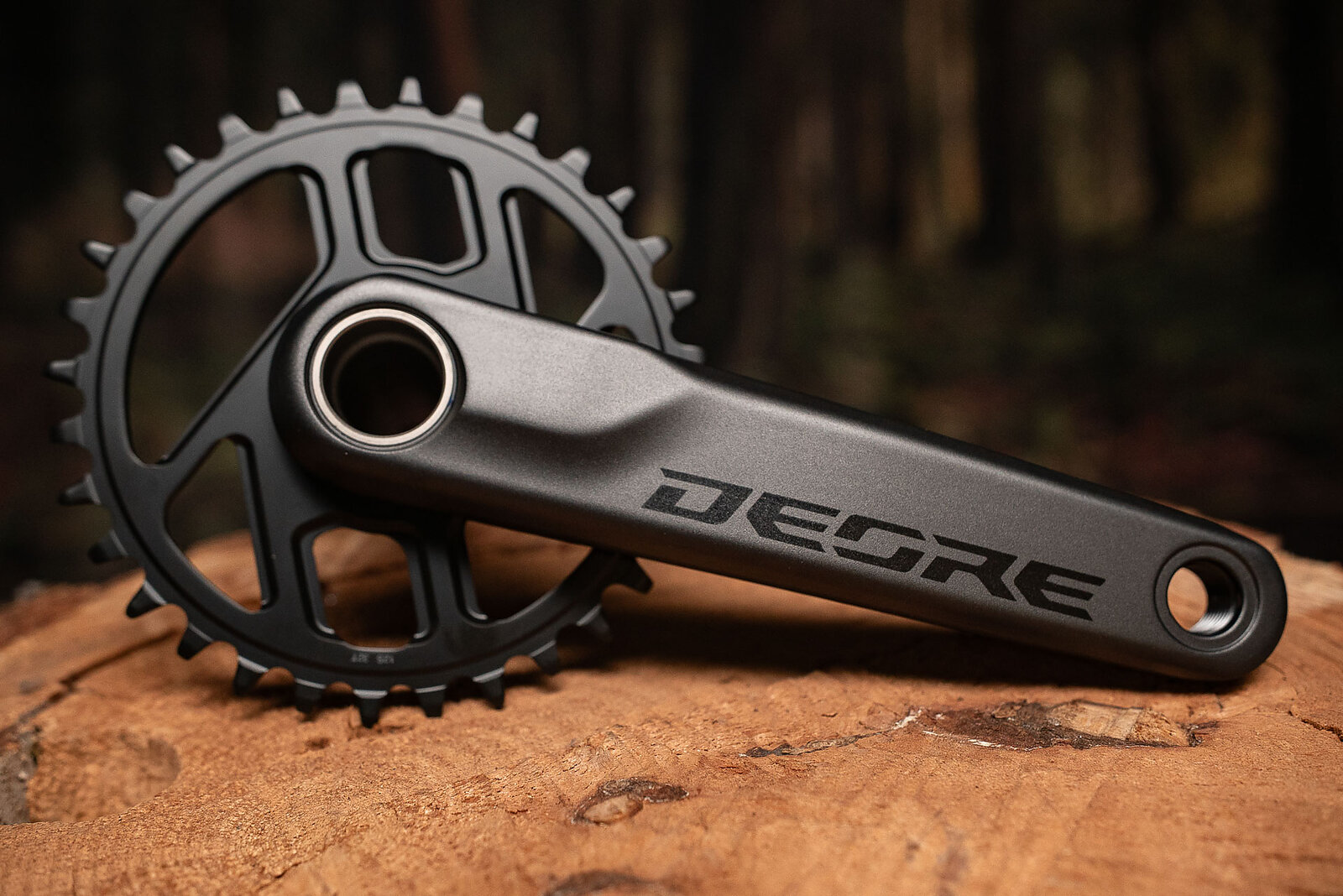
The cranks are also simple, choose your length (165, 170, or 175-millimeter) and your chainring size (30 or 32T) and part on.
Finally, the brakes get two caliper options, both mated to the same lever, the four piston M6220 version that I’m using, or a lighter weight two piston version.
The option that notably isn’t available at the Deore level, but is available with XT is the shorter cage 9-45T cassette and derailleur combo. That’s my favorite Di2 drivetrain, and, personally, I’d probably jump from Deore to XT just for that option.
Deore Mechanical Installation and Setup
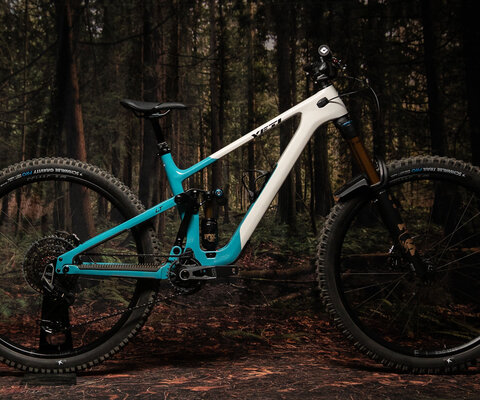
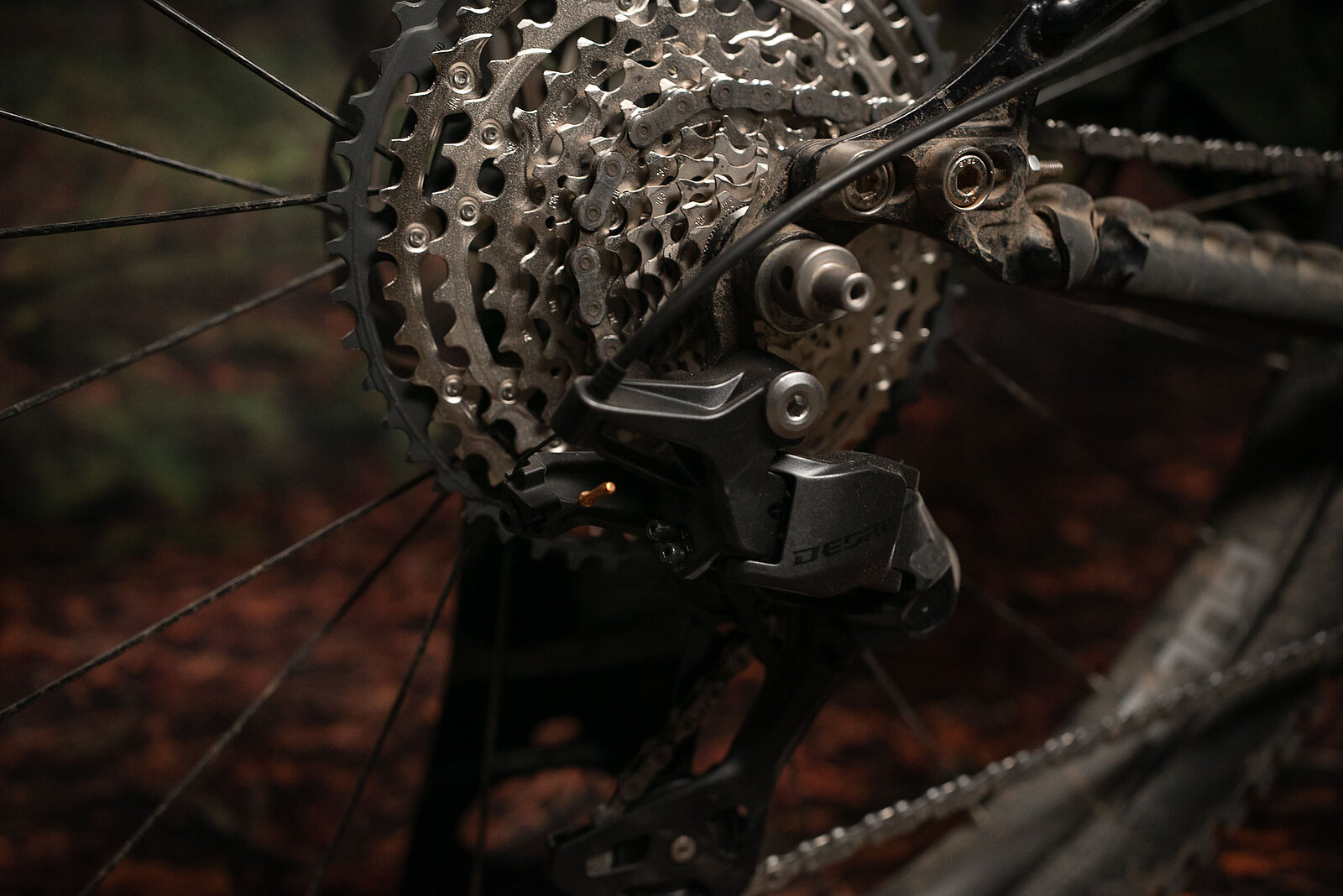
If you’ve installed a Shimano drivetrain before, this will all feel very familiar. Bolt everything on, size your chain, adjust your limits, adjust your B-tension with the handy included graphic on the derailleur, and ride your bike. I had zero issues here. Similarly, the brakes went on easily, and I was able to get away with just a quick lever bleed to get them feeling good. It is worth noting that I am running the drivetrain and brakes on two different bikes. The drivetrain replaced Deore Di2 on a Kona Honzo ST I’m using for cross-country and trail riding, while the brakes, along with Shimano’s new rotors went onto the Taken Encounter, which is a long travel enduro bike. I wanted to put those brakes to the hardest test I could so I moved them to that bike, and have a stand-alone review coming.
Since installation, I’ve adjusted cable tension once, but I haven’t had to fiddle with anything else. That’s a nice change from the last gen Shimano cable drivetrains, which, for me at least, required pretty constant adjustment to keep them running smooth.
Deore Mechanical Performance
Mmmmm. Shimano mechanical shifting feels a little bit like coming home. It’s crisp and low-effort. I’ve spent a bunch of time on Shimano’s wireless shifters, as well as SRAM’s cable-actuated Transmission drivetrain recently, and even at this most affordable Deore level, Shimano still manages to make this shifter feel very “Shimano” in the best way possible. I forgot how much I like Two-Way-Release, and shifts feel quite nice on this drivetrain. It did take a moment to retrain my thumb, because I have my electronic Shimano shift buttons set up pretty close to each other, while the mechanical option requires a bit more of a reach, but I adapted quickly.
Just like Di2, the mechanical version shifts nicely under load, with a smooth, regulated crunch. I haven’t had any issues with dropped chains, or terribly mangled shifts, although I have noticed a touch more chainslap than with either the old clutched version, or SRAM’s Transmission. I’ve touched on this before, but I think this varies quite a bit bike to bike. I’ve ridden some frames that made the new clutchless Shimano drivetrains sound like a shopping cart going down stairs, while the exact same drivetrain on a different frame is totally tolerable.
I’ve had a few impacts already, and the derailleur has shrugged them off. In my experience this current generation of Shimano derailleurs is much more robust than the last one, and hopefully that holds true here as well. I’ll update this piece if anything changes.
Compared to Deore Di2 and SRAM Transmission
Since I’ve ridden this bike back-to-back with both the wireless and wired version of this drivetrain, it’s quite easy to make good comparisons here. The only real difference I notice is in the shifter feel and ergonomics. It’s not quite as precise and tight feeling as the electronic version, but it’s not far off, and I quite appreciate being able to pull the levers as well as push with the two-way-release function. It’s a little thing, but it’s part of what makes a Shimano drivetrain what it is, and it’s nice to see it back. You also can’t dump a bunch of gears quite as quickly as the electronic version can if you turn the speed all the way up in the app, but that’s not something I really care about on my human-powered rides.
Otherwise, the shift quality and speed feels quite consistent with the new Di2 version. Personally, I’d reach for Deore Mechanical over the Di2 version just based on cost and weight alone. A mechanical shifter and derailleur weigh 558 grams, and cost $130, while the electronic versions weigh 667 grams and cost $675 with a battery.
I’ve also spent a bunch of time on SRAM’s Eagle 90 drivetrain. SRAM’s shifting is a touch less smooth feeling, but more firm and positive. There’s more of a definitive thunk when you hit your shift, but the shifter itself feels heavier and less precise. When comparing weight and price, it’s probably more fair to pit Deore against the cheaper Eagle 70, which costs $30 more for the derailleur, and weighs about the same. And, with Deore, you can save even more money with the cheaper all-steel cassette for a slight weight penalty. In terms of shifting feel, Deore eats Eagle 70’s lunch, but I’ve experienced less chain slap with Transmission. And, of course, Transmission is more rebuildable, but requires a UDH on your frame. So that comparison gets pretty nuanced. However, if I was buying a complete bike, I’d prefer Deore mechanical to Eagle 70 at the same price point, and if I was building a bike up, I’d probably go with Eagle 90.
Updated Deore Brakes
The new Deore brakes, unsurprisingly, get Shimano’s new low-viscosity fluid which should kill the wandering bite point woes. They also route their hoses more parallel to the bars. I’ve been running the four piston version of these new brakes with metallic pads, and Shimano’s new 2.2-millimeter thick, 200-millimeter rotors on some of the steepest trails around, and the short version is that this combo is the best feeling Shimano brake I’ve ever ridden. Check out the full review for more impressions.
For Now
Affordable groupsets are important. For most folks, that’s their intro to the sport, and drivetrains that shift terribly, or break all the time will ruin a ride. The previous-generation Deore groupset had a bit of a reputation as a sleeper hit, ready to go head-to-head with much more expensive options. But personally, I always found it to be a constant pit of fiddling, where I had to adjust the drivetrain every few rides to keep it shifting smoothly. The new version is a nice change from that. So far it’s been plug-and-play, and it should be more robust in the long haul as well. That, combined with its shifting performance and price makes it a very compelling option for anyone who wants to lay down the miles without breaking the bank.
Learn More: Shimano.com