Shimano Deore Di2 Wireless Upgrade Kit Batteries for the masses.
Last summer, Shimano launched a bunch of new drivetrains. In super simplified terms I’d say the brand launched two and a half new groupsets. It led with all-new XTR, with two cassette and cage length options, new cranks, cassettes, and brakes—the whole nine yards. All-new XT followed, with basically all the same things, but slightly more affordable and heavier. And finally, the half: Deore Di2 launched as an upgrade kit (derailleur, shifter, and quick link) that you could plug into your existing ecosystem. No brakes, no new cassette, no 9-45T option. Just a new derailleur and shifter, to plug into your existing drivetrain.
So, unsurprisingly, I got on XTR asap, followed by XT. But, this winter, I finally managed to get my hands on a Deore kit, so I’ve been riding it on my hardtail mountain bike/commuter to get an idea of how it stacks up, both to the rest of the current Di2 line and other existing options.
Shimano Deore Di2 Wireless Upgrade Kit Overview
- Speeds: 12
- Cassette range: 10-51T
- Measured Weight:
- Derailleur: 554 g
- Battery: 24 g
- Shifter 89 g
- MSRP: $675
Upgrade to Your Heart’s Content
As I mentioned in the intro, Shimano launched its new XT and XTR groups as big, comprehensive revamps. New everything. But, at the same time, SLX went away, and Deore got the new shifter and derailleur I’ll be focusing on here. In some ways it feels a little anticlimactic, but the more I ride this new Deore upgrade kit, the more it makes sense to me.
Shimano has historically been very strong at the Deore and SLX level. At the higher end, you could argue about the merits of XTR versus XO, but Deore has always been a better performing drivetrain than SRAM NX or, heaven forbid, SX. And, unlike those groupsets, Deore uses the same freehub interface as its more expensive siblings. So it’s always been ripe for upgrade. Swap in an XT shifter for an instant leap in feel and performance, swap in a more expensive cassette if you want to shave some weight, consider grabbing some aftermarket cranks for the same reason. If you’re going to make your bike into a Ship of Theseus, Deore has always been one of the best boats to start from. So with this upgrade kit, Shimano continues the logical extension of that story.
The Shimano Drivetrain Lineup
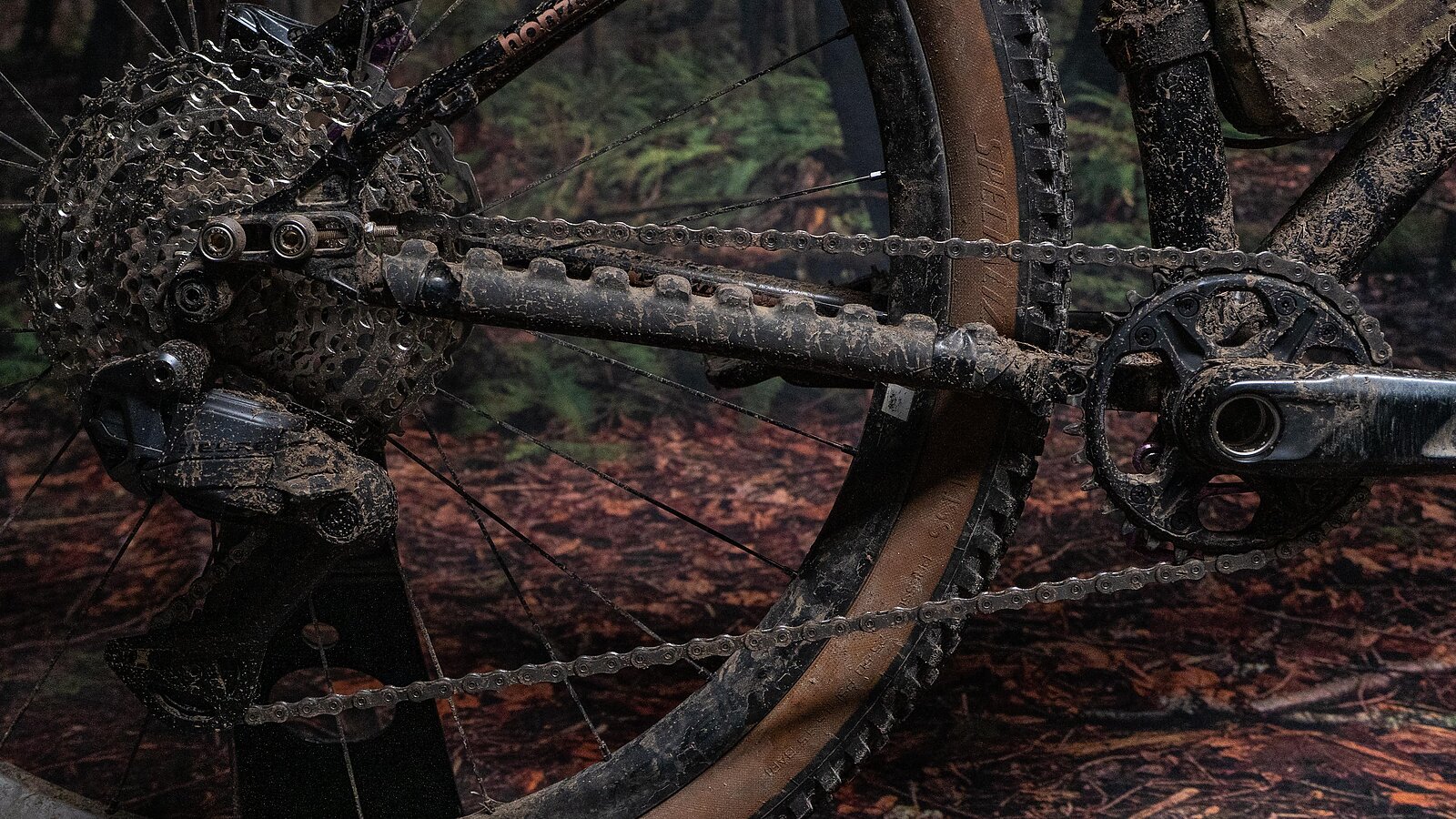
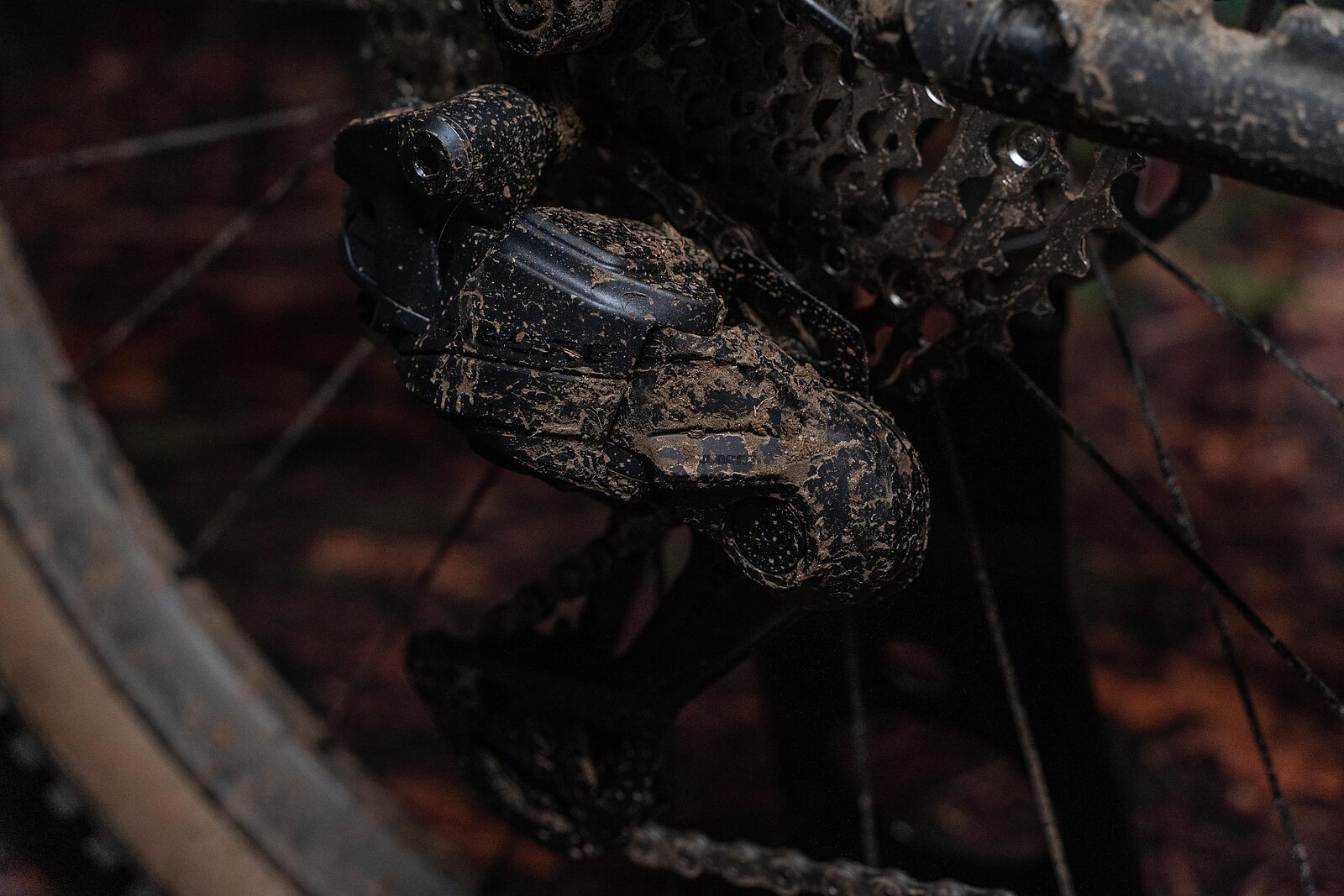
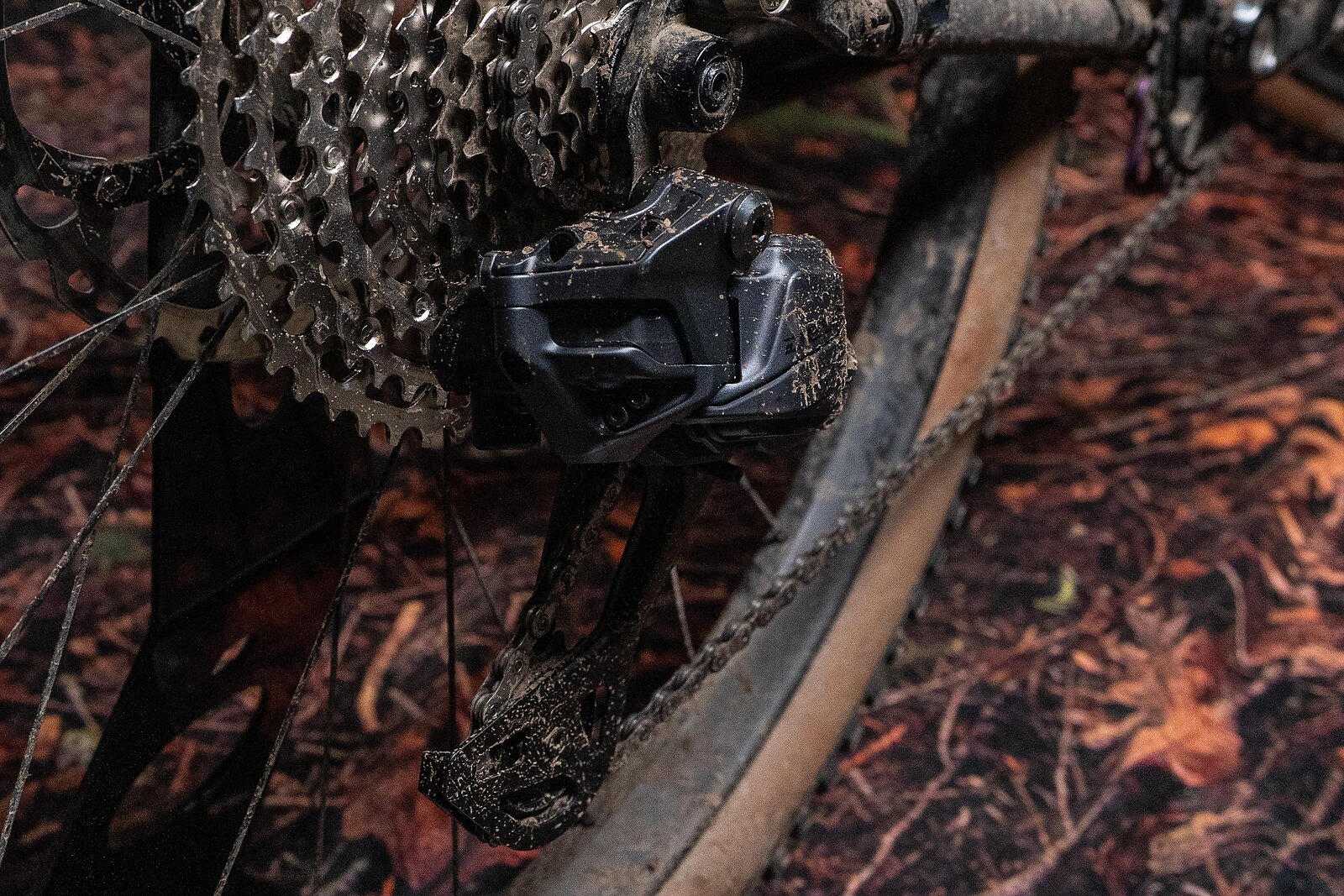
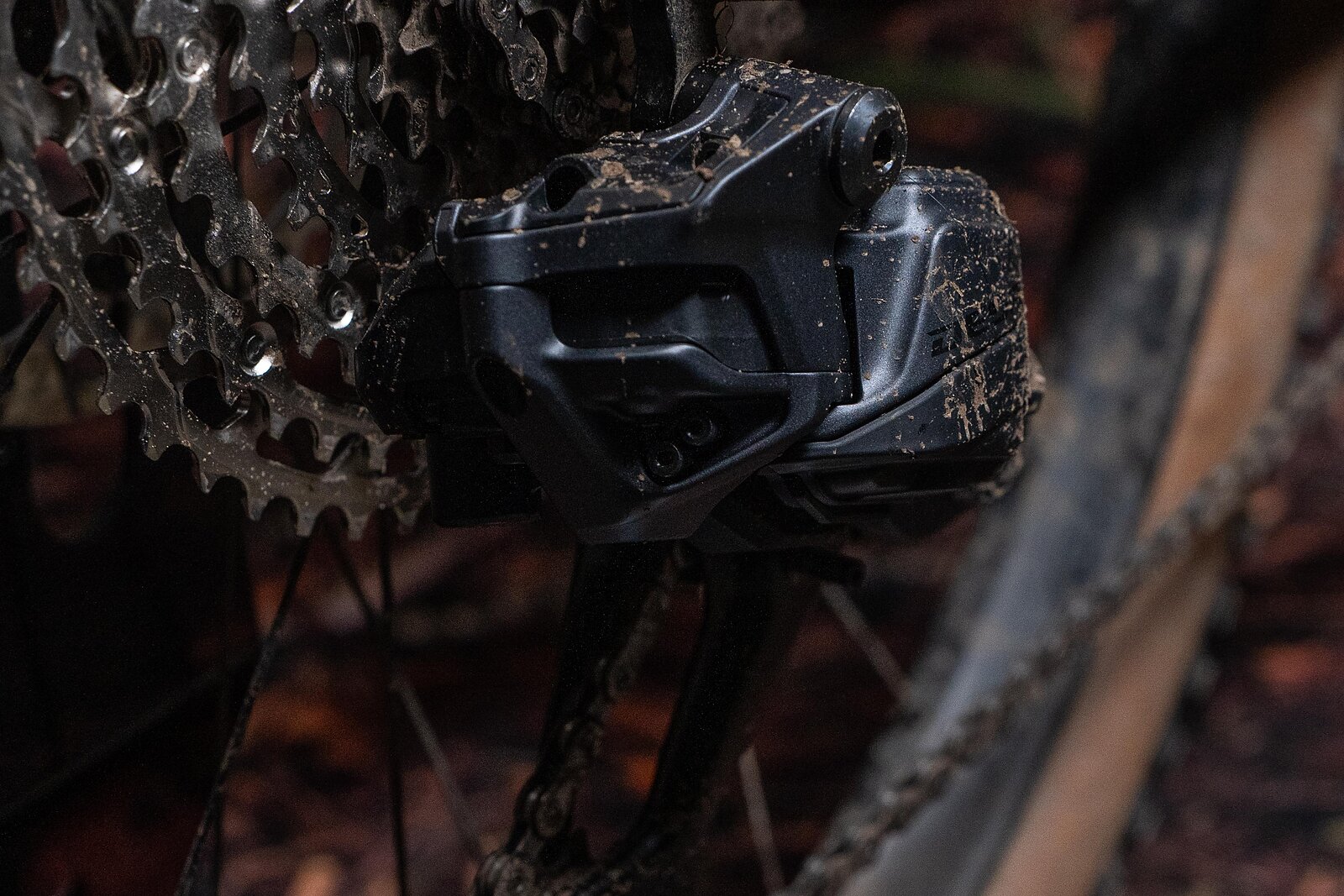
Shimano makes things pretty straightforward here. Deore Di2 features the same dual-spring, clutchless derailleur mechanism as XT and XTR, along with the same battery and electronics layout, and it’s compatible with XT and XTR shifters. The derailleur costs $135 less than the XT version, and weighs about 100 grams more, probably thanks to the steel cage versus the aluminum (XT) or carbon (XTR) the more expensive versions use.
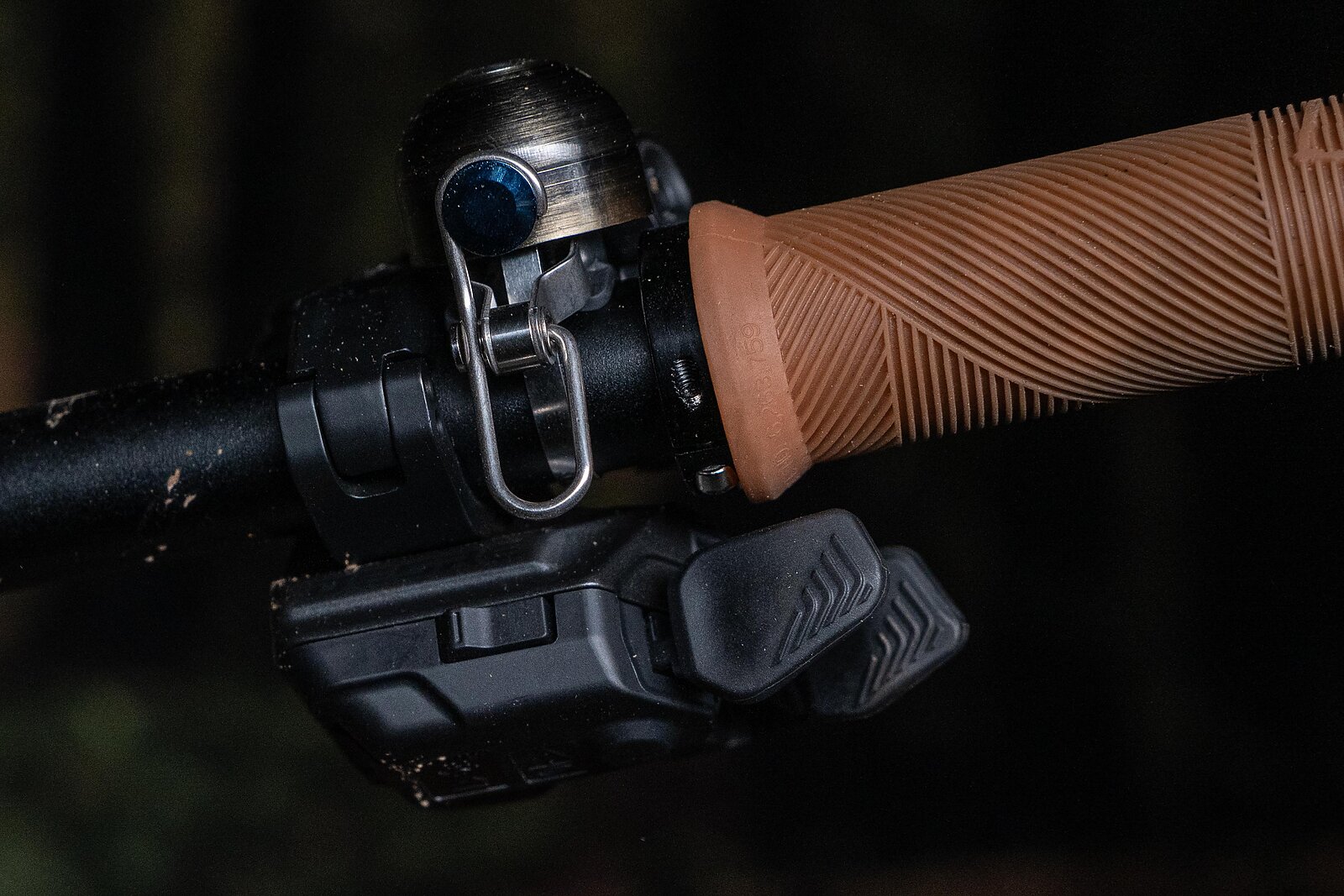
The shifter costs $50 less than XT, and weighs 8 grams less than XT. That’s probably because it eschews the independently-adjustable, double-clickable, rubber-padded levers of the more expensive versions.
Deore Di2 Installation and Setup
Just like its more expensive siblings, Deore Di2 has a fairly traditional setup procedure. It’s not the “just follow the simple but maybe counterintuitive instructions blindly” process that I love so much about SRAM’s Transmission, but Shimano makes it easy to measure your chain and set B-tension and limits.
Look Mom, No Cables!
It’s 2026, so I’m not going to litigate the cables versus batteries debate, but it is worth looking at a few other options to cut the cables on a budget. If you’re shopping within the current SRAM aftermarket ecosystem, you’re limited to GX Transmission. That kit retails for $605 for a battery, shifter, and most of a derailleur (SRAM wants you to swap over the lower cage from your current Transmission.) SRAM does make a cheaper S1000 wireless groupset but, for the purposes of this piece, it’s meaningless since it’s only available on complete builds, not as a stand-alone drivetrain.
Finally, it’s worth mentioning SRAM’s older GX AXS upgrade kit. This delivers a GX AXS (non T-Type) derailleur, shifter, and battery for an MSRP of $625. This option is especially relevant because in my experience, old AXS bits work quite well paired with Shimano 10-51 chains and cassettes. If you can get your hands on an old AXS derailleur and shifter for cheap, it’s worth experimenting with.
Deore Di2 Performance
The magic of Deore has always been that out of the box it shifts plenty well for most mountain bikers and, with an upgraded shifter, it feels just about as good as XT or XTR. This new upgrade kit continues on that tradition but takes it up another notch because, with wireless shifting, the shifter matters less. No, the Deore shifter isn’t as adjustable or “refined” as XT or XTR, but also, I sort of don’t care. It shifts really well. All the adjusting I did on XT and XTR was to get my paddles to roughly the same place that they sit stock with Deore. No, you don’t get that oh-so-satisfying double click, but it’s easy to adapt to.
Otherwise, this Deore drivetrain rattles through shifts just about as swiftly and smoothly as its more expensive siblings. It delivers that same “barely crunchy granola” shift feeling under load that Shimano aficionados will love.
On the flipside, Deore has the same foibles as XT and XTR. You’ll probably have to tweak your B-tension a touch as the drivetrain beds in, and the cage is more flappy and slappy and less controlled than clutched options. I still maintain that, by ditching the clutch, Shimano ensured that its new derailleurs would never feel as bad as the old ones did with a poorly-maintained clutch, but also would never feel as good as they did with a well-maintained clutch.
Battery life on current Di2 derailleurs continues to be awesome, and Deore is no exception here. It took me a ride or two to get used to the slower wake up of Shimano versus SRAM wireless, but it’s not a real issue.
I’ve consistently found the new Shimano derailleurs to be more durable than the old ones. It feels like there’s a real divide in riders between folks who regularly messed up their previous-gen Shimano derailleurs, and those who didn’t. I fell squarely into that first class. It felt like I could barely make it a week without tweaking or breaking an old Shimano derailleur. The new ones have held up to a bunch of senseless bashing on a few different bikes with no ill effects. That’s a huge plus in my book.
Finally, Shimano sent over a full Deore groupset along with the upgrade kit. My biggest takeaway from the rest of this group is that I still really like the old Deore brakes. I love the way they deliver a bunch of power out the gate, and I don’t find that the new oil and design of the current XT and XTR brakes really make them that much better to bleed and live with, but your mileage may vary.
Where Does Deore Di2 Make the Most Sense?
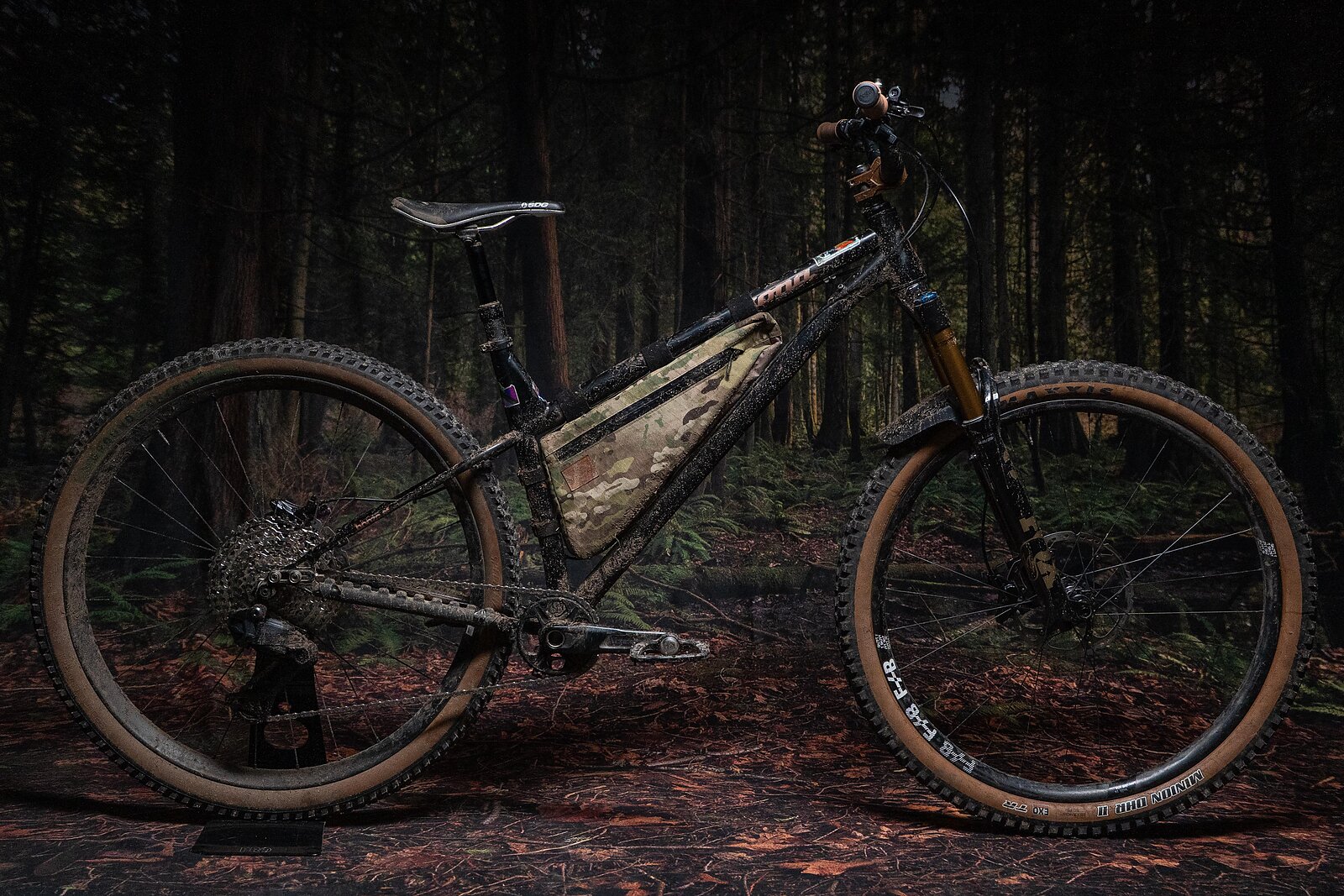
I slapped Deore Di2 on my Kona Honzo ST because I think it’s an awesome drivetrain for that style of bike. It’s not the lightest or the blingiest, but it’s been quite reliable so far, doesn’t require a UDH, and is solid and workmanlike. I wouldn’t hesitate to install Deore Di2 on a higher-end carbon bike (perhaps with an upgraded cassette) or buy a complete bike with Deore Di2 on it. I’m especially interested to see if it catches on for more affordable e-bikes.
Where I see it making the most sense is how it launched, as an upgrade kit. Smoke your old XT mechanical derailleur on a stump one too many times? Pull out those cables and throw on Deore. Want snappier, smoother shifting on a bikepacking rig? Deore Di2 might be your answer.
For Now
The best thing about Shimano’s Deore Di2 upgrade kit is that it doesn’t have to carry the hopes and expectations of Shimano’s entire mountain bike line. Instead, it can benefit from trickle down tech while being a solid over-achiever. That earns it a seat at the table for any upgrade conversation.