2027 RockShox Lyrik Ultimate A tangible upgrade.
If you’ve been paying attention to product releases this winter, you’ll remember that RockShox cooked up a whole bunch of updates to its BoXXer and Vivid Coil downhill suspension back in February. So it shouldn’t come as too much of a surprise that there’s an almost-all-new Lyrik, Zeb, Super Deluxe, and Vivid Air shock to round out the line. This is not just a subtle overhaul, or a mostly internal update like we saw on SRAM’s Maven B1 brakes earlier this spring. Nope. The new Lyrik and Zeb get new chassis, new air springs, updated dampers, and a whole bunch of clever new features. And, importantly, the new Lyrik is now available with 170 millimeters of travel.
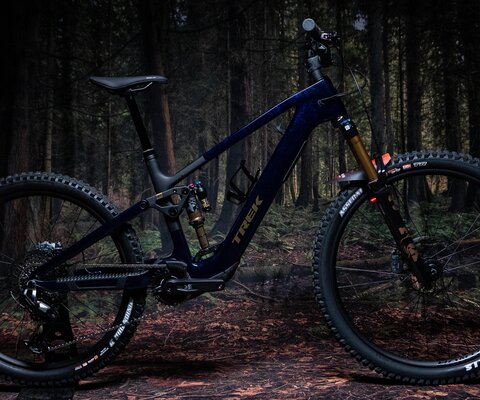
I’ve spent the last month running the new Lyrik and Super Deluxe on my Trek Fuel MX, so I’ll cover the fork in this piece, and the Super Deluxe in its own review. I’ll also start getting time on the new Zeb and Vivid soon, and will publish reviews of those as soon as possible.
The short version though, is that this new RockShox suspension is really good. It’s surrounded by a big cloud of tech and marketing phases but, at its core, the ride quality is excellent and represents, in my opinion, a noticeable upgrade over both RockShox’ generation of suspension, and most of the competition that I’ve sampled. This suspension is really good.
RockShox Lyrik Ultimate Overview
- Travel: 140, 150, 160, or 170 mm
- Weight (160 mm, no fender, 197 mm steer tube ) : 2,212 g
- MSRP: $1,259
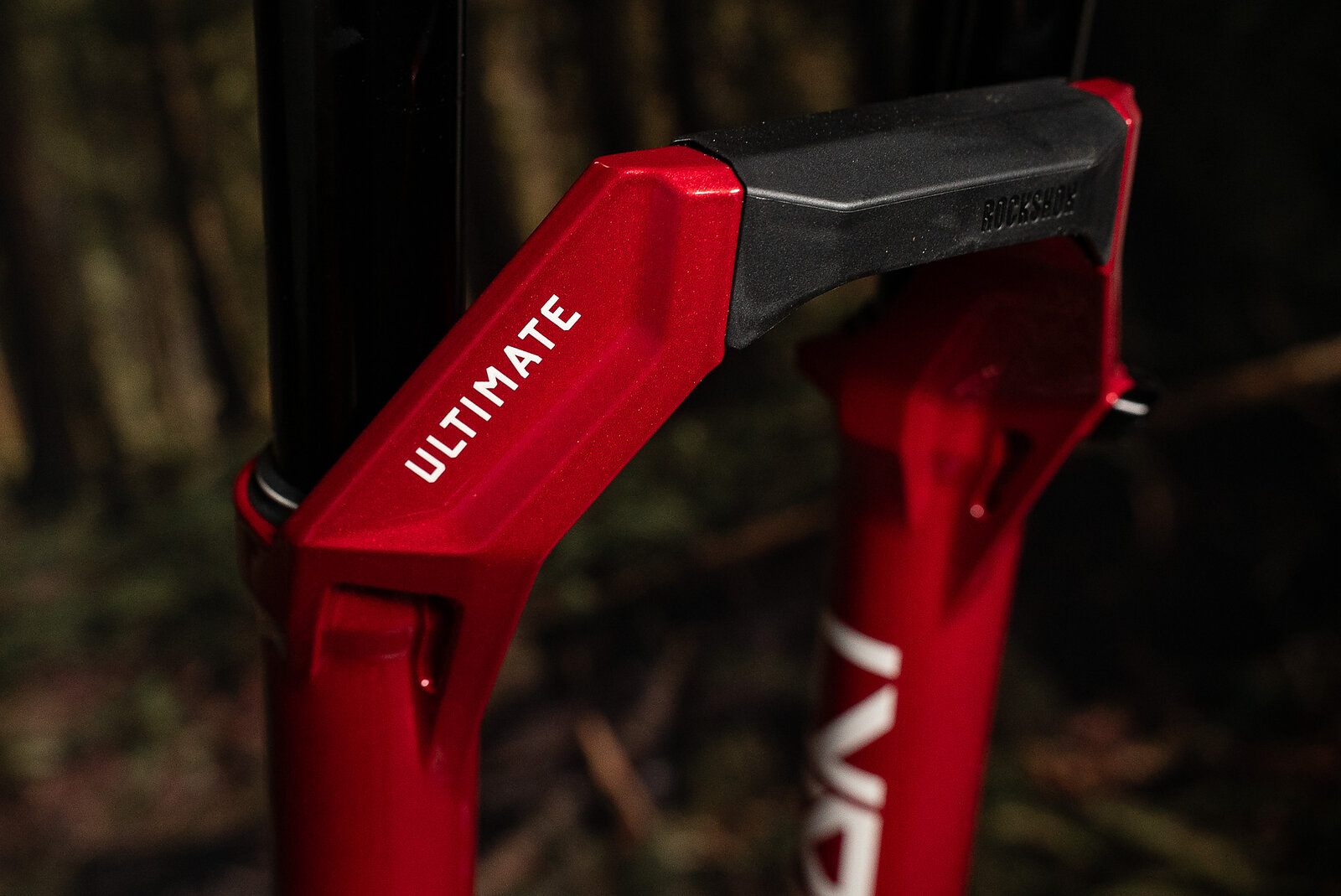
The New RockShox Lyrik Ultimate
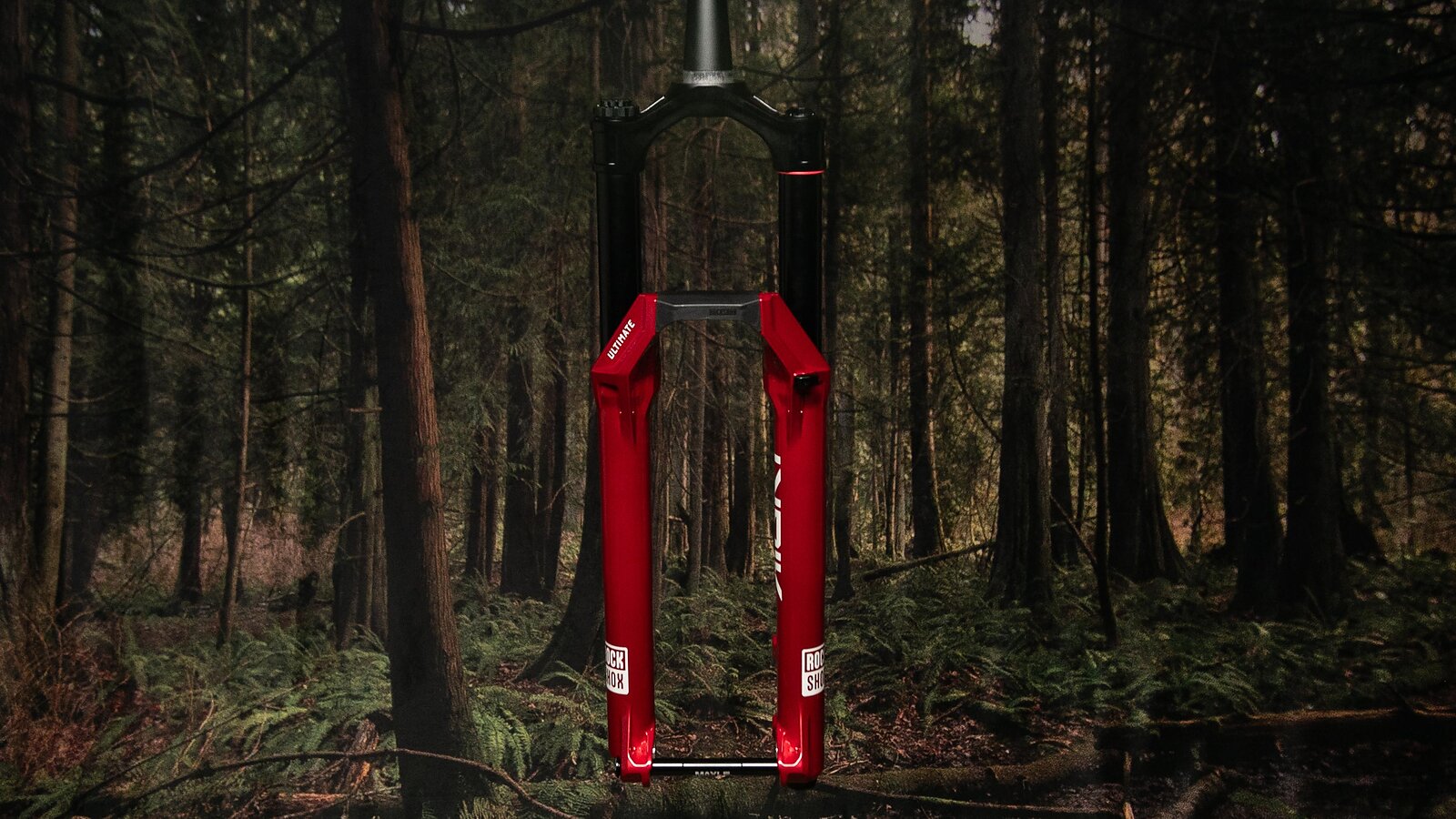
There’s a lot going on here, so we’ll start with a really broad overview, and then get into the weeds. RockShox wanted to make the Lyrik more predictable and composed. In service of that goal, the brand developed a new LinearXL air spring with an externally-adjustable bottom-out knob. Inside the fork, the stanchions get ButterWagon dimples to help transport oil from the lowers to the seals, as well as new breather holes. There are also new seals, an updated damper, a new lower design, a new crown design, and new air relief dimples. Again, we’ll dive into each of those features in a moment, but RockShox says that the combined goal of all of these changes is to make the fork more linear, more predictable, and easier to set up.
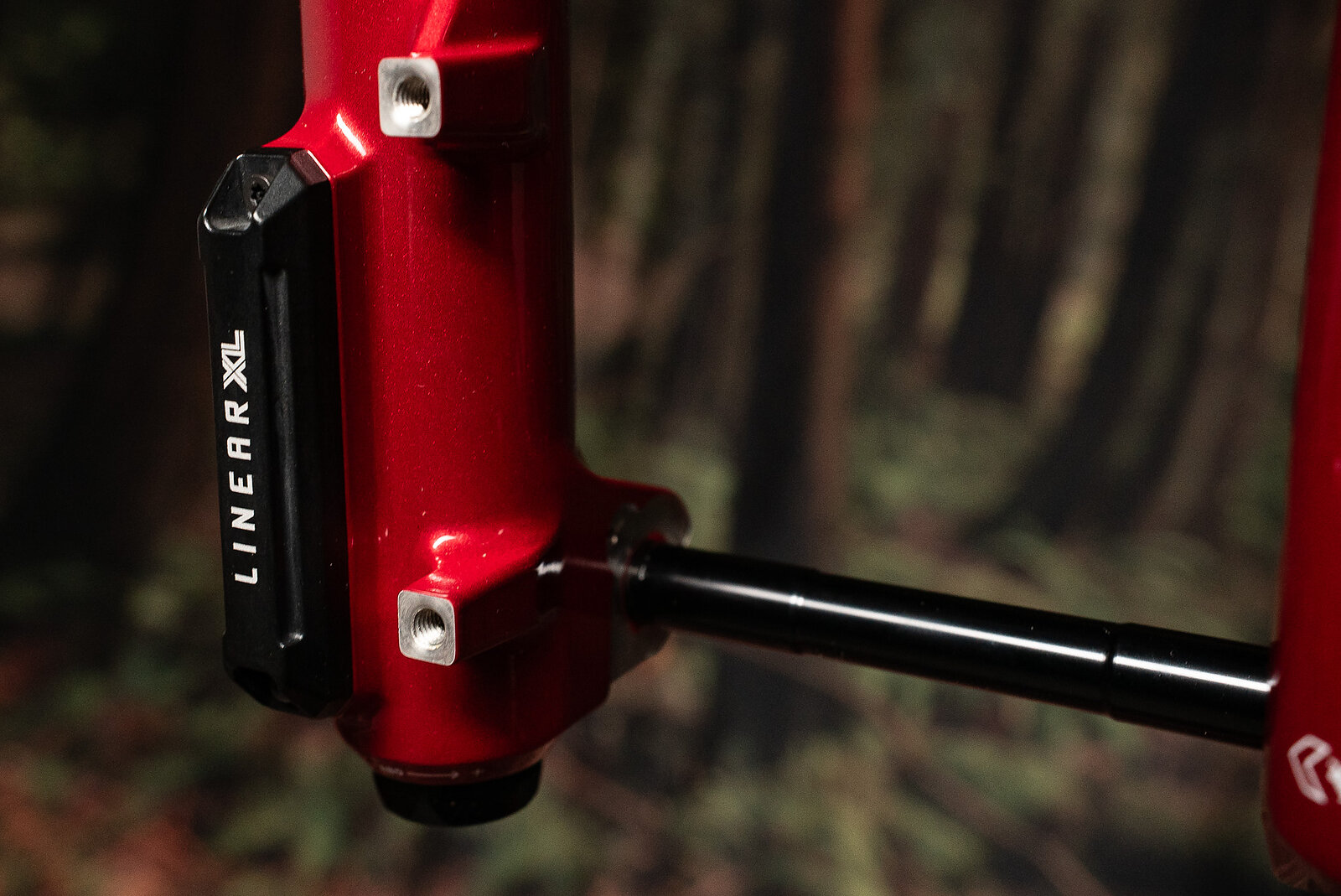
RockShox Lyrik Ultimate Chassis Details
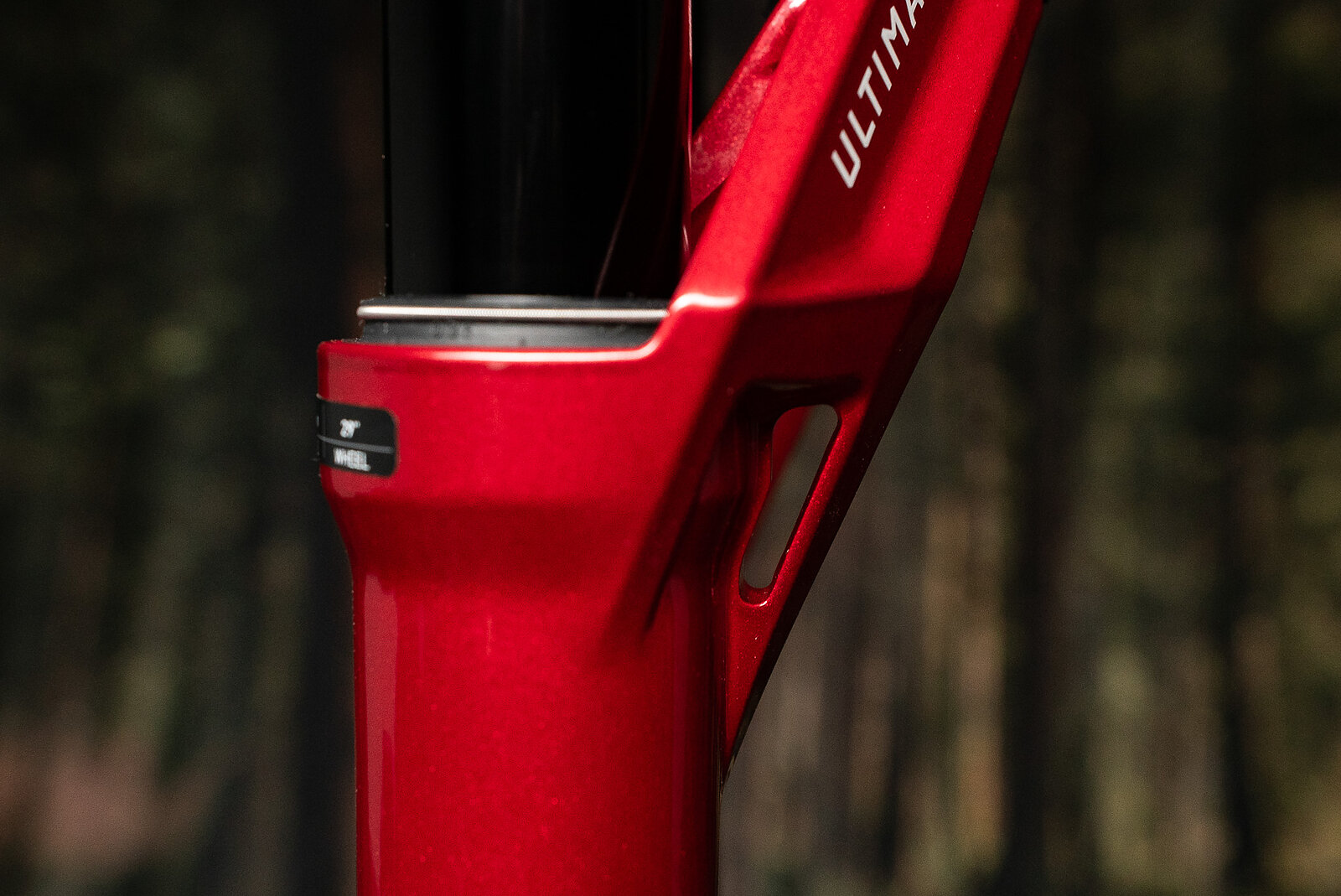
We’ll start at the outside and work our way in. First, there’s a new “baked on” graphics system that should be more durable than the previous stickers. More importantly, this Lyrik features new crowns and lowers. It’s still compatible with TorqueCap endcaps, or regular 15-millimeter end caps, and it still comes with plastic adapters. It also still comes with 180-millimeter post mounts. But there’s a bump next to those mounts for the “AirAnnex.”
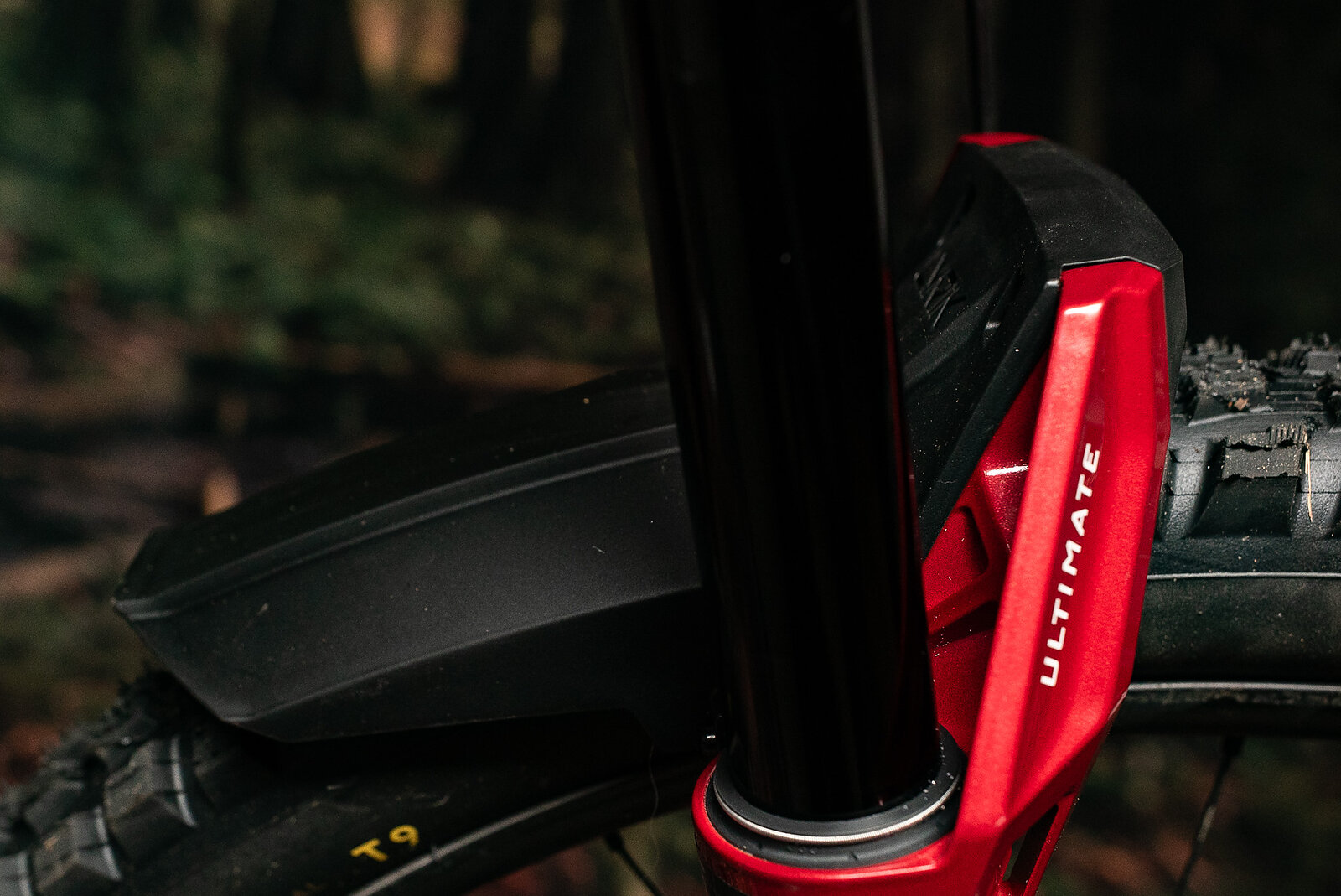
Up top there’s a new lower arch design with the option of either a plastic cover, full, or half fenders. This arch has machined reliefs to help prevent bushing deformation. Finally, there’s a new, wider, forged and machined crown that RockShox says adds stiffness and should improve alignment. It’s also got new bleeder buttons in the rear to purge air build-up without infringing on any existing designs.
Now we can work our way back down, internally. The changes here start at the seals, which are a new design from SKF that’s supposed to deform and drag less deeper in the travel than traditional seals. The stanchions have two new features: ButterWagon tech, which is a collection of dimples on the lowers below the seal line which are meant to transport oil up to the seals and bushings as the fork moves through its travel to keep everything slick and supple, and new breather holes meant to allow the lower leg volume to expand as the fork goes through its travel to keep the rate of progression predictable at different speeds.
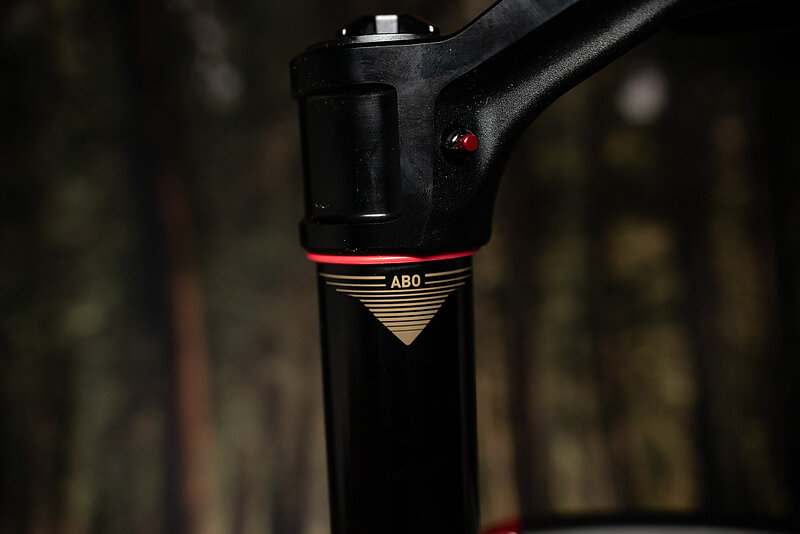
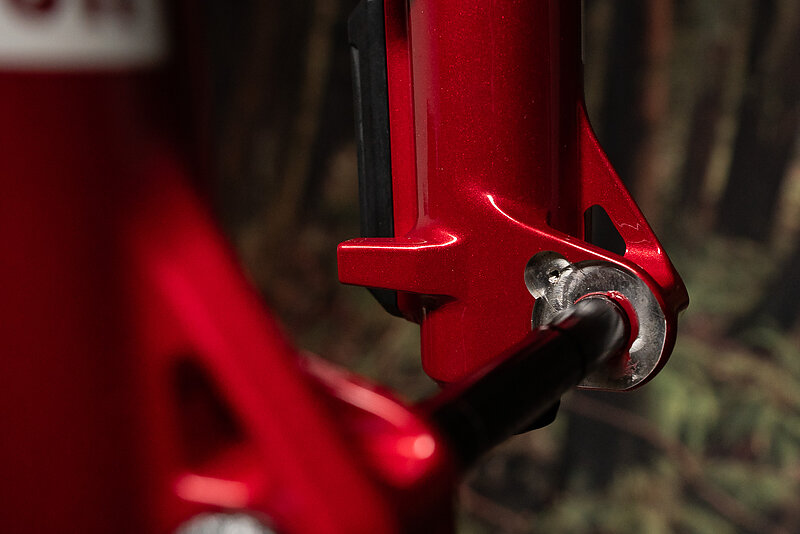
At the bottom of each leg, RockShox still employs ButterCups—rubber pucks which help isolate vibrations from the spring and damper shafts.
The story here is smoother, stiffer, more predictable. It’s a lot of tech, and a lot of special names, but luckily most of it performs behind the scenes. As a rider you can just hit the bleeder valves occasionally and party on. All those upgrades do come at a bit of a weight penalty, with the Lyrik coming in at just under 200 grams heavier than the previous version. I did a super unscientific comparison and between this Lyrik, with the shorter mullet fender, and the current Fox 36 with the full coverage fender, the Lyrik is about 50 grams heavier.
RockShox Lyrik Ultimate Linear XL Air Spring Details
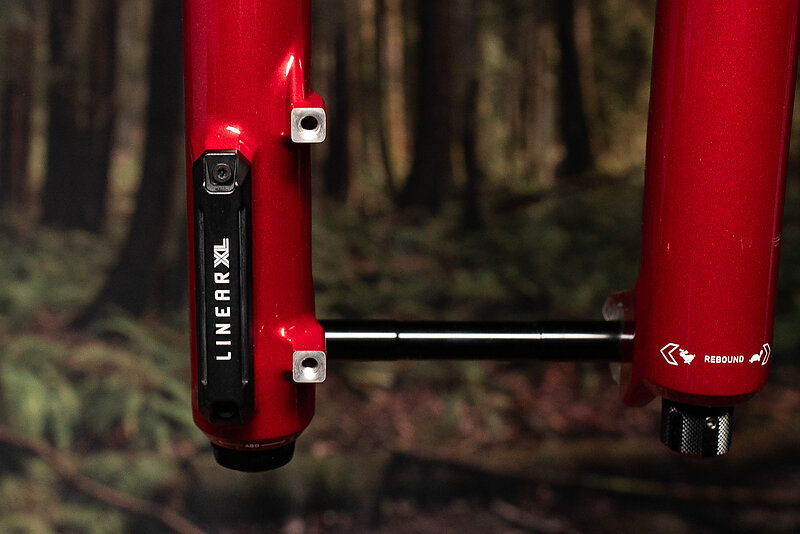
Again, let’s start at the bottom and work our way up! The most obvious change to the new Lyrik is that AirAnnex. This bump by the brake mounts increases the lower leg volume, which decreases the inherent progressivity of the fork. It’s not adjustable, and its cover is attached with security fasteners intentionally—there’s no reason for users to mess with it. The damper leg doesn’t need an AirAnnex because the damper internals take up less volume than the air spring, so effectively the Annex is giving both sides an equal volume.
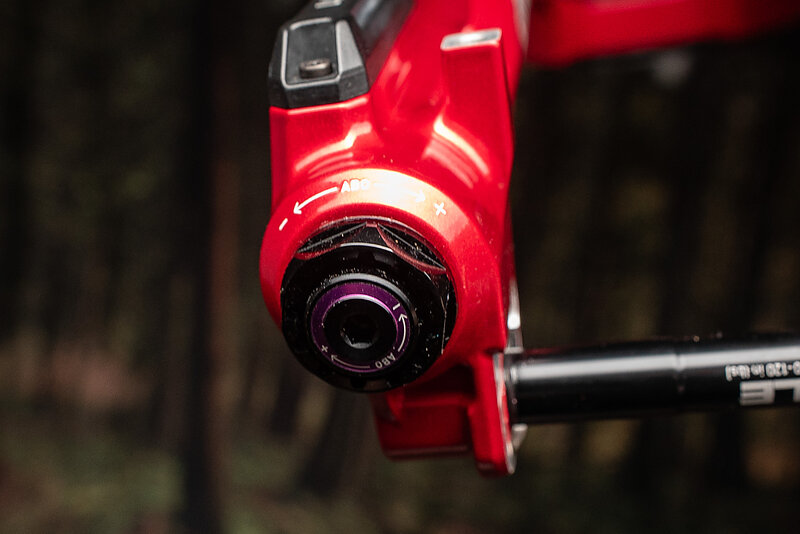
At the bottom of the spring leg, there’s a hex adjustment for the Lyrik’s Adjustable Bottom Out. This tunes the timing of when the bottom out bumper contacts the seal head. The earlier it contacts, the more bottom out support you’ll have. This mechanical adjustment is completely independent from the rest of the air spring, so you can tune in your bottom out without affecting how the spring feels off the top or in the middle of its stroke.
Internally, the air spring is now a twin tube design, and RockShox reduced the ratio of the piston to air shaft diameter in an effort to give it a more linear, coil feel. As a result, the new Lyrik and Zeb both call for much higher air pressures than previous versions, and it's worth consulting the chart printed on the leg for your starting pressure.
Up top, you can still adjust the spring’s overall progression with tokens, although RockShox emphasizes that most folks should be able to find a balance of support and suppleness with a combination of air pressure and bottom out support.
RockShox Lyrik Ultimate Damper Details
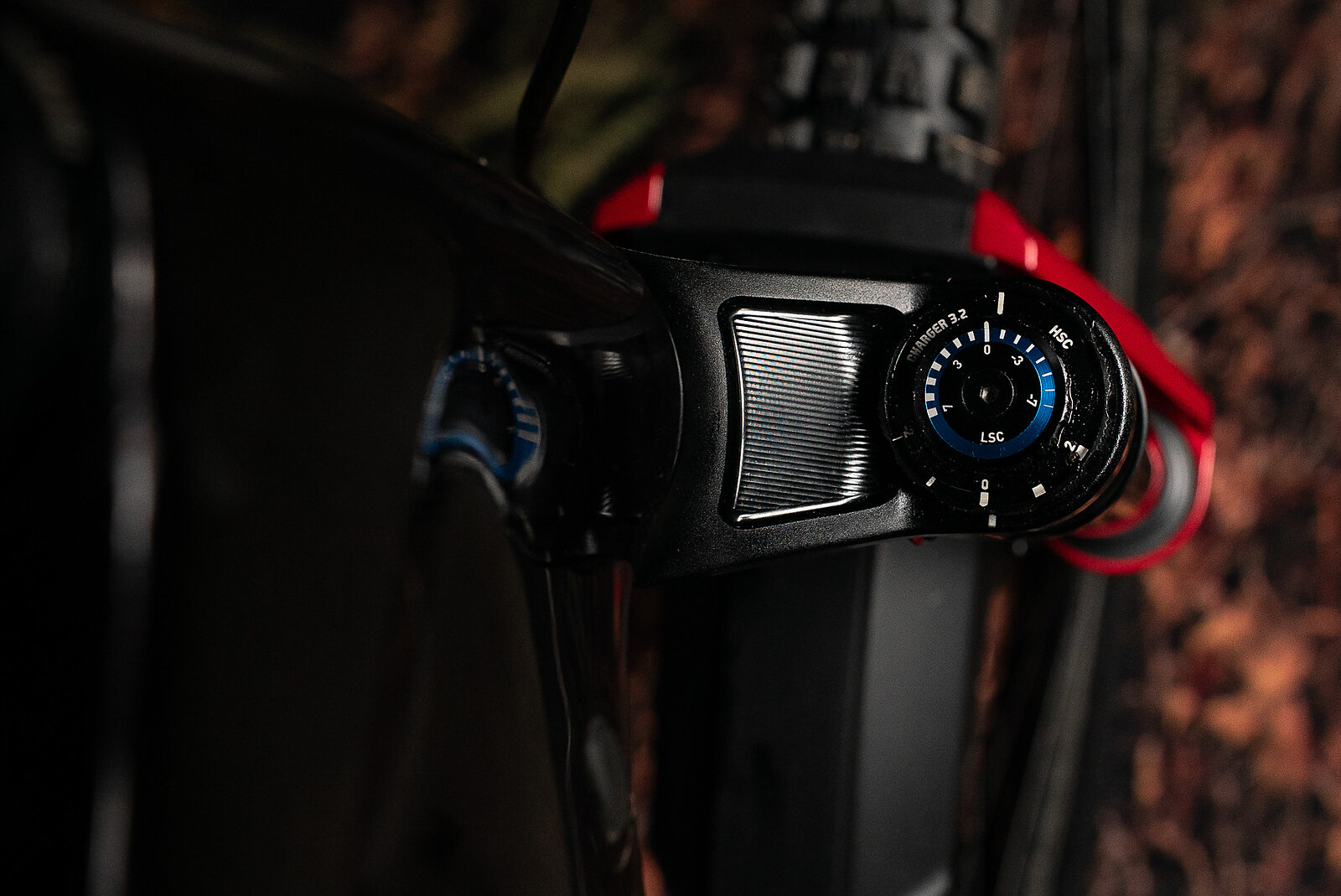
Yes, there’s a new damper—sort of. The Charger 3.2 damper features the same fully independent high and low speed compression adjustments, and it’s still incredibly quiet. And the tuning philosophy is still the same. Start in the middle and work from there. But, while the overall range of adjustment stays the same, it’s all a little more damped than the 3.1 to better match the LinearXL spring. And the knobs now feature numbers to help you remember your setup instead of counting dash marks.
RockShox Lyrik Setup
That was a lot of information. Luckily, you don’t need to understand most of it to reap its benefits. I bolted on the short “mullet” fender (the new fender mount system is pretty satisfying to use, and easier to align than the old one), as well as the 15-millimeter axle adapters since, unfortunately, I don’t have any TorqueCap hubs right now. I pumped the air spring up to 158 PSI for my 215-ish pound weight, and left both compression knobs in the middle to start. I also left the Adjustable Bottom Out set to the middle of its range, and slowed down the rebound a few clicks. Then I went and rode my bike.
Riding the New Lyrik Ultimate
Call me jaded, but, going into this review, I wasn’t expecting that much. So many suspension updates are incremental changes that take a fair bit of back-to-back testing to suss out. I’m used to plenty of marketing copy being spilled about products that are maybe just a little bit “better” than the status quo. And I bolted on the Lyrik to replace my previous favorite (and recently serviced) trail fork, the Fox 36. That fork (when it’s working right) is incredible. I had no frustrations with it, no problems I wanted the Lyrik to solve. If the Lyrik was comparable, I would have called it a win.
But right out the gate, on the first ride, the Lyrik blew me away. It’s quite supple off the top, but it provides more mid stroke support, and better trail feel than I’m used to with RockShox forks. So far, the balance of traction and support is right on the money for my riding style. It’s still early days, but it feels like it smooths out the trail significantly better than the previous version, without feeling wallowy or unsupportive.
I’ve especially noticed how smooth this fork feels on faster, flatter, chunky flow-ish trails. It masks braking bumps and chatter well, while still giving me a very predictable platform to pump into and pop off of. The first time I rolled into a line of jumps on the Lyrik I was cautious because it had smoothed out the previous section of trail so effectively that I was worried I was going to blow through the travel and miss my pop. Instead that platform was right where I wanted it to be. I’ve never had a new fork feel this good, this supple, and this predictable right out of the box. And, so far, I haven’t had issues with the fork diving or finding a harsh bottom on the features that usually cause problems there.
Now, all of that comes with the proviso that I’ve only had a few weeks of riding on the fork, and things have been fairly soft and wet for most of that time. So I’m really interested to see how that plays out as things dry out and get rougher and faster. My gut feeling is that I’ll probably end up dialing up the adjustable bottom out and low speed compression as we come into the summer riding season. I’ll also do my best to get some time, and a review, on the 170-millimeter version of the Lyrik to compare it to the Zeb and 38, as well as the old Lyrik and 36. I’m also very excited to ride and write about the new Zeb. I think the spring side changes in particular could allay most of my frustrations with the previous version.
For Now
There’s a lot to talk about with the new Lyrik, and it’s easy to get lost in the sauce. But, my biggest takeaway so far is that this is the smoothest, most predictable trail fork I’ve ridden to date, and the gold standard I’ll be comparing other forks to. You don’t need to understand all of the tech to feel the difference, and that’s a very good thing. And if you want to read about the new Super Deluxe, well, you can check out that review here.
Learn more: RockShox