Gulo GMT 30 Wheels But what if the spokes were carbon?
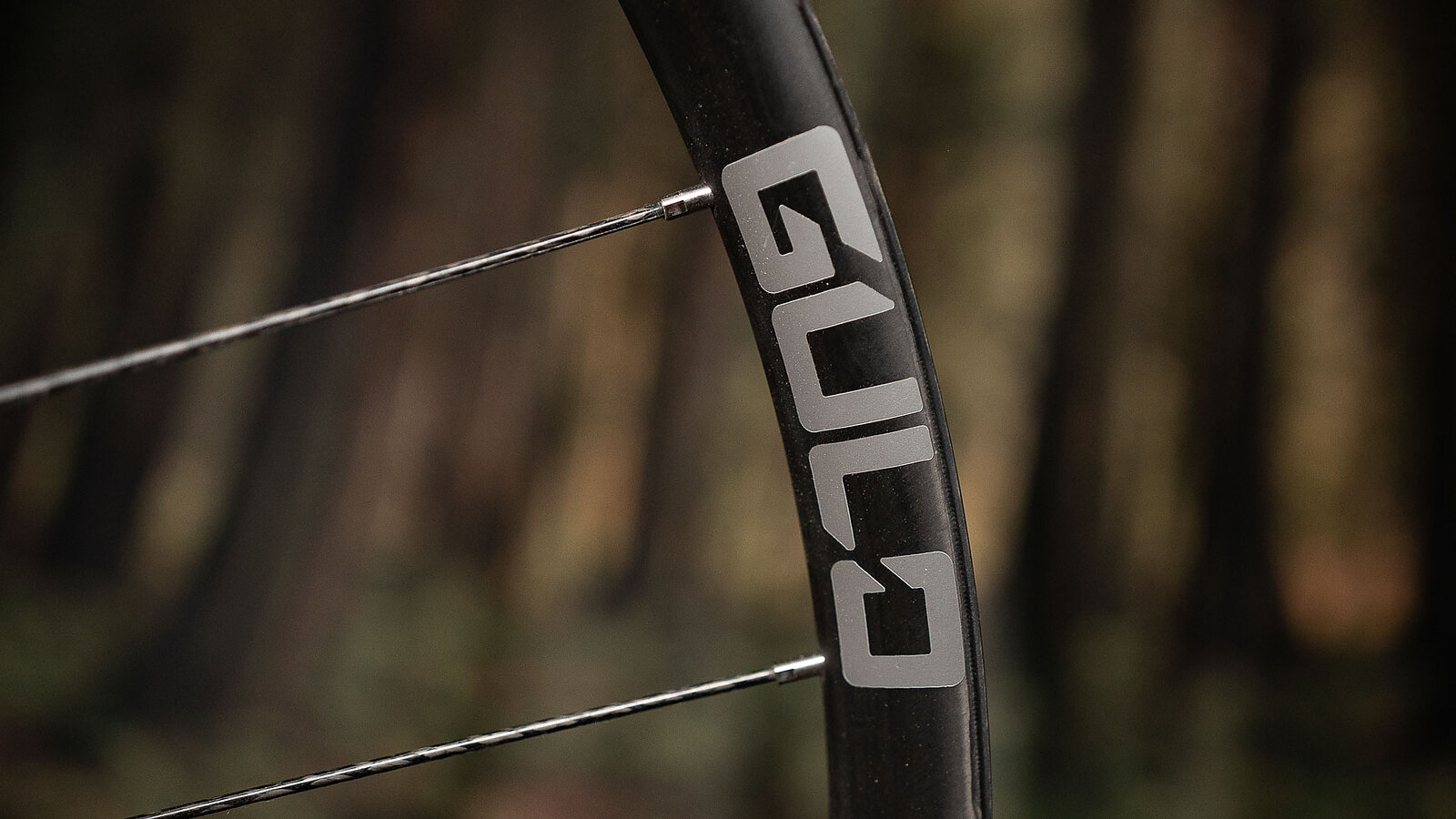
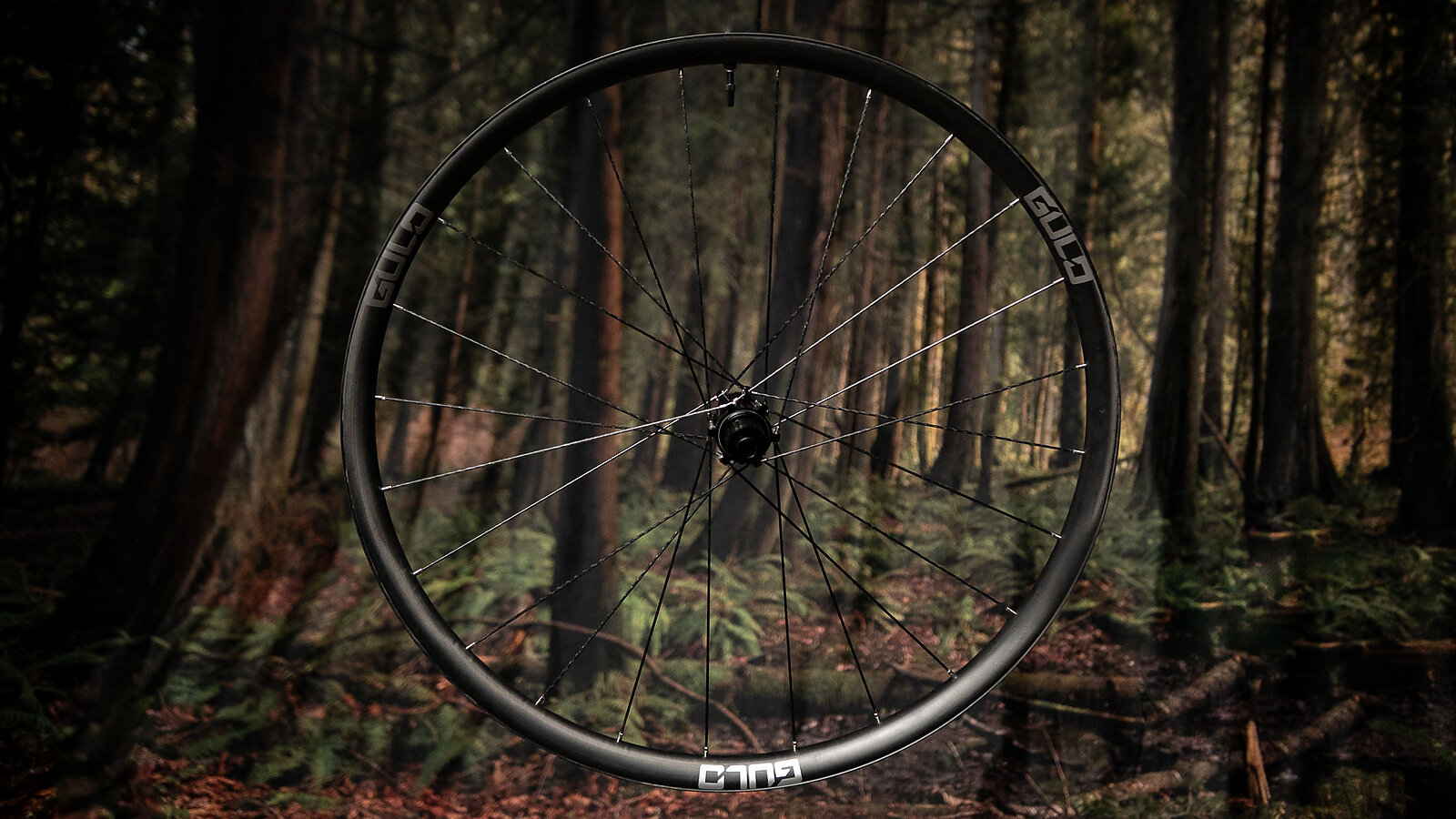
Gulo Composites is no stranger to carbon wheels. The North Carolina-based brand has been making carbon composite spokes for more than a decade. According to Gulo, the spokes are super light (2.4 grams each) super strong (Gulo says they have about 10 times the impact resistance of steel spokes, and 20 percent more tensile strength), and also help transmit less vibrations from the trail to the rider.
So yes, there’s some exotic engineering going on here, along with big claims about these very light wheels. I’m always a little skeptical going into lightweight wheel reviews because I’m a fairly heavy person (200+ pounds) who likes riding little bikes on trails that are probably better served by enduro rigs. But, when I expressed that trepidation to Gulo, the folks at the brand told me to go for it! Apparently, the GMT 30 took the win at the Pisgah Enduro, mounted to a 170/180 millimeter travel Orbea Rallon the day before, so the folks at Gulo were confident the wheels could handle any abuse I’d dish out.
So we’ll talk about the claims Gulo is making here, as well as my experience with these wheel’s durability, but also, more importantly, we’ll get into how they ride, especially compared to other exotically-spoked options.
Gulo GMT 30 Details
- Internal Width: 30 mm
- Spokes: 24 G-Spokes
- Hubs: Industry Nine Solix
- XD, HG, MS freehub compatibility
- Weight: Front 563 g, Rear 674 g, Pair 1,237 g (with tape and valves, MS driver)
- Price: $2,695
Rim Technology
While the carbon spokes might be the most obvious sign that these wheels have something special going on, Gulo says the rims are specially designed to work as a system with the stiffer spokes. Apparently too stiff of a rim, paired with these spokes makes for a very harsh ride, so Gulo has done a bunch of work to balance the ride feel, while also delivering as much impact resistance as possible at a low weight. The rims measure 30 millimeters internally, 36 millimeters externally, and are 23 millimeters deep. They have a nice, normal hookless profile and I had an easy time mounting up tires from Maxxis and Continental with just a floor pump.
Hubs
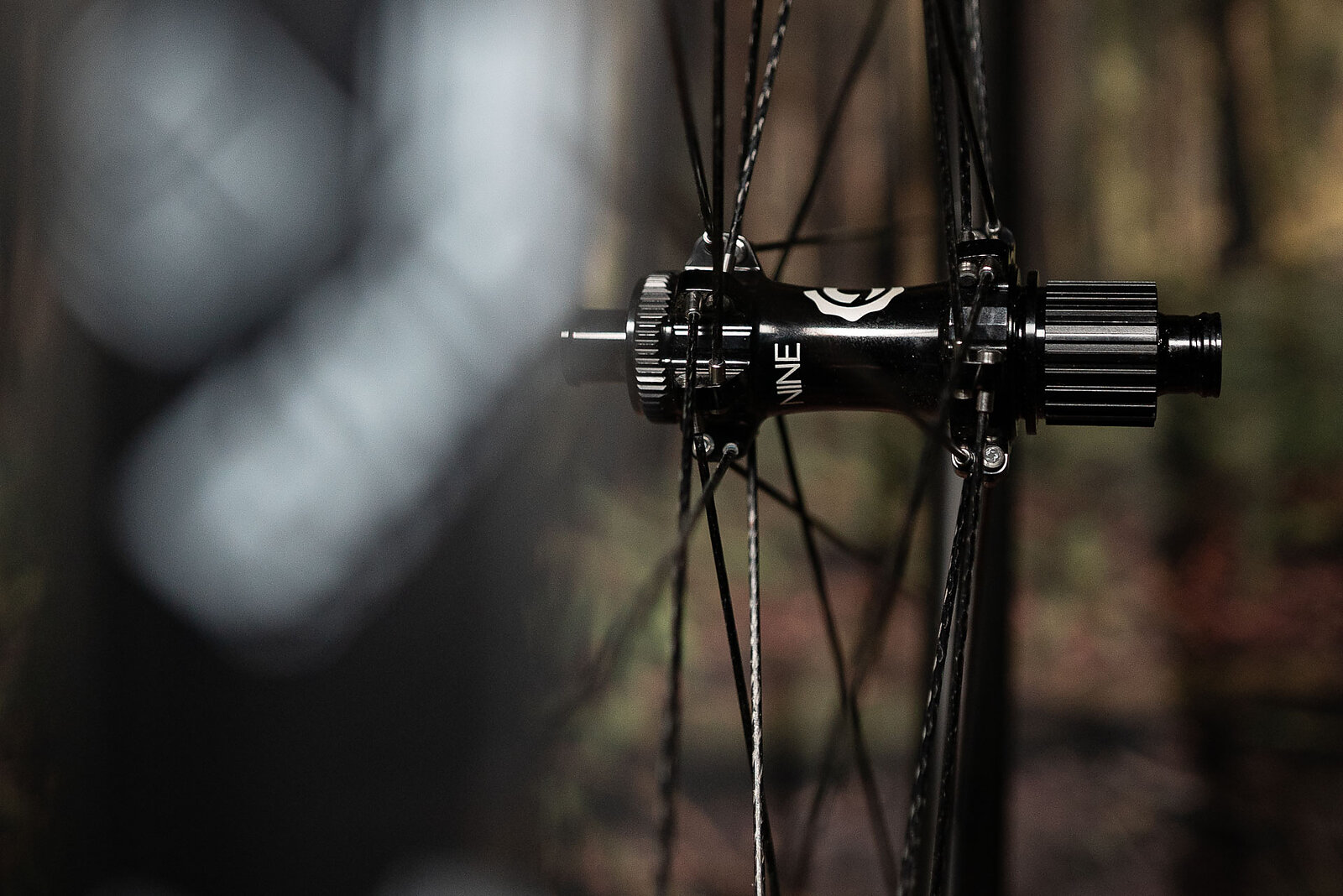
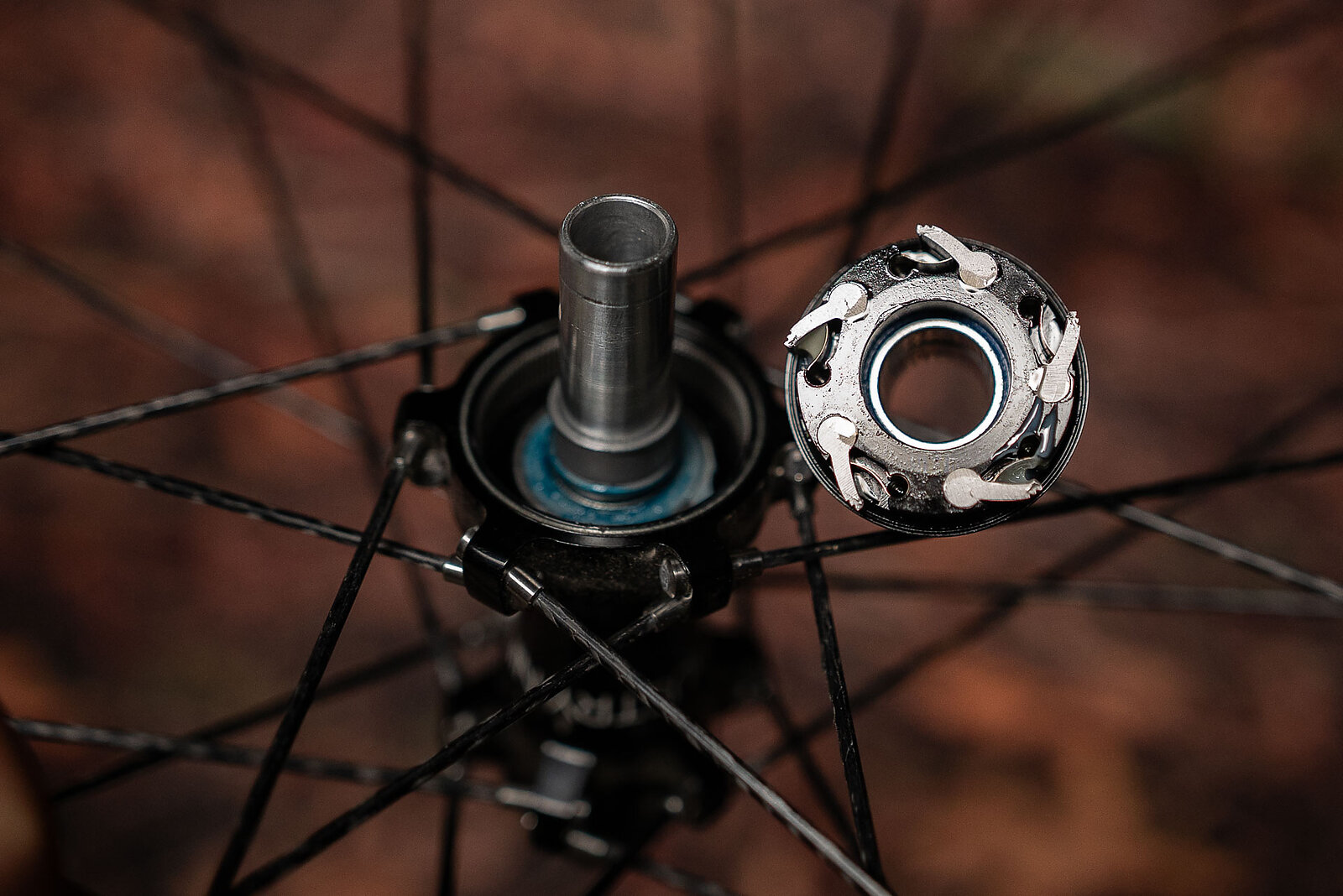
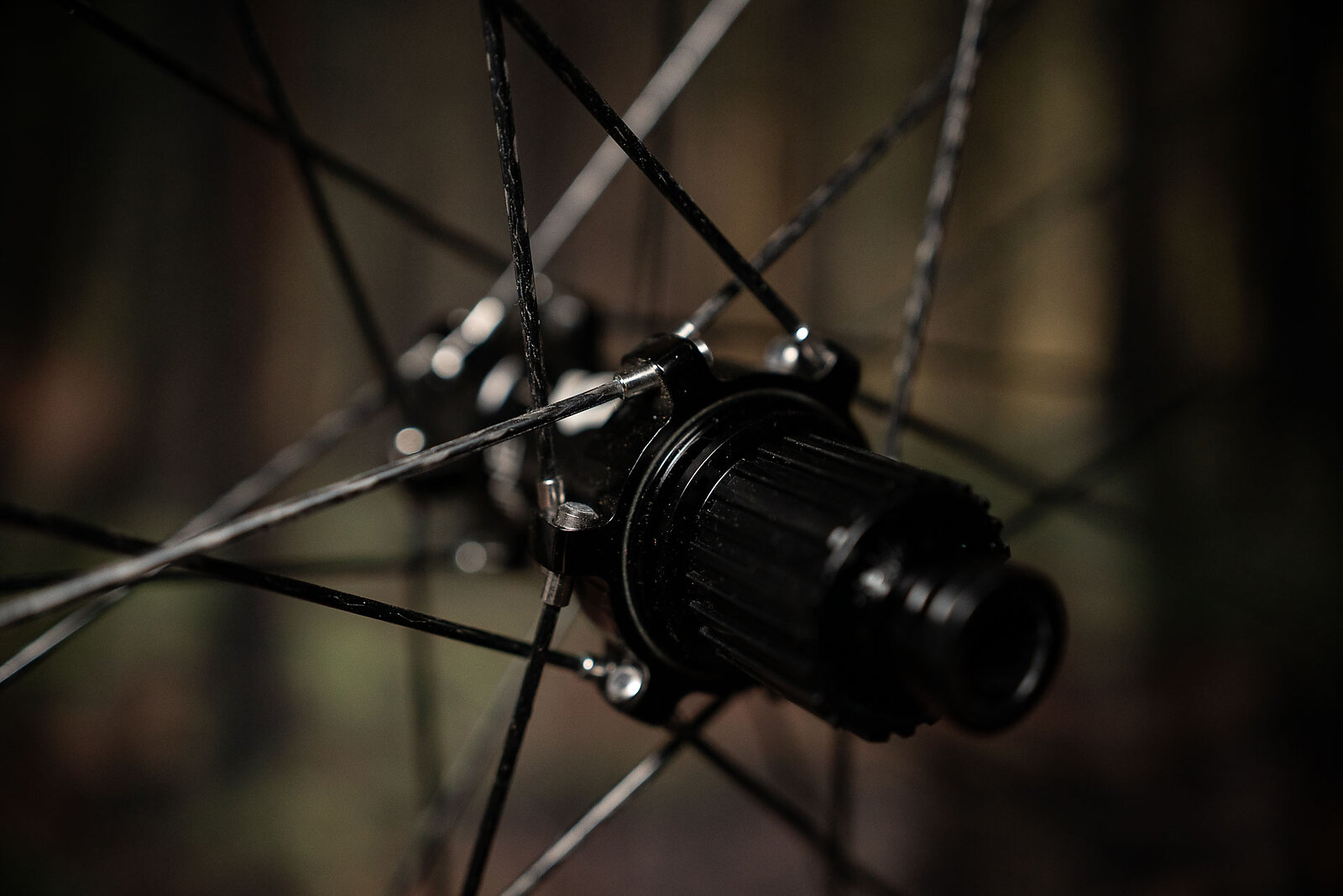
You can get the GMT 30 with either Gulo’s own hubs, for $2,345, or upgrade to the Industry Nine Solix hubs I rode for $2,695. The Solix is a lighter, faster-rolling alternative to Industry Nine’s longstanding Hydra, and I’ve found them to be quite nice on every wheelset I’ve tried. With .59° of engagement, they’re absurdly fast, but not quite as fast as the .41° you’d get with the Hydra 2. Thanks to their lower weight and rolling resistance, the Solix hubs are a great choice for a lightweight wheelset like the GMT 30.
I have two small frustrations with the Solix hubs, neither of which are dealbreaking: First, they’re only available in Centerlock, if you want to run 6-bolt rotors, you’ll have to grab Gulo’s own-brand hubs. Second, freehub bodies are expensive at $205. That’s not a huge deal for most folks, but if you intend to swap drivetrains around, things can get spendy fast.
Spokes
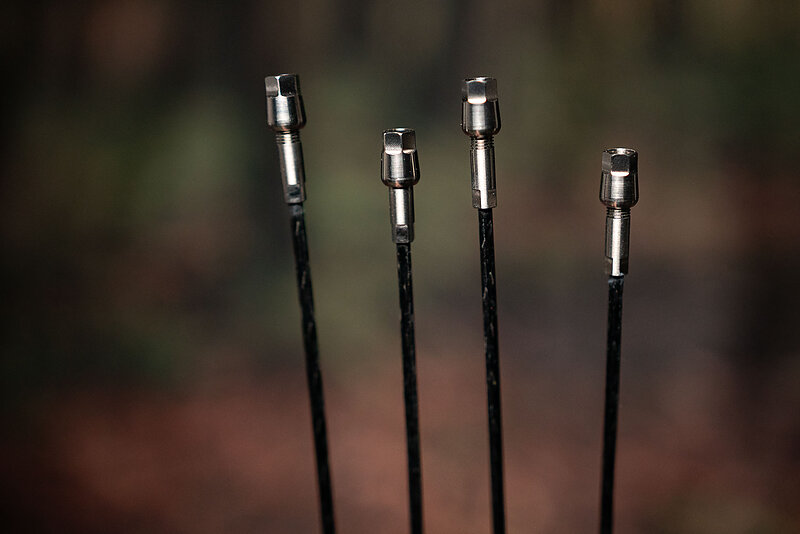
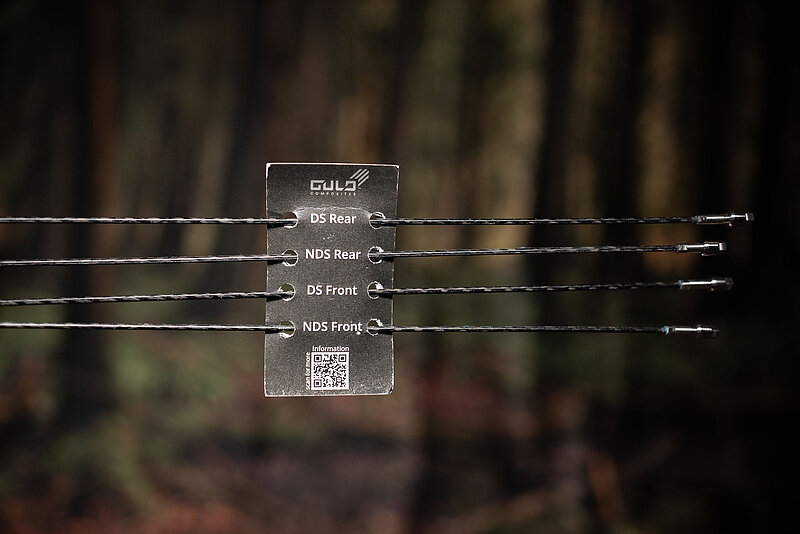
This is where things get exciting. Gulo’s G-Spokes are made in the U.S., and use some proprietary materials and techniques to deliver what Gulo says is a lighter, stronger, and better feeling alternative to steel spokes. Each spoke is made of triaxially woven carbon fiber, mated to alloy ends. Gulo says each spoke weighs just 2.5 grams and, thanks to their strength, the GMT 30 can get away with using just 24 of them on each end. The wheels ship with spare spokes, and Gulo has a good service guide if you do need to replace a broken spoke. You will need to pull the tire and rim tape, so it’s a fairly in-depth process.
Gulo has a full page dedicated to explaining the results of their testing G-Spokes versus other carbon spokes and traditional steel options. The short version is that Gulo claims these are significantly stronger, both in resistance to impacts and tensile strength, while also being lighter and transmitting less vibration from the rims back to the rider. Beyond all those claims, these spokes are beautifully made, fascinating little things. I found myself unable to keep my hands off the spare spokes Gulo included and instead wanted to fiddle with them all the time. They remind me of the printed titanium, carbon-tubed prototype bikes we’ve seen on the downhill circuit, and they’re really aesthetically pleasing.
Warranty and Price
While it’s not quite as generous as some carbon wheels, Gulo does offer a full warranty for the original, registered owner, for the lifetime of the wheels, when used within their expected parameters. If you break a wheel outside of those parameters, or run it over, or otherwise do something stupid, Gulo will rebuild it for a flat fee of $400, which seems more than fair.
While the $2,695 price of the GMT 30 with Industry Nine Wheels is high, it’s more affordable than the Specialized Roval Control SL VI Solix wheelset ($2,898 at 1,275 grams), while the own-brand hub version which costs $2,345 compares nicely to the NOBL Ethos Trail which costs $2,199 and weighs 1,442 grams.
Gulo GMT 30 Performance
In hand, the GMT 30 wheels feel absurdly light, and while the carbon spokes look beefy, the overall aesthetic of the wheelset is so intricate and premium that I felt a little bad mounting tires and thrashing them on my Trek Top Fuel. That trepidation disappeared as soon as I headed uphill. The GMT 30 replaced a set of NOBL Ethos Trail wheels that I’d been running the same tires (Maxxis Dissector/Rekon) on. The Ethos Trail wheels are just a touch heavier than the GMT 30, but headed up, the GMT feels more sprightly. I think some of that is thanks to the hubs and weight, but also the wheelset just feels more snappy and precise in general. I’ll write an update to that NOBL review soon, but the more I ride those wheels the more I think they feel a little loose and wishy-washy, and on climbs that translates to a less direct feeling acceleration, whereas, the GMT feels like it does a better job of putting all your energy directly into the trail. It’s a very pleasurable sensation. The same holds true when you’re pumping and traversing. These wheels feel quite nice and carry speed well.
And going downhill? I came away quite impressed. They feel snappy and precise without feeling punishing. They’re notably stiffer than the Berd-spoked Ethos, which I really appreciate. That means that they hold their line better in supported corners and don’t flex much underneath me. Just based on ride feel alone, I’d guess this was a much heavier wheelset in that it feels plenty stiff and supportive, unlike the stereotypically noodly sensation you might expect at this weight. But that stiffness never felt punishing or uncomfortable, even when I swapped to even lighter cross-country tires. I didn’t notice any sort of jarring impacts, which I really appreciated.
On my first lap I barely cased a step-down, and was greeted with a terrifying clunk from the rear wheel. Luckily though, that was just the centerlock rotor shifting on the carrier when I braked and once I tightened it up, it went away. I’ve been running these on the Trek Top Fuel, a bike that I enjoy pushing on steeper and faster trails, and I haven’t had any durability issues so far. Hopefully I’ll track down the driver body to put these on a Santa Cruz Tallboy soon, and I’ll report back if any of that experience changes. But for now, everything’s still spinning true and smooth.
For Now
I love products like these Gulo GMT 30 wheels that look and sound a little exotic and then integrate smoothly into how I ride my bike. There’s nothing weird or out-there about how the Gulo GMT 30 performs. Instead it’s a very light wheelset with a solid, precise ride-feel that seems well matched to eking a little more performance out of lightweight trail bikes.
Learn more: Gulo Composites