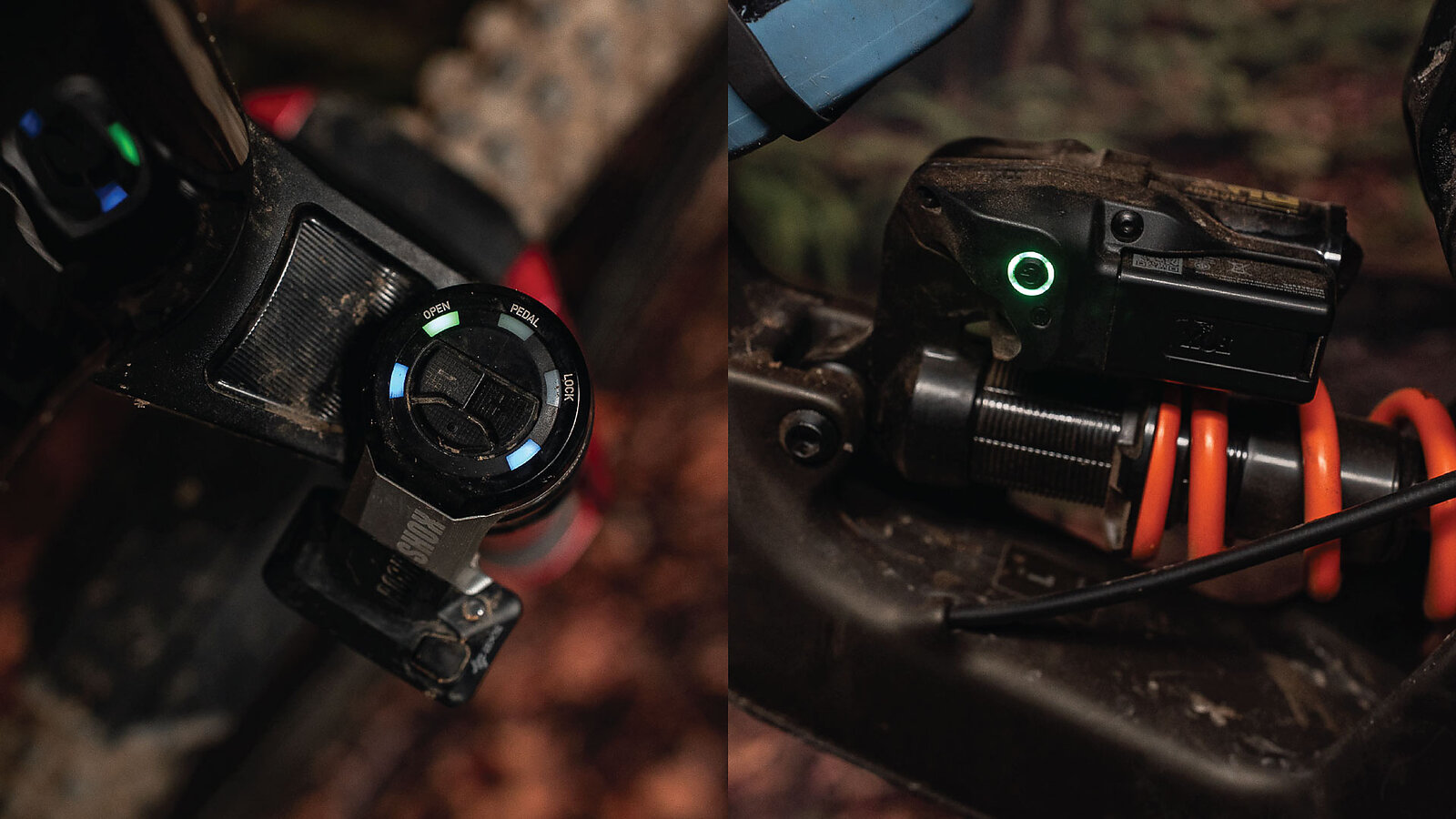
Flight Attendant vs. Live Valve Battle of the batteries
Last week I reviewed the RockShox Flight Attendant system, and the week before I went deep on Fox’s Live Valve DHX shock. So now it’s time to put the two systems head-to-head and figure out where each makes the most sense. Before we dive in though, it’s always worth restating the caveat that nobody needs electronic suspension. Neither of these products is “life-changing” or “essential to the modern riding experience.” Instead, both are cool gadgets that have (surprisingly) different impacts on your ride. So, if you’re in the market for either or, more likely, you’re a nerd like me who loves learning about bike tech, here’s my comparative assessment after riding each system for a few months.
This piece assumes that you’ve either read my reviews of both systems or are fairly familiar with each, so if you need a primer, I recommend doing a lap through the stand-alone articles.
Functional Differences
In super broad terms I would couch the difference between these two options as a battle between the RockShox holistic “experience” and Fox’s “super fast automation of existing tech.” That’s evident in both the product, and how each brand talks about it.
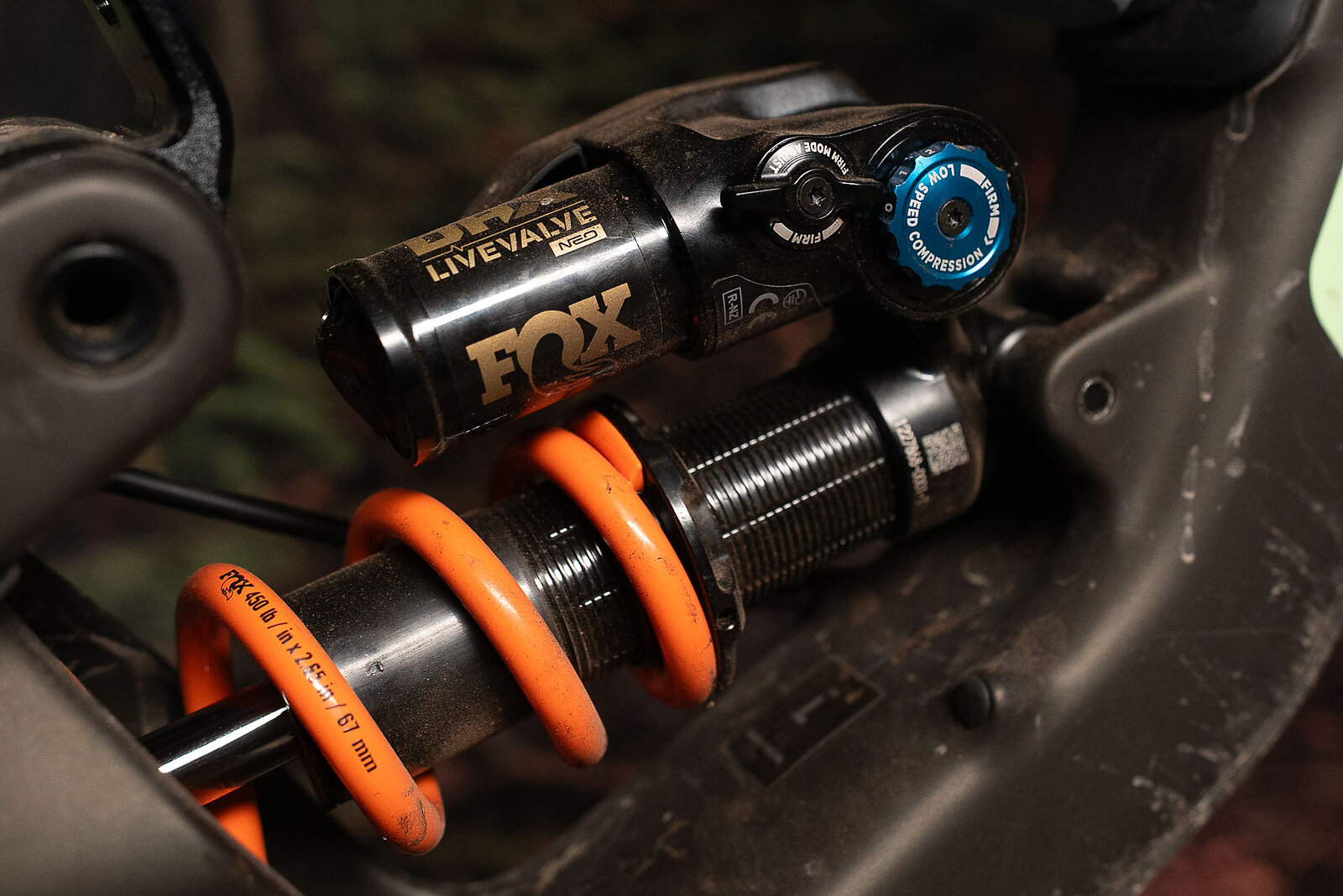
Fox is quick to highlight how fast and quiet the Live Valve Neo system is, both in transmitting data and in silently shifting the shock between compression modes. That’s essential for two reasons: first, the system has fewer (two instead of three) suspension states to choose from and, second, it's default-closed. My non-racer bias might be showing here, but I think there’s more room for lag in a default-open system. That’s because your shock taking an instant longer to lock up when you lay down the power is less intrusive than it not opening when you hit a chunky section of descent. One is a hard-to-notice inconvenience, the other gets frustrating fast. So Fox has to be quick to counteract that.
And, while Fox has plenty of options for tuning, both physically on the shock and electronically in the app, it’s still nowhere near as comprehensive of an “ecosystem” as the one SRAM and RockShox have created. It can’t talk to your derailleur or a power meter so there’s no accounting for what sort of inputs are going into the bike, or what kind of power you’re laying down. It’s making all of its choices based purely on the sensors at each end of the bike. There’s only so much you can do with that information, especially given its two-state nature. Hell, you can’t even share batteries between Live Valve suspension components and Shimano’s wireless drivetrains because, unlike SRAM, they’re not owned by the same parent corp. That’s fine, but also creates a less “immersive” experience.
In contrast, Flight Attendant is much more holistic. Yes, you can run Flight Attendant with a non-SRAM drivetrain and just a pedal sensor, but they’d really rather you didn’t. RockShox is very adamant that the more electronic SRAM bits you have on your bike, the more coherent your experience will be. More AXS batteries clipped to every component should make for a “better” ride, because the system will have more data to work with.
And the whole experience is designed around that. You can endlessly tweak Flight Attendant, both through the app and through the fork-top buttons to more perfectly fit your riding. Its algorithm is always watching you, analyzing your fitness and cadence and habits, and tweaking its settings to better match them. No, RockShox isn’t making as big of claims about information transmission speed or the silence of the system’s state changes because they don’t need to. You’ve got three states to choose from instead of just two, and the default-open nature of the system means that even if it’s a little slow occasionally, it probably won’t have a huge adverse affect on your ride. So instead of having to flicker aggressively between open and closed as fast as possible, Flight Attendant has the extra wiggle room of Pedal mode to play with and, even if it makes a wrong call, it’s most likely not going to be super consequential.
Of course there’s a lot of marketing talk around both systems but, in my experience, that core difference between a better, faster implementation of existing tech (lockout levers) versus an entire system that you just set up for your riding and then trust to do something “different” and “better” plays out on the trail.
The Question of User Input
While both Flight Attendant and Live Valve are both hypothetically meant to make your riding more “seamless” and help you spend less time fiddling with your bike, they both require a fair bit of setup. In my experience the Fox app is really good. It’s fast and stable, and I had no trouble connecting to the shock and setting it up. You can tweak settings and download new tunes to your heart’s content.
In contrast, the initial Flight Attendant setup was a little more time-consuming purely because the SRAM app had trouble pairing with my fork occasionally. And, since the fork is the brain of the system, if you can’t pair with it, you can’t change settings. However, two weeks into my testing, I downloaded an update to the app that works seamlessly. And, interestingly, even when the app wasn’t working well, I could still get my Hammerhead computer to connect to the system and could adjust settings there. Because, of course, SRAM is a system. Use the app, use your Hammerhead, use the buttons on the fork, pick your poison.
Interestingly, even though Flight Attendant has more tuning options, it took me less experimenting to get it running well. Right out of the box it made a noticeable positive difference in how my bike handled. And while I did end up changing some of those base settings, I could have happily lived in that “pull it out, turn it on, ride your bike” world indefinitely.
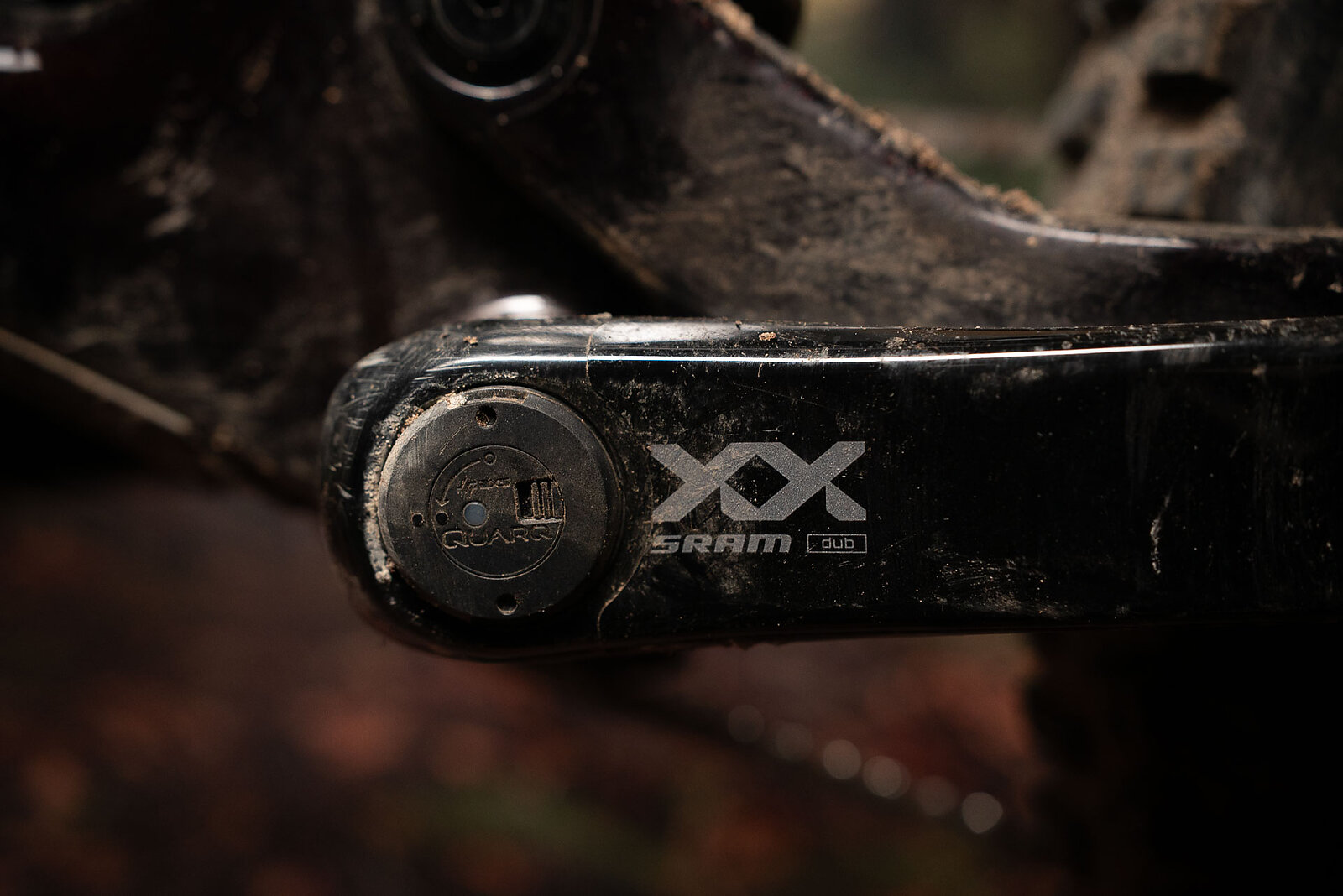
In contrast, Live Valve was easy to set up initially, but then required more tweaking from me to get it riding how I wanted. I had to dial in the electronic tune and “Firm Mode Adjust” knob to get it to feel noticeably “better” than just running a stock DHX and flipping the compression switch manually. It was a less “set-and-forget” system than Flight Attendant, and I’d be much more likely to adjust my settings for different rides and download various electronic “tunes” versus just running them and letting the system adjust like I do with Flight Attendant.
Nuts and Bolts
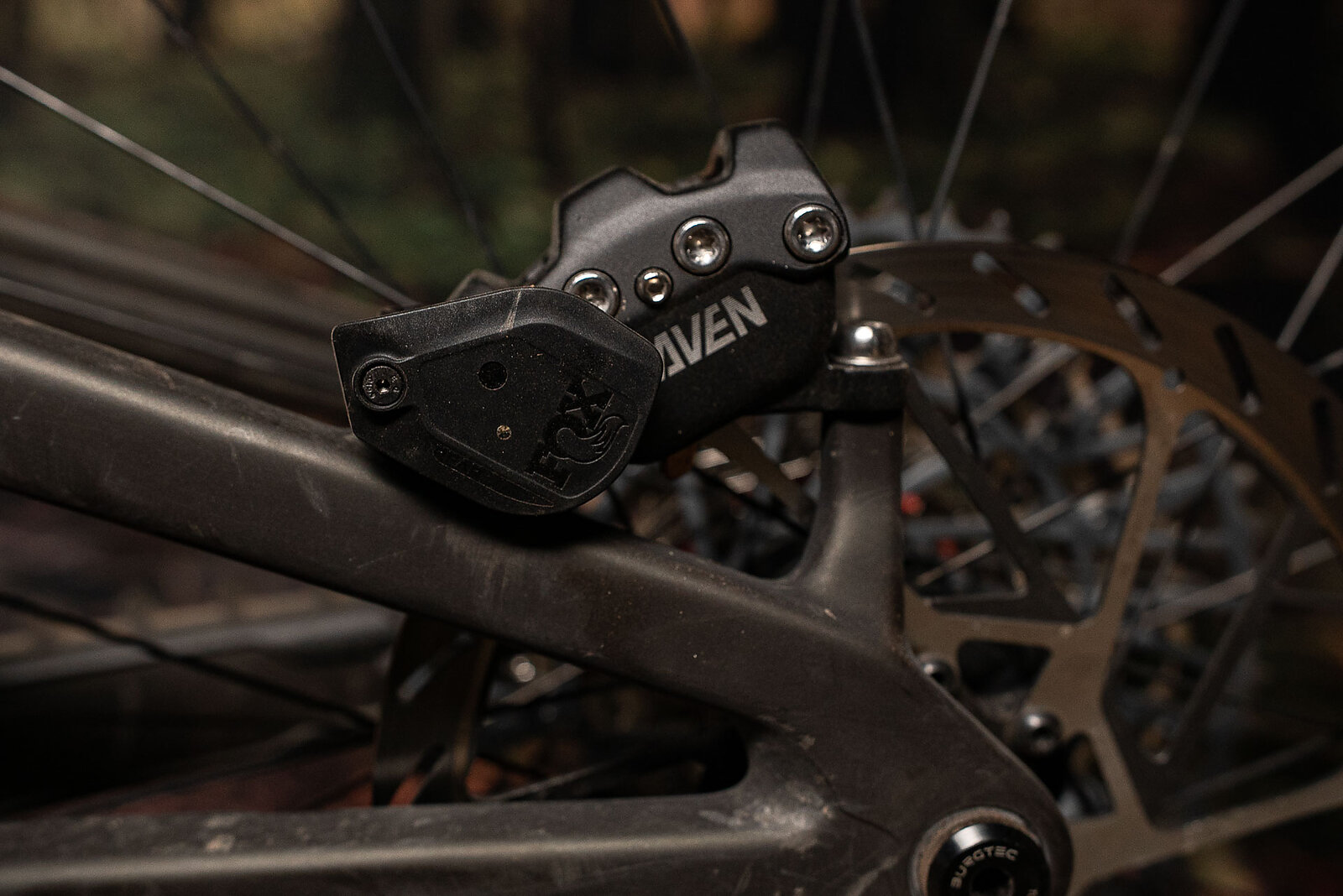
Both systems add a little bit of weight and a lot of cost to the bike. We’ll get into what sort of bikes I think make the most sense for each system in the next section, but I think for trail, all-mountain, or enduro bikes the weight increase is easily justified. Both systems make your bike feel “enough better” that the extra grams aren’t a concern.
In terms of cost, a Flight Attendant Lyrik Ultimate costs $440 more than a regular one, and a Flight Attendant Super Deluxe Ultimate costs $350 more than a regular one. You’ll also need, at minimum, a $135 pedal sensor or, more likely, a much more expensive power meter crankset.
In contrast, a Live Valve DHX costs $380 more than a regular one and you’ll also need the $439 Live Valve kit. So, in a very apples to oranges comparison, it’s a $819 surcharge to put a Live Valve shock on your bike, or a $925 one to put Flight Attendant on both ends. How that value proposition affects your choices is, of course, pretty personal but I would argue that you get more “bang for your buck” with Flight Attendant.
However, it’s much more affordable to upgrade an existing bike with Live Valve because you just need to replace the shock and you can run it with any fork. So it’s not surprising to see brands such as Pivot offering Live Valve as a stand-alone upgrade when you’re buying a new bike.

Where Each System Shines
I alluded to this in my Flight Attendant review, but I think that for non-racers this system makes the most sense on two kinds of bikes: leggy all-rounders, leggy cross-country, or short-travel trail bikes. The first category is my favorite fit. Flight Attendant makes the sort of bikes that are already great one-bike-quivers even better. It makes them snappier uphill without compromising downhill performance. And then on shorter travel, not-quite-XC-race bikes, it can help blur that line and save you some extra watts. A Pike bike with Flight Attendant is going to act just a little more like a SID bike, while still going downhill just as well as it did before. So if you’ve got something like a Tallboy and want to moonlight it as a cross-country whip, Flight Attendant would help.
In contrast, Fox only offers Live Valve on Float X and bigger shocks. Right now there’s no cross-country or light trail version of Live Valve. And, after riding the system, that makes sense. If I’m a serious cross-country racer, I want my fork to lock out too, so I’d rather run a cable system than Live Valve. Instead, at its best, I think Live Valve makes bikes that “need” a climb switch to efficiently go uphill just a little more seamless. It doesn’t change a bike’s character as much as Flight Attendant does, but it does help big burly bikes feel a little better on rolling trails where you’re swapping from climbing to descending and don’t want to stop and flip your climb switch. I can imagine running Live Valve on a Stumpjumper or a Smuggler, but I’m much more interested in it on an Enduro or a Spire. Put it on a big bike, spend a few rides getting it dialed in, and then never touch your shock again.
For Now
I seek out some reviews because it’s my job. New thing enters world, it’s newsworthy, I must cover it. That’s fun and a great part of this gig. But others I chase down because I’m genuinely curious about how they perform and what their strengths are. That’s the case with both of these suspension systems. I’m so grateful to have gotten to spend time on both Flight Attendant and Live Valve because both offer interesting windows into the design philosophy behind them. And that plays out on the trail with real, tangible differences that riders will appreciate.