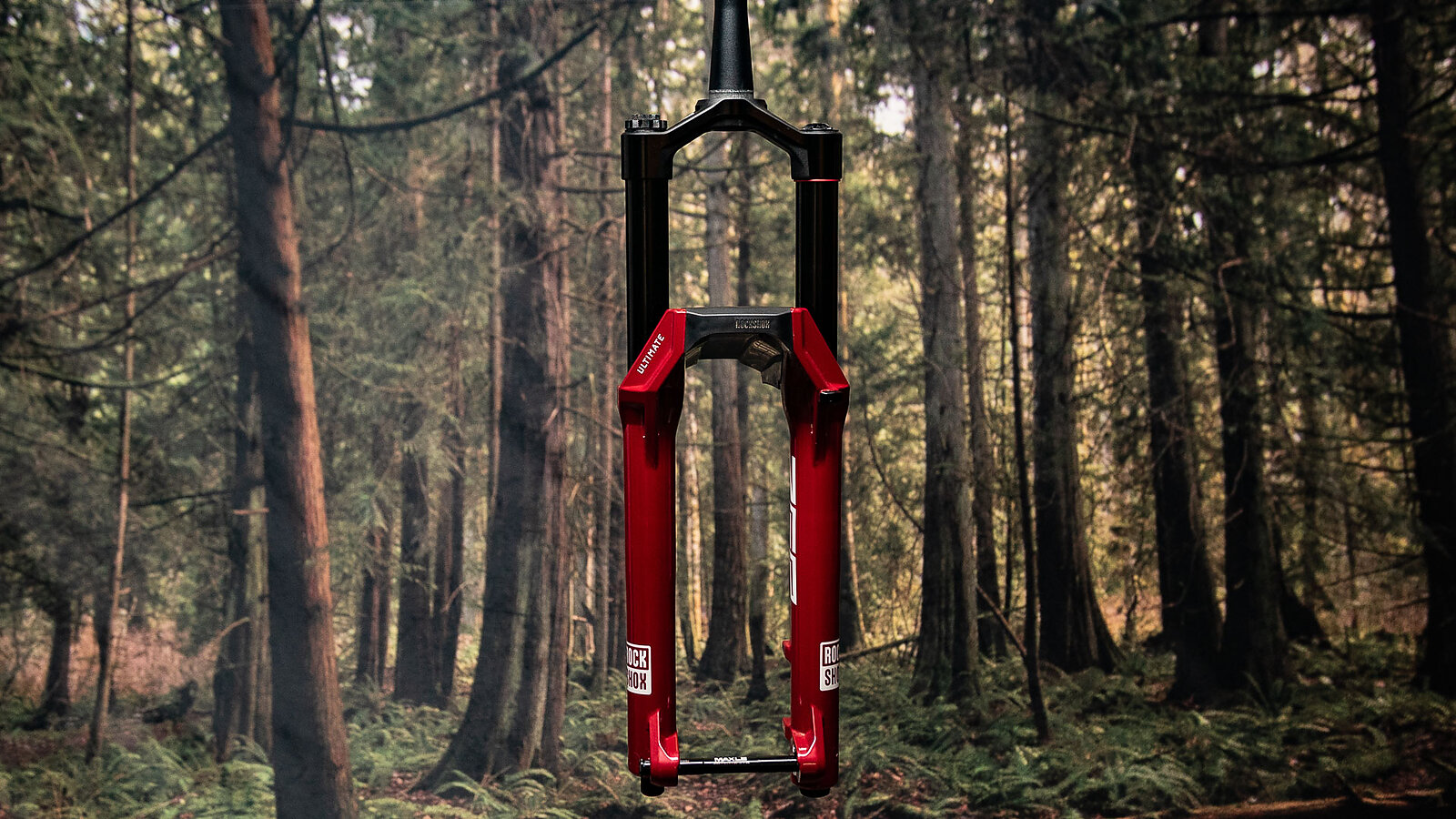
2027 RockShox ZEB Ultimate More support where you need it.
Back in April, RockShox released updated versions of the Lyrik, Super Deluxe, ZEB, and Vivid. I was able to spend time on the Lyrik and Super Deluxe pre-launch, and came away impressed by the changes to both. It took me a bit longer to get time on the new ZEB and Vivid, which turned out to be a blessing in disguise since it took away my sense of urgency and allowed me to spend more time bouncing back and forth between the previous and updated versions of both.
So now it’s time to weigh in on the new ZEB, and dive into what’s new, what’s better, and how it compares to the already-solid outgoing model. The short version? I’m a fan of the new ZEB and it addresses my complaints with the previous fork in a very positive way.
RockShox ZEB Ultimate Overview
- Travel: 150, 160, 170, or 180 mm
- Weight (180 mm, fender, 197 mm steer tube ) : 2,618 g
- MSRP: $1,299
The New ZEB
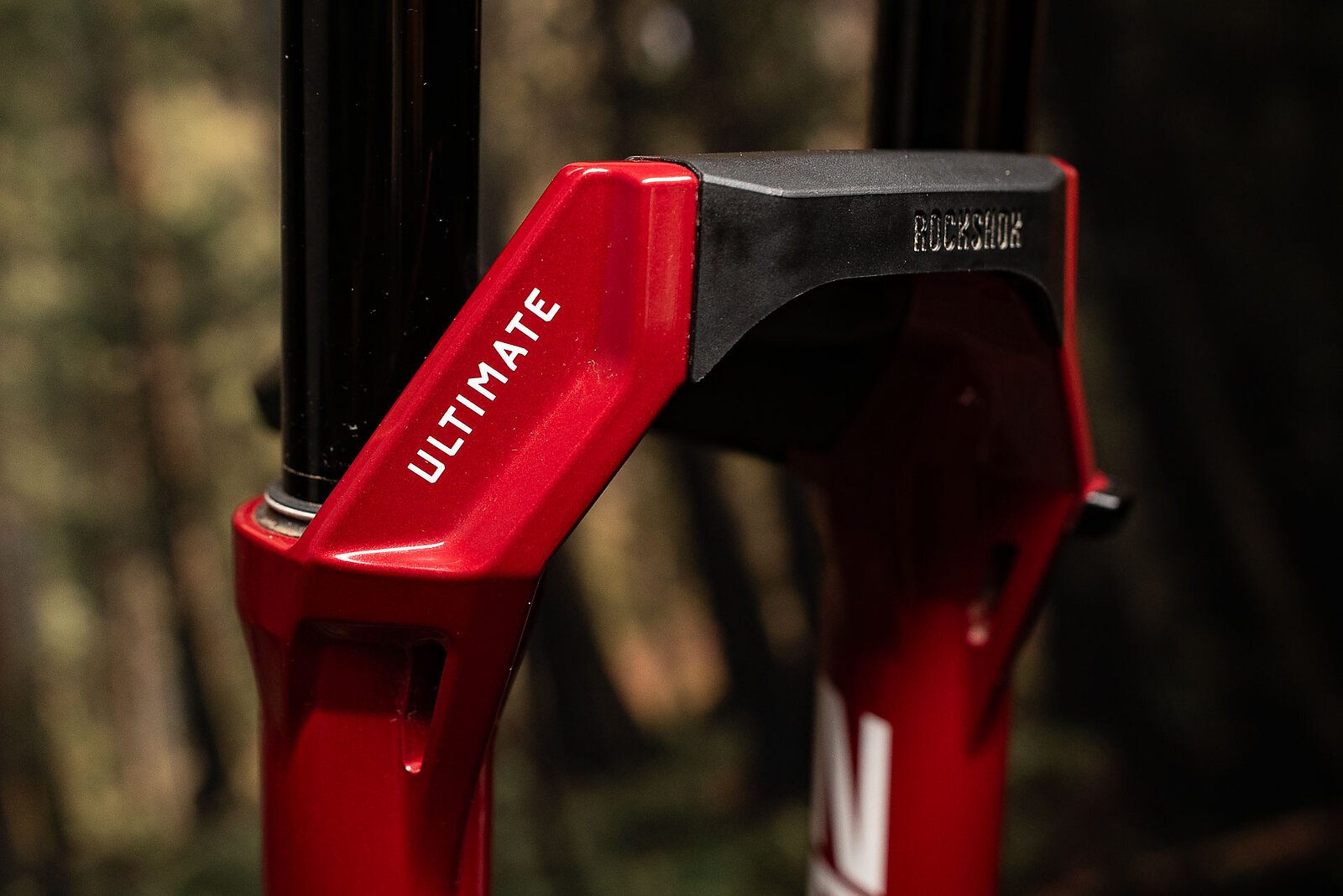
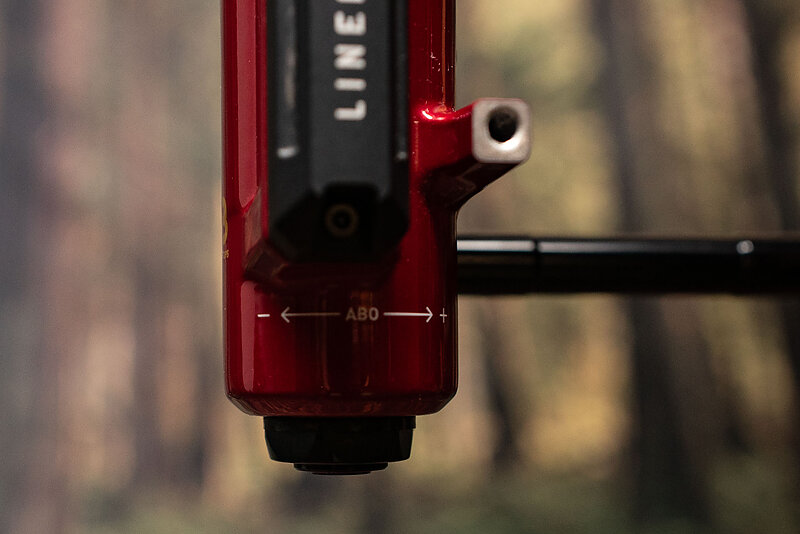
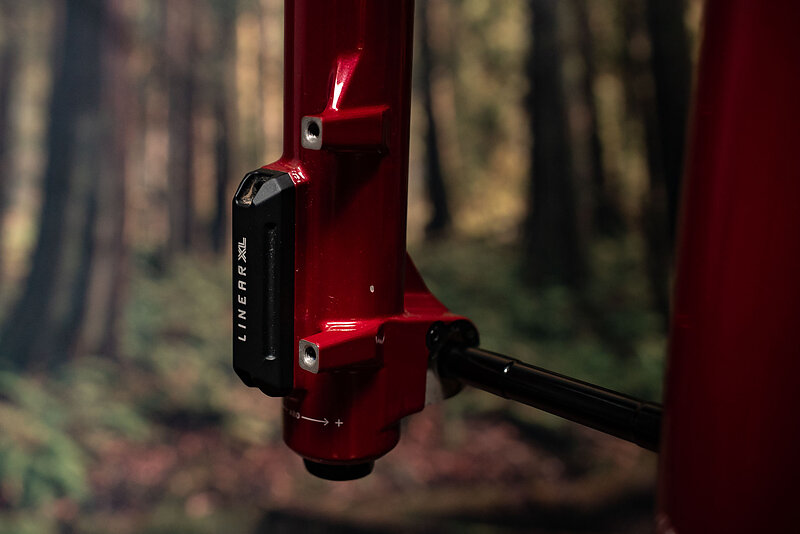
The ZEB and Lyrik both received the same chassis, spring, and damper upgrades, so it’s worth reading my Lyrik review for a more in-depth look at all the changes. The short version is that the newest generation of RockShox forks gets a more linear spring curve; chassis updates that make them stiffer (and heavier); an AirAnnex to mitigate the effects of air buildup in the lowers; new bleed ports; new seals; new ButterWagonTech inside to keep things lubricated; and a new Adjustable Bottom Out system to allow riders to dial in the end of the fork’s travel. If that sounds like a lot, it is. It follows then that the new Lyrik and ZEB feel notably different from the old versions right off the bat.
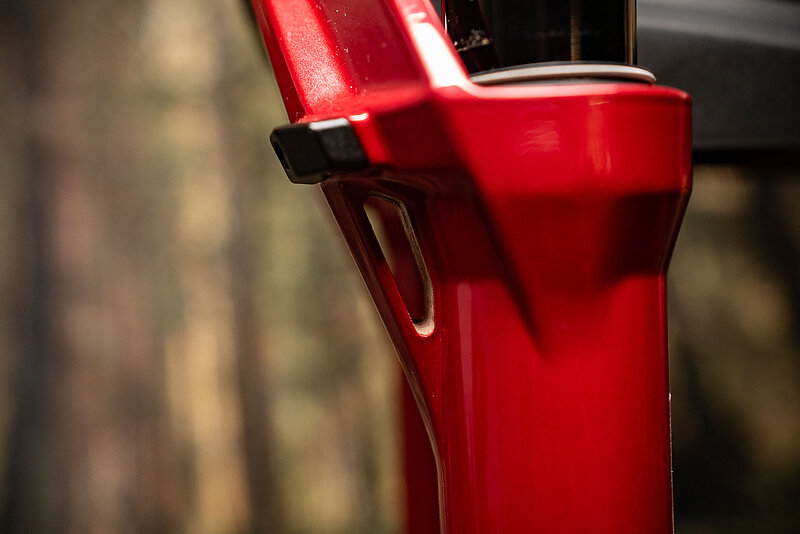
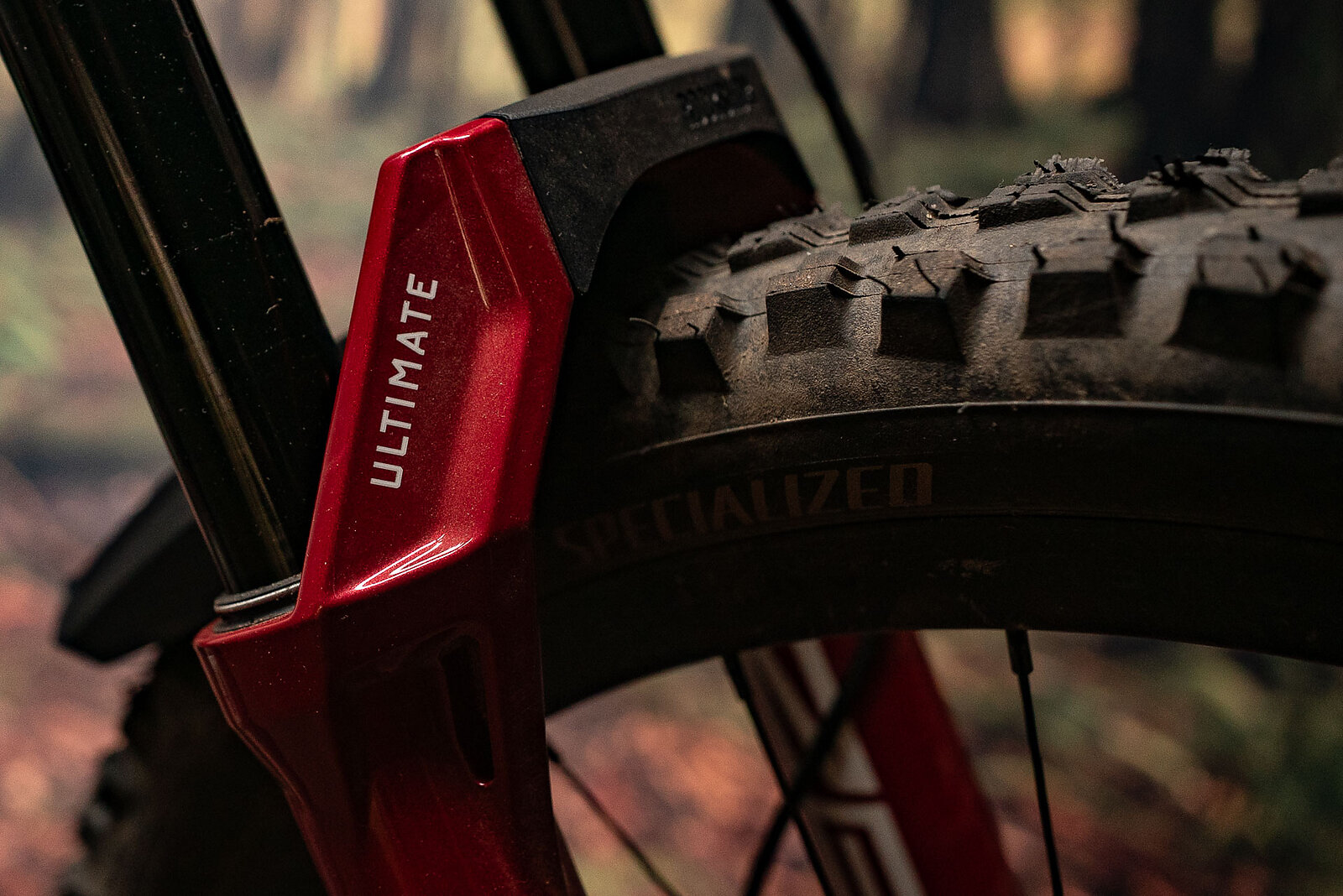
From a livability standpoint, I’m a fan of most of these changes. The new fender system is sweet, and I appreciate that the two primary fender bolts thread back into the (cheap, easily replaceable) fender instead of into the (expensive and easy to cross-thread) magnesium lowers. I’m also stoked to check out the full coverage fender once things get wet again.
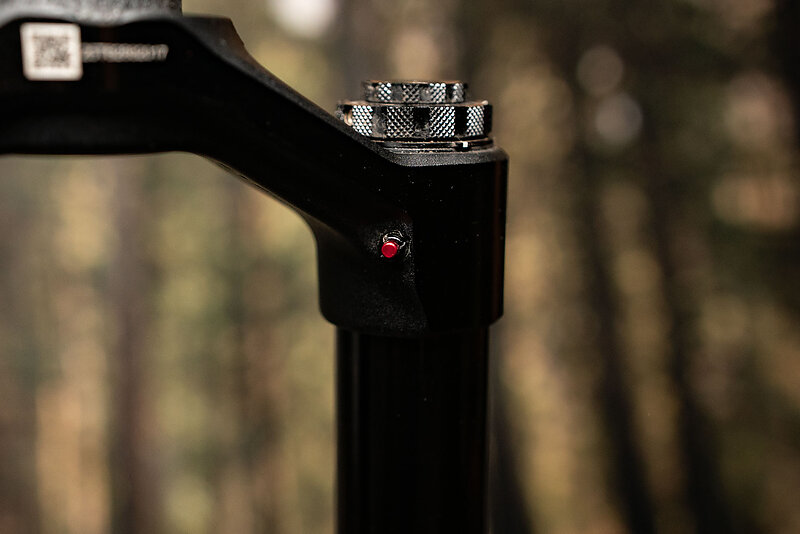
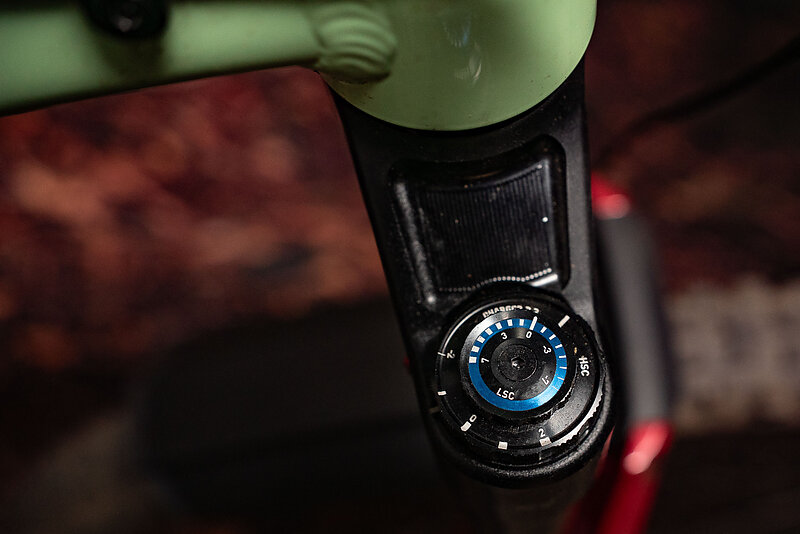
The new bleed valves are easier to operate than the old ones, which means I’m more likely to remember to open them regularly, and the new numbered compression knobs make it a little easier to see your settings at a glance. All-in I’m a fan of the external chassis upgrades on this fork.
ZEB Setup
If you’re an air-pressure absolutist, you’re going to want to look at the ZEB’s pressure chart before you ride off into the sunset since the new air spring requires significantly more pressure than the old one. I’m running 153 PSI in the 180-millimeter travel fork for my 210ish pound weight with zero tokens. I’ve got the rebound seven clicks from closed, and am running the high speed compression at 0 (the middle setting) and the low speed compression at +2. I’ve done a bunch of experimenting with the adjustable bottom out, and for now am running it four clicks from fully closed.
Air pressure and ABO aside, those rebound and compression settings are quite similar to what I ran in the previous generation ZEB. I reviewed the 180-millimeter travel ZEB B1 because I’ve spent a whole bunch of time with the previous generation set to that travel on a variety of freeride and enduro bikes. Additionally, I think my frustrations with the previous generation ZEB were more pronounced on the longer-travel variants, so I wanted to get as much of a fair contrast between generations as possible. As it turned out, the difference was pretty aggressive.
Riding the New ZEB
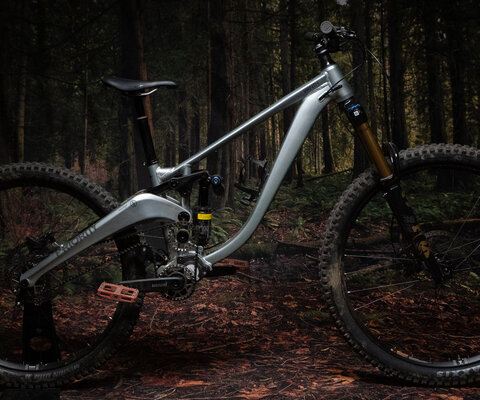
I swapped the new ZEB onto the front of the Taken Encounter. I rode a freshly-serviced, previous-generation ZEB and then swapped on the new version with zero other changes. And, from the first descent, the difference was instantly noticeable and also sums up my impressions of this fork nicely. It feels (to me at least) like the new ZEB rides higher in its travel on average, while also using the last third of its travel more easily than the previous version.
On the trail that translated to a higher front end feel, and after that first ride I actually pulled a 15-millimeter spacer from under my stem to bring the front end down because it felt like my bar height was higher than it needed to be for all but the steepest descents. But, after laps with bigger compressions and moves, I found that my o-ring was actually higher on my stanchions than it ever got with the previous generation fork.
With the previous ZEB I found myself running it with a little more air pressure than recommended, in an effort to get more midstroke support, and zero volume tokens. Even without any tokens, I only ever used the last few millimeters of travel super rarely, to the tune of a couple of times a year. I was actually shopping for volume-expanding solutions, like MRP’s Noken when the new ZEB was released, since I found the previous ZEB too progressive for my taste. Now, out of the box the ZEB is significantly less progressive, but you still have the option to add a stack of spacers if that’s your vibe.
When it comes to chassis stiffness, the new ZEB is a hoss (complimentary). It feels super stiff and supported, without even a hint of a squirm in bigger G-outs or compressions. In the past, I’ve been a fan of running the BoXXer on longer-travel freeride/mini-DH bikes because it felt notably stiffer and “bigger” on the front of the bike, but the new ZEB bridges that gap admirably, to the point that I think my pedalable dual crown dreams are finally dead.
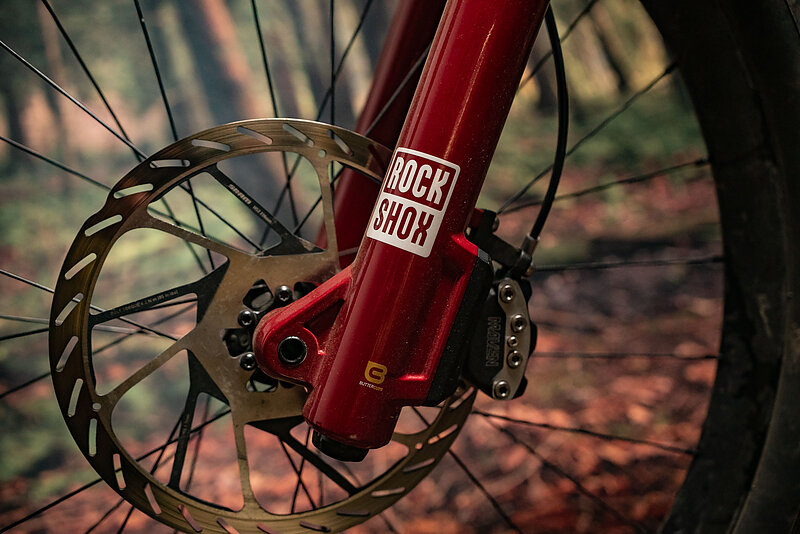
Off the top, the new ZEB is quite supple, and moves through those first few millimeters of stroke smoothly and easily. I think the internal upgrades RockShox has made pay off the most there and give the fork that super premium “gush” that feels great in the shop, as well as on chattery, low-traction bits of trail.
I’ve experimented a fair bit with the damper and ABO settings on the new ZEB. Similar to the previous version, I’m quite happy with the compression settings in that middle position, and tend to close down the low speed compression when I’m riding smoother, jumpier trails, and open up the high speed compression for situations where traction is at a premium. Regardless of damper settings I haven’t had any issues with spiking or harshness. The ABO setting is interesting, because unlike traditional damper settings, you can’t immediately feel it when you squish the fork after turning the knob. Instead you’ve got to find a section of trail with bigger compressions and bracket appropriately to fine tune it. I think folks who want to use all their travel often will tend to run it more open, while the more freeridey folks will crank it all the way closed. It offers a nice, predictable catch at the end of the travel, and it’s cool that you can adjust where that catch starts.
That distinction is a good way to think about the fork as a whole as well. The old ZEB’s progressive feel and aggressive ramp situated it well for the “I never want to bottom out no matter what I do” folks, while the “I paid for all this travel, why can’t I use it?” contingent was left frustrated. I’d classify myself somewhere between those two camps, but I did find myself wondering “if a dude my size hitting big compressions doesn’t even come close to bottoming out this fork, what’s even the point of all that travel?” But with the updated ZEB, I can use more of my travel more often, without ever getting a harsh bottom, and more importantly, while riding higher and feeling safer in the bike’s geometry most of the time. That’s a great sensation, especially since it would be easy enough to get a more progressive feel with some volume tokens.
And ultimately, that’s a win for riders. Run the new ZEB empty if you’re looking for a more linear, racey feel, or crank it full of tokens to approximate the old version.
We’re also working on comparisons to the new Fox 38, and the new Manitou Mezzer LT, so keep an eye out for that piece later this fall.
For Now
The latest round of RockShox updates made a noticeable difference on the new Lyrik, but when applied to the ZEB the result is even more impressive. The new ZEB B1 is a great fit for longer-travel bikes, and perhaps the biggest compliment I can give it is that it’s killed my longstanding urge to throw a BoXXer on the front of any bike with more than 170 millimeters of rear travel.
Learn more: RockShox