Ever Upward Braydon Bringhurst's Quest for Multi-Disciplinary Mastery
They say never meet your heroes, but it’s worth meeting Braydon Bringhurst.
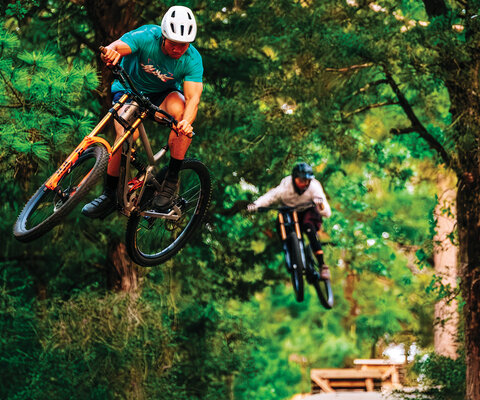
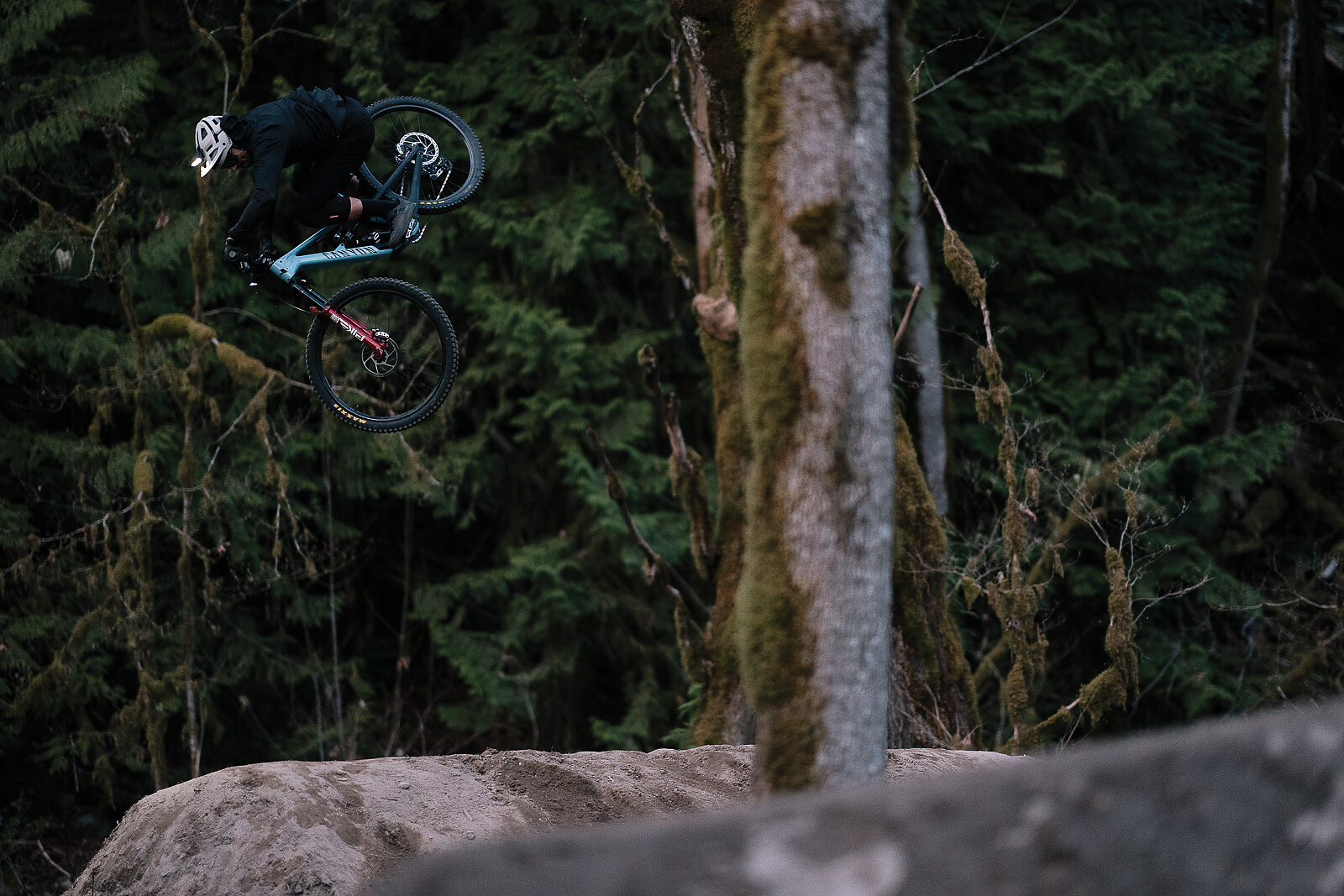
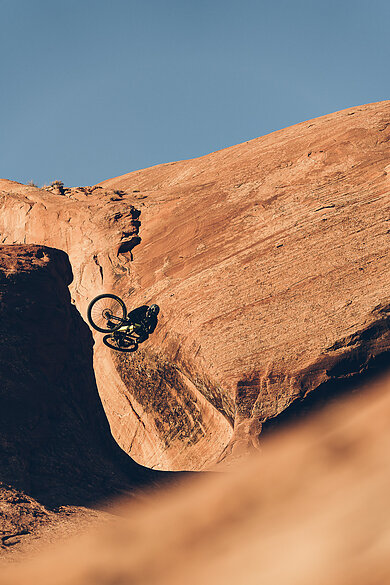
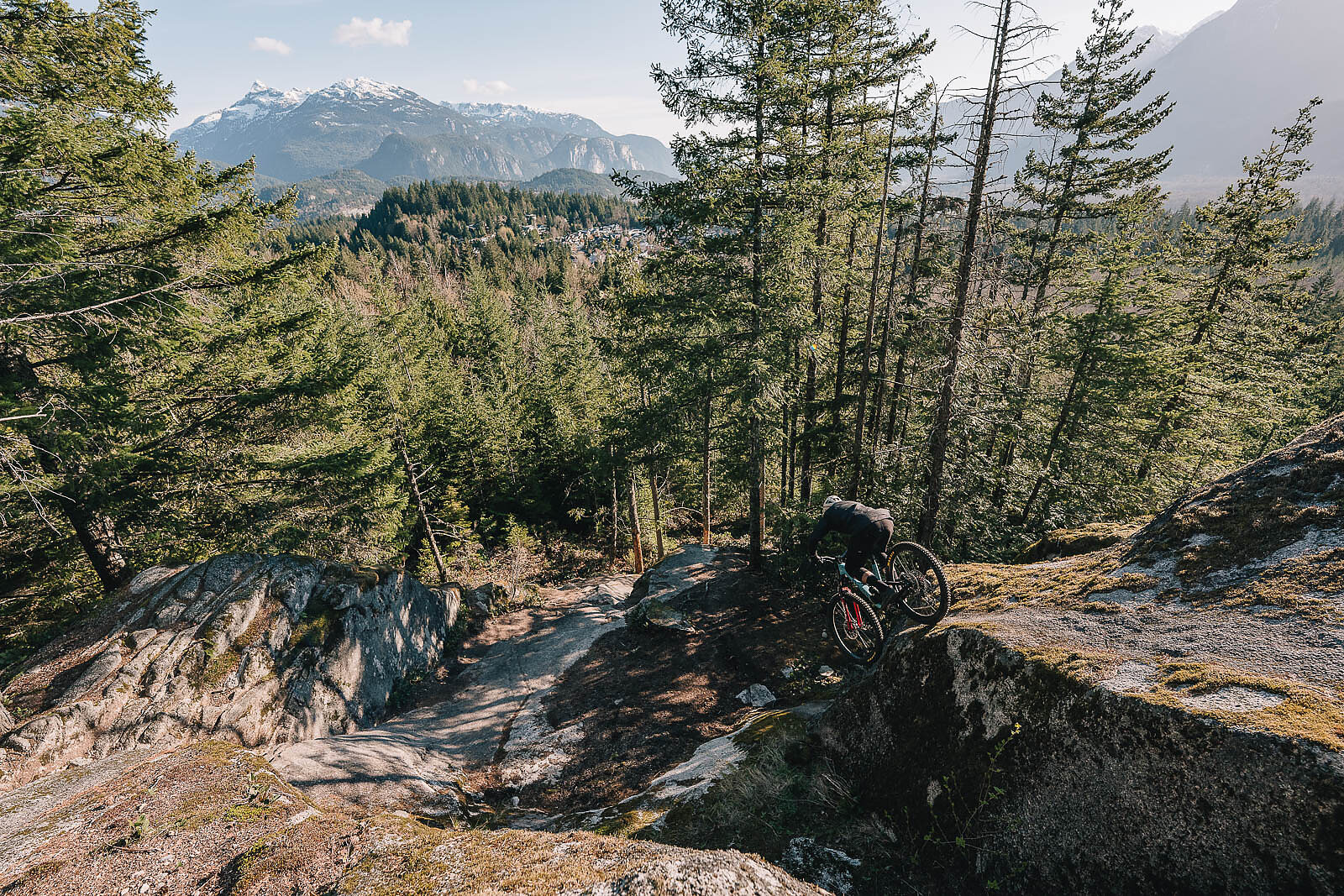
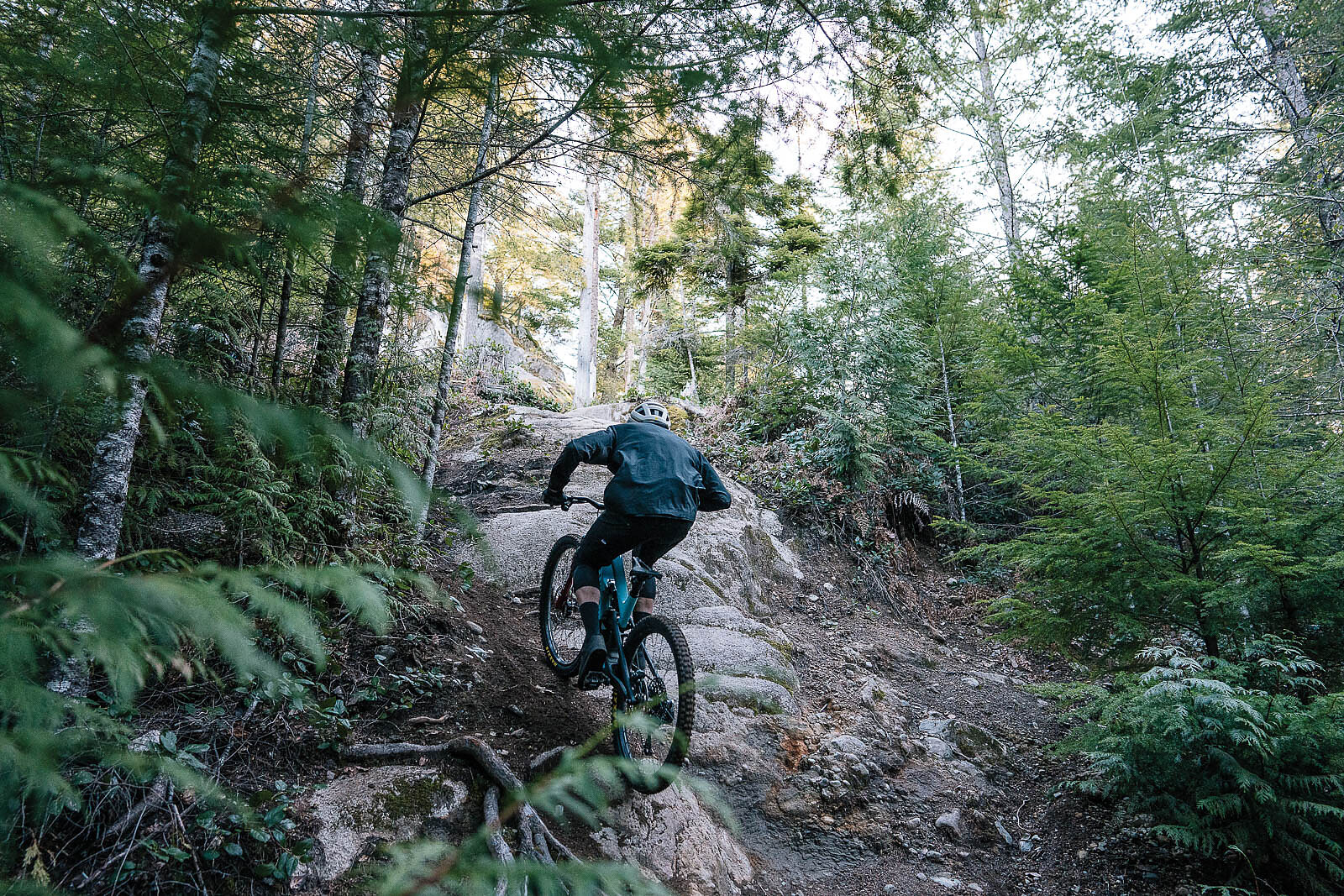
No one else rides like him. The 37-year-old Idahoan has a style that looks so easy, developing it obviously took an insane amount of work. Bringhurst’s signature, explosive blend of BMX, freeriding, and trials-esque feats of climbing resonates with cross-country nerds and downhill junkies alike. Where most athletes stick to the climb or descent, Bringhurst does both as smoothly as water flowing uphill.
He first started mountain biking seriously in 2016, and in the decade since he’s gone from obscure collegiate pole vaulter to hardcore all-star, with a sizeable following that includes some of the sport’s heaviest hitters. Game recognizes game, as the saying goes, and Bringhurst has become one of your favorite rider’s favorite riders.
“Braydon does everything a little differently,” says Mitch Ropelato, a professional mountain biker and one of Bringhurst’s oldest friends. “To get good at anything, you need focus and precision, and he’s just naturally got that bit down.”
As much as Bringhurst loves to ride, it’s his desire to help others that makes him one of those rare heroes you should want to meet. It’s shaped his entire life and continues to be his main motivator, on and off the bike. To put it simply, Bringhurst might be the most authentically kind and selfless person in mountain biking.
“There aren’t many people you can point to and say, ‘Hey, you need to be part of this sport because you’re going to make it better,’” Ropelato says. “Braydon is one of them, hands down.”
Bringhurst may not have been riding a bike since he could walk, but he wasn’t far off. Born in Sandy, Utah, in 1988, he got his first bike when he was four years old, a green 16-inch-wheeled Mud Puppy he bought for $2 at a garage sale down the street.
“He rode it everywhere,” says his mom, Angela Bringhurst. “It was all he wanted to do.”
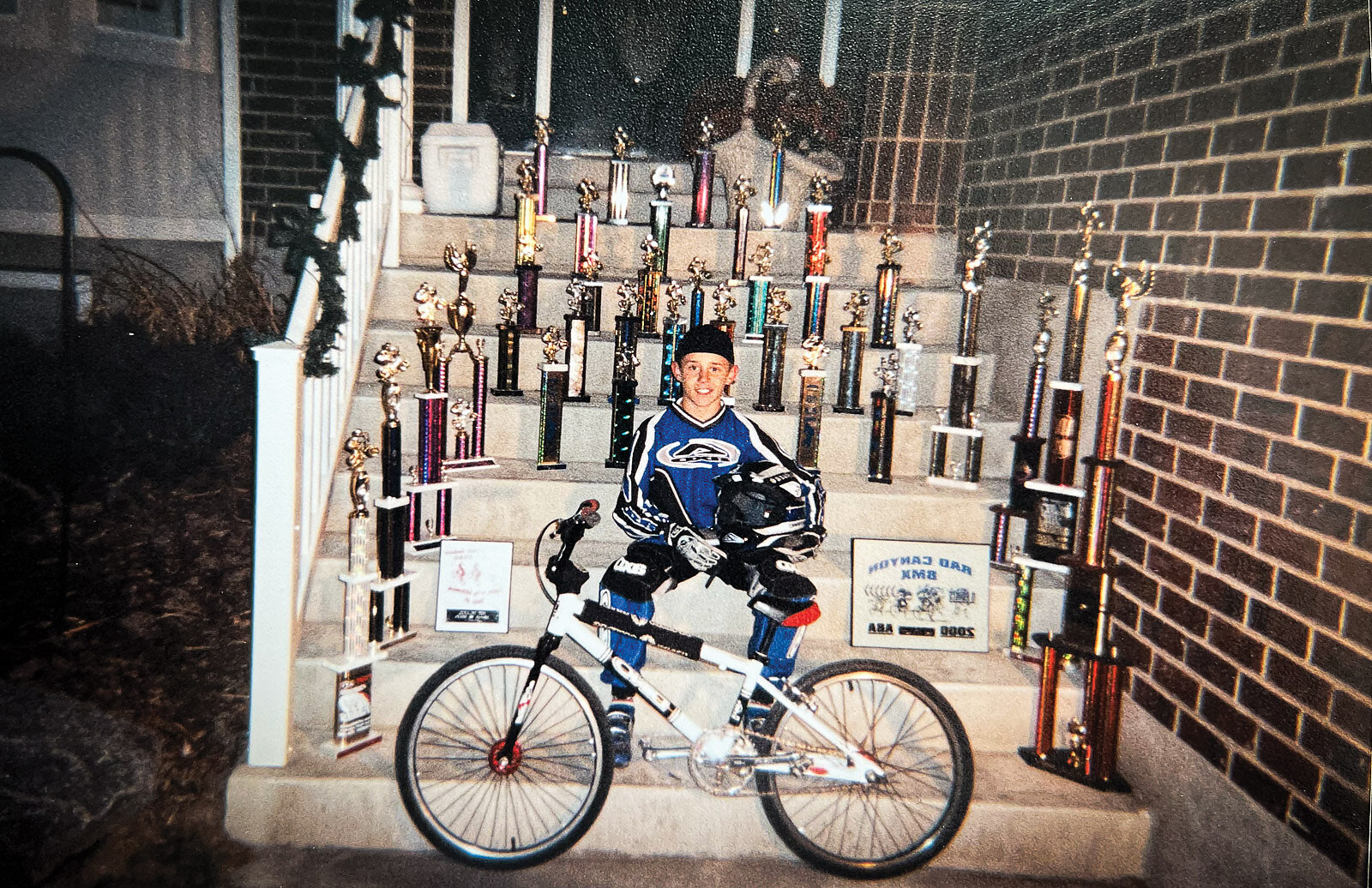
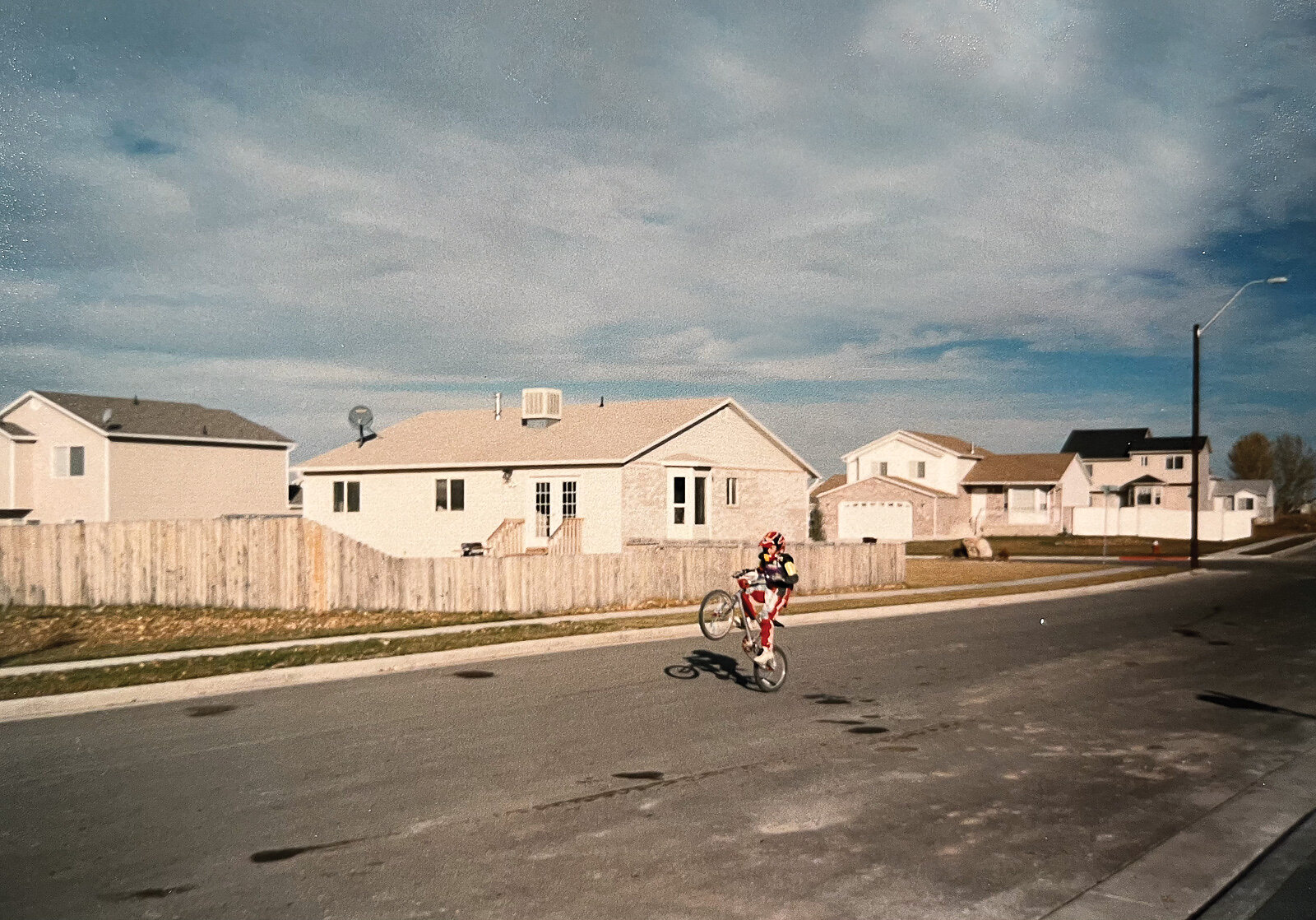
By age 5 he was already jumping over cinder blocks in the driveway, inspired by a video his dad showed him of Evel Knievel; by 9, he was watching “Rad” on repeat and racing BMX at the local track. It was there that 11-year-old Brin- ghurst met seven-year-old Ropelato, whose family lived 10 minutes up the road. The two took to each other immediately and the families started carpooling to races together, kicking off a nearly 30-year friendship.
The duo continued riding together after Bringhurst’s family moved from Utah to Boise, Idaho in 2001, where he won his first national BMX title at age 14. He spent the next four summers traveling to races across the country with his father, Steve.
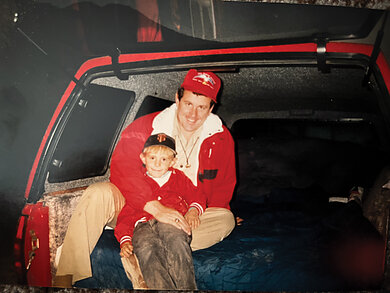
“We slept in the back of our pickup, and he was always the first on the track and the last off,” Steve says. “I didn’t push him to do any of that. That was purely his passion for riding a bike.”
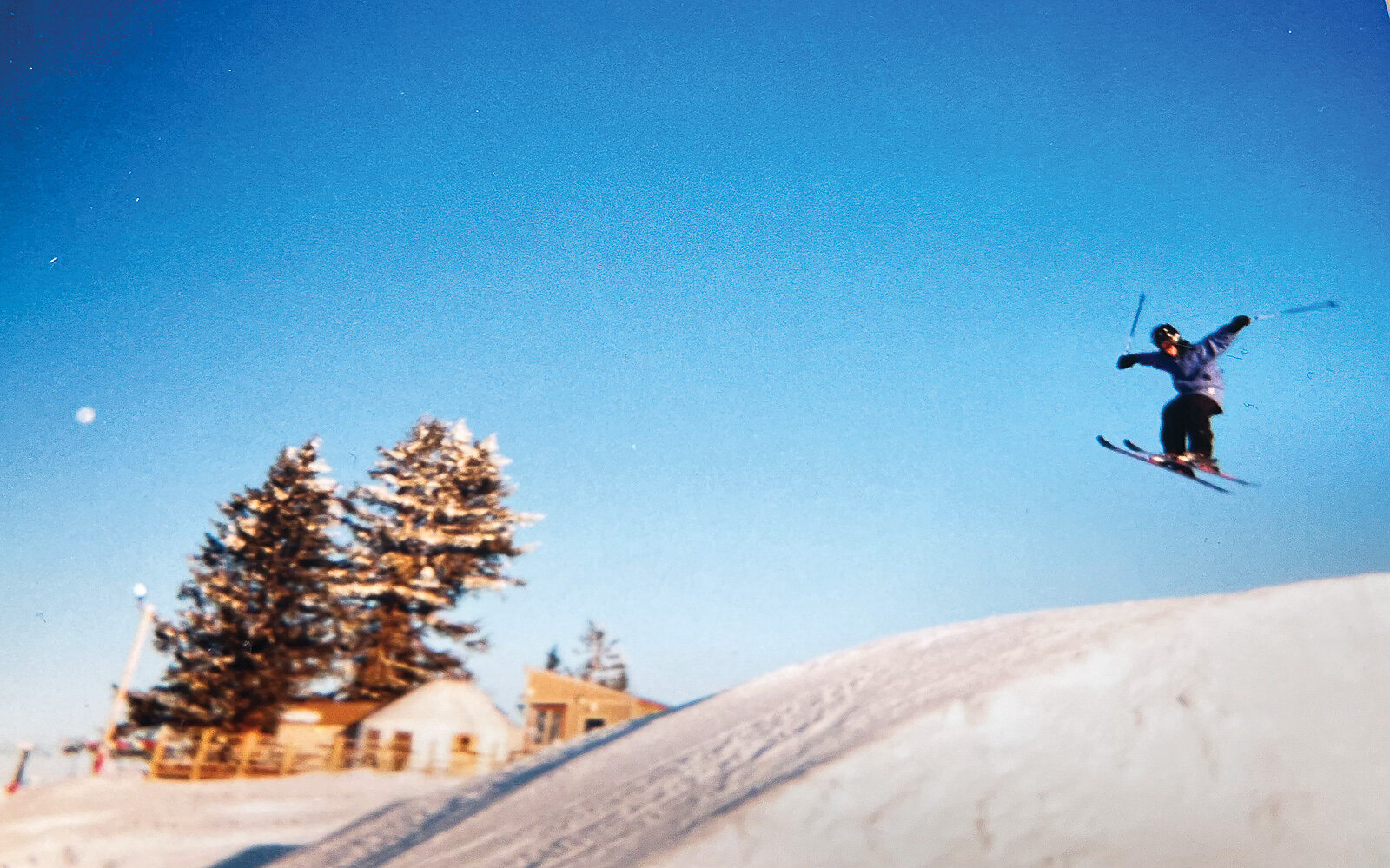
In seventh grade, Bringhurst found another one of his lifelong passions: freestyle skiing. Steve had enrolled him in a few ski classes, and by the second session he’d already learned to do a 360. The resort was holding a competition that day and Bringhurst convinced his dad to let him enter. After landing a 360 on his first run, Steve asked him what he was thinking for his second.
“He tells me he’s going to do a 720,” Steve says. “I asked him if he’d ever done one, and he says, ‘No, but it’s doing what I did my last run, just twice.’ And, sure enough, he freaking won.”
Bringhurst spent his next six winters on skis, though he avoided race gates in favor of terrain parks. Soon Steve was taking him to slopestyle competitions across the country. Eventually, he caught the attention of Michael Teschner, owner of Eco Lounge, a ski shop on the road from Boise to Bogus Basin Ski Hill, who started supporting Bringhurst with gear.
In 2006, Bringhurst became the USASA National Freeski Champion after sticking a flawless run at Northstar Resort in California, where he stomped a switch mute 1080 on the final jump.
“He was a style guy,” Teschner says. “He’d throw the biggest zero spins, big floaty airs, big back flips: whatever he did was big. But it was also very important to him that he was his best on and off the course. He would cheer harder for everyone else than he would for himself.”
It was during this era that Bringhurst met his wife, Nicole. The two went to the same high school, lived in the same neighborhood and attended the same church, but they didn’t get close until Bringhurst and his dad came to the church girls’ camp to teach wakeboarding.
“We started talking more after that trip and slowly became great friends,” Nicole says.
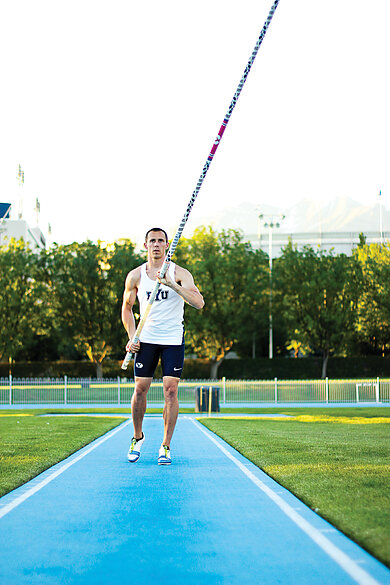
Bringhurst also excelled at traditional sports: specifically, pole vaulting, an event for which he won the Idaho State Championship in 2007, his senior year. Despite that success, he struggled academically and was eventually diagnosed with ADD.
“In high school, I was an incredible cheater,” he says. “I would write test answers down, get them from friends. It was like I gave up a little, like I wasn’t good at it and never would be.”
In hindsight, it wasn’t that Bringhurst couldn’t do school, it’s that he just didn’t really care about it at the time. It’s one thing being told that, however, and another to prove it to yourself.
“He’s exceptionally intelligent, but he didn’t think so back then,” Angela says. “After a while, though, he realized there was a muscle between his ears, too.”
After high school, he headed to Riverside, California, on a two-year service mission for the Church of Latter-Day Saints. During his time there, Bringhurst didn’t ride a bike or ski. Instead, he did service projects, talked to people, and contemplated what it looks like to live your faith.
“After his mission, we would serve breakfast at the homeless shelter every week,” Steve says.
“One guy was a schoolteacher who came to Boise for a job, but it fell through so he was living at the shelter until he could find another. Wherever he was during the day, Braydon would find him and buy him lunch. That’s Braydon in a heartbeat.”
While the mission taught Bringhurst about serving others, it didn’t give him much personal guidance. He and Nicole broke up halfway through his time in Riverside. His parents’ business was struggling, and their house went into foreclosure. Single, insecure, and without direction, he started training an up-and-coming high-school pole vaulter and, unexpectedly, increased his own vault height by two feet. A local coach took notice and suggested he vault in college.
Bringhurst wanted to go back to school. He also knew his ACT scores weren’t good enough to get into a university. So, he put all his money toward pre-college courses and eventually ACT-prep classes.
“I was 21 years old, sitting around a table with a tutor and 17-year-old high school kids,” he says. “It felt like ‘Billy Madison.’ It was just the reality of where I was, so that’s where I started.”
He took the ACT four times until he got the score needed to be eligible for the NCAA and immediately started applying to universities. In the meantime, he began taking classes at a local community college for credit.
Meanwhile, Bringhurst still hadn’t stopped thinking about Nicole, who was attending Brigham Young University–Idaho in Rexburg. He
wrote her letters—a habit they’d picked up during his mission—asking to meet up and, after hanging out a few times, they decided to get back together.
Not long after, Bringhurst proposed. On February 11, 2011, they got married.
Bringhurst received a scholarship to Brigham Young University (BYU), and they moved to Provo, Utah to start the semester. Almost immediately, his newfound confidence was put to the test.
“I’d reached this big milestone, but the reality of school, of collegiate sport made me feel overwhelmed, like I was in over my head,” Bringhurst says. “It was at that point I met Dr. Manning.”
Dr. Craig Manning, PhD, is a performance psychology professor at BYU and “Human Performance Consultant” who’s coached Olympians, NBA players, and corporate CEOs on the powers of mental strength training. Most of the university’s athletes end up in one of his classes. Bringhurst soaked it up like a sponge.
Going off the principles laid out in his book, The Fearless Mind, Manning taught Bringhurst to set focus points and goals, train with intentionality, cultivate self-belief, and focus on process over outcomes.
Bringhurst took Manning’s class all 10 semesters and found a degree that he loved: documentary filmmaking. Over the next five years, he went from struggling with the basics to a seven-time academic All-American with a GPA of 3.8.
His new approach helped on the athletic side as well. Pole vaulting has few variables: The runway is always 130 feet and always flat. The poles are standardized, and your shoes are the same. The only way to find more height is to get deep into the details.
“Some pole vaulters get too meticulous and stuck in their heads,” says Jackson Walker, a decathlete and one of Bringhurst’s teammates on the track team. “Braydon always had a notebook out, recording and measuring, but at the same time he wouldn’t let that take him away from just being a competitor. At some point you just have to say, ‘I’ve thought about it enough. Now it’s time to move forward.’”
At 5 feet 9 inches tall, Bringhurst was short for a pole vaulter, so he trained harder to make up the difference, focusing on doing every rep perfectly for maximum impact. He bumped his vertical jump to 36.5 inches, a solid height for an NBA player and, in 2014, he set his personal vault record: 18 feet and one-half inch, the fifth highest in BYU history at the time.
An even bigger milestone came later that year, when Bringhurst and Nicole had their first daughter, Mae, born on June 27, a shared birthday with her dad.
The couple graduated in 2016 with a baby and no plans, so when Nicole’s dad offered a room at his house in Park City it was an easy “Yes, please.” Bringhurst spent the winter coaching young skiers at the nearby Olympic Training Center, and the couple started shooting wedding videos as Burst Media Creative—the name they still use for bike edits.
That was also the year Bringhurst got his first “real” mountain bike: a $1,600 Breezer Repack, which Nicole’s dad bought as a graduation present. Bringhurst immediately hit up Ropelato to go on a ride, something they hadn’t done since before his mission. They met the next day at a trailhead above Salt Lake City.
“Braydon shows up in track pants and a T-shirt, and by the top of the climb he was dying,” Ropelato says. “But he was right on my wheel the whole way down. Then we roll up to this massive jump and Braydon sends it to flat. I thought his bike was going to snap.”
The Breezer survived but was stolen a few months later at a shoot. Ropelato, a Santa Cruz athlete, offered Bringhurst a Bronson as payment for the shoot, but he wouldn’t accept. Luckily, he had renter’s insurance, which paid for a bike that wouldn’t snap: a Specialized Enduro Comp. It was game on.
The couple had their second daughter, Nova, on March 21, 2017. They moved back to Boise later that year and, in the fall of 2018, Bringhurst dropped into the MBA program at Boise State University. Biking was the perfect outlet between classes and family time, and he started an Instagram account with the handle @bikerbrayd to find folks to ride with.
“He wasn’t planning on taking it seriously,” Nicole says. “He was just excited to not be pole vaulting and started posting fun stuff.”
It turned out the internet was hungry for that “fun stuff,” and, in late 2018, Canyon Bikes reached out about a sponsorship and asked to support one of his projects. The couple already had video equipment from their wedding business and worked well together, so they decided to shoot it themselves, with Nicole filming and editing and Bringhurst riding and directing.
With a small budget, they headed to Moab, Utah, where Bringhurst took his unique style to one of his favorite trails: Captain Ahab. That edit, “Transcend,” garnered 225,000 views and their next, “The Whole Shebang,” hit 268,000. The equation worked, and Nicole is still involved in almost all of Bringhurst’s projects.
Off camera, life was just as busy. In 2019, he co-founded the Boise Mountain Bike Festival with his friend Kirk Cheney, and in 2020 he graduated with his MBA, all while spending time with his family and training. But how do you manage risk as a father, when your job is doing dangerous things?
“The last thing I want to do is just send it,” Bringhurst says. “That’s just not who I am. I want to be the best dad and husband I can possibly be, and I can’t do that if I’m hurt.”
The answer lies in the same mental performance techniques he learned while pole vaulting. In psychology, the Law of Occupied Space states that the conscious mind is a literal space, and research shows it’s most effective when focused on two to three things at once; hit four, and it’s overfilled. A similar concept, called Hicks Law, states that the more options one is faced with, the slower the reaction time.
So, to keep his mind and body operating at maximum capacity, Bringhurst studies each line, identifies necessary “steps of execution” and then trains until he knows he can conquer each. Before riding the line or doing the trick, he chooses two or three physical and mental cues to focus on— like “One, stay low; Two, go right past the spine; Three, you can do this”—and repeats them to himself out loud. Failure is a future problem. All that matters is the attempt at hand.
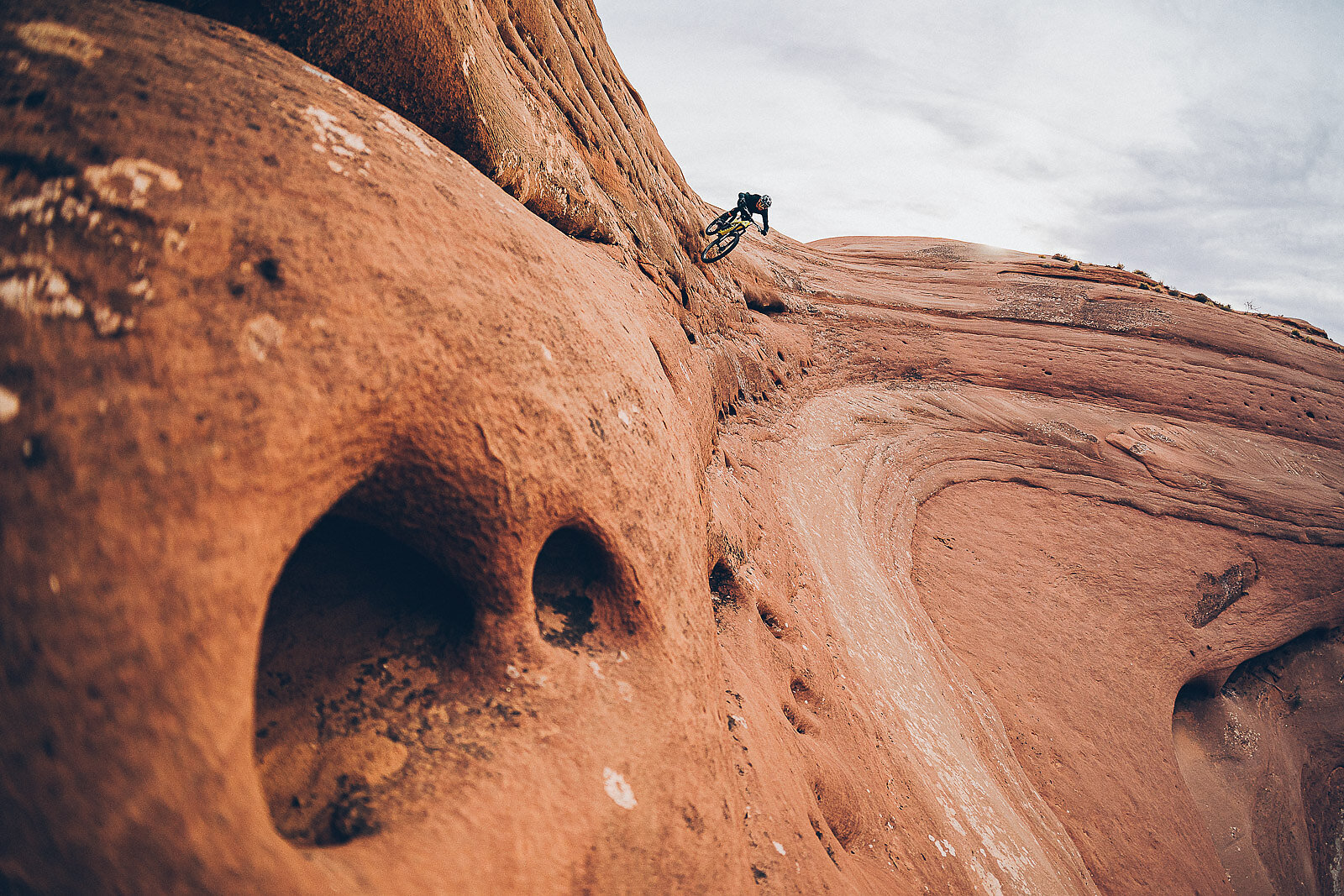
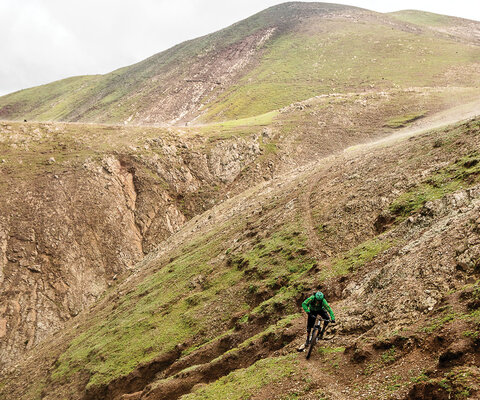
Few projects better portray this process than “8600FT,” his 2022 feature-length film documenting his 8,600-vertical-foot climb up the Whole Enchilada, a 27-mile trail outside of Moab typically ridden as a shuttled descent. He spent 11 months training and working his way through the trail’s more difficult sections, aiming to make his full attempt in early October of 2021. The crux was the “Snotch,” a steep tumble of chutes and ledges cutting down a cliff face. It took Bringhurst hundreds of attempts before he was able to clean it. That was in early September, just a few weeks before he was scheduled to make the climb, and before Nicole was due to have a baby.
“We’d both been doing so much to make it happen: me behind the scenes, and him all the training to work up to it,” Nicole says. “I was excited for him to go do this climb, and we both just wanted to get it over with.”
On September 30, 2021, Nicole gave birth to their third daughter, Hallie, and five days later, Bringhurst successfully reached the top of Burro Pass, becoming the first person to ride up the entirety of the Whole Enchilada in a day.
Bringhurst’s motivation for making “8600FT” was deeper and far more personal than simply documenting a hard ride. It went back to a ski day he’d planned with his cousins, Cole and Cody, in 2016. Cole showed up, but 21-year-old Cody said he had some things to do. Bringhurst thought about texting him to check in, but didn’t. The next day he learned that Cody had committed suicide.
Bringhurst hadn’t known Cody was hurting so much. But he found himself wondering if there was anything he could have done to help, and if anyone else in his life might also be silently suffering. “8600FT” gave Bringhurst a chance to tell Cody’s story in hopes it might help others in crisis, and to encourage people to reach out to those around them who might be.
“After Cody ended his life, it really, really hurt, and just sitting in that pain and doing nothing felt hopeless,” Bringhurst says. “Pushing that pain into action helped me grieve through that loss, and the more I’ve done that, the more I’ve realized that everybody’s going through something.”
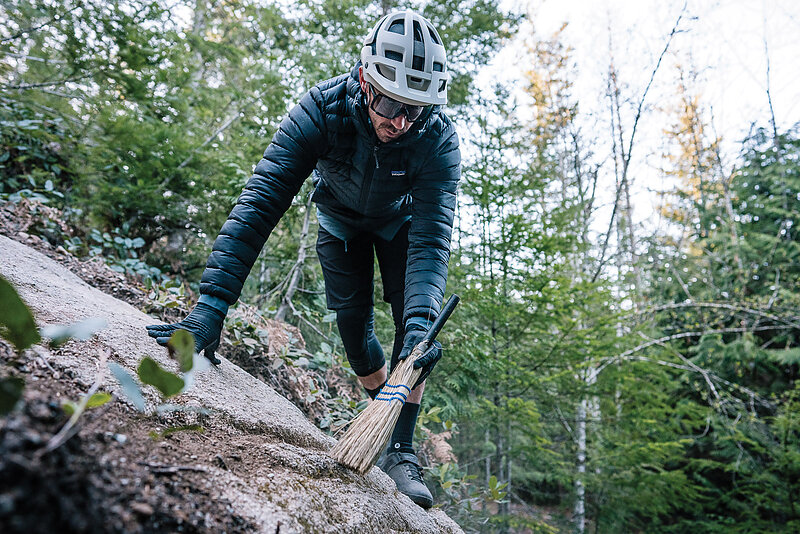
By early 2026, “8600FT” had more than 1.2 million views. Bringhurst has since spoken about mental strength training to firefighters, Air Force leaders, high school mountain bike teams, and large companies in hopes those skills will help folks navigate tough times.
“He feels people’s emotions really big,” Nicole says. “I can’t tell you how many times he’s met a person he could tell was struggling, gave them his number and then just helped talk them through things. Or sometimes it’s a parent asking, ‘Can you please just talk to my son or daughter?’”
In some ways, Adam Phisl was one of those parents. Phisl is an avid mountain biker who owns a renewable energy business and, in 2025, he hired Bringhurst to give a keynote speech and a series of classes on mental performance for his employees. After seeing Bringhurst’s impact (including on Phisl’s own family, who have personal experience with mental health struggles), Phisl decided he wanted to help spread the message. The Hard MTB League was Bringhurst’s way of doing that, and Phisl became the main investor.
Bringhurst envisioned a grassroots competition designed to test riders’ all-around ability, held on a purpose-built course broken into four timed stages: downhill gnar, tech climbing, raw slalom, and tech rhythm. Racers would use the same bike for all stages, and the victor would be the lowest combined overall time. The course would be compact so spectators could see the entire event from one spot, and the prize purse large enough to attract the best athletes across multiple specialties.
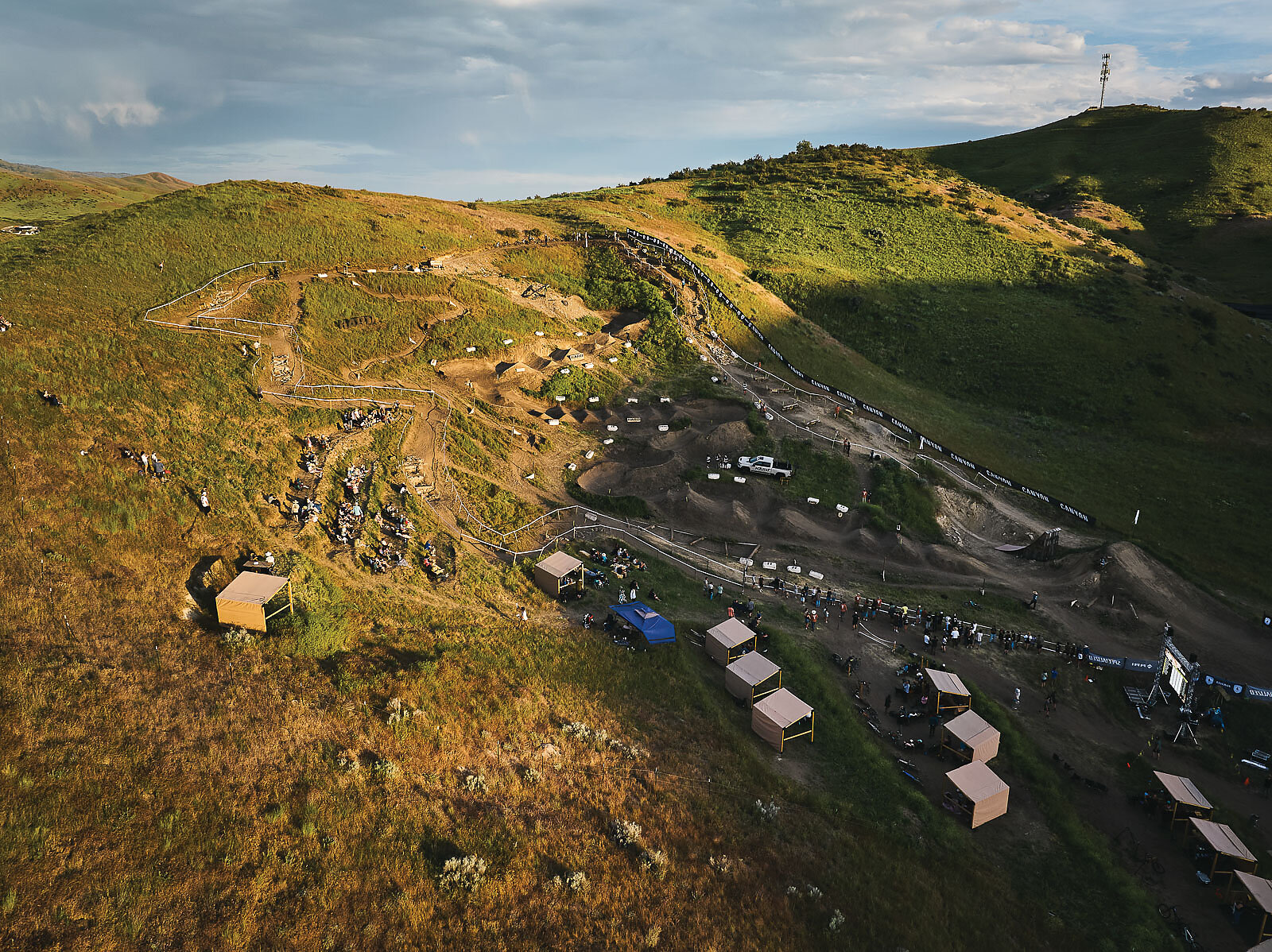
Bringhurst built the first course in 2024 on a grassy hillside above a new subdivision outside of Boise, and the event’s first full season kicked off on Memorial Day weekend of 2026, with 40 athletes from around the world competing for a $30,000 prize purse and a spot at finals in October, where there will be another $90,000 on the line.
“The format really pushes all skillsets,” says Ropelato, who rode in the 2026 qualifier. “You can’t get away with not being competent in one.”
Behind the scenes, riders also take part in a mental performance clinic, followed by monthly check-ins after the event. There’s a class on how to develop a brand, another about finding the right partnerships and how to work through a contract, and another with a personal trainer about diet and workouts.
“We’re trying to really help the athletes so even if they don’t ever do a Hard MTB League event again, they’re still more equipped and ready to go after whatever it is they want to do,” Bringhurst says.
All the while, he and his team are shooting a multi-episode docuseries capturing the story on how the race came together, complete with athlete interviews on their own process of overcoming adversity.
Bringhurst hopes to take the event on tour in 2027; in the meantime, he’s started a series of Hard MTB “Local Challenges”: non-competitive, community-focused group rides at trail hubs across the country, all free, for all ability levels and with no podiums.
“He doesn’t view his legacy as being about him,” says photographer Anthony Smith. “He sees his legacy as what he gives back.”
At only a few years from 40, Bringhurst no longer needs to ride a bike to make a living. There are more speaking gigs, and Hard MTB has kept he and Nicole fully pinned. His three daughters are getting older, an undertaking on its own. There’s the Boise Mountain Bike Festival and more film projects in the works. He’s even toyed with going back to school for a psychology degree or starting his own mental performance coaching business to share that mindset beyond the cycling community.
“I want these things to inspire people to take on whatever they’re dealing,” Braydon says. “If you have hope, you have reason to keep at it. If you lose hope, there’s no other way.”