TRP Evo Pro Brakes Reliable performance.
There comes a time in every reviewer’s life when they order roast chicken at a restaurant and the plate comes out looking distinctly like crow. In these situations, it’s best to just buckle down and eat it. So here’s my apology: I have had frustrating experiences with the TRP Evo Pro on review bikes. I had (really) frustrating experiences with its predecessor, the DHR, to the point that I have stated, on the record, that that brake doesn’t deserve a place in the “viable modern brakes” conversation. But the new Evo Pro brakes I’ve been running for the last few months have been basically flawless, and I think I can explain my previous frustrations, and why this set has mostly erased them. So let’s dive in.
TRP Evo Pro Overview
- Pistons: 4
- Weight (uncut hose, no rotor): 337 g
- Colors Available: Silver, Gold, Black
- Fluid: TRP Mineral Oil
- MSRP: $307.99-$329.99 depending on colorway.
What’s New With the Evo Pro?
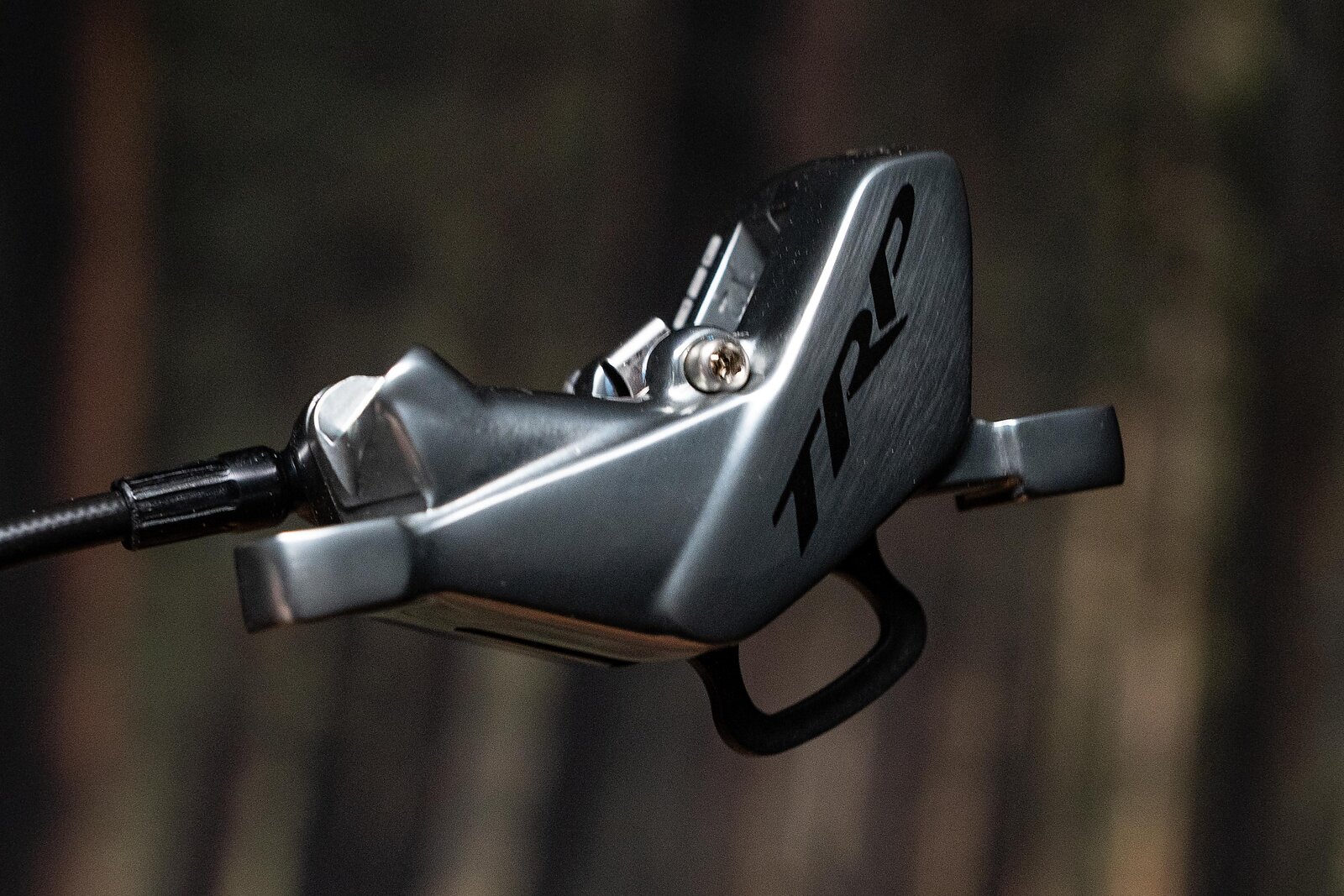
The Evo Pro is not new news. It came out in the spring of 2025, and is basically an upgraded lever and clamp assembly mated to the previous DHR caliper. I stand by my assessment of the old DHR as not deserving a place in the high-end brake conversation because its lever reach adjustment range fell between “barely too far from the bar” and “impossibly far from the bar” for my size large hands. If I, a big dude with proportionally large hands, can barely get a brake’s levers close enough to the grips for comfort, how are smaller folks supposed to use it?
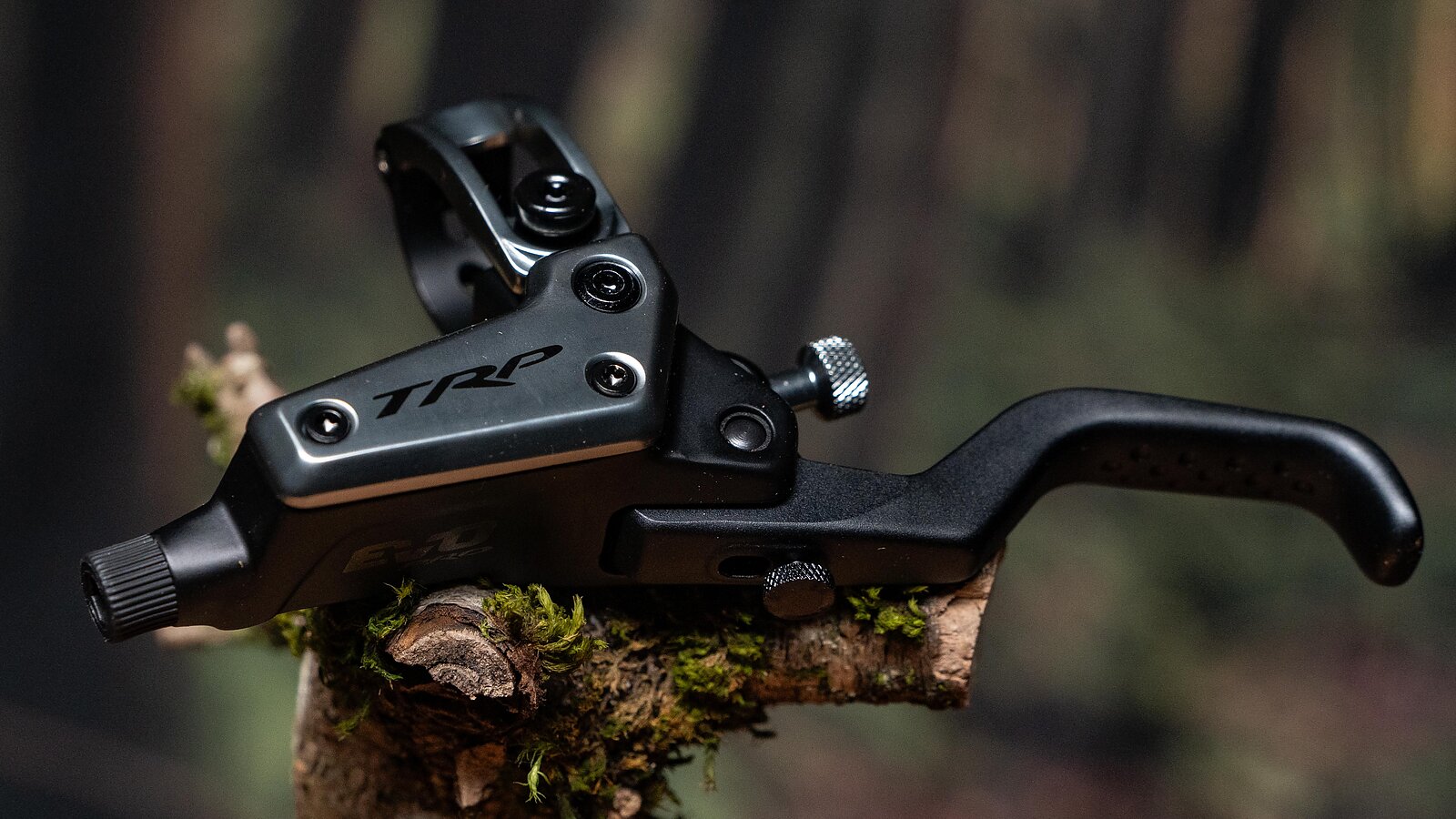
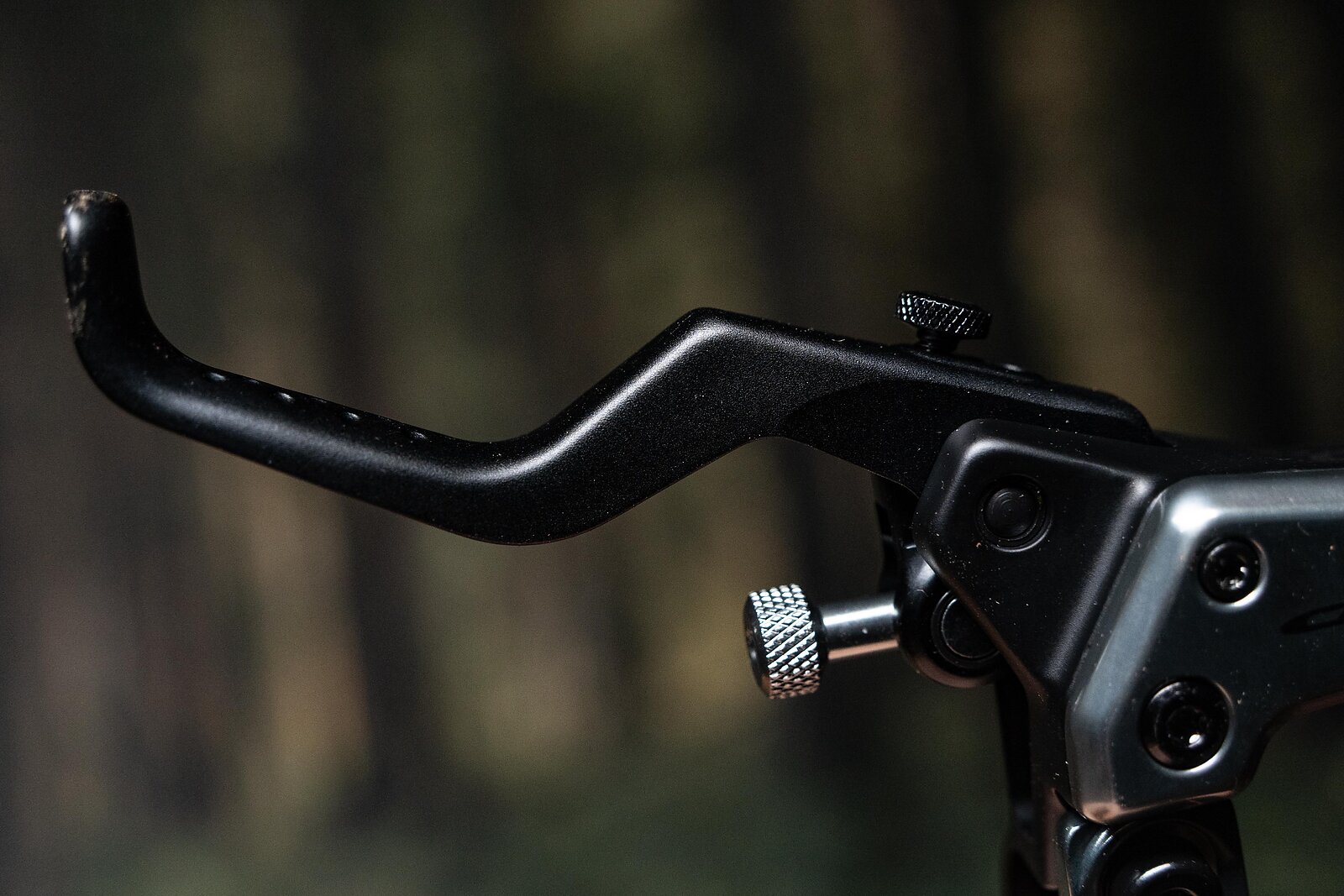
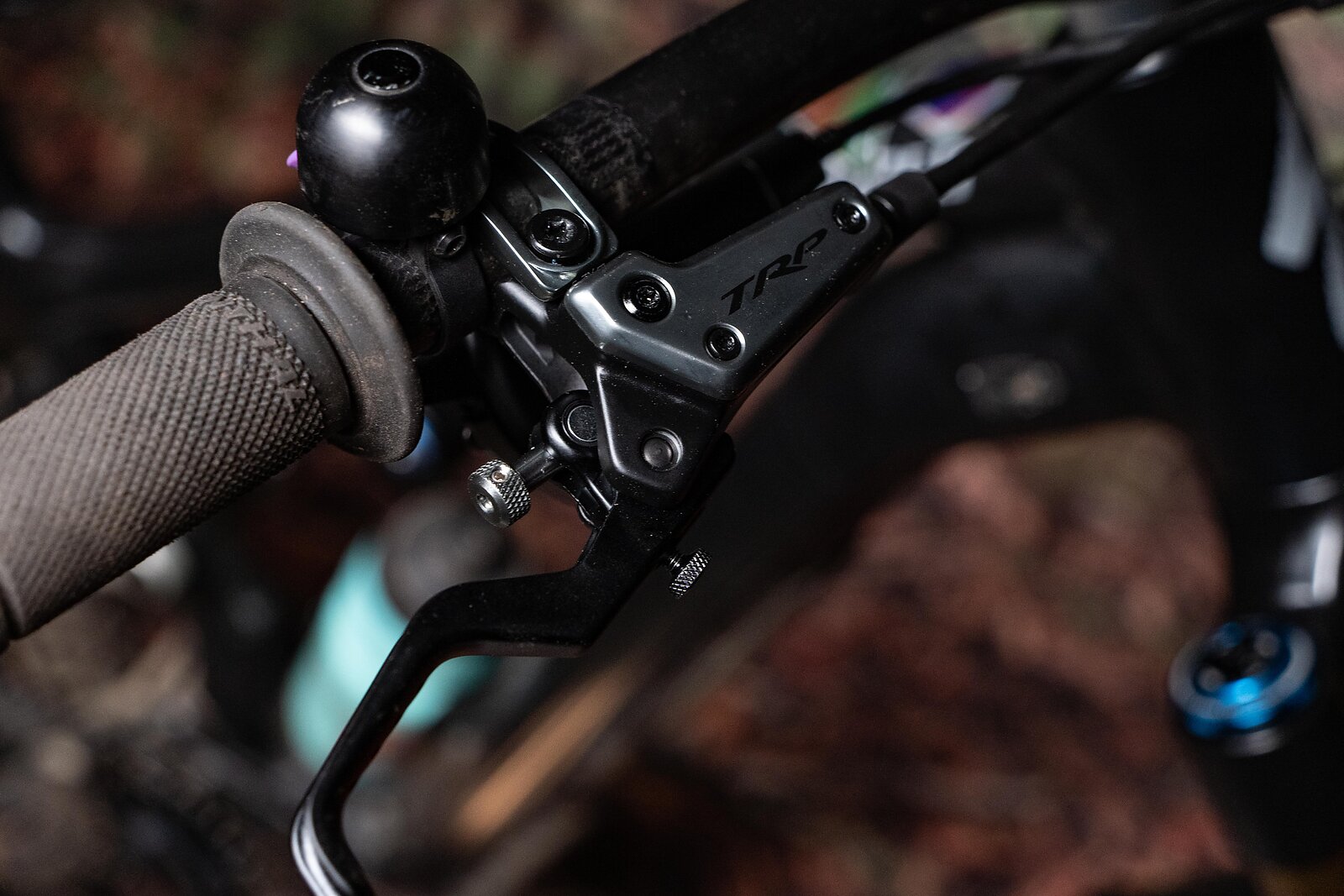
Obviously someone at TRP agreed with me, so the Evo Pro dialed that lever reach way back to be much more in line with other stalwarts such as Shimano and SRAM’s brakes. TRP also changed the lever shape to be more hooked, and less straight. Finally, TRP also revamped the brake’s clamp mechanism so that it takes up less space on the bars, and plays better with third party shifters and dropper levers.
TRP Evo Pro Features
The Evo Pro has two external adjustments, the aforementioned reach knob on the front of the lever, as well as the “Pad Adjustment Dial” which sits inside the lever. This is effectively a bite point adjustment lever that allows you to dial in your free stroke. It also changes the lever feel, crank it all the way out for tight, fast, sharp engagement, or push it in for a more gradual, “modulated” feel.
I tend to run my levers about 30 millimeters from my grips, with as tight and fast of an engagement as possible, and the Evo Pro made it easy to get a comfortable setup.
The Evo Pro uses TRP’s mineral oil, and the brand is emphatic that you shouldn’t use anyone else’s. The brakes use a simple gravity bleed cup, and are available with resin or semi-metallic pads. They’re also compatible with Shimano’s four-piston pads, which I’ll get into later.
TRP Evo Pro Setup
As I mentioned in the intro, I had a negative experience with TRP brakes in the past on the Priority Vanth. The Evo Pros on that bike felt undergunned and inconsistent. They felt great off the top, but when I really wanted to lay down some power and lock the wheel up, they fell short. I experimented with running Shimano sintered pads, which helped quite a bit but, in retrospect, I think some of my frustration with the brakes on that bike was caused by their setup.
I was careful to exactly follow TRP’s bleed and setup procedure with these review brakes and they felt more powerful and more consistent. Specifically, I’d recommend paying close attention to the piston massage and bed-in procedure. I also did a quick bleed and then left the brakes with the levers rubber-banded to the bars before doing another bleed, which made them feel very crisp.
It’s always worth at least reading, and usually following the instructions, and it turns out that these brakes are no exception.
TRP Evo Pro Brake Performance
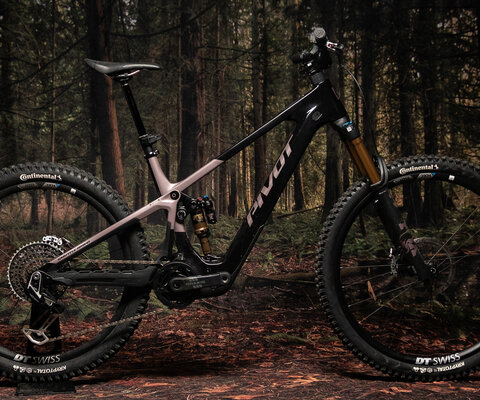
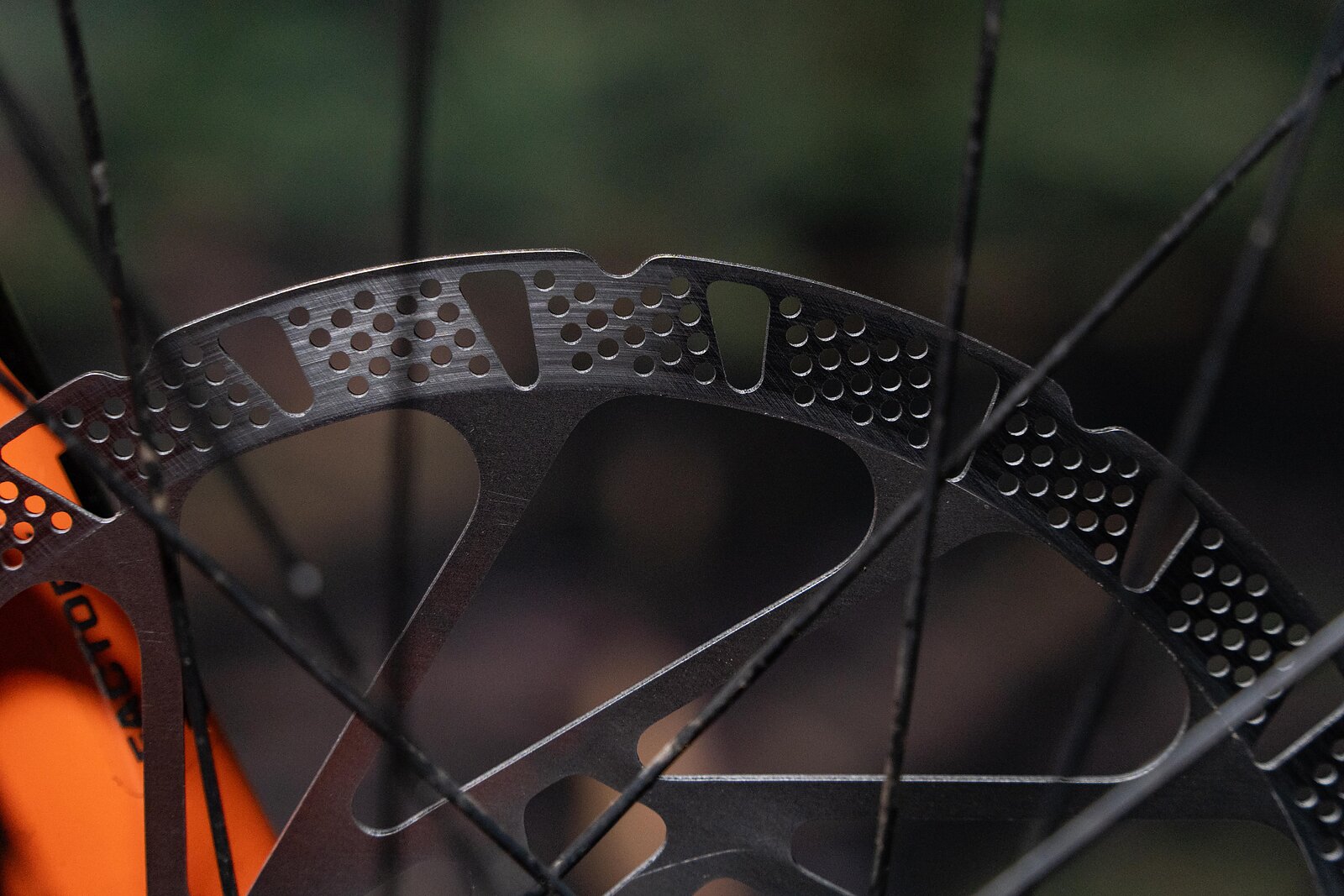
I’ve mostly been running the Evo Pro with 203-millimeter rotors front and rear on a Specialized Stumpjumper 15. I’ve run them with both the stock organic pads, and Shimano sintered ones. For this bike, which straddles the trail/all-mountain/enduro-lite line, the organic pads are great. On lower angle trails, they come up to temp quickly, and deliver sharp, reliable power out of the gate, while staying nice and quiet. The Evo Pro’s lever action and power delivery isn’t quite as light as the Hayes Dominion, which is still the best in this category I’ve found, but they’re totally adequate, and the Evo Pro is less finicky and easier to set up than the Dominion.
I quite enjoy the lever feel and ergonomics of this brake. It feels really natural in my hand, and, on most “normal” trails, is super comfortable and intuitive.
We have a couple of brake-burner descents on tap here locally, and on those long, sustained trails, my 200 pounds of uncoordinated man meat has no problem overpowering the stock organic pads and 203-millimeter rotors. When this happens, things get loud and wooden feeling with a drastic drop-off in power. The metallic pads and 223-millimeter rotors fare better, but the Evo Pro definitely doesn’t quite have the power and heat absorption of brakes like the SRAM Maven.
So, for a bigger bike than the Stumpy, I’d probably max out the rotor size and pad compound, or switch to a more powerful brake. But, it’s worth remembering that I’m a bit of an outlier in terms of size, riding ability (I ask for more from my brakes than more coordinated folks) and available terrain. So my experience with the Evo Pro makes me confident that riders who don’t check all of those same boxes that I do will be more than happy with these brakes on a wider variety of bikes.
But, what really stands out to me about the Evo Pro is that it's a great example of a brand making a correction to an existing product to improve the rider experience. This new lever bumps the Evo Pro from inappropriate for anyone with smaller hands or shorter lever reach preferences to pretty solid for most folks. And the new lever clamp does a great job of playing nicely with the SRAM, TRP, and Shimano shifters I’ve paired it with.
For Now
Reviewing this set of TRP Evo Pro brakes was a great palette cleanser. For too long I’ve felt like I was missing something that the TRP sycophants were picking up on. It turns out that updating the levers, and making sure to follow the bleed procedures on the Evo Pro make for a much improved experience and make it clear that it’s a strong contender in the modern brake landscape.
Learn More: TRP Cycling