Zink Bikes Vacay Bikes are supposed to feel fun.
It’s hard to know where to start with the Vacay. Perhaps with a rundown of the brand’s founder’s freeride credentials? Maybe a discussion of the current new-wave freeride young guns, complete with baggy jeans and I-Street shreddits? How about a history of freeride and/or slalom bikes? Any of those choices would be relevant for the Zink Vacay, but I want to start with my first ride on the bike.
I received just the frame, no shock, no headset, no nothing, to review. So I built it up with a hodgepodge of “parts bin” components, and torqued my last bolt down around 9:30 p.m. I’d been working solo in the garage, music blaring, and my speaker’s battery died as I plunked the completed bike off the stand. Silence, and a fresh bike.
I build a lot of bikes for work. “New bike day” happens often around here. But something about this one felt different and exciting. So exciting that I couldn’t help throwing on my lights and taking it out for a late night spin. I came home ecstatic, and as I crawled into bed, disturbing my partner and dog’s slumber, I gushed to them, “This is why I love this job! Gawd, I love reviewing bikes!”
Zink Vacay Details
- Travel: 150 mm (rear) 160 mm (front)
- Wheel Size: Mixed or dual 27.5"
- Size Tested: Regular
- Build Tested: Custom
- Head Tube Angle: 63.9° - 65°
- MSRP: $1,690 (frame, no shock)
What is the Vacay?
The Vacay is the first production bike from Cameron Zink’s eponymous brand. And on the surface it’s another 150/160 millimeter trail bike. But it’s not. Zink’s marketing is emphatic on this point, and honestly, I thought it might be a little overblown. After all, many pro models claim to be “designed to the athlete’s exacting standards” while actually feeling pretty normal on the trail. But the brand is explicit: “Vacay isn’t your all-around bike—unless all you do is play.” No claims that this bike climbs like a goat and handles both techy DH tracks and flow trails with aplomb. This is a niche bike, for a niche audience.
And I am not really part of that audience. I am a 32 year old man who likes to pedal big days, and use mountain bikes as a tool for adventure and exploration. I’m less of a has-been than I am a never-was. I’m a mediocre jumper whose livelihood depends on not getting injured. According to Instagram, the Vacay is for shredders who singlespeed it, install a rigid seatpost, and spend their days sessioning big, steep lips, working on their tricks, and wearing baggy jeans. At least the freeride kids are discovering the same music I listened to when I was their age. But the Vacay ended up transcending that divide.
Zink Vacay Frame Details
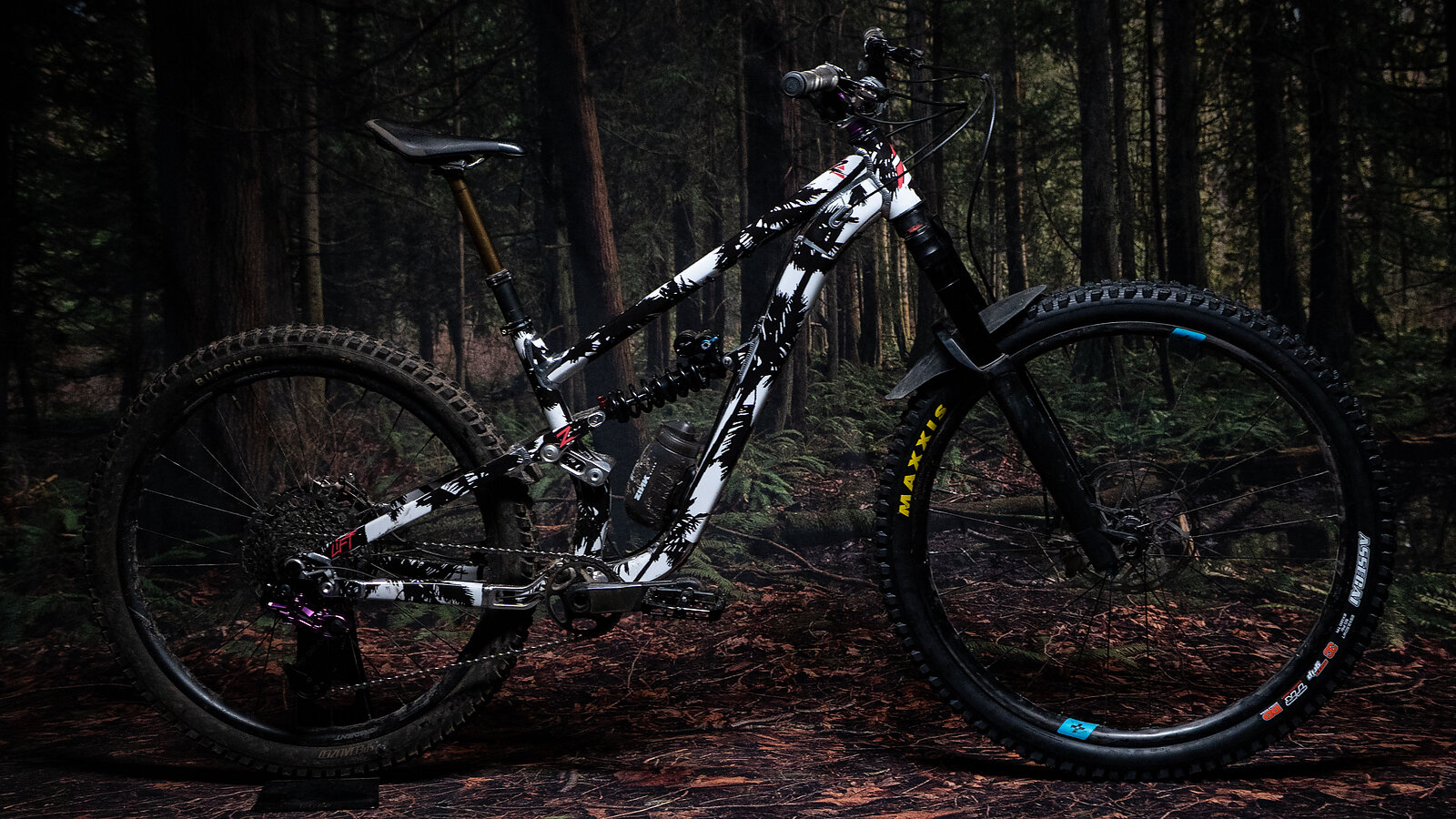
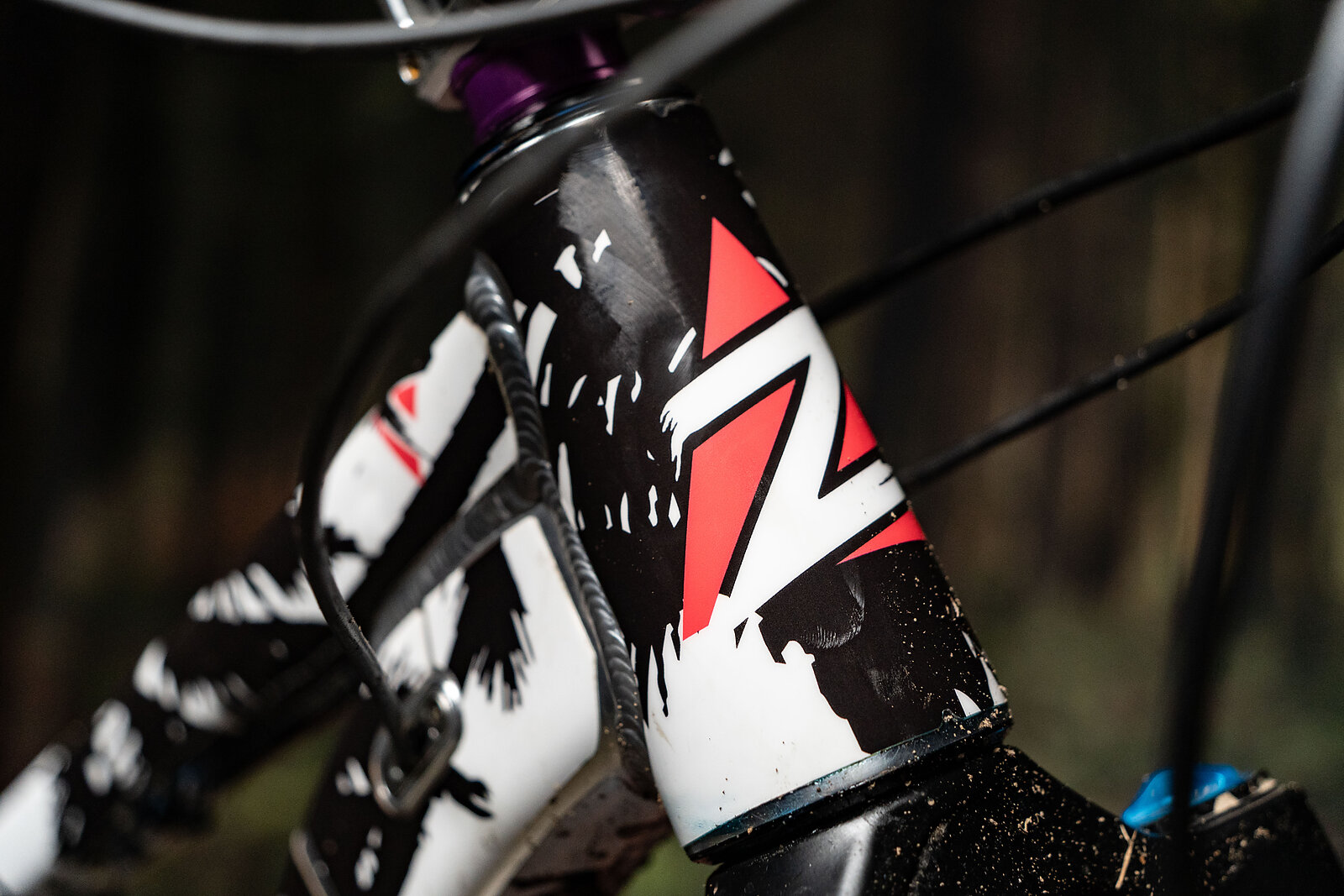
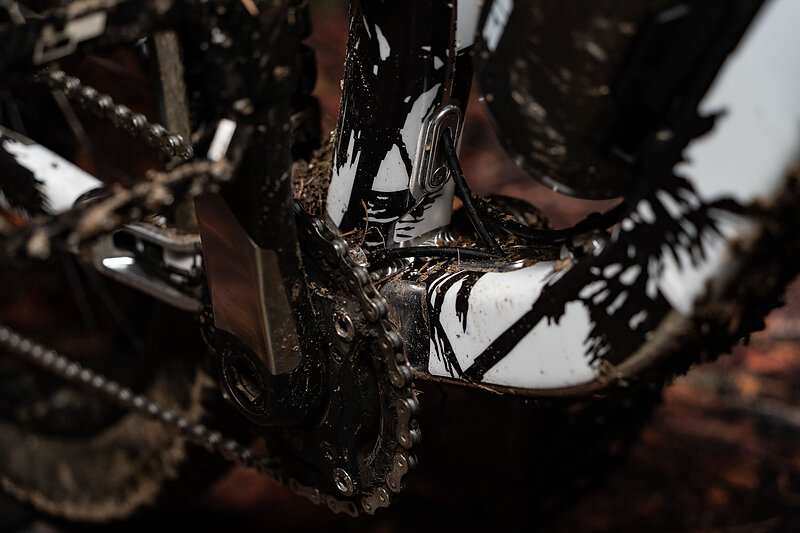
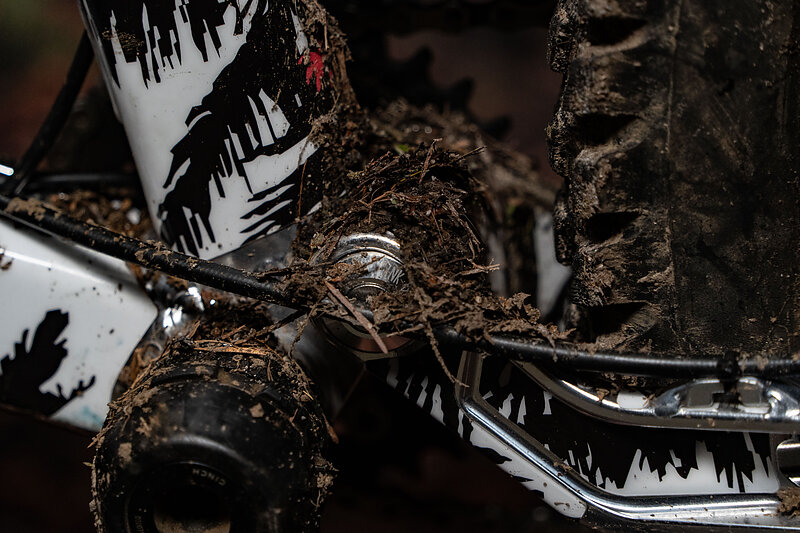
Zink sells the Vacay in four finishes, polished (the one I reviewed), raw, black, and white. Additionally, you can add a graphics package, printed by RideWrap, for an extra fee. My review frame came with the Palm Trees wrap. Underneath that wrap is one of the prettiest frames I’ve ridden in recent memory. The welds and details on this bike are incredibly aesthetically pleasing, and a metal-worker acquaintance commented that it was a real shame that the wrap distracted from those.
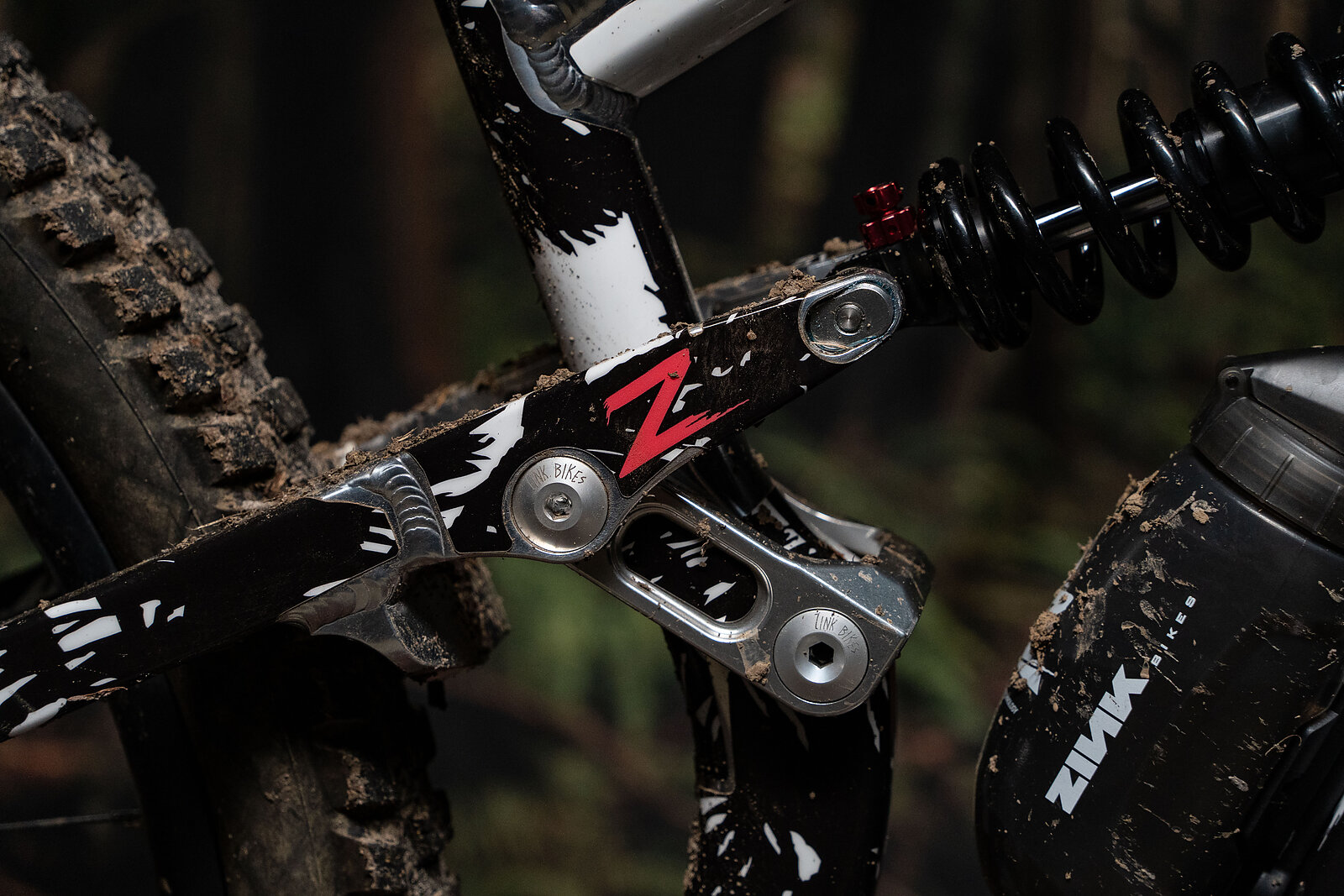
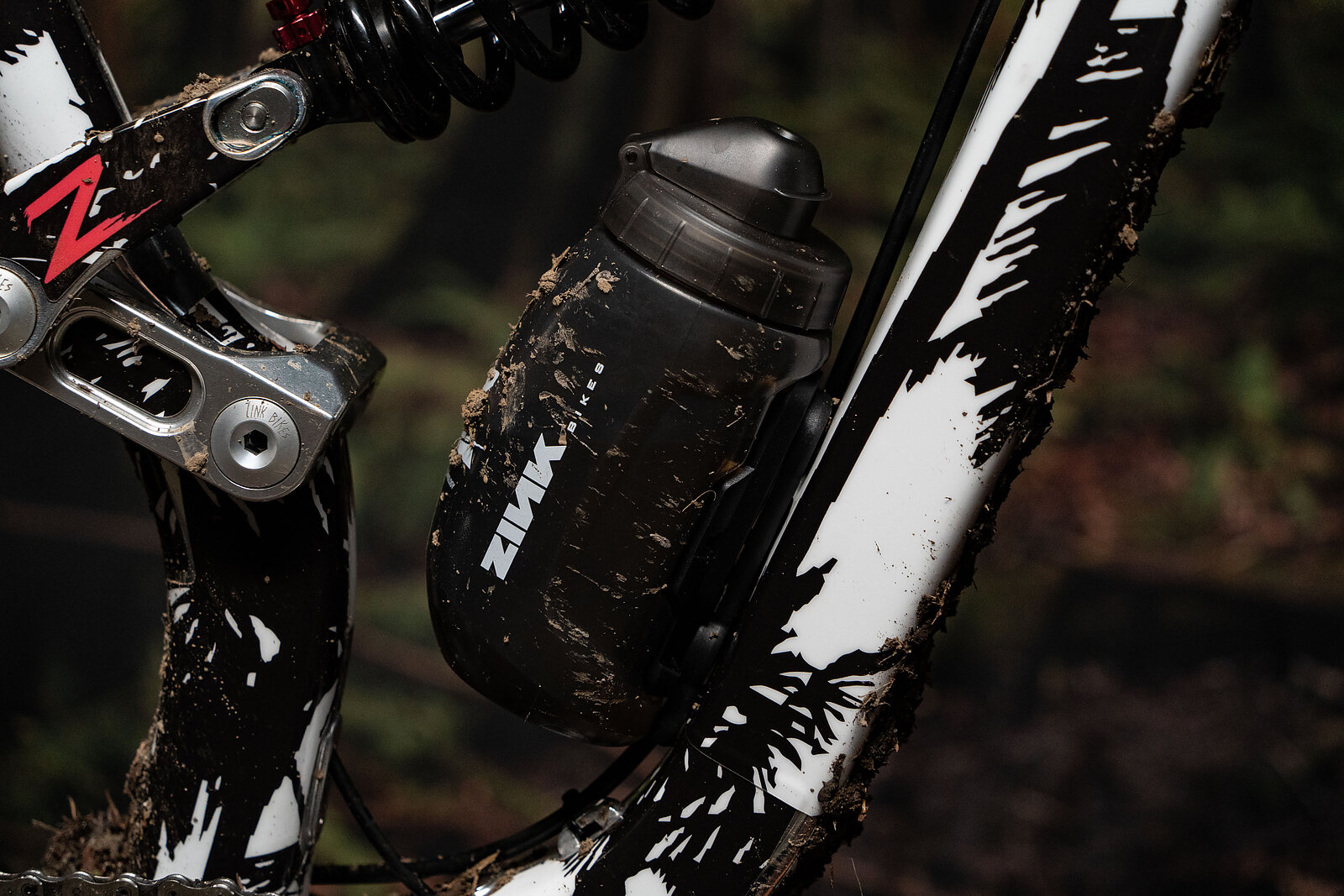
Thanks to the suspension layout, the Vacay isn’t compatible with a full-sized bottle, but it does come with a Fidlock mount. The rest of the frame details are fairly normal. There’s consideration for internal or external cable routing, the BB is threaded, the derailleur hanger is universal, and there’s space to slam a 200 millimeter dropper in the Regular size I rode, or a 230 in the large.
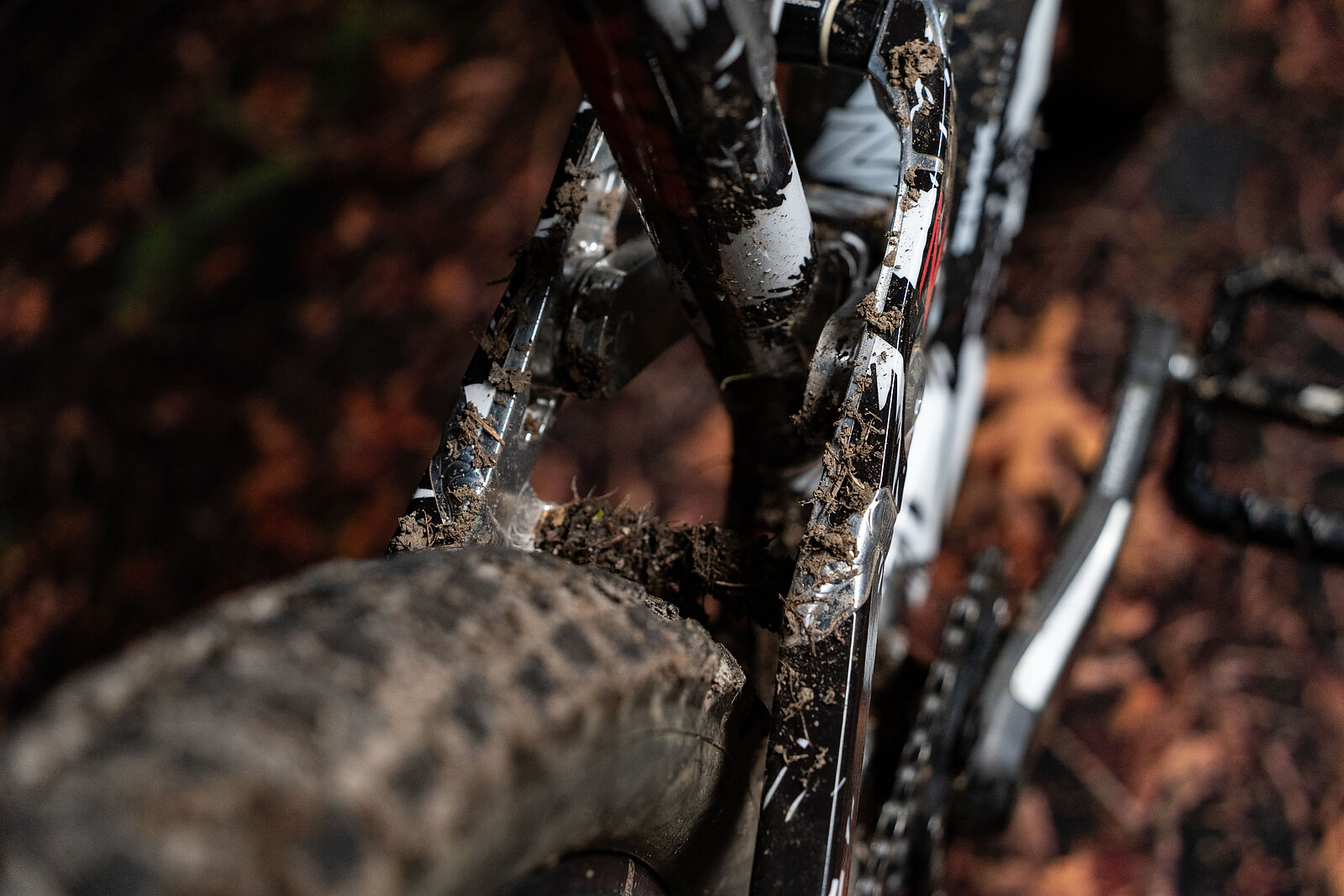
The Vacay’s build was mostly smooth. I did find that it’s worth being careful when you route the dropper cable from the downtube to the seat tube, as it has a tendency to catch on the opening. I’d also recommend foam covers on the shifter and dropper cables to keep them from rattling. The Vacay doesn’t come with any chainstay protection, so I’d also add some of RideWrap’s VHS tape to keep things quiet.
There's a slot for a three-position flip chip at the lower shock mount, with high, low, and middle positions. You can run dual 27.5" wheels in the high position. The flip chip changes the head tube angle from 63.9° - 65° and also adjusts the bottom bracket height. I’m a big fan of flip chips that offer a Goldilocks middle position. Sometimes average is just right.
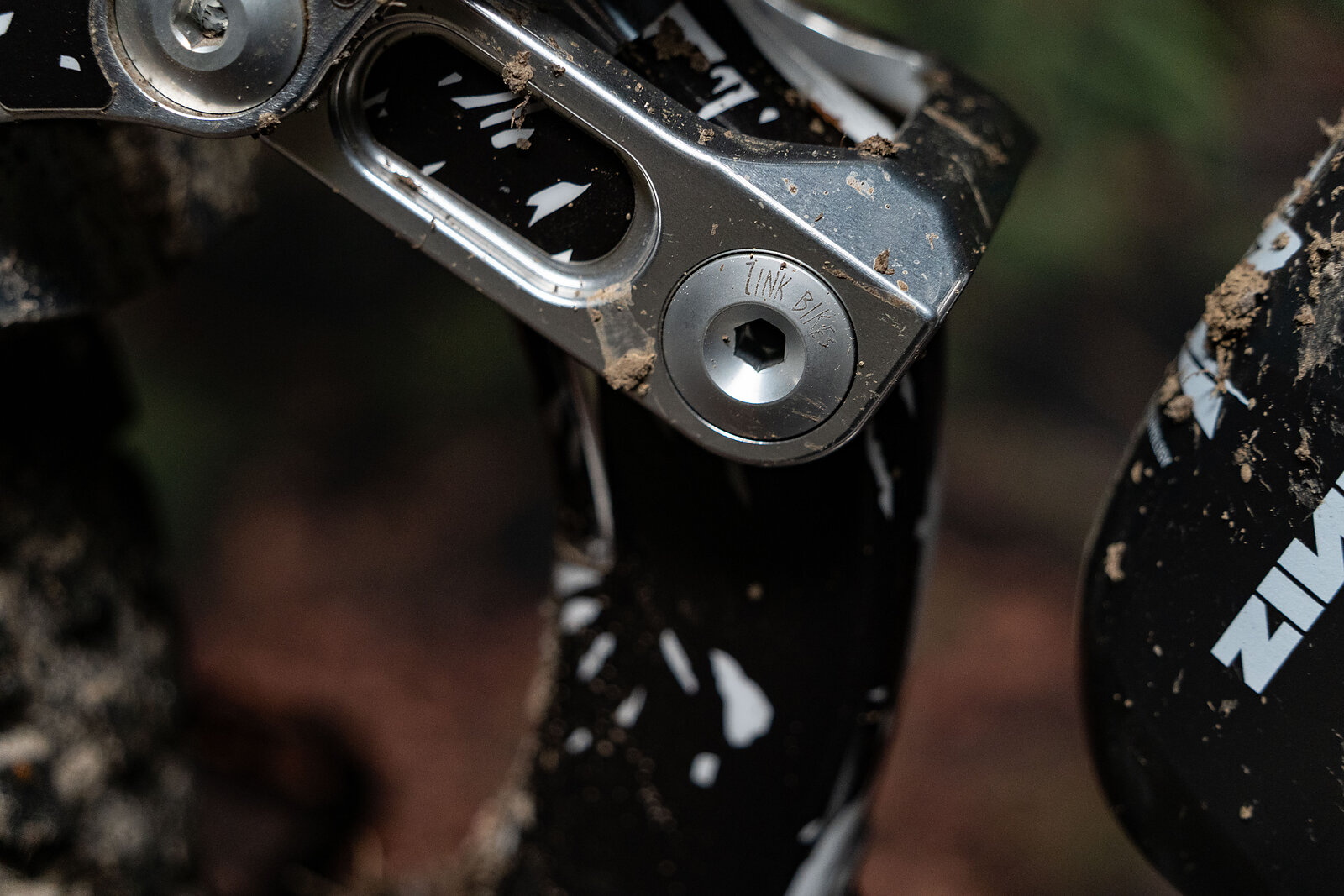
All of the bike’s details have a chunky, industrial aesthetic that jives nicely with the custom-etched hardware and details. This is a premium-feeling frame.
Zink Vacay Geometry
This is where things start to get interesting. The Vacay’s head tube angle covers the “normal” spectrum for trail bikes, as does the 476 millimeter reach. But the chainstays are an absurdly short 420 millimeters (don’t even think about trying to fit a 29” rear wheel), and the effective seat tube angle is a very steep 77.8-79° depending on flip chip position. The BB drop is also fairly large, at 23-37 millimeters.
The end result is a really unique feeling bike. It feels predictably short, but not “unstable” in the way you might expect, in part, I think, because thanks to the low BB and relatively high stack, you have a very strong, centered, “standing in the middle of the bike” stance. We’ll get into how that plays out on the trail later.
Zink Vacay Build
I received just a frame from Zink, and supplied all my own components. So I’ll cover the highlights: The 230x65 Fox DHX2 has been a solid performer. I’m still a huge fan of the 160 millimeter Manitou Mezzer. Its dual positive air chambers made it easy to dial in a fork feel that was balanced with the rather unique rear end. Hayes Dominion brakes are still hard to beat for easy-to-actuate power and precision. I’ll have (lots) more to say about the Madrone Jab derailleur, mated to a 10-52T SRAM drivetrain, but for now, it shifts as nice as it looks, and it looks really nice.
I went with a 40 millimeter stem, and 50 millimeter rise bars, which is my default setup on personal bikes. Sensus sent along a bunch of grips and a set of Crue pedals, and I’ve been really impressed with both. I’ve defaulted to wire-on Renthal grips on personal bikes, but the Swayze might just be my new favorite lock-on.
Finally, I started out with mismatched tires (pictured), before Maxxis set me up with a classic Assegai/DHRII combo in MaxxGrip compound and DoubleDown casing.
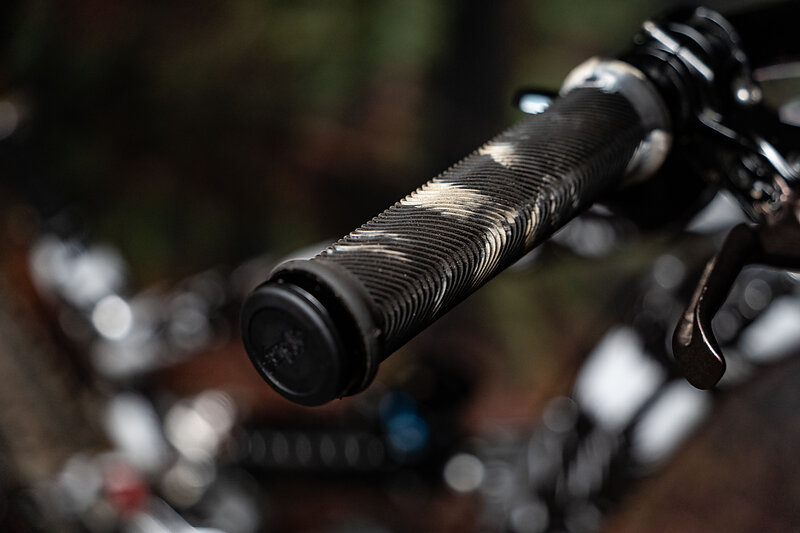
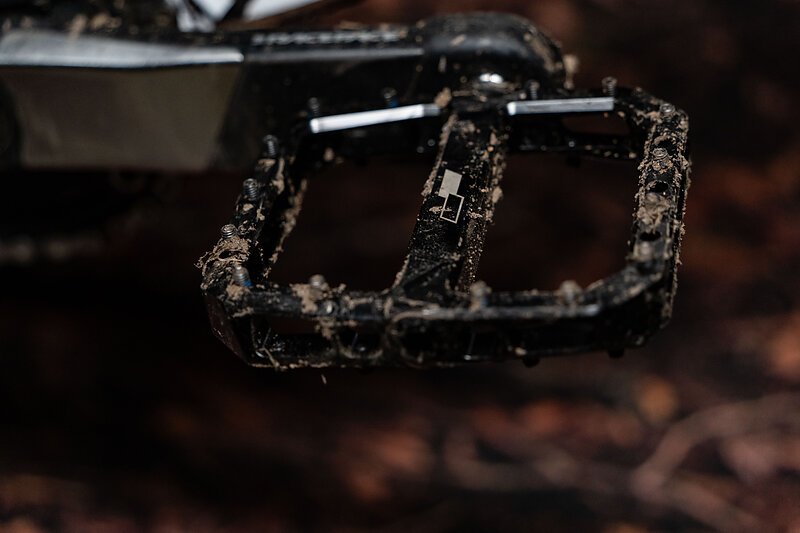
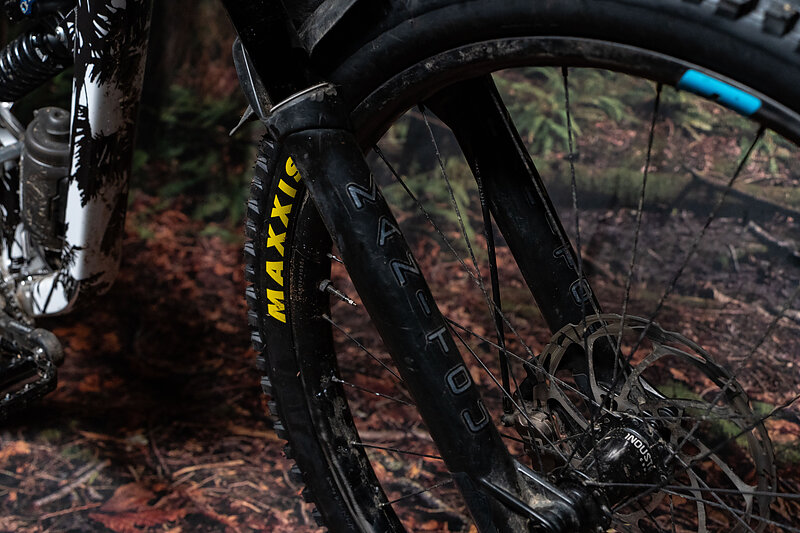
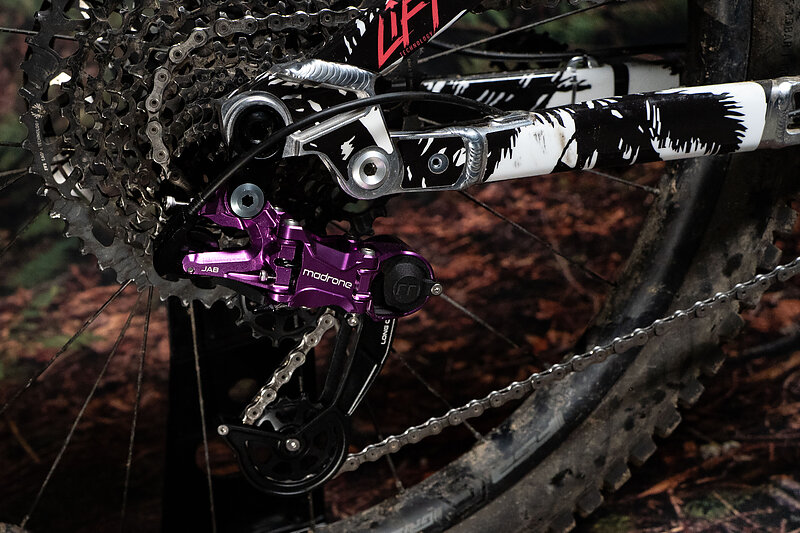
Riding the Zink Vacay
I tried the Vacay in both high and low modes, before ultimately settling on the middle flip chip. The high mode is good, but it loses some of the “this is a sick toy” feeling that makes the Vacay special, and the low mode is so low that I’d want to run 160 millimeter cranks, and stick to flow trails to avoid pedal strikes.
Out the gate, the Vacay pedals better than I expected it to. No, it is not bob-free, but given that its target audience mostly pushes their bikes back up the jumps, it’s more than adequate. I found myself using the climb switch on pavement climbs, but even so, the Vacay has similar-feeling climbing efficiency to the latest Evil Offering. On paper at least, the Vacay has a very steep seat tube angle, and I was grateful for it. The chainstays are so dang short that I felt precariously close to wheelying out on steep sections, and that seat tube helped me keep my weight forward over the front wheel. Once I figured out the body position, the Vacay was fun to push through tight, techy sections of trail, although the BB feels very low, and I had a fair number of pedal strikes.
But going uphill is not the point of the Vacay. How does it jump!? Really well, if you have good body language and jump fundamentals. In my review of the Offering I talked about how, even if you don’t load the bike well, and mistime your pop, it’s still really easy to get into the air. I think that’s why a lot of riders (especially some folks who don’t have good jump fundamentals) find it to be so playful. And the Zink is sort of the opposite. It doesn’t have super “poppy” kinematics. Instead, it has a quite progressive and supportive suspension layout, and very playful geometry. The result is a bike that keeps you honest, and rewards good fundamentals in a delightful way. The harder you push into the lip and nail your pop, the better this bike feels in the air. It feels almost like you’re standing on the rear axle, and if you collapse off the lip, you’ll pay the price, but if you stand up into it, the bike feels so powerful and responsive. I think the Zink is geometrically poppy and playful while being kinematically solid and predictable. Similarly, the Vacay is very easy to pull into a manual, and begs to be pumped and stuffed into every corner and depression on the trail.
That’s combined with a very “damp” feeling frame. It’s not harsh, or aggressively stiff, but it does feel very planted. There’s no extra flex or play, and the suspension isn’t notably “sensitive.” A few years ago, a bike designer described predictability to me in terms of playing catch. An unpredictable bike is like a badminton birdy, buffeted by the breezes and hard to catch. A predictable bike is like a tennis ball, much easier to anticipate. And the Zink is a solid rubber lacrosse ball. So predictable, so damp, even though its geometry would suggest otherwise.
At higher speeds, on more technical trails, that’s especially true. It doesn’t feel like the Zink’s rear end is doing all the work, “eating” the chunder and allowing you to plow. It just doesn’t feel that reactive. And the Vacay’s geometry isn’t doing much to help either, it doesn’t have traditional “chassis stability.” But even so, it’s quite easy to stand in the center of the Vacay and make it go wherever it needs to go. It took a couple of rides to adjust to its balance points, but once I did, I found it easy to push the bike into bigger moves and steep terrain. It’s similar to snowblading in spring snow. On the surface it looks harder than riding traditional skis, but once you figure out how to use the extra maneuverability to your advantage, you can push things.
The Vacay is really rewarding to push into bigger moves and steeper trails. It feels like a toy, a really solid, really predictable toy. So you approach the trail with a different attitude, and focus on precision and good fundamentals over a “plow through stuff” mentality, and it pays off in spades. On paper, the Vacay has a lot in common with the Specialized Status 140, but, while I haven’t spent much time on the Status, my brief impression is that it’s a much more “traditional” feeling trail bike.
I found myself reaching for the Vacay even when jumps and flow weren’t on the menu, not because it was the “most versatile” bike in the garage, but instead, because it was the most specific feeling, and I jived really well with that specificity. It sometimes feels like modern trail bikes are the product of a bunch of averages, trying to account for the average rider, on the average trail, riding the average pace. There’s nothing wrong with that, but the Zink pushed me to ride a little more intentionally, push myself out of my comfort zone, and examine what I really want out of a mountain bike.
That’s what prompted my late night gushing after my first ride. This bike is so different, in an interesting way, that I feel like I’ve learned more about riding and reviewing bikes from it than most other frames I’ve spent time on in the last year. Of course, that’s not to say that everyone will have the same experience. So who is the Vacay’s target audience?
Who is the Zink Vacay for?
I think the vast majority of the Vacay’s customer base doesn’t care about reviews. The kids learning new tricks at your local jumps are buying a bike based on what the local rippers recommend, what they can afford, and what seems like it will hold up to their specific brand of sending. I can’t ride like the baggy jeans crowd, and honestly, they don’t need my recommendation to make up their minds.
But, there’s a second, more aspirational set of potential customers for this bike. Let’s call them the “aging freeride dad.” And, for this set, I do have some advice: Do it! I dare you! I know you don’t ride as hard as you used to. I know your days of big jumps and learning new tricks might be behind you. But you’ve still got that freeride spark alive somewhere inside you. You still want to ride like a hooligan, instead of slotting neatly into the Trail Clone mentality. You want to want a Vacay, even though you know you’d probably be happier on a Stumpjumper. I know how you feel because I am you, (minus the kids). And what most stood out to me about the Vacay is how well it can fill that “do-it-all” hole in your life.
If you told me that I could only ride the Vacay for a year, I wouldn’t cry, and it wouldn’t drastically change my trail diet. I’d still ride the mix of blue-double black tech and flow trails that I already do. I’d still pedal big human-powered days. I wouldn’t feel obligated to just session jumps and film vertical clips for the ‘gram. Yes, I’d ride with a pack more, since the Vacay can’t carry that much water, but otherwise, it does an admirable job of adapting to whatever trail, and whatever ride you have in mind. It won’t be the “most efficient, most optimized, most all-mountain” bike you could buy. But it will feel like a toy, and make you smile every time you ride. And that’s sort of the point, isn’t it?
For now
On the surface the Vacay is a very niche bike, for a very niche set of riders, most of whom are already sponsored. But once you get to know it, the Vacay is surprisingly versatile, and most importantly, a whole bunch of fun.
Learn more: Zink Bikes