Canyon Lux Trail Less XC, more trail.
Canyon’s previous version of the Lux Trail was a bit of a conundrum of a bike. It was, ostensibly, a capable cross-country or light trail bike, but it was “more XC” than many of its competitors, and it came with two frustrating details: flat mount brakes, and headset cable routing that immediately disqualified it for many riders. So now Canyon is back with the latest version of the Lux Trail, and it’s got more travel, more normal standards, and much better cable routing while still being quite light and efficient. So where does this new bike stack up on the spectrum of cross-country whippet to brawler in short-travel clothing?
Canyon Lux Trail Details
- Travel: 125 mm (rear) 140 mm (front)
- Wheel Size: 29”
- Size Tested: Large
- Build Tested: CF 9
- Head Tube Angle: 64.8°
- Weight: 25.93 lbs, 11.76 kg
- MSRP: $6,999
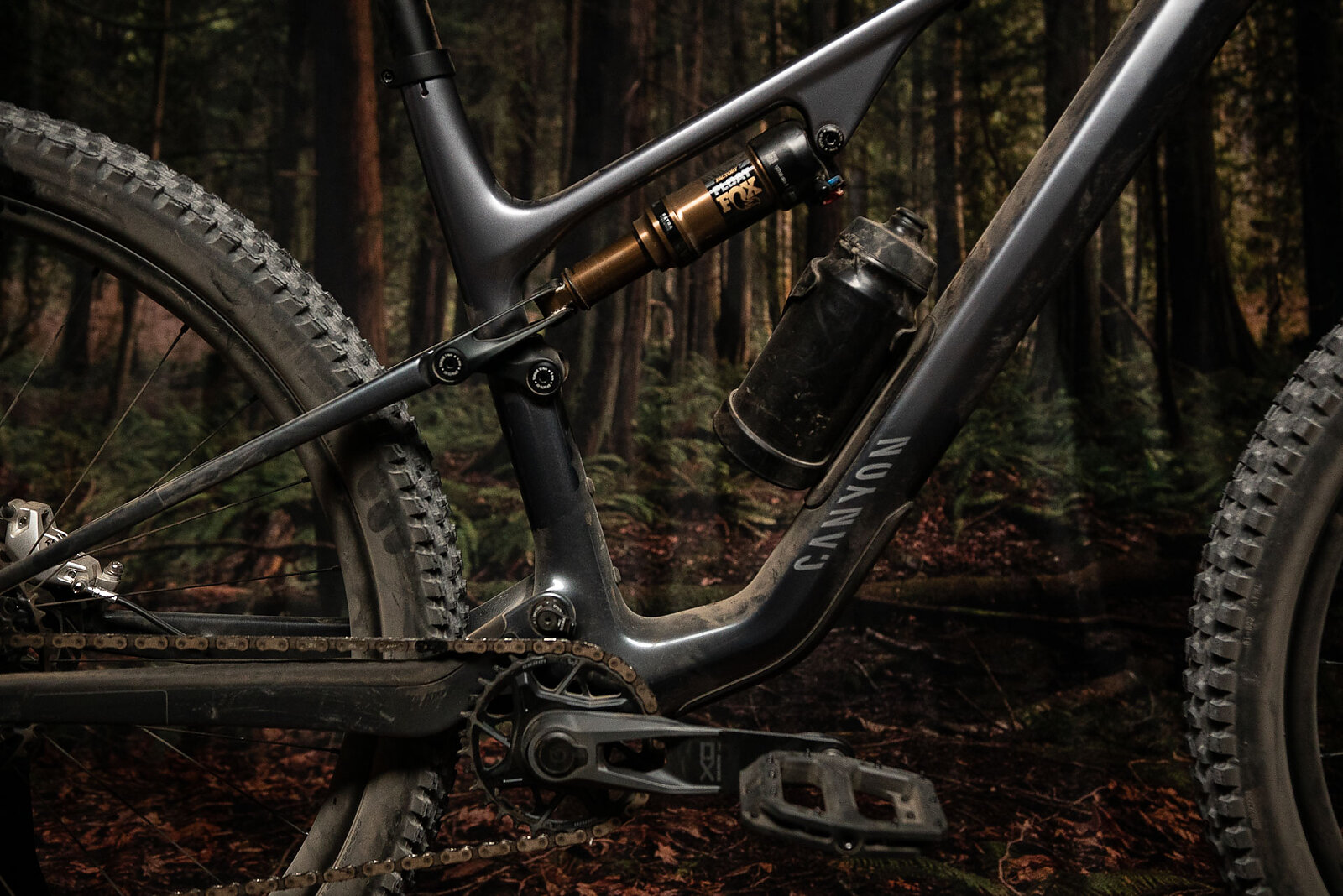
Canyon Lux Trail Origins
Over the past few years, Canyon has had a somewhat crowded short-travel trail space. The old 120/115 millimeter Lux Trail competed with the Neron CF (140/130 millimeters) and the Spectral 125 (125/140 millimeters). If you wanted more than a cross-country bike, but less than a trail bike, you were left with way too many options. So the new Lux Trail ostensibly takes all the best traits from those bikes, and combines them in a 125/140 millimeter flex stay package. It’s still super light, but it’s more capable than the old Lux Trail, with more normal standards and features, and less of a race focus than the Lux World Cup.
Lux Trail Frame Details
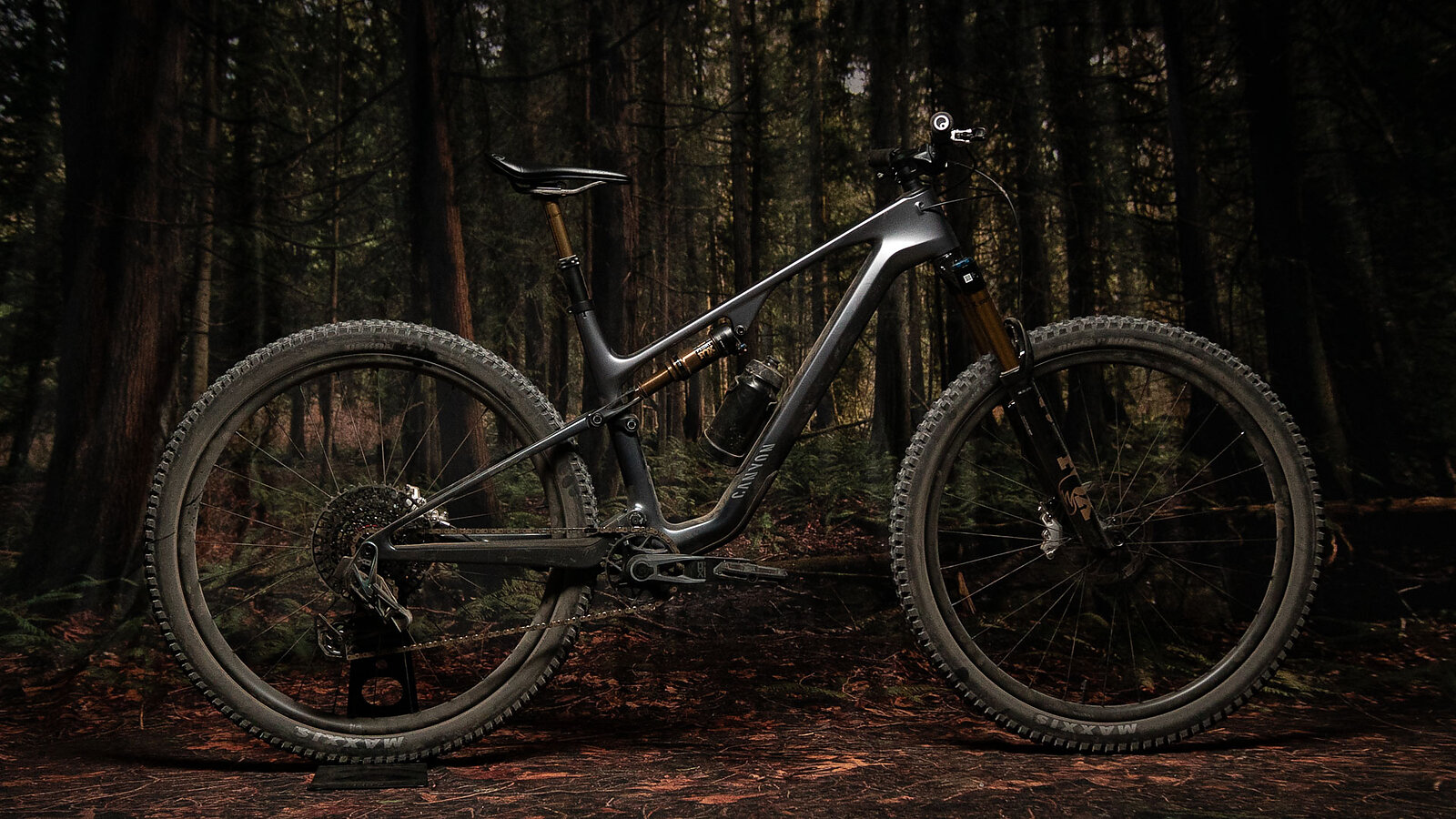
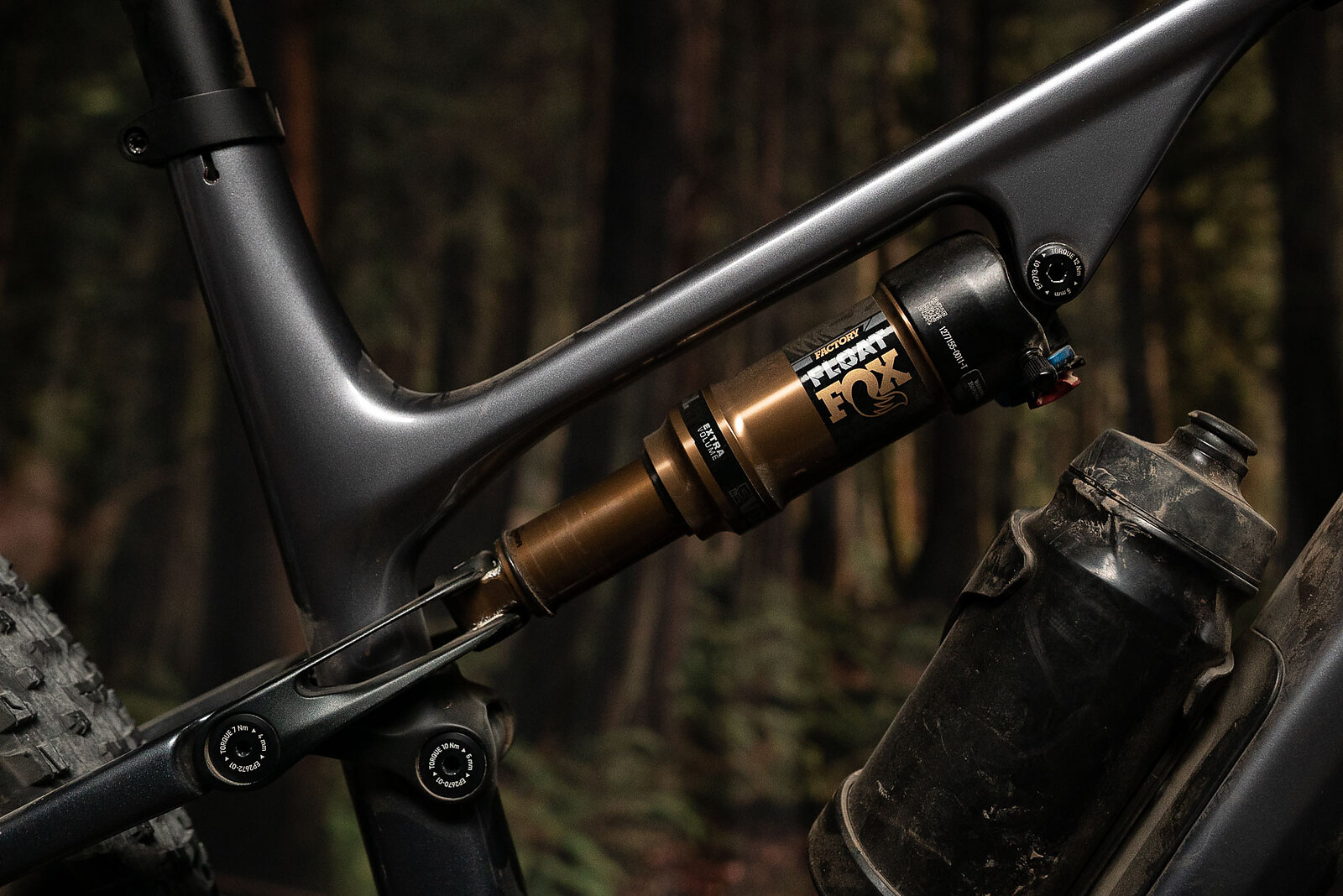
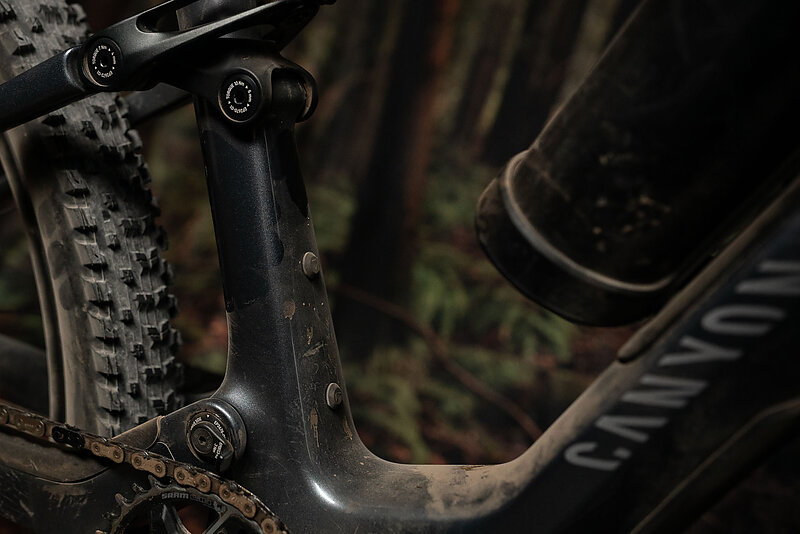
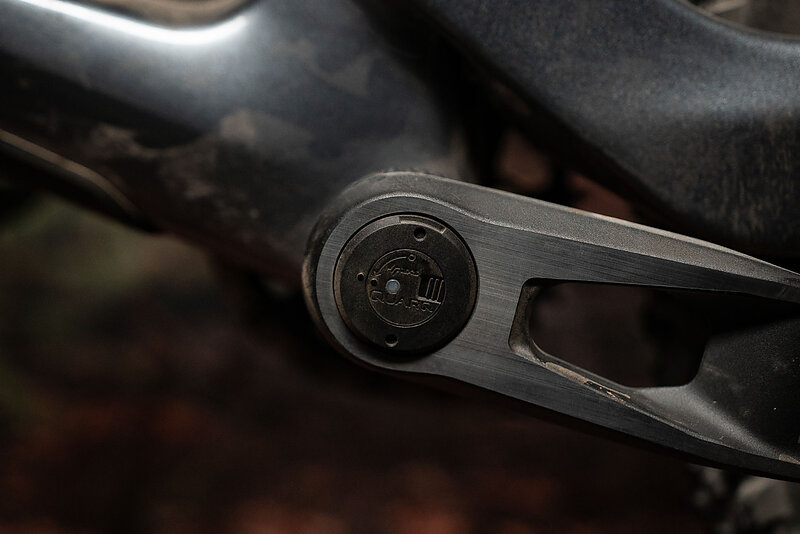
There’s a bit of a recipe for light trail bikes these days, and the Lux Trail follows it. Flex stays and a top tube mounted shock mean there’s room for two water bottles in the front triangle, along with in-frame storage, that comes complete with Canyon’s integrated multitool. There are no flip chips or adjustment options, but you do get an absurd amount of seat post insertion depth thanks to that straight seat tube. Up front, there’s Canyon’s integrated Impact Protection Unit which keeps the bars from swinging all the way around. This is an interesting addition, because the frame doesn’t actually need it. It’s got plenty of clearance for the fork’s knobs under the downtube, and you’d have to be running a seriously slammed cockpit to have to worry about top tube/lever interference. Canyon says it’s something the European market wants though, and that it makes it easier to lean the bike up against things.
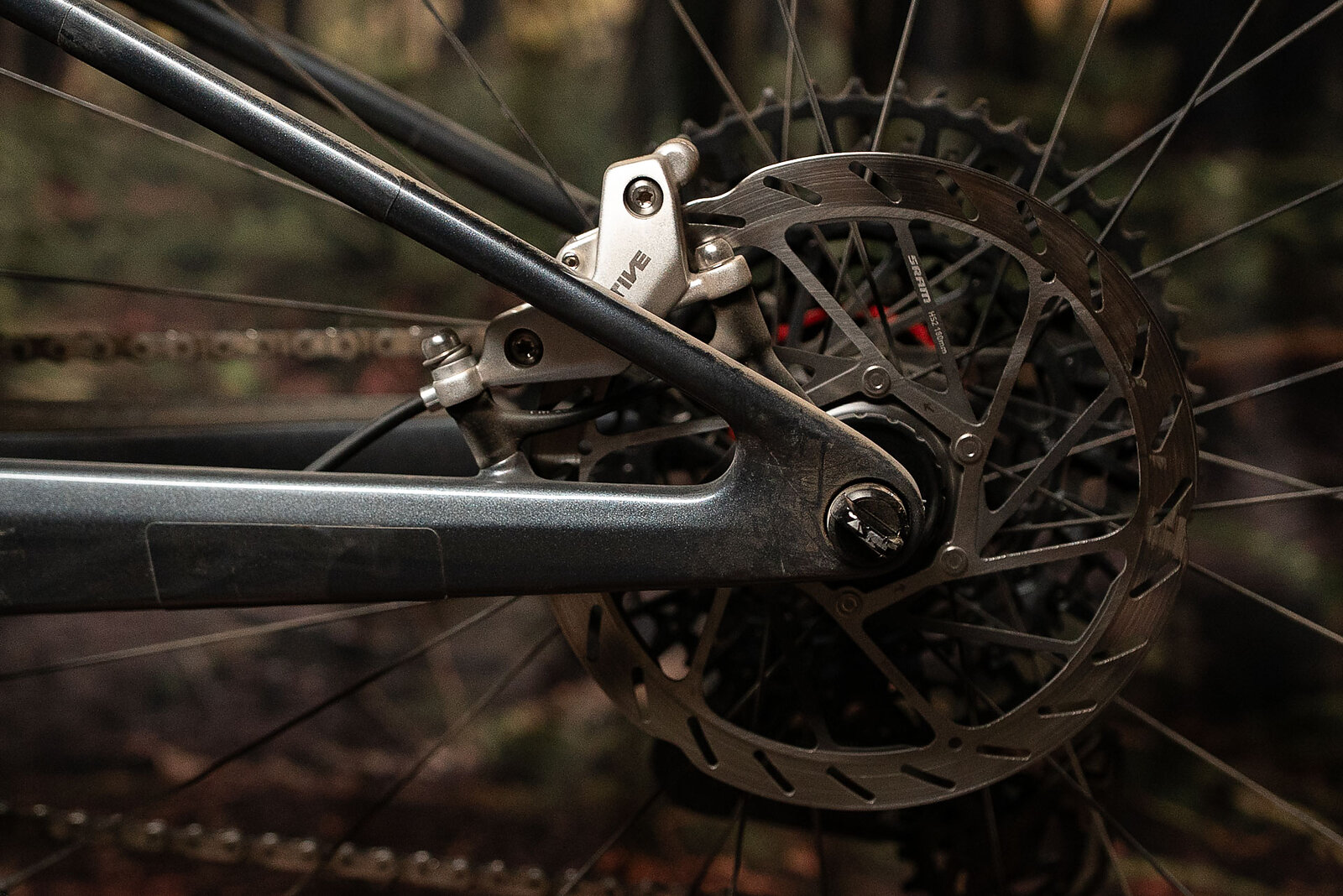
Out back the Lux Trail has a coaxially-mounted brake mount. This accepts post-mount calipers (thank heavens) but you do have to remove the brake from the mount to swap pads since the retaining bolt is blocked by the seatstay.
Other than that detail, and the somewhat silly Impact Protection Unit the Lux Trail is a significant step up from the previous version in terms of livability, and I think most riders will get along with it just fine.
Lux Trail Geometry
Canyon’s geometry philosophy is fractured and frustrating and feels like a major misstep, especially for a direct-to-consumer brand. The Spectral, Canyon’s award-winning default trail bike, ostensibly the Canyon that most people should ride most places, features a wildly different sizing philosophy than every other bike in the line. There is absolutely no world in which I, at 6’2” tall, should be stoked to ride a size medium, but that’s the way the cookie crumbles. That’s especially egregious given that there aren’t local Canyon dealers, so it’s hard to try to size before you buy.
Luckily, but inconsistently, the Lux Trail has a much more normal sizing philosophy, and here I’m happy to ride a large with its 470-millimeter reach, 616-millimeter stack, 64.8° head tube angle and 440-millimeter seatstays. The most notable number there is the head tube angle, which is 2.2° slacker than the last version. The Lux Trail’s geometry falls a little closer to the “racy” end of the spectrum than the new Santa Cruz Tallboy, but it’s still definitely a trail bike, not a cross-country race whippet.
Lux Trail Build
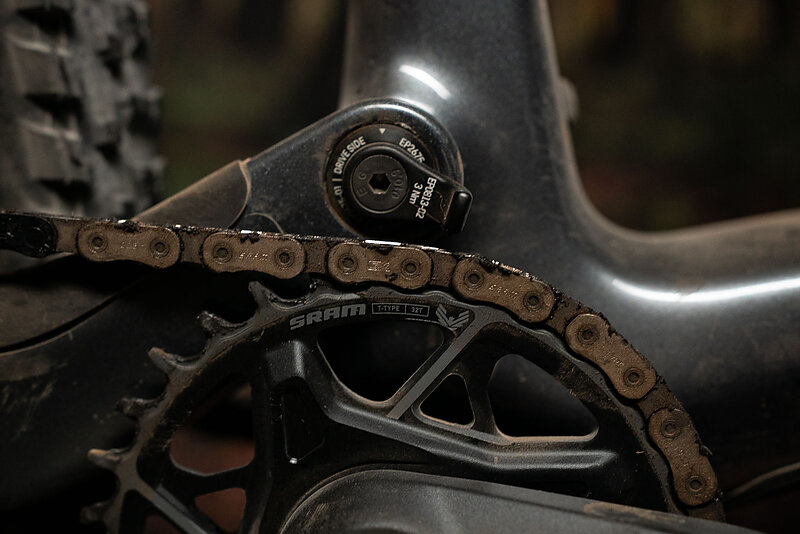
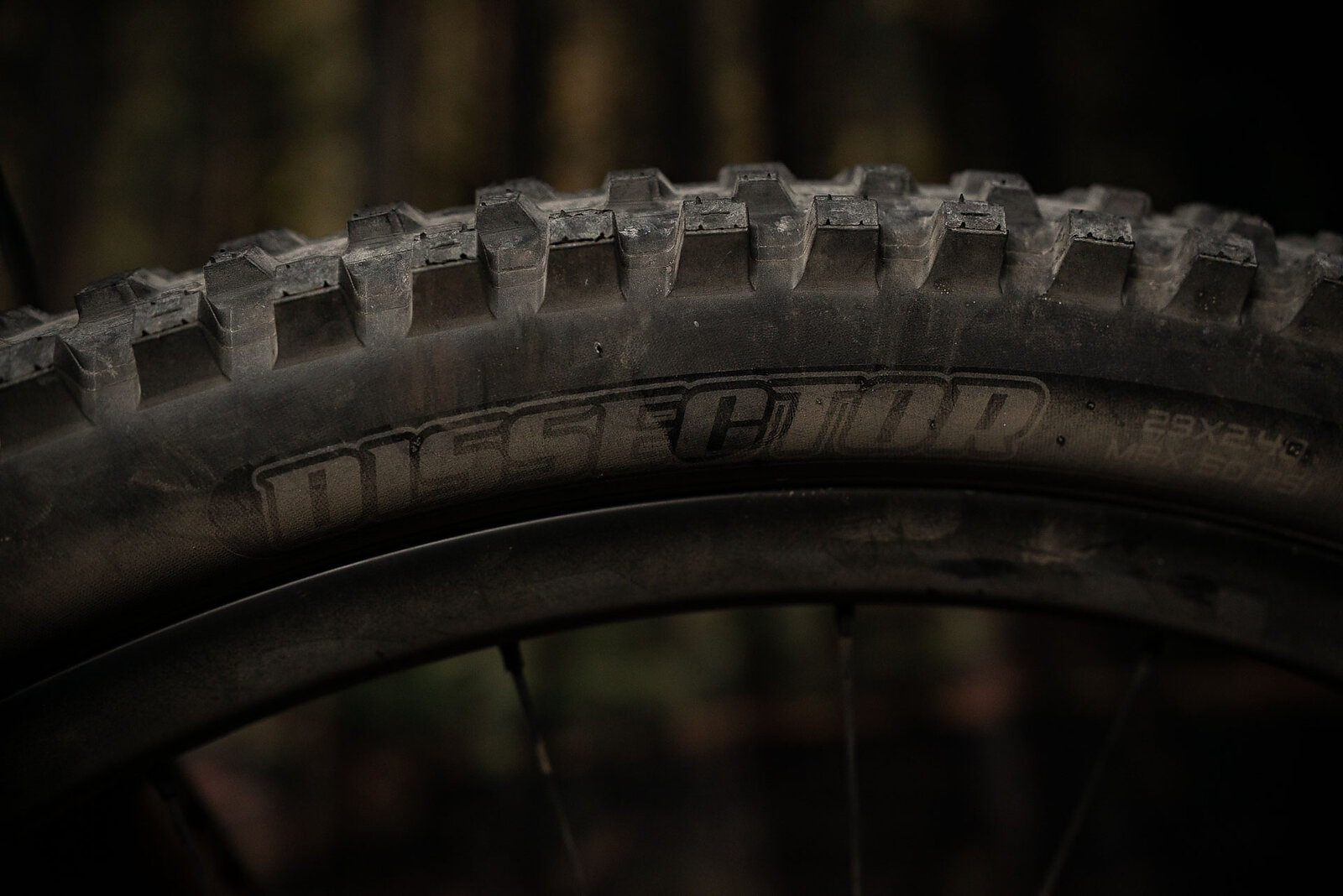
The Lux Trail’s build is a somewhat perplexing mix of more-capable-than-you’d-expect and pretty-dang-cross-country. Let’s start on the highlights: Maxxis’ Dissector front and Rekon rear tires are one of the more capable combinations for bikes in this class. The XO Transmission drivetrain is still excellent, as are the Canyon-branded DT Swiss XC 30 CF wheels. The Motive brakes are still the “right” choice for this bike and the HS2 rotors are good, but I wish they came with metallic pads.
Fox’s 36 SL is a good match for the Lux Trail, compared to the RockShox Pike it’s 100 grams lighter but, to me at least, feels less composed at speed and less consistently damped. The Fox Transfer dropper works well, although I’d probably swap in something longer on a personal bike.
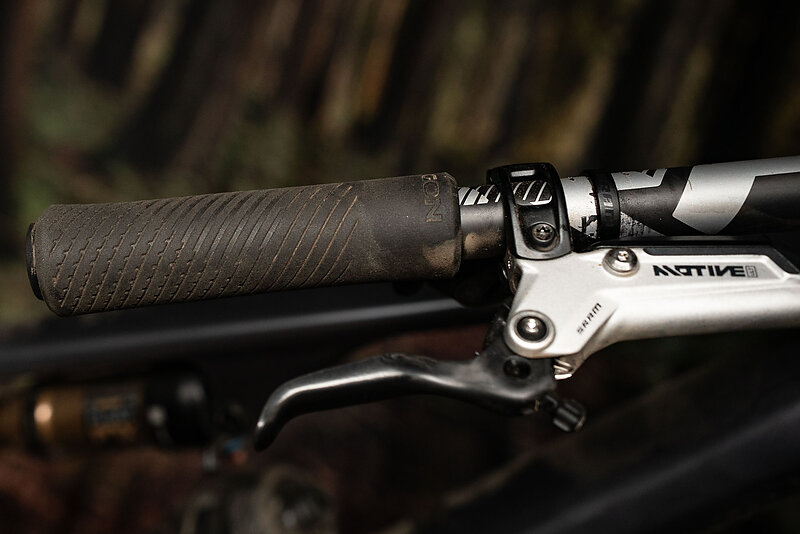
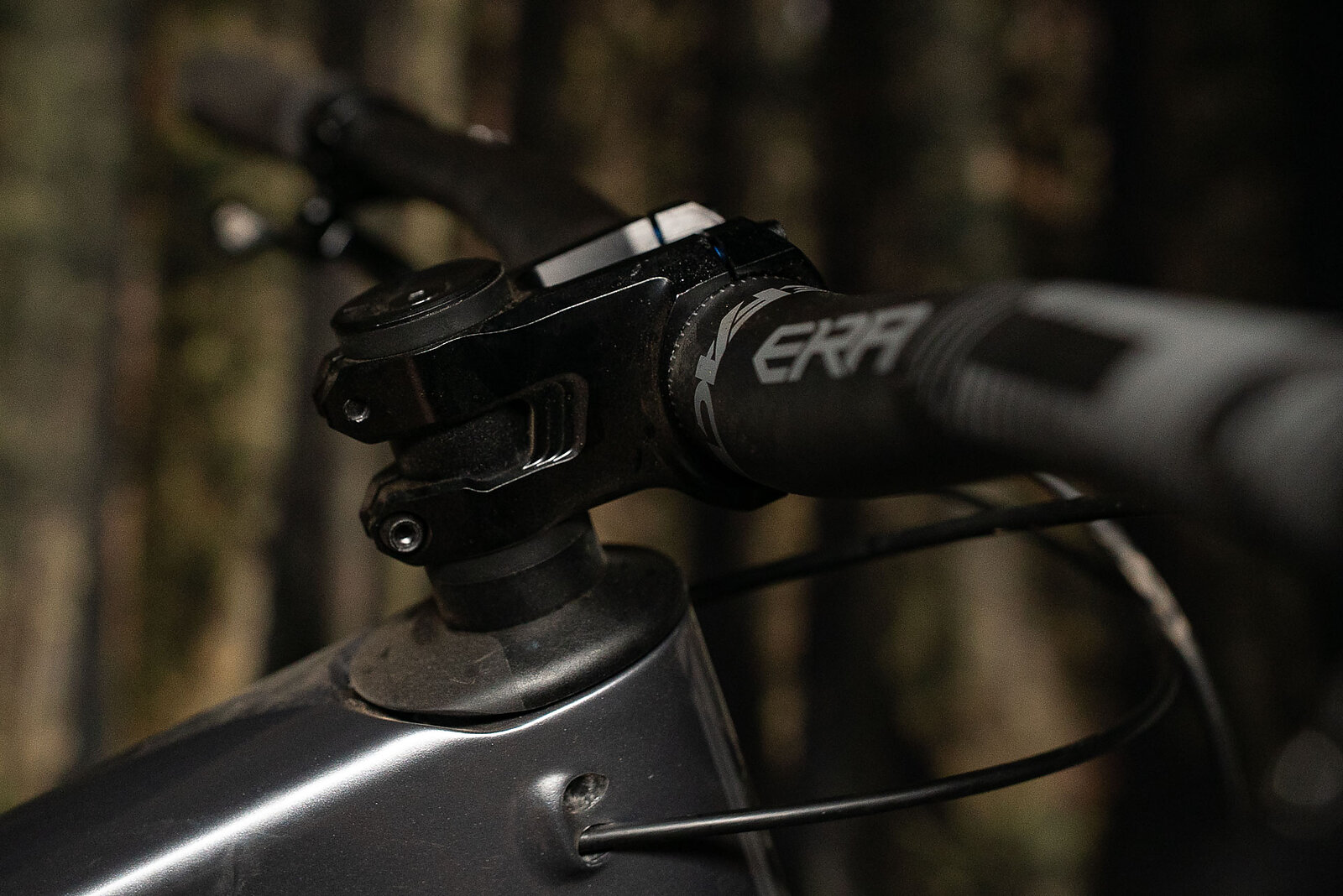
The one choice that I did find frustrating was the Lux Trail’s cockpit. It comes stock with a RaceFace Turbine SL stem, in the dropped position, combined with a low-rise, narrow RaceFace bar, and Canyon push-on grips. It’s not a “bad” combination, but it’s really XC, especially compared to bikes like the Tallboy. I immediately flipped the stem to get some stack height back, and eventually went to a 50-millimeter riser bar. The frustrating part is that when you combine push-on grips with a discrete AXS Pod shift mount, you can’t get the shifter mount off the bar without pulling the grips too. The easy answer here is to either spec the bike with lock-on grips, or with a SRAM MMX clamp.
Riding the Lux Trail
Out of the gate the Lux Trail is light as all hell and super sprightly. Unsurprisingly, that means it goes uphill quite well. Sure, you can lock out the rear end, but why bother? The Lux Trail loves going uphill and across the hill. It’s efficient, energetic, inspiring—all the superlatives. It’s one of those bikes that leaves me absolutely gassed after every climb because it goes uphill so nicely that it pushes me to give every effort my all. I love bikes like this; their efficiency inspires me to bigger pushes in a delightful and exhausting self-fulfilling cycle.
That said, the Lux Trail’s default climbing body position is aggressive. Compared to the Trek Top Fuel and Santa Cruz Tallboy, I felt more hunched over the front wheel than I have in recent memory. This led to some back pain, which I rectified with the taller cockpit combo. The stock RaceFace flippable stem is a great choice here, since you can mess with stack height without buying anything.
Going downhill, the Lux Trail again feels very light and responsive, in both positive and negative ways. First, the good: this bike is so easy to flick and move around, you can change lines by barely even thinking about it. But the less good is that it also feels like the trail can flick and move around the bike more than some others in this class, and I sometimes had difficulty holding a line. Despite its slack-for-cross-country head tube angle, this is far from the most stable and composed 130ish-millimeter bike I’ve ridden. I think a lot of that is due to the rear suspension performance. It doesn’t feel as supple, supported, and just plain consistent and reliable as either the Top Fuel or especially the Tallboy. On both of those bikes I immediately felt compelled to step up to higher speeds, more technical trails, and bigger moves, where the Lux urges me to maybe chill out and remember I’m on a little bike. Of course, on the way up, it's faster and more efficient, and caters to a more urgent rider.
All that means the Lux Trail stays in its lane. If you want to get rowdy, get a Spectral, but the Lux Trail isn’t impinging on that bike’s turf at all. That’s an interesting contrast, because the Lux Trail has meatier tires than I’ve been running on the Top Fuel or the Tallboy. Even with those more aggressive tires though, the combination of 36SL and flex stay rear end don’t leave me feeling as confident and planted. The Tallboy especially is absurdly capable. I’d feel confident riding it down just about any trail in Bellingham, whereas on the Lux Trail I’m sticking to mellower Galbraith options. That shouldn’t be terribly surprising though, given that the Tallboy is about 3.5 pounds heavier than the Lux Trail, with a similar build, but still, I expected the gap to be narrower, and I don’t think I could just add burlier components to a Lux Trail to make it descend like a Tallboy.
So where does that leave the Lux Trail? If I wanted to race XC most weekends, but on a bike that didn’t suck on trail rides, the Lux Trail would be a compelling option. Similarly, if I was focused on chasing big miles on mellower trails, the Lux Trail is one of the lighter and more efficient options I’ve ridden, and the ability to carry two bottles is a huge bonus. No, it’s not the most capable bike in this class, but it’s affordable, practical, and plenty efficient for most folks.
For Now
Canyon’s new Lux Trail is a big upgrade over the previous version both in capability and livability. That means it’s now a proper, modern, light trail bike. And, given Canyon’s impressive pricing and value proposition I think it will make a bunch of folks who aren’t quite ready to commit to a full-on cross-country race bike but want as much of that efficiency as they can get in a slightly less demanding platform very happy.
Learn more: Canyon