Under Cover Singletrack Relief in Philadelphia's Parks
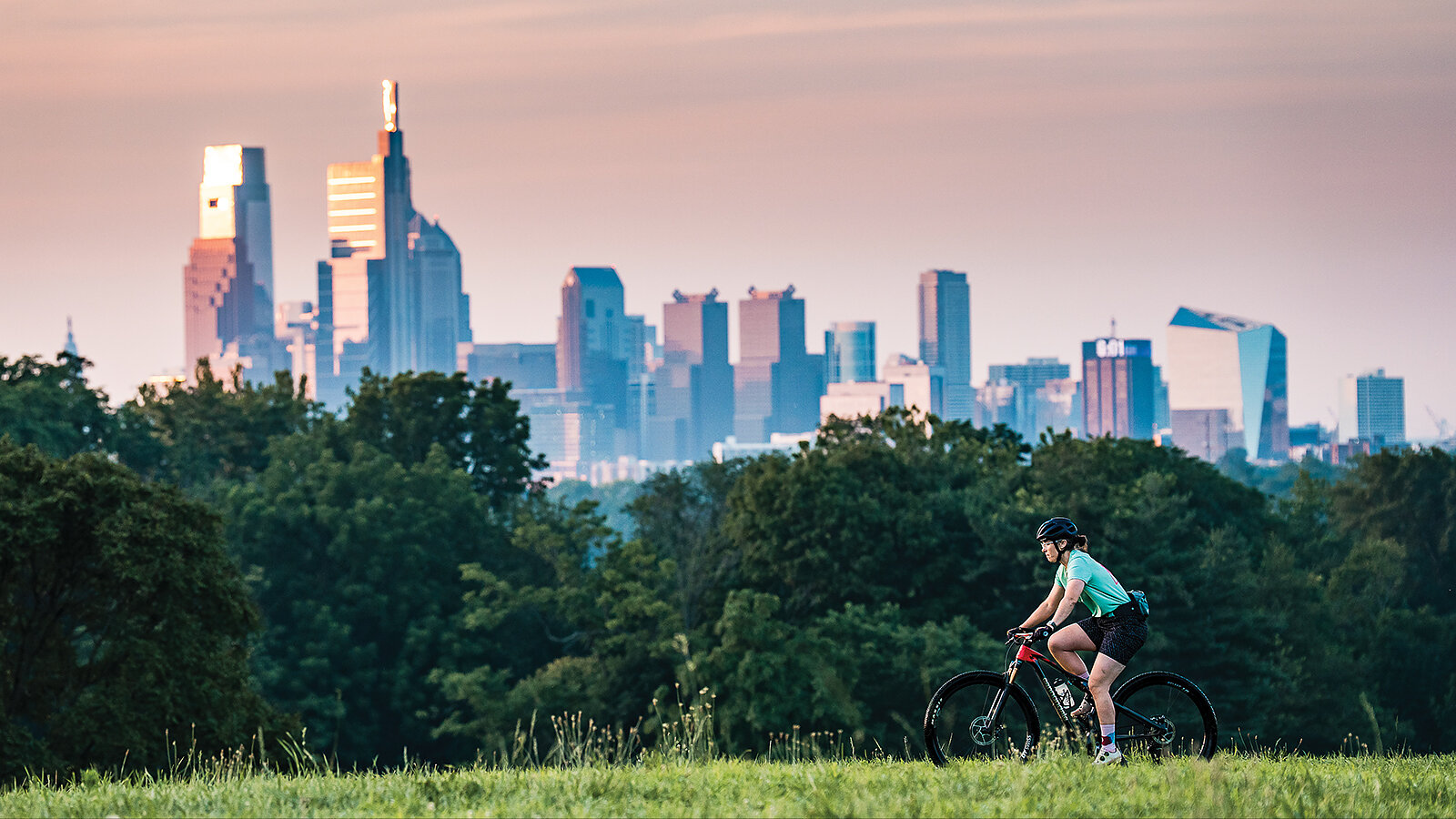
Beneath a canopy of oak and maple trees, it is easy to forget that we are smack dab in the middle of a city of 1.5 million residents. The dense woodlands hush the chaos of Center City and Interstate 76. Philadelphia may not top a trendy list of outdoorsy towns to live in but the City of Brotherly Love offers escapes for those who know where to look.
Everything from mountain biking, trail running, fishing, rock climbing, and even horseback riding is there to enjoy within the city’s parks. A distant volley of fireworks breaks through the silence reminding us that it is the Fourth of July holiday weekend, but the calm of the forest is palpable. The breeze drifts through the branches, and all is seemingly serene as Kelly Roberson and I wait for her friend Quinn McGunnigle inside Wissahickon Valley Park. At a little more than 2,000 acres, the woodlands surrounding Wissahickon Creek are home to some of Philadelphia’s more progressive singletrack. The steep slopes of the creek gorge have provided a palette for Philadelphia’s more ambitious trailbuilders. They’ve carved paths in the dirt here since the 1990s. The “Wiss,” as it is affectionately referred to by locals, is home to more than 50 miles of trail. From walking paths to some spicy black diamond chutes, there’s a little something for everyone.
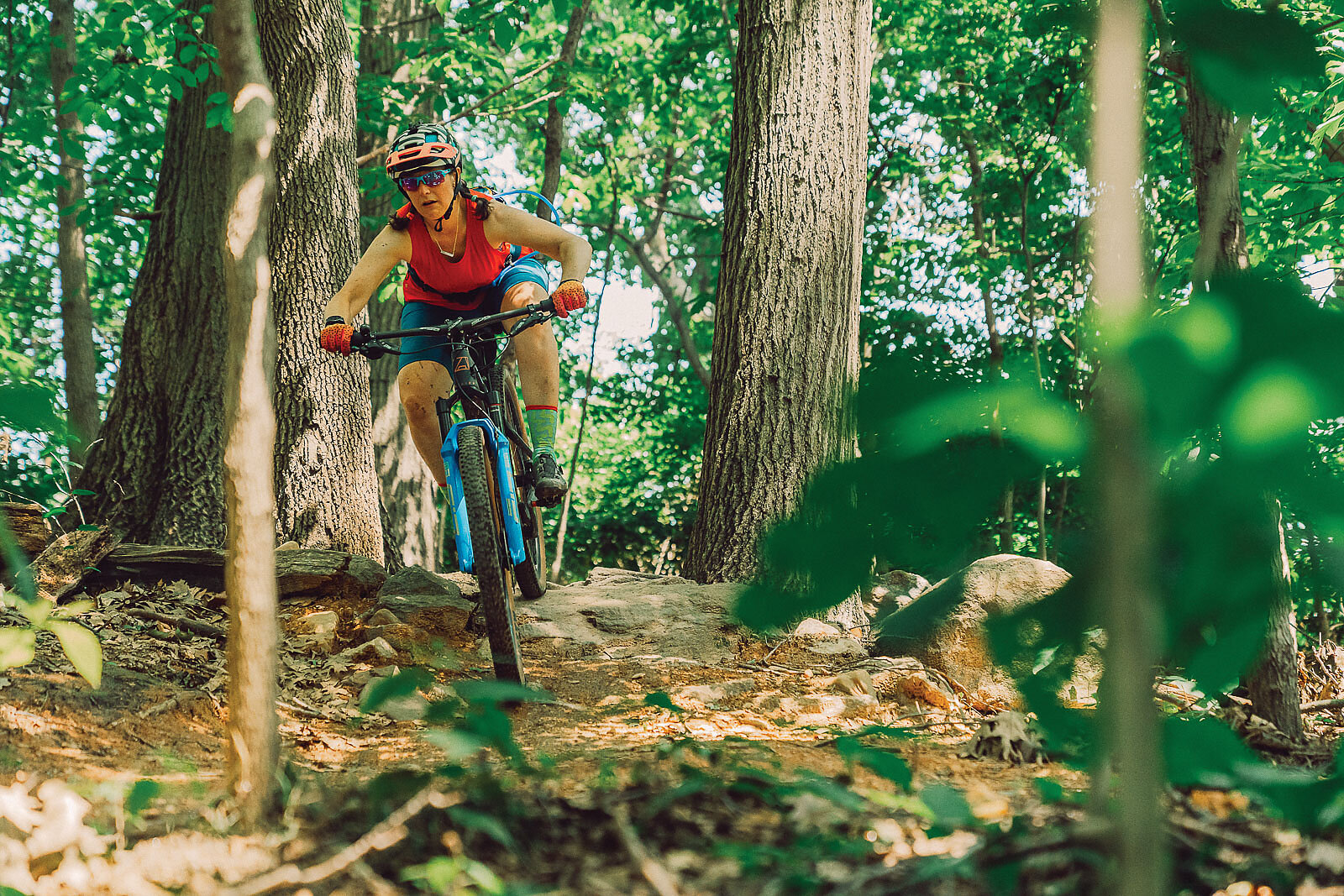
Once McGunnigle arrived, the three of us pedaled off on the northwestern side of the gorge heading north on the Yellow Trail. The park’s main singletrack network is color-coded and marked with blazes on the trees. While it lacks the personality of creatively named trails, it makes up for that in an easy-to-navigate system. The summer heat in Philadelphia can be stifling, but the park offers relief in the shade of trees and the banks of Wissahickon Creek, where hundreds have gathered at the water’s edge to celebrate the holiday weekend or, at the very least, find respite from the oppressive heat of the city’s concrete labyrinths.
Twisting and turning on the wooded slopes of the park, Roberson and McGunnigle take me on a tour of the trail offerings. The Wiss possesses the traits of a proper East Coast network, with its rocky and rooty track there’s enough tech and line choice for the hardened purist to enjoy. Punchy climbs and bench-cut trail circumnavigate the park while side hits and gravity-fed rake-and-rides offer quick and challenging lines to the creek side gravel paths. We cross under a bridge that stands more than 100 feet above the forest floor, the evening sun dapples the rocky path and the giant cement pillars. I can’t help but think what a treat this must be for the mountain bikers of Philadelphia.
“Having quick access to drop into a sneaky lunch rip or an all-day double of the Wiss and Belmont trails is truly special,” Roberson tells me as we climb back up to explore more. The Belmont is just a few miles away from Wissahickon and opens the possibility for big days on the bike and a proper urban mountain bike adventure.
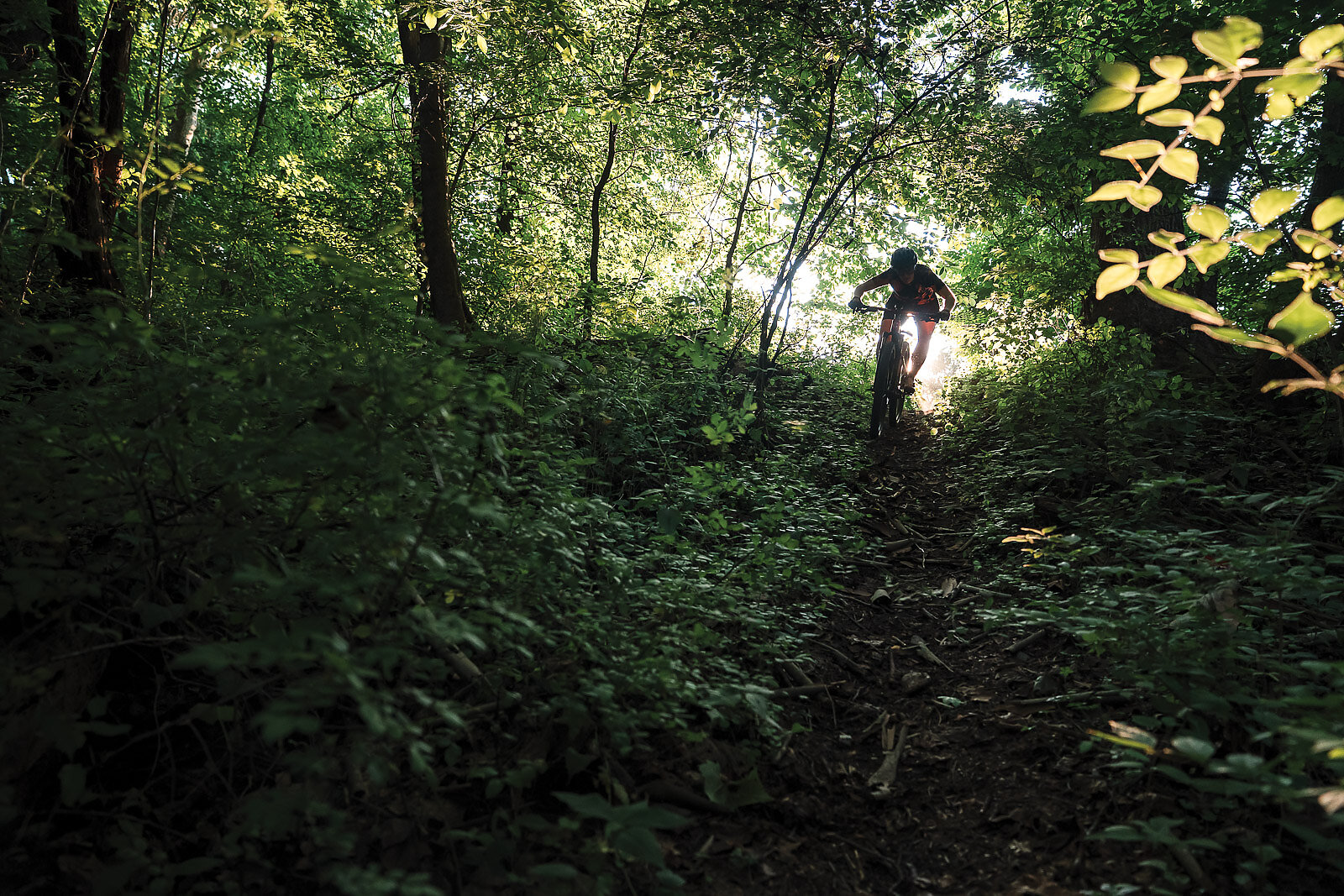
“I think people would be truly surprised to know this kind of riding exists here,” Roberson says.
As the evening begins to fade, McGunnigle takes us up Cresheim Trail—a tight and technical climb that is part of an ongoing project to connect Wissahickon Park to smaller parks via singletrack and bike paths through the city. For now, the trail offers a challenging little loop spurring off into the neighborhood of Mount Airy. We bid farewell to McGunnigle and finish off the day on the eastern slopes following the White Trail and its off-camber rooty path. After a proper tour of the Wiss, Roberson and I make plans to meet some long-time locals at the Belmont Plateau inside of Fairmount Park the following morning.
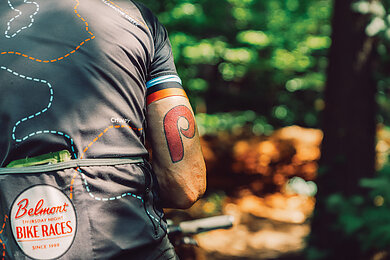
While the Wiss houses more trail and challenging terrain, the Belmont seemingly sits at the heart of the city’s riding community. Each Thursday for the past 30-plus years of the warmer months—weather pending—the Belmont has hosted cross-country races. The course changes slightly week to week, there’s no entry fee, and there are no official winners with only bragging rights on the line. Mark Elsasser has been coming to the Belmont since he was a teenager and has helped establish the park as a destination for Philly’s mountain bike community.
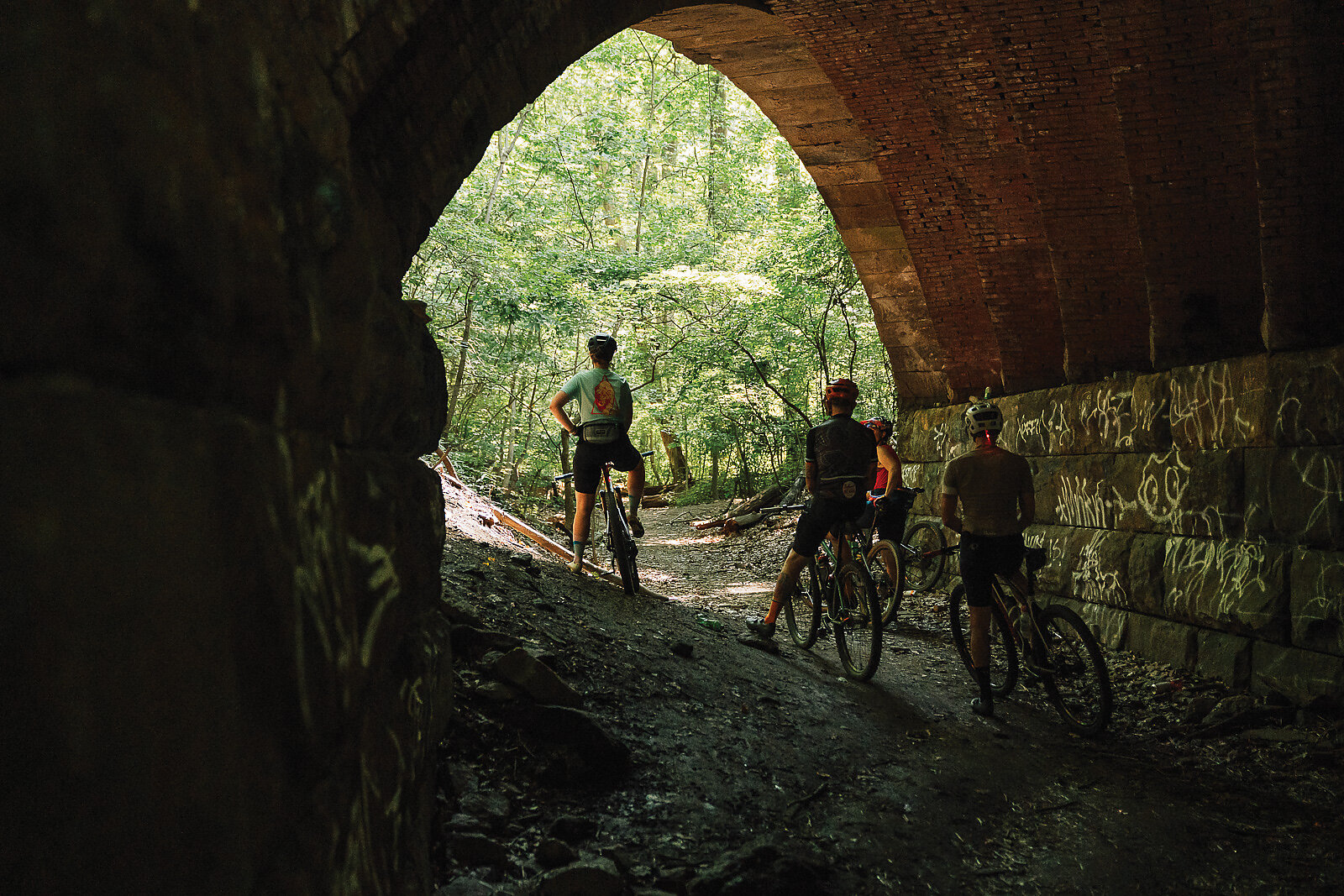
Elsasser, along with Jude Vilan and Elisabeth Reinkordt greet us at one of Belmont’s walking paths. The five of us head out on the Belmont’s Trolley Trail, a twisty ribbon of singletrack that circumnavigates the park following a now-gone, centuries-old trolley track. While the tracks are gone, stone structures and tunnels remain as relics of a bygone era. As we roll along Elsasser yells back: “Hopefully we’ll see Walt!”
"I think people would be truly surprised to know this kind of riding exists here." —Kelly Roberson
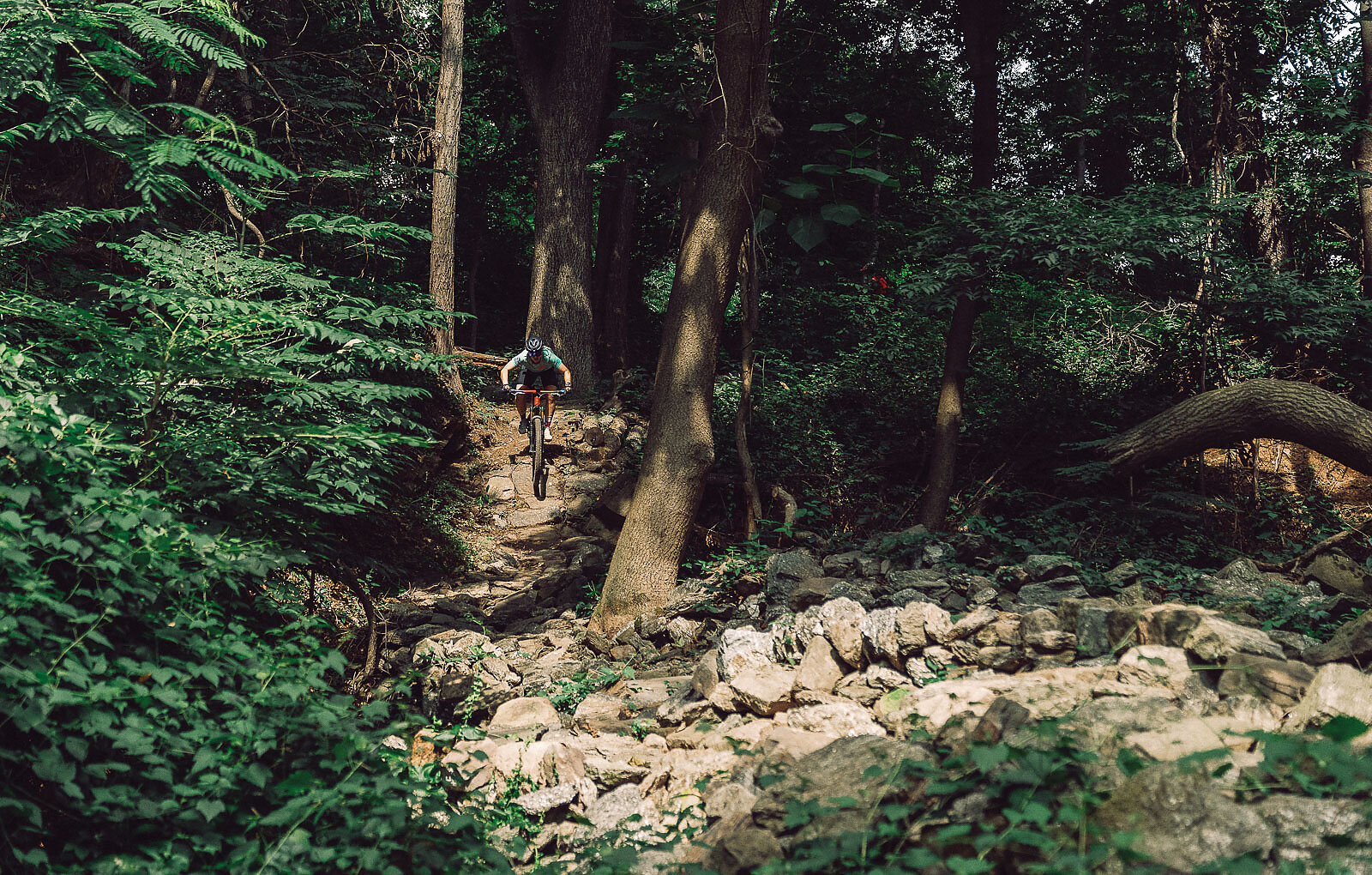
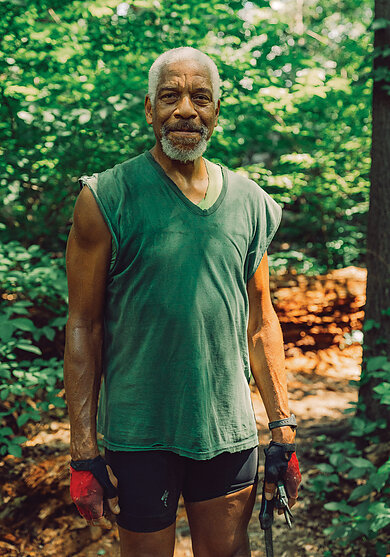
Walter Sydnor has been helping with trailbuilding projects since the late ‘90s and is a constant feature on the park trails.
“I think I run into Walt every time I’m here, I get worried if I don’t see him,” Roberson says. The group chuckles in agreement. We dip, dive, and bump over a seemingly endless maze of downed tree trunks and log piles. Both Elsasser and Vilan excel on this terrain aboard their nimble singlespeeds, armed with internal maps of every root, rock, and log formed through decades of riding these trails. At times we parallel the highway. At others, it feels as if we’re hundreds of miles from civilization. We punch up a short rise and, on cue, Sydnor appears in a green, sleeveless T-shirt, mini saw in hand. He’s cutting branches from a freshly fallen tree obstructing the trail.
The mountain bike community of the Belmont, in many ways, reclaimed the park after the city all but abandoned it in the ‘70s and ‘80s. Hauling out decades’ worth of trash and debris over the years in the pursuit of adding more singletrack, mountain bikers made the park an inviting place once again.
“The way I think about the Belmont, it’s grassroots, it’s a punk rock DIY thing,” Elsasser says. “We wanted this to be a welcoming place for all, not just mountain bikers.”
By now the afternoon heat has started to take its toll so we retreat to the shade of a tree where local rider and musician Rachel Rubino greets us with cold drinks and snacks. The group trades stories about favorite moments from this season’s Thursday night races but, more than anything, they all agree on what it means to the riding community here. Reinkordt has been coaching with the Little Bellas in the park for several years.
“The mountain bike program is often the only time these girls are exposed to nature,” she told me, emphasizing the special place the Belmont plays in the community.
Philadelphia doesn’t often offer the same opportunities to explore the outdoors as other more rural chapters of the Bellas do. Keeping these parks accessible to the people in the surrounding neighborhood is at the forefront of what a lot of the park’s volunteers put their energy into.
As we chat, sirens blare and we see smoke in the distance. A car has caught fire just off the exit of the highway. It’s a stark reminder that the everyday trials of the city are not far away. The incident puts into perspective just how important these quiet wooded spaces are, and the relief they can offer to the residents of Philadelphia.