RideWrap Tailored Protection Invisible insurance.
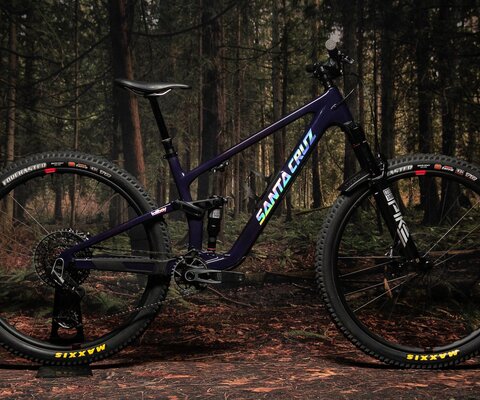
A few months ago, around the holidays, I wrote this piece covering my favorite pieces of gear from 2025. But, lurking in every photo of the Trek Fuel Gen 7 that I raved about was another product that I’ve been quite happy to have on that bike for every ride. When I bought the Fuel frame from Trek, I immediately mailed it off to the folks at RideWrap so that they could take measurements and create a template for the brand’s tailored protection kit.
I tend to be a “tools, no jewels” guy when it comes to bike gear and I’m not scared of a few battle scars. But, I’m a huge fan of RideWrap’s bike protection products, and especially the more recent acquisition of VHS tape. So here’s a quick review of the last six months on a RideWrapped frame, and breakdown of my cost-benefit analysis when it comes to wrapping and protecting bikes.
RideWrap Tailored Protection Details
- Coverage: 99% of the frame
- Thickness: .01” / .254 mm
- Sustainability: Uses 77% recycled materials
- Finish: Matte or Gloss
- MSRP: $135
Why Wrap Your Frame?
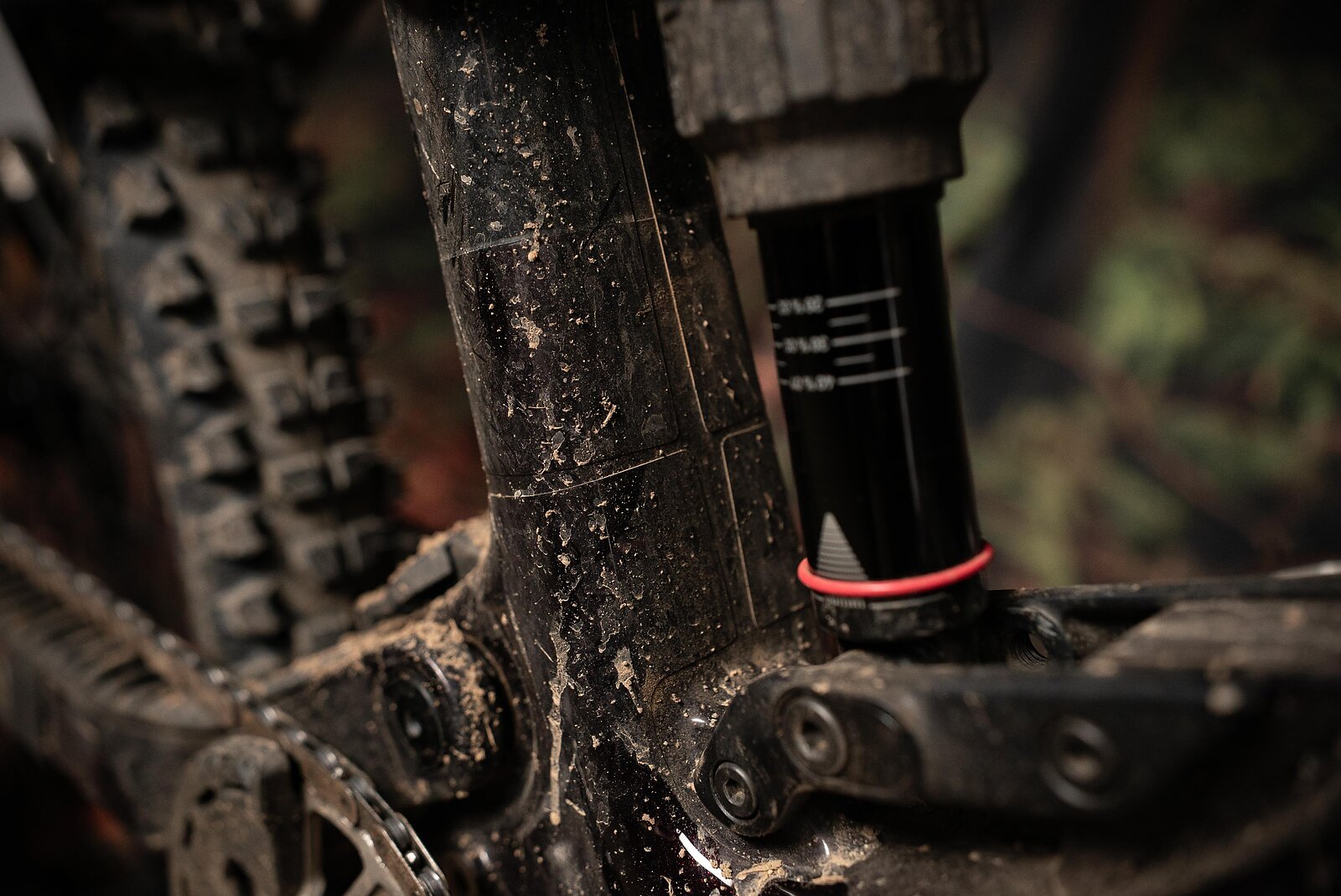
Some products are easily justified—you’re not going anywhere without tires, so the question isn’t “why buy tires?” it’s “what tires do I want?” But RideWrap sits in a slightly different class. You don’t need it to ride your bike. And it doesn’t make your bike ride better. Instead, it makes your bike look better, and it (potentially) helps your bike hold value longer. How much each of those factors matters to you will affect your personal calculus.
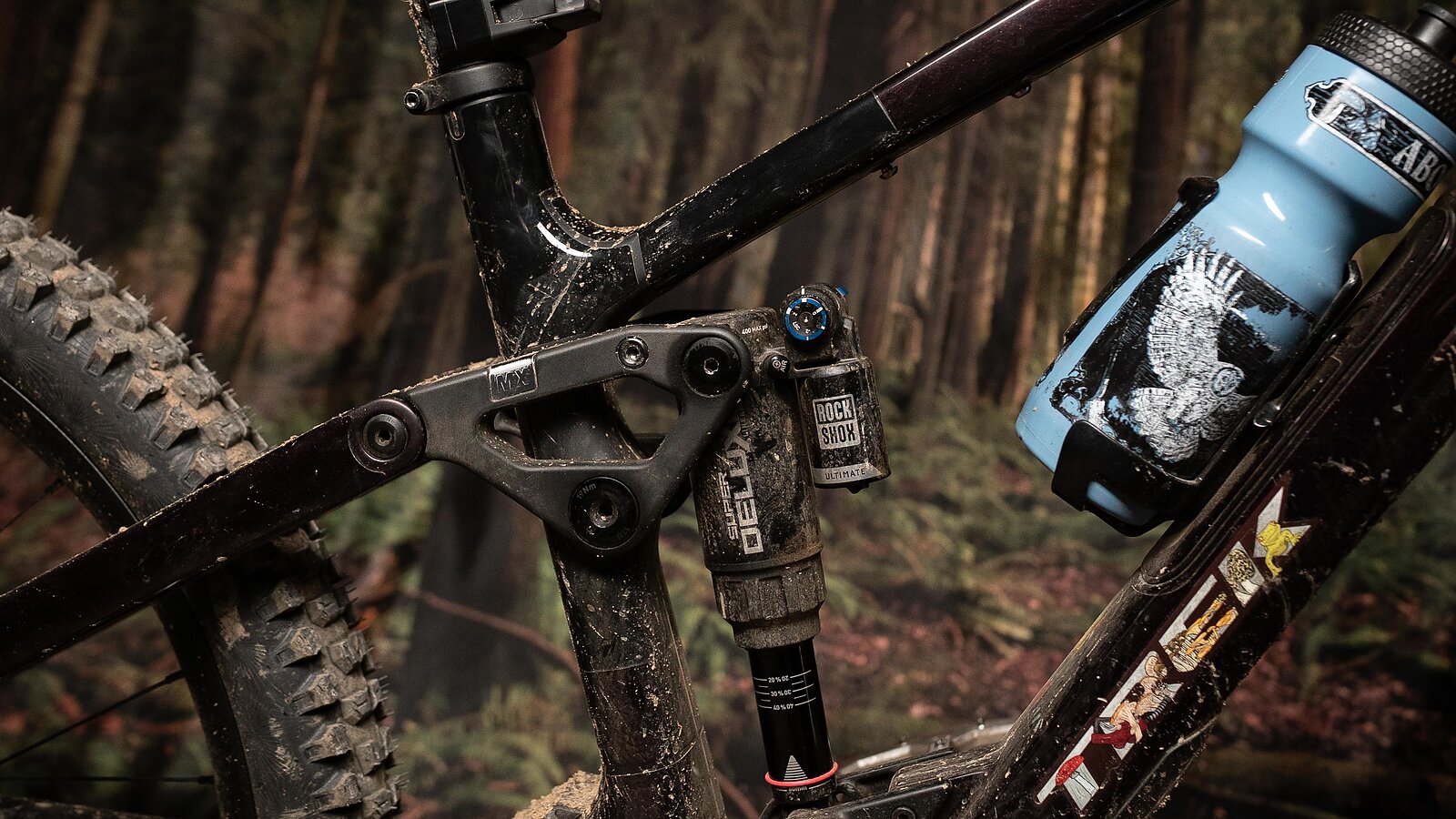
RideWrap is easier to clean than most bike paint. The brand says that's because it's "super-hydrophobic" which means that dirty water beads up more and is easier to wipe off. A quick wipe is usually all it takes to get my gloss wrap looking fresh again. It absorbs and self-heals most smaller bumps and cuts so your bike will stay looking fresh for longer. All it takes is a little heat, either from a hair dryer, or by leaving it in the sun, and most scuffs buff back to smooth. It also does a good job of minimizing wear on high-friction areas. I tend to rub paint off the top of my seatstays, and the middle of my chainstays, and RideWrap completely eliminates this problem. So if you want to keep your bike looking fresh as long as possible, it’s an easy call.
Personally, I’m not that vain about my bikes. They’re pretty much guaranteed to look better than the dude riding them, and a little wear and tear doesn’t hurt my feelings. Instead, where RideWrap really makes itself worth it to me is resale value.
A RideWrap Tailored kit like the one I’m reviewing here costs $135. We’ll get into the installation process here, but I’d comfortably say it costs me about $65 of my own time to install the kit. So call it $200 all-in. Amortize that over the lifetime of the bike, and factor it in when it comes time to sell it, and it pays for itself fairly easily. The difference in appearance and perceived value of a bike that I’ve ridden hard for three years with no protection, versus one that’s RideWrapped is quite impressive. I can make a brand new bike look haggard in just a few months, but if it’s RideWrapped I can either just pull the protection before I sell it, and have a crispy almost-new looking bike to shoot photos of, or just replace the most beat up bits (RideWrap will sell you singular pieces to replace high-wear areas) and hand it off to the next rider fully protected. Either way, as a seller I feel better charging a premium for a used bike that I’ve wrapped and, as a buyer, I’m stoked to be getting a fresher looking bike.
But, to sell a RideWrapped frame, you first need to wrap your bike. So let’s talk about that process.
RideWrap Installation
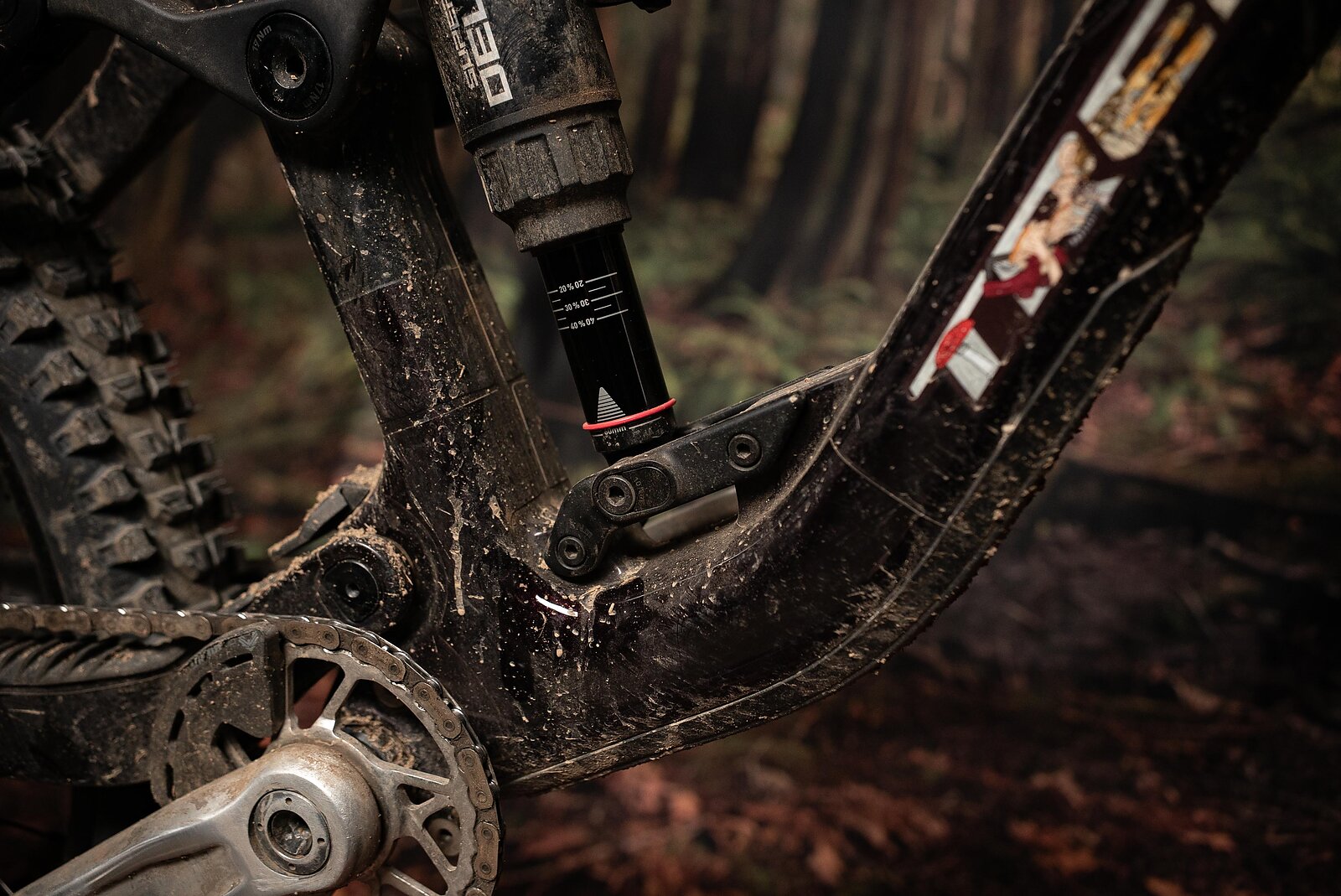
Because RideWrap measured my frame to make its templates, I didn’t actually wrap this Trek myself. But I’ve previously wrapped three personal bikes (a Transition Spur, a Transition Smuggler, and a We Are One Arrival) so I feel fairly qualified to talk about the process. The short version: The more effort you put into it, the better it will turn out.
You can totally phone in a RideWrap installation, and it will still work just fine. Your bike will be protected, but it probably won’t look as good as it could. Or, you can go full obsessive, and spend 30 hours applying RideWrap in a perfectly sterile environment, dressed in a hazmat suit, and end up with a similarly serviceable product.
Regardless, I’d recommend reading the instructions before you start and making sure the bike is as clean as possible. Look at the diagram RideWrap includes of your frame, and make sure it’s disassembled enough to install every piece. Make sure you’ve got a hair dryer or heat gun handy and keep your hands clean.
Don’t force pieces, either with the heat gun, or by trimming them. I’ve found that because the tolerances are so tight, sometimes it feels like pieces are shaped “wrong” for the spaces they need to cover, but that’s usually because adjacent bits aren’t positioned quite right. So instead of hacking things to fit, backtrack and make sure everything is lined up.
Finally, if you have a pet, try to mitigate the hair by vacuuming first, and have a set of tweezers at hand to pick any loose hairs off of the filament.
I’ve installed a few different brand’s frame protection systems, and I’ve found RideWrap’s instructions to be the most detailed, and its process to be the most forgiving. You can float and move around pieces of film easily, and even pull and re-place them if necessary. Or, if this all sounds like too much, many local shops offer installation services for a fee.
RideWrap Performance
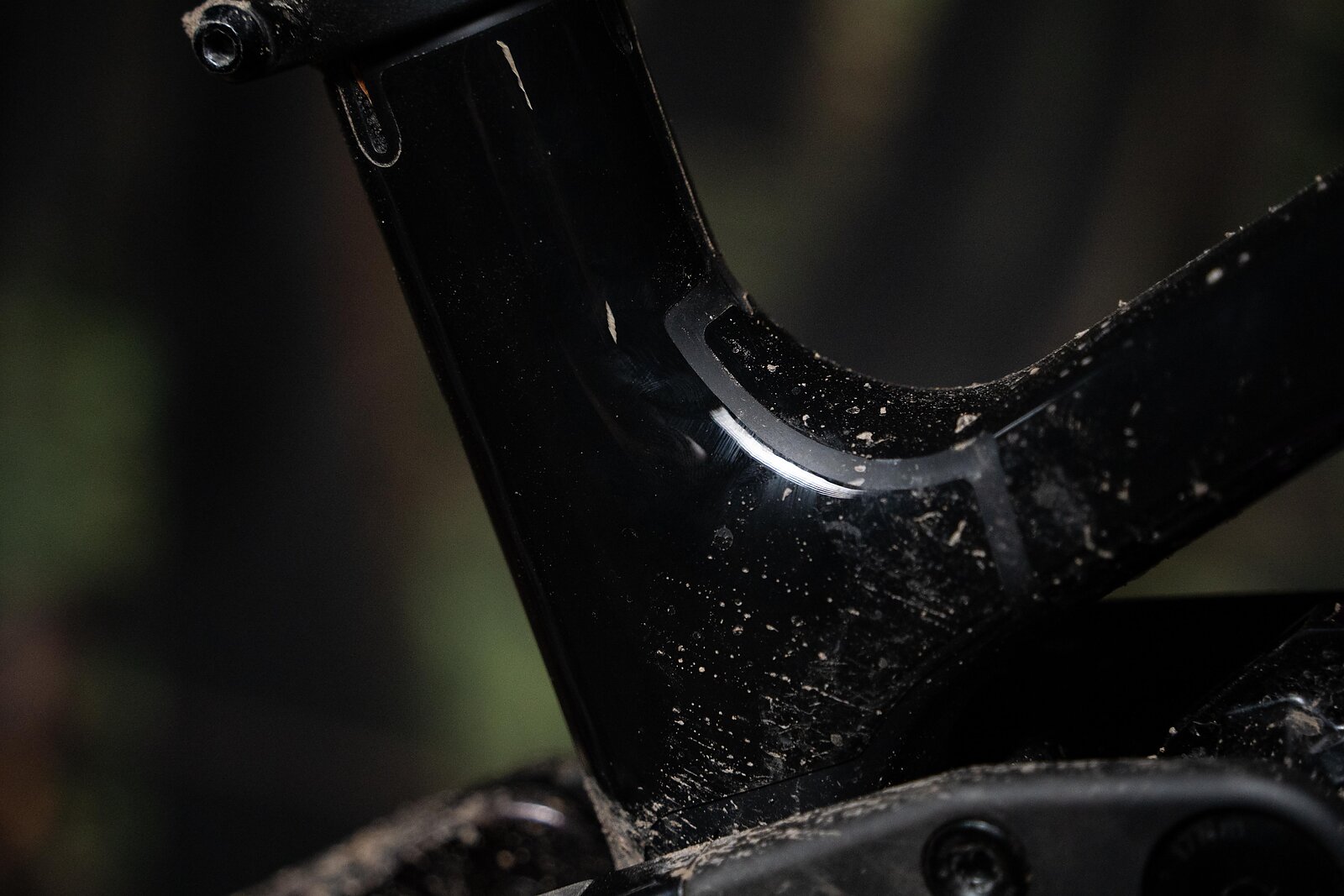
RideWrapping my bike did not make me faster. It did not help my whips get more steezy, or my hands stay fresher. But it does help my bike shed mud. Over the winter I was impressed by how much cleaner my bike stayed than my partner’s and, when it did get filthy, a quick wipe was all it needed to look fresh again.
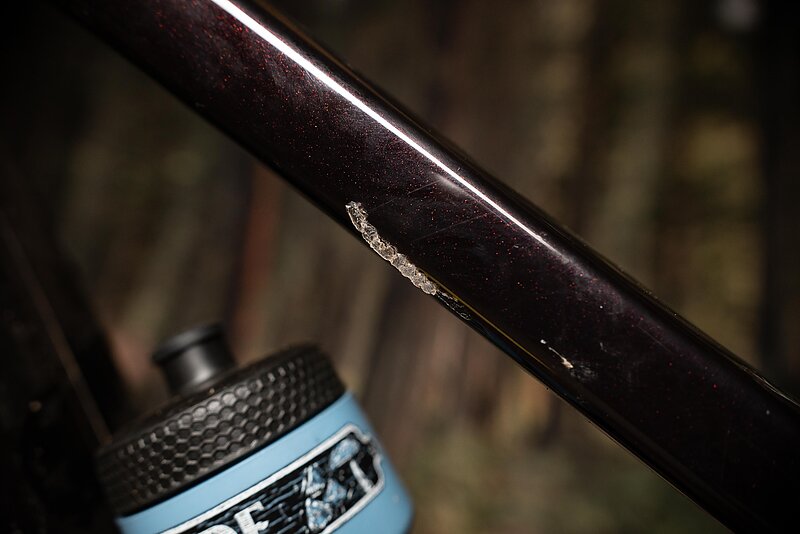
More importantly, my bike doesn’t look like I’ve been abusing it for the last six months. It’s seen plenty of truck time jammed in with other bikes, along with more than its share of bails and crashes. A quick inspection of the wrap revealed one spot where the protection is torn (probably because I threw my bike into a pile of rocks to save my collarbone). I could replace that piece, but instead I’ll just hit it with a heat gun, smooth out the edges, and keep riding. That’s the best thing about RideWrap, I don’t think about it, and it still does its job.
Velocity Hucking Systems Tape
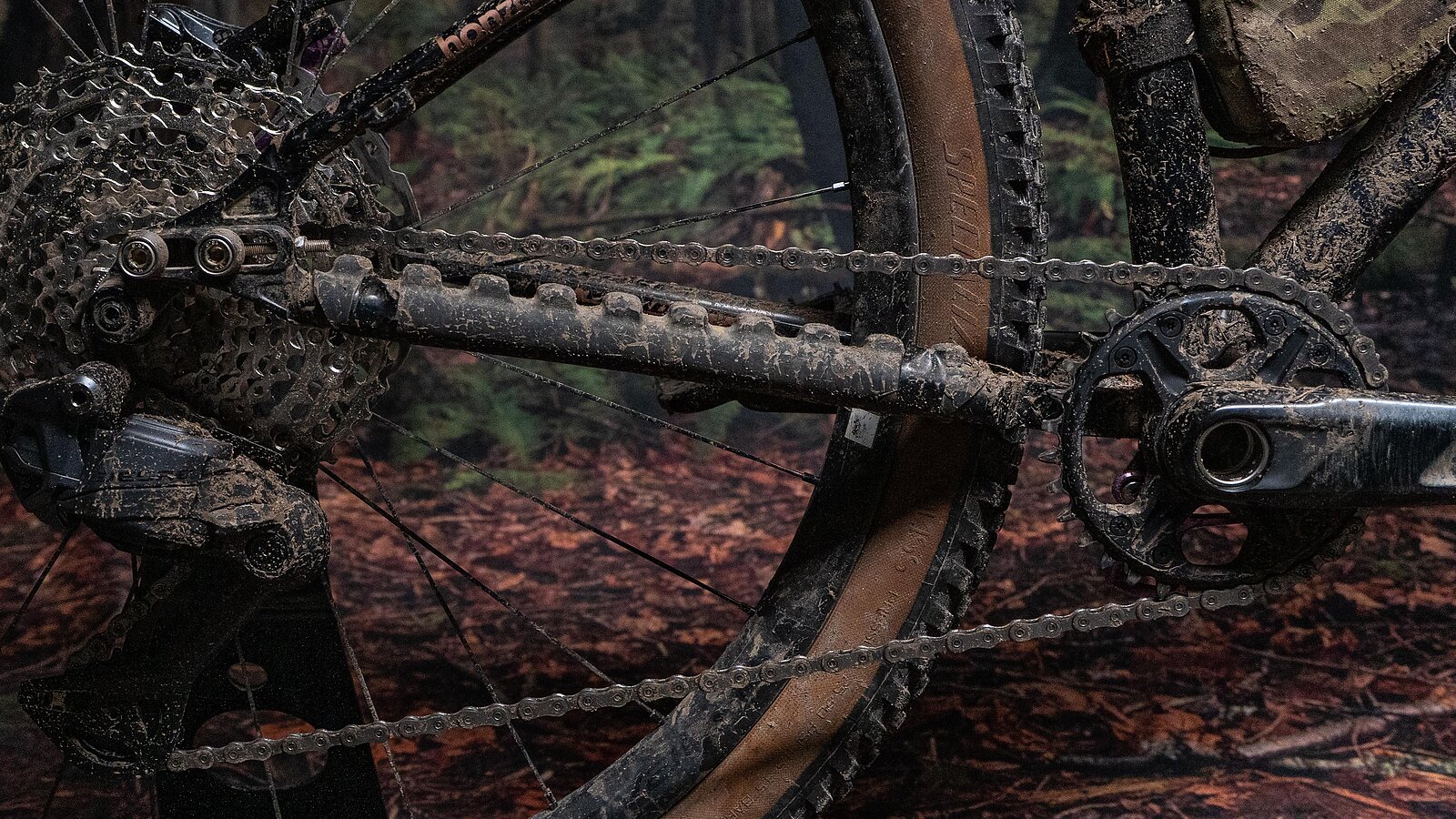
Last year RideWrap acquired VHS (Velocity Hucking Systems) Tape, and I was overjoyed. The original VHS Tape was my favorite chain protection material, and when the brand went under, I stocked up on tape as a backup.
VHS Tape has raised bubbles that do a really good job of absorbing and silencing chain slap, and its width and adhesive backing mean it’s easy to cover just about any chainstay or seatstay. A single roll has enough for a whole chainstay and strategic seatstay coverage unless you’ve got a crazy long rear end on your bike.
I’ve been running VHS tape on my Kona Honzo for more than three years, and it’s done a great job of keeping that bike quiet. It also made a huge difference on my Trek Slash, and I’ve just installed it on my partner’s Slash. That bike has pretty hard durometer chain protection from the factory, but it’s easy to pull a couple of screws and slap some VHS Tape onto the chainstay. That goes a long way toward making the bike feel and sound better.
For Now
RideWrap is one of those “might not need it, but you definitely will appreciate it once you have it” products. It does a good job of keeping bikes looking fresh and clean. More importantly, it’s an easy investment in the resale value of your rig when it comes time to pass it on to someone else.
Learn more: RideWrap