Polygon Collosus T8 Capable on a budget.
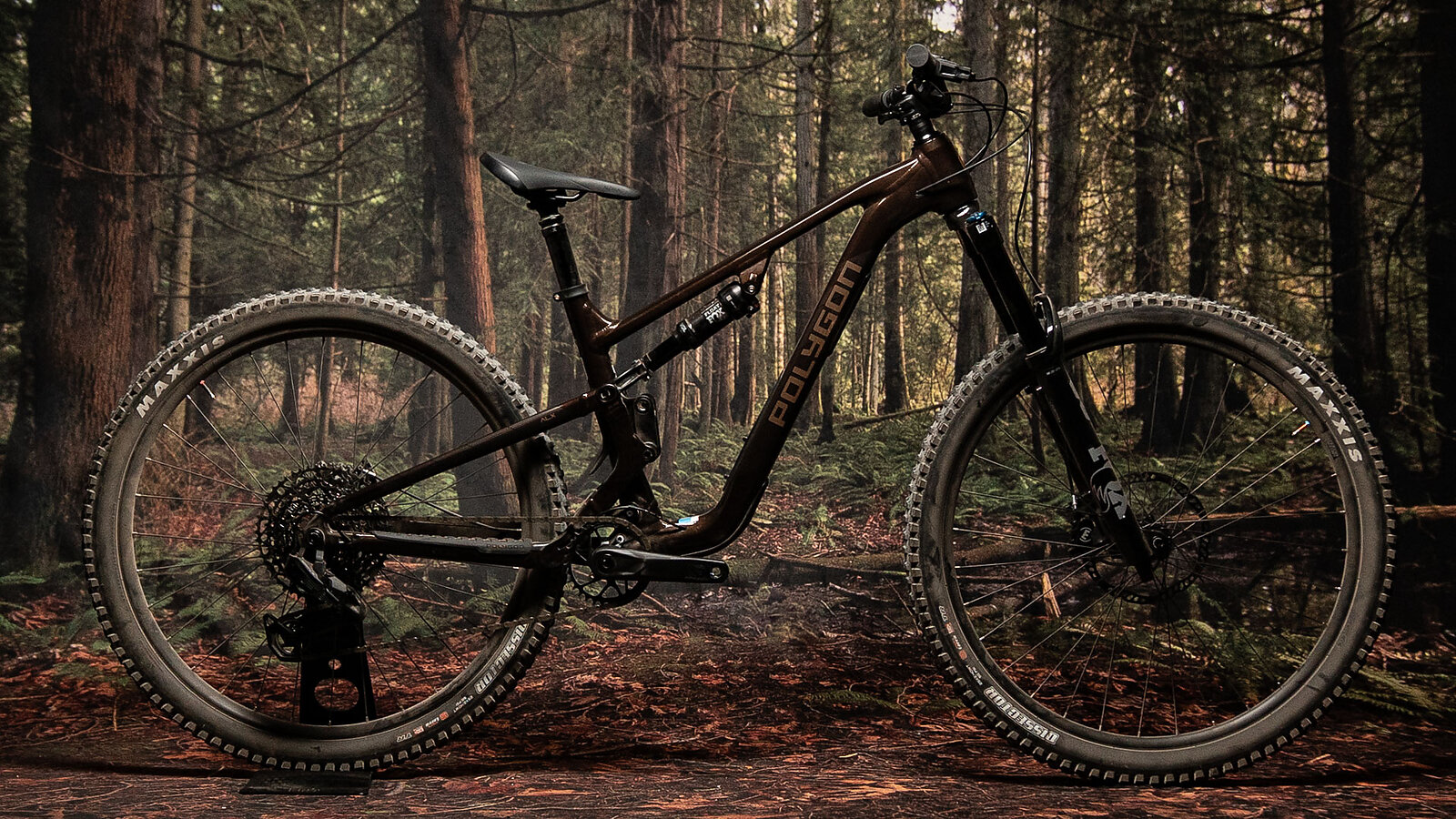
When the nondescript Polygon box landed at Freehub I was stoked. I’ve wanted to get time on a Polygon for years, and it arrived right in the midst of a bunch of super-high-end reviews that had me feeling just a touch disenfranchised. Sometimes reviewing bikes that you could never imagine spending your own money on feels a little hollow. But the Collosus T8 is meant to be the cure to that illness. It’s relatively affordable ($3,000 on sale right now) with a decent spec. So how does it ride, and how does it compare to bikes that cost more than triple its price?
Polygon Collosus T8 Details
- Travel: 140 mm (rear) 160 mm (front)
- Wheel Size: 29” or mixed
- Size Tested: Large
- Build Tested: T8
- Head Tube Angle: 64.5°
- Weight: 37.31 lbs, 16.92 kg
- MSRP: $2,999
Polygon Collosus T8 Options
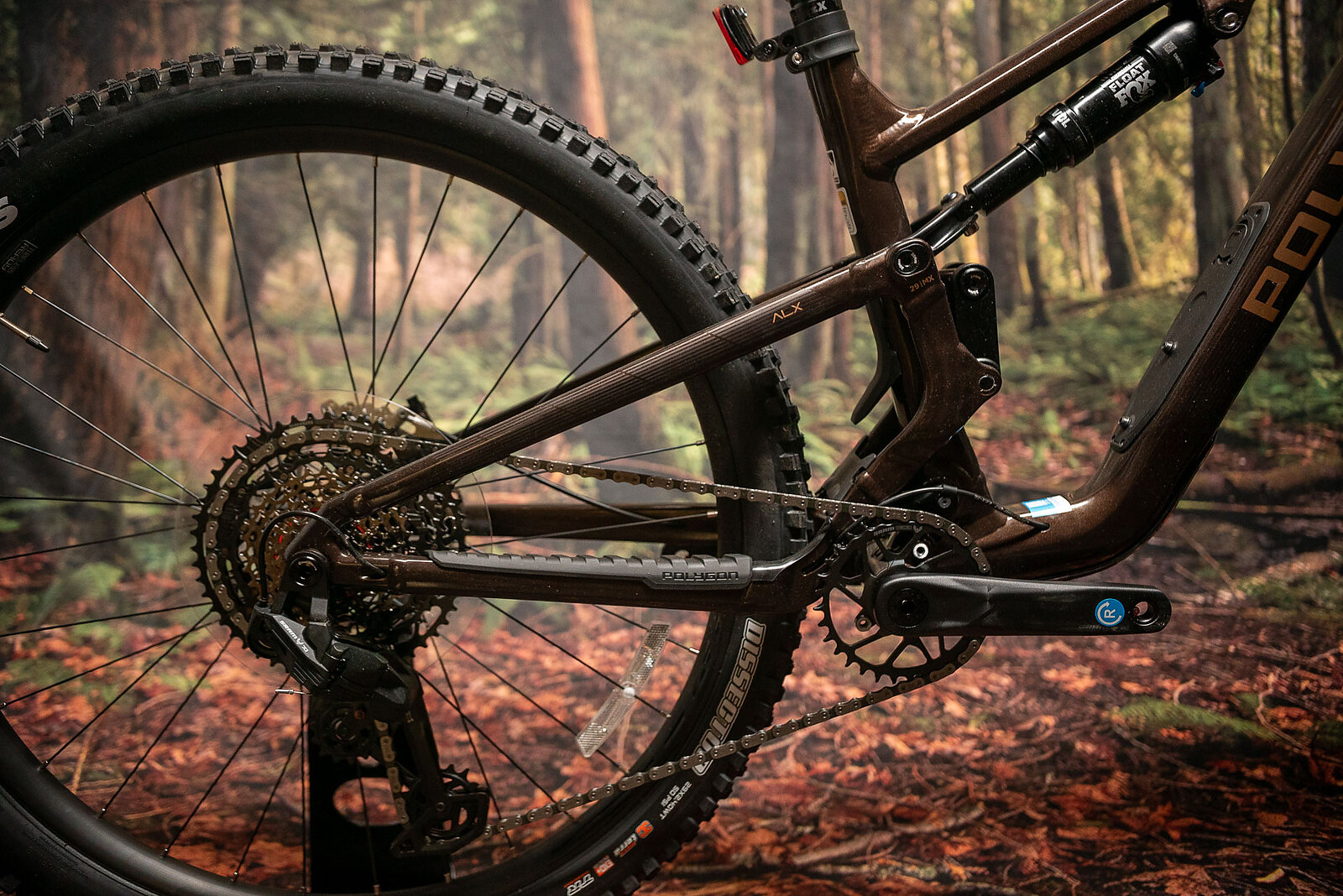
Polygon’s naming convention is a little confusing, and there are a whole bunch of Colossuses on tap. All of the “T” versions are 140-millimeter rear, 160-millimeter front trail bikes, while the N series bumps up to 170/170 millimeters, and the DH is, well, a 200-millimeter downhill bike. Withing the T family, you can get various builds (the higher the number after the T is, the nicer the build is) and you can also choose between carbon and aluminum frames. So the T8 is the nicest aluminum build available, and falls close to the middle of the overall line in that’s it’s more affordable than the $5,300 XTR Di2-equipped T9, but more expensive than the CUES eleven speed T5.
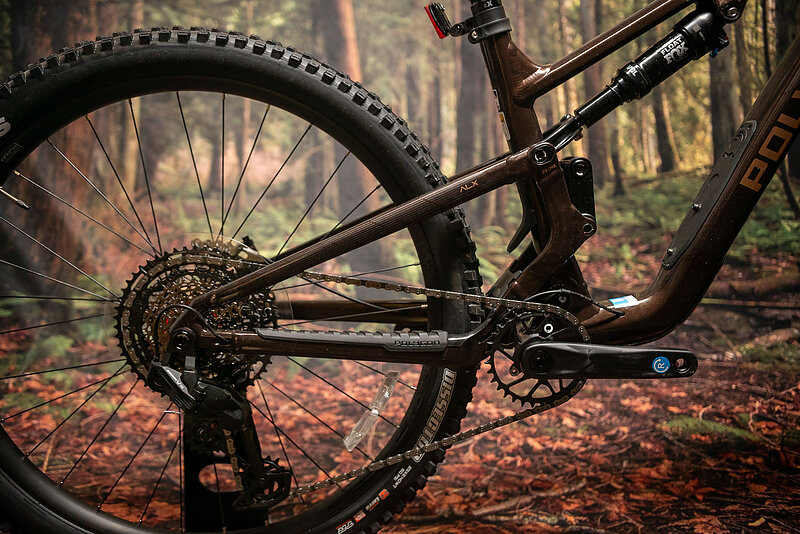
Once you’ve settled on a Collossus, you have even more choices, since the complete bike comes stock with dual 29-inch wheels, but the frame has a flip chip to compensate for a 27.5-inch rear wheel. There’s also a flip chip to adjust the bottom bracket height by 4 millimeters, as well as swappable headset cups to add or subtract .75° of head tube angle. All those options mean this is right in line with some of the more adjustable trail bikes on the market, while being priced lower for a complete bike than many modern frames cost.
Polygon Collosus T8 Frame Details
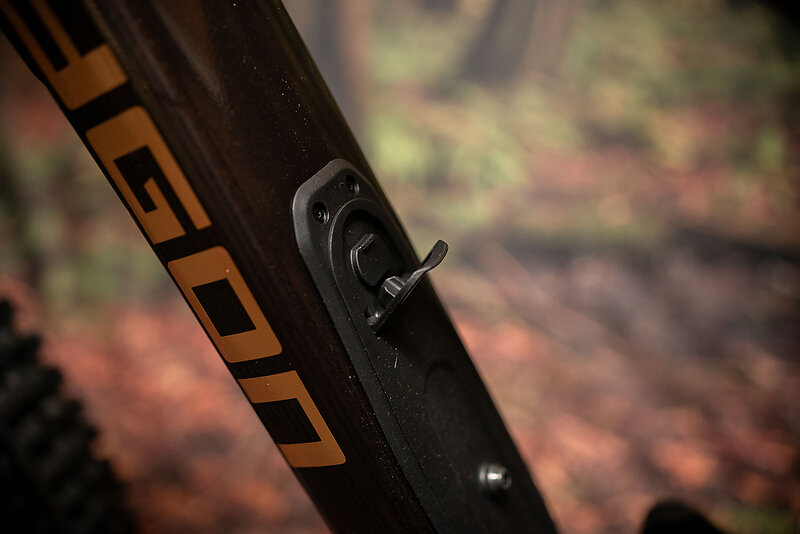
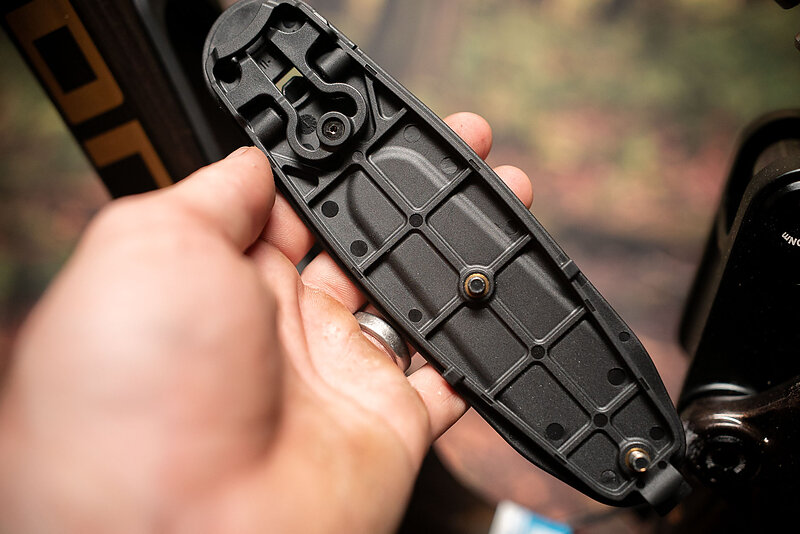
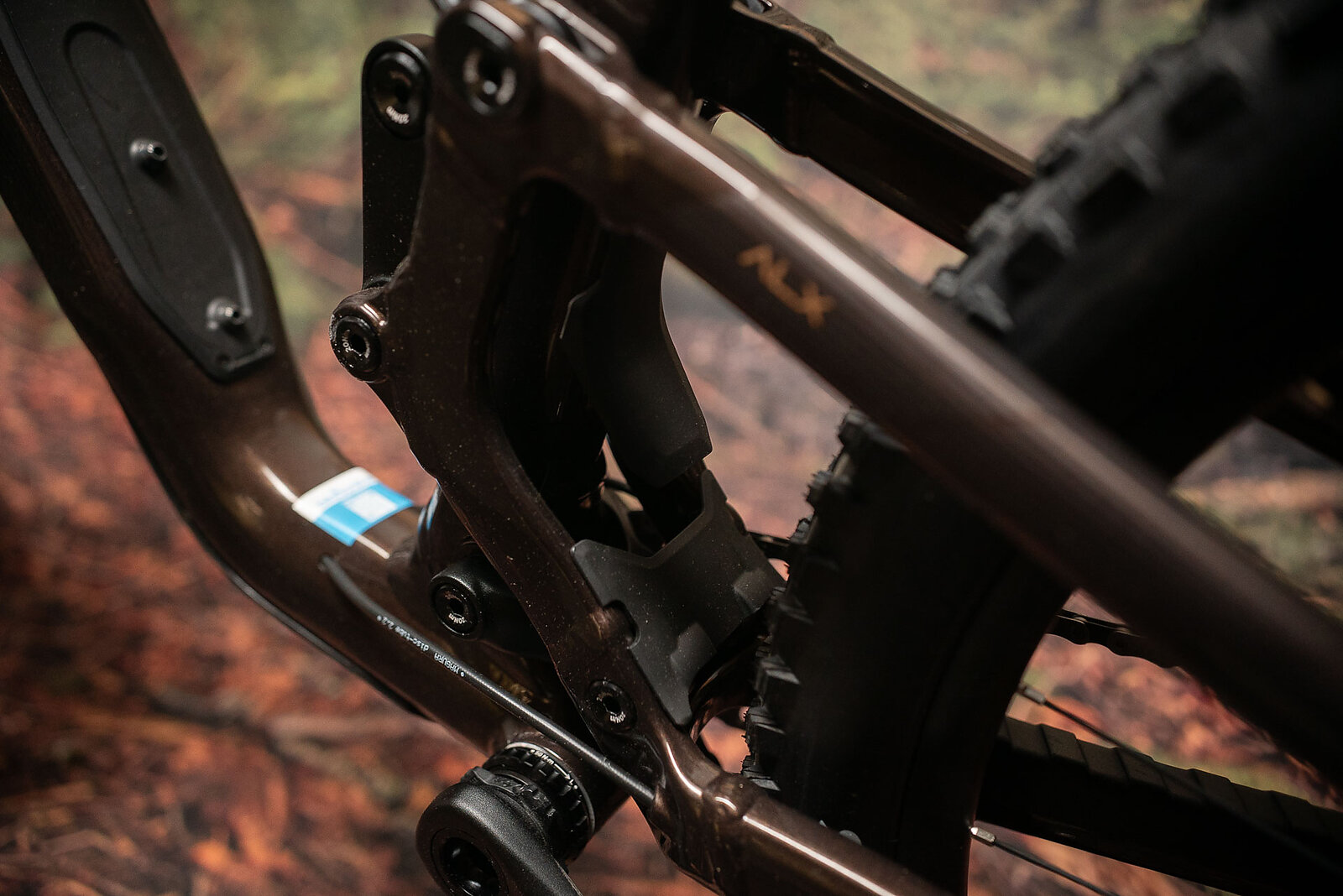
Just because it’s affordable doesn’t mean Polygon skimped on features. There’s the (wonderfully named) PolyPocket internal storage compartment in the downtube. It’s not the biggest opening, and the mechanism feels somewhat flimsy, but it rattled less and held up better than other more expensive storage solutions I’ve used.
There’s a cute little fender to protect the linkage, the cable routing is internal and guided, the derailleur hanger is Universal, and the seat tube is 34.9 millimeters in diameter with a bunch of insertion space which I dig. While the fit and finish on the Collosus isn’t as “nice” or “premium” feeling as some more expensive bikes, it’s all totally serviceable, and I didn’t find any obvious red flags.
Polygon Collosus T8 Build
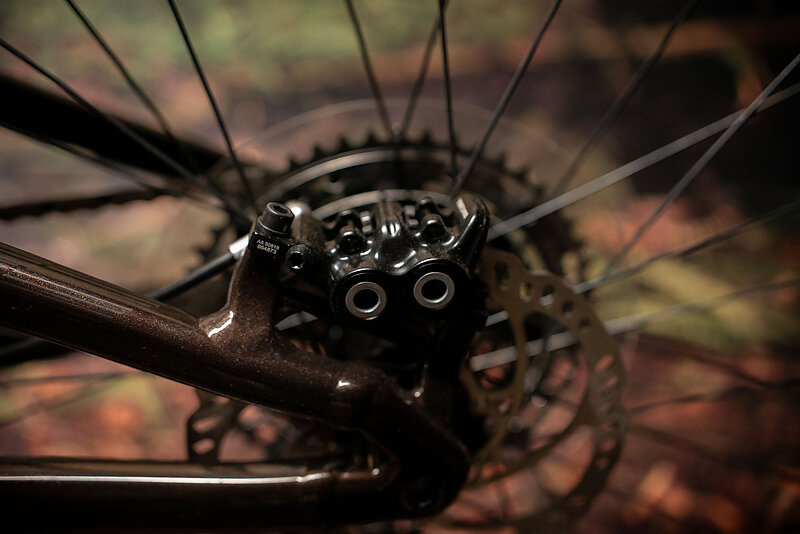
Build kits make or break affordable bikes like the Collosus, but also, I think they matter less in the big picture. It’s a much bigger sin for a $10,000 bike to come with bad tires than it is for a $3,000 one. And, generally, the Collosus is a decent value. Starting at the tires, Maxxis Dissectors front and rear are a fine choice, although I’d probably swap the front for something more aggressive. Magura MT 5 brakes slow you down. I’ve found that with the cheaper Magura brakes there’s a lot of flex in the lever and upper assembly, so it’s best to run the levers further out than you usually would to compensate. With that done, the MT5 is totally adequate for the Collosus.
SRAM’s Eagle 70 Transmission takes care of power transmission. First the good: 165-millimeter cranks are sweet on an affordable bike. But otherwise, this drivetrain is not good. Shimano Deore or older, non-T-Type GX Eagle would offer a better value and experience. The single-click shifter feels vague and cheap, there’s a lot of drivetrain slap, and the shift experience is sketchy. It’s pretty wild how much of a performance (and weight) jump there is between Eagle 70 and 90, and this drivetrain had me pining for the good old 11-speed days.
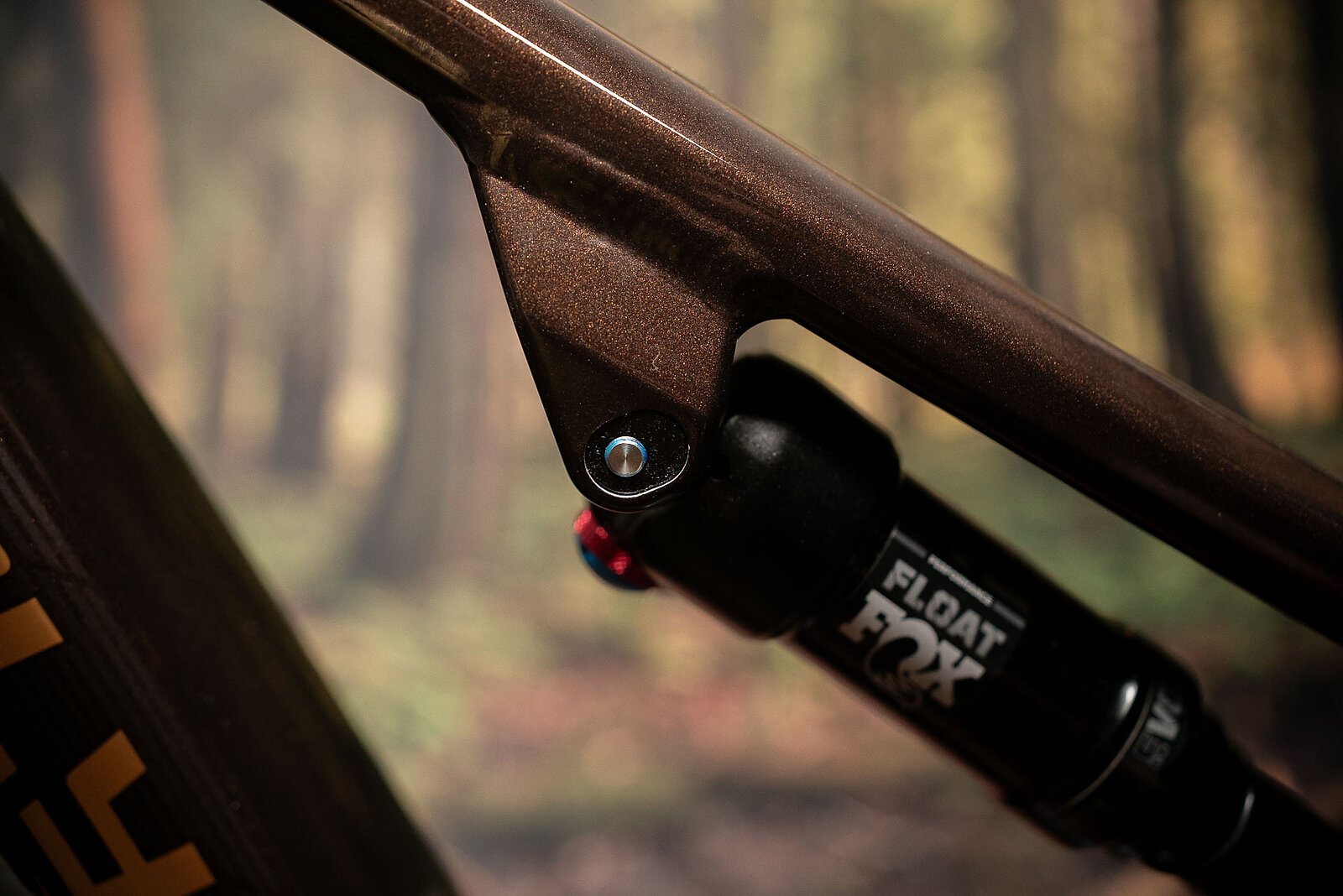
The Collosus T8 is suspended on a Performance level Fox 36 and Float. The Performance 36 is rad. I could happily run that fork on any bike for a year. I did find the Float to be a little under-damped, and I think it let down the rear end of the bike. It’s fine to start out with, but if I owned a Collosus I’d upgrade the shock right after I replaced the shifter and derailleur.
The Collosus comes with a 170-millimeter dropper, which is another easy call to upgrade, and the cockpit itself feels a little cheap, I’d probably throw a wider bar and nicer-feeling grips on.
All of that may sound like I have some major gripes with the Collosus’s spec, but that’s actually not the case. Speccing out bikes at this price level is hard, and Polygon’s product managers have done a good job with the things that truly matter (tires, brakes, suspension). And, again, the point of affordable bikes like this is to deliver something that’s fun right out of the box, and then let the rider upgrade it as they desire to fit their needs.
Polygon Collosus T8 Geometry
Geometry is (famously) free so it’s good to see that Polygon nailed some modern numbers with the Collosus. At 6’2” I got along well with the Large’s 485-millimeter reach, 64.5° head tube angle, 77° seat tube, and 435-millimeter chainstays. I did wish the 627-millimeter stack was a little higher, but I dropped a riser cockpit on and felt just fine.
There’s a pretty good formula for middle-of-the-road trail bikes right now, and the Collosus feels like it hits that sweet spot pretty well. And, of course, you have room to steepen it up or slacken it out. We’ll get into this more later, but if I owned a Collosus, I’d have a hard time not throwing burlier parts on it, slacking out the head tube, installing a 27.5-inch rear wheel, and dropping the bottom bracket. This would be a fun bike to do some mid-travel smashing on—the frame is primed for it.
Riding the Polygon Collosus T8
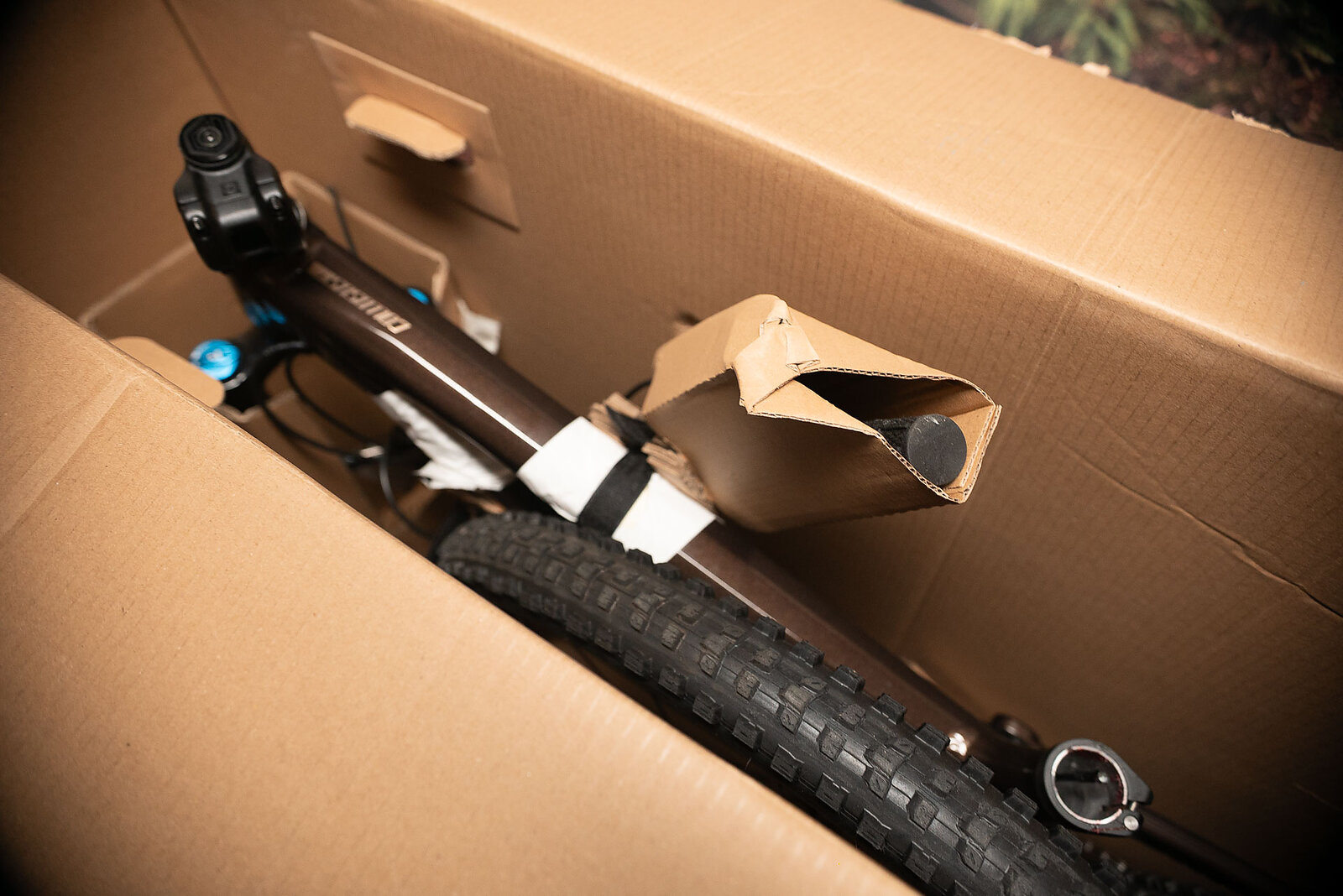
Since Polygon is a direct-to-consumer brand, it’s worth touching on the unboxing and build process. Polygon’s packing strategy makes it easy to unpack the bike, and everything you need to build it comes in the box. The fasteners are all pre-greased, and the build process was smooth and fast. It does come festooned with reflectors, a dork disk, and tubes. Eliminating all three of those took longer than building the bike did, but the wheels and tires seated up tubeless with no issues.
Headed uphill the Collosus has a nice quiet pedaling demeanor and feels plenty efficient with the shock open. It’s not a “charge up the hill passing e-bikes just for fun” sensation, but it’s not sluggish by any means, and the bike feels lighter than its 37.3 pounds.
When the trail starts to roll and traverse, I found myself frustrated with that Eagle 70 drivetrain. It doesn’t respond well to quick aggressive shifts, and it felt vague and skipped, no matter how many times I ran back through the setup procedure and messed with the cable tension. It’s totally adequate for an entry-level bike but, because the Collosus rides better than its price in most other regards, it stands out more.
Headed downhill, the Collosus has what I would call a solid ride feel from the frame, that’s unfortunately not quite matched by the shock. The frame is stiff, but not harsh, and handles loads well. But I did feel like I could pretty easily overpower the rear shock and I’d love to try this bike with an upgraded rear shock because I think the geometry and frame design should be plenty capable. I found myself wishing for significantly more compression damping to help control the rear end. It was more mushy and over-active than I’d prefer, but that “wow, this suspension is doing the most” sensation might be quite welcome to lighter, and less aggressive riders.
Beyond the suspension feel, the drivetrain is loud and slappy on the descents. I don’t think the Collosus is a particularly loud frame, but the chain was bouncing all over the place and I could hear it and feel it through my feet.
So far, everything on the Collosus has held up well and the wheels are still spinning relatively smoothly, even after a few big rock strikes and one catastrophic case.
Because of its adjustability, the Collosus presents a very interesting proposition. Out of the box, in the default low BB, full 29-inch, neutral headset layout, it’s a nice versatile trail bike. But you have space to make it a little steeper and higher, or slacker and more aggressive. Its weight and build kit would bias me toward making it more aggressive, but folks with access to mellower trails might find themselves steepening it up. That’s a rare value proposition for an affordable aluminum frame. So often bikes at this price point eschew the adjustability of their more expensive siblings, while the Collosus leaves things open to interpretation.
The Value Proposition
That flexibility is a huge part of the Collosus’s value proposition. The best comparable bike I can think of is the Specialized Stumpjumper 15 Comp Alloy which is currently on sale for $3,200. On paper, Canyon’s Spectral AL hits a similar price point (with slightly better components) but frame-to-frame, the Collosus has a much better value. It’s more feature-rich, with much more adaptability.
There were a couple of double ride days where I went for a lap on the Collosus and then a similar lap on a recently released 6-bar bike from a “premium” brand. The frame only of that other bike costs almost twice as much as the complete Collosus T8. I could buy three T8s for the cost of the complete bike I was reviewing. And did I have three times as much fun on it? Absolutely not. That’s the magic of affordable bikes. They let you do the important part (riding) while leaving money aside to go on trips or pay your rent or upgrade your parts.
I kept finding myself doing the same thought experiment: If I took all the parts off this Collosus, and all the parts off this $10,000 review bike, and swapped them, which bike would be more fun? The Collosus, obviously. So much of a bike’s perceived performance comes from its components, and with the Collosus you get a rad frame to hang those components off of if you decide you can afford them in the future. I’d happily ride a Collosus with a slightly upgraded drivetrain, shock, and tires for a year, on all the same trails I regularly ride $10,000-plus review bikes down. Mountain biking doesn’t have to be stupid and expensive. It can be fun and affordable, and the Collosus is a great starting place if that’s your focus.
For Now
Polygon does a great job of packing all the tech and features you’d expect from a much more expensive bike into an incredibly affordable package with the Collosus T8. No, it’s not a “perfect” bike with a “perfect” build. Instead, it’s a totally adequate ride that’s ripe for progression and upgrades. And that makes it awesome.
Learn more: Bikes Online