In Unison An Unparalleled Ride of Solidarity
Within days, the image had been shared worldwide. Standing with a fully rigid Surly Ogre, equipped for an endurance event with cross-country tires, a frame bag, and a Nalgene strapped to the downtube, Minnesota rider Alex Pretti smiles from beneath his helmet as he props his bike upright.
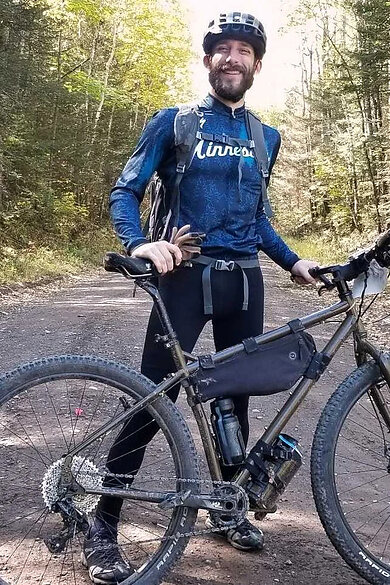
An ICU nurse and avid cyclist, Pretti had long worked with sick and disabled veterans, often in the final moments of their lives. In one video shared online, he conscientiously reads a final salute over a veteran who had passed.
On January 24, 2026, Pretti was shot and killed by United States Customs and Border Protection officers during an altercation on the streets of Minneapolis. The killing of Pretti, an American citizen, was felt across the country and struck a particular chord with cyclists, who rallied around a slain member of their community.
Days after his death, Angry Catfish Bicycle—a shop in south Minneapolis where Pretti was a regular customer—shared plans for a memorial ride on Saturday, January 31, in Minneapolis and invited other cyclists to honor Pretti by riding in solidarity with them.
“We’re asking folks to host rides and come together,” read the post by Angry Catfish. “Bike shops and non-profits, cycling orgs and alt cycling collectives, city and rural. We are many but we stand together as one.”
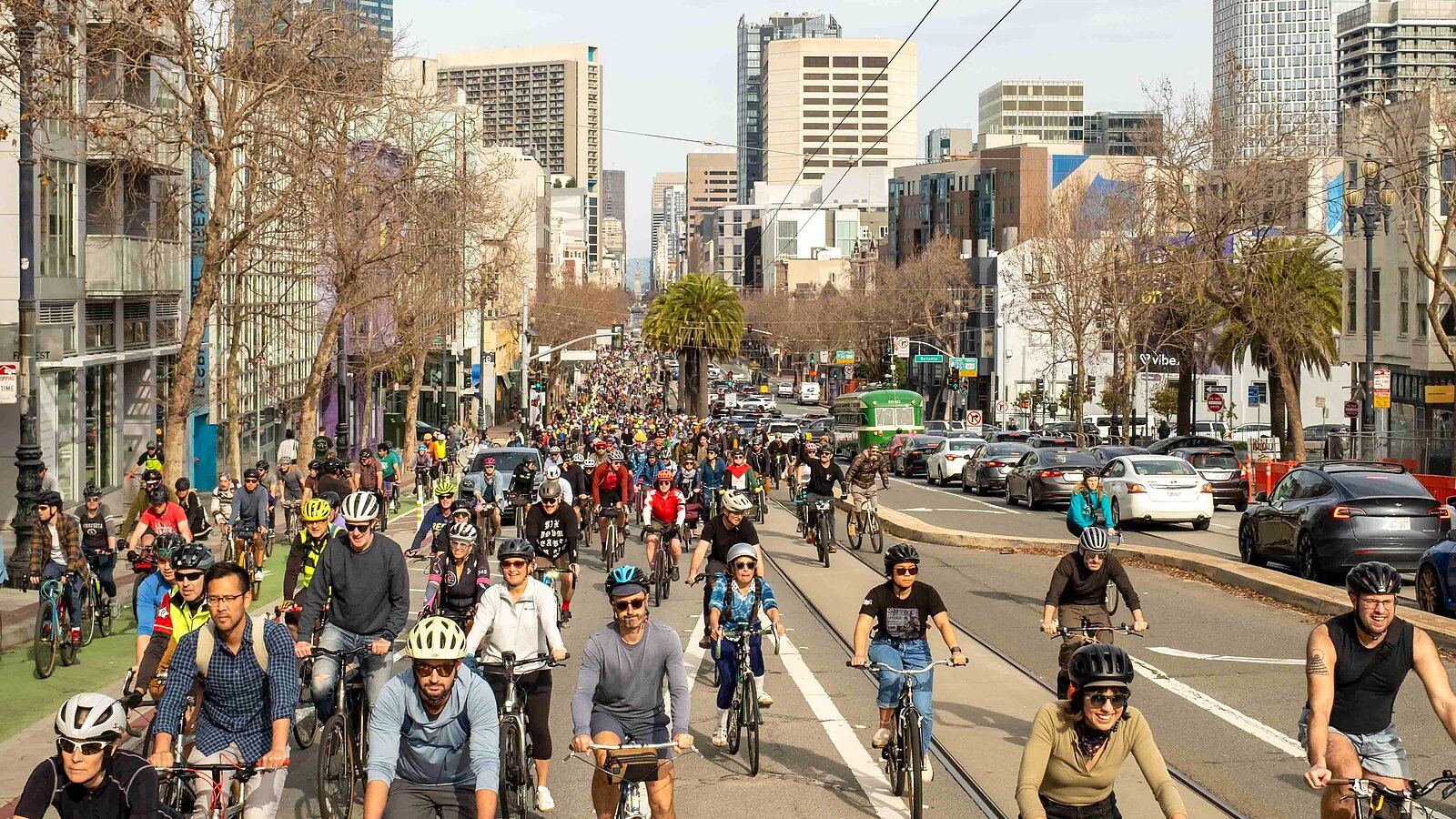
Other rides inspired by Angry Catfish cropped up almost immediately. Within a few days, more than a couple hundred rides—many of them set to depart at the exact same time as the one in Minneapolis—had been announced across social media. News of the ride spread quickly, with Angry Catfish’s Pretti memorial ride poster template being repurposed and resurfaced to promote rides in other cities: Richmond, Virginia; Toronto, Ontario; Dallas, Texas. Angry Catfish’s Instagram page quickly became a collage of collaborative posts advertising rides worldwide.
The final tally exceeded 300 coordinated group rides across multiple continents. While large, organized, single-day bicycle rides are nothing new—Critical Mass in major North American cities; Ciclovía “open street” rides in South America; record-breaking attempts in countries such as Taiwan and Italy—the Pretti memorial ride was unparalleled in the sheer number of rides it spawned, as well as the broad range of cyclists it brought together.
“Our largest Critical Mass rides draw anywhere from three to four hundred riders. The turnout was pretty close to what we would see at our largest rides, but the riders were different,” said Charles Fernandez, a Critical Mass Phoenix coordinator. “We had a lot of people who came out specifically because it was for Alex Pretti, who didn’t necessarily regularly participate in group rides.”
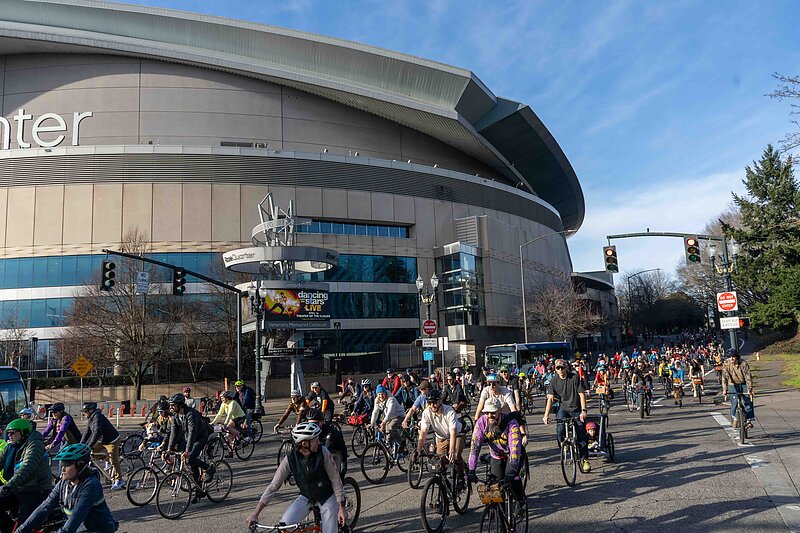
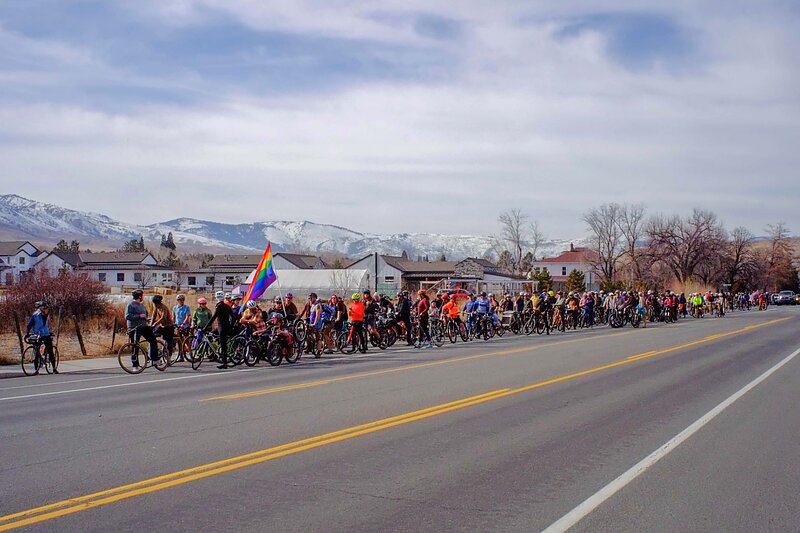
Most rides were hosted by local clubs and group ride organizers. Familiar with the logistics of large-scale rides, Critical Mass groups in many cities rallied to coordinate memorial rides. Critical Mass carries out large-scale rides as a form of transportation advocacy, with a longstanding history of unified protest rides.
Adonia E. Lugo, a PhD and staff researcher at the University of California, Los Angeles’ Institute of Transportation Studies, has dedicated her career to studying the cultural side of cycling and is an urban anthropologist and mobility justice strategist focused on developing sustainable transportation in marginalized communities. She’s studied and organized large group rides and understands the cathartic experience they can impart on participants.
“Riding feels really good, and that's why I keep doing it,” said Lugo. “And, it turns out, riding in a group of people is even better.”
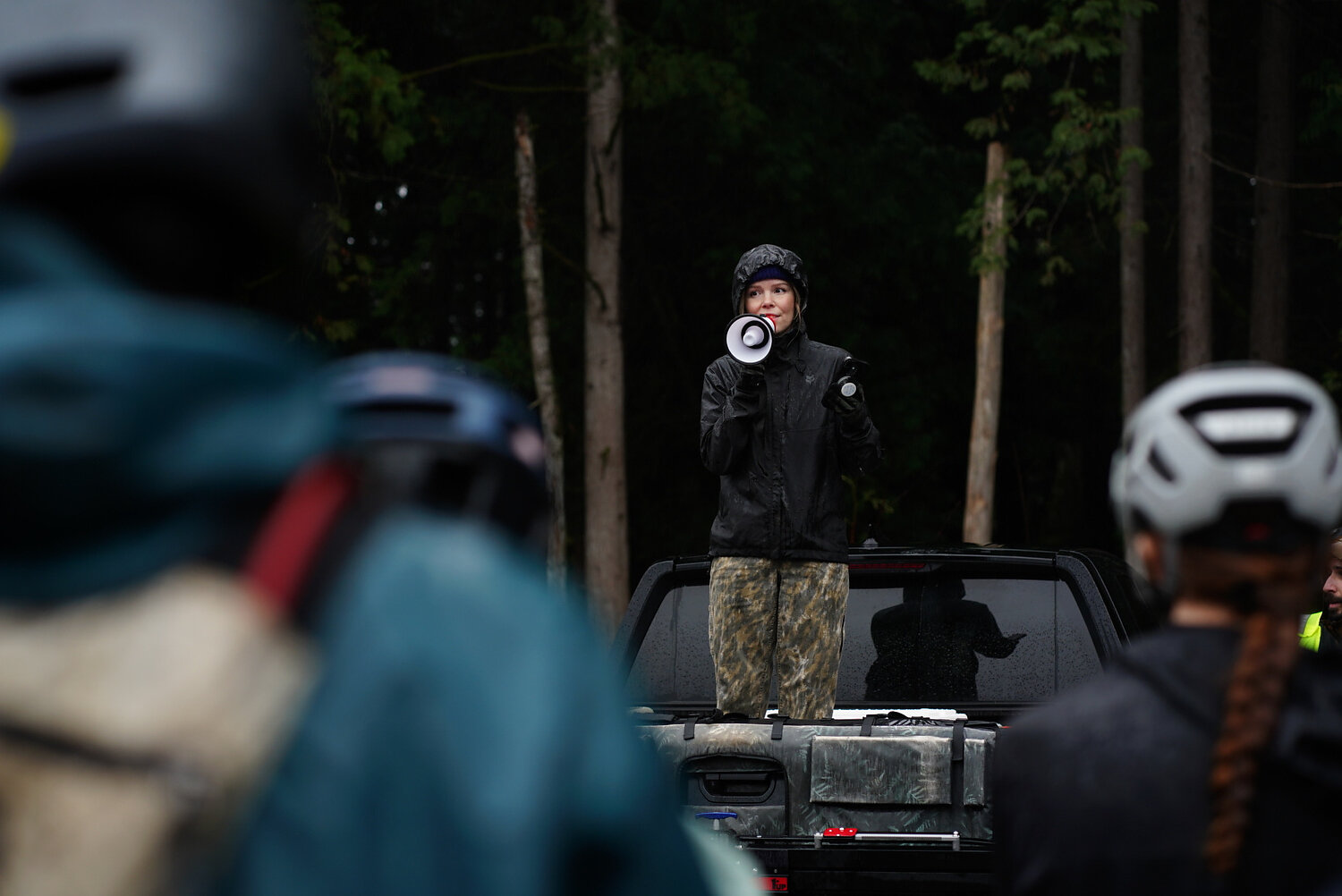
At first, Bellingham, Washington, local Kira McGrigg waited to see whether any local bike shops, companies, or organizations would announce their own Pretti memorial rides. None did. With the date of the ride quickly approaching, she took matters into her own hands, rallying friends to help organize and promote a memorial ride on nearby Galbraith Mountain. Soon after, Bellingham Gravel Riders followed suit, promoting an accessible alternative urban route.
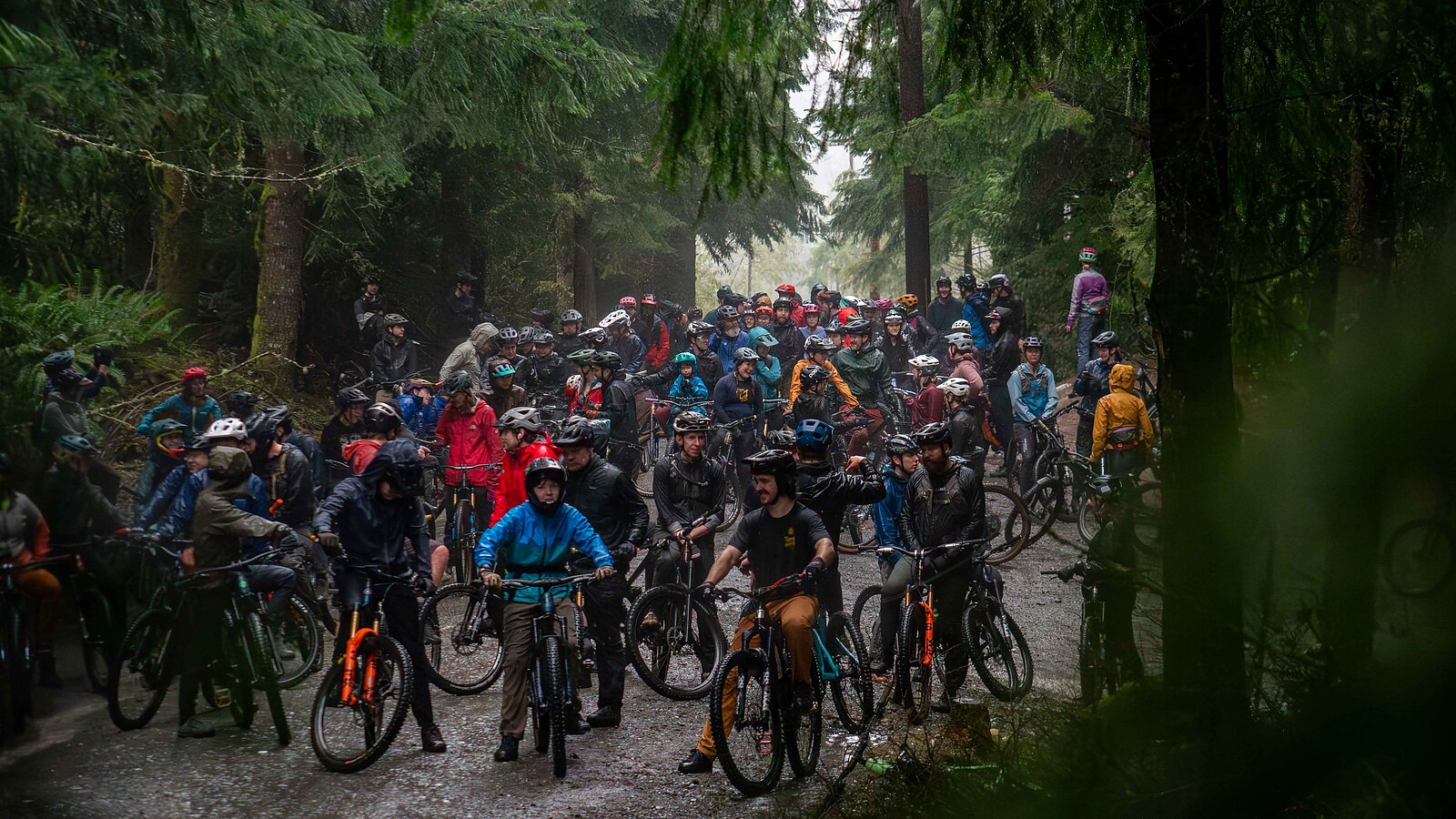
In typical Pacific Northwest fashion, the day of the ride was 45 degrees and rainy, accompanied by omnipresent fog nestled among evergreen trees. Despite the particularly dreary day, Galbraith’s Southside lot was as full as a sunny Saturday in May. A mass of multi-colored rain jackets milled about between pop-up tents as protest music and chatter filled the air.
The scene was full of familiar faces from the local mountain biking community. A table was set up with black coffee and candy, Pretti’s preferred pre-ride snacks. Laminated cards with contact information of local senators and representatives lay scattered on a table along with free 3D-printed “ICE alert” whistles. Adjacent to the table, a cardboard sign hung from a pickup truck that read “Call a senator, get a donut” scribbled in black Sharpie. An effective call to action, riders lined up to get some last-minute, pre-ride calories.
A hush fell over the parking lot as McGrigg stood on the bed of the truck, megaphone in hand. She addressed the crowd, delivering an evocative eulogy followed by a prolonged moment of silence. The silence lingered in the air as the crowd looked up beneath rain-beaded visors, reminding those in attendance of the gravity of the event.
At 11 a.m. PST, 184 riders pedaled down Galbraith Lane in unison, with others tagging along as the group made its way up the mountain to complete a lap of the trails U-Line and Atomic Dog.
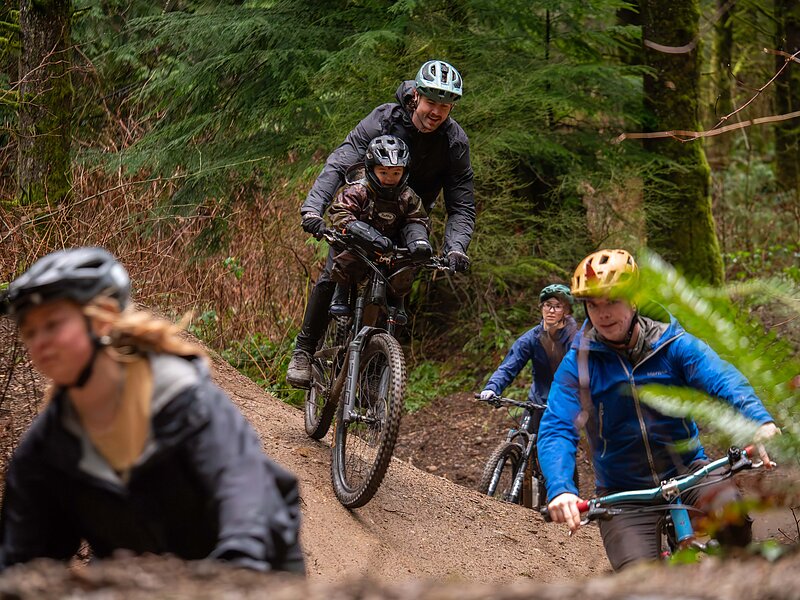
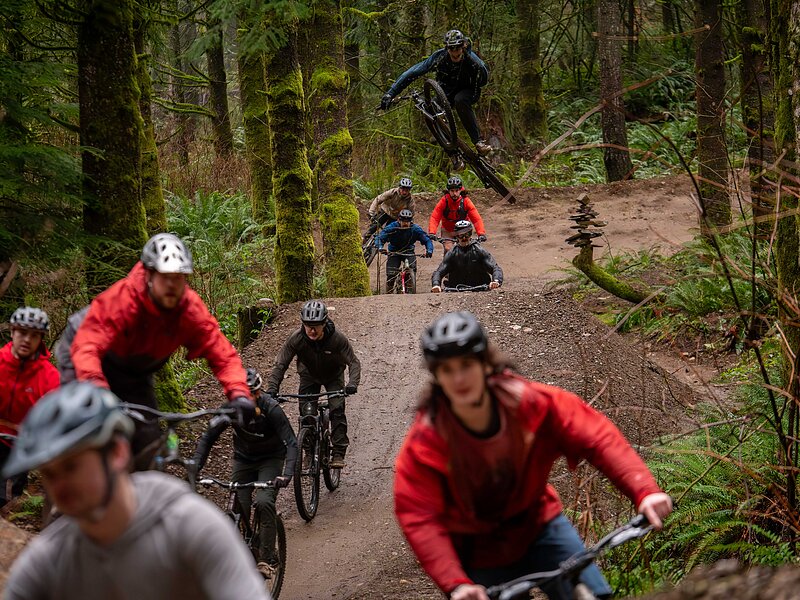
While Bellingham’s Galbraith ride was one of the few mountain bike-specific memorial rides that occurred, hundreds of urban memorial rides were taking place elsewhere across the world: Minneapolis, Minnesota; Berlin, Germany; Sydney, Australia; Anchorage, Alaska; the list of participating communities was extensive and far-reaching. McGrigg’s father even held his own solo ride in Panama City, Panama, to mark the event.
“We are not alone, and people across the globe are seeing what’s going on here and caring,” said McGrigg following the ride. “I hope that we can learn from Minneapolis and take the lesson that we are learning from them and how they care for their community.”
In urban areas, pre-ride gatherings took place in public parks and bike shop parking lots. In one image from San Francisco, California, hundreds of riders congregated in front of the city’s iconic Ferry Building. The group was packed together so tightly that it would have taken a multiple-point turn and a couple of pleasantries to maneuver a bike through the crowd.
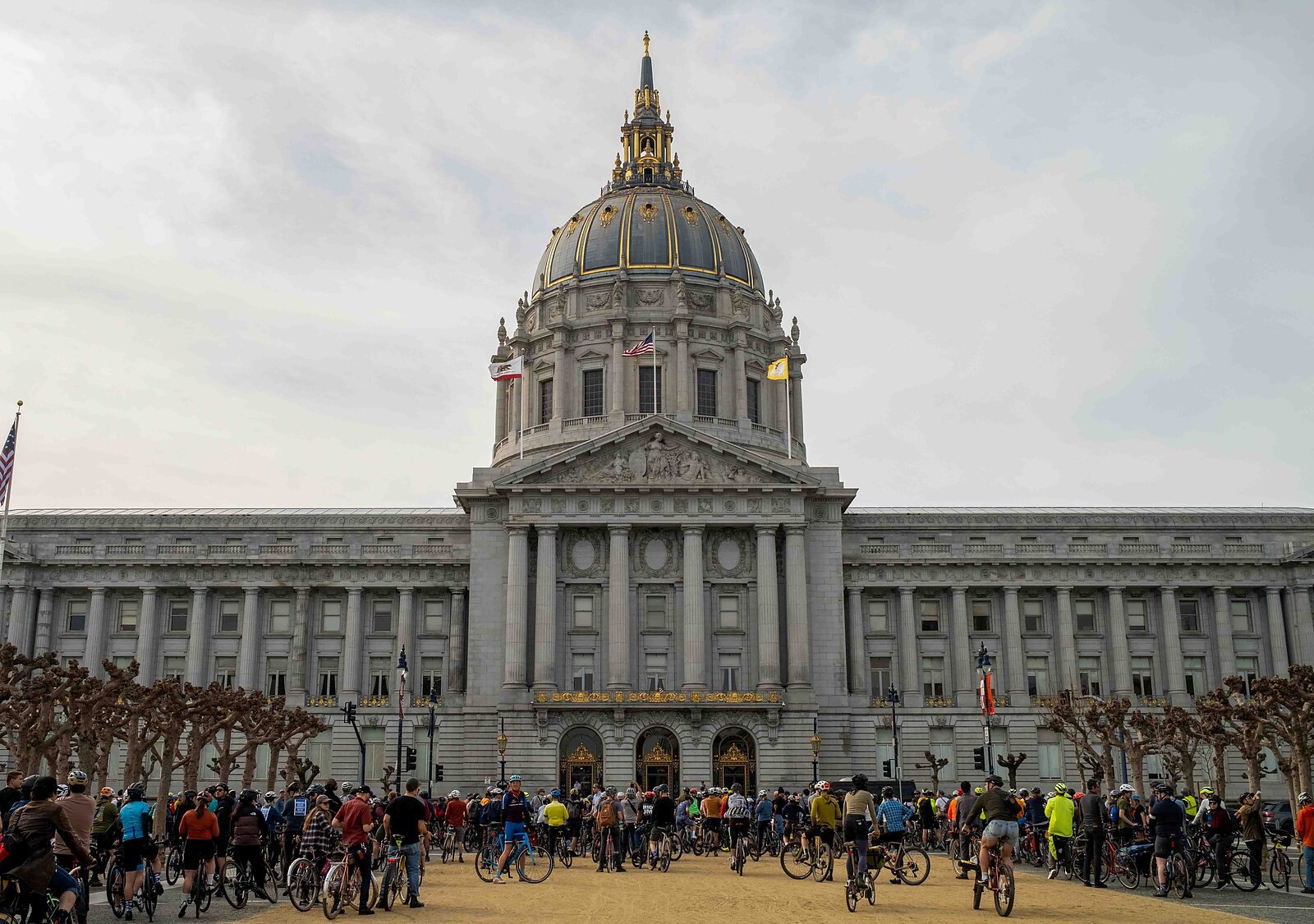
In cities such as Portland, Oregon, and Minneapolis, Minnesota, intersections were blocked for upwards of half an hour as thousands of cyclists flowed through. Riders of all genders, ages, and ethnicities rode together. Those too young to pedal were pulled behind in bike trailers. Some riders pedaled bespoke custom-built bikes, while others rode whatever had been collecting dust in their garage. Standing out amongst the crowd was the odd tall bike. In one shot, a rider can be seen on a pay-to-ride city bike, complete with an integrated basket and coin slot. Flat-bar and drop-bar bikes intermixed, with a variety of wheel sizes and tread patterns represented, but regardless of the bike beneath them, everyone pedaled in solidarity for Pretti.
“The way we take care of our public spaces is very divided into different bureaus, departments, and agencies, but the way we experience our public spaces is more all-encompassing,” says Lugo. “Our public spaces are hurting, and bikes are absolutely a reparative space that can really connect people.”
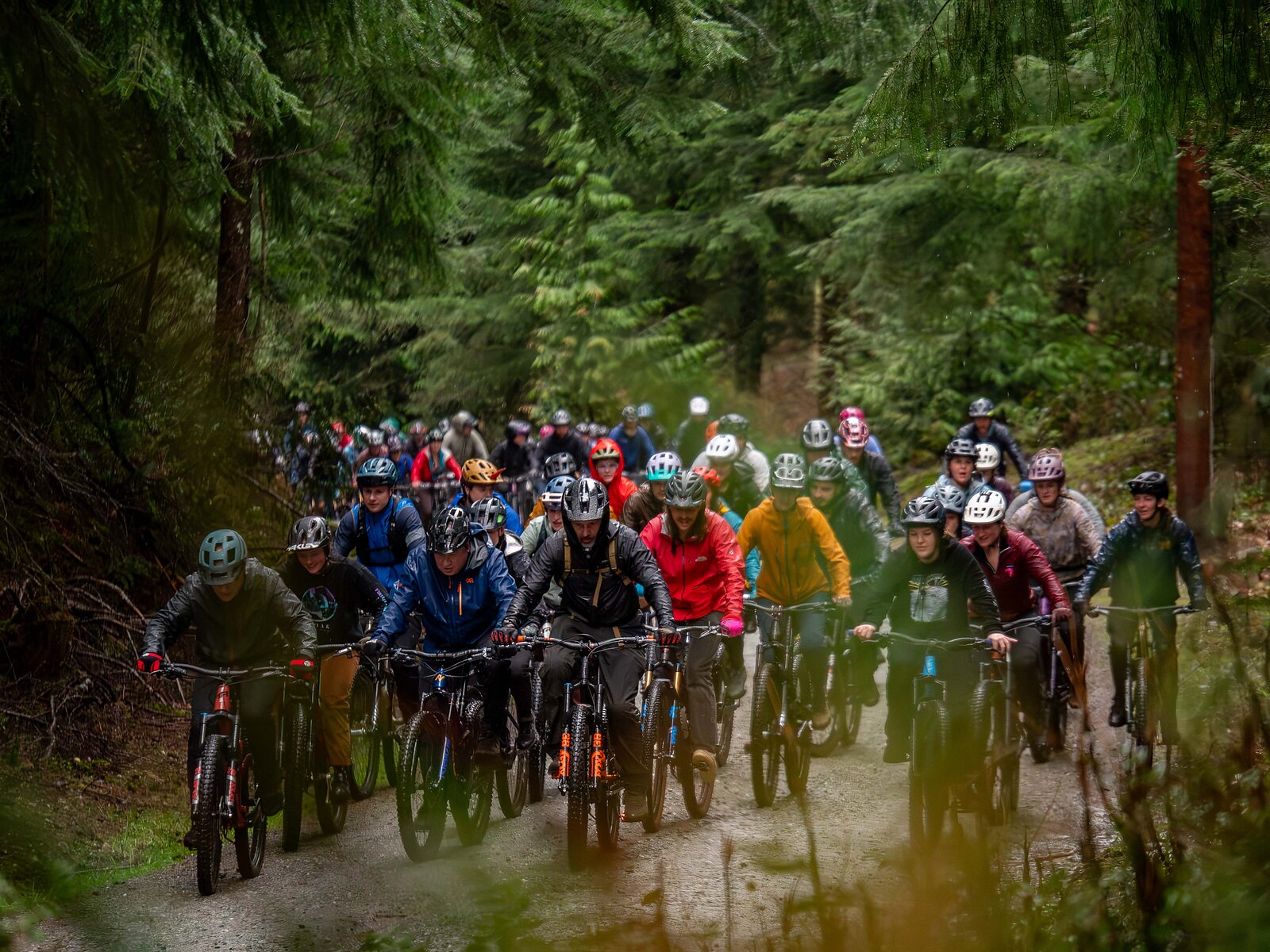
In Bellingham, much of that social connection took place after the ride had ended. Soaked through and covered with mud, riders gathered around fire pits, seeking warmth and conversation. Many reflected on the event and those that preceded it, generating conversations that ran significantly deeper than typical trail-side banter.
Among those in attendance, Bailey Van Etten stood out in his mud-splattered hi-vis vest. A friend of McGrigg’s, Van Etten played a significant role in coordinating the memorial ride and served as a course sweep to help keep the large group together. He believes the cycling world could do with a bit more non-judgmental connection, regardless of componentry or riding styles.
“If we can get to the point of people on a mountain bike ride spending 10 percent less time talking about chainstay length, and 10 percent more time talking about people, that can make a difference,” said Van Etten. “People are worried about losing friends or upsetting people, but I believe having those conversations that aren't just about bike parts creates more empathy.”