The High Road One Country's Bold Mountain Bike Investment
A small European country is currently making a historic investment in mountain biking. Its government formally committed to, between the years 2003 and 2030, spending an equivalent in U.S. dollars of nearly $200 million on trails, accessibility programs, supporting mountain bike industries, sustainability, rider development—the whole enchilada.
That’s a government spending around $33 for every single person within its population. In the U.S., that figure would, per capita, equate to an investment of more than $2 billion.
It’s not a country with an affluent cycling culture such as France or Italy, where the summer season offers huge rewards to resorts that can attract riders down the same slopes that beckon skiers each winter. And it’s not wealthy Norway, with its bountiful oil revenue and staunch cultural heritage of outdoor pursuits.
This unprecedented level of belief and investment in mountain biking is happening in Scotland. This country, with a population just north of 5.5 million, is making good on a remarkable and unique decision to make mountain biking an integral part of its society and culture by dedicating serious money to development, and by hiring people to make that happen. Its excitingly titled “Scottish MTB Strategy” is a publicly available document with a foreword written by a government minister, and there’s a state-funded body called Developing Mountain Biking in Scotland that’s dedicated to delivering it.
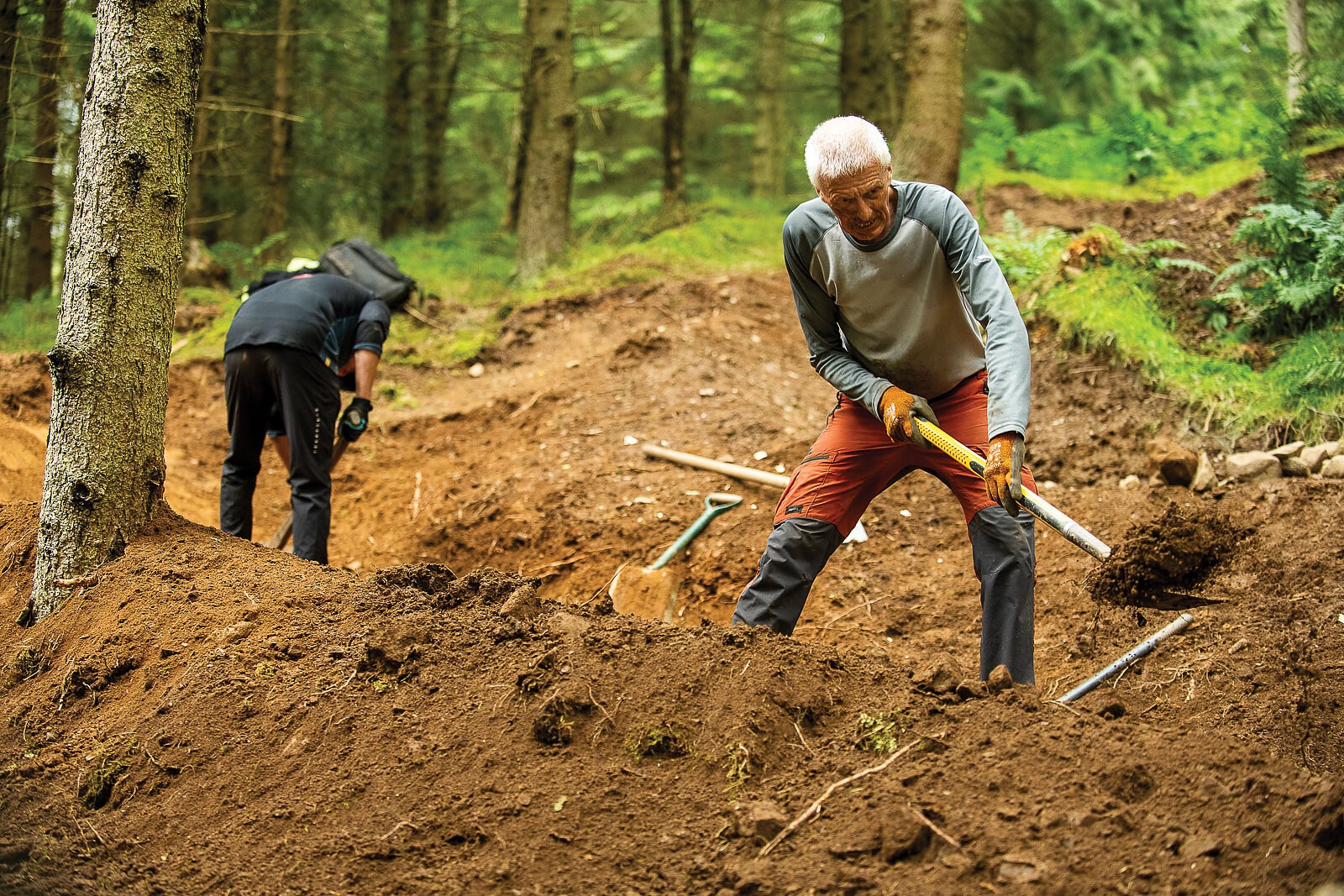
But promises in that strategy aren’t shovels in the ground, or easier access to riding skills, or an influx of visiting riders. Mountain bike growth, in Scotland’s case, is blossoming at the ground level with key community advocates leading the charge to make the nation’s lofty ambition come to life.
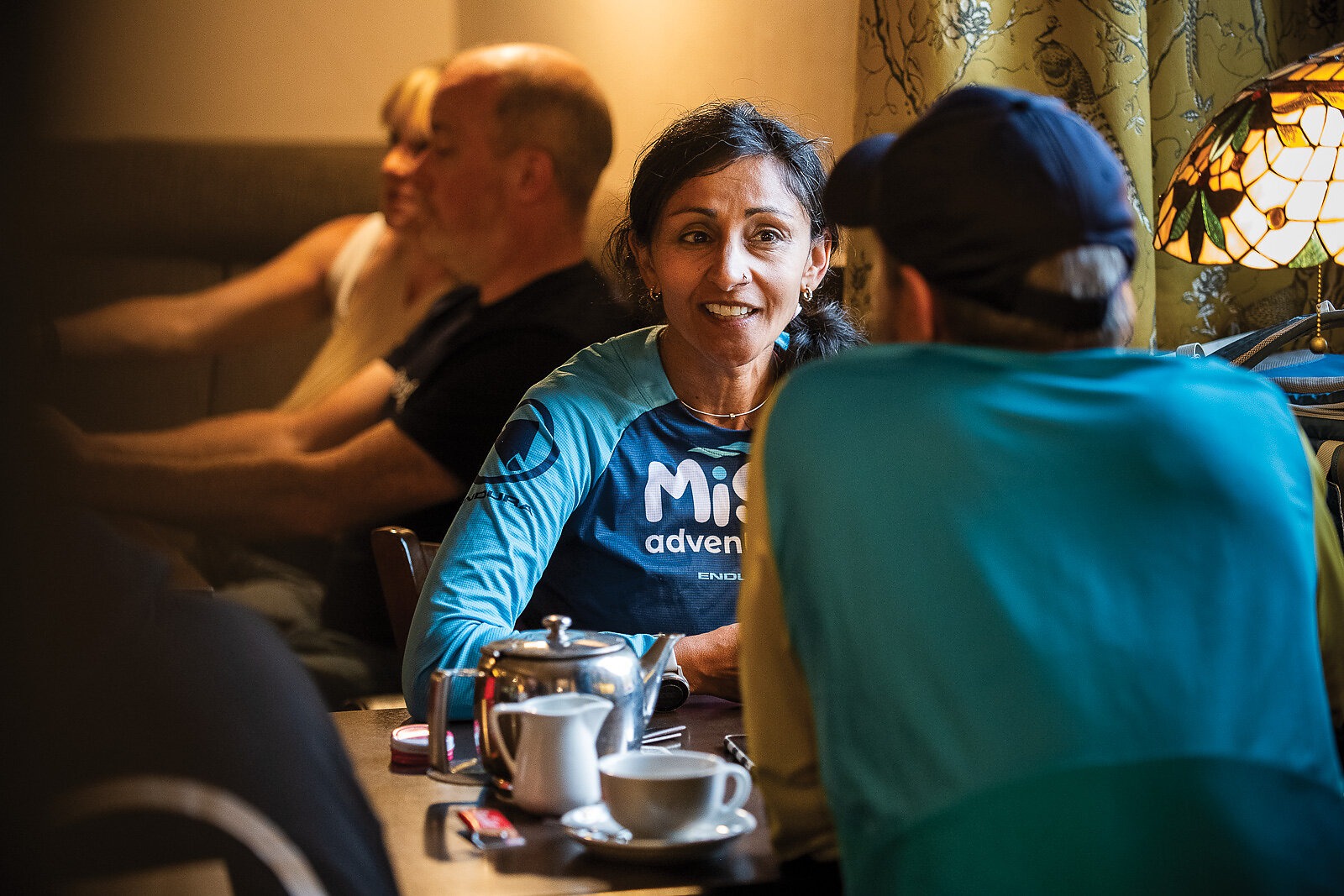
Aneela McKenna grew up in a Pakistani family in Glasgow, and now wears many hats within cycling. She’s chair of the Diversity and Inclusion Advisory Group for British Cycling, a brand ambassador for Juliana Bicycles and, as a qualified guide and coach, was one of the first people in Scotland to run women-only mountain bike tours. She also found time to cofound numerous grassroots bike projects, including the FNY Collective, MissAdventures, and the Colour Collective, all aimed at increasing participation in mountain biking.
When I asked around about McKenna, phrases like “force of nature” and “legend” came up a lot. This is a person who’s dedicated her life to challenging the white male orthodoxy in action sports with everything she’s got.
So it’s hard to square that formidable reputation with the woman laughing her head off as the family dog tries to nose his way into a pizza box, one of a dozen that’s feeding 20 girls sitting on the grass, bikes at their feet, at a local park in Peebles, a small town about an hour’s drive south of Edinburgh.
There is no trail, pumptrack, or jump line here, just tennis courts, a playground, and people walking their dogs. But this dedicated, joyful gang doesn’t need jumps or speed or “stoke”—they’re just having a great day out with their pals. Scenes like this are at the core of what is steadily building Scotland’s mountain bike culture.
McKenna and her volunteers, all resplendent in branded MissAdventures gear, are taking a break at the end of the morning’s skills session for young female riders. They haven’t been teaching anything too gnarly, just the basics of braking, turning, and body position. Nearby, a local trials rider is hopping deftly from platform to plank as they chow down.
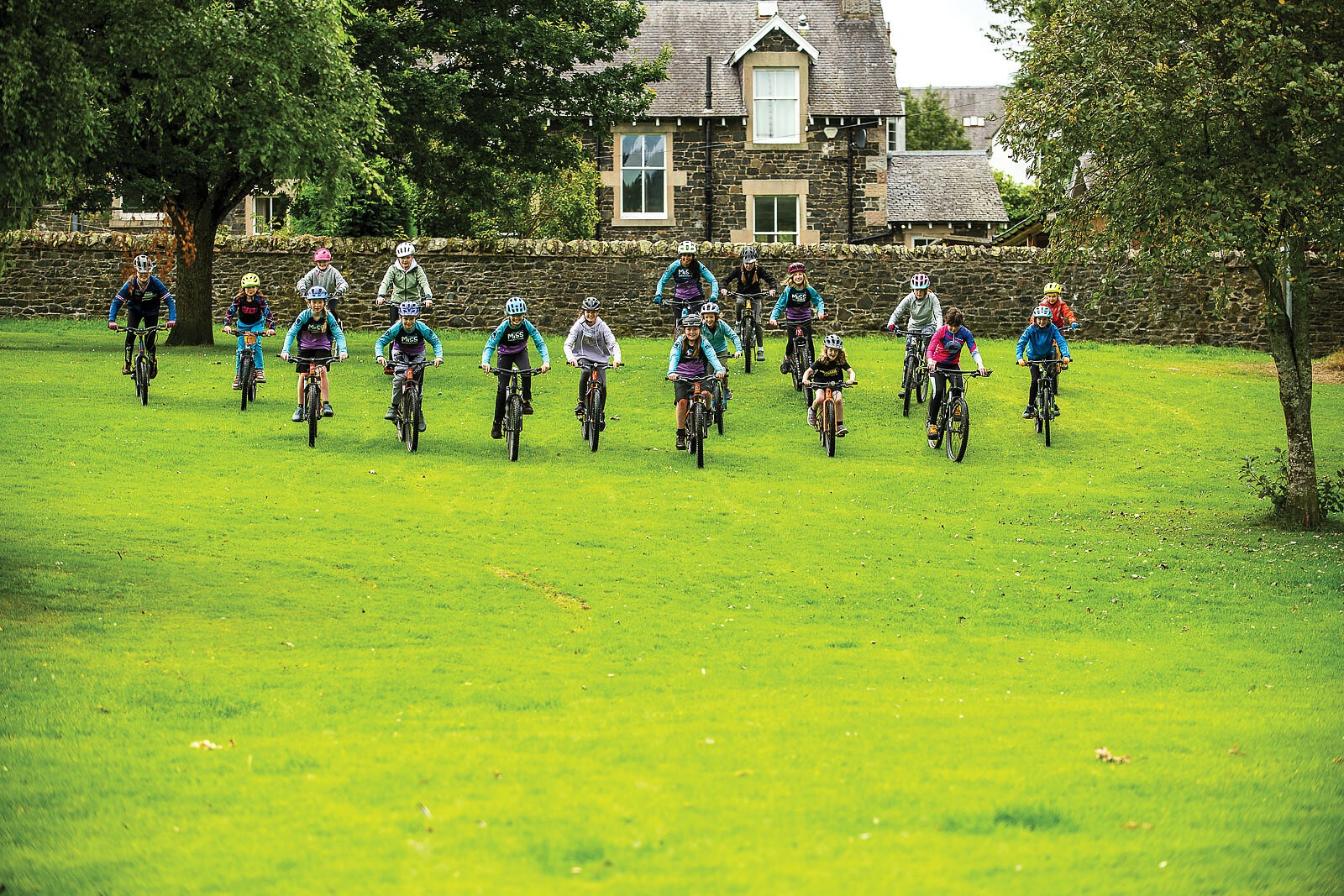
All the hard work they’ve done has clearly been a huge hit. The smiling participants are tired and full, and buzzing from time spent doing art activities, eating free pizza, and having fun learning to ride their bikes better.
McKenna rallies everyone for a photocall, and they pile up a nearby slope before descending en masse by photographer Andy McCandlish, who stands there like a tree in a stampede trying not to get flattened as they rush past, whooping with glee.
There’s no bluster here, no sense of bristling competitiveness. Just a bunch of youngsters having a great day out with their bikes. I’m moved by what I see, but also feel a tinge of sadness at the fact that it’s rare to see a group of young female riders together. McKenna was inspired to create spaces for girls to experience mountain biking after being introduced to the sport later in life.
“My dad was pretty traditional,” McKenna said. “Girls weren’t supposed to do anything dangerous, or technical. I didn’t even know MTB was something people did until my midtwenties. But riding made me see that the outdoors is for everyone. So, I want all kinds of people to experience that for themselves.”
Her FNY Collective organizes women’s rides and trail dig days, and raises money for period poverty, a global cause that centers around providing women and girls in low-income areas with menstrual hygiene products. Her work with MissAdventures helps girls between 12-18 learn riding skills, get out on big bikepacking rides, and support each other’s development. McKenna helped ensure every attendee at a recent UCI Mountain Bike World Championship had accessible areas to spectate, disabled bathrooms, commentary in signed language, and other amenities that made for a comfortable and accessible event experience.
She works at these various organizations and on a multitude of initiatives, all while running a successful mountain bike tour company, supporting a husband with multiple sclerosis, and taking time out to politely field questions and interviews from various media and industry contacts.
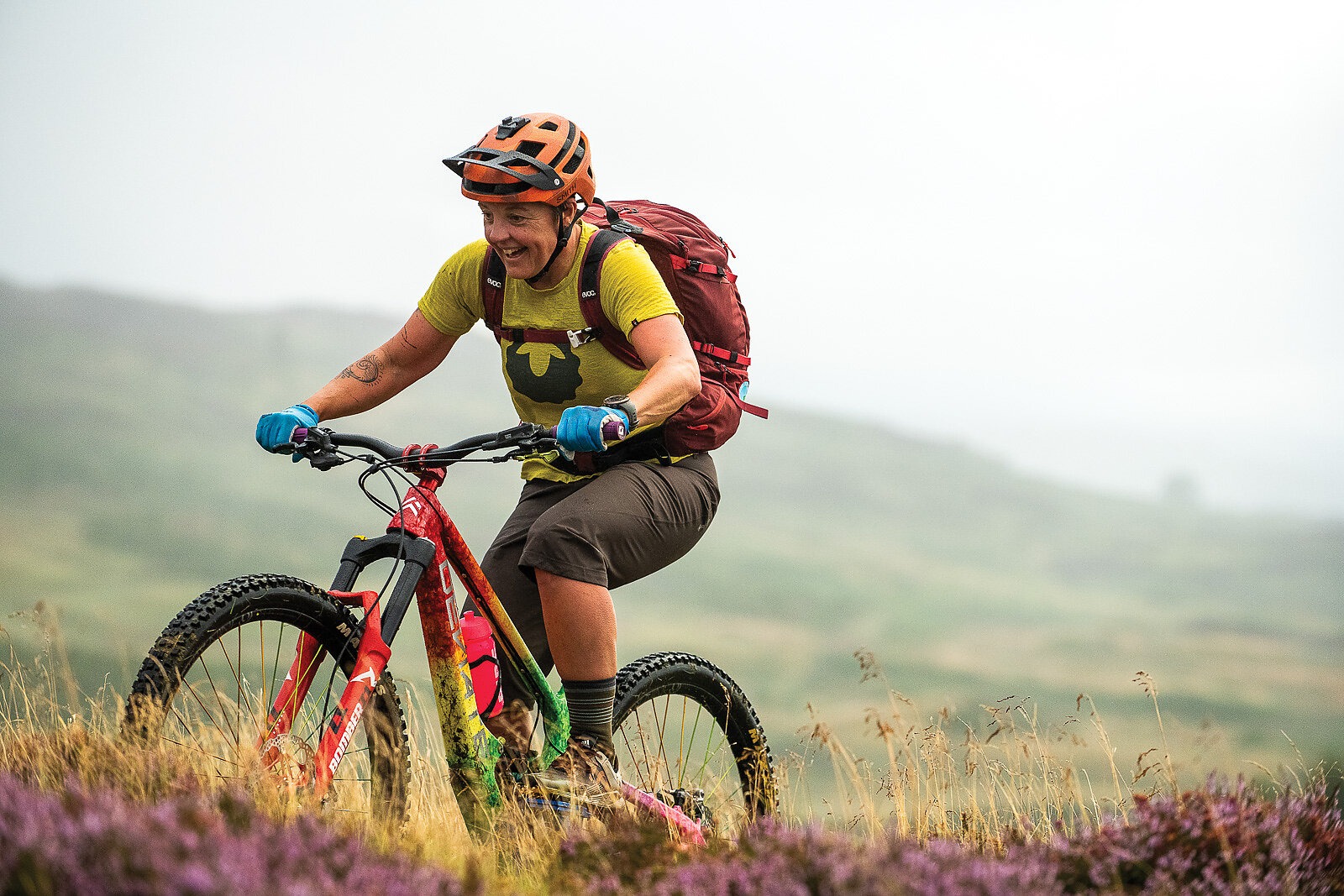
“If you’re a rider, or a journalist, or a bike shop owner, or a trailbuilder, it’s not enough to just support better representation,” McKenna said. “You’ve got to do something about it. It’s up to the whole community.”
A few days after attending McKenna’s clinic in Peebles, I headed north to meet with another rider at the forefront of Scotland’s progressive approach to fostering a robust mountain biking culture.
Her rainbow-colored Deviate bike might look like it’s been decorated by a manic five-year-old with a glitter gun, but Emily Greaves is a serious rider. As she leads me up and down the web of beginner, intermediate, and advanced trails of Comrie Croft at a brisk pace, her wheels eat up the drops, slabs, chutes, and roots with practiced ease, and her energy is unflagging. It’s a dream of a venue—fun to climb, packed with flow and features, and easy to session. The trail system is tucked into a beautiful wild hillside on private land in the Perthshire countryside, about a two hour’s drive north of Edinburgh in the eastern part of Scotland. Here, hand-built trails crisscross the rocky, heather-clad hills above. You can camp, get a sauna, or buy artisanal chocolates and hand-knitted beanie hats from the store. Rent or buy a bike, or even get married.
Greaves is a skills coach, trail guide, and general mountain bike cheerleader. She’s also one of the first people in Scotland to be trained and certified as a Trail Therapy Practitioner. Yes, she’s a mountain bike therapist.
Earning this title means that, for Greaves and fellow therapist Scott Murray, patients can be referred to them by a nurse, doctor, or other healthcare professional. Once that happens, they typically spend two hours a week for eight weeks out on the trails with their therapist guide. A mountain bike is provided, along with instruction on how to use it. But this isn’t about learning to ride a bike—it’s about using mountain biking techniques to achieve a more significant change. On rides, Greaves encourages her groups to support each other as they take risks and descend as fast as she deems safe, all in the name of improving their mental health. This managed risk component of the program is critical and challenges the notion that light exercise and simply being out-side are enough to jolt a patient toward lasting, durable health improvements.
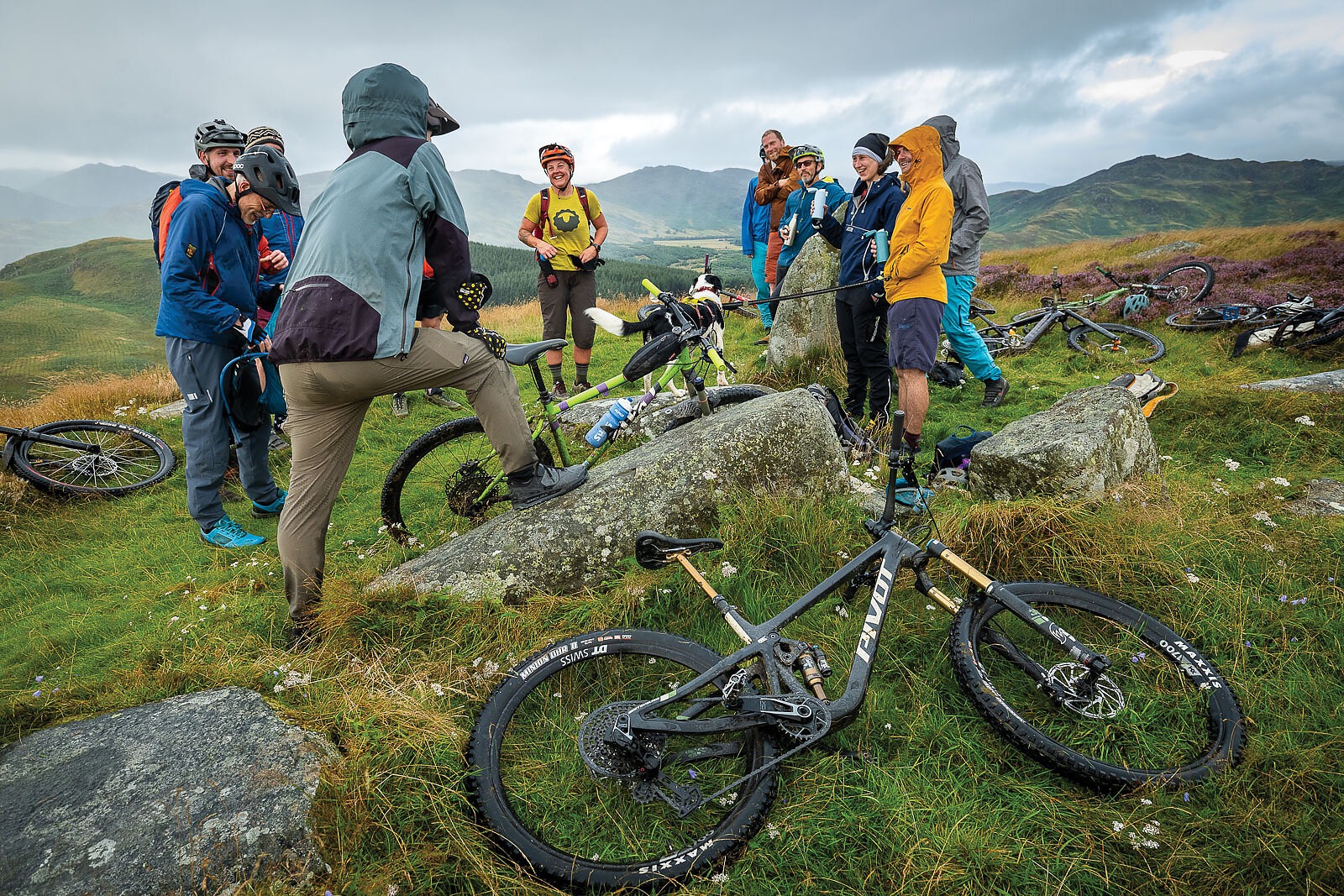
“The therapy works best when we’re doing actual mountain biking, not just riding a bike,” Greaves said. “Drops, berms, rock rolls, hard climbing … real trail features that are challenging and risky. Fear—acknowledging it, facing it, working through it together—is what makes this work.”
It’s fascinating to think that the rush of conquering a tricky drop, tough climb, or long day in the saddle across rough terrain isn’t just euphoria or relief, but a way of specifically strengthening the neural pathways needed to navigate the pitfalls of everyday life. This isn’t some magic mental health bullet, Greaves said, and the academic research is in its infancy, but word is spreading. Inquiries about Scotland’s trail therapy practitioners are coming in from Norway, Switzerland, and even further afield.
The proof of this program’s success, for Greaves, is more personal. It’s the changes she’s seen in the people she’s helped, and the spark that mountain biking has lit within them.
“The hit of dopamine afterwards is visible. You get to the bottom of an amazing trail and you’ve loved it, and everyone’s high-fiving—you’re up,” Greaves said. “That’s that feeling that makes people who come here stay for way longer than they’re prescribed, and buy their own bikes, and organize their own rides without my help.”
Will Clarke knows the benefits of growing a friendly mountain bike community. At a parking lot in Ballater, he’s beaming from ear to ear when I arrive to meet him.
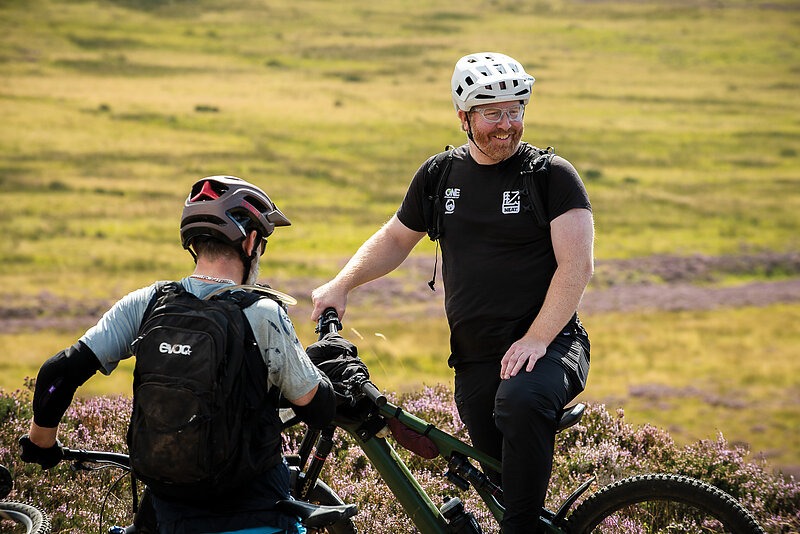
Clarke is an avuncular giant of a man who, standing over 6 feet tall, looks big as a barrel as he waves at our truck. Every community needs its activists and advocates, but people join that community when they feel welcome, and no one embodies that welcome better than him. He’s tirelessly enthusiastic about the region, and his work with North Aberdeenshire Adventure Tourism has been an integral part of changing old perceptions about the value of riding.
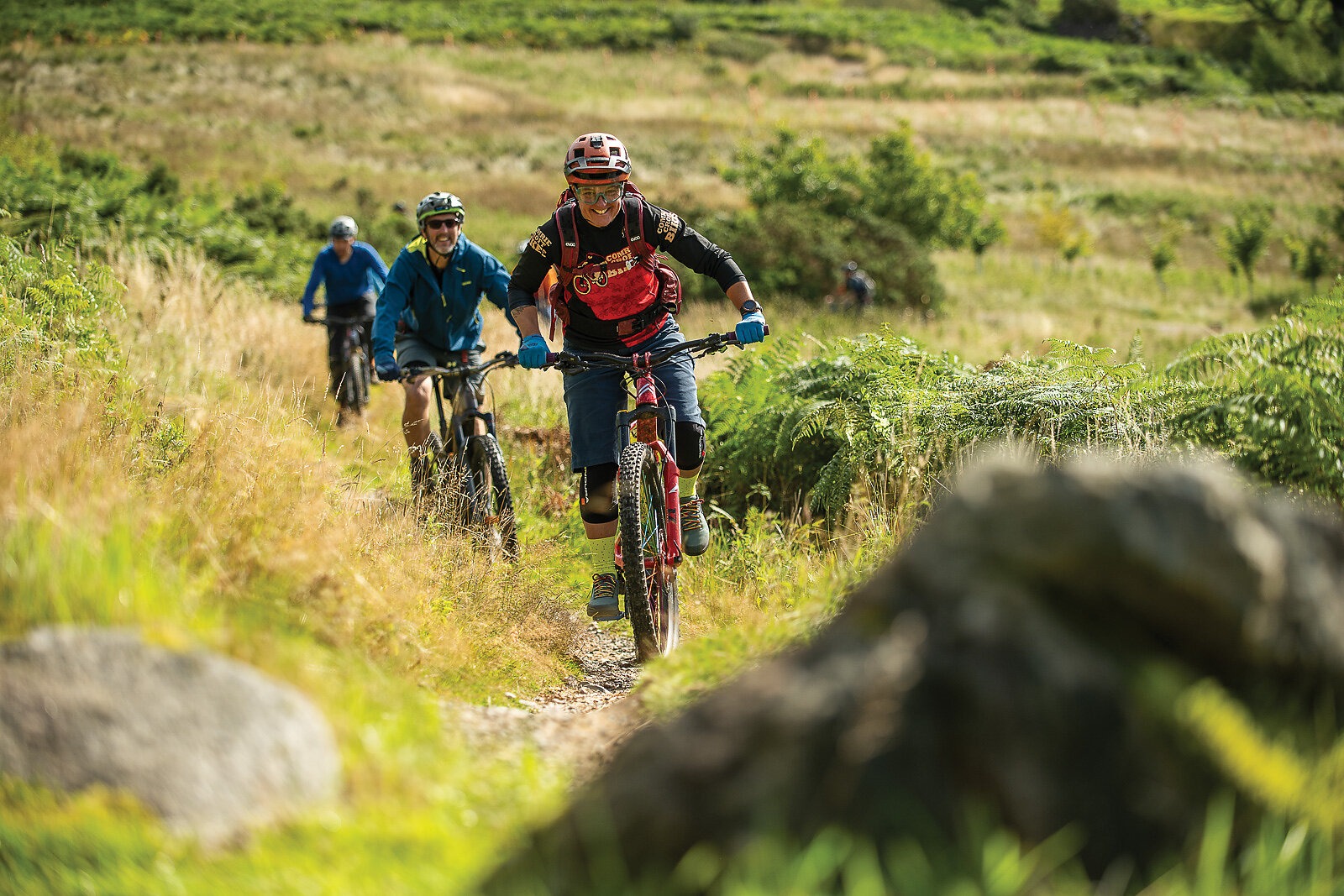
“We had a lot of trails here and they’ve been around for a while, but every potential expansion or development often got bogged down in details and delays,” Clarke said. “Mountain biking and mountain bikers just didn’t seem to be part of the wider discussion when it came to developing the area.”
But in 2018 a huge storm wreaked severe damage on the mountain biking landscape and shut down trails. In the aftermath, local businesses saw revenue drop with fewer guests frequenting hotels and restaurants. Steadily, the community acknowledged that it needed mountain bikers to return in earnest if it were to continue to prosper. A coalition of businesses, landowners, trailbuilders, and local government set about rebuilding the North Aberdeenshire trails in a way that would bring people back. The results are spectacular.
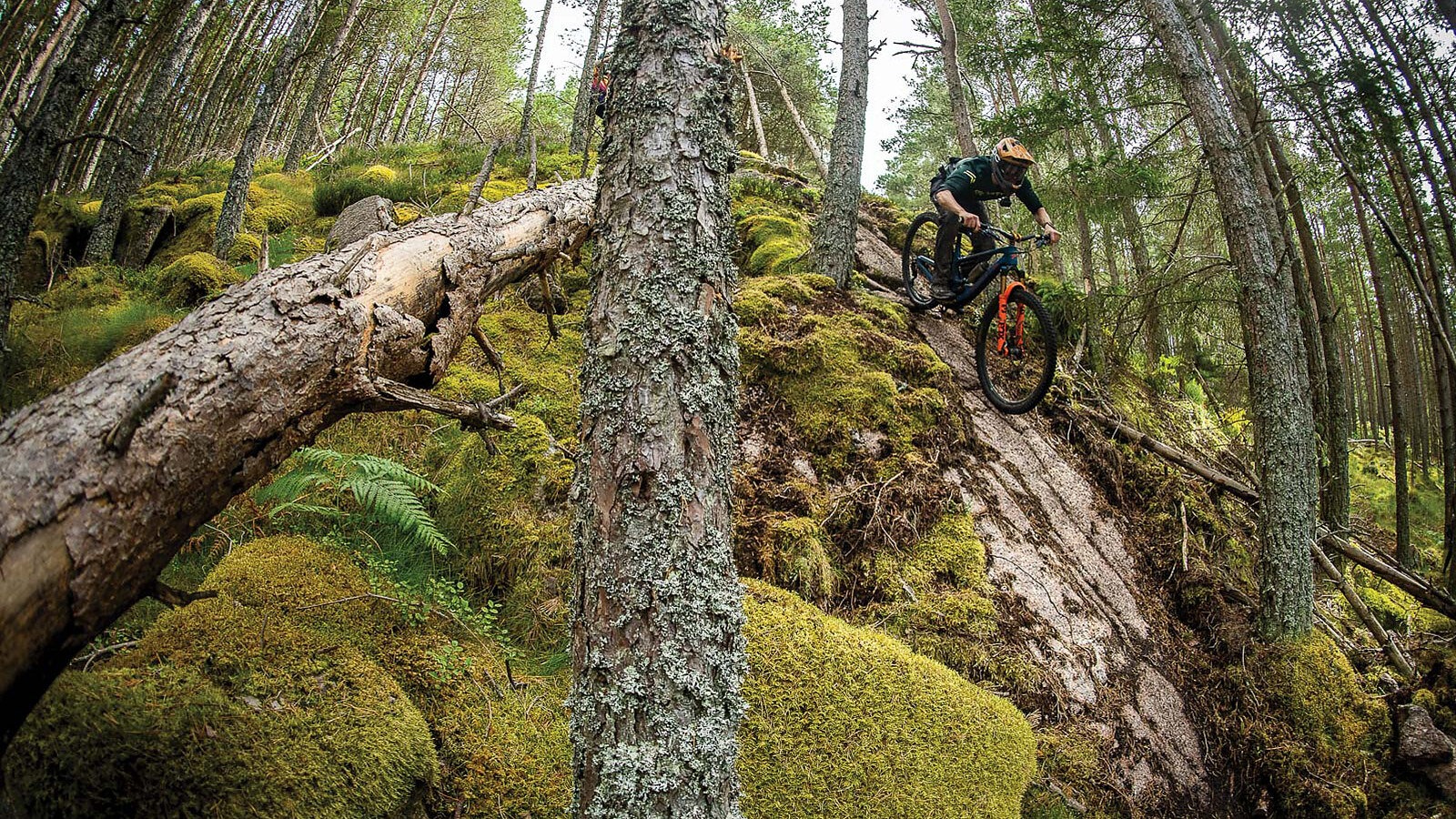
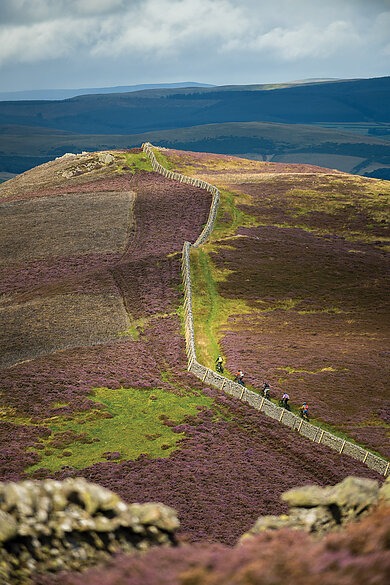
My first ride is Heartbreak Ridge, a must-do, up-and-over trail outside of Ballater. Huge swathes of heather cover the sparse hillside, the wind is up, and we spend four hours twisting through peaty puddles, skittering down ragged rock faces, and wincing as the boulders grasp for our derailleurs at every turn. It’s an epic day out and it’s just the start. There are fast, flowing berms and jumps at Tarland Trails, the biggest purpose-built trail network in the county. There are spine-chillingly steep rock slabs in the forests of nearby Aboyne. You could probably ride a different trail every day for a month without repeating yourself, and three days doesn’t even begin to cover it. But as a microcosm of what makes Scotland a special place to ride, it’s hard to think of a better example. There’s a multitude of riding all within easy reach. The hotels, bars, and pubs seem genuinely delighted by the sight of mountain bikers. And there’s a host of locals all ready to join us out on the trails.
North Aberdeenshire doesn’t feel like a place that tolerates or accepts mountain biking but, rather, is supported by it.
Back down south in Innerleithen a few days later, I get the sense that this tiny town is also defined by its riders. I’m here for a meeting with Stu Thomson, the founder and CEO of Cut Media, the production company responsible for much of Scotland’s most smile-inducing export besides whisky: Danny MacAskill flicks.
“Take a look around,” Thomson says, gesturing across a buzzing, artisan coffee shop we’re in before pointing out the window to the high street of Innerleithen. “Ten years ago, this place wasn’t doing so well. Shops were shut, people were moving out.
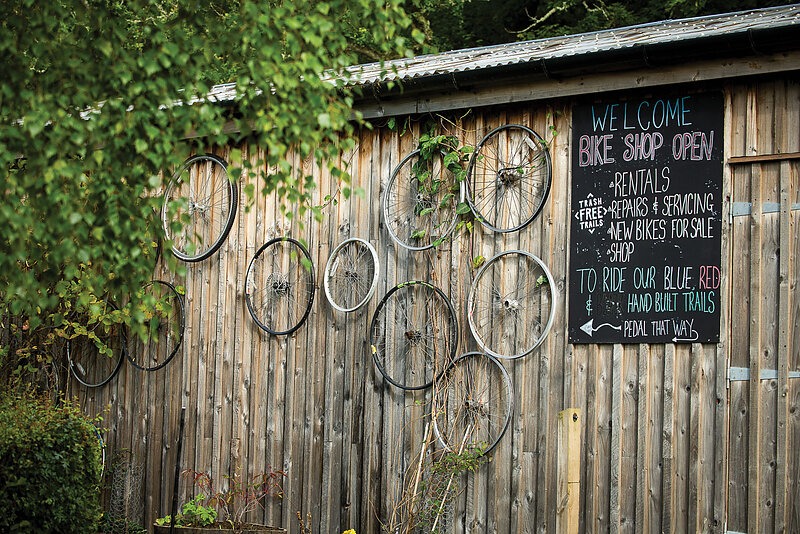
There’s only 2,000 people living in Innerleithen, but there’s four bike shops, there’s restaurants, hotels, and camping … this is all from mountain bikers. People see the value of what riding can do.”
Thomson is a true “OG” in the Scottish mountain biking community. He rode his first downhill circuit at 16 years old, then turned pro at 18. As one of the country’s first serious World Cup downhill racers, he was in place to witness the sport’s technological explosion.
“Every week it seemed like something new was coming out,” Thomson said. “There were different bikes, changes in suspension, brakes … it felt like the sport was unstoppable.”
After successful seasons riding all over the world, he sustained a nasty ankle injury that put paid to racing, but his gift for timing stayed perfectly intact.
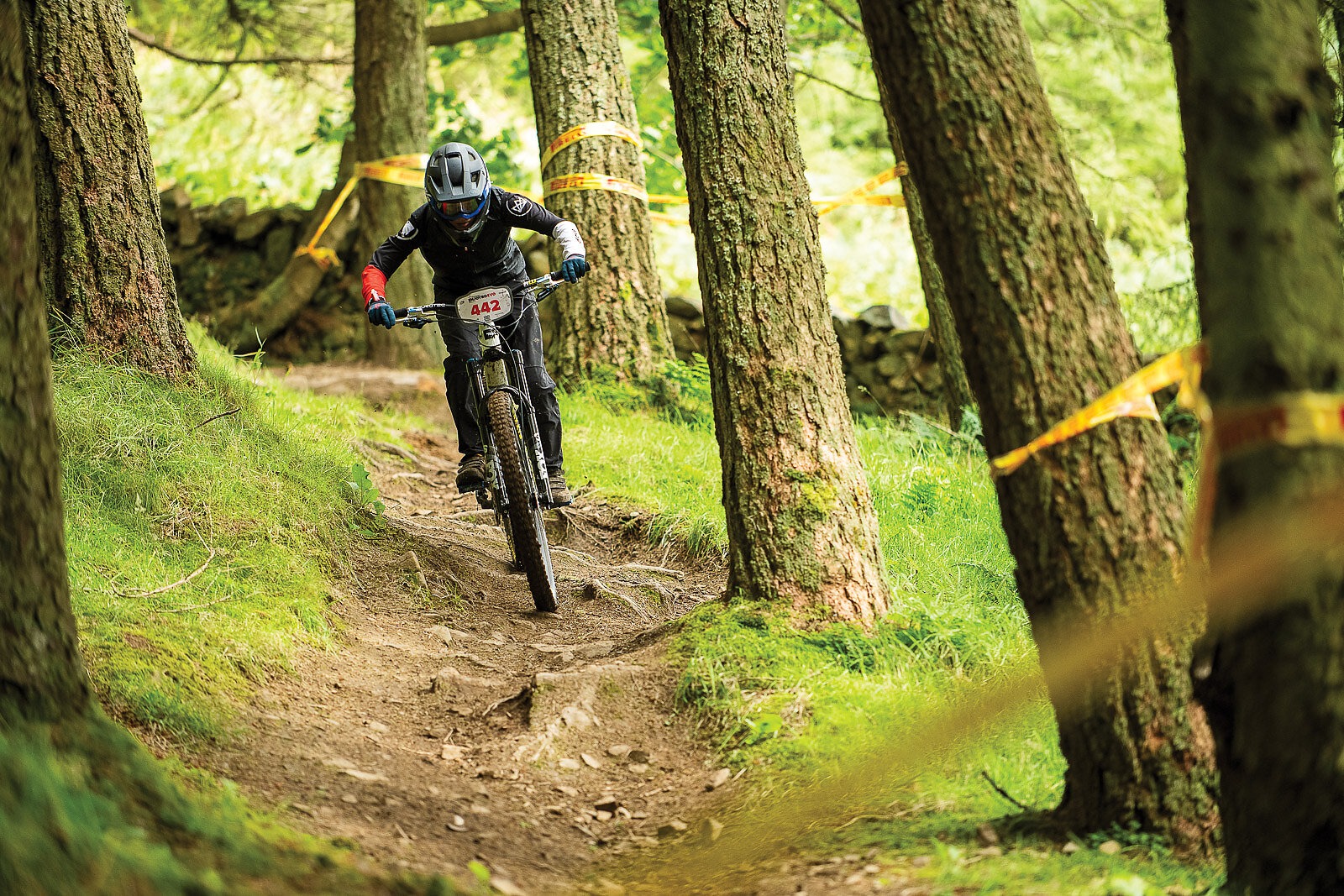
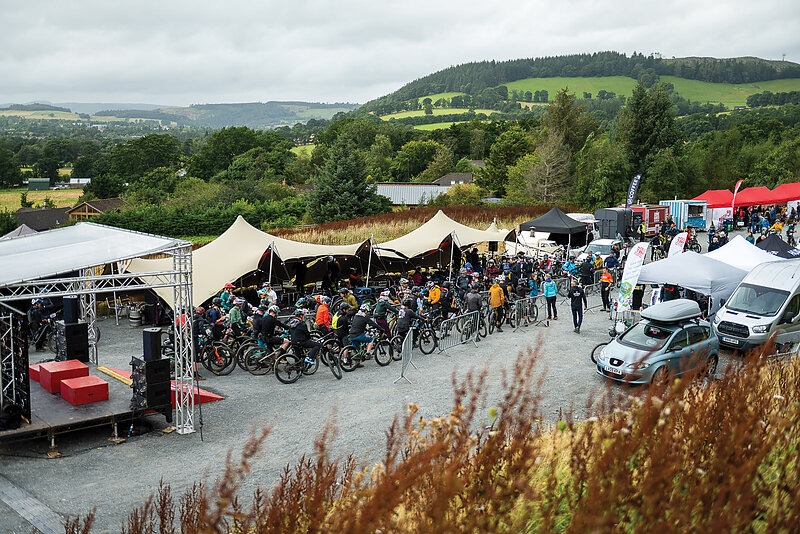
“I’d always been a good cameraman. I shot footage for Sprung (an early UK bike video magazine) and I loved the way we were able to portray the culture of MTB, not just the competitive The TweedLove Enjoyro is as much a community gathering for Scottish mountain bikers as it is a race. Will Clarke (bottom left) has helped champion local riding for years. side,” Thomson said. “Then when YouTube really began to become a thing in 2008, I started to get really passionate about MTB and bikes in general—I knew we could get a wider audience excited too.”
Excited might be an understatement. The numbers of views on films Thomson has made with MacAskill are mind-bogglingly, Hollywood-shamingly huge. “A Wee Day Out”? 46 million views. “The Ridge”? 81 million views. “Imaginate”? 91 million views.
“It’s about delight. We know that there’s hardcore riders out there who can see and appreciate just how difficult a trick or a sequence might be, but there’s a lot of people who don’t,” Thomson said. “We have to delight both sets of people with every film, and we can’t do that without a story. If it was just trick after trick it wouldn’t work—we need a story that makes people feel happy when they see it. I’m a story person first. But an amazing front flip over a fence doesn’t hurt either.”
Thomson’s love for the people and riding in Scotland infuses every story he tells, but when we head out after coffee for a ride, it turns out we’re adding a chapter to another story, one that’s very close to his heart.
He was a close friend of Rab Wardell, a legendary figure in Scottish mountain biking, who died of a cardiac arrest in 2022 just two days after winning the national cross-country title. He was 37 years old. There’s a trail above Innerleithen named in his memory, and Thomson’s riding it for the first time since his friend’s death.
“Rab was just a huge character, totally larger than life, and he died very suddenly. The whole scene here felt the shock of it. The fact that there’s a trail here in memory of him … it seems perfect,” Thomson said.
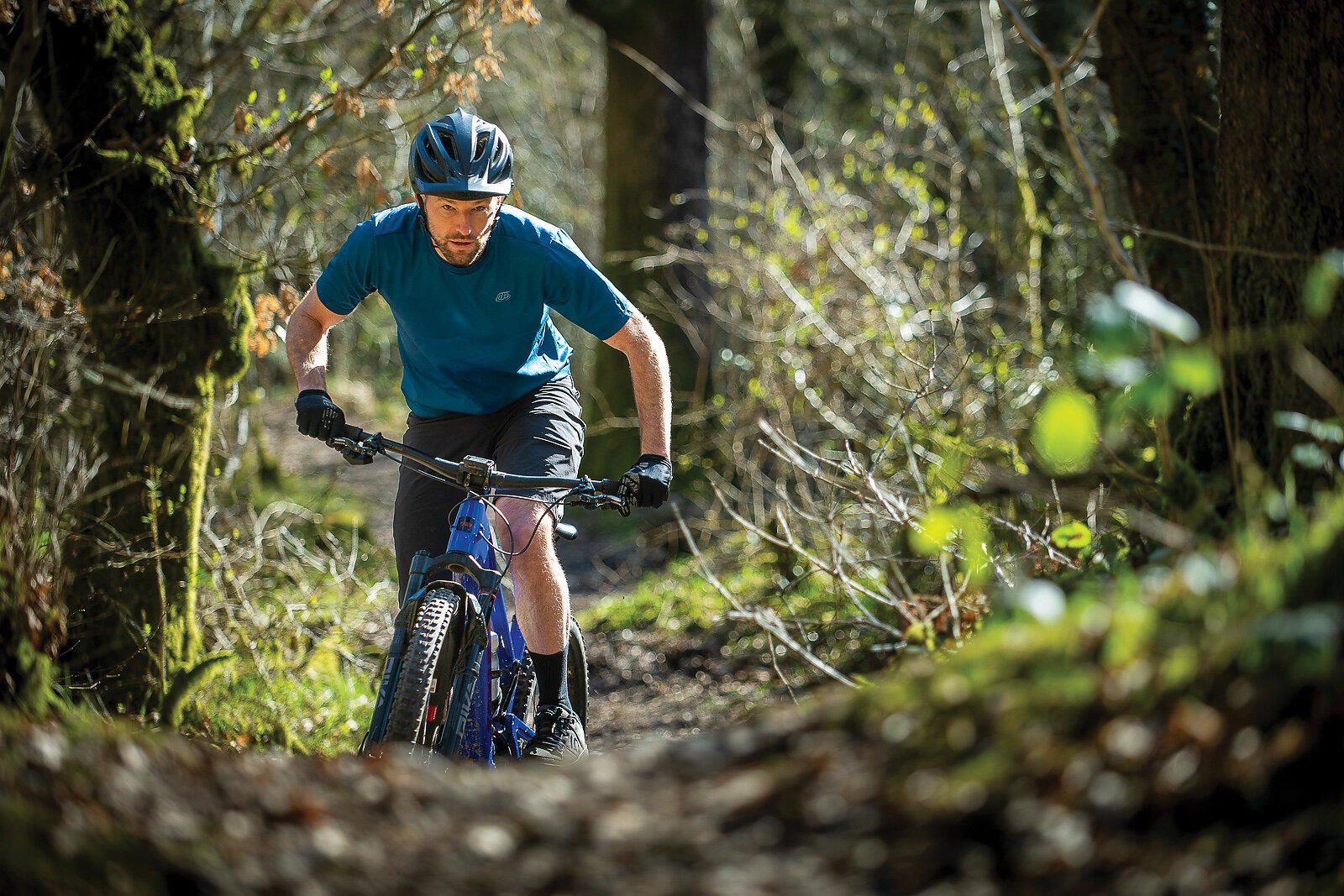
When I ride trails for the first time, I generally try to think about death as little as possible, but the rapid, rutted, rooted start of Rab’s muddy downhill definitely lets us know we should be paying attention. I suspect Thomson’s taking it easy for my benefit, but it’s one near-OTB into a puddle after another as we slither and slop our way down the hillside, before the dense forest opens out to a view over the whole valley with gravelly shale under-wheel and dozens of riders grinding up the fire road beneath us. I never met Rab and couldn’t begin to guess whether this trail is something he’d have wanted. But if the riders who knew me felt moved enough by my death to build a trail in my memory, I can’t think of any better way to make sure I was still included.
Though, despite its inclusive scene and progressive views toward mountain biking, Scotland isn’t a magical mountain biking nirvana. There are limited resources, tussles with landowners, and political fights about who and where and what is best to move its riding community forward, just like anywhere else.
But it is undoubtedly emerging as a remarkably special place to ride. You can hit World Cup downhill tracks or beginner trails, wild mountain singletrack and sculpted jump parks, tackle exposed rocks and drift on soft loam—all within the span of a few hours. You can apply to set up your fledgling mountain bike business in a government-backed industry incubator. Or, you can go to college to become a professional mountain biker.
If nothing else, Scotland serves as a shining example of what can be accomplished when bureaucrats recognize mountain biking’s ability to improve mental and physical health, and treat riders and their culture as something other than a fringe group.
Laura Jane Allen, a local racer and filmmaker, who joins me for a quick cup of tea while we wait out the rain at the foot of the ever-expanding Glentress trails put it to me best: “I was race-trained by Scots, and gym-conditioned by Scots, and supported by Scots at every step of my career. This country has the widest range of riding of anywhere in the UK, and I love it utterly.”