Trek Fuel+ Gen 2 Adaptable performance.
When Trek launched the all-new Fuel line last summer, I was eager to spend time on the Fuel LX, MX, and MLX configurations. I’ve spilled a lot of words about that bike here, here, and here, and it’s safe to say I’m fairly smitten with it. But Trek wasn’t content to just release perhaps the most adaptable trail bike of the year. They simultaneously announced a corresponding “+” line that takes the same geometry and features and slaps on TQ’s new HPR 60 motor and a 580 watt-hour battery.
That means that you get the same absurdly adaptable platform, that’s easy to swap between a 145/150 millimeter 29er, the 150/160 millimeter mixed wheel bike I reviewed, or a 160/170 millimeter full 29-inch bike. And yes, the secret menu options are still available, although, as I’ll get into later, I actually prefer slightly different configurations with this bike than with the meat-powered version.
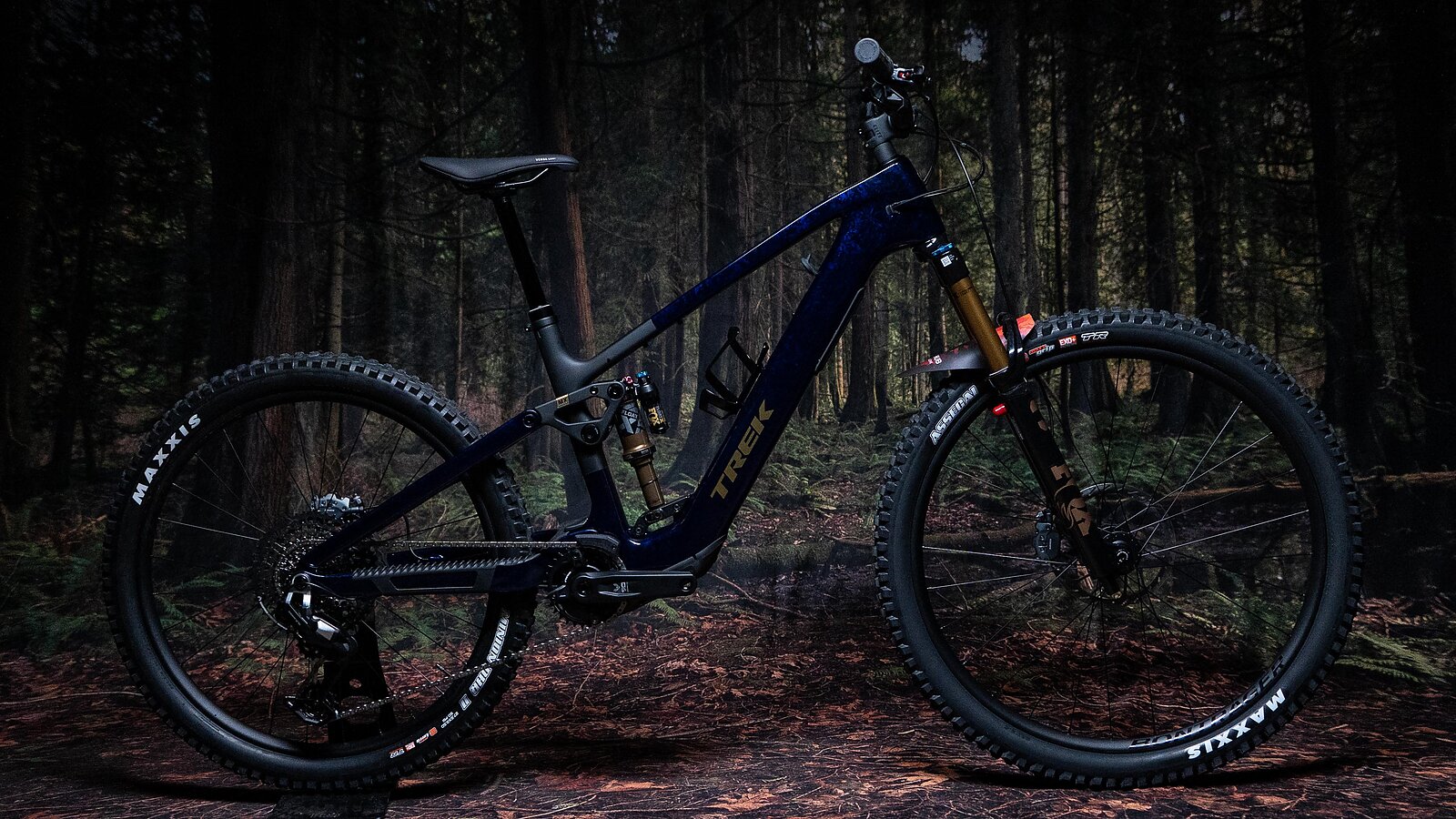
Trek Fuel+ MX 9.8 Eagle 90 Gen 2
- Travel: 150 mm (rear) 160 mm (front)
- Wheel Size: MX with full 29” capabilities
- Size Tested: Large
- Build Tested: 9.8 Eagle 90
- Head Tube Angle: 64.2°
- Motor: TQ HPR 60
- Battery: 580 Wh
- Measured Weight: 44.94 lbs (20.38 kg)
- MSRP: $10,199
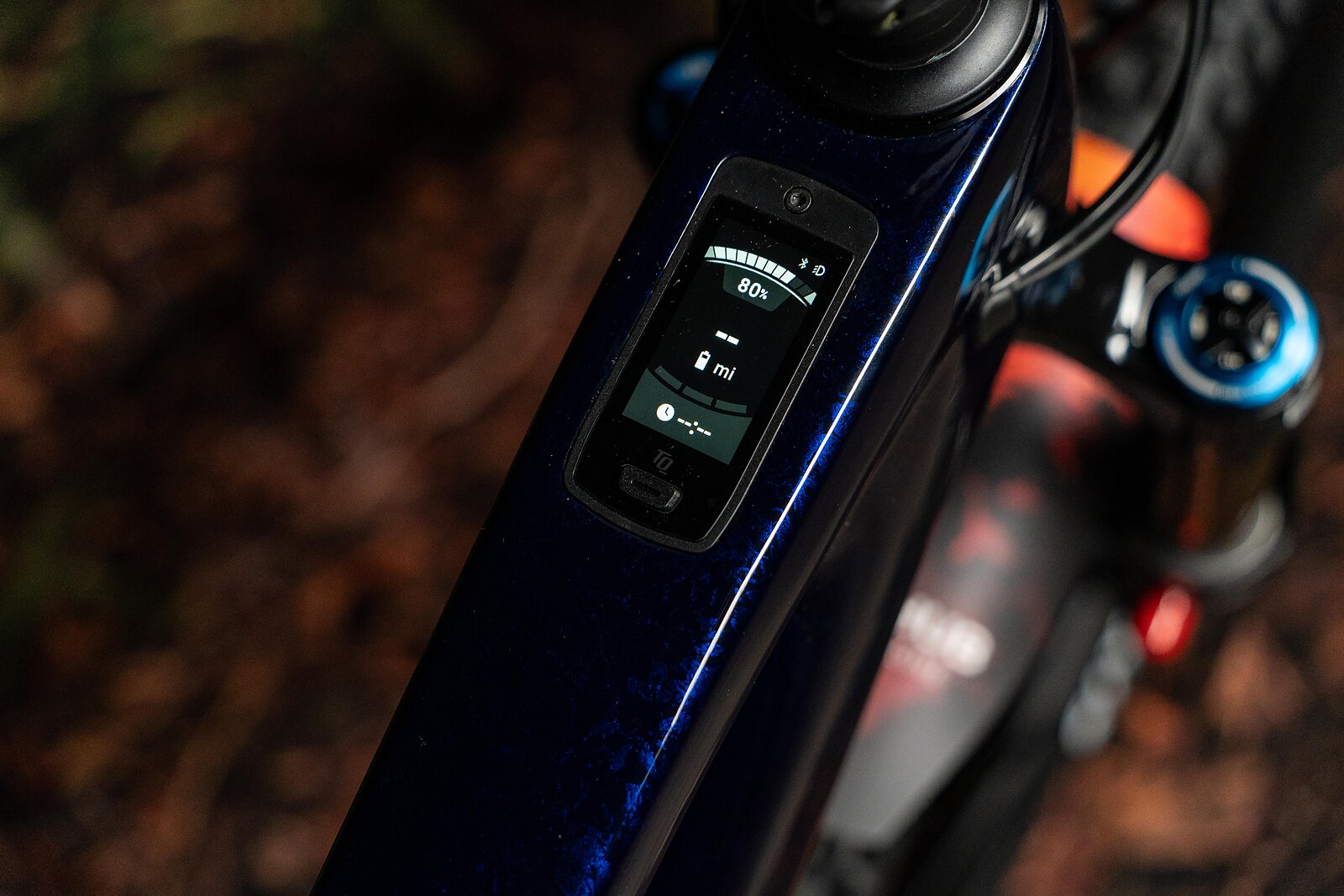
Motor and Battery
Last spring TQ released its new HPR 60 motor system, which uses the same motor mounts as the previous 50 system. As you’d expect, you now get 60 newton-meters of torque, and 350 watts of assistance vs. the 50 Nm and 300W of the old version.
I first covered this motor in my review of the Yeti MTe, and the Trek delivers similarly-upgraded performance. It’s noticeably more powerful and zippier than the old system. It’s an impressive difference. I spent a fair bit of time on a Trek Slash+ with the old system, and the new one absolutely blows it out of the water. The HPR 60 is satisfyingly quiet, with just a low whine to indicate its assistance. The higher end 9.8 and 9.9 level builds get a full color display, while more affordable builds get the basic black and white display.
The Fuel+ uses a 580Wh battery that’s fairly easy to swap out, and, like other HPR60 bikes I’ve used, battery life is excellent. E-bike battery usage is incredibly subjective, and I’ve found that I tend to exist at the high end of “battery burnt per mile” calculations, but I can easily get 4000’ of climbing out of this system on the highest assistance level. If you’re lighter than my 200+ lbs, or if you go easier on the boost, I’d expect to get a fair bit more range.
Like most mid-power e-bikes, the Fuel+ exists in an interesting middle ground. No one is going to mistake the Fuel+ for a full-power e-bike, you’d get dropped immediately on a group ride, and it requires a lower gearing and higher cadence to truly feel like its assistance is optimized. But, similarly, it’s much faster than riding a meat bike. In my experience, bikes like the Fuel+ shine on longer, more exploratory rides. I have much less battery anxiety on the Fuel+ than I do on full power e-bikes, and it rides much more like a regular bike. To put that into perspective, two winters ago, I did a bunch of big (7-10,000’) rides on an aluminum Trek Slash. This Fuel+ weighs within a pound of what that Slash did, and has a whole motor and battery system that bike lacked.
Out of the box, there was a fair bit of creaking from the Fuel+’s bottom bracket area. Upon investigation, the bolts mounting the motor to the frame were quite loose, and tightening them took care of most of that noise.
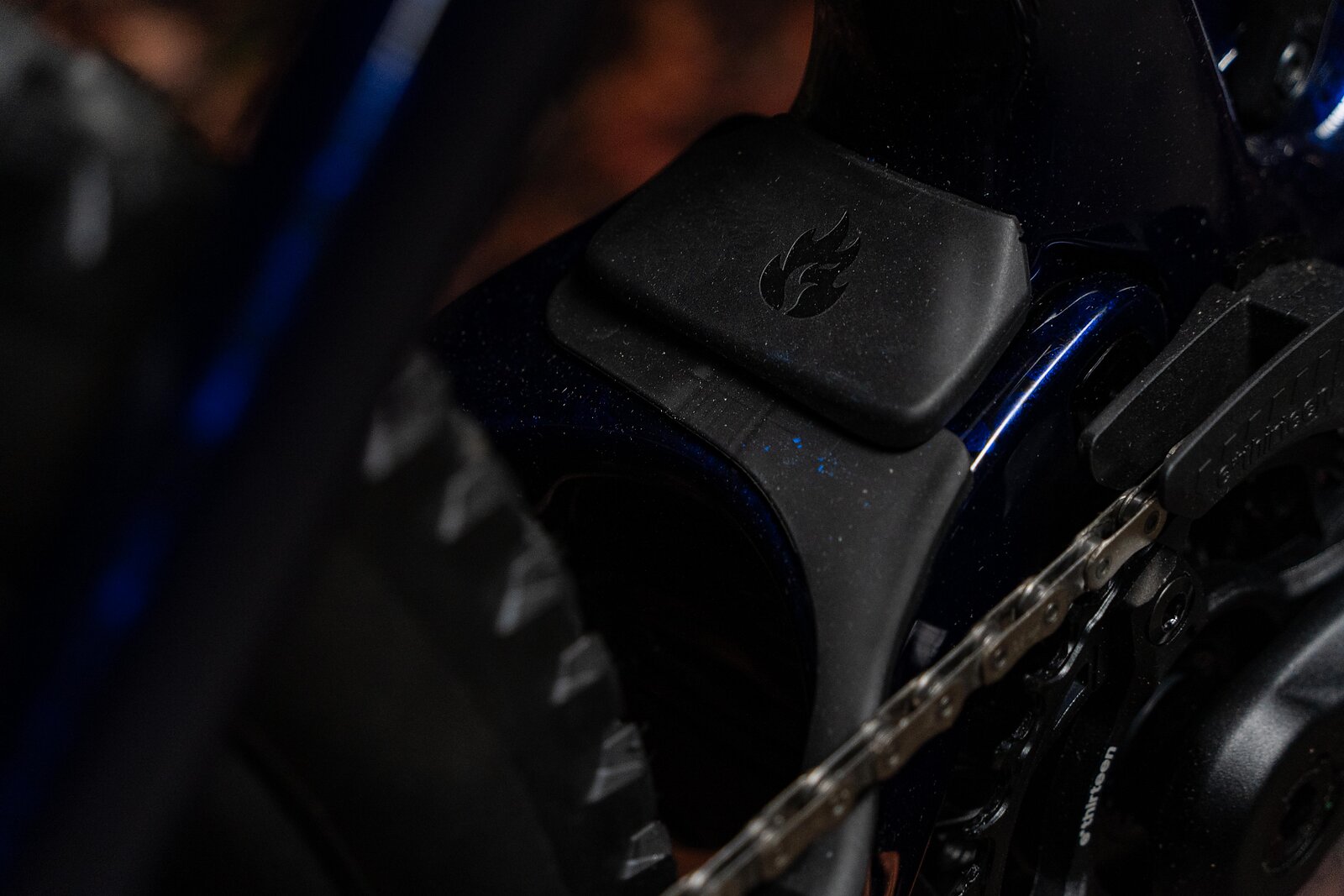
Fuel+ Frame Details
Trek did its best to make sure that the regular Fuel and Fuel+ frames could share as much hardware as possible. So basically anything that’s not directly related to the battery and motor system should work on both frames. That includes the lower shock mounts, and upper links. Swap them around to your heart’s content. The shock curves and progression rates also stay the same between the two bikes, and they use the same shock tune. Each model features two progression options in the lower shock mount, with the EX being the least progressive, the MX falling in the middle, and the LX being the most progressive.
Just like the regular Fuel, the Fuel+ has an impressively deep seat tube, I can fit a 250 mm dropper with no issues. I really like Trek’s current frame details. The standards (mostly) make sense, I appreciate the 34.9 millimeter dropper post, and the frame protection and padding is absolutely dialled. This is a quiet bike in terms of chain slap and general riding noise. It’s also worth noting that it’s available in aluminum, which is a bit of a rarity in the e-bike space.
Fuel+ Geometry
Like the regular Fuel, the Fuel+ has fairly “normal” geometry with a 64.2° head tube angle, 77° effective seat tube angle, 482 mm reach, 445 mm chainstay, and 641 mm stack. I mentioned this in my Fuel review, but Trek has done an excellent job of making sure that the Fuel’s geometry stays within the realm of “normal” in each of its travel configurations. Yes, this MX setup has slightly less reach, and a steeper seat tube angle than the LX meat model, but it’s not outlandish in any regard.
Fuel+ Build
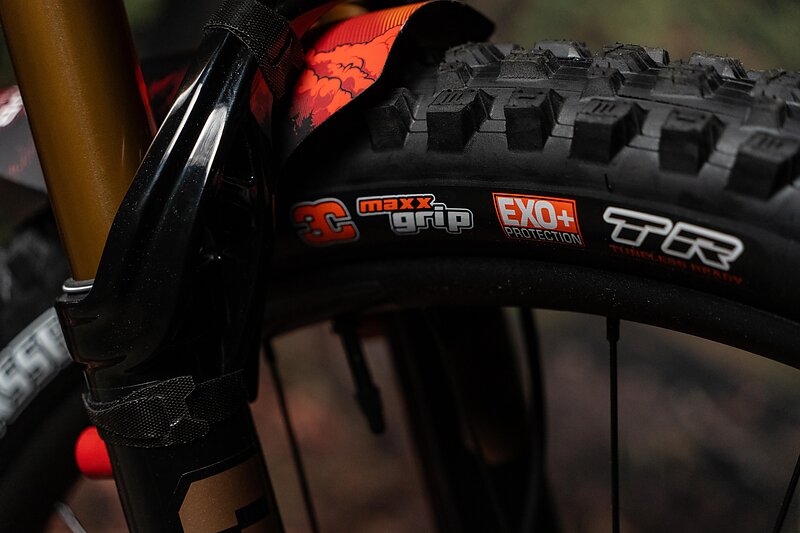
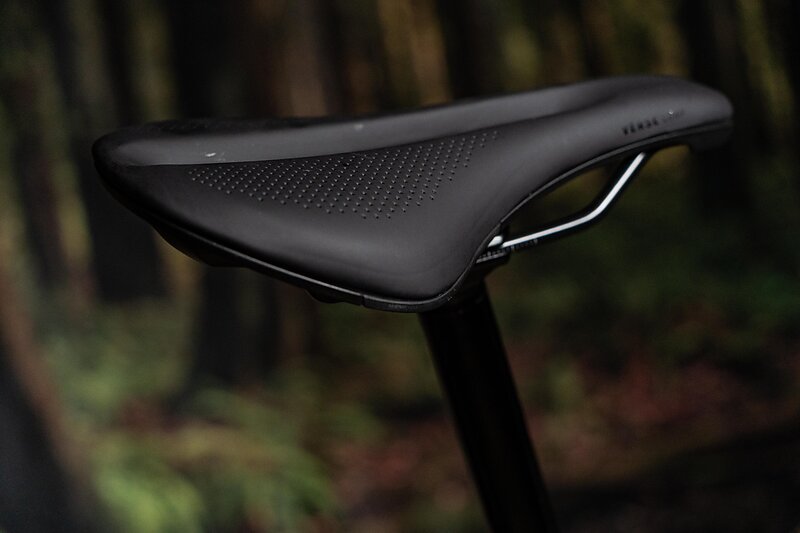
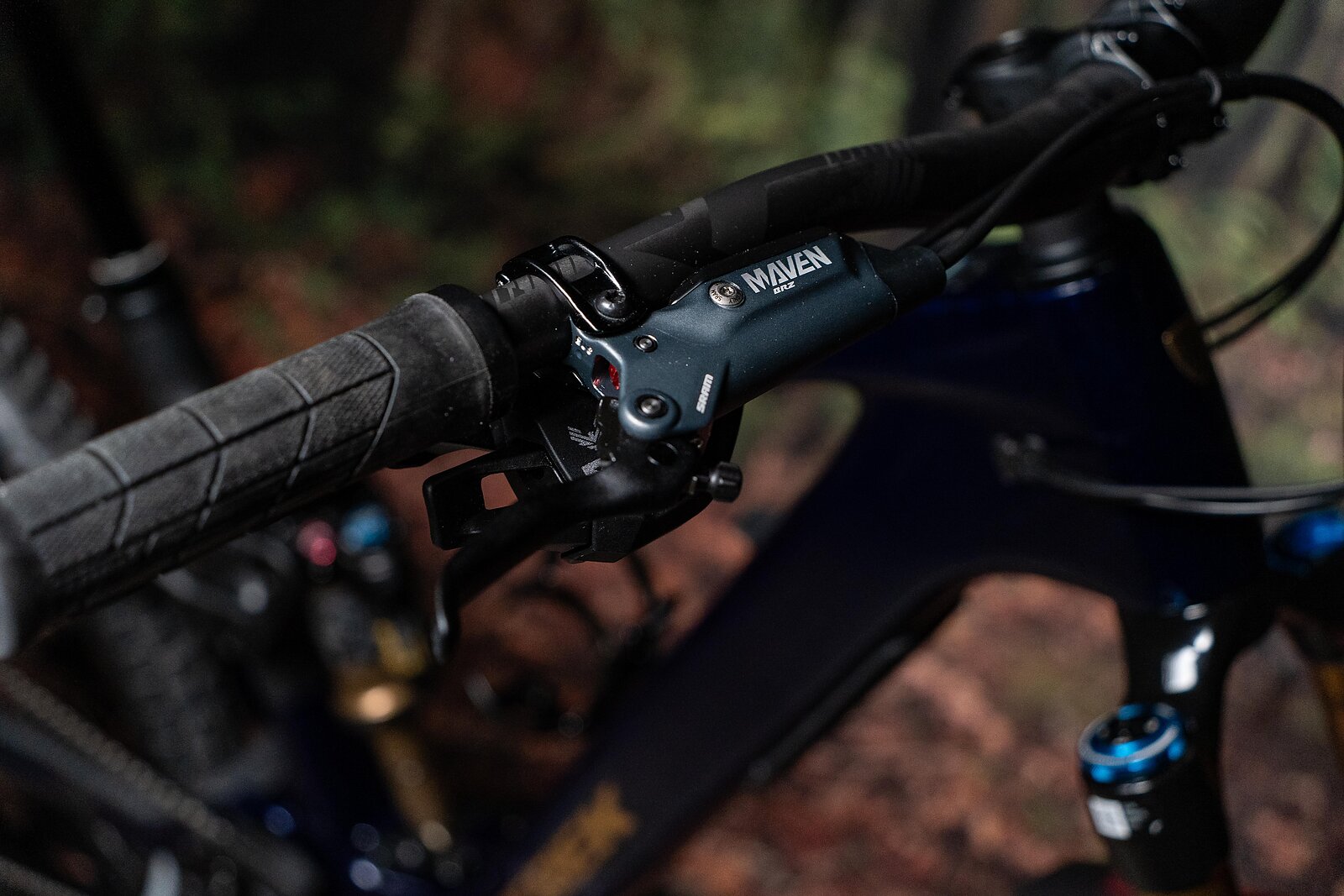
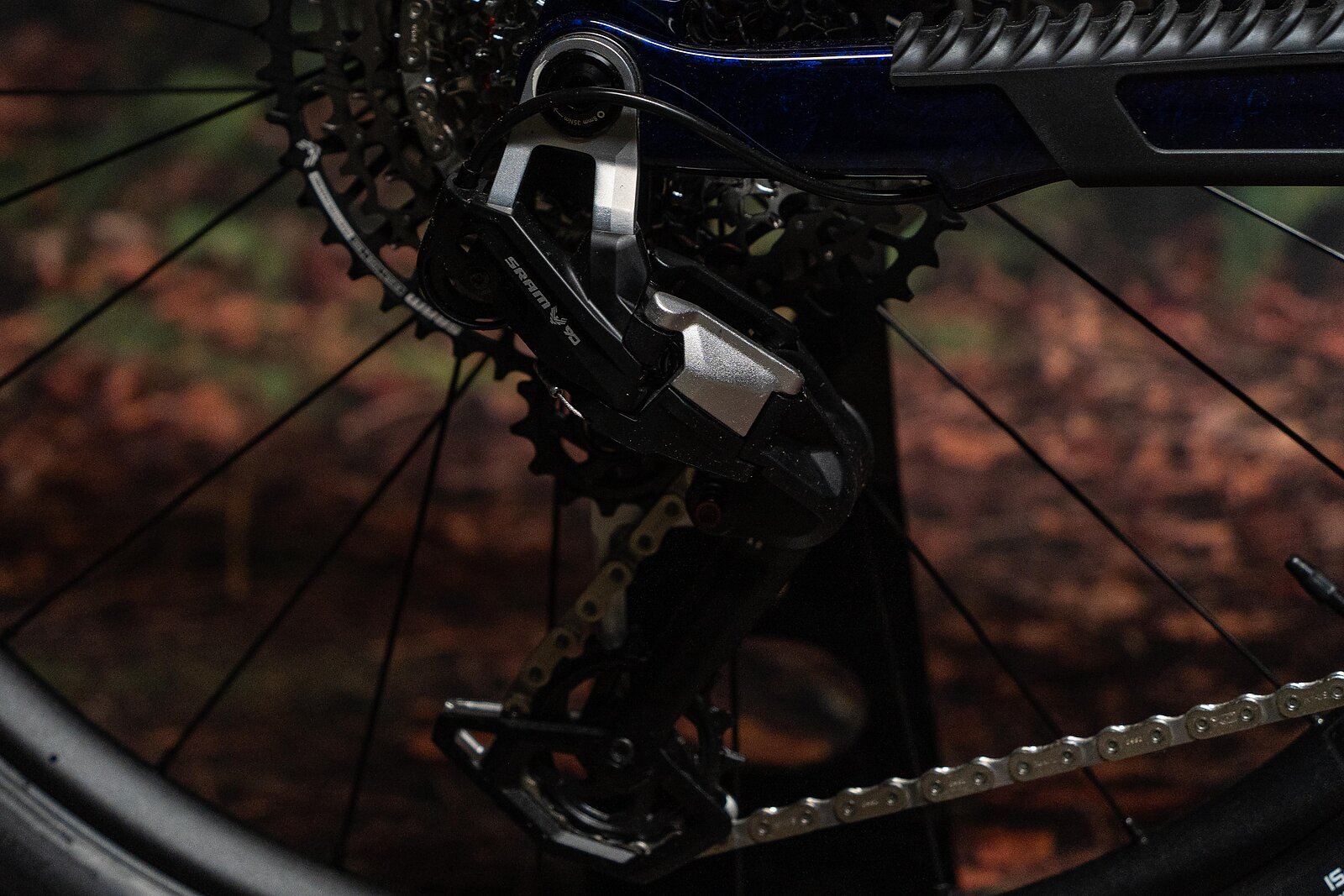
I reviewed the MX 9.8 Eagle 90 version of the Fuel+. It’s got what I’d call the “well-considered” build. It’s not the absolute most gucci spec, but it’s more than adequate. SRAM’s Transmission Eagle 90 system is still the cable-operated drivetrain to beat in my experience, SRAM’s Maven Bronze brakes still do the dang thing, without costing too much, and it’s cool to see Maxxis tires specced on these bikes, even if I would probably bump both up to a DoubleDown casing.
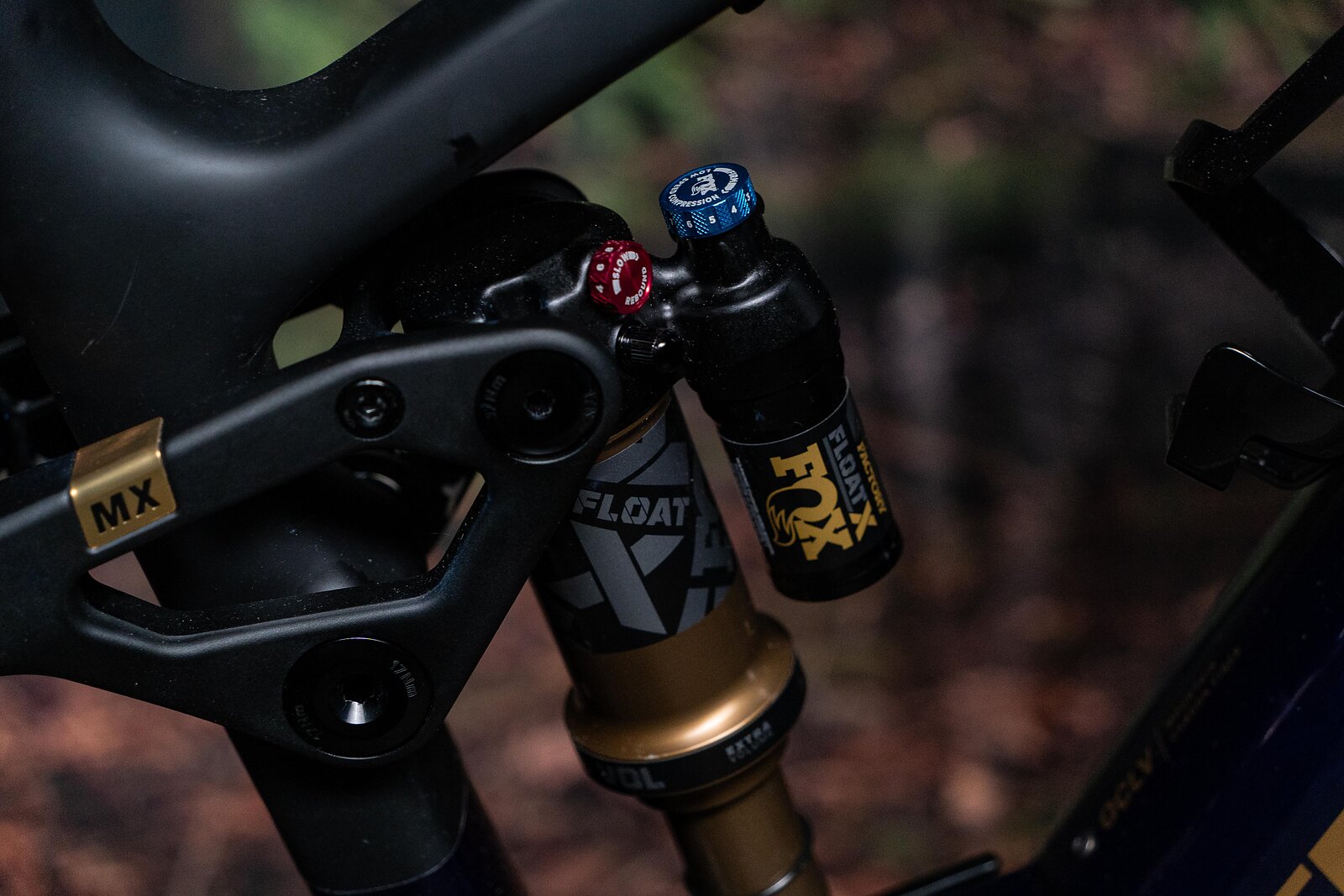
On the suspension front, the Fox 36 and Float X are excellent. Because A) this bike is super adaptable to a bunch of different forks and shocks, and B) we’re publishing this in the winter, right before a spring of potential suspension releases, I’ll also throw in my current fork recommendations between Fox and Rockshox. Between the Pike and 36 SL, I’d choose the Pike all day. I think it’s better damped and controlled than the Grip X 36 SL. Between the Lyrik and the regular 36 Grip X2, I think the 36 is a strong contender, with the caveat that I’ve seen and heard too many reports of bad QC with this fork. There seems to be a common damper issue that gives it an obnoxious squawk. At the top end, between the Podium, 38, and Zeb, I’d take the 38 for anything less than a full-power e-bike. It feels a touch more refined and better damped than the Zeb, and while the Podium is cool, its weight penalty is hard to stomach. We’ll see how those rankings shake up as brands potentially release new forks this spring, but hopefully it’s helpful to folks trying to decide what to upgrade as they bump from MX to LX builds.
Riding the Trek Fuel+
The Fuel+ immediately felt like home, like “my” bike. That shouldn’t be surprising given how much time I’ve been spending on its meat powered sibling, but I think even for folks who haven’t had that introduction, this should be a fairly intuitive platform. I spent most of my time in the MX configuration, but I’ll get into my linkage experimentation later.
Going uphill, I never felt a need to lock out the Fuel’s suspension. It’s not absurdly efficient, but it transfers power well, while still maintaining enough traction for most situations. It’s not the most glued-to-the-ground bike, and I found that it favored powering or humping up and over obstacles vs. trying to crawl up them. That does highlight one of my favorite things about this bike though, regardless of whether you’re pointed uphill or down, it feels fairly maneuverable, and never feels that heavy or cumbersome. So you don’t have to rely on the motor, and can instead just ride it like a real bike.
I found that I really enjoyed the Fuel+ on meandering up-and-down trails where I could attack, similarly to how I would on the Top Fuel, trying to pump through and carry speed in awkward flat corners. I’ve ridden some e-bikes that feel best suited to blast up a road, and then blast back down the straightest descent possible, and the Fuel+ breaks that mold quite nicely.
Going downhill, the Fuel+ is similarly easy to get along with and intuitive. It jumps quite nicely, both on bigger lips, and small side hits. It’s not as plowy as the LX version, and it doesn’t maintain traction quite as well as something like the Yeti MTe. Instead it feels like it wants to be ridden a little more actively, making the most of the trail and pushing and pumping instead of just sitting back and letting the suspension work.
On paper, the MTe and the Fuel+ are pretty similar, but on the trail, there are a few distinctions. I think there’s some secret sauce in the Yeti’s suspension. It balances traction and support in a way that few (maybe no?) other bikes I’ve ridden do. It’s really good. And the Trek is also quite good, but it doesn’t give me quite the same “what is even happening back there!?” magical sensation. But, what the Fuel gives up in intangibles, it makes up for in spade with adaptability.
The other bike I found myself thinking about was the Trek Slash+. I rode a HPR 50 equipped Slash+ a fair bit, and found the Fuel+ to offer an interesting alternative. To me, the Slash+ felt a little like an excuse to take a really capable bike on the sort of rides that you usually wouldn’t. Want to bring one of the biggest feeling 170 millimeter enduro bikes on a big wandering ride that would suck to pedal the meat version on? The Slash+ has your back. And, while that’s cool, I found the Fuel+ to be a much more well-rounded option. As we’ll get into, the full-sauce LX version isn’t that far off the Slash in terms of capability, while feeling much more manageable, and less silly on mellower trails. The Slash+ does an excellent job in its very specific category, whereas the Fuel+ covers a broader spectrum. So let’s look at that spectrum.
Experimenting
Let’s get this out of the way before we get weird: I really like the stock MX configuration of the Fuel+. I like it so much that it prompted me to swap back over my meat Fuel to the MX version, and I plan to spend a few months riding it like that. It’s a great, well-balanced bike, and I think most riders will probably be best served by this configuration. But, Trek gives us plenty of room to experiment, so I did.
I think there are three primary configurations that folks will find attractive for this bike: the stock LX, the MLX that I’m running my regular Fuel in, and an e-bike specific LLX that we’ll get into.
Setting the Fuel+ up LX with two 29” wheels, a 170 mm fork, and 160 mm of rear travel, has a pretty predictable effect on its ride. It gets more capable, and feels longer-legged. This will probably be a popular configuration, but I did find myself missing the smaller rear wheel on steeper trails, and in flat, but tight situations. I’m a sucker for mullets, especially on e-bikes.
So, the next logical step is the MLX (mixed wheels, 170 mm fork, 160 mm out back delivered by the LX rocker link, MX lower mount, and a 205x65 mm shock). That creates a lower, slacker ride. I love the MLX configuration on my regular Fuel, but didn’t care quite as much for it on the Fuel+. It gets awfully low, and for me at least, pedal strikes are more of a concern on e-bikes than meat bikes. It also took away some of that snappy edge that I liked about the MX. For how I ride at least, I prefer my e-bikes to be a touch “sharper” and more supportive than their man-powered equivalents. The combination of a heavier bike and very traction-forward suspension and/or geometry has a dulling effect that I don’t dig. So I can imagine using this setup if you’re mostly pedaling up roads and down very steep trails, but it didn’t ultimately tickle my fancy.
The last option that I explored is the LLX, or the extra LX. There are a couple of ways to accomplish this. You can run the MX upper and lower links with a 65 millimeter stroke shock (it comes with a 60 millimeter stroke) for 163 millimeters of rear travel. Then, you can run either a 160 or 170 millimeter fork. With a 160 millimeter fork, stock geometry is maintained, and you effectively just get thirteen more millimeters of travel to play with, that you can tune to be more sensitive off the top. With a 170 millimeter fork, you get, predictably, a slightly slacker head tube angle, shorter reach, slacker seat tube, higher BB, and the rest. The end result is a bike with more aggressive angles, and a higher bottom bracket, which is a great combo for an e-bike. It also feels, interestingly, less traction-forward, and more poppy than the MLX. It retains more of that M character, and less of the L’s ground-hugging behavior.
This setup also gives you better pedal clearance. I think a lot of folks who want to go get weird, both uphill and down, might dig this configuration, and at the very least, it’s worth experimenting with. And that sort of sums up my favorite thing about this bike: Trek put together a very compelling stock package. But, if you’ve got any combination of spare shock, fork, and rear wheel lying around, links and rockers are affordable, and you’re welcome to experiment.
With both the Fuel and Fuel+, I’ve really appreciated that Trek has created a blank canvas on which I can experiment in an effort to figure out what I want the bike to look like, and then optimize it for that.
For now
The Fuel+’s non-motorized brother set a high bar, and I was a little worried that it might pale a little in comparison. Those fears were unfounded. Trek’s new Fuel+ lets you have it both ways. If you don’t want to experiment, you don’t have to, the Fuel+ is great out of the box. But if you do, well, the world is your oyster.
Learn more: Trek Bicycles