Pivot Shuttle AMP’d Even more watts.
It’s Sea Otter season, and the releases are coming in hot and heavy, so it shouldn’t be terribly surprising that Pivot has a new Shuttle e-bike, complete with Avinox's new M2S motor. Gazing into my crystal ball, we’re going to see a bunch of bikes equipped with this system hit the market this year, from a variety of brands, but the AMP’d is decisively a Pivot, in pretty much every way you’d anticipate.
In this review we’ll talk about this absurdly powerful motor, but we’ll also dive into how the Shuttle AMP’d rides, and how it slots into the rest of Pivot’s e-bike line.
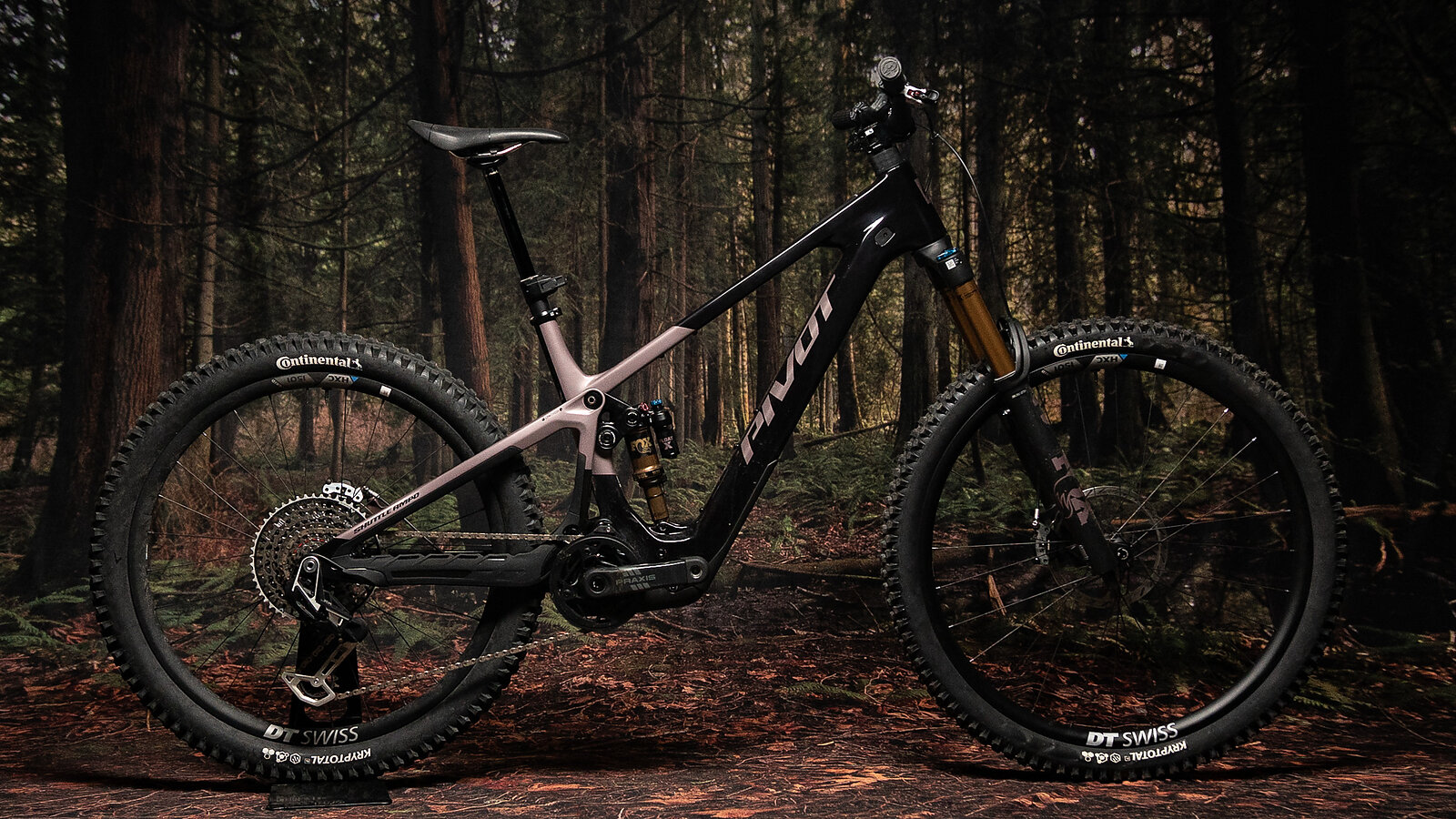
Pivot Shuttle AMP’d Team XX Details
- Travel: 150 mm (rear) 160 mm (front)
- Wheel Size: MX with full 29" capabilities
- Size Tested: Large
- Build Tested: Pro
- Head Tube Angle: 63.7° (high setting)
- Motor: Avinox M2S (1300 W peak power, 150Nm Torque)
- Battery: 800 Wh
- Measured Weight: 50.88 lbs (23.08 kg)
- MSRP: $14,499
Pivot Shuttle AMP’d Motor and Battery
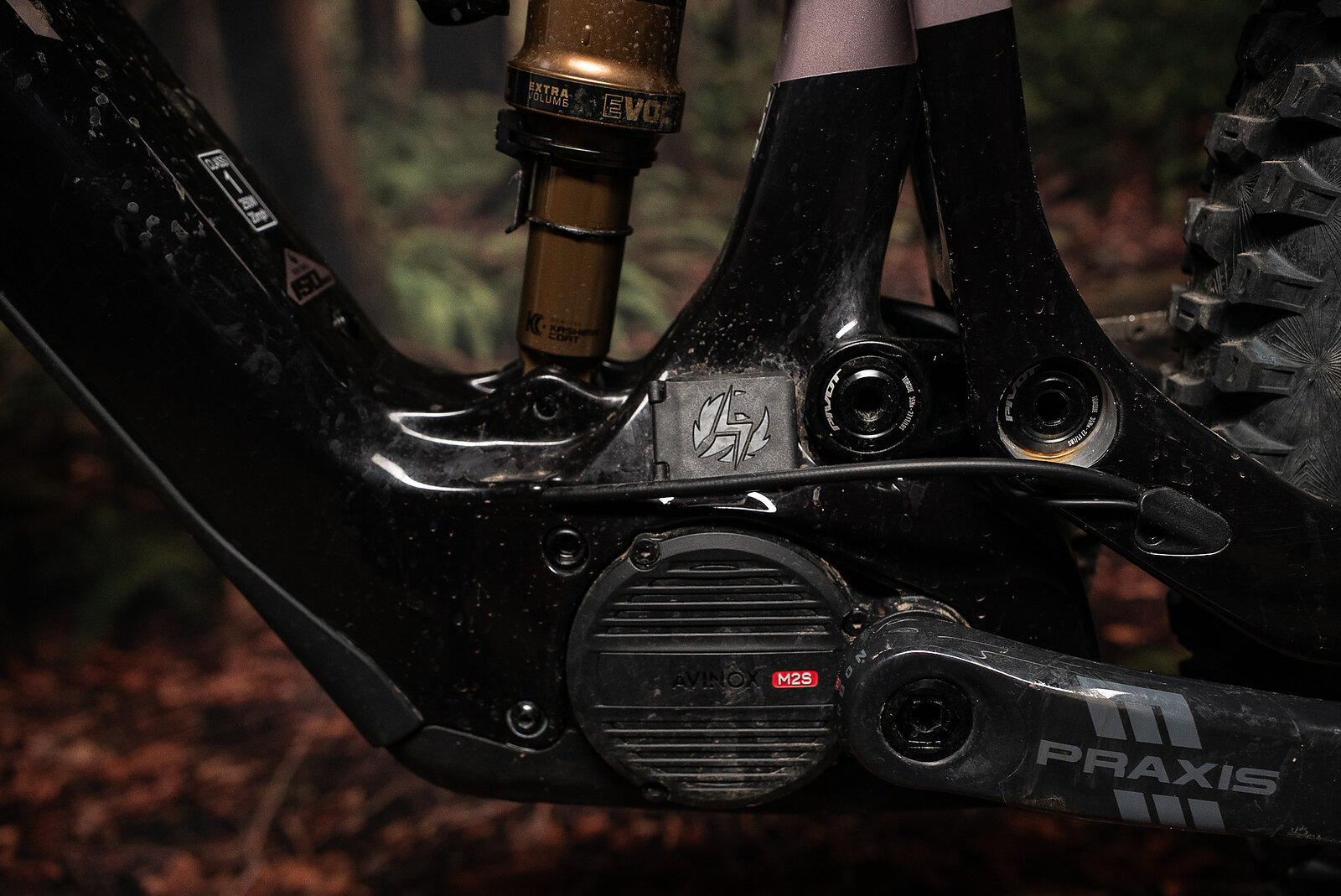
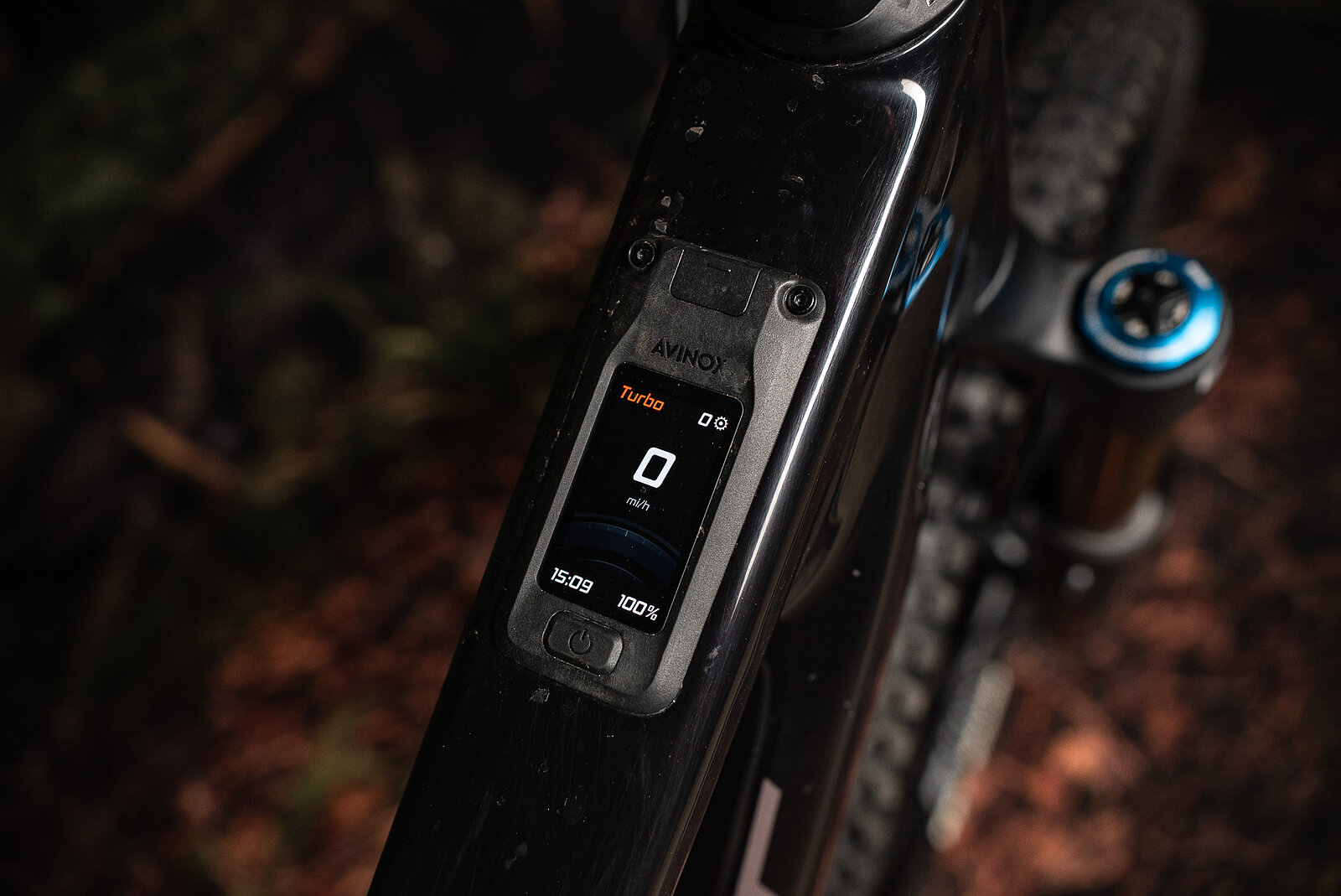
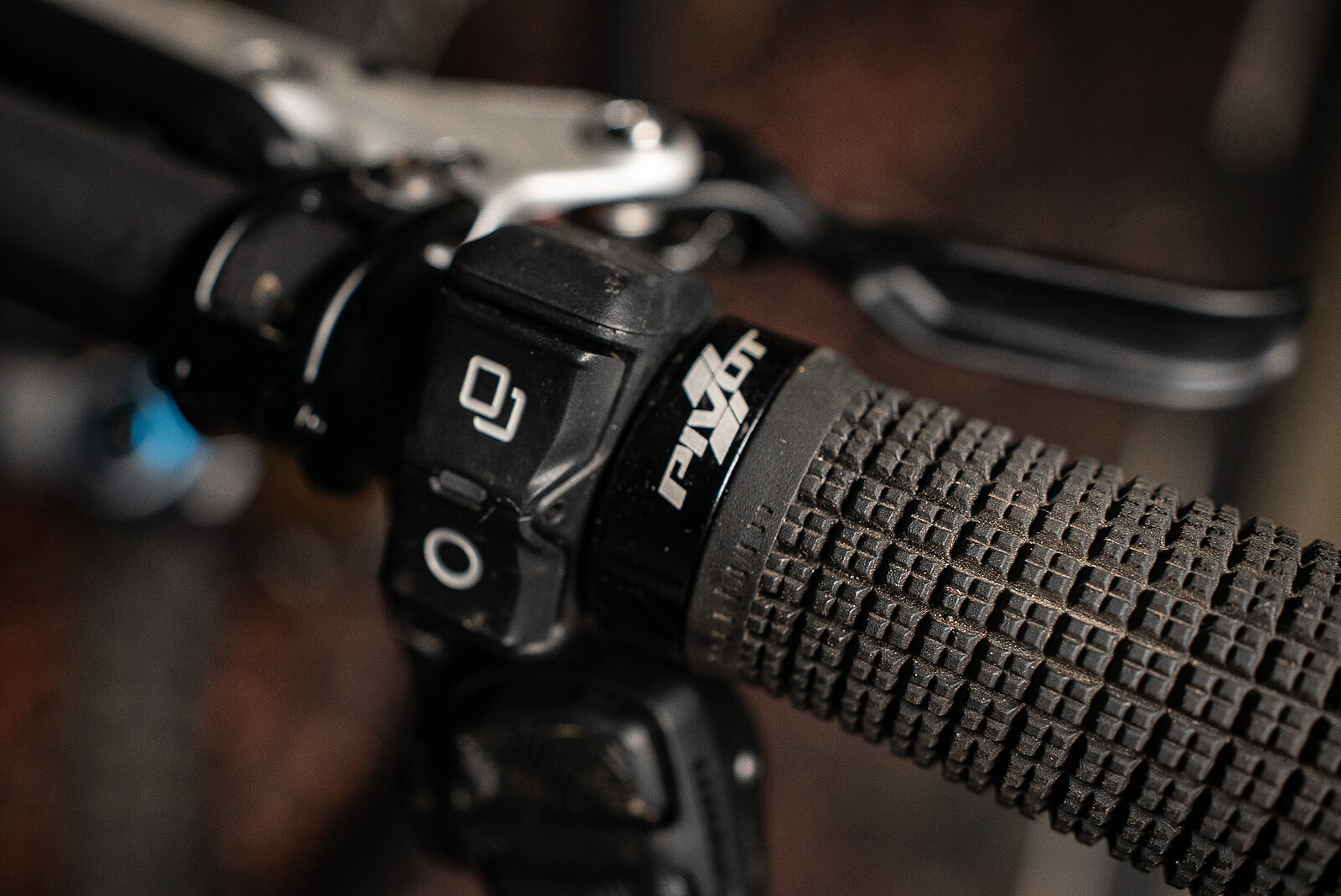
Spoiler alert. You’re going to see the new Avinox M2S system on a whole bunch of bikes this year. Since this is the first one I’ll be reviewing, it’s worth diving a little deeper. New for 2026, Avinox is divorced from DJI, both in branding, and apparently, at the corporate level. The brand’s first generation system was only available on a handful of frames, but it made quite a stir with its impressive power-to-weight stats. And, while the second generation is going to be everywhere this year, it’s still wild. It still uses a slick touch screen combined with two handlebar controllers, and it still has excellent (and required) app integration. But the motor system sees some big upgrades.
The Avinox M2S system in the Shuttle AMP’d uses a fixed, 800 Wh battery, with no range extender available, and generally, its performance is absurd. It’s crazy powerful, fairly light, and fairly quiet. It also feels very “finished” and well-integrated. In other reviews I’ve alluded to my “horse way too far out of barn” feelings about all e-bikes, but this system takes them up another notch or two. There’s (obviously) a large gap between the experience of going uphill on a mountain bike versus a regular full power e-bike, and this motor feels like it opens up another significant gap on top of that. I don’t think I’ve ever gotten out of the bottom third of the cassette, even on steep, sustained climbs. This motor would be a great match for a dedicated downhill drivetrain. The limiting factor to this system is trail design, not rider fitness or motor power.
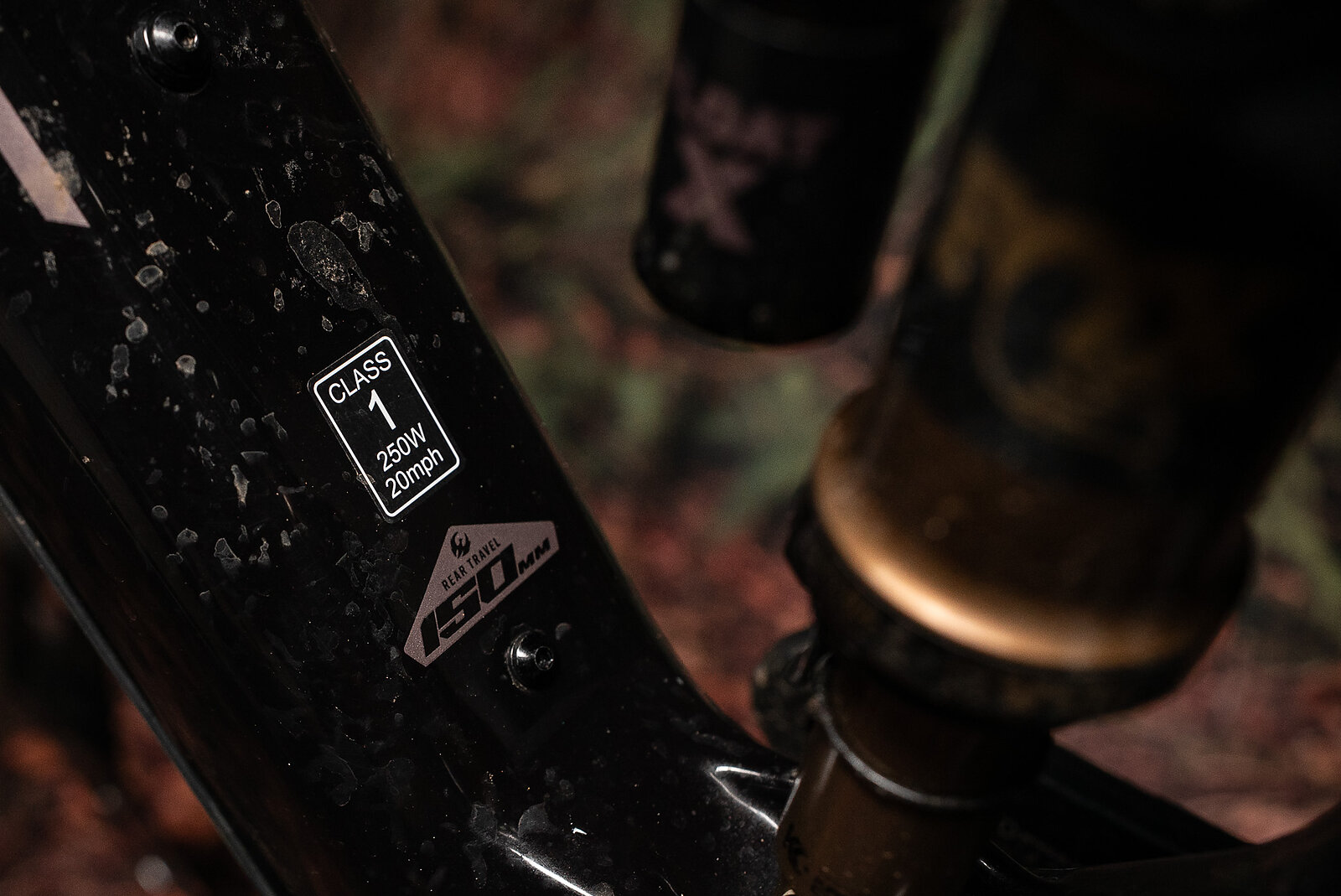
And yeah, with a couple of swipes of the touch screen, it’s easy to unlock Class 3, 28 mph mode, even though there’s a big Class 1 sticker on the bike. The screen does display a disclaimer, and the Class 3 setting doesn’t stick when you turn off the bike, you have to activate it every ride. Pivot says it trusts its customers to use this power responsibly.
At the risk of alienating e-fanatics: I don’t want to ride the Avinox M2S system around other mountain bikers, and I don’t want to pedal my bike around people running this system. The first-gen Avinox system was bad enough, but this one is next-level. It is very easy to go unsustainably fast. I’ve used the phrase “Surron with pedals” about this bike a few times, and I legitimately think that’s a better comparison than any human-powered bike. People are going to be so stoked about this motor system, and I don’t want to ride my normal bike anywhere near them if they’re in full power mode.
Of course, Avinox’s app makes it very easy to create your own power modes. If I owned the Shuttle AMP’d, I’d probably create a “responsible for use in polite society” mode that toned the power delivery and max power way down for situations where I’ll be around non-motorized users. And then, the full-hog, unrestricted Class 3 version of the AMP’d would get to come out to play on appropriate occasions, like riding on moto legal trails. If I still lived in Idaho, this bike would be an absolute weapon on dirt bike trails. There’s going to be a huge onus on the riders of any M2S powered bikes to be responsible and polite, and follow local laws. And if I know anything about mountain bikers, we’ll probably drop the ball on that front quite hard.
Here in Washington, though, I’ve been primarily using this bike as a trail building tool, and there, it’s awesome. I can flip it into Class 3 mode and almost keep up with traffic on the mile and a half road commute to my project, and then, when it’s time to go up the access climb, it spins up the hill remarkably fast with 220 pounds of man and another 50 pounds of tools. It’s a very cool access tool, akin, in a positive way, to an e-moto that I can easily lift in and out of the truck and maneuver over downed trees.
Enough about the future that opening Pandora’s motorized box begat though. What’s going on with the AMP’d beyond the motor?
Pivot Shuttle AMP’d Geometry
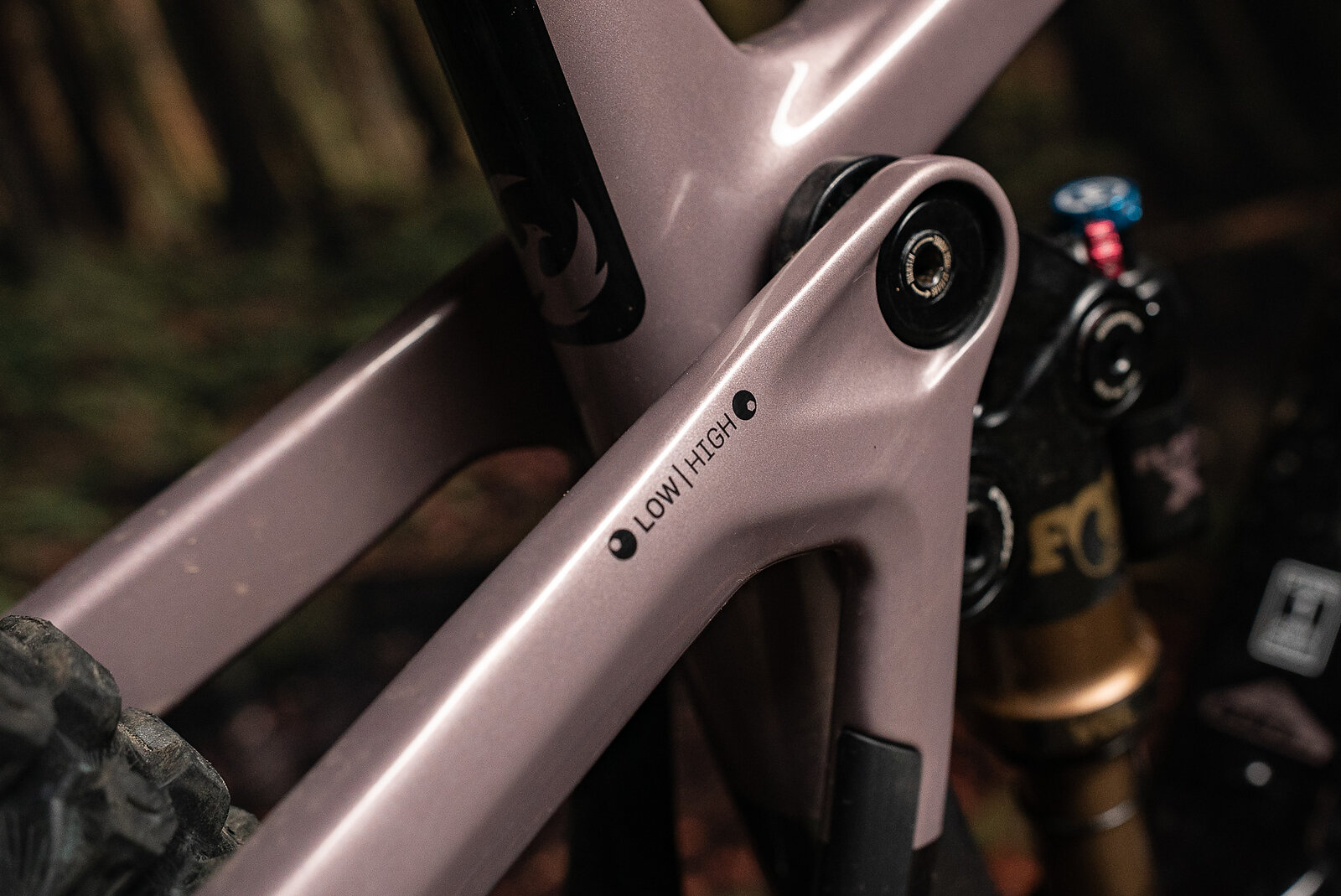
The Shuttle AMP’d is available in sizes XS-XL (short people rejoice!) and, unsurprisingly, its geometry is very similar to the Shuttle AM I reviewed last year, just tweaked to be a touch meaner. In the size large I rode, it has a 475-millimeter reach, 63.7° head tube angle, 443-millimeter chainstays, and a 76.5° seat tube angle. All pretty classic Pivot numbers, and a good fit for my 6’2” body. If you drop the flip chip into the “low” position, the head tube slacks out to 63.3°, and the reach drops to 471 millimeters.
My one beef with the Shuttle AMP’d ended up being that seat tube angle. The powerful M2s system is a great match for a steeper seat tube. This motor can climb just about anything, but the slacker seat tube angle on the AMP’d meant I had to use more body english than I’d like to get my weight in the right place.
The Shuttle AMP’d comes stock with a mixed wheel setup, but all sizes other than XS can be run with two 29” wheels as well.
Pivot Shuttle AMP’d Frame Details
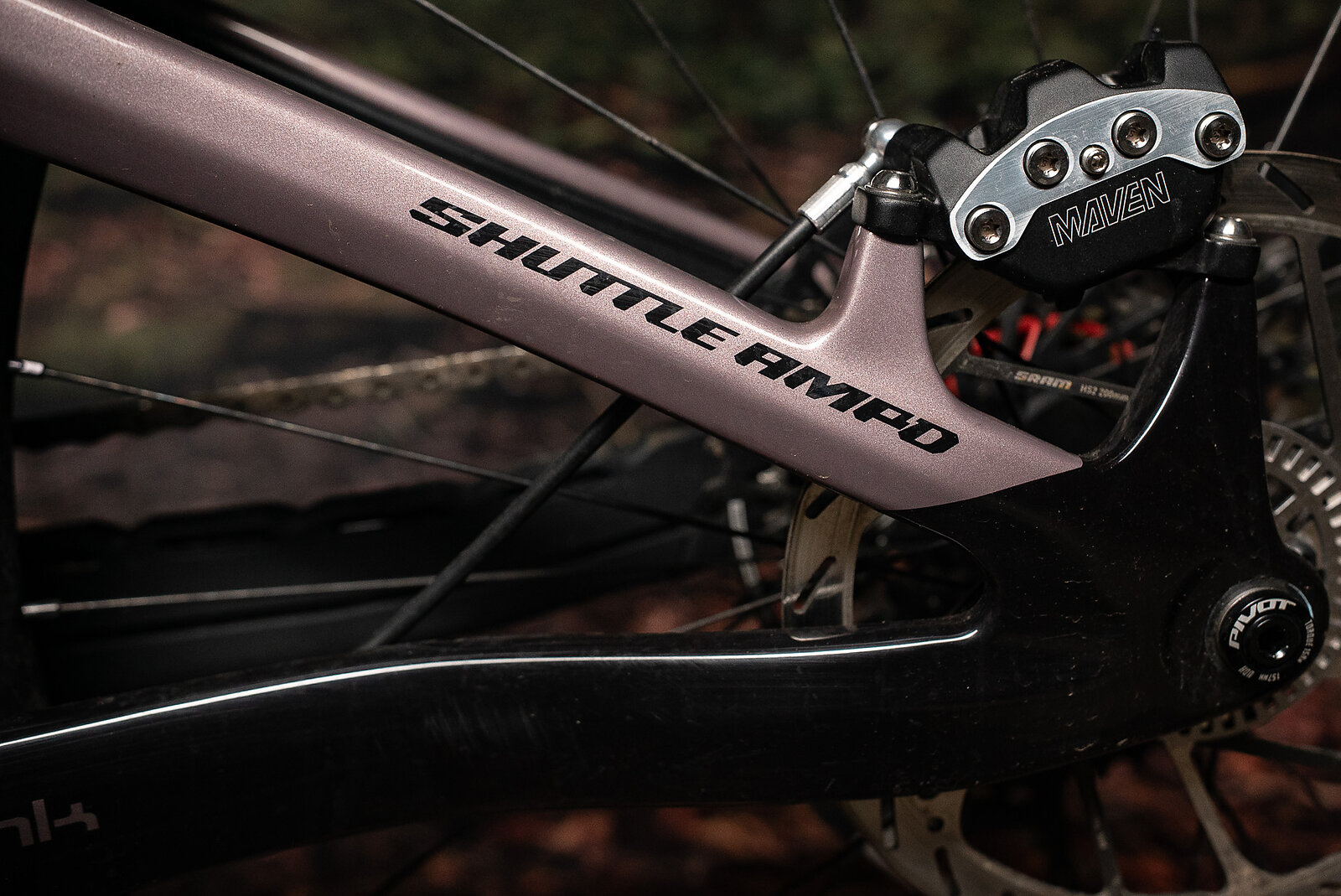
A theme of this review is that Pivot has its frame philosophy pretty dialed at this point, and it stays consistent across most of its models. That holds true for the Shuttle AMP’d. It’s got size-specific carbon layups to match flex to rider weight, a SuperBoost rear end, a custom Pivot charging door, and of course it uses a DW-link suspension layout. It doesn’t have the Slacky McSteep Tube of the Shuttle LT, or the trick Swinger adjustable chainstay length though.
I’ve said this before, and I’ll probably say it again: Pivot’s frames feel premium, even if all their design features aren’t optimized for the Pacific Northwest. All the hardware is high quality, the frames are fairly easy to keep clean, and they ride quietly. There’s plenty of chain slap protection, and everything generally feels well-thought out.
Pivot Shuttle AMP’d Build
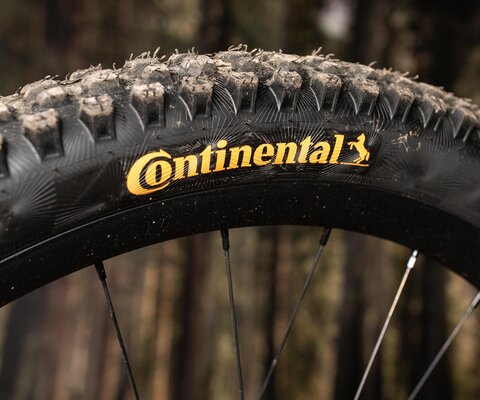
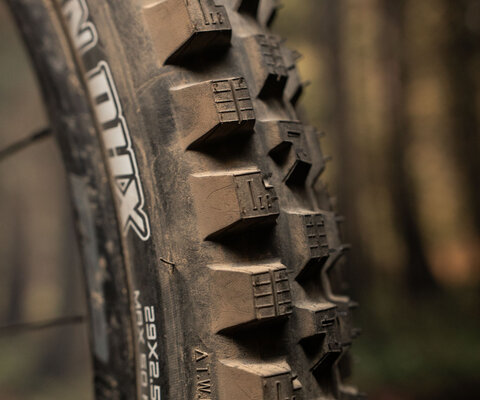
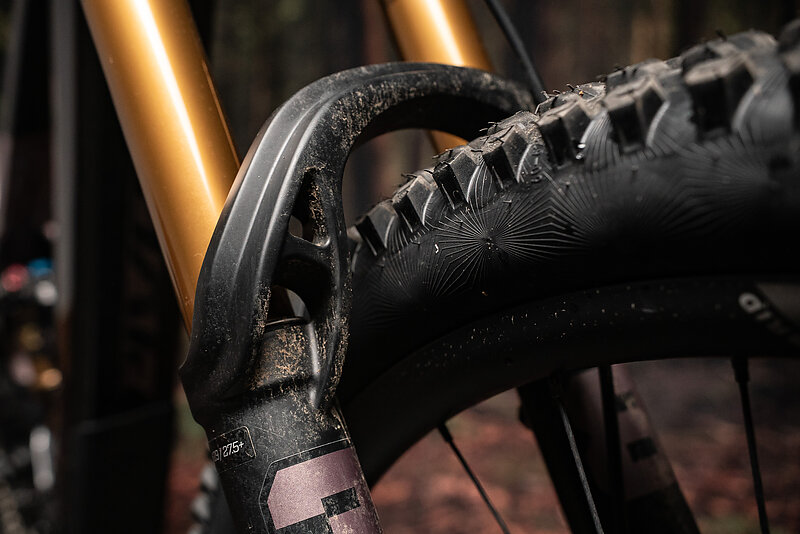
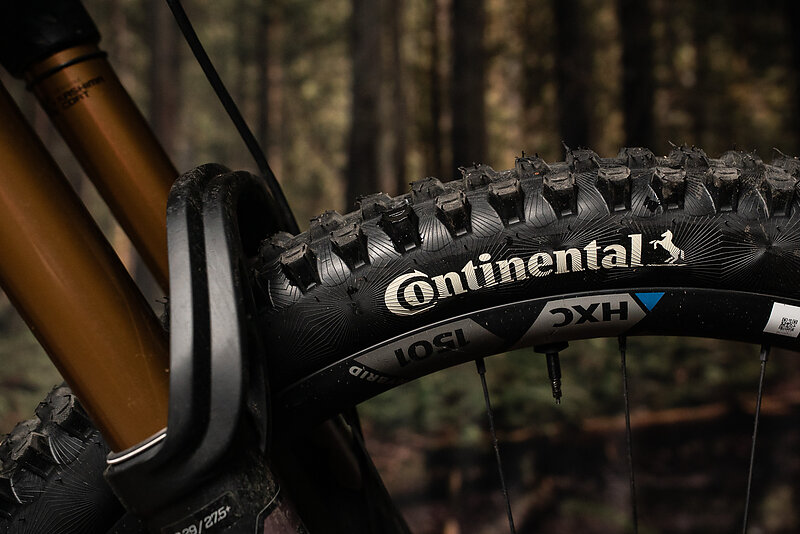
I’ve been riding the absurdly nice Team XX build of the Shuttle AMP’d, so it should come as no surprise that the build is short on weak points. The new Fox 38 out front is a solid fork and, along with the excellent Continental enduro casing tires, helps give the AMP’d a more burly feel than the Shuttle AM. SRAM’s XX Transmission drivetrain is directly wired into the main battery, with a battery sequestration feature so that if you kill the main battery you can still shift. It also talks to the motor system, allowing it to time shifts around power delivery to extend drivetrain life. SRAM’s Maven brakes are still great, and I still prefer the old red cammed versions on the AMP’d to the new gold cammed options.
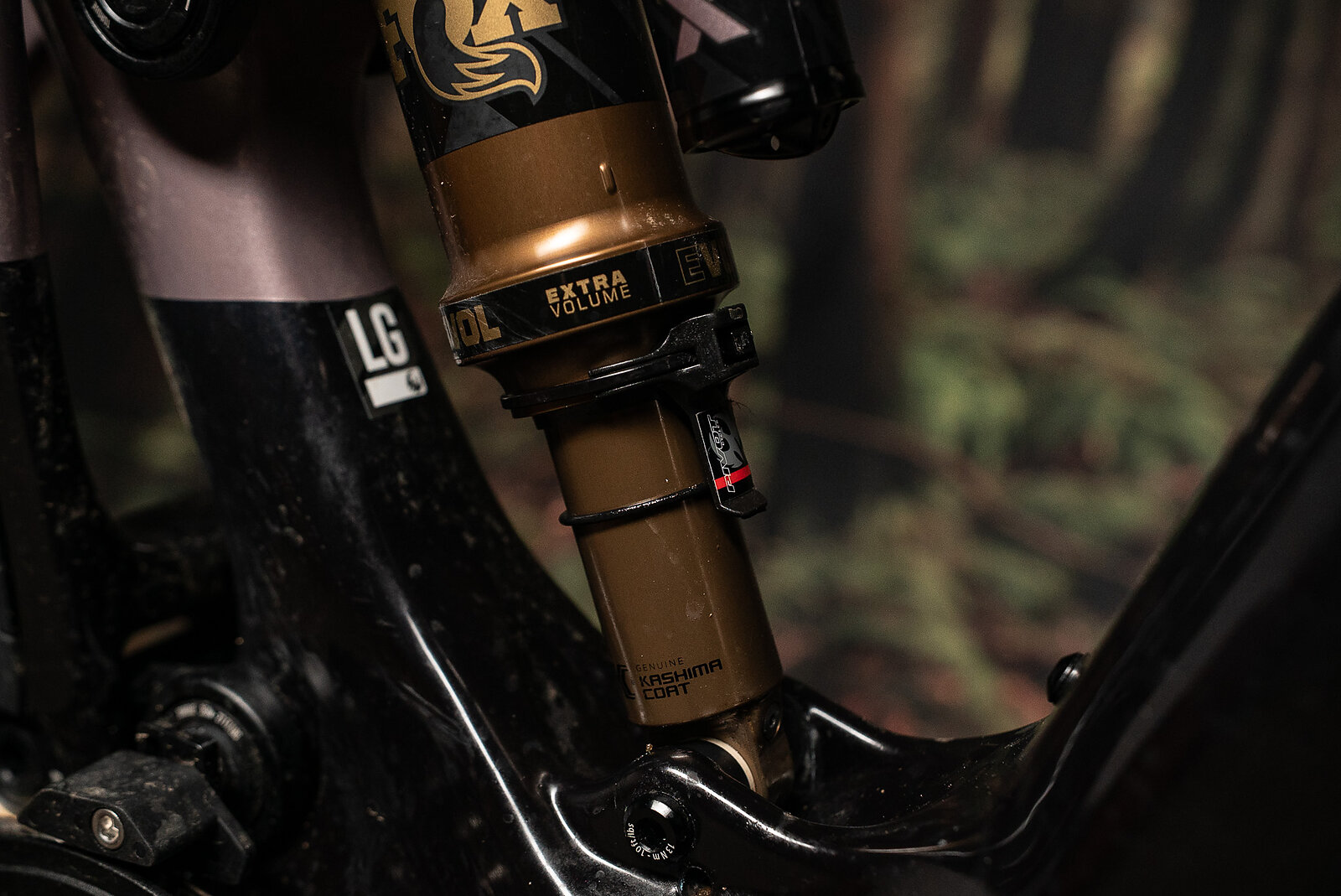
Fox’s re-worked Float X shock handles the rear suspension nicely, while a 200-millimeter RockShox AXS Reverb makes the seat go up and down. I’ve commented on this before, but Pivot’s cockpits always feel premium. The stem especially is a very nice unit, that I would 100-percent buy aftermarket for my personal bike if I could. Finally, the DT Swiss HXC1501 wheelset is a premium option that’s performed well throughout my time riding this bike.
I have a hard time finding any weak spots in this build, which, at this price, should be the norm.
Riding the Pivot Shuttle AMP’d
This might be the most aptly named bike I’ve been on in years. Remember that Mountain Dew AMP energy drink? Riding this bike feels like you’ve got an IV of that stuff coursing into your body, along with a fistfull of gas station “enhancement” pills. It goes stupid fast, at the lightest touch of the pedals. The power-obsessed e-bike dads are going to absolutely love this thing. That said, it’s impressive how much better-controlled that power is than on Bosch’s CX Race system found on the Shuttle AM, or Specialized's system found on the Levo R. Even though it delivers more watts and newton meters, the Amflow M2S system manages variable traction and its overrun notably better than either of those systems. I’ve had less “motor spinning out of control when I dab or slip a pedal” with it.
That power and finesse, combined with Pivot’s suspension platform and geometry means that this thing absolutely eats climbs and rallies traversing trails. As I mentioned earlier though, on steep, sustained climbs, I did find myself wishing for a steeper seat tube angle. This bike has so much power, and I found myself hovering uncomfortably on the very tip of the saddle trying to make the most of it.
Headed downhill, the Shuttle AMP’d offers a subtly distinct ride experience from the Shuttle AM I reviewed last year. That bike was more trail focused. It ran EXO+ tires and a Fox 36 fork, while also having a slightly steeper head tube angle and two 29” wheels. In contrast, the Shuttle AMP’d’s 38 fork, mixed size enduro casing tires, and slacker head tube angle make it a little more eager to charge and smash. I never felt any desire to bump the AM’s fork up to 170 millimeters, but if I owned an AMP’d I’d be awfully tempted to throw a 170-millimeter fork, and even heavier tires on it. After all, the motor is doing almost all the work, why not capitalize on that?
I quite like the way Pivot is tuning DW-link to work with the new Float X shock. I haven’t always been a fan of that shock, or of DW-link in the past, but I think on this bike (as well as the new Shuttle LT) they combine to deliver a more traction-forward ride, that’s still sharp and efficient feeling when you want it to be. Especially on e-bikes, which tend to be a little more ponderous and wallowy, that added precision is appreciated.
It’s really hard to do accurate e-bike battery comparisons because there are so many limiting factors, but I think that it’s clear with both the first-gen Avinox system, and even more so with this new M2S that if you make more power easily accessible to riders, they’ll use it, and thus use more battery per mile. I’ve done the same climb on just about every e-bike I’ve reviewed, and the Avonix motors tend to use 5-to 10 more percentage of an 800Wh battery than Bosch or Specialized systems. Of course, that’s all with a big dude, in the most powerful mode, so if you’re smaller, and more conservative, your mileage may (literally) vary.
Who is the Pivot Shuttle AMP’d for?
I think there are two groups of riders who will be very excited about this bike. The first is the number-obsessed members of the existing e-bike market. If you want your e-bike to have the most power, torque, features, etc., the Shuttle AMP’d with the Avonix M2S is going to check that box. My only hope is that that group of riders uses all that power responsibly.
The second group is folks who might not have much mountain bike-specific trail available close to them, but do have a lot of multi-use moto trail. Idaho’s Big Hole mountains are a great example. They’re home to miles and miles of singletrack that, on a regular mountain bike, require a whole bunch of hike-a-bike to navigate. But the Shuttle AMP’d will feel right at home on those steep, chunky trails. It delivers the power and, more importantly, the refined power delivery to get you to the top, and then will be a whole bunch of fun to charge back downhill on.
For Now
For 2026, Avinox’s new M2S motor system is sure to be the talk of the town. But, beyond that, Pivot has assembled its classic, coherent package around the Shuttle AMP’d and created a bike that nicely bridges the gap from trail to enduro riding while packing an enormous punch.
Learn more: Pivot Cycles