I Have It All Q&A Documenting Dain Zaffke's Journey
One of the most gut-wrenching acts of this year’s Freehub PRESENTS film festival was “I Have It All,” a film documenting Dain Zaffke’s battle with cancer and his resulting new outlook on what is actually most important in life.
Dain’s longtime friend and colleague Robin Sansom of Offsite Studios directed and shot the film. Robin was uniquely positioned to help Dain share his story with the world, having known him for more than a decade and seen his shift from climbing the corporate ladder to becoming a stay-at-home dad with a renewed perspective on life. We caught up with Robin to hear how he approached capturing and sharing Dain’s inspiring story, and the impact the project has had on himself and audiences across the country.
When did you first meet Dain, and when did you hear about the idea for “I Have It All”?
We worked together at Bell/Giro/Blackburn, and before that, I met him when he worked for Bike magazine, so we already had a personal relationship. I connected with him at some point during his treatment because I didn't know what was going on. I'd heard that he had some medical issues, but I really wasn't sure. Then when we talked, he ran me through it all because it happened in like just a few months, and I was just like, “holy crap.”
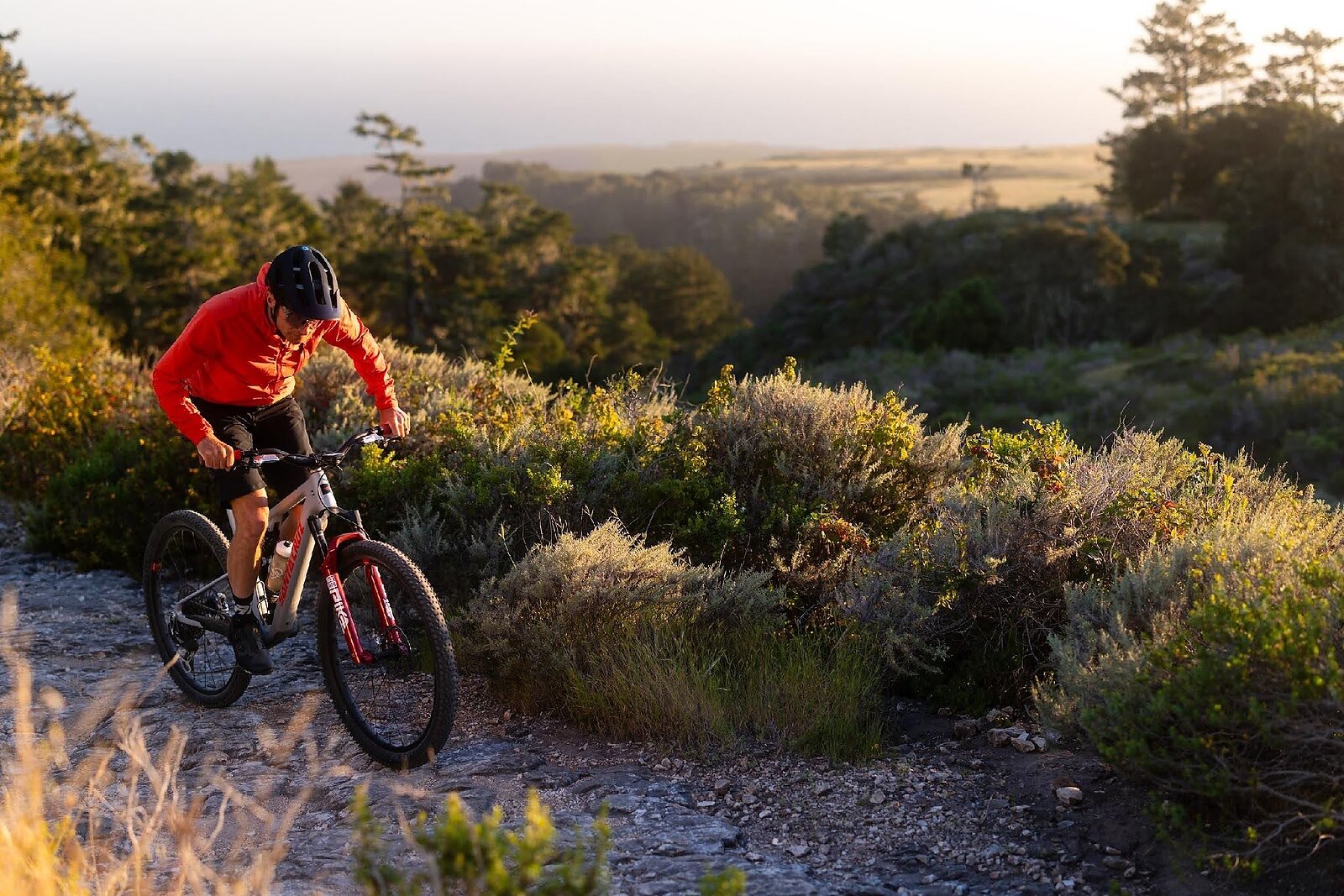
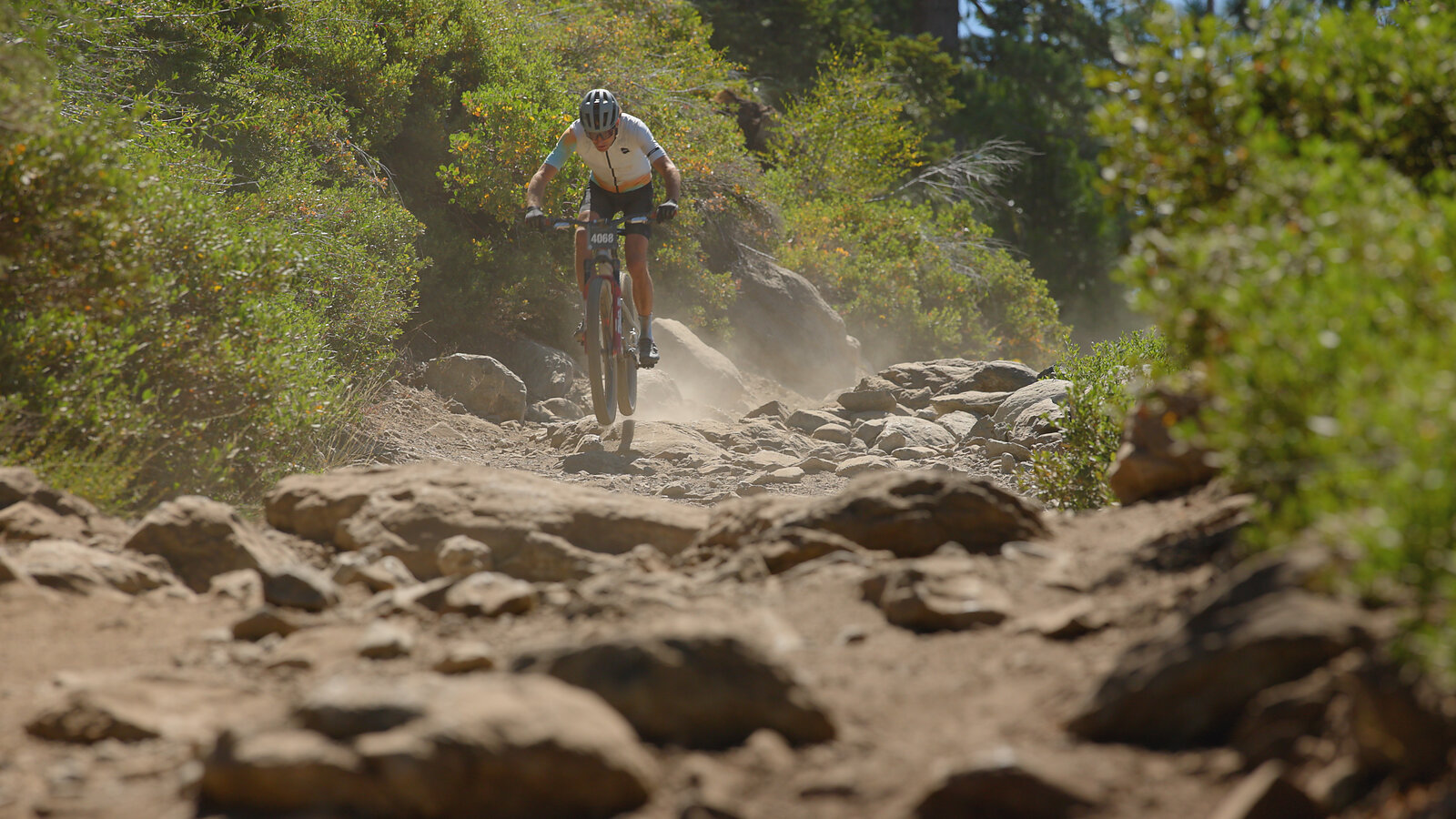
When Downieville came up last year, he was like, “Hey, would you be able to film me at Downieville?” I said, “I want to. I'm not sure if I can make you finish the race, but I think it'd be great to record it."
So I did that, and then we thought maybe this could be like a short film that we try to get into some festivals and get some eyeballs on, but keep it as non-commercial as possible. So then we pitched that around to some brands to help fund it. Dain has a producer credit on this because he really did make a lot of those things happen.
How would you say that you balanced kind of that filmmaker mindset but also that personal connection to Dain? Do you have to separate the two?
That was a tough challenge because he has worked with filmmakers before as a marketing director, and he also is a pretty talented photographer on his own. So he definitely had some opinions. So we had to separate those out, and also sort of negotiate. There are some things in this film that, even though I had the final call, I probably wouldn't have included, but Dain sold me on them. So we worked pretty closely. That's probably the closest I've ever worked with anyone on a film project.
How significant is Dain’s family as a support network?
Oh, huge. I have so much footage. I want to say I have 40-plus hours of footage for a 14-minute film. I've had people in my life who have gotten cancer. My dad died from lung cancer, actually, so I understand the effort it takes, but when you're 40 years old and you have a child, it's a little different than an aging parent who is in their 80s, right?
And so they have all these things going on in their life apart from just surviving the cancer. It's like this child needs to go to school and have a decent life. We need to plan for if Dain's not there and what happens. How does that work? And just eating, you know, like making a meal or whatever. So, I guess my answer to that would be obviously they were, especially Katie was just so instrumental in Dain's recovery. But also, I feel like if you're in that situation, it's basically like if one person gets sick, you both basically are affected by the disease in a material way. Nobody's in it alone. I definitely witnessed what that looks like in a way that I hadn't seen before.
How do you take 40 hours of footage and cut it down to 14 minutes? How hard is it to make those executive decisions of what to include?
Everybody kind of has a different way they approach it, and this project isn't linear, right? Like, it's not like it happens from one location going to another location or one time going to another time. It's all of those things at any time for most of it.
We have four “acts” in the film, so we sort of knew what we wanted to accomplish in those. So, sorting all the clips into those buckets and then just whittling them down like, “Oh, this is the section of footage that's relevant, and this isn't.” I think it took quite a while, and my least favorite part of filmmaking is the initial sort of assembly. It is the most difficult part and the least rewarding in my opinion. When you get closer to the end, then it gets exciting because you're like, “Oh, OK, I think this is coming together. These interviews can work side by side here, or this shot can go in between to give the viewer a break for a second to absorb that, and that works perfectly. Shit, we don't have anything for this spot. Dang, are you available Thursday to go film?” So, that's when it gets exciting in my opinion.
How would you describe Dain’s mindset throughout his recovery and while reliving some of these moments in front of the camera?
I don't think that affects Dain as much as you'd think. I feel like there's probably some emotional things for him that he's reliving, but I think he has relived and resolved those in his own way already. So, I think he was pretty prepared. He's thought about it a lot. He's written a book, so I think that's how he processes things in general, which was kind of great because we could have some really frank discussions about it without having to tiptoe around each other at all.
The title comes from when we first started talking about it; he went through his whole story and what he thought we should talk about. And I was like, “I have to admit, I'm kind of jealous of your experience in a weird way, even though I don't want to have cancer. Like the clarity that it has given you about different things in life and what's important.”
I mean, Dain was a really driven professional; he worked hard. He wanted to keep moving up the corporate ladder, and I truly saw that in him. So for him to be part-time and step down and take a lower position, which is what he's done with Leatt, to focus on being the stay-at-home dad, is kind of insane. I would never have guessed that. So yeah, I think he's already processed all of that, and so we could really just sort of focus on telling that story. And so when I said, “Oh, I have that envy, like I feel like you've got it all now.” That's where the title came from actually. It was just like, “Oh, we should call it ‘I Have It All,' because it's kind of tongue-in-cheek in a way.
What has been the most emotional aspect of creating this film?
Actually, the most emotional thing has been watching the film in groups with other people and seeing how people react to the film. Watching it when I was in Bellingham [Washington] with Dain there, and you could hear people in the audience sort of gasping or making comments—like I think that was more emotional than any of the other stuff in the making of the film.
What do you hope the audience's biggest takeaway is from this film?
Having worked in marketing for so long, there's something called the “CTA,” right? The call to action. You want somebody who sees an ad or experiences your brand to go buy something. I feel like that should be a premise for filmmakers too. I hope that people go home and instead of scrolling Instagram or reading a bunch of horrible news, they decide to turn on some music and talk about what their days were like with the people they love or their friends. Or they decide to go on a walk instead of watching another thing on the screen or any number of things that don't nearly connect you as much with people you love, strangers, or nature. Choose those things.