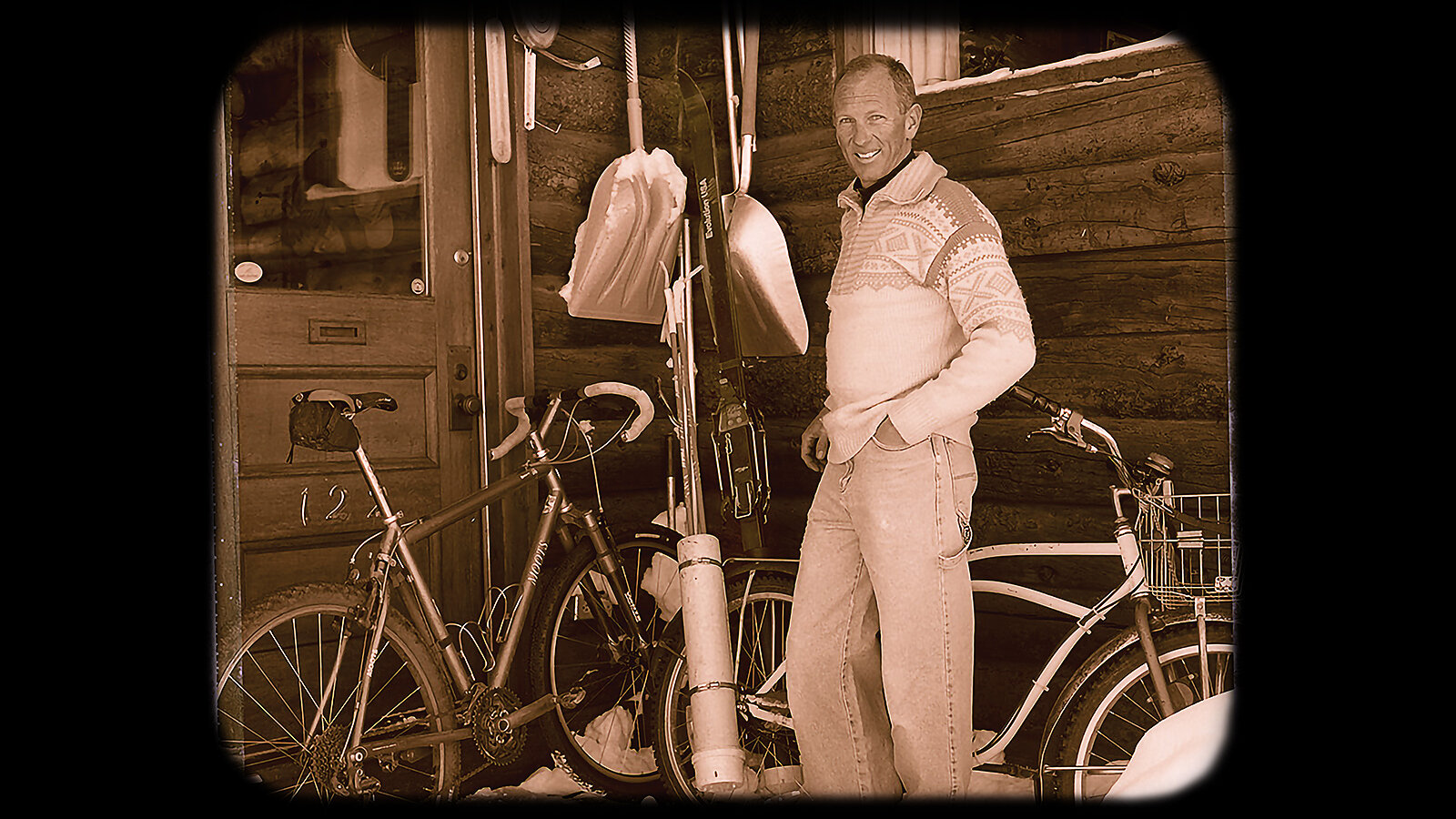
Don Cook Crested Butte Pioneer
It's a frigid winter morning in Crested Butte, Colorado, and a shower of silky snow is becoming visible in the dawn's soft light. The smell of fresh coffee wafts through the air as an animated group of bus drivers convenes at the Mountain Express shuttle terminal, trading quips and laughing as they prepare to haul an eager mix of tourists and locals to the Crested Butte Mountain Resort.
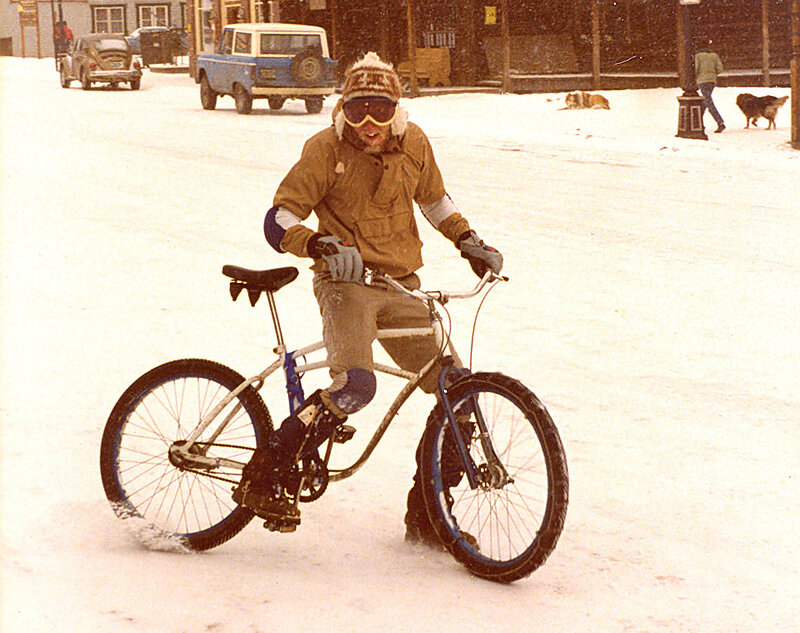
A chorus of cheers erupts as a lanky, long-legged figure pedals his townie onto the lot, flashing mischievous smiles to his fellow drivers as he greets them one by one with a witty remark and a knowing, eye-to-eye gaze. His enthusiasm for the promise of a new day is contagious, but it's what locals have come to expect from Don Cook, an unwavering beacon of light who many consider to be the town's unofficial mayor.
As drivers warm the engines of their colorfully painted buses and run through their routine pre-checks, Don's voice crackles onto the radio with his familiar refrain: "Radio check. I've got a clicker. I've got two bars of DEF. I have a full tank of motion lotion. It's gonna be a great day with supervisor Ridgeway."
Laughter echoes through the lot as Don winks at Scott Ridgeway, his supervisor, longtime friend, and like-minded espresso aficionado. Ridgeway can't help but chuckle, as he does every time. The sun isn't even up, but his day has already been made.
The bus doors hiss open and passengers pile on as Don hails each one with genuine interest and a pep talk about the prospects for first tracks. Thanks to his exuberance, there is a festive atmosphere on the ride through town and up the mountain, and by the time Don deposits everyone at the resort there’s a palpable sense of community between locals and out-of-towners alike.
Many locals make a point of choosing Don’s bus, and some have a habit of doing multiple loops with him just for the chance to chat and draw from his expertise in all things Crested Butte. After nearly 50 years of living in the Gunnison Valley and exploring the surrounding mountains by ski, bicycle, dirt bike, and ultralight plane, his knowledge is vast and his opinions are authoritative.
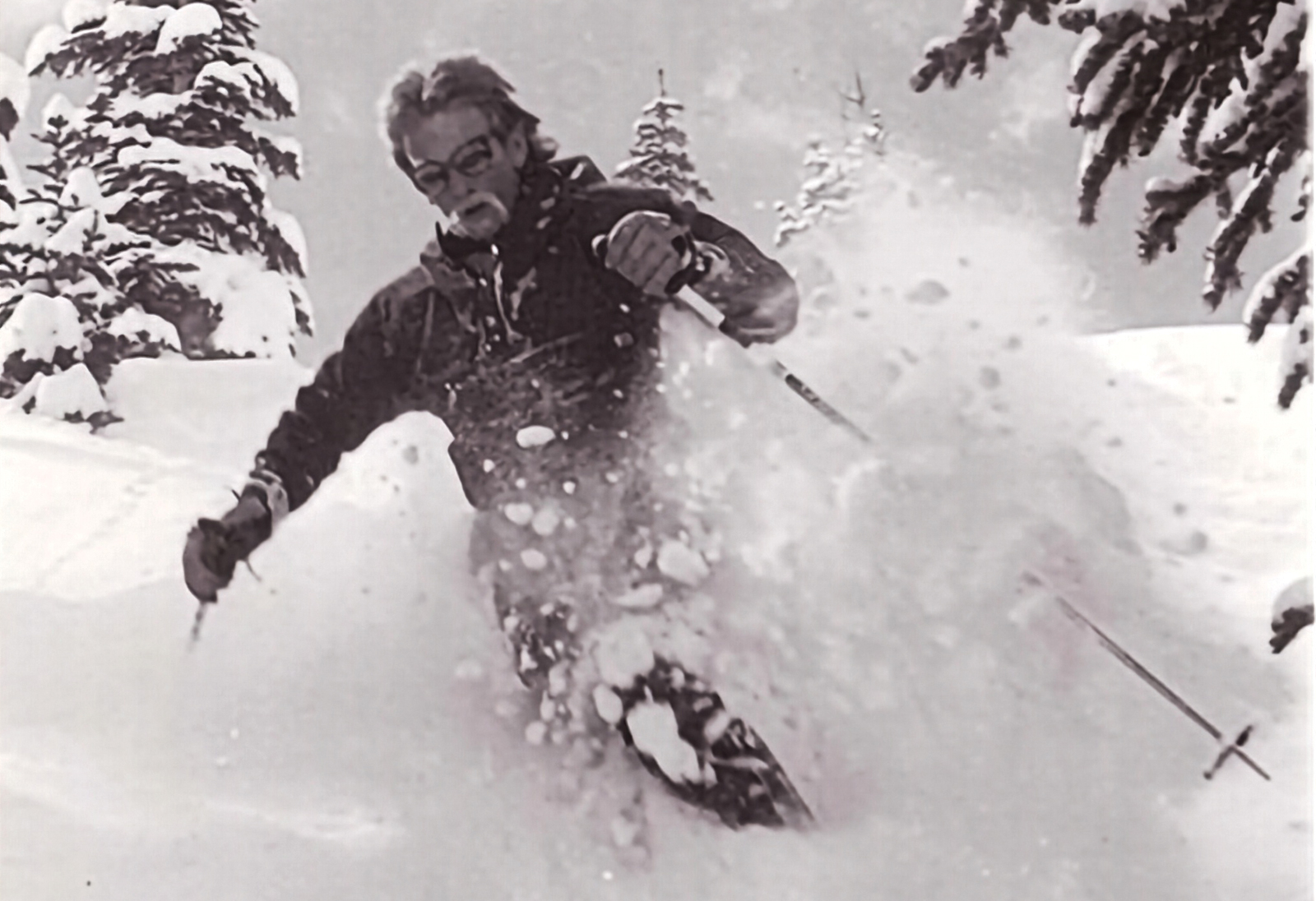
Known to most as “Donnie,” his points of intersection with their lives have been myriad. Along with his wife, Kay Peterson Cook, and her sister, Heli Mae Peterson, he was joint-owner of the perennially popular Donita’s Cantina, a Mexican restaurant they ran together for 40 years until an exorbitant rent increase forced them to permanently close their doors in 2019. A talented dancer, he was a pillar of the Crested Butte School of Dance and the first male to be a regular performer at their shows. A dedicated tennis player, he was the epicenter of the town’s tennis community. Perhaps above all else, he was a passionate advocate of all things bike—and one of the true pioneers of mountain biking.
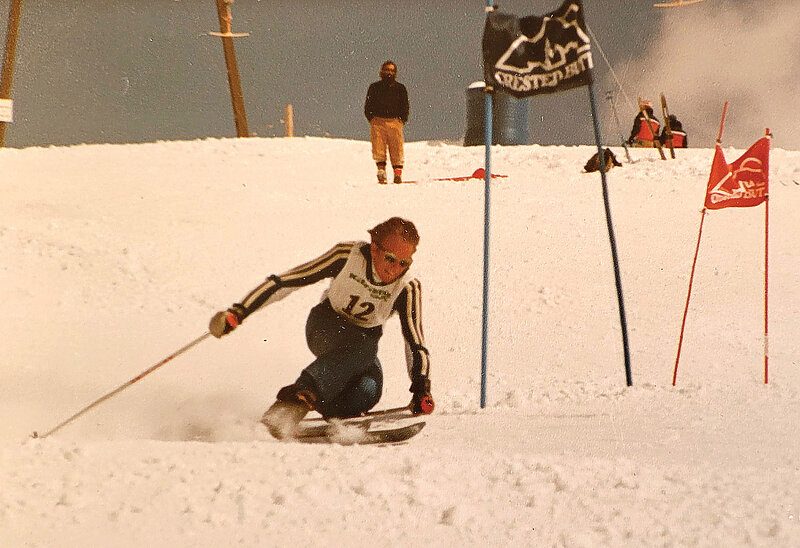
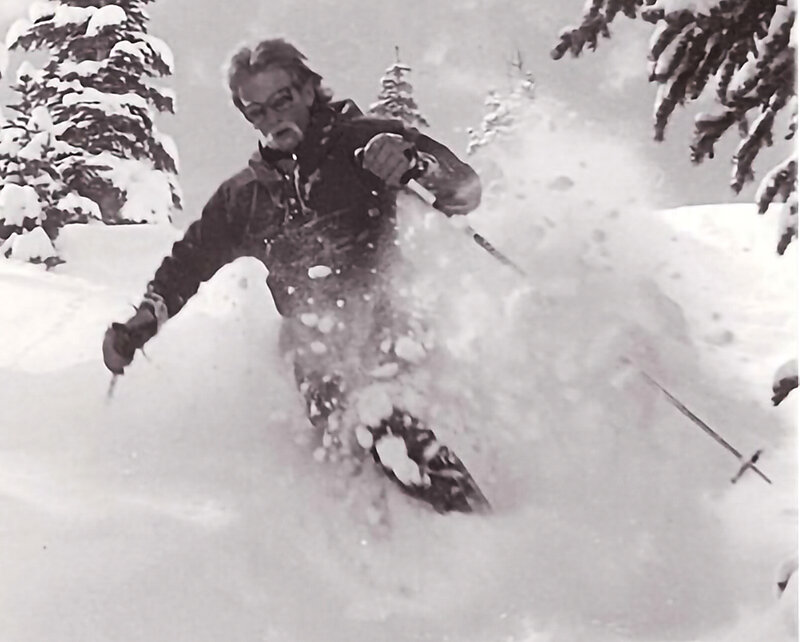
So, when the uber-fit 66-year-old suddenly died of a heart attack while riding one of his favorite trails in June of 2025, the news sent shockwaves through the entire Gunnison Valley and the mountain biking world at large. By all accounts, Don was one of the most healthy, high-energy, clean-living people in the valley. An accomplished telemark skier and mountain bike racer who rode continuously for more than four decades, his fitness was on par with most 35-year-old performance athletes. Nobody saw it coming.
The grief was profound and widespread. As a prolific community organizer and international mountain biking luminary, his influence had been felt from the local city hall all the way to global debates about the future of riding and trailbuilding. A hole had been torn in the heart of Crested Butte and mountain biking itself.
“I almost wrecked my truck when Kay called and told me that Don had died of a heart attack,” says close friend Dave Prion, a longtime associate of mountain bike innovator Tom Ritchey, who witnessed the real-time interactions between Don and the first wave of bike-technology groundbreakers. “If somebody had asked me on the morning of June 24, 2025, who was going to die that day, 100 out of 100 times I wouldn’t have guessed it would have been Don Cook.”
Don’s celebration of life, held on September 11, 2025, was a revelation for both Gunnison Valley residents and the Who’s Who of mountain biking royalty that descended on Crested Butte to share their remembrances. Despite a steady rain, downtown was flooded with an estimated 700 people, all waving along the motley parade of Mountain Express buses that rolled through in his honor. Locals were amazed by how many out-of-towners were present. And the mountain biking legends who traveled there were struck by the sheer number of locals that turned up.
“I was blown away by that massive turnout,” says Ibis Cycles founder Scot Nicol, widely known as “Chuck Ibis.” “It was a living testimonial to just how many people Don reached through his many endeavors that went far beyond mountain biking; working in Donita’s, driving the bus, dancing in the local theater, playing tennis, and just volunteering with so many things to make the world a better place.”
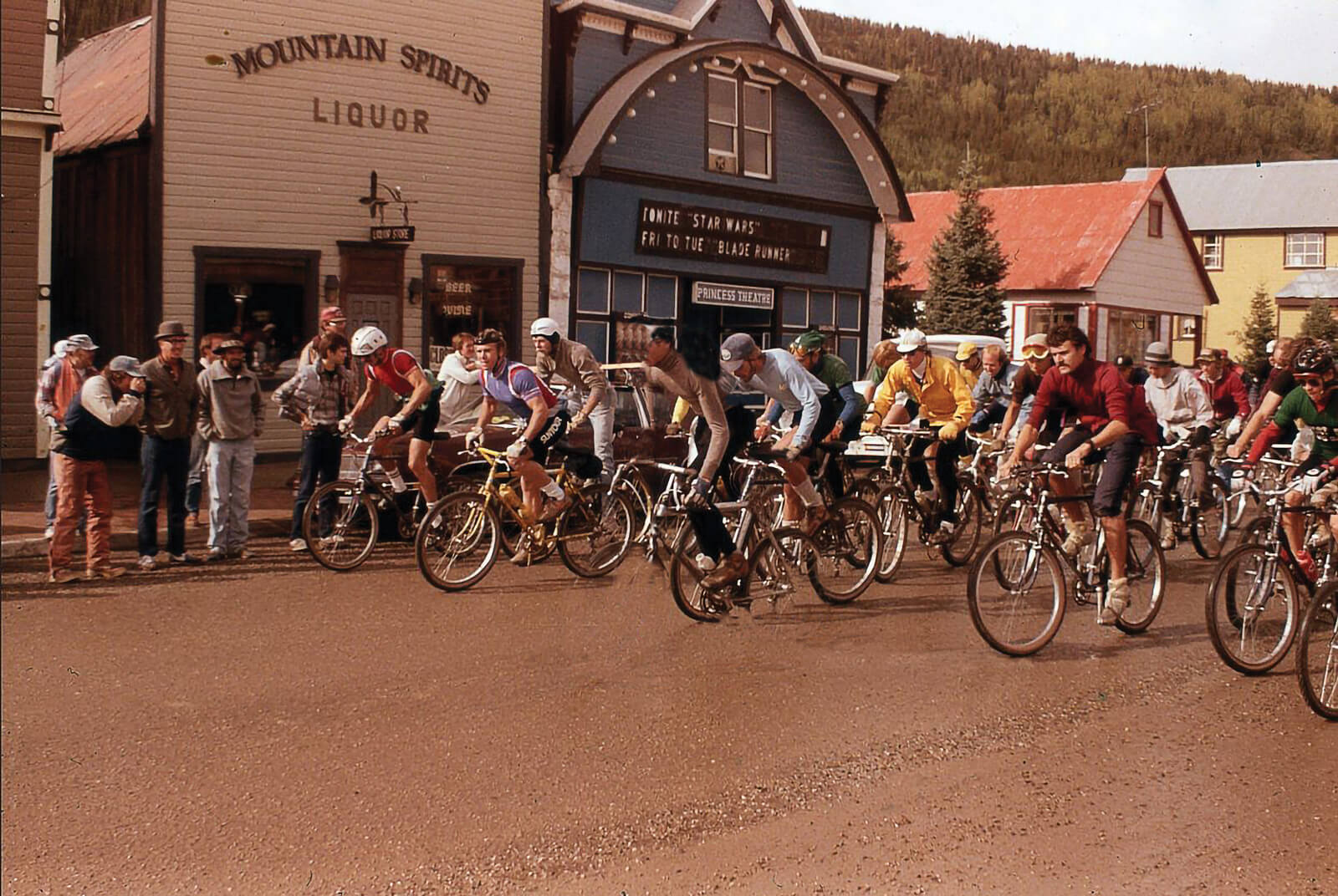
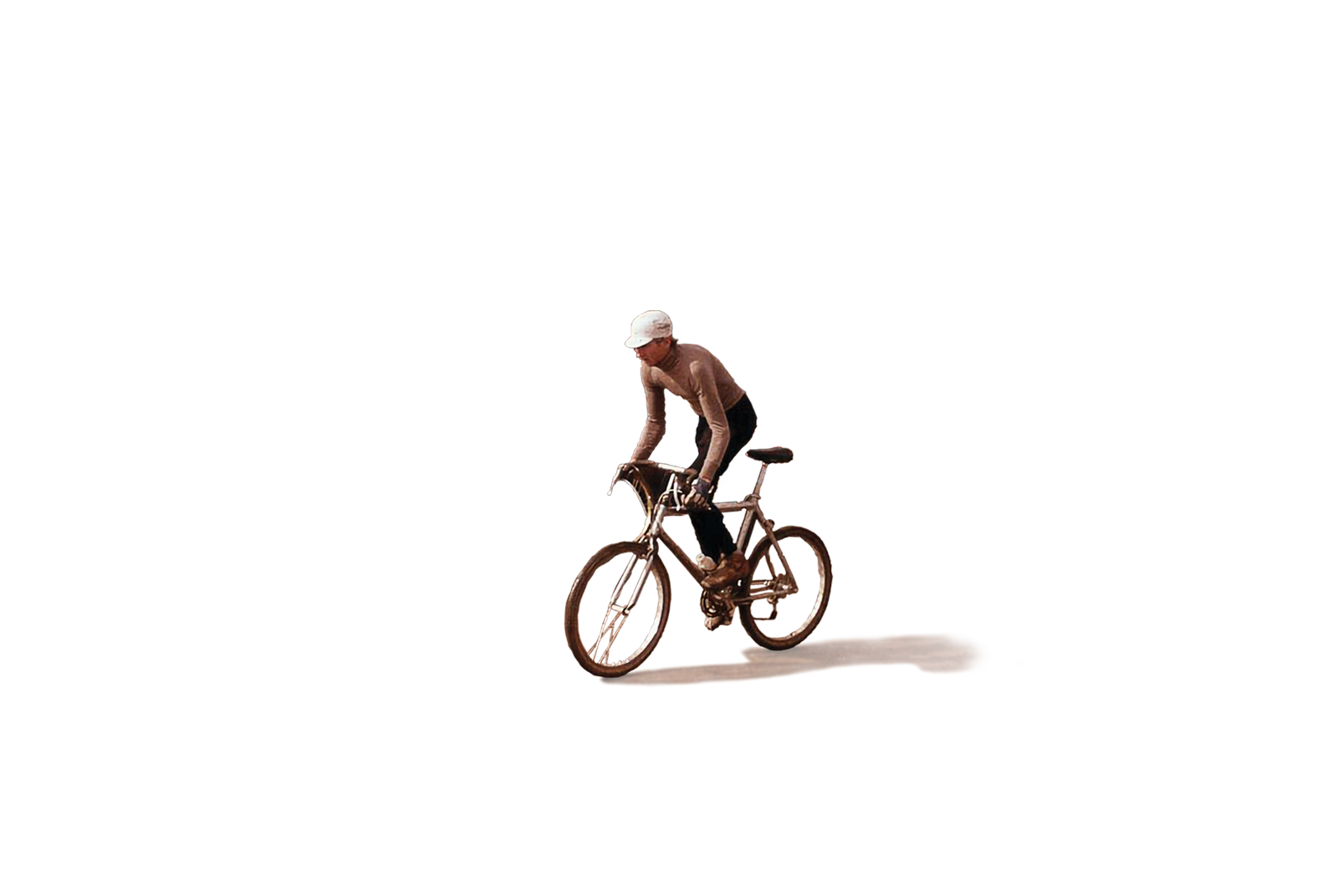
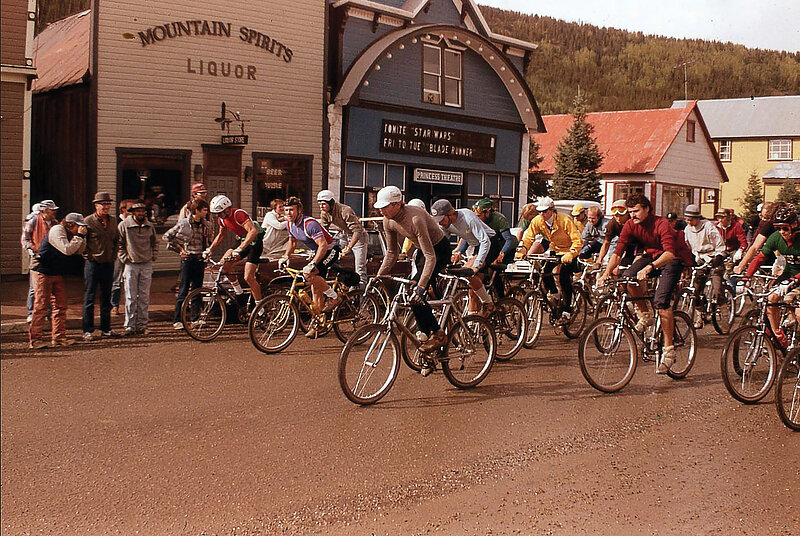
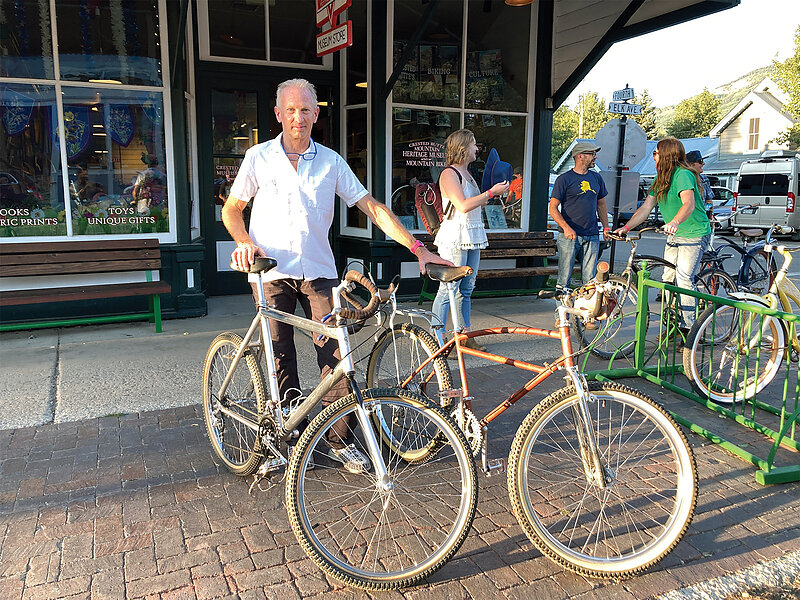
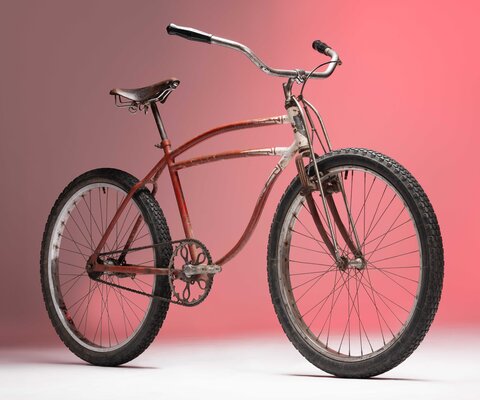
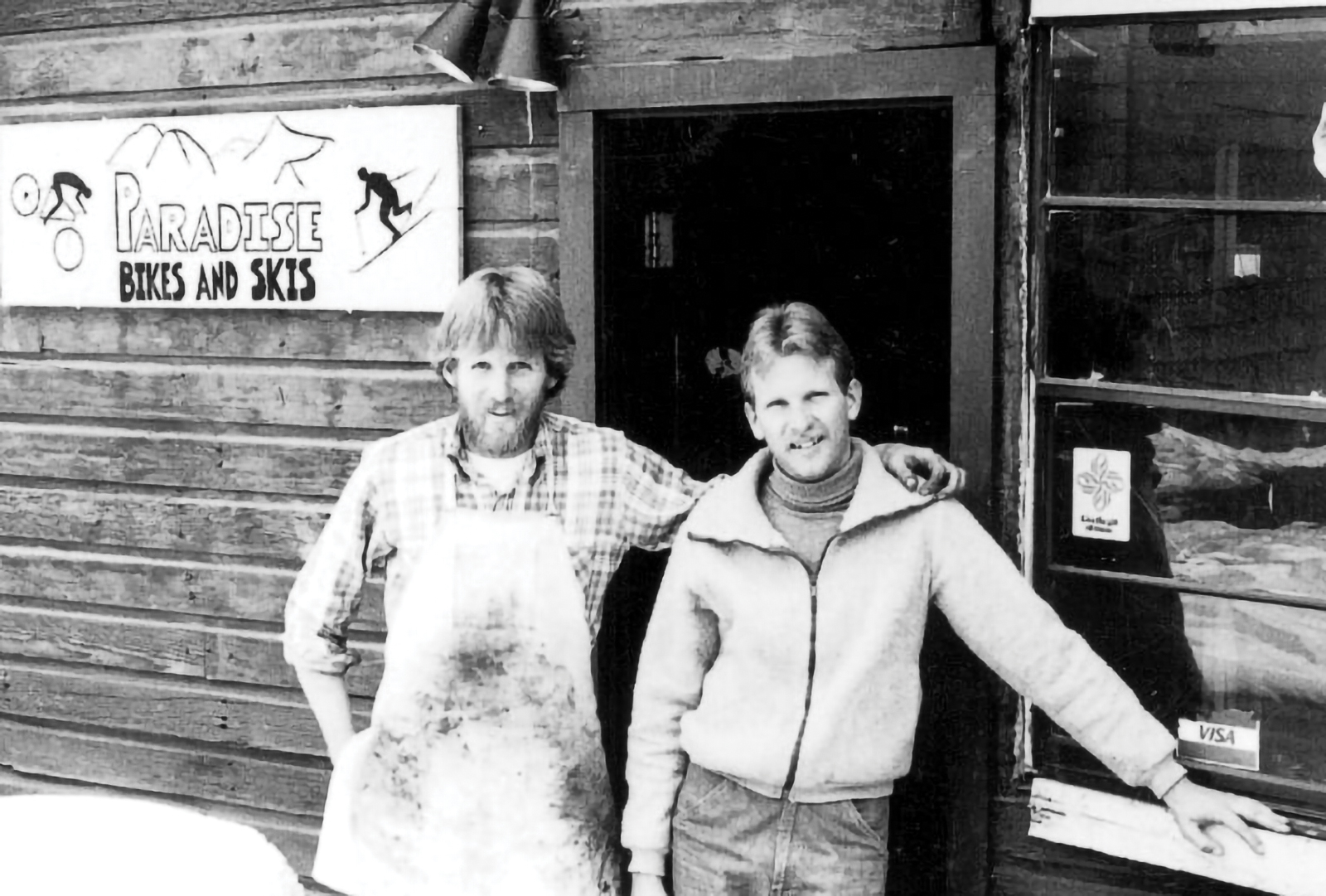
Don’s volunteer efforts in mountain biking alone were monumental, spanning nearly five decades and encompassing most of the elements that shaped the sport into what it is today. He helped create some of the first organized mountain bike races. Together with his brother and fellow racer Steve, he ran one of Colorado’s first mountain bike shops, Paradise Bikes and Skis, where the two promoted cutting-edge prototype designs that could handle the rigors of the mountainous singletrack they were developing. To help nurture this singletrack, he and Kay started the sport’s inaugural advocacy group, the Crested Butte Mountain Biking Association (CBMBA), as well as the world’s first mountain bike festival, originally known as Fat Tire Bike Week (itself an offshoot of the storied Pearl Pass Tour, in which the sport’s founding fathers rode their “klunkers” from Crested Butte to Aspen).
Though Don was never a bona fide framebuilder, his early interest in the evolution of bike technology made him a lynchpin between the seminal builders from Marin County, California, and the actual performance of their designs on Crested Butte’s proving grounds.
“Don had a MacGyver mindset, which made him not only a formidable competitor, but also someone who had good instincts as to what products needed to be developed and proven,” says Tom Ritchey, a framebuilding pioneer who at 69 is still running his storied Ritchey bicycle components company. “I would often call Don and ask him what he thought about various projects. I felt him to be an unofficial resource to the Ritchey company, and to me personally.”
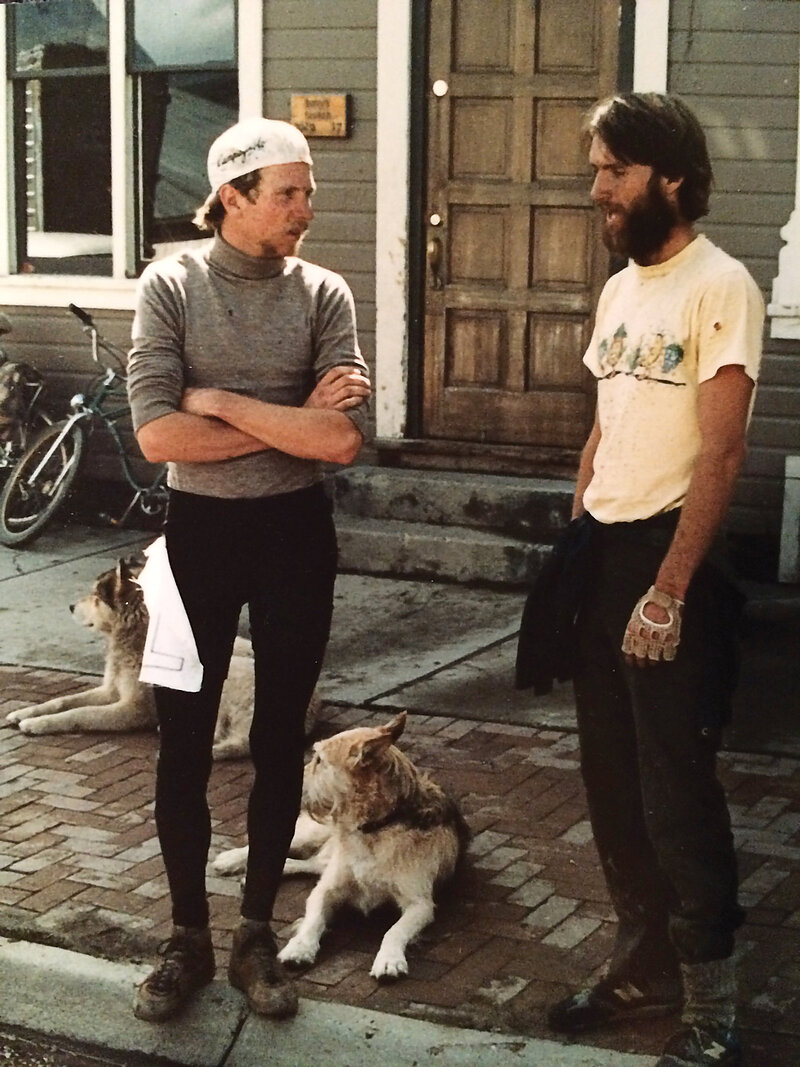
In the early 1980s, when the Northern California innovators were experimenting with different frame designs and geometries, Don and his brother Steve were always eager to get their hands on a new prototype and put it to the test. Having befriended the likes of Ritchey, Gary Fisher, Joe Breeze, Charlie Kelly, and Charlie Cunningham on the early Pearl Pass Tours and races such as the Paradise Divide, they maintained regular contact with these builders and often provided discreet feedback.
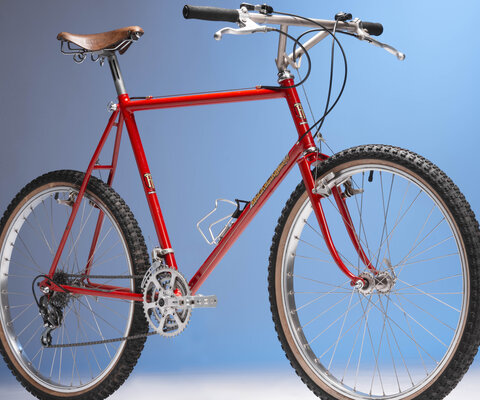
“When he heard that Charlie Cunningham was coming to Crested Butte for the Pearl Pass Tour, he pleaded with Charlie to make him one of those bikes,” says vintage bike enthusiast Tasshi Dennis, the de facto curator of the Vintage MTB Workshop. “And when Gary Fisher brought the bike out to Crested Butte on behalf of Cunningham, Don and Steve didn’t have enough cash, so they had to work out a barter deal for that Cunningham Number One.”
These relationships with Cunningham and his contemporaries helped to accelerate the development of bikes that were suited to actual singletrack trails, while also feeding Don’s lifelong passion for tinkering.
“Very early on, Don and Steve recognized the genius of Charlie Cunningham, and when you spend time with Charlie you develop a critical-thinking view of almost everything,” Nicol says. “Don carried that with him for the rest of his life. And he rode more than anybody, so he could put the miles on the bikes and really test things.”
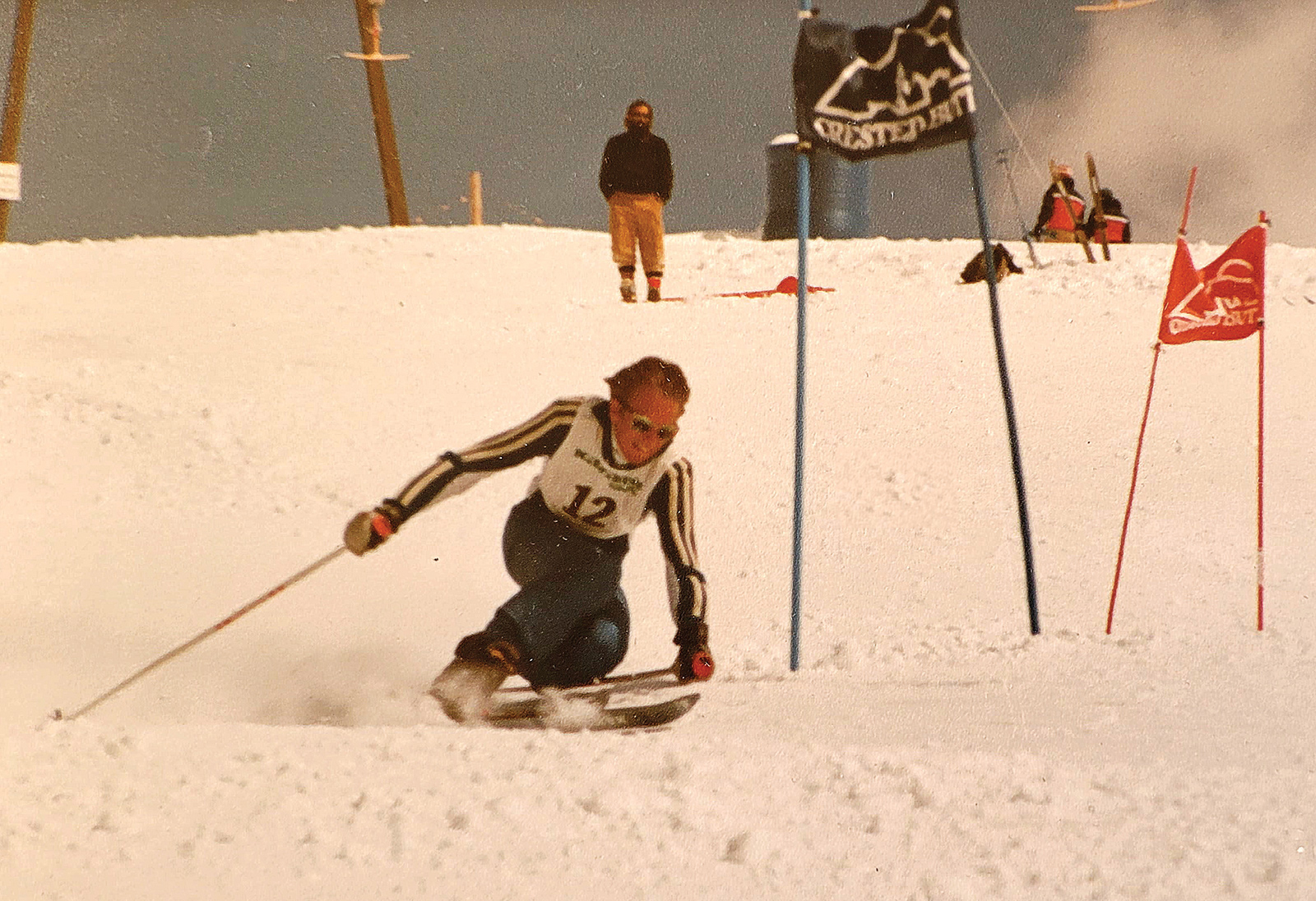
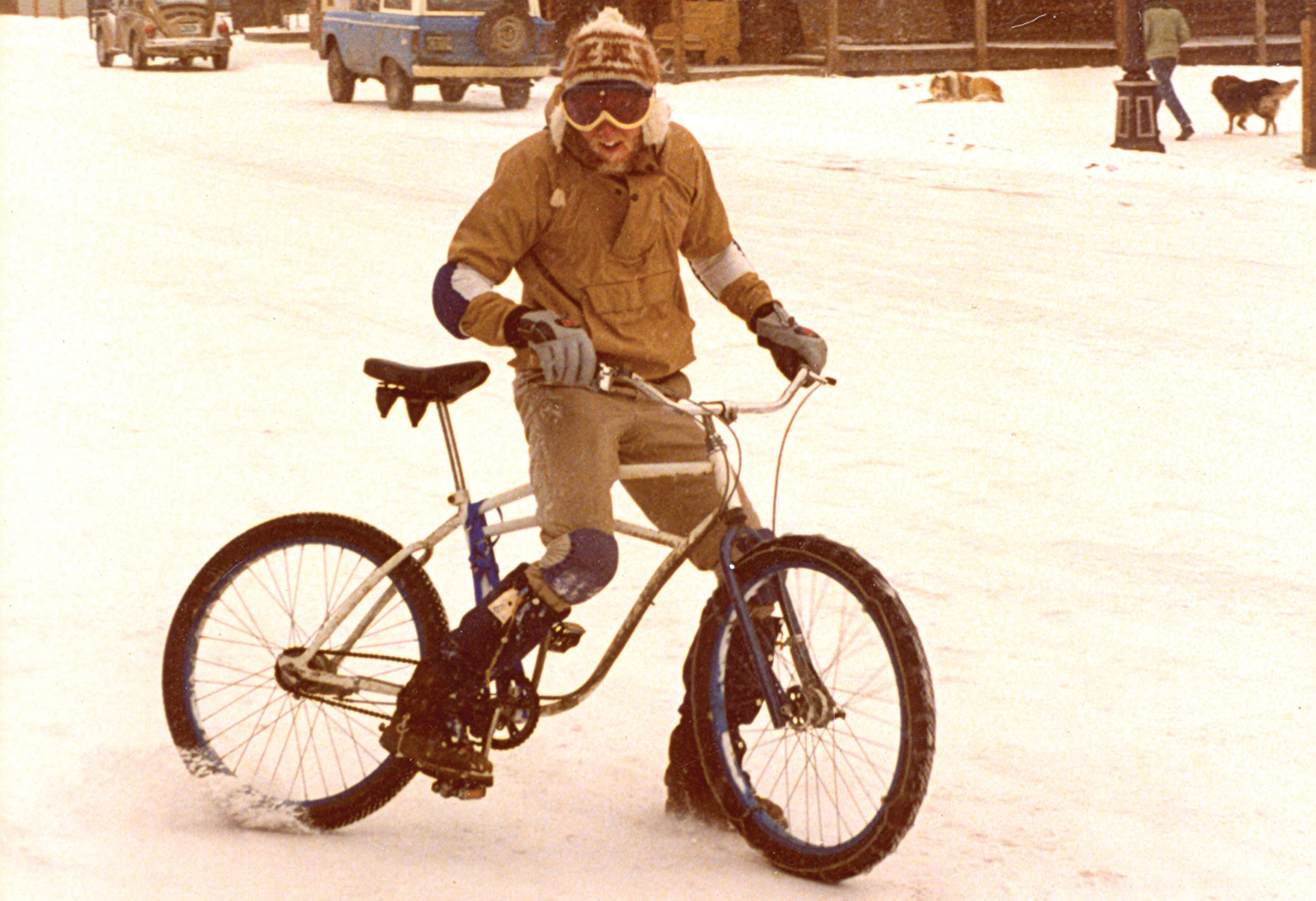
Don’s never-ending quest to imagine a bike that could help him ride faster and farther in the sprawling terrain of his beloved Elk Mountains made him an early proponent of larger wheel sizes, particularly for taller riders. This concept was met with resistance from many founders, only becoming the norm a couple of decades later.
“The whole mission for Don was ‘how do you get out all day and come back in one piece,’” Ritchey says. “He was on the big-wheel bandwagon pretty early, and he definitely championed what became known as the 29er. He made a really strong push for that, and he ended up being right.”
The biggest testament to Don’s insatiable thirst for tinkering was his basement, which several trailblazers took stock of following his life celebration last September. It was stacked to the ceiling with vintage bikes, prototype components, Ziploc bags filled with parts he was working on for friends, and even several hundred wooden tennis rackets.
“We were pulling stuff out of the rafters,” Prion says. “We couldn’t believe how many bikes he had stowed away in that basement. It was just a preserved history of the evolution of mountain biking.”
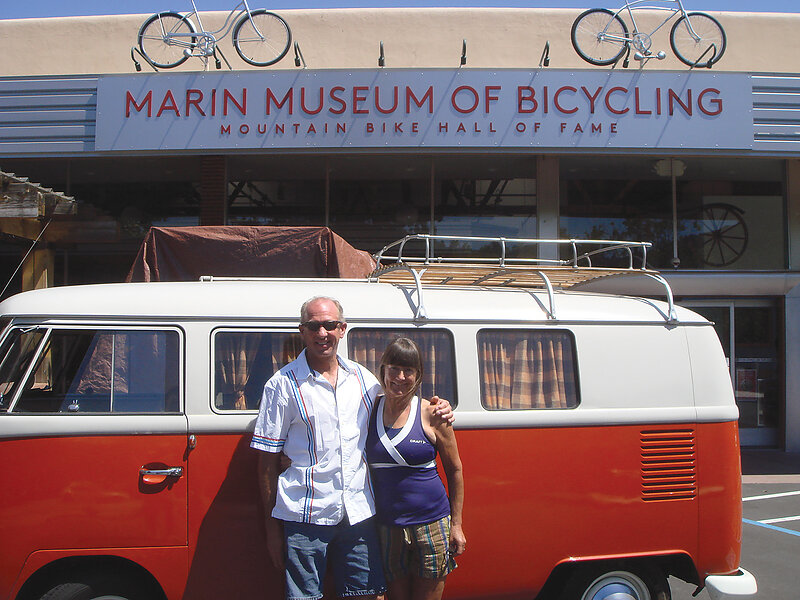
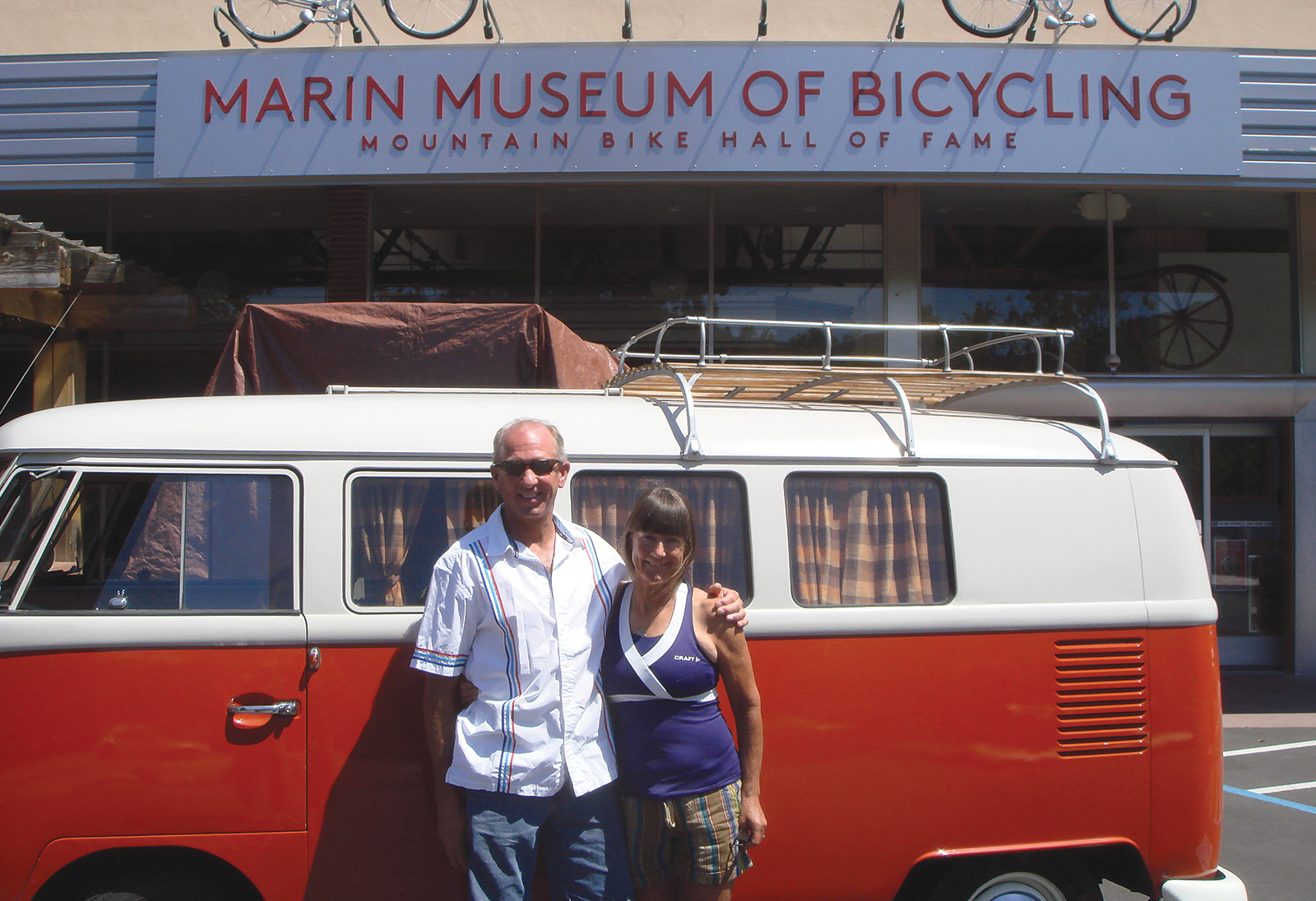
Preserving history was another of Don’s many obsessions. This led he and Kay to join forces with the late Carol Bauer—one of Crested Butte’s original “Bad Biking Betties”—to form the Mountain Bike Hall of Fame (MBHOF) in 1988. Running any hall of fame is by nature a controversial and often-thankless undertaking, but for them it was a labor of love. From their eventual base in the Crested Butte Mountain Heritage Museum, the couple spent 26 years chronicling mountain biking’s history until the MBHOF was moved to the Marin Museum of Bicycling in Fairfax, California, in 2014.
“When they decided to start the Hall of Fame, many of us fought against it,” says veteran mountain biking journalist Richard Cunningham. “We thought the sport wasn’t big enough yet. But they knew if they didn’t start it then, much of the early history would be forgotten. They were right.”
Of all of Don’s contributions to mountain biking, arguably the most revolutionary was the leading role he played in shifting the focus of riding from doubletrack to the much-narrower ribbons of singletrack that he and Steve preferred.
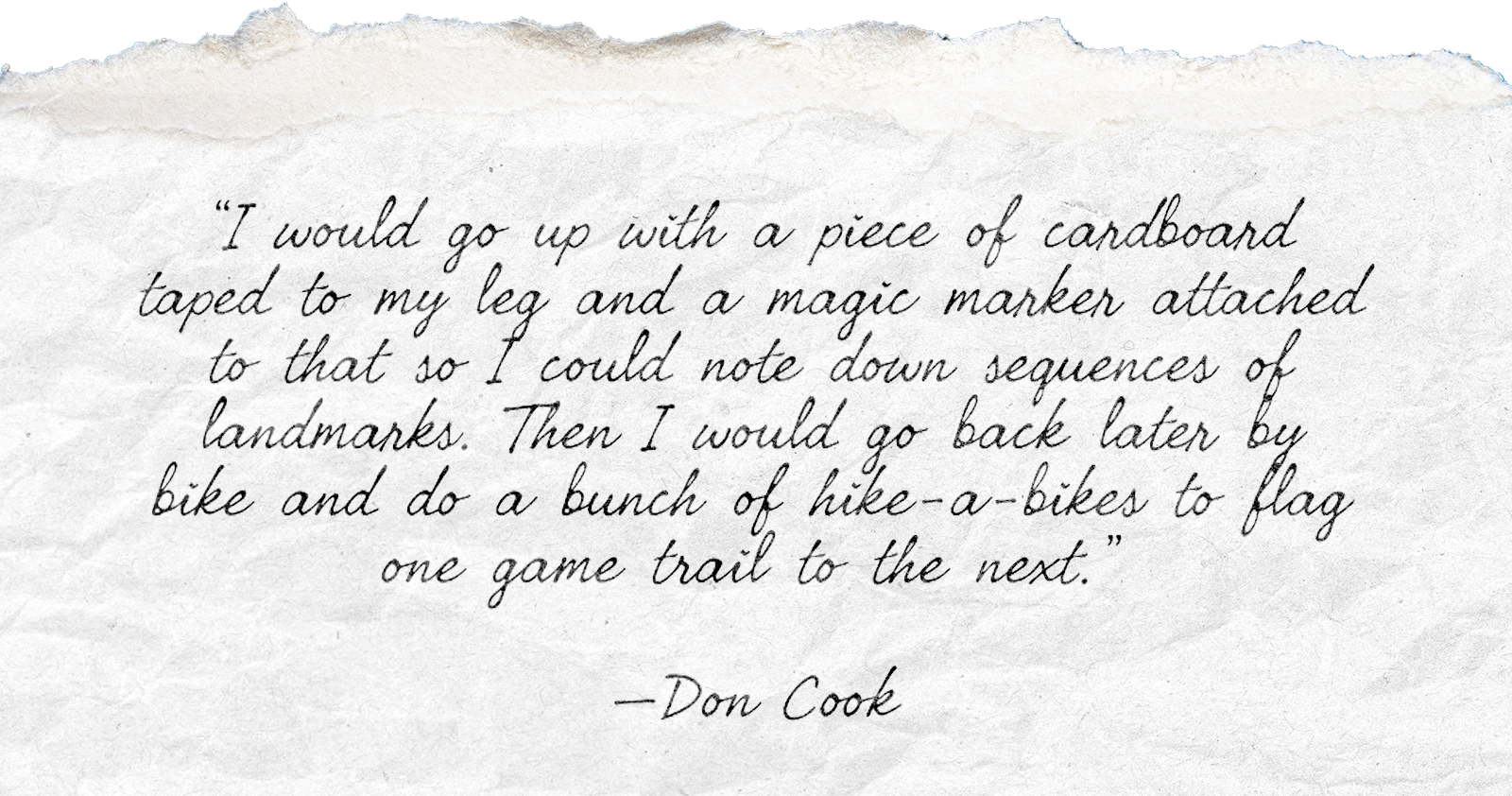
“My whole dream was to connect and build a trail system that went 360 degrees around the town, so you could ride your bike in every direction for a week without ever having to drive your car,” he said in a 2019 interview. “We were young enough and dumb enough to want to ride everywhere in the surrounding mountains on trails and then ride our bikes all the way back home.”
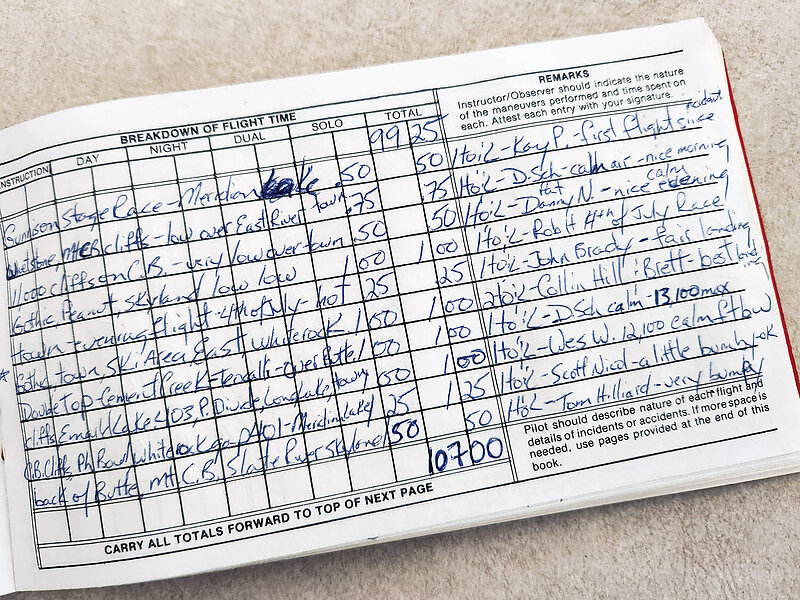
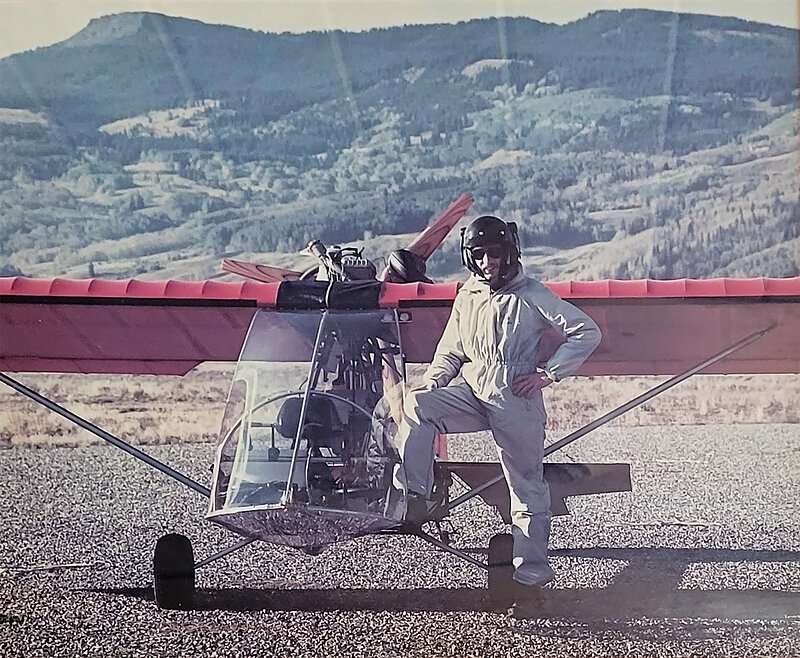
In 1980, Don built his first trail, a singletrack connector between two neglected tracks that had been used by the Civilian Conservation Corps in the 1930s. He soon realized that to efficiently link together a network he would need to get a bird’s-eye view of the countryside. So, with the help of a friend, he constructed an experimental, open-cockpit aircraft that could fly slow and low to the ground, with the ability to land in tight quarters.
“From above, we could spot game trails in places where I never dreamed they would be,” he said in 2019. “I would go up with a piece of cardboard taped to my leg and a magic marker attached to that so I could note down sequences of landmarks. Then I would go back later by bike and do a bunch of hikea- bikes to flag one game trail to the next.
“This really accelerated the amount of trailbuilding to truly enact that 360-degree network around town.”
The nonchalance with which Don described these efforts belied their utter audacity and originality, says journalist Cunningham, who is also an ultralight pilot and has reviewed Don’s logbooks.
“Don had seeds larger than a kangaroo,” he says. “He was flying his friends around in such challenging conditions. If you’ve flown one of these ultralights over the Rockies at 14,500 feet, you’re among a handful of men.”
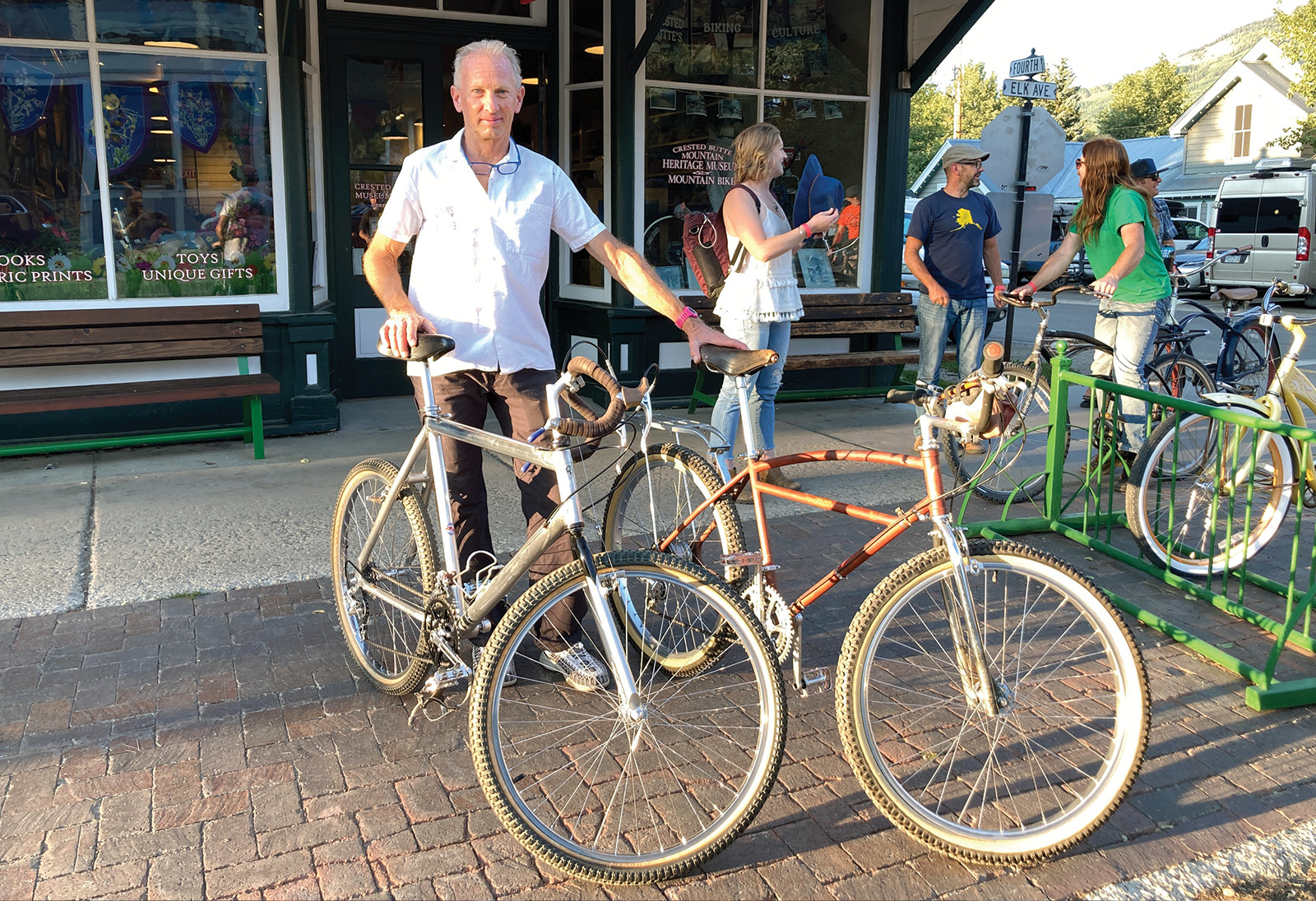
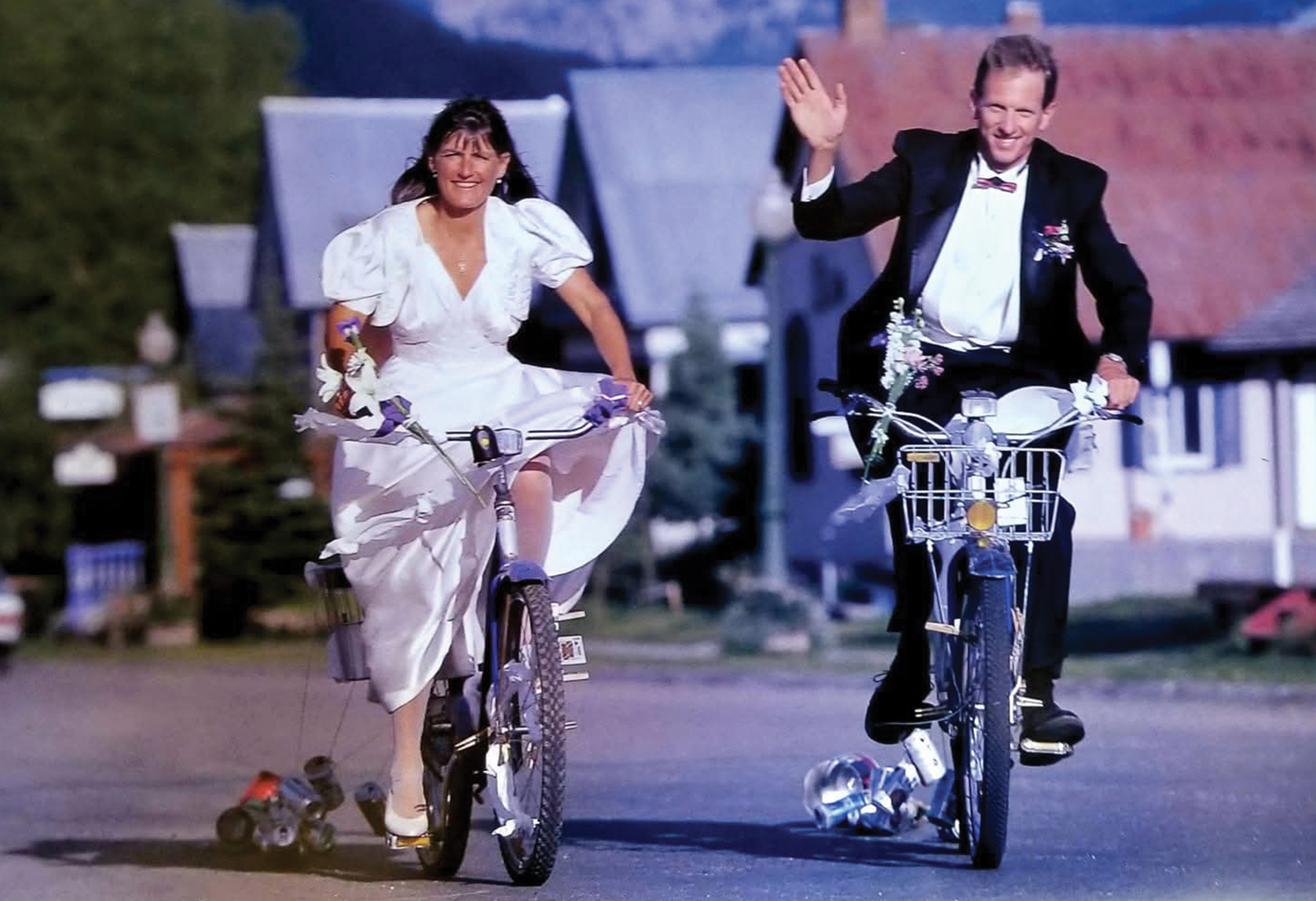
While Don’s methods were nothing short of avant-garde, he was not driven by a hunger for the limelight. His main motivation was to unleash the potential these extraordinary mountains showed for bike recreation and develop a community around them.
“He had this deep, deep appreciation for the outdoors, and bikes were the main thing that was getting him out there,” Dennis says. “It was a clear connection to the land, and he wanted to share that connection with his community and beyond.”
Riding bikes and elevating Crested Butte as a mountain biking destination were far from the only ways Don contributed to his community. Having been clean and sober since 1987, he understood the fundamental importance of supporting others, even in the smallest of gestures. Despite his busy schedule, he was known for being exceptionally generous with his time, stopping to chat with people during his daily bike rides through town and lending a helping hand with pretty much any repair job that was needed.
“He was always willing to stop what he was doing and give his full attention to you, especially if there was a need crying out,” says Scout Walton, one of Don’s main tennis buddies. “He prioritized other people ahead of his own interests and was always on the lookout to be of service.”
One of Don’s favorite ways to support people involved his phenomenal talent for whistling—an ability his father had encouraged him to develop at a young age. Without fail, he would call his friends on their birthdays and whistle the happy birthday melody, followed by an elaborate message outlining all the wonderful things he hoped would happen on their special day.
“His happy birthday whistling messages were always a highlight of my birthdays,” says Shannon Mujica, who served on the Crested Butte School of Dance’s (CBSOD) board with Don and danced with him for more than 23 years. “When I’d see Don calling me on my birthday, I’d always let it go to voicemail so I could save the message and listen to it over and over again.”
As the first male to regularly dance with the CBSOD, Don was devoted. He spent countless hours practicing, and even though jazz dance was his specialty, he never shied away from learning a new discipline.
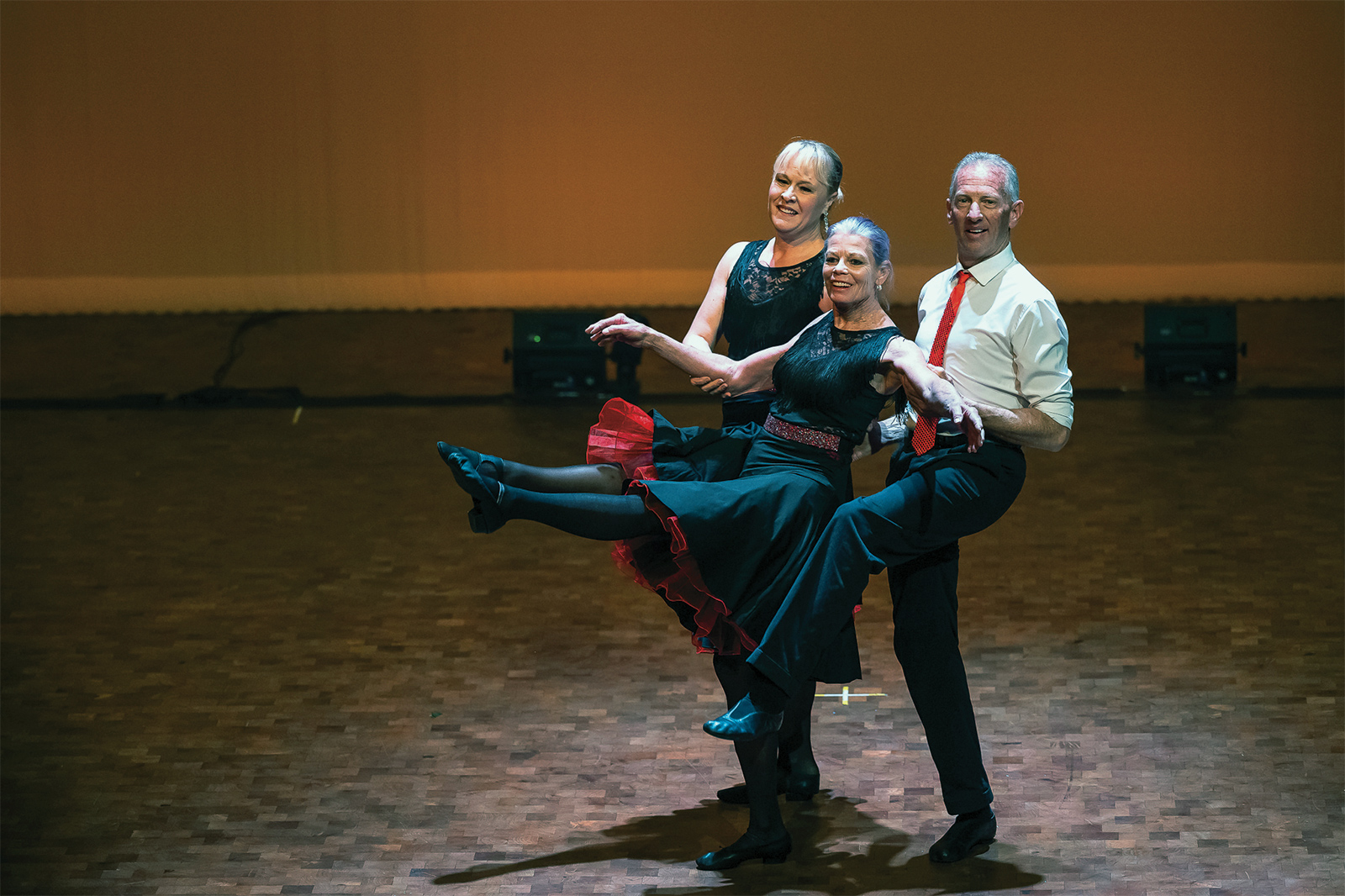
“He had to get every step right, and he would practice like crazy,” Mujica says. “During performances you always knew when Don came on stage because the crowd would go wild for him every single time. He inspired so many people to dance, and now there’s a whole bunch of male dancers in the school.”
This dedication to everything he loved was a major part of Don’s appeal, and one of the main reasons why people found his energy so electrifying.
“Everything he chose to do, he just dove really deep into it, whether that was jumping down the rabbit hole of what makes a good espresso or just trying to be the best bus driver he could possibly be,” says his bus supervisor Ridgeway. “We’ve never had a driver or employee here who has been better with the passengers than he was.”
Among Don’s biggest passenger fans were local kids, some of whom would do loops up and down the mountain with him, simply because it was so much fun.
“When the bus was stopped, he would let the kids open and close the doors, and they just loved it,” Kay says. “That’s just how he was when he was out there moving around in the world, whether he was driving the bus or riding his bike around and talking to people. He always had his head up, and there were so many people who believed he was their best friend.”
Exactly one week before Don’s death he was at the Crested Butte Museum helping an employee whose father’s best friend had died on a mountain bike ride a couple of years earlier in nearby Taylor Canyon. The man had been found keeled over, still clipped into his pedals. Consoling her with his customary honesty, Don told her that was the way he wanted to go.
A week later, he was riding one of his favorite trails in the world, Trail 409, which is usually ridable in the early summer and features some alternate routes that Don held dear. His good friend Andy Braun, another supervisor at the Mountain Express, had led Don up the long climb that always promised the payoff of a rip-roaring descent.
At the top of the ascent, while pausing to soak in their vibrant surroundings, Don told Braun he wanted to bomb down one of the alternate lines he loved so much. He disappeared down the trail, gliding through familiar corners with the grace of a Tai Chi master performing his morning ritual. The silence of the mountains was periodically broken by Don’s ecstatic whooping as he whipped through handlebar-high, purple lupine blossoms, undoubtedly grinning from ear to ear.
Braun dropped in behind him but soon missed a turn and had to double back to find the right line. By the time he found it and was fully absorbing the sublime G-forces of the turns that Don had created, he spotted a solitary figure alongside the trail, crumpled over his bike, still clipped into his pedals. Don was already gone, swept away in a rapturous corner that he might well have sculpted for this very moment.
In the ensuing days, as word of Don’s passing spread like wildfire above the long-burning loam of the mountain biking ecosystem, the “he died doing what he loved” platitude began to circulate. This was undeniably the case, but underlying this truism was a far more poignant reality: What he loved doing was precisely what he had inspired us to love. And if we’re lucky, when each of us drifts our final corner, we’ll cross through to the hissing of bus doors opening, with Don’s knowing smile welcoming us on the other side.