Specialized Radial Tires More grip, with the same support?
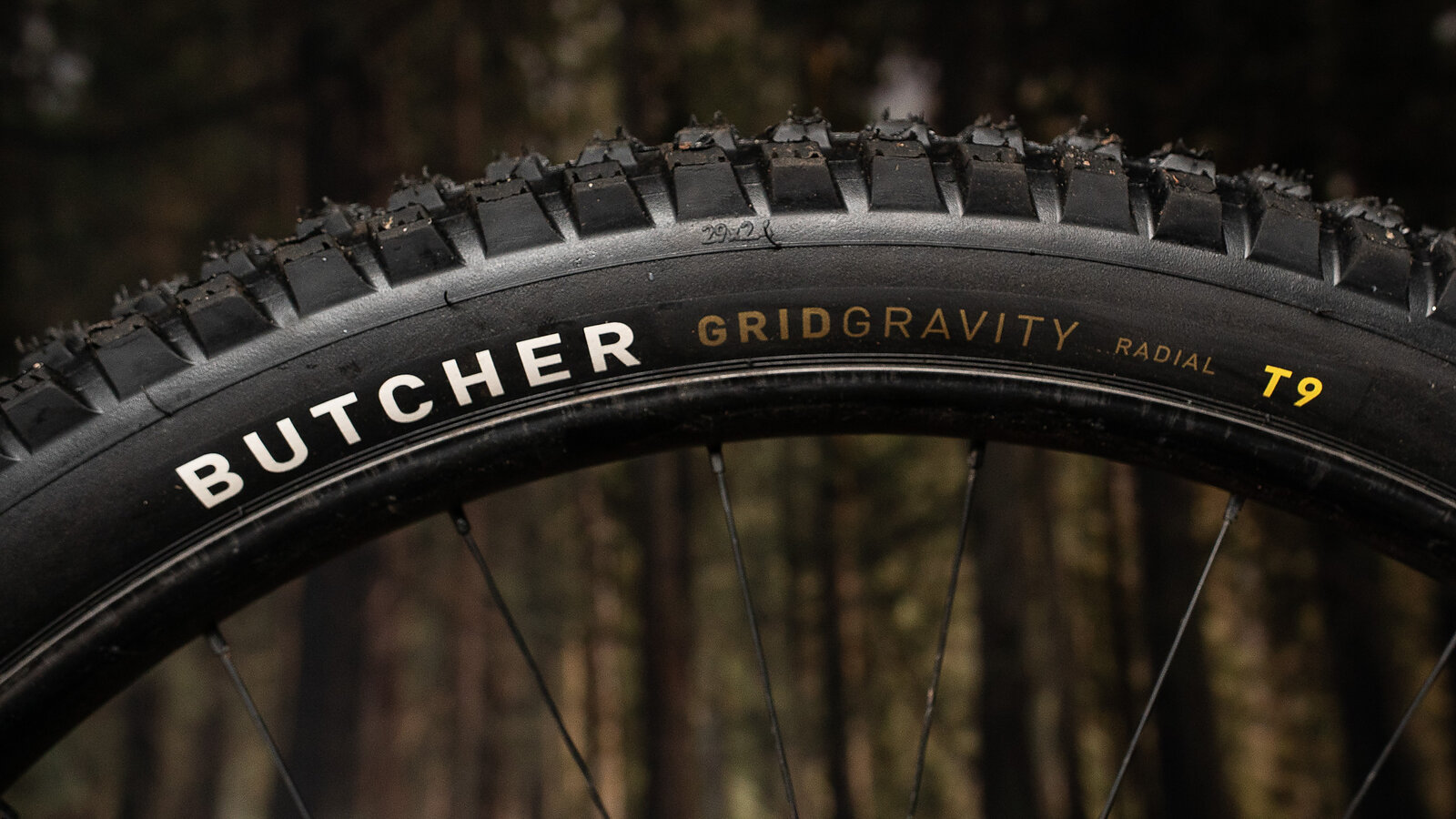
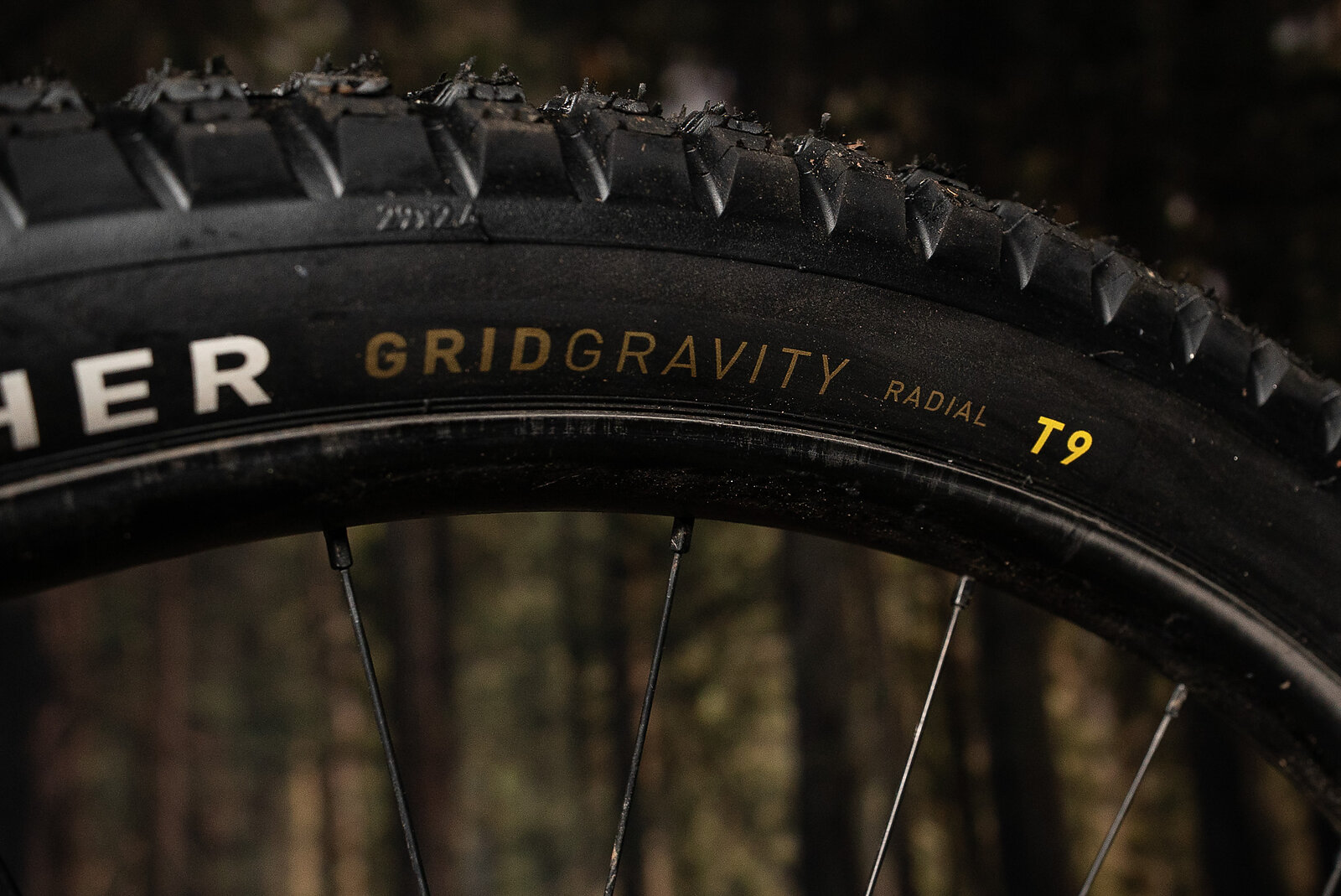
Spring is in the air. The sun is shining, the dirt is perfect, and Specialized has a brand new radial casing, just in time for Sea Otter. Last year the brand updated its longstanding Butcher and Eliminator tread patterns to deliver even more grip, but apparently that wasn’t enough. According to Specialized, the new Grid Gravity Radial casing delivers a 30-percent bigger contact patch with the ground, for increased grip, without really compromising on sidewall support or requiring a change in tire pressure.
These are big claims, so we’ll get into the nuts and bolts of what Specialized is doing here, as well as how these new tires perform on the trail. First, the specs.
Specialized Butcher/Eliminator Tire Overview
- Sizes Available: Butcher 29x2.4, 27.5x2.4 ; Eliminator 29x2.4, 27.4x2.4
- Compound: Butcher Gripton T9, Eliminator Dual Gripton T9/T7
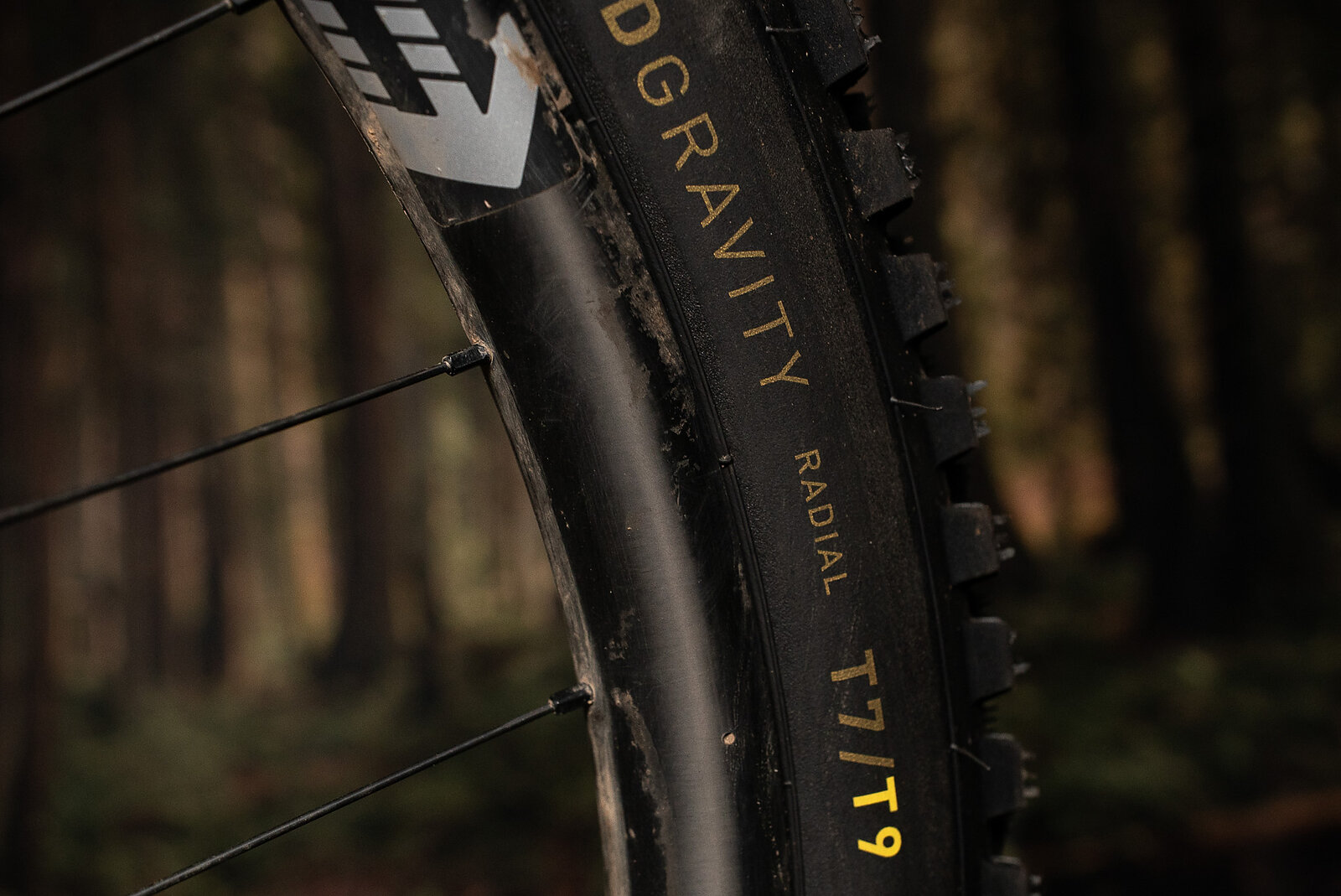
- Casing: Grid Gravity Radial
- Weight:
- 1,442 g (Butcher, 29x2.4)
- 1,273 g (Eliminator 27.5x2.4)
- Price: $90
What’s New? (Radial Witchcraft)
Ever since Schwalbe dropped its initial line of radial tires, the market has been primed for another option. But it’s worth diving a little further into what’s actually happening inside these casings. Inside every bike tire are layers of threaded material, sandwiched in rubber. And the angle those threads run at plays a big role in how the tire rides. Traditional tires run close to 45° across the tread, whereas a true radial would run at 90°.
Again, we’re massively simplifying things here, but the more “radial” a tire is, the easier it will deform to grip the trail, the bigger a contact patch you’ll have, and the more grip you’ll have. But, nothing comes for free. Mountain bikers don’t just need our tires to grip well, we also need them to deliver sidewall support and precision. A true radial (90°) tire might grip the ground incredibly well, but good luck getting it to support you through a bermed corner. That can, to a degree, be fixed with increased air pressure. Personally, I’ve found that I need to run 4-8 PSI more in Schwalbe’s radial tires to get the level of support I want. But if you run too much extra pressure, you negate any of the positive benefits of the radial construction.
That wasn’t good enough for Specialized. So, apparently, the brand threw a rather absurd amount of manpower and science at the problem, experimenting with a wide range of tire construction techniques. Specialized talks about casing performance in terms of radial and lateral stiffness - you want a laterally stiff, but radially compliant casing to deliver support through berms, but still conform better to rough terrain. The end result of the brand’s testing is a new casing that orients the threads at 70°, as opposed to the 50° found in the old Grid Gravity casing. Specialized says this setup is 30% more radially compliant, while only being 7% less laterally stiff. So you should, hypothetically, get way more traction, with just a little bit less support, while running the same tire pressures you always have.
In Specialized’s words, the radial casing should deliver “more grip in rocks, roots, and off camber sections” as well as “more comfort from vibration damping and terrain tracking.” It is interesting to note that the brand is up front about the fact that folks looking for maximum sidewall support (think bike park rats) should stick to the tried-and-true regular Grid Gravity casing.
It’s important to note that, unlike Schwalbe, this radial construction is only available in the Grid Gravity Radial casing. These tires are beefy hawgs, designed to maximize downhill performance.
What Isn’t New? (Tread Pattern and Compound)
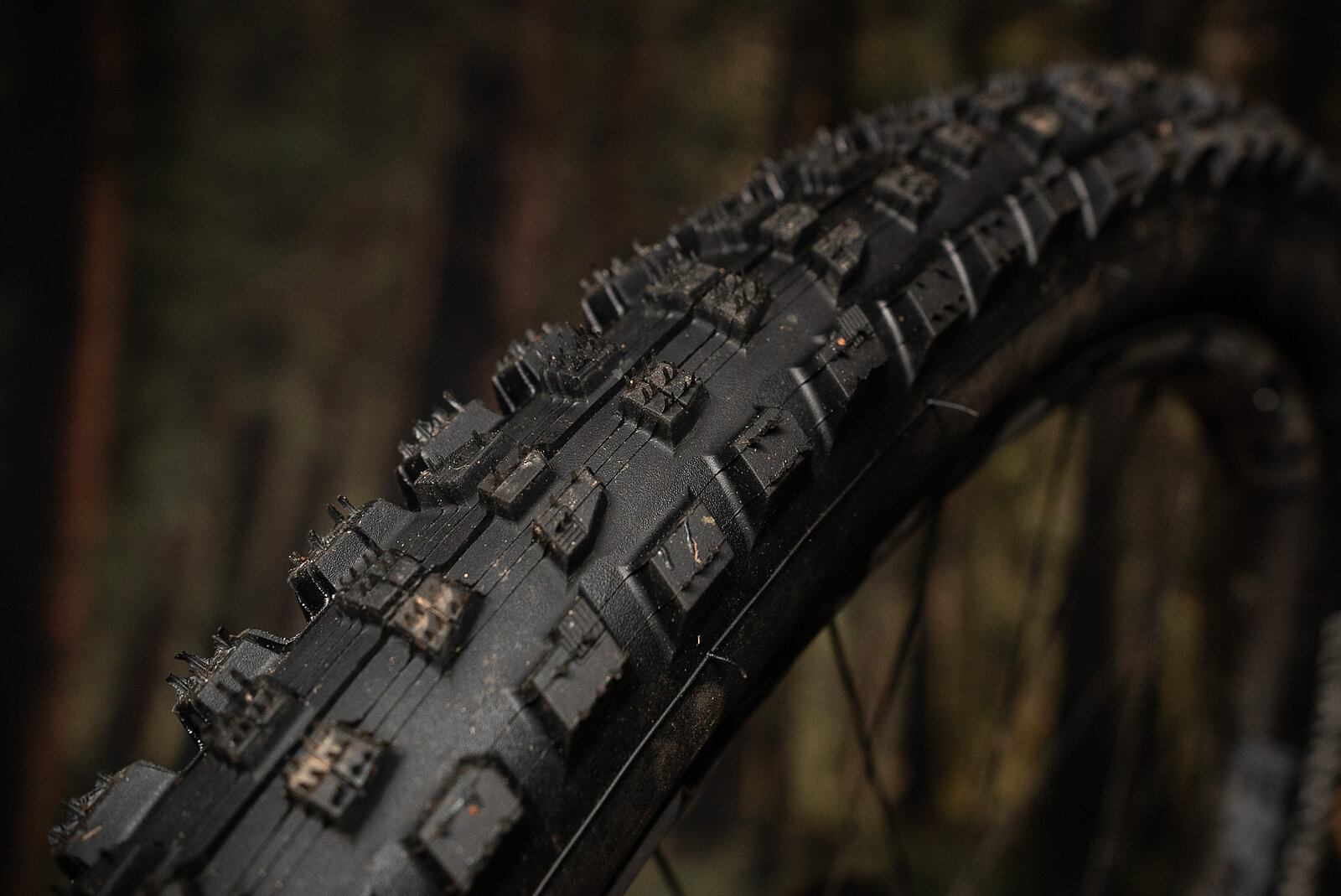
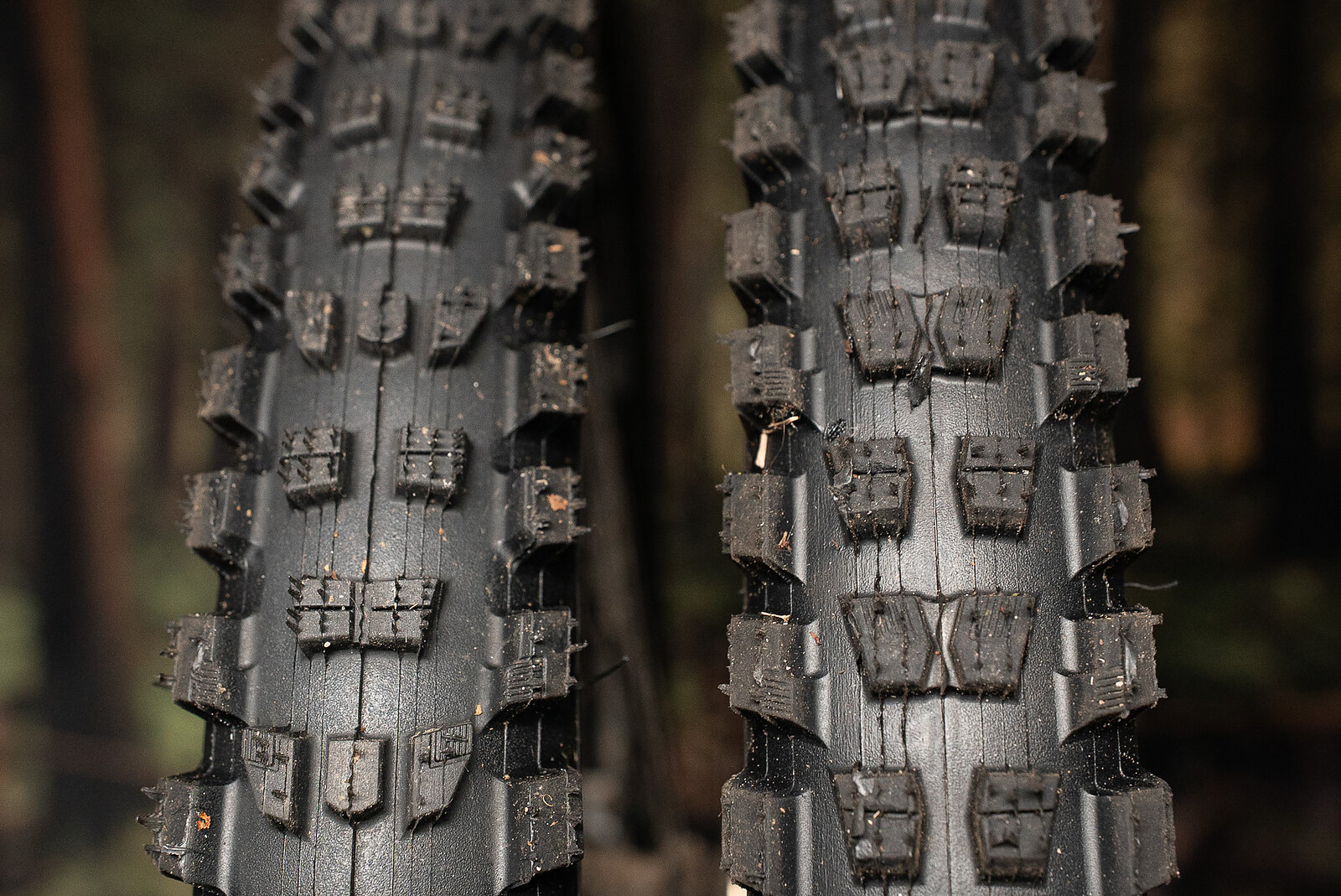
I raved pretty hard about the new Butcher and Eliminator in my previous review, and Specialized hasn’t changed anything on that front. For now the radial casing will only be available on those two tires, which makes sense given that they are very much the meat and potatoes of Specialized’s trail and gravity tire line. That said, we’ll get into where I’d like to see this tech expand to later.
As I mentioned in my long term review, Specialized's T9 rubber does a great job of balancing stickiness and durability. It’s not the absolute softest on the market, but it’s plenty sticky for winter riding in the PNW, and it lasts very well. I put an absurd number of miles on those original review tires, and still felt a little guilty when I tossed them, since I was convinced I could have squeezed a few more miles out of them.
Performance
I’ve been running a radial Butcher and Eliminator on my trail bike, as well as a Butcher front and rear on various review e-bikes for the last month. I did a bunch of my riding before I had access to Specialized’s press materials which specified that I should be running my typical pressures, so I experimented with higher pressures, before ultimately, organically coming back down to the 22 PSI front, 24 PSI rear that I run on most tires.
Let’s get the not-so-great part out of the way early: these are meaty, heavy tires. They roll a lot slower than the Grid Trail versions I reviewed last year, and a little slower than the Grid Gravity (not radial) versions I’ve been running this year. They’re far from the slowest tires I’ve pedalled, but they definitely aren’t spritely, and I’d recommend running them on enduro or e-bikes, unless you’re convinced that you need max traction on your shorter travel rig.
But that’s not the important part. How do they go downhill? Really friggin well. I’ve spent a lot of time on Specialized’s regular Grid Gravity tires, because they’re affordable. But, I’ve always felt the price I pay for that affordability is that the casing is a little stiff and wooden feeling, and doesn’t offer great damping. It’s not the end of the world at all, but it isn’t as confidence-inducing as, say, a Maxxis DH casing tire. This radial casing radically changes that. These might be the most damp, controlled, traction-heavy tires I’ve used.
I spent a fair bit of time on Schwalbe’s Albert Radial tires, and, while I liked them, the Butcher and Eliminator feel like they deliver significantly better mechanical grip, as well as a more controlled casing feel. They feel like they deliver more of the “wow that’s a lot of traction” radial magic, while also being less squirrelly and more supported.
I’ve been riding pretty heinous conditions for most of my time on these tires, and I continue to be impressed with how well they grip slimy roots and rocks. I’ve thrown them on a couple of new-to-me e-bikes that I haven’t fully trusted, and then immediately charged down some questionable moves, and the tires have gripped better than I bargained for. It’s a very enjoyable sensation.
I weigh north of 200 lbs these days, and, so far, I haven’t noticed any problematic sidewall squirm. But, I also haven’t ridden mid-summer blown out bike park yet, and I’m interested to see if I notice any downsides as things dry out and speeds increase. I’ll update this review if I do.
I’ve bounced back and forth between the Butcher and Eliminator as a rear tire, and have eventually settled on the Eliminator in the rear on meat bikes, and the Butcher out back on e-bikes. For my riding style, the Eliminator delivers plenty of braking and cornering traction out back. I don’t feel like the Butcher represents a massive upgrade, so when I’m doing all the work, I’ll happily run it, and reap its faster-rolling rewards. But, on the e-bike, I think the Butcher delivers better climbing traction, so I prefer to run it on the rear there.
Finally, it’s worth hitting the price. These cost $5 more at MSRP than the typical Grid Gravity casing Specialized tire and retail for $90. That’s $8 less than Schwalbe’s Albert Radial, and $15 less than a DH casing Maxxis Assegai. So, not cheap, but still more affordable than the competition.
What’s Next?
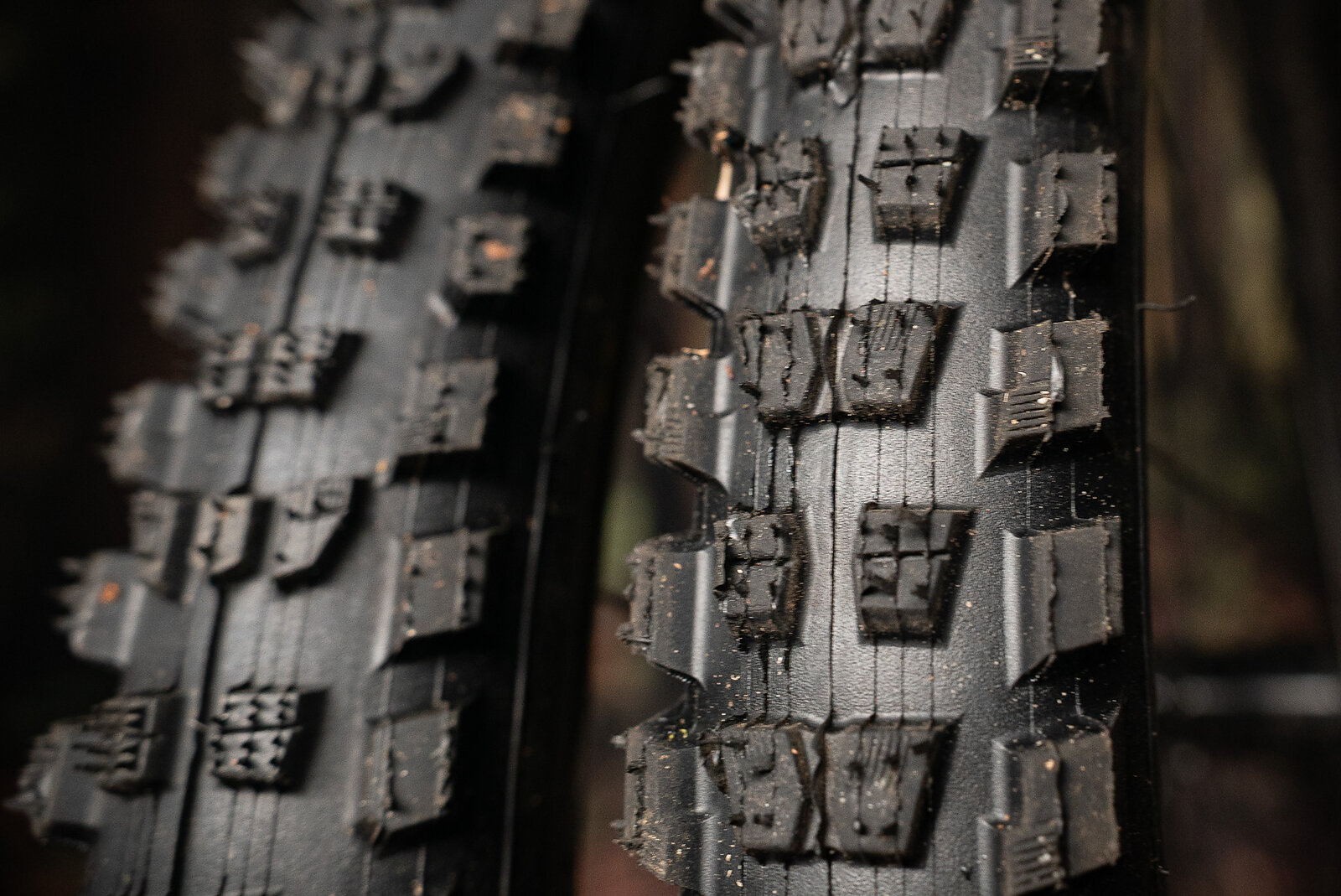
If I was shopping for Specialized gravity tires, I would 100-percent pick the new radial Butcher and Eliminator over the old ones. The difference in casing feel and traction is noticeable and rad. But, there’s a funny conundrum here: historically, if I’m shopping for Specialized gravity tires, I’m not usually looking at the Butcher and Eliminator. Instead, I’m eyeing the Cannibal and Hillbilly. Those more aggressive tread patterns are a great fit for long travel bikes, and typically I save the Butcher and Eliminator for trail bikes.
The new casing changes that to a certain extent. I’m more stoked to run these tires year-round on a big bike than I was the old versions. They deliver a lot more traction in wet conditions. But man, I’d absolutely love to see a radial Hillbilly hit the market. That’s a tire I’d be stoked to run front and year all year round on any bike over 160 millimeters of travel.
One of my biggest takeaways from Schwalbe’s radial tires is that, for my riding style at least, radial casings make less sense the lower profile a tire is. The Albert is a fine tire, but I’m not convinced that the radial-ness of it is getting me anything that slightly more aggressively shaped knobs wouldn’t deliver. It’s one of those “cool, but so what?” products. The Butcher and Eliminator make better use of the benefits of a more supple casing, but the Schwalbe tire that really sold me on the radial casing was the Magic Mary. I viscerally disliked the regular version, and then really dug the radial one.
I think the more supple radial casing gives tires with big, spread out knobs a more significant advantage than it does for more “traditional” designs. Cut spike tires are really good at gripping in loose terrain, and less good at gripping rocks and roots. So, when you make them more supple, you get more rubber contacting the ground, and a less sketchy experience in firm and slippery situations, without compromising their strengths. And, these tires are typically used in soft conditions, where sidewall support, the achilles heel of radials, is less important.
All that to say, I think a radial Hillbilly would be really, really cool. It’s as close to a dream tire as I have, and I hope Specialized expands the line in that direction. That’s a tread pattern that could tangibly benefit from this new carcass.
For Now
Specialized threw a whole bunch of science, and a nice load of charts and graphs at this new tire release. But the end result is quite simple: these new radial tires grip better, without feeling weird or wishy-washy. I only found myself thinking about them when they gripped in situations I expected them to slide out, but never found myself agonizing over support or pressure, which is very much the best case scenario for new tires. I’m excited to see this tech trickle out to other Specialized tires.
Learn more: Specialized