OneUp Components Aluminum Wheels Zero faff, plenty of performance.
The way OneUp introduces new products always leads to a funny process when it comes time to write the intro to my review. Some brands create the flashiest, AI-generated slide decks and make journalists sit through a couple of hours of breathless superlatives. Others bombard us with graphs and charts, rarely festooned with useful data or even units for the axes.
And OneUp does none of that. The brand’s launches are as understated as the product names they choose: This is the “Aluminum Wheel” from OneUp. It’s round. It comes with OneUp’s hubs. It’s meant for aggressive trail and enduro riders, and it’s reasonably priced, weighs a reasonable amount, and has a reasonable warranty. Releases like this do not make for exciting introductions, but do they make for good products? So far, that’s definitely the case with these wheels.
OneUp Aluminum Wheel Details
- Internal Width: 30 mm
- Spokes: 28 front, 32 rear
- Hubs: OneUp
- XD, HG, MS freehub compatibility
- 6 Bolt only
- Weight: Front 932 g, Rear 1011 g, Pair 1943 g (MX, with tape and valves)
- Price: $599
Rims
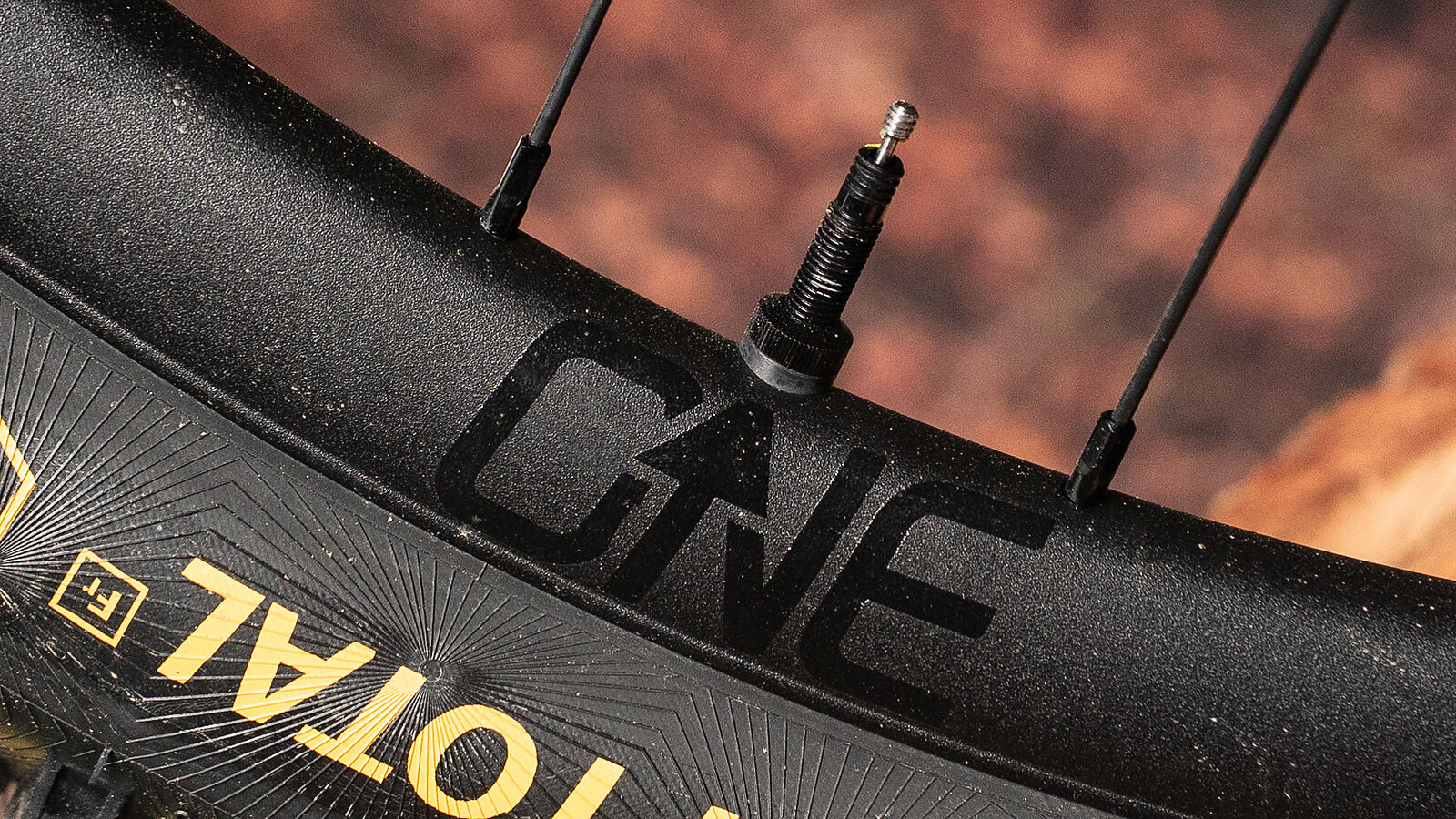
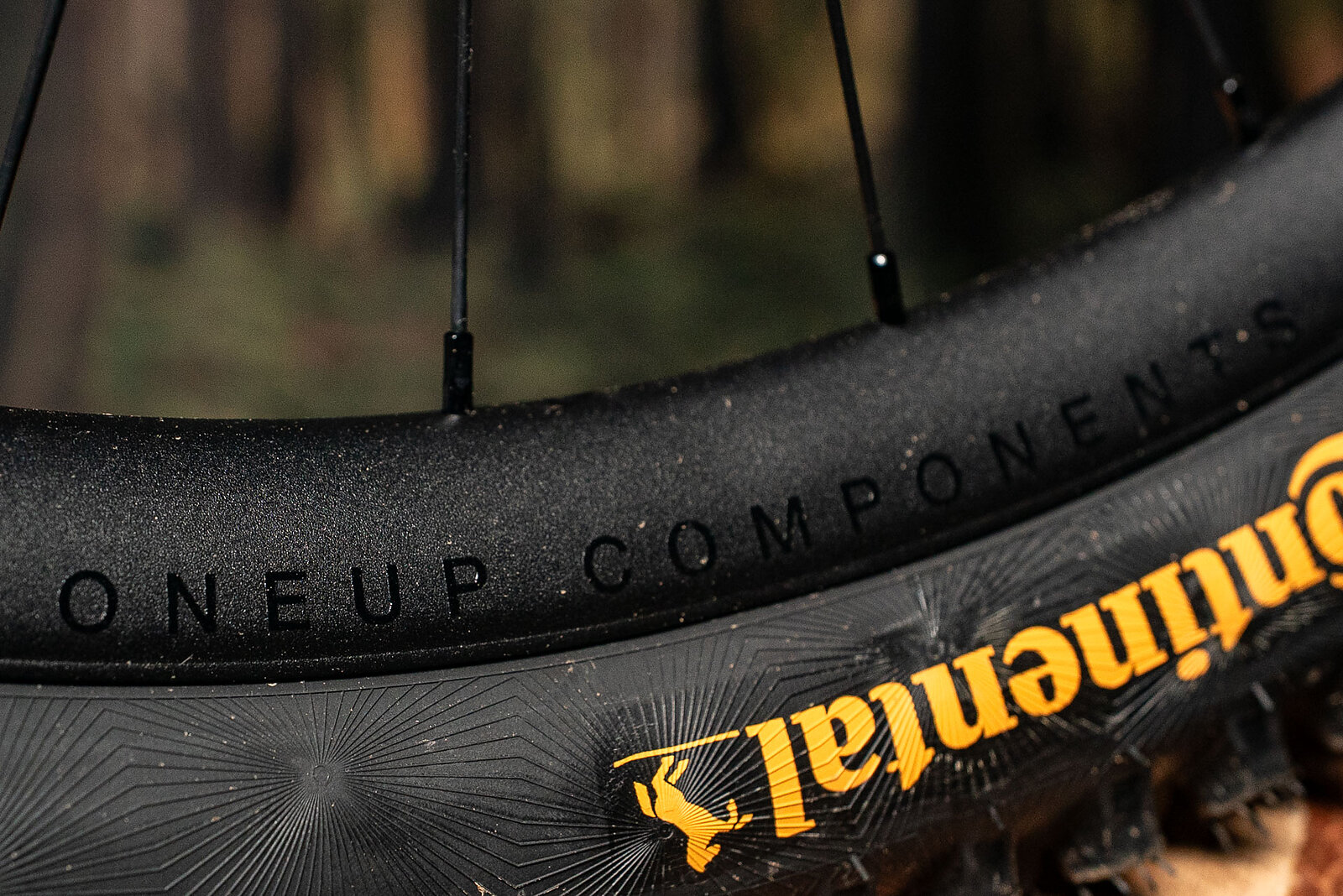
OneUp is using dedicated front and rear rims here, with 32 spokes out back and a reinforced rim paired with 28 spokes, and a slightly lighter rim up front. You can get a wheelset with two 29” wheels, or mixed 29/27.5” wheels, and everything comes laced up with double-butted J-bend Sapim spokes and alloy nipples. The holes for those spokes are offset asymmetrically by 3 millimeters to make for more even tension.
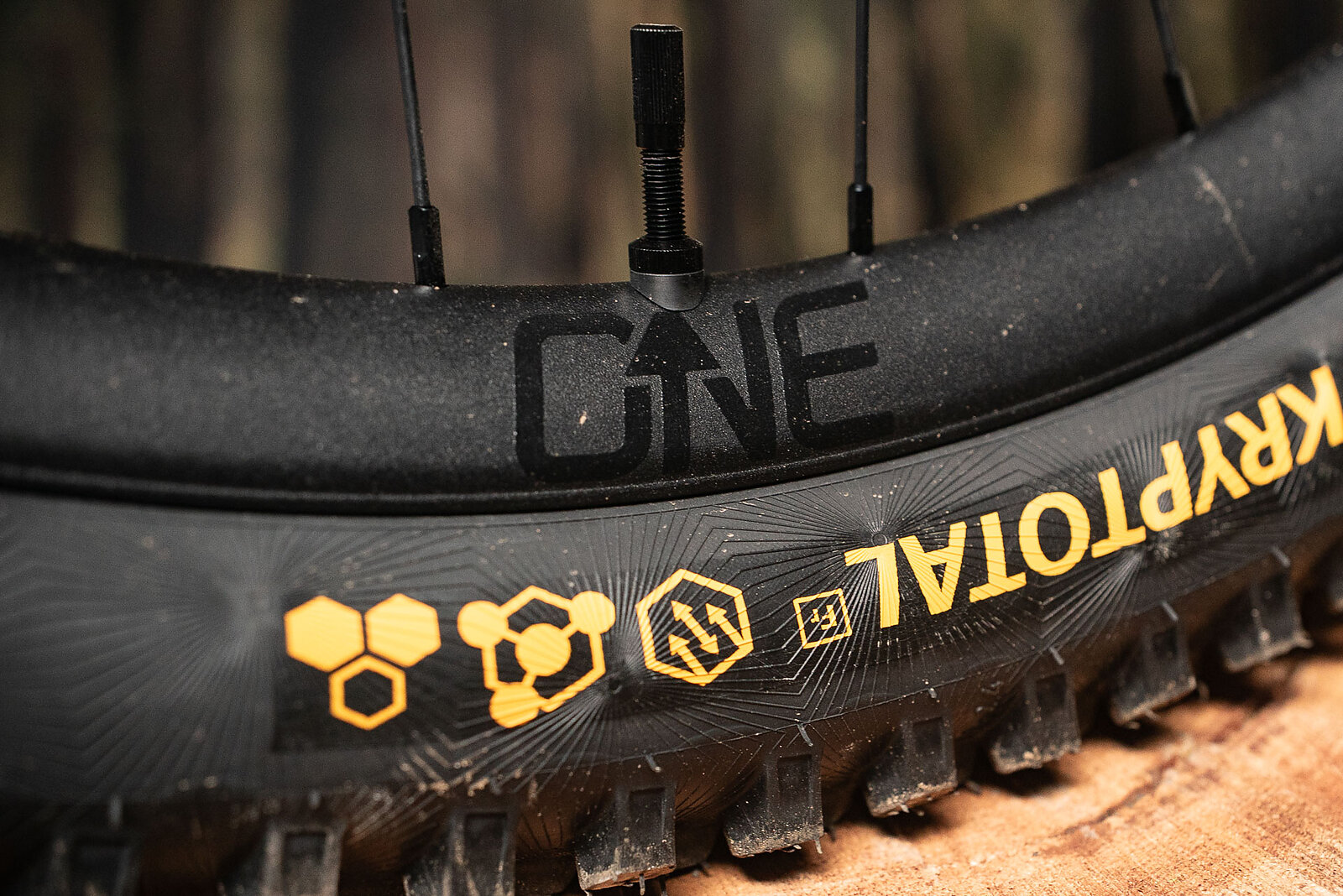
The wheels are sold pre-taped, and come with Fillmore valves. I had no issues getting tires from Maxxis, Continental, and Specialized to mount up with a floor pump, and I’m a big fan of the Fillmore valves. It’s cool to see them coming stock on non-Reserve wheelsets.
Hubs
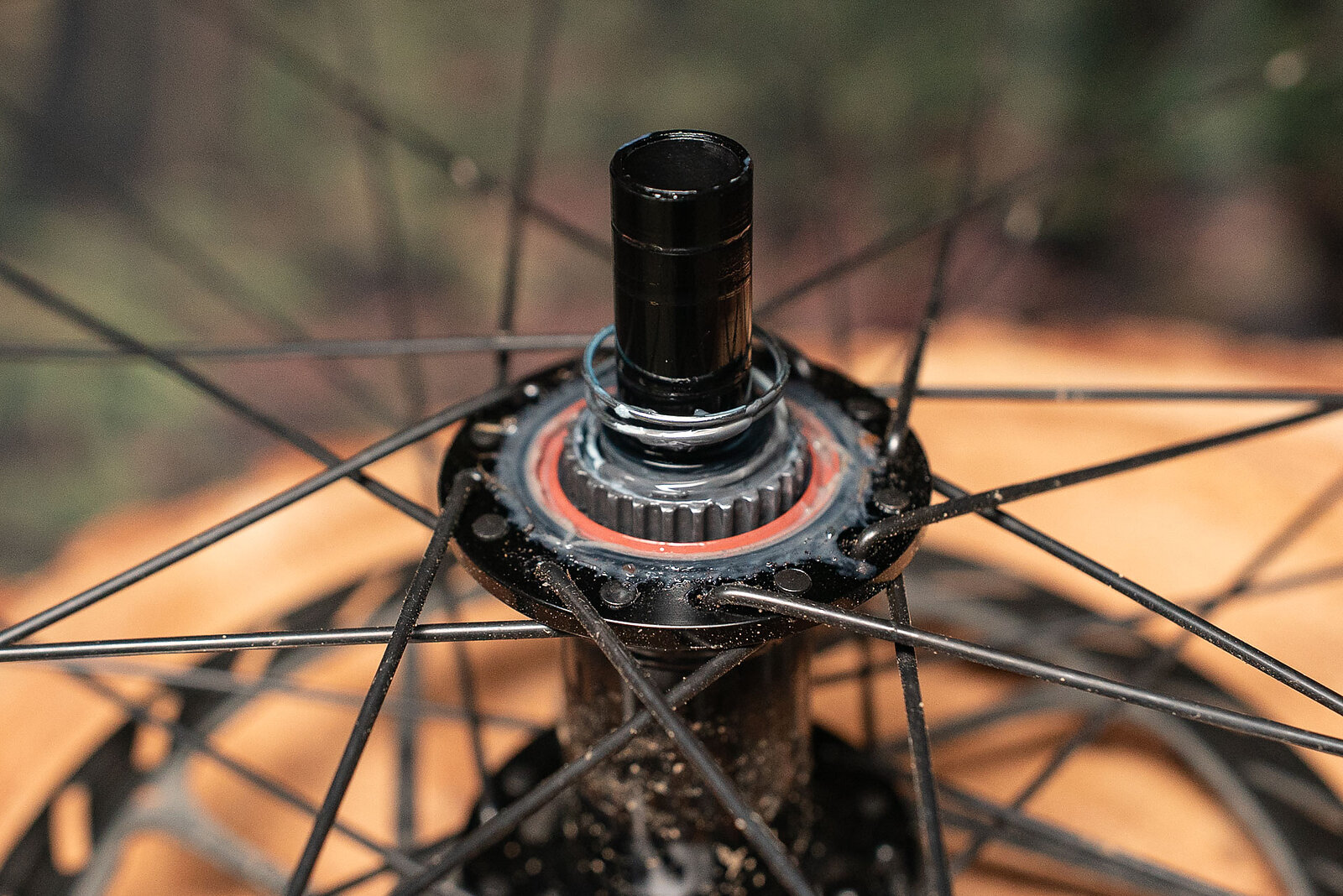
Those rims spin around OneUp’s house-brand hubs. These used the tried-and-true star ratchet design, with a 44-tooth ratchet. In my experience these hubs have been pretty bomber, with an acceptably small deadband. They’re also impressively light, although that weight savings does get eaten up by the beefy aluminum rims.
There are two somewhat unimportant details that always stand out to me about these hubs. Historically, if you just spin OneUp's hubs by by hand, they feel like they have more drag than other options, particularly up front, perhaps due to their sealing. However, OneUp says these wheels come with updated end caps for less drag. And, once they’ve got a tire on them and are installed in the bike, I don’t really notice anything. Tire weight and tread pattern definitely makes more of a difference on trail.
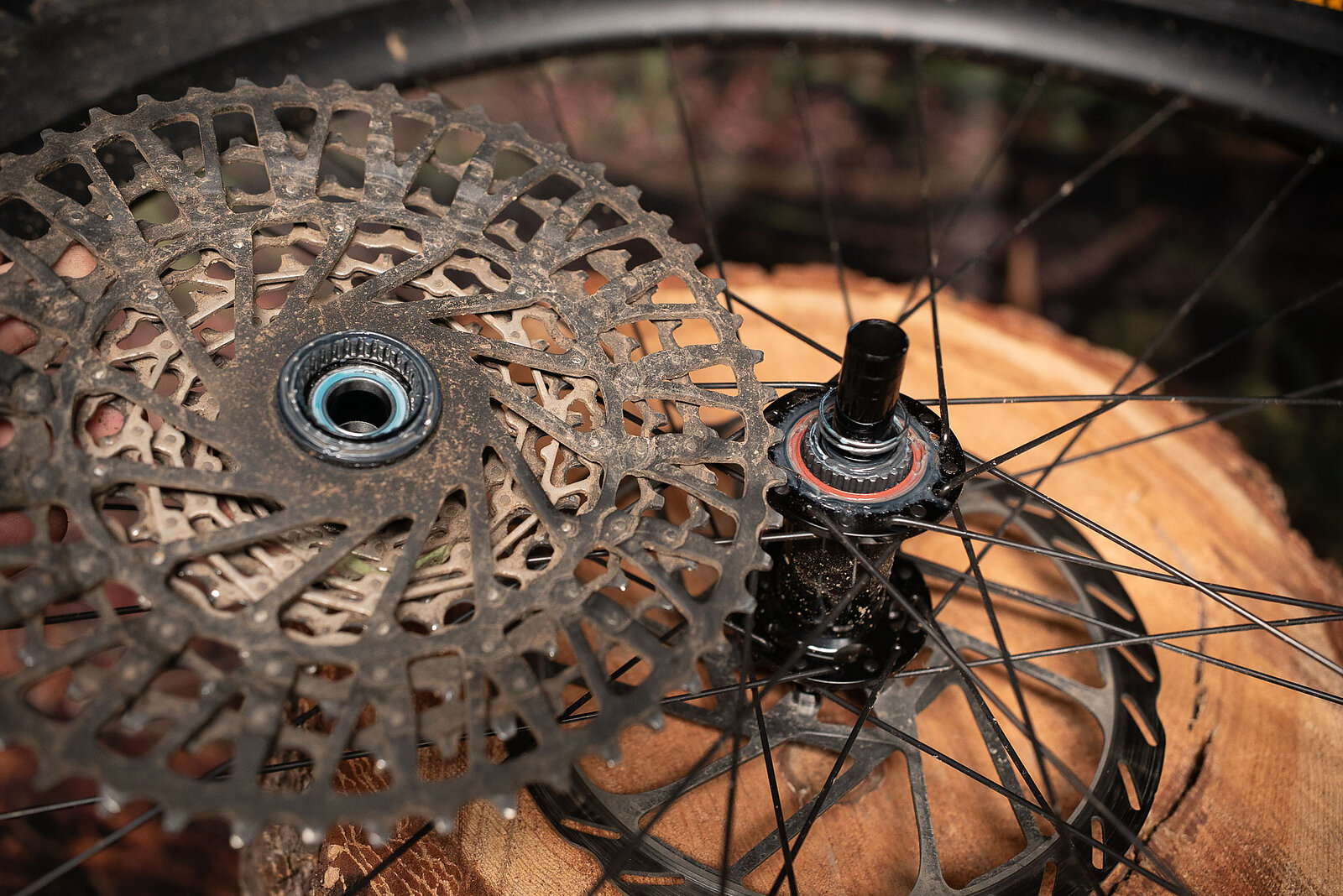
Second, replacement driver bodies cost $50. That is exactly how much I should have to shell out to swap cassette standards. It drives me absolutely bonkers when I have to shell out $100 or even $200 for a new driver body. Thanks for keeping it reasonable OneUp.
Warranty and Price
The Aluminum Wheels cost $599, and come with a two-year warranty that covers cracks, hub issues, big dents, and basically anything that keeps the wheel from holding air and spinning. OneUp says you'll either get service parts and a labor credit at your local dealer to get things fixed, or a brand new replacement, based on what sort of damage you're dealing with. After that two year period, OneUp says you'll still be eligible for crash replacement pricing.
The alloy elephant in the room here is Reserve’s 30|HD wheelset, which retails for $699 and comes with a lifetime warranty. Reserve’s stated weight is around 20 grams heavier, and that’s with DT Swiss’s adjustable DEG 350 hubs. The one other fly in this comparison soup, which might not matter for you but matters to me, is freehub driver body cost. That’s $50 for OneUp or about $100 for Reserve. If you are confident that you’ll be using that warranty, Reserve wheels are the obvious choice here. If not, well, the equation gets slightly more complicated.
Riding the OneUp Aluminum Wheels
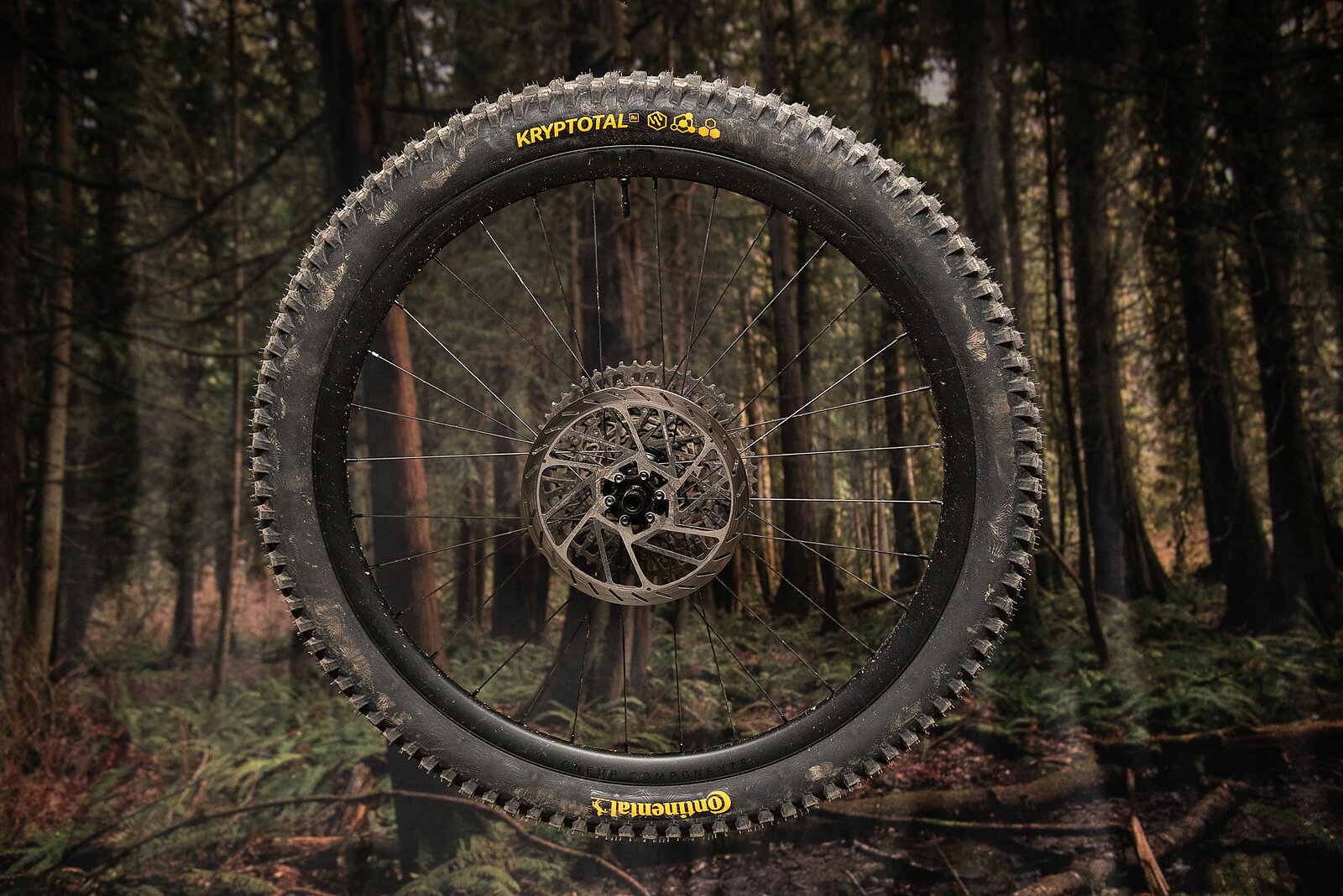
I rode the OneUp Aluminum wheels over the course of a couple of months on two different bikes. They started out on the Trek Fuel MX, shod with Continental Kryptotal tires where they were primarily used for trail and all-mountain riding. Then I threw a Specialized Cannibal up front, a DHRII on the rear, swapped from an XD to a MS driver body, and stuck them on the new Taken Encounter, a big and burly enduro bike.
I’ve made plenty of poor decisions on both bikes, with the wheels getting more than their fair share of cased jumps and high-speed rock dings—especially as it’s gotten dryer and the trails have sped up.
OneUp isn’t making any crazy ride quality claims here, which is a nice break from the usual breathless superlatives. Instead, these have a fairly neutral ride feel. They’re plenty stiff for my 210-pound frame, and don’t feel noodly in supported corners, but also I haven’t noticed any extra harshness or tingy sensations.
After a couple months of running these on my most-ridden bikes, the front wheel is still spinning straight and true, and the rear one had a slight wobble that I trued out quickly. I haven’t had any issues with burping or pinch flats, and I’ve appreciated the Fillmore valves every time I adjust my pressures.
All-in, I’ve been impressed with how boring these wheels have been. I don’t find myself thinking or worrying about them ever, which is ideal. Instead they just do their job.
For Now
OneUp continues its slow march towards making every bit of bike componentry possible with the Aluminum Wheels. And, unsurprisingly at this point, these wheels are another well-thought-out, understated bit of kit. I’d be stoked to see them come spec’d on a complete bike, and they’re a solid option for anyone in the market for an affordable, durable aluminum wheelset.
Learn more: OneUp Components