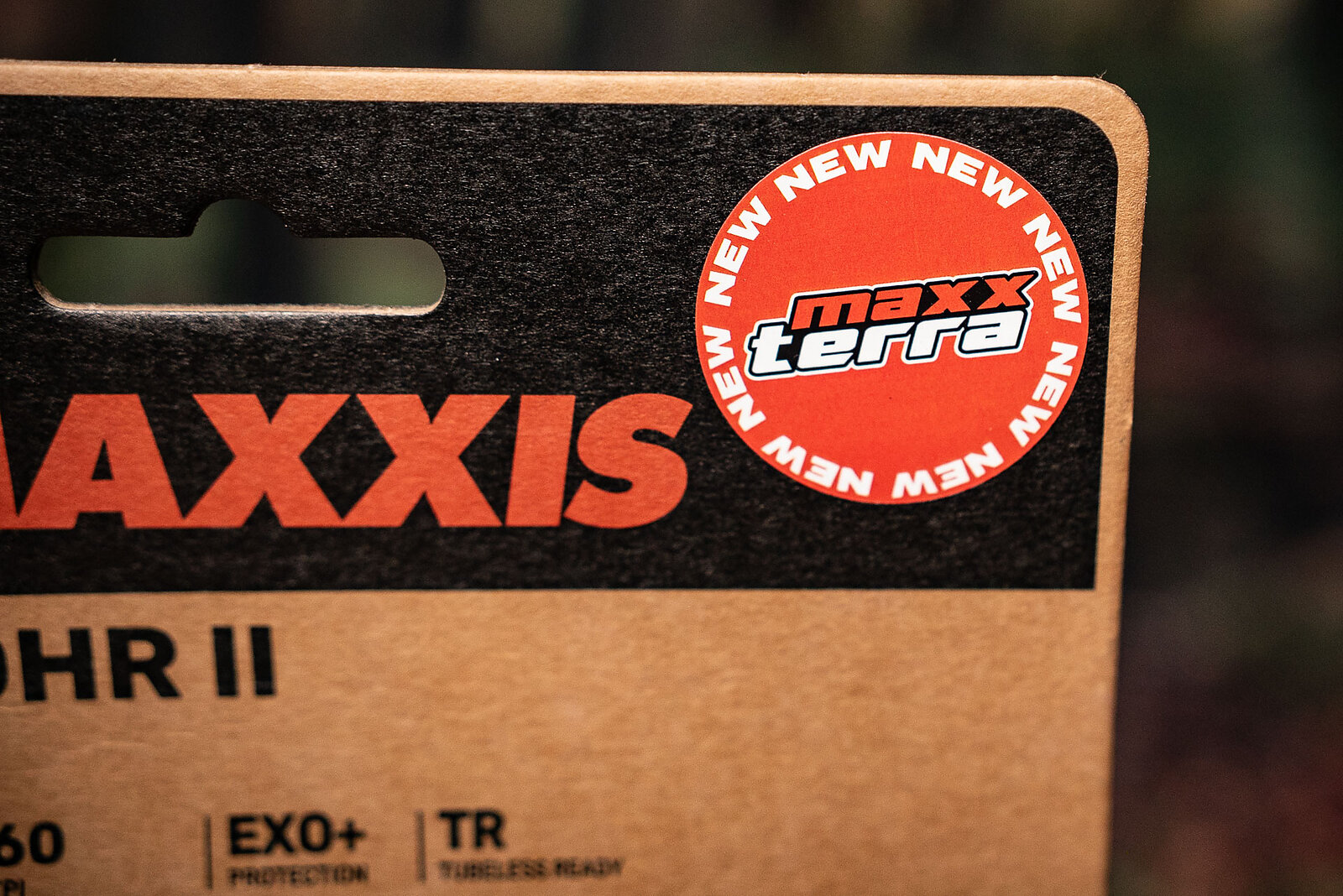
New Maxxis MaxxTerra More durability, more traction, the same tread patterns you trust.
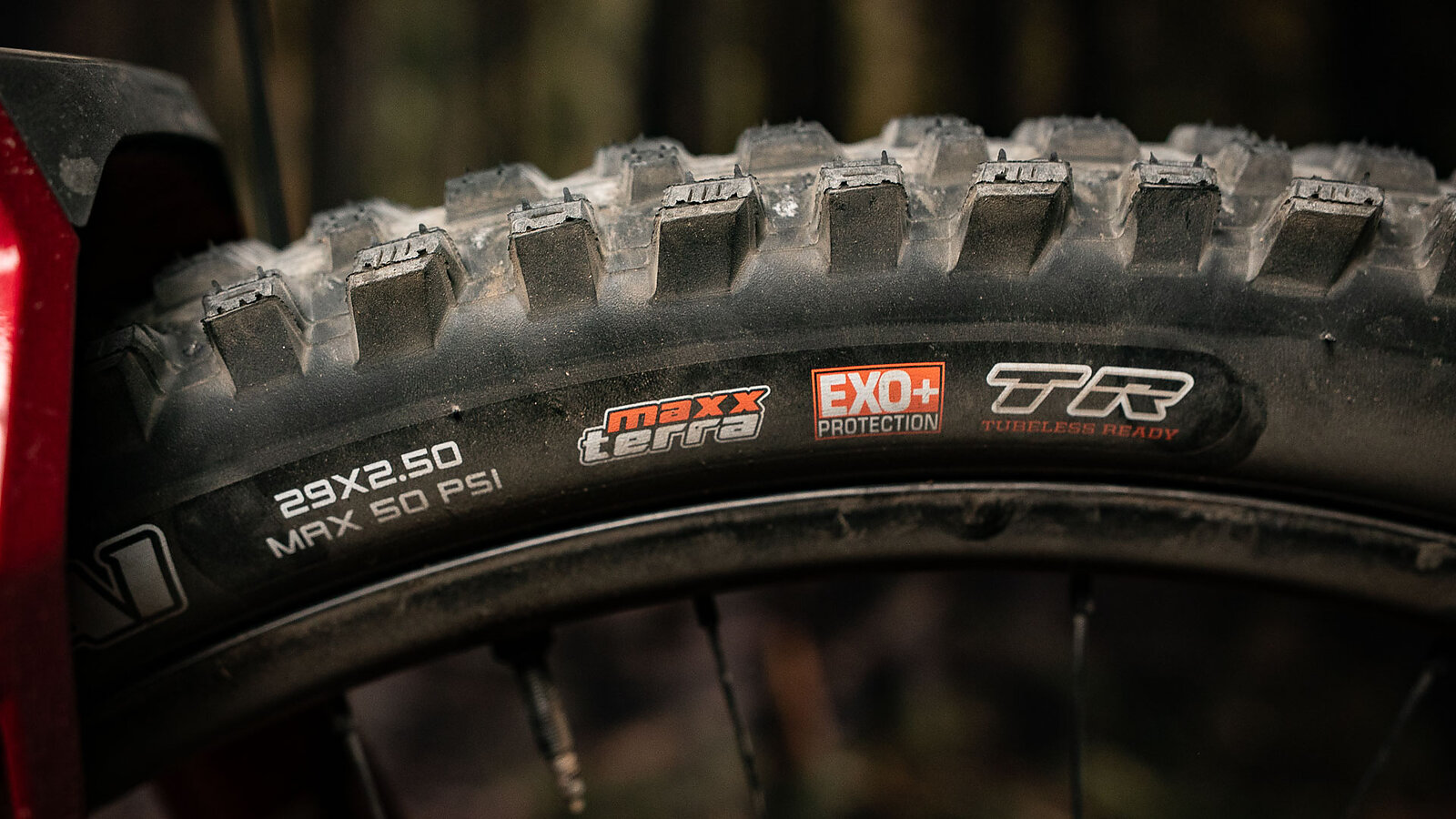
This spring Maxxis announced a whole slew of “new” mostly centered around more tread options for bigger wheels. But, mixed in there was also a less flashy, perhaps even more important announcement. The brand had updated its longstanding MaxxTerra tread to last longer while also making it more grippy than the previous generation. Specifically, Maxxis says new MaxxTerra tires will last about 30% longer, while also offering 15% more traction.
Those are some interesting claims, so I spent most of the summer on a new MaxxTerra Assegai and DHRII in an effort to suss them out.
New MaxxTerra Details
- Availability: All Maxxis Trail Tires
- Weights:
- Assegai (29”, EXO+): 1,232 g
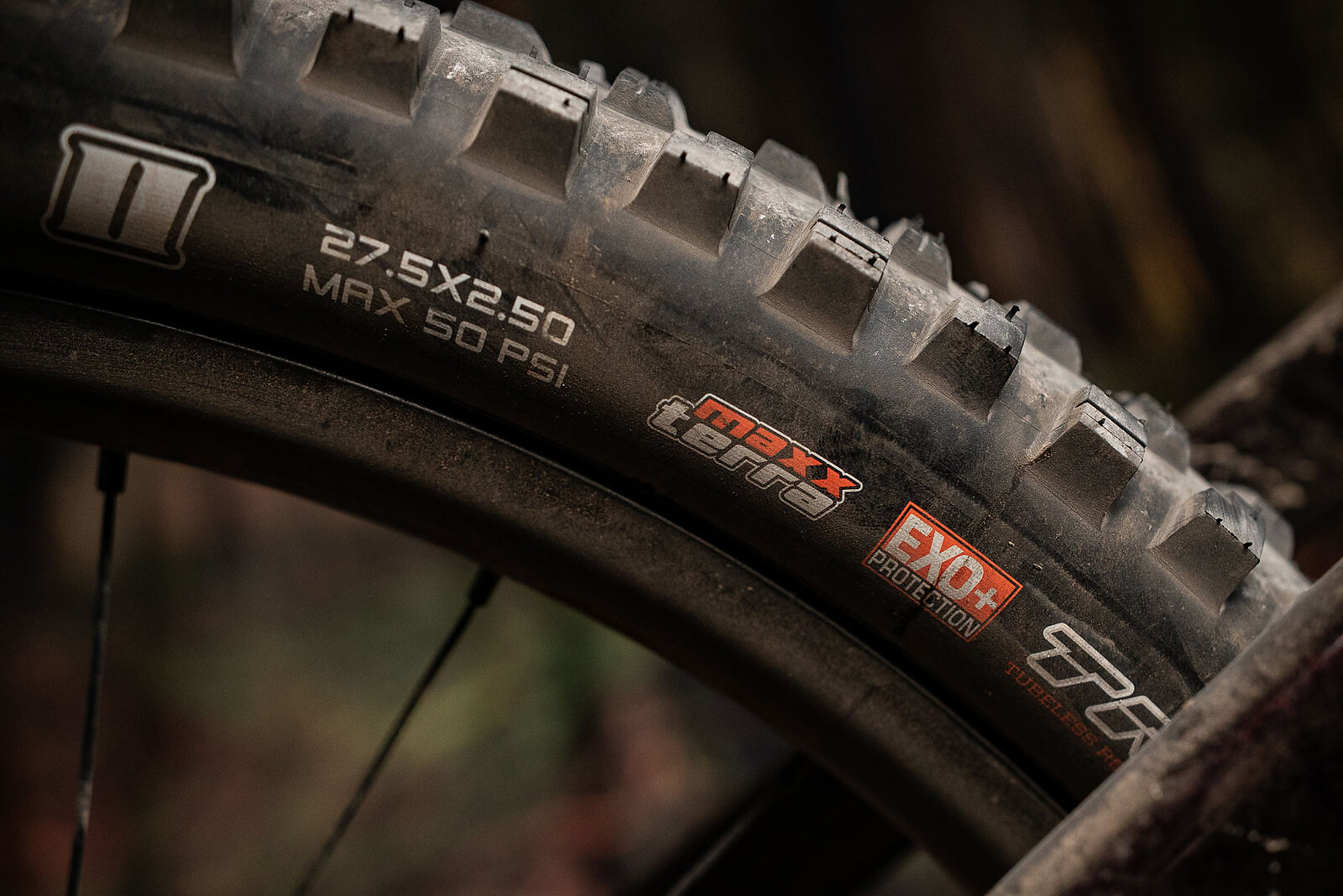
- DHRII (27.5” EXO+): 1,028 g
- Price: Varies by casing, same as old MaxxTerra
Durability and Traction
For most tire brands, increased traction comes at the cost of durability. As you move to a softer rubber compound, you get a stickier tire that also wears down more quickly. The knobs become undercut and rounded off, and you lose mechanical grip and rubber integrity faster than you would with a harder durometer rubber. It’s fairly straightforward to make a very durable tire that delivers mediocre traction. And, similarly, making a very sticky tire that only lasts a couple runs is manageable. But, what Maxxis claims to have done with the new MaxxTerra is much more interesting; A lot more durability, with a little more traction is a rad combo.
That’s especially compelling for Maxxis’ MaxxTerra tires. MaxxTerra often ends up as the rear tire compound and, on both ends of park bikes or both ends of bikes ridden in drier areas, while MaxxGrip is the compound of choice for wetter locales, or other situations where traction is at a premium.
In my experience the difference in grip between old MaxxTerra and MaxxGrip was substantial, and I wouldn’t have any interest in running old MaxxTerra in the wet. But, similarly, MaxxGrip falls apart quickly in a bike park, e-bike, or shuttling scenario, to the point where it feels like a waste of money to put it on the back of a bike that’s going to see significant summer mileage. Enter new MaxxTerra which offers, hypothetically, a little more grip and a lot more durability.
When the rubber meets the trail, yes, I’d believe that new MaxxTerra is a little more grippy. Especially on a tire like the Assegai I ran up front, it’s totally adequate for Pacific Northwest summer riding, which ranges from occasional rain, through hero dirt, up to dust bowl. But it’s still not quite grippy enough that I’d have any interest in running it up front through the winter. The improvement here is marginal, which is in line with what Maxxis is claiming.
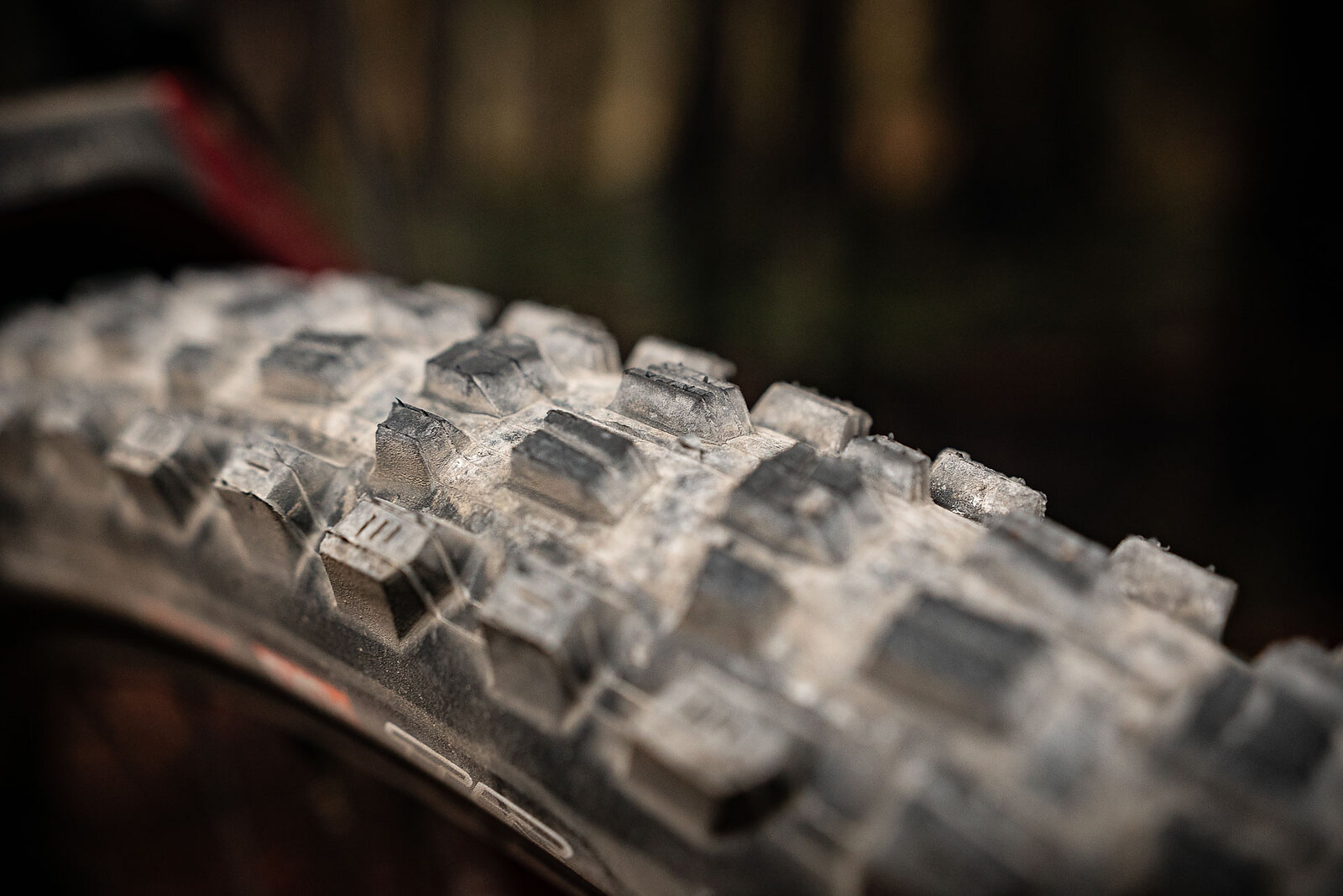
And as far as durability, yeah, it’s super durable. I’ve put a bunch of miles on these tires and they’re still looking much fresher than they have any right to. The knobs are still wearing down but they’re losing smaller chunks and staying closer to their original shape than I’d expect based on previous experiences.
So, yep, new MaxxTerra is absolutely a win if you’re looking for a longer-lasting option from your favorite Maxxis tread.
Rolling Resistance
The third part of the tire performance trifecta that we haven’t touched on yet is rolling resistance. Maxxis says that the rolling resistance of new MaxxTerra tires should be about the same as the outgoing models. I didn’t pick a particularly fast-rolling combination, but compared to the MaxxGrip DHRII and Assegai I was running previously, I didn’t get as much increased performance here as I would have expected. Instead, it felt like a very similar amount of resistance on pavement and gravel climbs, as well as on smooth singletrack. These tires don’t “feel” that much faster than MaxxGrip options.
That comparison becomes even more stark when compared to Continental’s Kryptotal tires. The Soft and Super Soft Enduro casing Kryptotals I ran felt significantly more efficient than the lighter, harder MaxxTerra Assegai and DHRII. And they managed to do that while offering MaxxGrip levels of traction.
All that to say, I think the new MaxxTerra compound makes a bunch of sense on some bikes, and less on others.
Where The New MaxxTerra Makes Sense
I think the new MaxxTerra compound is best suited to burly tires that are going to see a lot of fairly dry miles. That means desert enduro bikes, summer PNW enduro bikes, park bikes, freeride bikes, and e-bikes. Or, to simplify things, I think it makes the most sense on bikes that deserve DoubleDown or DH casing tires. In those use-cases its extra durability will save you money, the extra grip will be a nice bonus, and the less-than stellar rolling resistance won’t matter. But, for wet conditions, I still want a MaxxGrip tire out in front of me every time. And for lighter, human-powered bikes with EXO or EXO+ casings, I’ll take the faster deterioration of the old compound over my perception of less rolling speed every time.
For Now
It’s great to see a big brand like Maxxis focus on improving an essential existing product. Making MaxxTerra better might not be the most sexy or exciting project, but the end result performs well and should help dedicated high-mileage riders save money as they have to replace tires less often.
Learn more: Maxxis