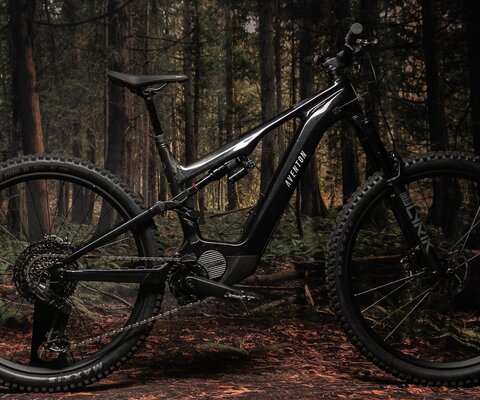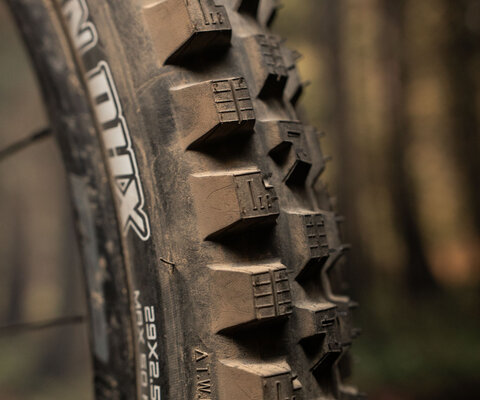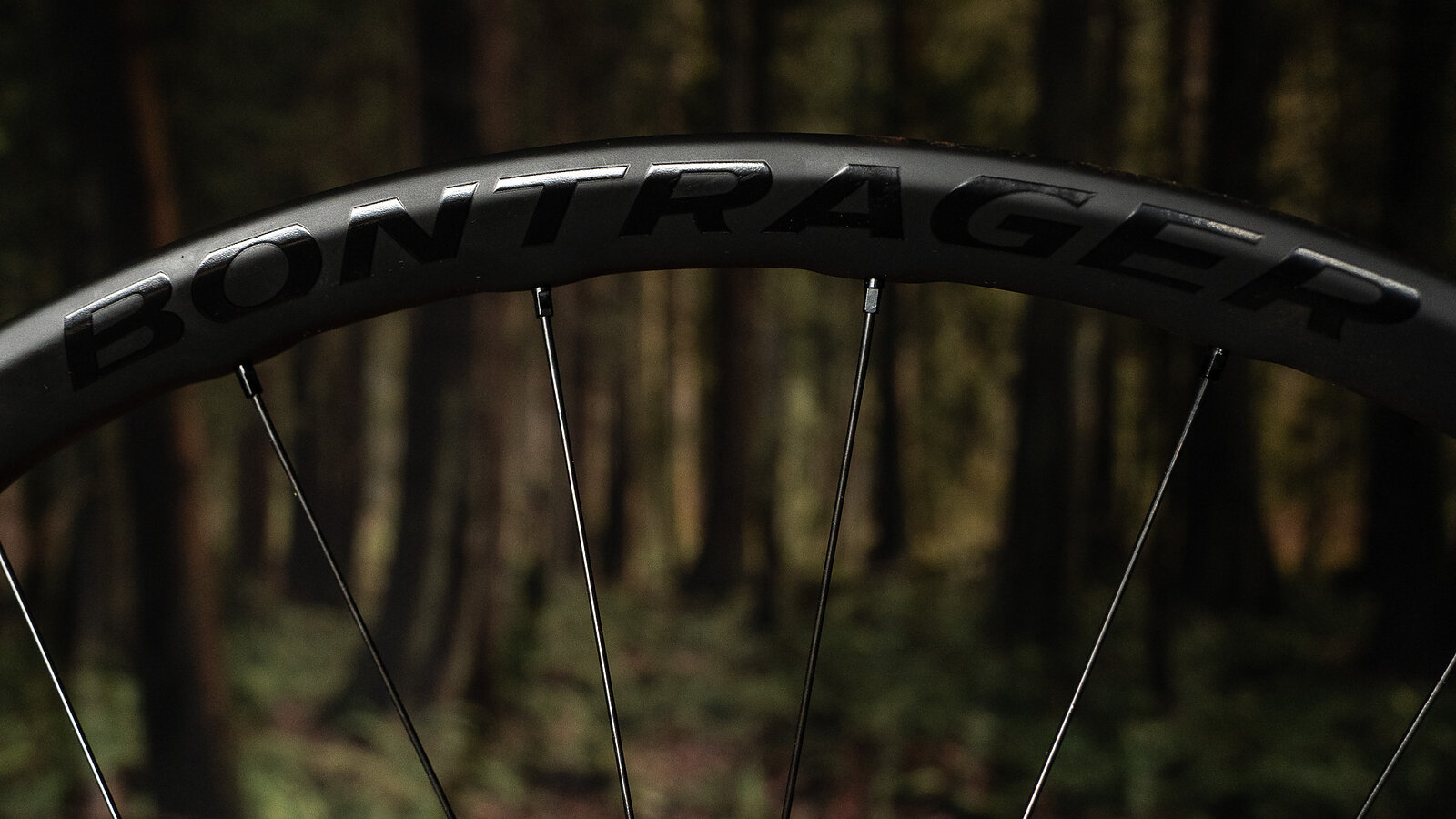
Bontrager Line Pro 30 Wheels Stock, but make it really good.
Bontrager's parent company, Trek, did a lot of announcing in 2025. New bikes, new e-bikes—the hits kept coming. But, amid all that louder noise, the Wisconsin brand also dropped an update to its mountain wheelset line called, confusingly, the “Line.” There are now two Bontrager wheelsets positioned for everything from trail to enduro riding. If you’re on anything bigger than a Top Fuel, or smaller than a Session, the Line Pro or Line Comp is the wheel for you. The $1,647.99 Line Pro, which I reviewed, is the more premium carbon option, while the Line Comp comes with an alloy rim, weighs about 200 grams more for a wheelset, and costs just $435 for a set.
So what’s new? Bontrager says the Line Pro 30 has an all-new rim profile to boost vertical compliance without compromising durability, along with an offset spoke bed to improve spoke angles. That sounds great on paper, but how did the Line Pro 30 perform out on the trail?
Bontrager Line Pro 30 Details
- Sizes: Full 29” or mixed 29/27.5”
- Internal Width: 29 mm
- Spokes: 28 straight pull spokes front and rear
- Hubs: Bontrager Rapid Drive 108
- XD freehub compatibility
- Weight: Front 906 g, Rear 1,018 g, Pair 1,924 g (with tape and valves)
- Price: $1,647.99
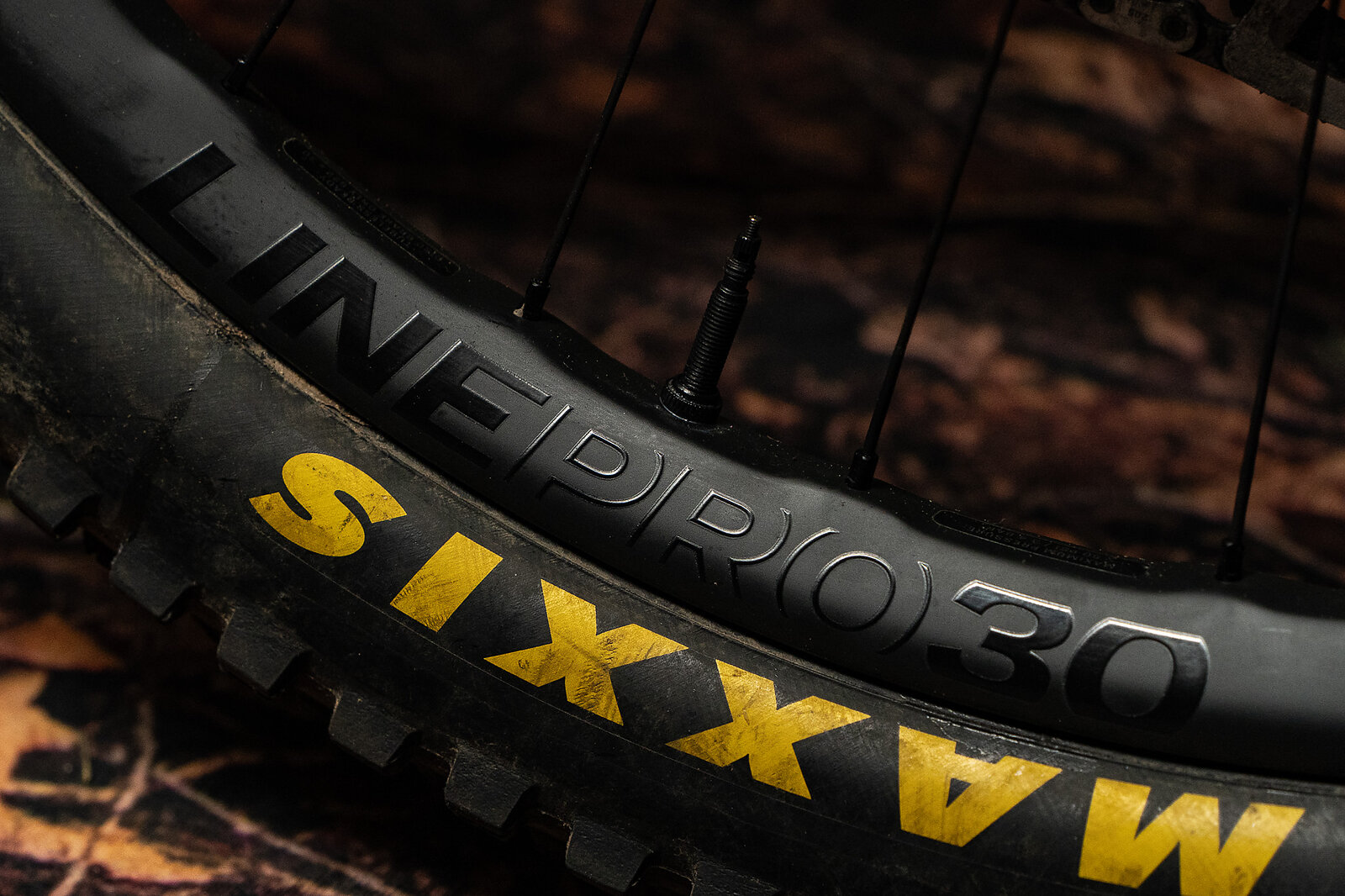
Rim Updates
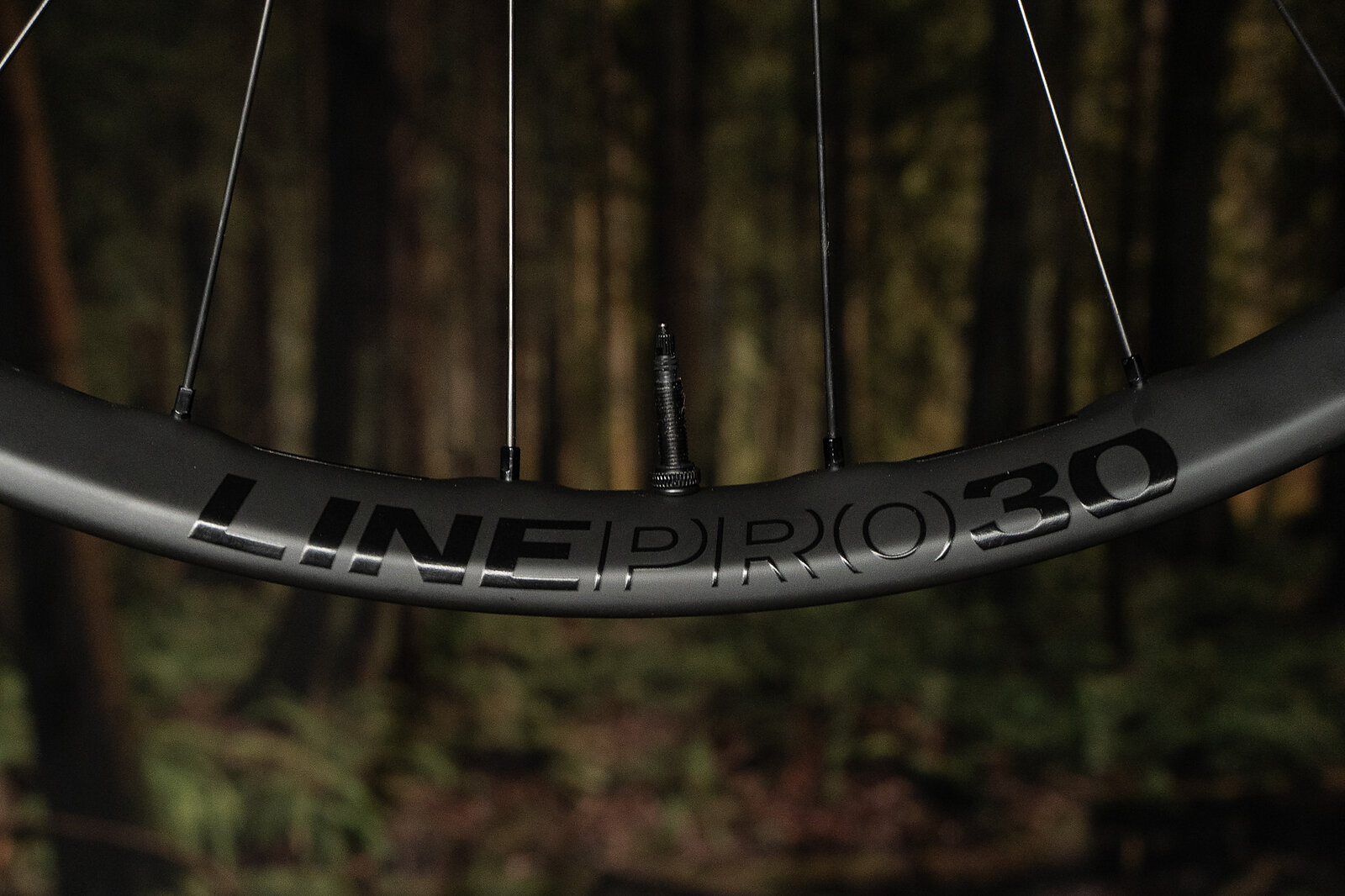
Most of the changes to the Line Pro 30 happened in the rim. It’s completely redesigned with a shallower (23.5 millimeters) profile that Bontrager says delivers 13 percent more vertical compliance up front, and 11 percent more in the rear. However, the wheelset does use the same rim on both front and rear wheels. Additionally, the rim gets an offset spoke bed, and reinforced spoke “nodes” that Bontrager says help even out spoke bracing angles, and help prevent spoke pull-through.
None of that is particularly surprising, it feels like carbon wheels are at a point of maturation that most brands are tweaking the little things to dial in ride feel and durability, as opposed to making huge changes every cycle. And more vertical compliance without compromising durability sounds great. I didn’t find the last generation of Line Pro wheels to be notably harsh, but they were on the stiffer end of the spectrum, so a little added damping is appreciated.
Rapid Drive 108 Hubs
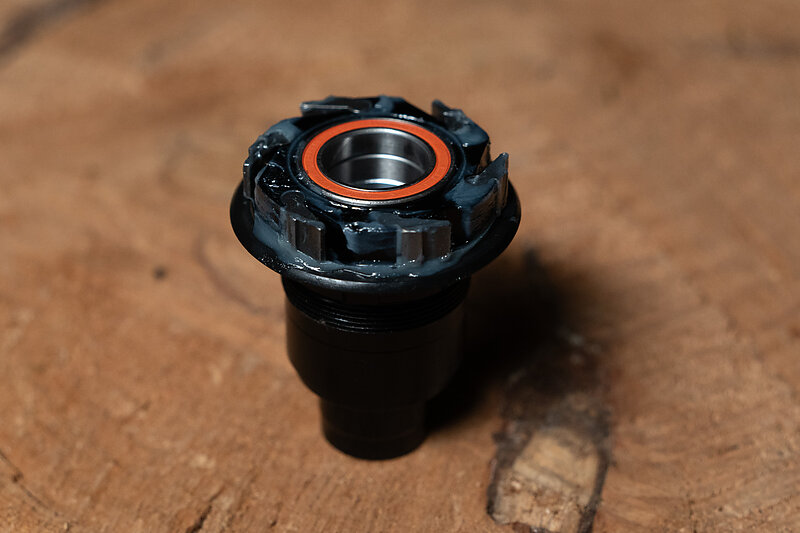
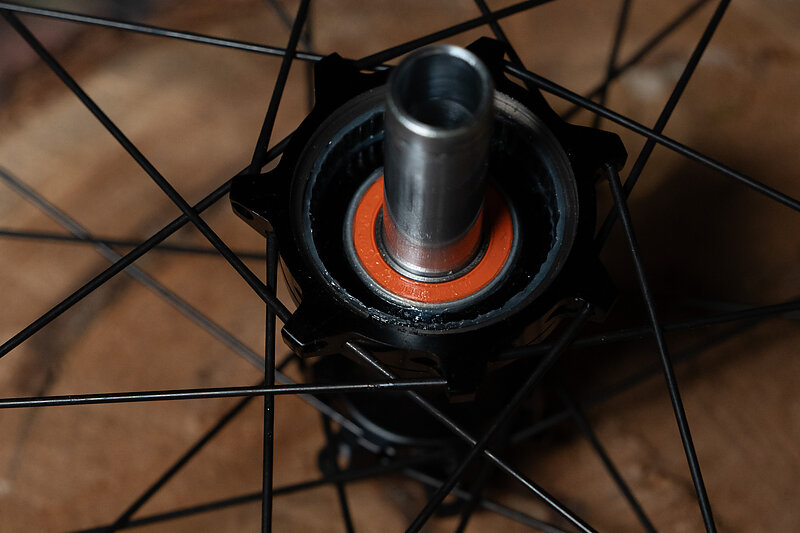
The Line Pro 30 uses Bontrager’s house-branded Rapid Drive 108 hubs. These are only available in Boost spacing, with an XD driver, and 6-bolt rotor interface. However, MS and HG freehub bodies are available aftermarket. They use a classic, six-pawl system for (unsurprisingly) 108 points of engagement separated by 3.23° each. That’s not class-leading, but it’s nice and tight, and I’ve had great durability experiences with the Rapid Drive 108 hubs that I’ve run on a couple of e-bikes.
The Line Pro 30 comes with 14/17 gauge butted straight-pull spokes with alloy nipples. Not my favorite to work on, but they haven't needed any truing yet.
Bontrager TLR System
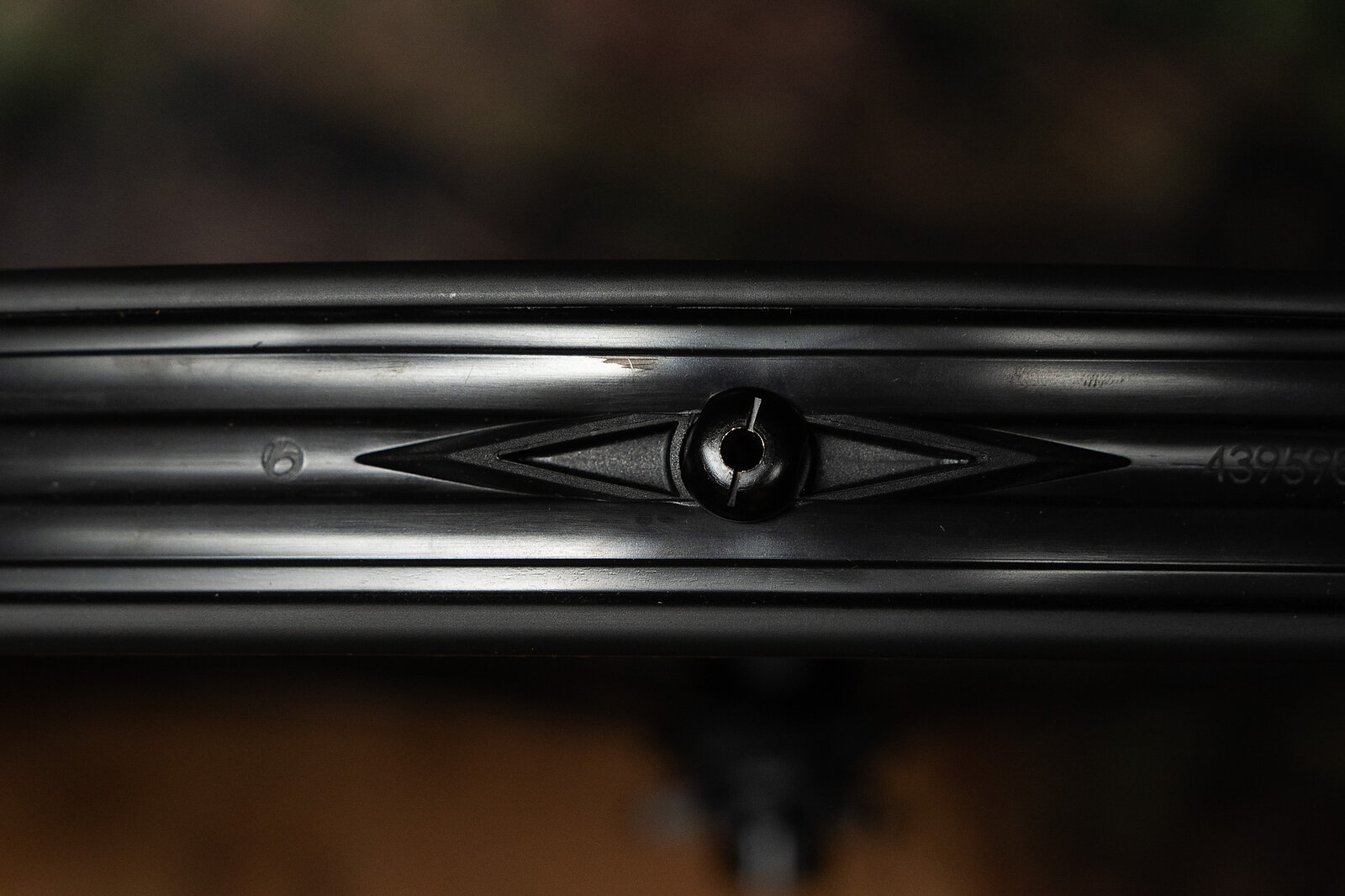
The Line Pro 30 comes with Bontrager’s own TLR system. That stands for TubeLess Ready and includes sealant, a special rim strip, and tubeless valves. The sealant works well and is pretty sticky. The valve stems are solid contenders, with a cutout so that they’ll work with inserts. And the rim strip, well, the rim strip will be polarizing. It replaces your rim tape and has no adhesive. Instead, it just stretches to fit into the rim bed. First the good: this thing is absurdly burly.
For “science” I removed and re-installed both of mine. I was not gentle when I removed them. I had to use a dental pick and a flathead screwdriver to get them up out of the rim bed. I assumed that I’d completely ruined both liners. But, just for fun, I stuffed them back in and aired up the tires. They seated and held air perfectly and I’ve been running them for months since with no issues. These rim strips are notably more durable than any rim tape I’ve ever used. It’s wild how far you can push into them with something pointy (like a spoke) and not see a puncture.
Now, for the not-so-good. With the TLR rim strips installed, tires fit these rim strips very, well, snuggly. Bontrager tires go on and off without too much frustration. But both Maxxis and Specialized tires take a little more persuading than I’m used to. I can get most tires onto most rims with, at worst, one tire lever. Getting Maxxis DoubleDown tires onto and off of the Line Pro 30 takes two levers every time. And if you want to run a gravity casing tire with an insert, be ready for some sweating and swearing. The rim bed on these is pretty shallow and the TLR strip takes up even more of that space, so pushing the bead down into the bed to create space doesn’t work as well as it usually would. It’s not the end of the world at all, but it is worth noting. The upside of that tight fit is that tires seat very quickly.
You can just cut out the TLR rim strips and install your own tubeless tape as well. Personally, I like the TLR system enough that I’m OK with the slight extra frustration every time I swap tires. And I do swap tires more than the average rider, so most folks should get along with these just fine.
Bontrager Line Pro 30 Performance
This might sound trite, but carbon wheels are really good these days. It feels like most brands are selling a fully mature product, at a reasonable price, with a compelling value proposition, and these Bontragers are no exception. No, they’re not crazy light. And no, they’re not crazy stiff like the carbon wheels of yester-year. Instead they deliver a nice, neutral ride quality, and, most importantly to me, excellent long-term durability.
I’ve been running the Line Pro 30 for several months now, on a few different bikes, ranging in travel from 140 to 170 millimeters. That included a stint on the Zink Vacay, a bike that encouraged me to do things that are not good for wheels. I’ve bashed them into plenty of rocks and roots, and cased more than a few jumps. But the wheelset is still spinning true and straight. No tensioning, no adjusting, no frustration. When I rode primarily aluminum wheels, my spokes needed attention at least once a month. Now, I barely pick up the spoke wrench. Is that worth the price premium? Well, that will depend on your own personal priorities, but I really appreciate not thinking about my wheels.
Did I notice that 11/13% more vertical compliance on the trail? No, not really. I believe Bontrager’s claim that it’s there, but my body isn’t that well attuned, and I didn’t run a back-to-back test with controlled variables. That said, the Line Pro 30 feels comparable to some of my favorite wheels, the Forge+Bond (RIP) AM 30, which delivers a very nice, controlled ride feel.
For Now
Chances are, most folks will experience Bontrager’s new Line Pro 30 wheels as part of a complete build. In that context, these wheels are excellent. They ride well, come with a good warranty, and complement trail and enduro bikes nicely. When I look at complete bikes, the wheels are one of the first things I’d plan on upgrading, but the Line Pro 30 is solid as-is. And, if you’re shopping for an aftermarket upgrade, the Line Pro 30 delivers decent value and a nice-feeling ride that will be right at home on a whole bunch of bikes.
Learn more: Bontrager