One Event at a Time Bellingham's Collaborative Effort to Revitalize the Waterfront
The 237 acres of waterfront property adjacent to downtown Bellingham, Washington, sat in heavily-contaminated uncertainty when Brandon Watts and Eric Brown approached the Port of Bellingham in 2016 with an ambitious vision of a mixed-use community space, complete with pump tracks and an annual mountain bike festival.
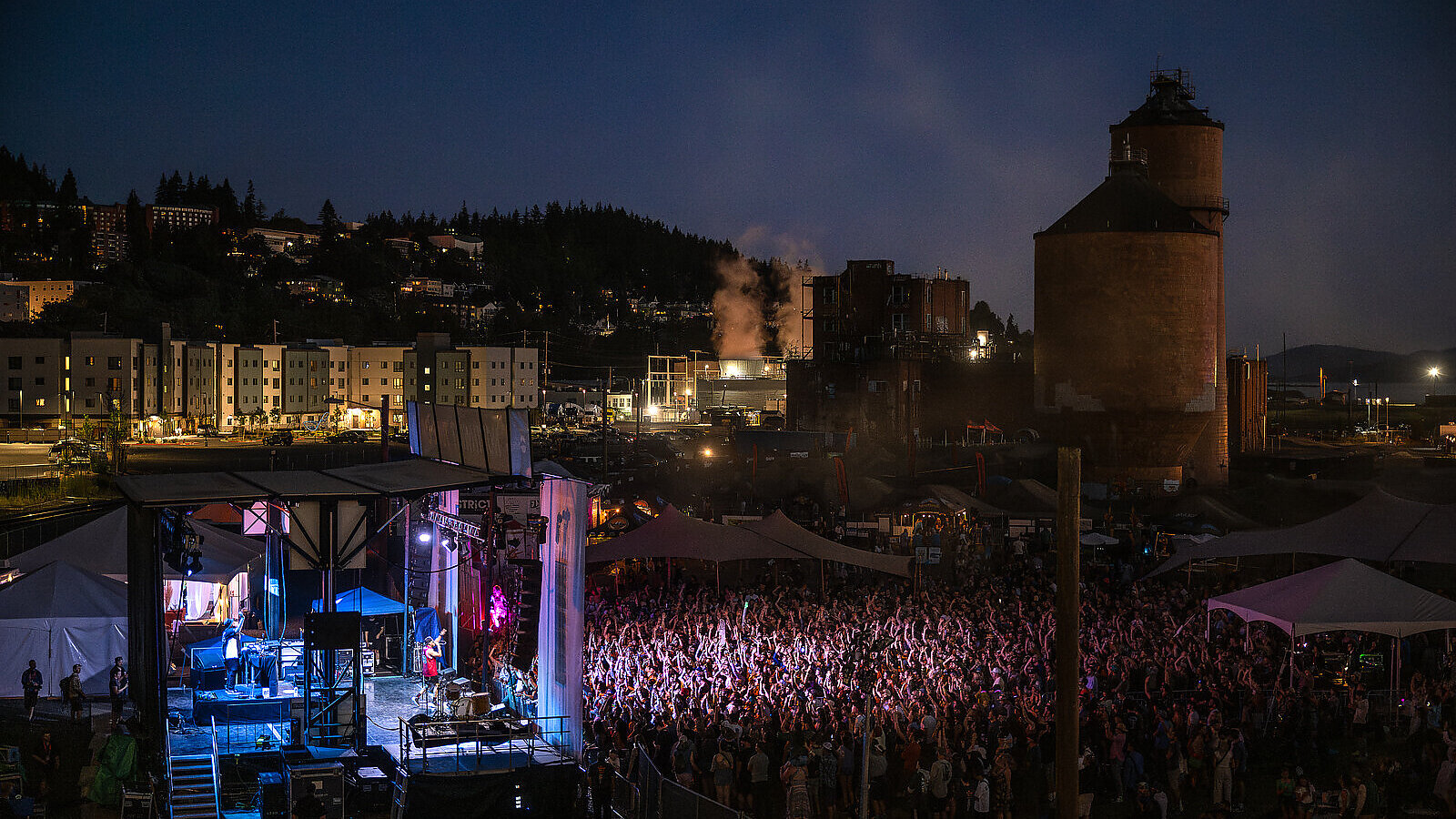
That initial meeting, surrounded by the remnants of the Georgia-Pacific paper mill and construction equipment, helped to set in motion a bike-centric vision for one of the nation's largest ecological cleanups in hopes of revitalizing the area and providing Bellingham’s residents with a renewed outdoor space. In its current configuration, the waterfront features numerous pump tracks, a beer garden, multiple small businesses, and hosts Bellingham’s annual Northwest Tune-Up mountain bike and music festival. A collaborative effort between the Port of Bellingham, City of Bellingham, Whatcom Mountain Bike Coalition (WMBC), and Northwest Tune-Up, we sat down to hear from a few of the key players who initiated the redevelopment of the space into what it is today.
Mike Hogan / Port of Bellingham
At what point did the Port of Bellingham acquire the waterfront site and initiate a cleanup of the area?
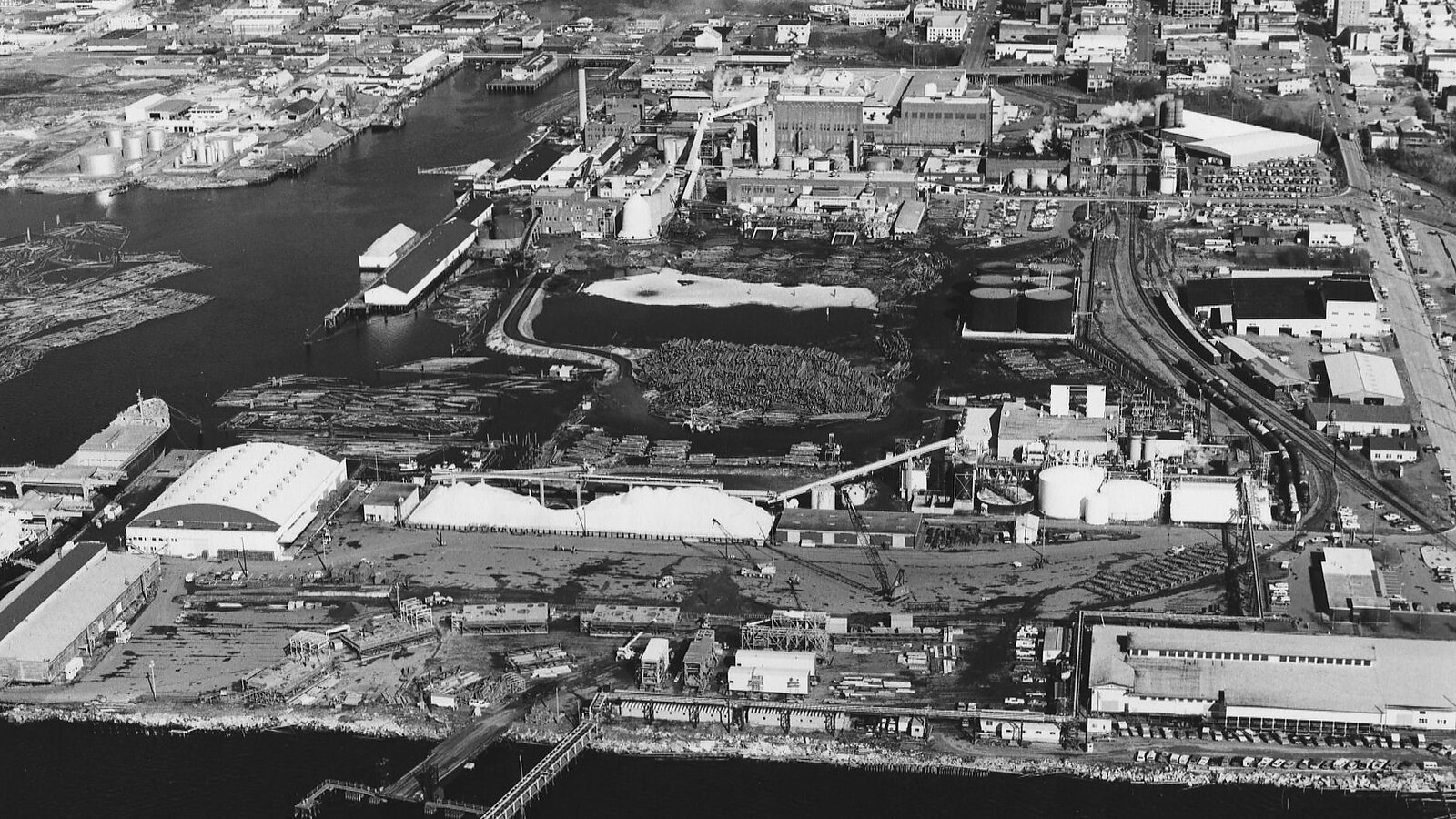
The port acquired the Georgia-Pacific pulp paper and chemical mill back in January 2005 and it was a heavy, natural resource-based industry that had gone out of business and we were concerned that it would be just a privately owned, contaminated, heavy industrial property right on Bellingham's waterfront for a long, long time. There's a lot of reasons sites like this sit and don't get redeveloped, but a big one is usually the cost of cleanup to do anything other than heavy industry. We didn't want that to happen and had worked closely with the community on what they wanted to see on the downtown waterfront. The community was strongly in favor of a vibrant mixed-use space with parks and public access, shops, retail, and businesses. So, the port acquired the property and then began what's one of the largest contaminated property redevelopments in the nation.
What were the primary objectives of the initial redevelopment?
One of the key goals of the community was increasing public access to the water. We knew that the site itself was going to take a long time to fully redevelop; we were looking at probably 30, 40-plus years for full buildout. So, we were interested in ways of how we could activate the site earlier, and the way we have a partnership with the City of Bellingham, and after we hit a certain level of development, we give property to them, and then they develop parks. But we were looking at ways to get folks down there sooner. Brandon Watts and Eric Brown were getting excited about hosting a musical event down there and the idea of putting in a pump track to support the event, but then it also could just kind of stay there, year-round, is kind of an early temporary public access feature.
How would you describe the value this space has brought to the city?
The port's mission is developing transportation, gateways, and sustainable economic development. Outdoor recreation is a big draw for tourism and for folks coming and spending money in Whatcom County, so it's a really important part of our economy. The waterfront area was really a great combination of both those features, outdoor recreation and meeting that community goal, but also driving economic development. We've had businesses like Fjällräven, Outdoor Research, and Shimano move to town because of the Northwest Tune-Up. Hosting events and having the Tune-Up at the site has shown exactly what the economic impact is of having those big events and how it benefits the downtown area. Tune-Up has drawn thousands of people down to the waterfront, those people shop downtown and they eat downtown, making it a really important benefit to the local economy.
Has the redevelopment been successful up to this point?
The revitalization of the space has surpassed our expectations. Not only the number of people that go down there and the economic benefit of having businesses and people move to town, but also because it has gotten press from The Seattle Times, and Forbes rated it as the raddest beer garden in the Pacific Northwest. All that drives tourism and interest in folks moving to town and supporting businesses.
Eric Brown / Whatcom Mountain Bike Coalition
How do you envision the waterfront developing as time goes on?
The waterfront is tricky because it is an evolving area. As time goes by, new buildings will be built, and things will move into different places. We know that, and that was part of our acknowledgment when we took this space over. But the idea is that there will be some aspect of the bike park that will remain. I think there are a lot of people who would really like to see an asphalt track down there, meaning that the track could be ridden all year round.
How is WMBC involved with Tune-Up during the festival weekend?
This year, we're looking at having a bigger interaction with our attendees on the mountain. We really plug into the festival in a way that's meaningful to both locals and people from outside town. This year, the WMBC is going to have a lounge on Galbraith by the Breaux Zone, providing information, offering insight for routes, and creating a quality experience for attendees. We are really trying to be more involved as far as making sure that attendees, both locals and folks from outside of town, have a really good experience on Galbraith.
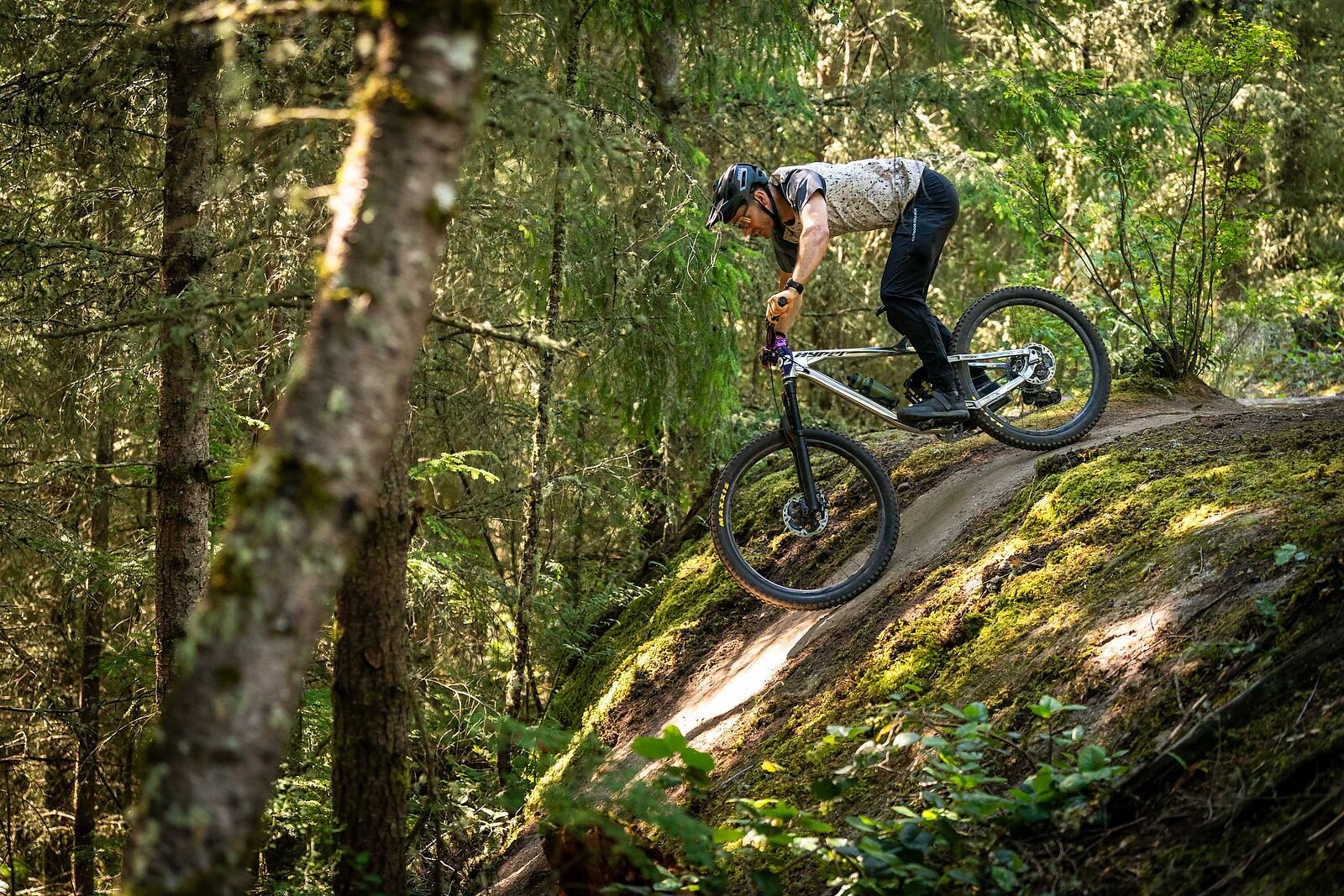
Galbraith is a bit of a maze, there's 80 miles of trail in total, but there's also 23 miles of road. It's like if you looked at a map, it looks like somebody threw spaghetti against the wall. It's continuing to evolve with new trails continuing to be put in. We want to make sure that people know what courses are being raced and that racers know where they're going.
The WMBC is also the nonprofit partner for the Tune-Up for the beer garden. So, the idea is that we create a welcoming environment for folks that want to come in and have beverages during the music side of the festival. We want to make sure that folks feel the love when they come down to the festival.
What value does the waterfront bring to the WMBC in its current configuration?
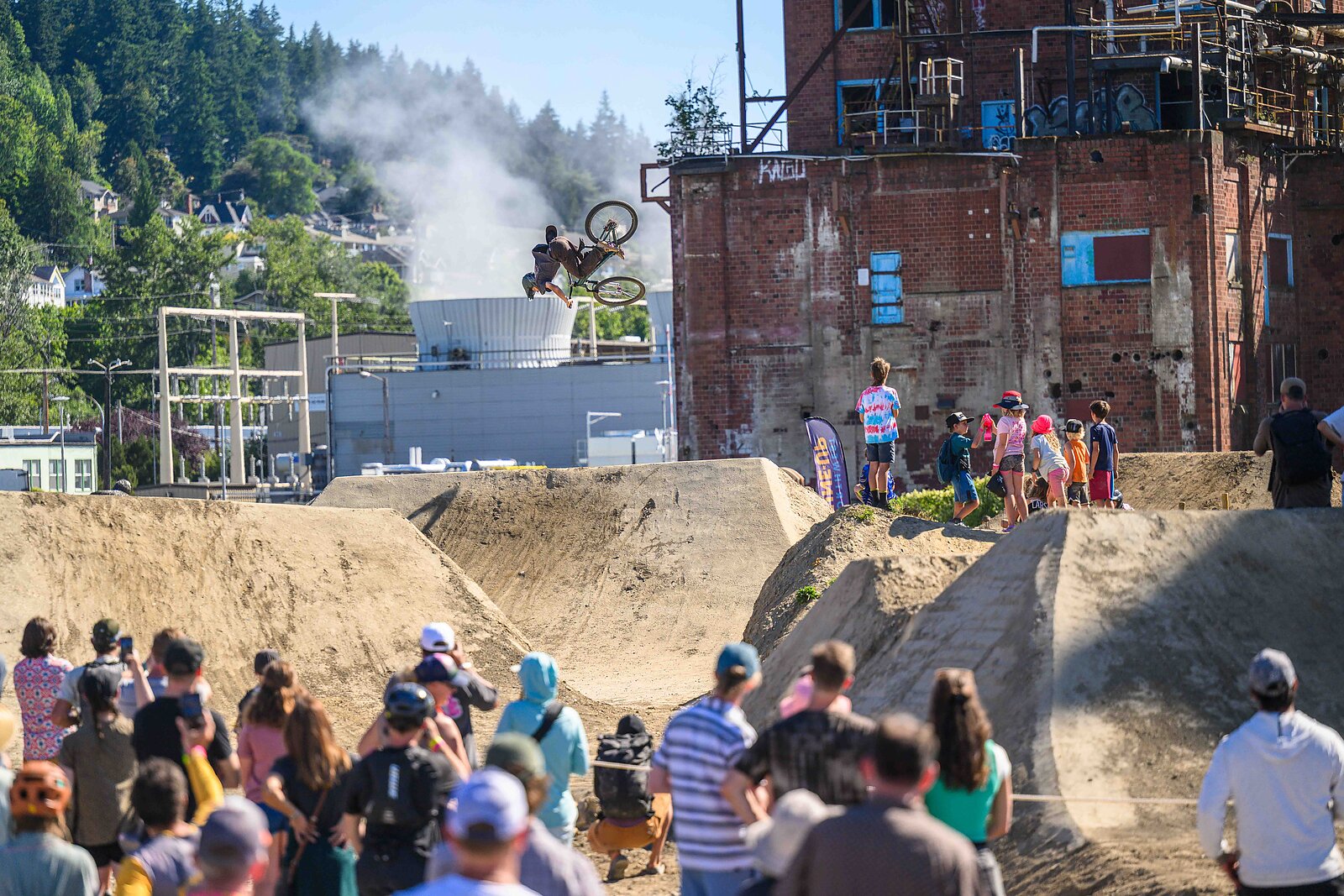
There are a couple things that are really unique about trackside. It’s in a central location, near a lot of different neighborhoods in town. Because of its size, it allows people to spread out. There are two different jump lines, the “race” pump track, the main pump track, and the Bigfoot zone now. And so, allows it to cater to different skill levels, different age levels. If you're a kid on a balance bike, the Bigfoot Bike Park section is perfect, and then the Tile Tank Jump Lines are really catered toward the expert-level jumpers. We also use the space for our bike clubs to go down there, after-school bike clubs that happen in the spring and fall, and then we have a partnership with Vamos Outdoors that gets Latino youth outdoors on bikes.
Brandon Watts / Northwest Tune-Up
What was the driving force behind the creation of the Northwest Tune-Up festival, and who was involved?
When I moved here in 2009, I met Eric Brown and the Whatcom Trail co-op crew, building and riding at the North Fork. Through joining that group and organization, we would host fundraisers, and at one point, at a Whatcom Trail co-op party, talking to EB, we just were like, "It would be so cool to do a bike festival one day.” Fast forward seven years, and we saw the opportunity with the city of Bellingham’s “Signature Event Grant" program to apply for a grant to try to kick off the idea of what has eventually become the Northwest Tune-Up.
What were your earliest memories of the waterfront area where Tune-Up takes place each year?
The Port of Bellingham was trying to come up with an activation plan for the waterfront that used to be the Georgia-Pacific site, at the corner of Granary Ave and W Laurel St. Eric Brown and I set up a meeting with members of the port to walk the grounds and check it out. That’s when we started talking about the idea of creating a bike park down there. They had mountain bikers on the staff, so they were open to thinking in similar ways. At that point, it was still a dilapidated, abandoned industrial site, so there were still buildings around the digester tanks. There were foundations down there, still standing on what is now mostly gravel. It was not even close to what it looks like today. That initial visit was when we planted the seed with those guys to begin developing it into the community biking hub it has become.
What sets Northwest Tune-Up apart from other festivals?
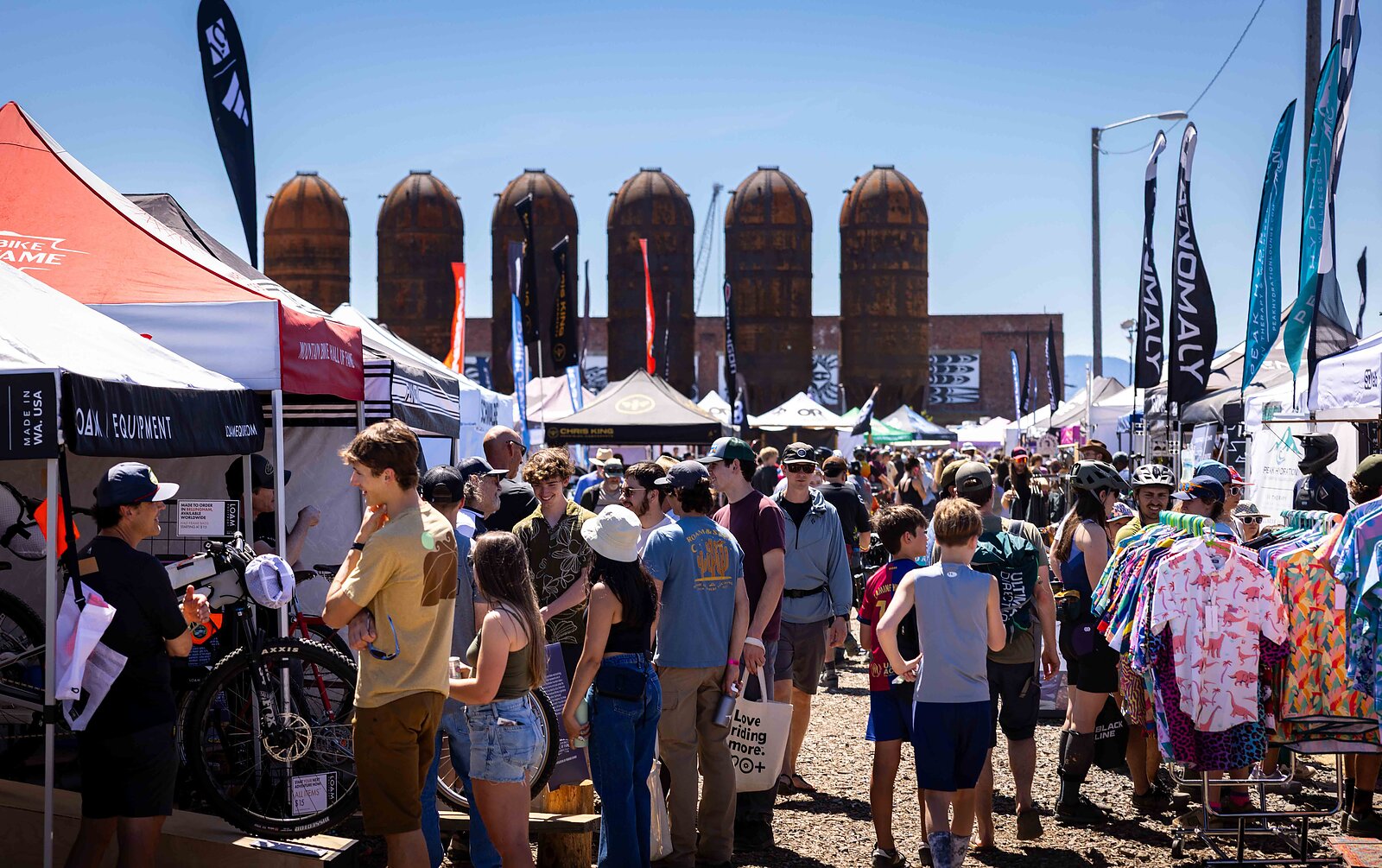
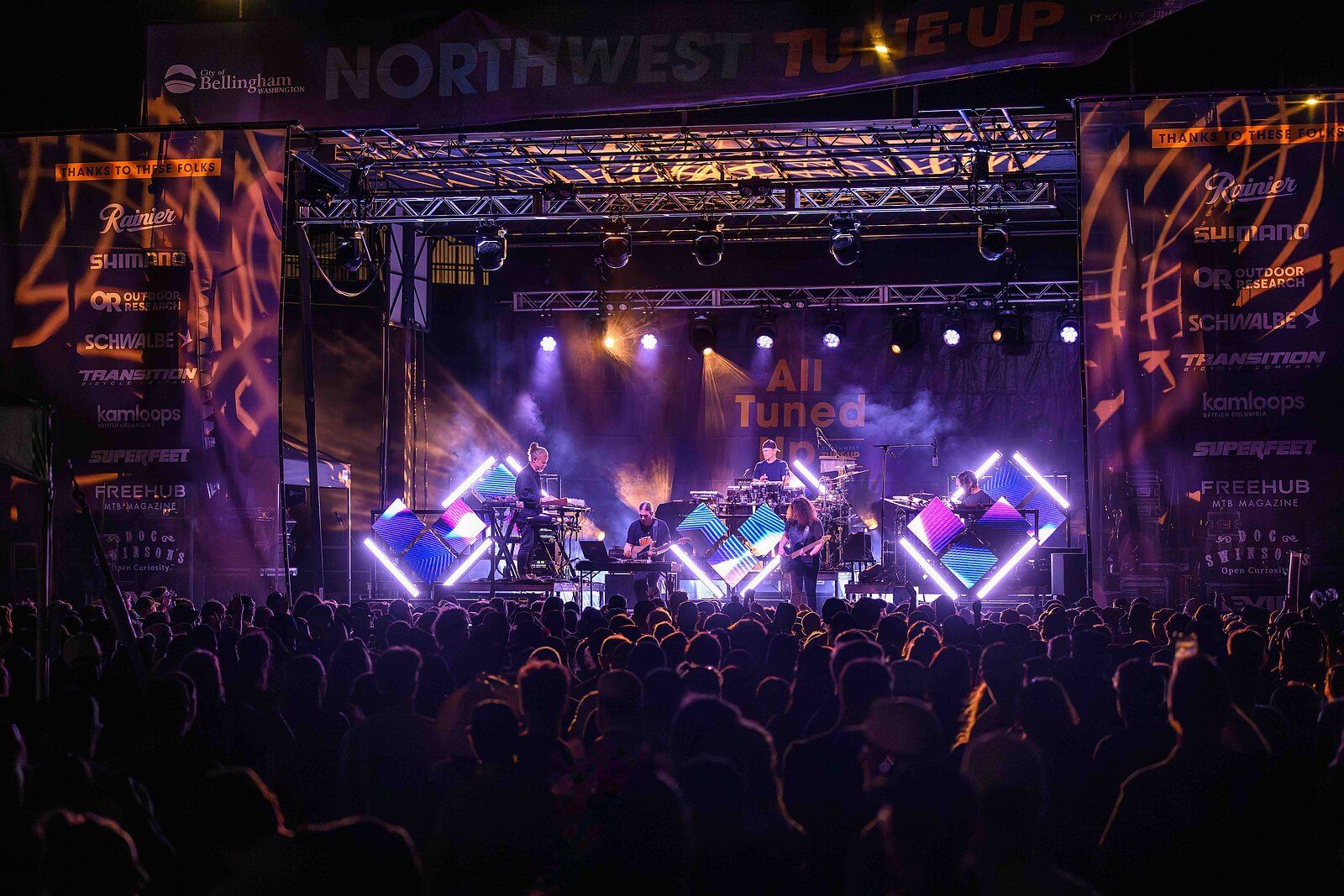
The thing that sets Northwest Tune-Up apart from other mountain bike festivals is the quality of riding and the music. The music side of the festival is definitely a big part of bringing those two cultures together. Good music can drive anything. There was some inspiration from all of our favorite events. For example, we love Sea Otter because it's like a great spot to see friends in the industry and it's a great event for launching products and connecting with both people in and out of the industry. But we wanted to have more influence from other festivals that aren't just cycling-related, so that's where the music element came in.
What is the benefit for someone who might be purchasing a ticket to attend?
The main benefit of Tune-Up is just the sheer amount and quality of trails we have access to. A beginner can have a great time on Galbraith, and so can a pro or expert-level rider. The trails are in close proximity to town, only five miles up the road. We have shuttles that run every 15 to 20 minutes to get people from the festival grounds up to the trails. There are a lot of different pass options for the Tune-Up, so whether you buy a single-day pass or a three-day pass, we price it so that the value is there. We’ve tried to build out our event to introduce or reintroduce people to cycling, even if they are only initially interested in the music.
How does Tune-Up balance the music festival setting between the “typical” festival crowd and families with children?
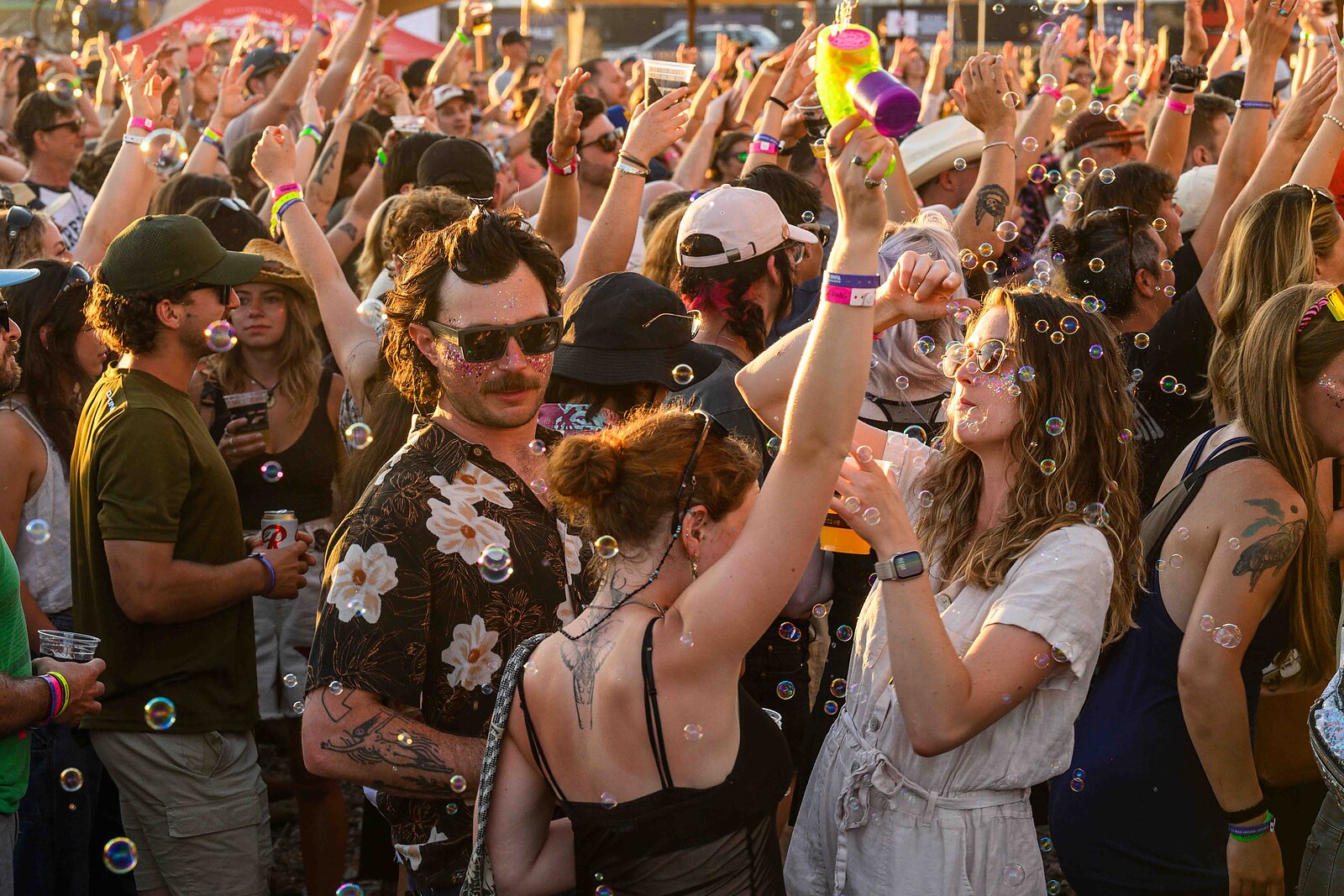
We think of ourselves as a community festival. Other festivals have elements of community built in, but we take it a step further by giving back to the community, by putting money directly back into maintaining our local trails. We try to invest in the community through our events, and a part of that is creating a space where families come down, let the kids roam, feel safe, and create activities and fun things for them to do that are kid-specific. So the parents can go out and have fun too. Our approach to the music is dividing the stage and creating a family-friendly zone. You see blankets, you see people in hammocks, and chairs, and on the couches, that's in our DNA, and is a big differentiator for our festival.
How would you describe the waterfront in its current state?
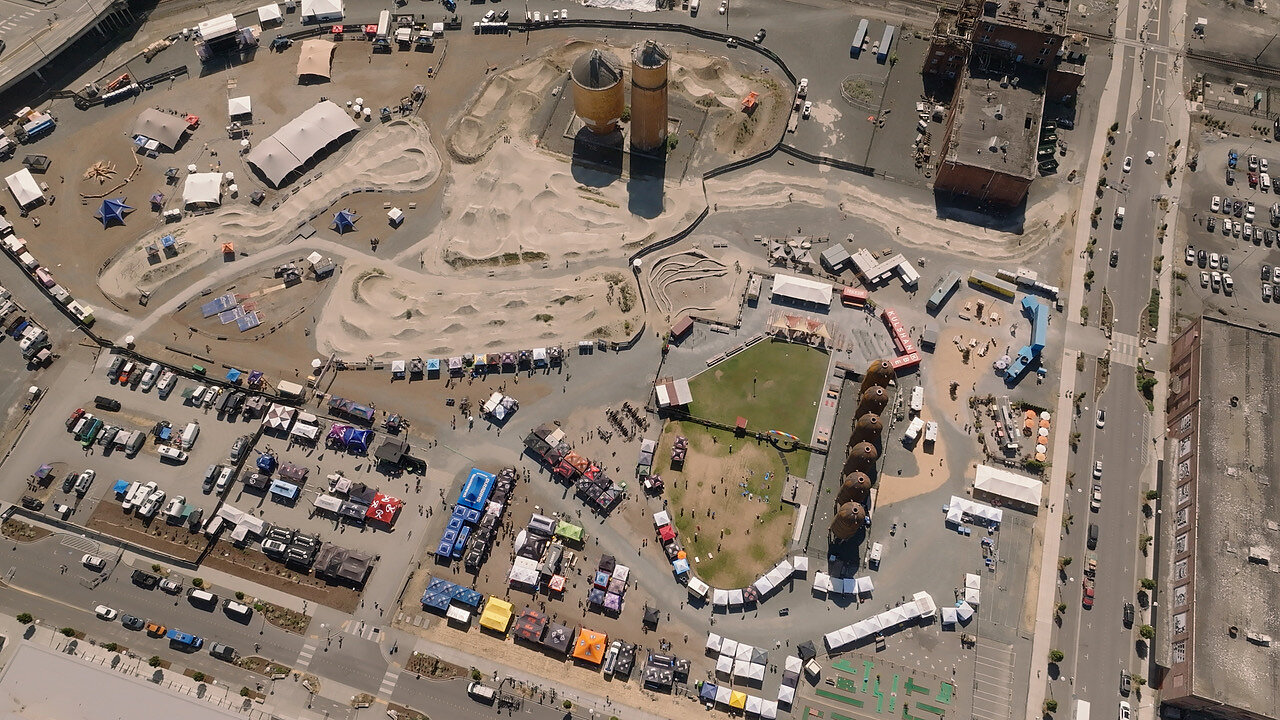
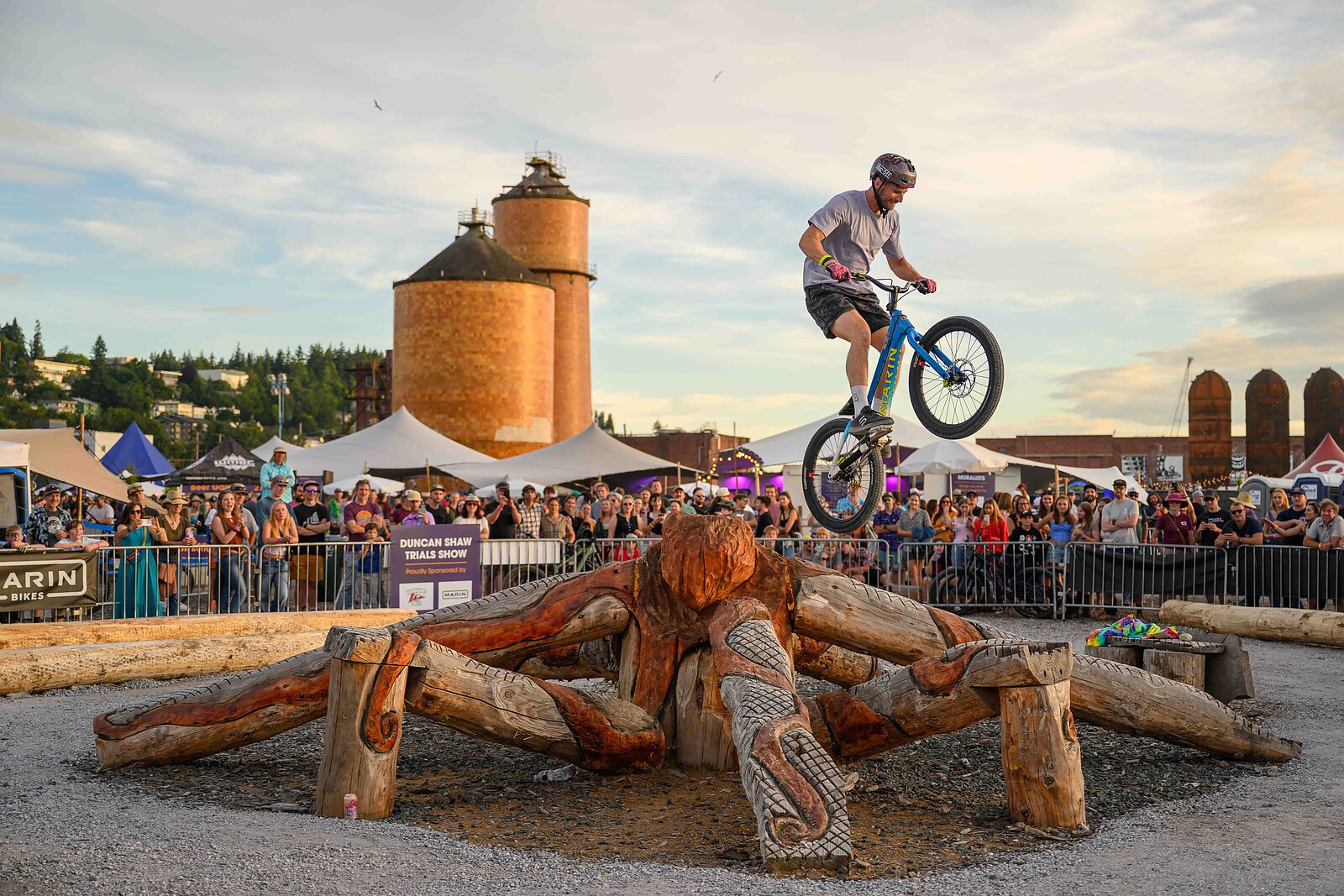
The waterfront area has developed into a place you want to be, versus some industrial area that's kind of forgotten. Now, it's a full-on bike park with a variety of jump lines from beginner to pro-level jumps, and there are four different pump tracks. There's a whole market with a garden, brewery, ice cream, and wine bar, all based out of containers. Now, there's music and events happening down there on any given weekend. In the summer, that's the place to be. It's become a town center that has changed the whole downtown environment in Bellingham and created this amazing green space that is an asset for the community that we're so lucky to have.
Northwest Tune-Up 2026
Bellingham’s waterfront has been completely transformed since the initial site visit in 2016. Now, a decade later, Northwest Tune-Up will be returning to the waterfront for its fifth year. This edition of the Pacific Northwest’s premier mountain bike and music festival features a vendor list of 100+ brands and organizations, demos of the industry’s latest bikes, and two nights of music with artists to be announced soon.
Learn more about Northwest Tune-Up and experience Bellingham’s waterfront for yourself.