Rocky Mountain Altitude Powerplay 3 Definitely an e-bike.
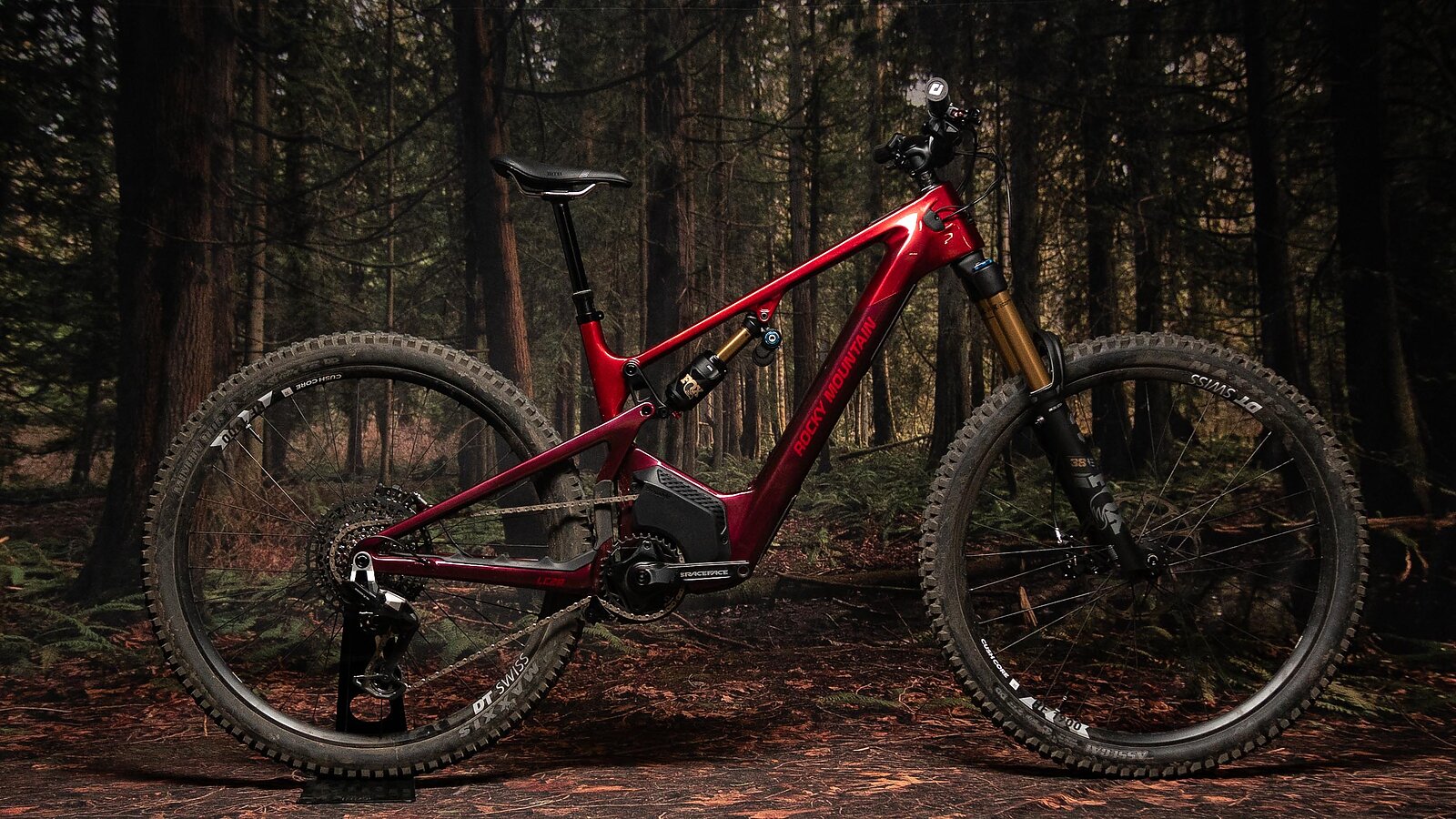
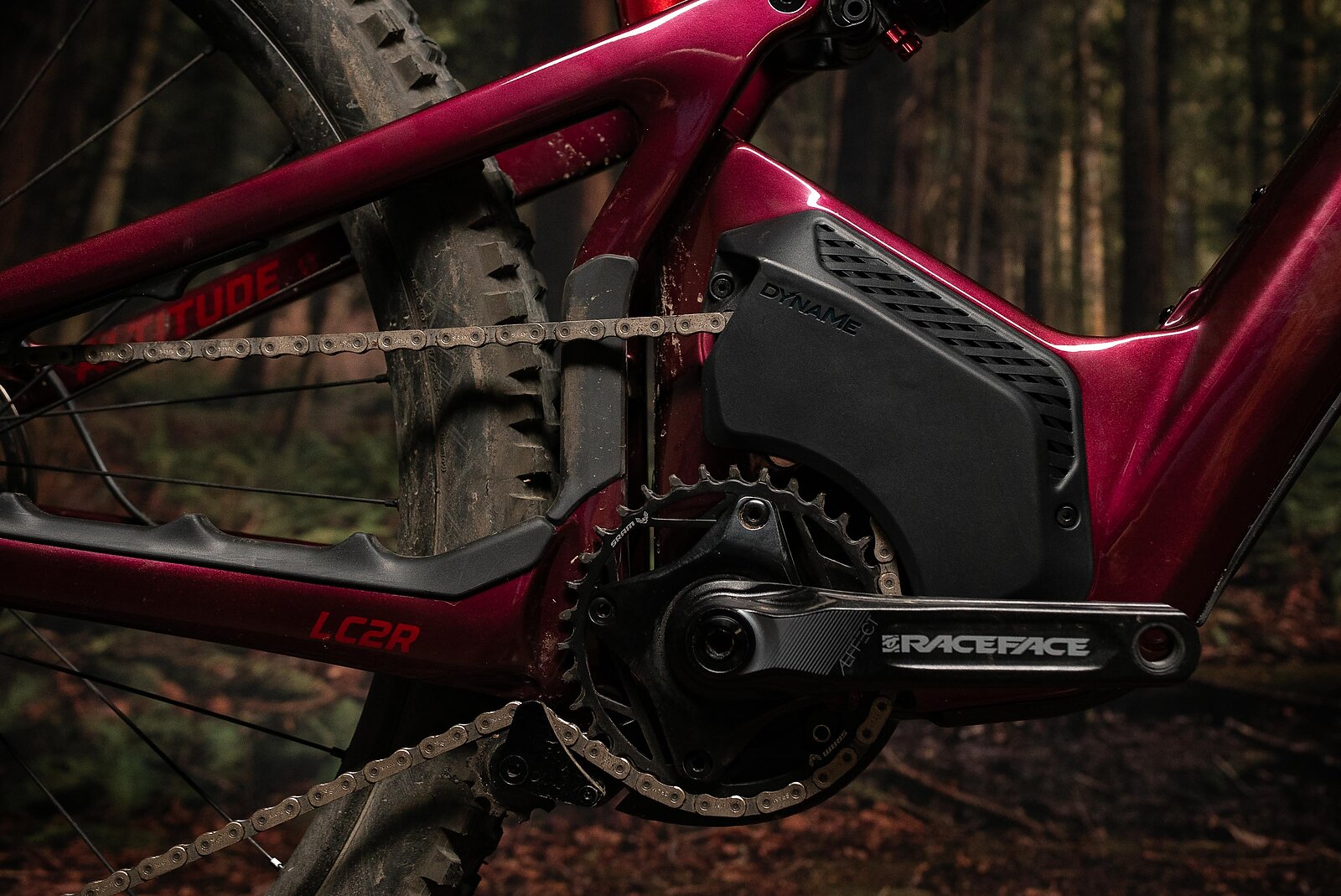
Rocky Mountain is back, and, somewhat predictably, the brand’s first post-resurrection ride is an e-bike. Also predictably, it uses Rocky’s own Dyname S4 Pro drive system, as opposed to a third-party motor. That means it can employ the LC2R, concentrically rotating dual link suspension system found on the meat-powered Altitude. That also means that it’s got a somewhat unique silhouette, since the motor drives the chain through a powered (not) idler pulley above the chainring.
The e-bike landscape is in a funny place right now. In some ways it feels like we’re all girding our loins for the Great Flattening, and it looks like the primary decision most customers are making is which Avonix powered e-bike they’re shopping for. So the new Powerplay is especially interesting in that context, but I’ve also tried to divorce myself from that meta conversation and think about how it actually rides outside of that paradigm as well.
Rocky Mountain Altitude Powerplay 3 Details
- Travel: 160 (rear) 170 mm (front)
- Wheel Size: 29” with full MX capabilities
- Size Tested: Large
- Build Tested: Carbon 70
- Head Tube Angle: 64.3-63.5°
- Motor: Dyname S4 Pro (1000 W, 108 Nm)
- Battery: 720 WhWh (removable)
- Measured Weight: 54.65 lbs
- MSRP: $10,799
What’s new?
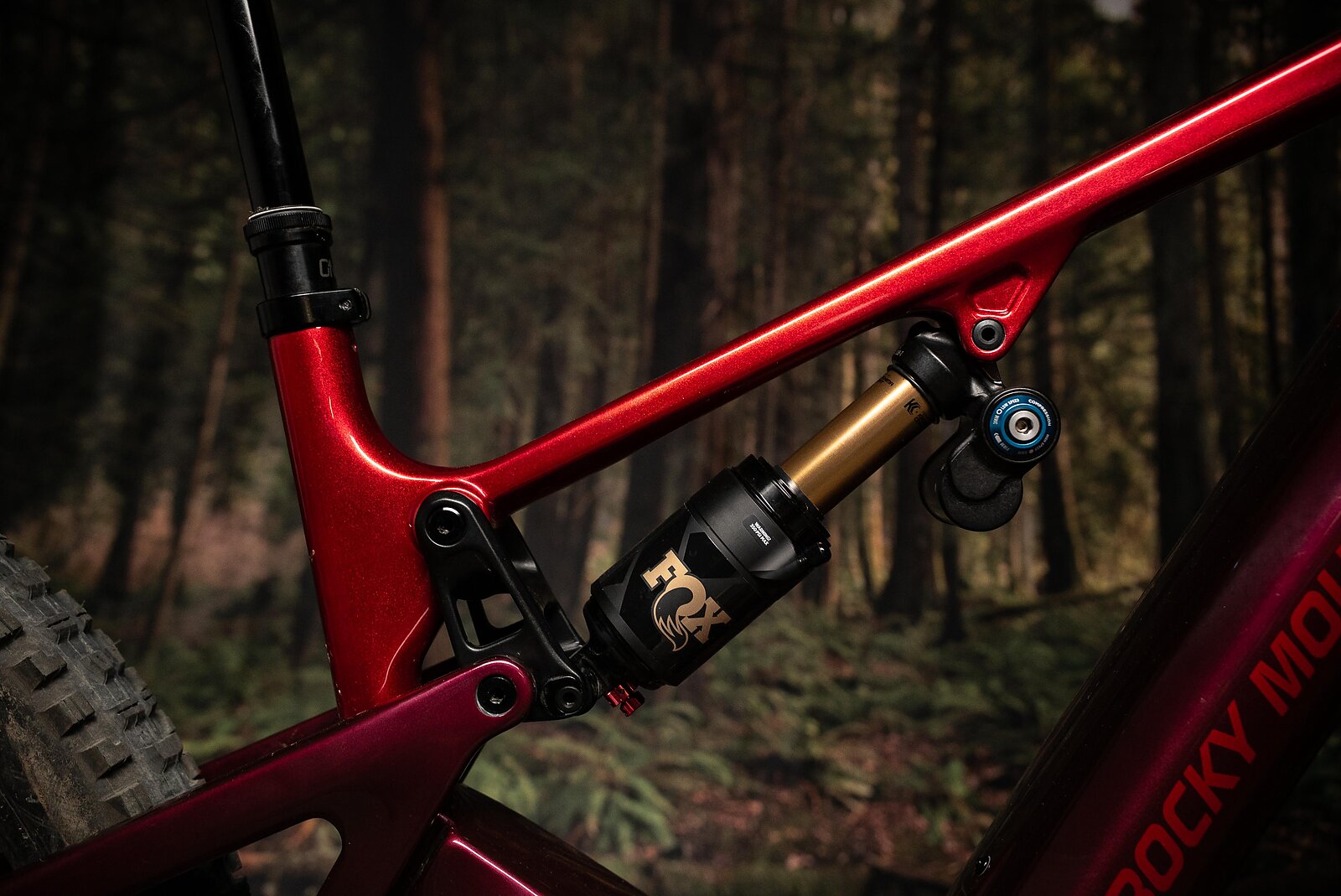
Although its silhouette is similar to Rocky’s other Powerplays, the Altitude PP III uses a totally different suspension layout. Instead of a classic Horst Link, it uses the same LC2R (Low Centre Counter Rotating) link system as the regular Altitude. This uses a lower link which rotates concentrically around the bottom bracket to suspend the rear triangle. It gives the Altitude a virtual Pivot Point that’s higher than usual, which means the chain routes over the high drive pulley to keep pedaling performance in check.
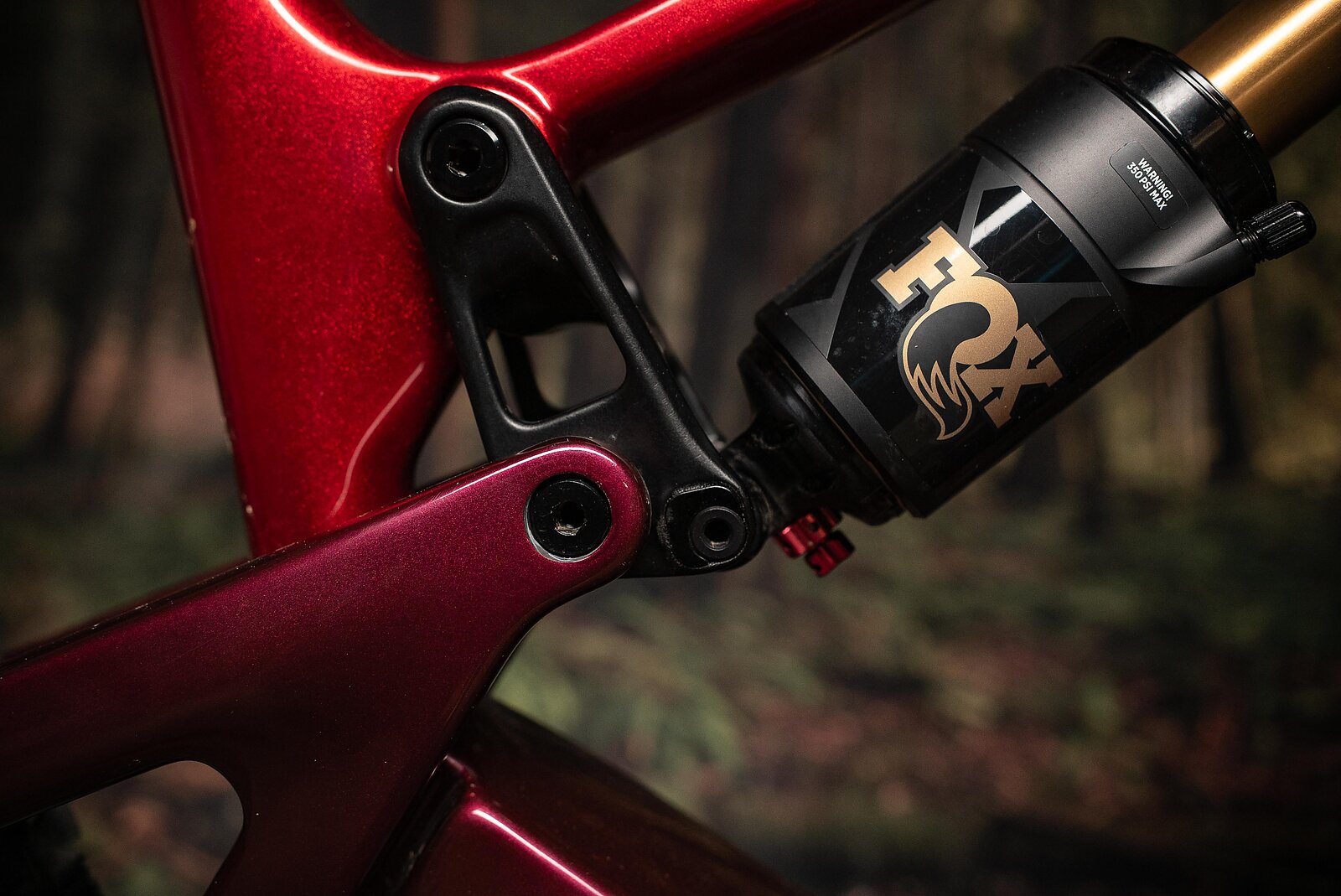
The rest of the bike follows the same design cues laid out by the meat-powered Altitude, with the same ability to swap to MX wheels with an aftermarket link, the same adjustable reach headset from FSA, and the same Ride4 geo adjust system driving the shock.
Altitude Powerplay 3 Motor and Battery
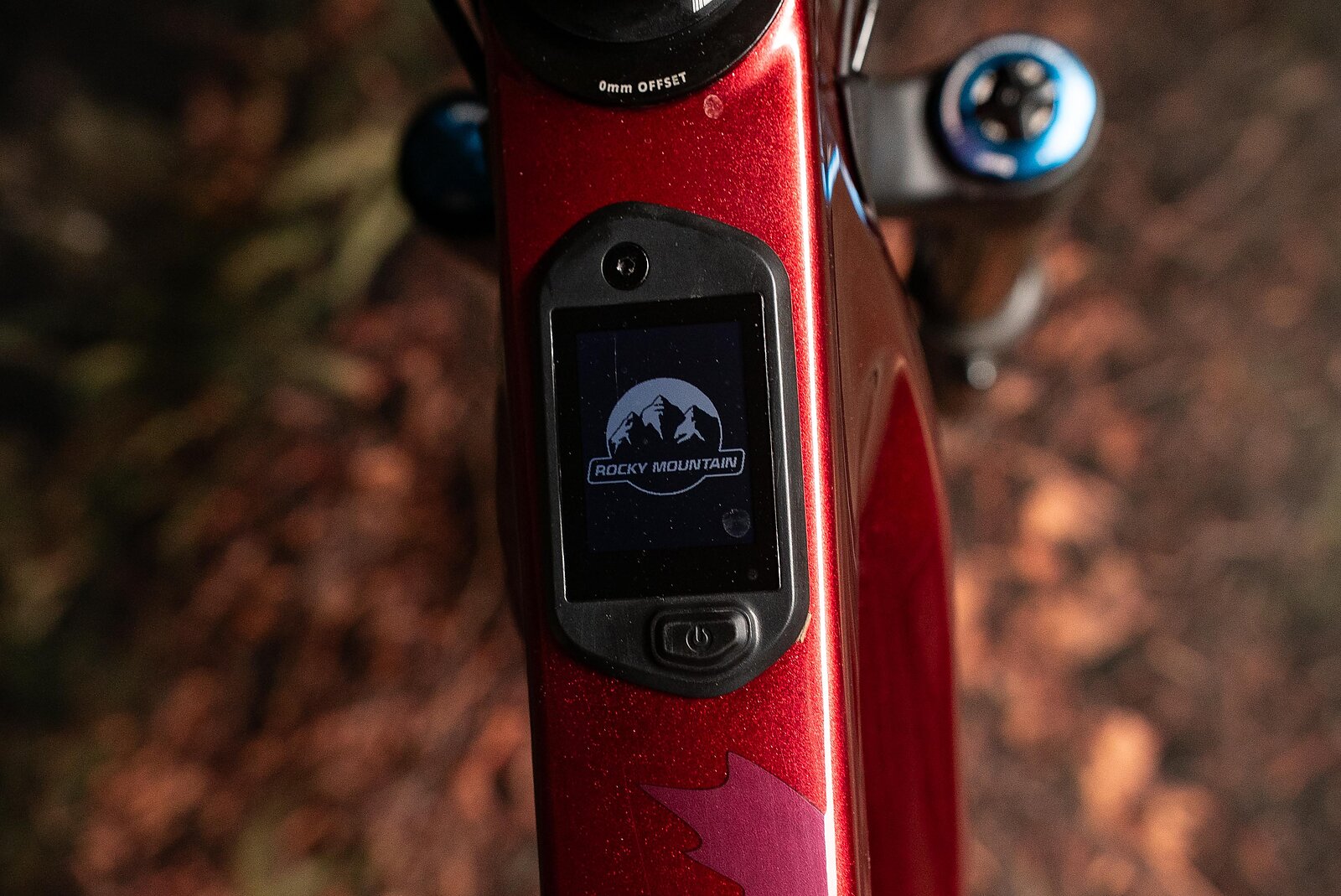
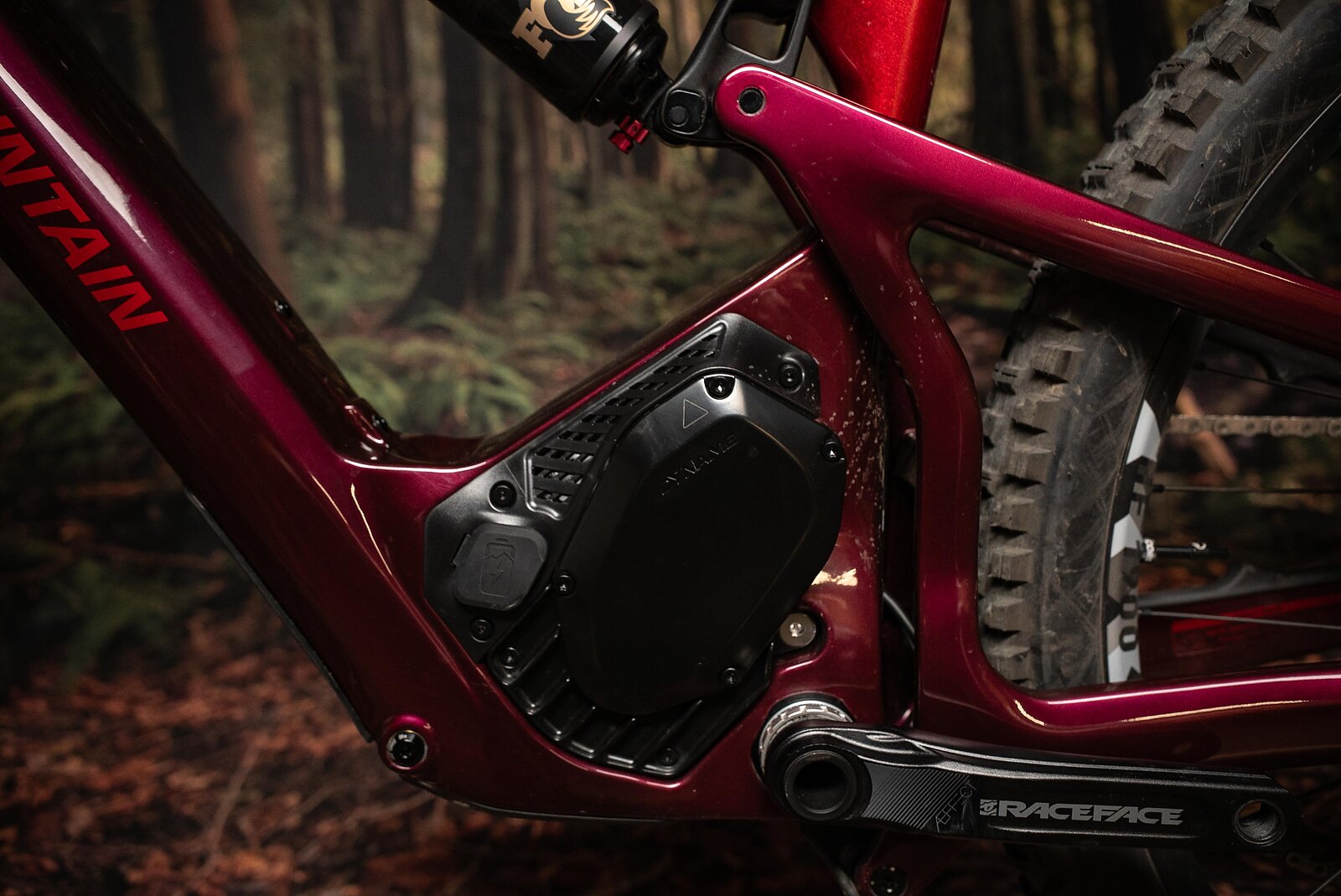
Predictably, the Dyname S4 Pro motor system gets more power (up to 1000 watts) and more torque (up to 108 Nm). It uses a swappable 720 Wh battery, and is compatible with Rocky’s 314 Wh Overtime packs. The Powerplay 3 uses Rocky’s questionably-named “Jumbotron” display which is a monochrome screen that displays all the info you could ever need. It’s not as bright and useful as the full-color touchscreens a lot of other bikes are getting, but also, does it need to be?
The Dyname S4 Pro could be summed up with the phrase “not the most, but enough.” It doesn’t have the most power, or the most torque on the market, but, in a pre-Avonix world, it would be close-to-class-leading. In a post-Avonix world, I’d argue that it’s as much as any sane person needs.
The Dyname motor is quite interesting because A) unlike pretty much everyone else, it’s Rocky’s own-brand system, and B) again, unlike pretty much everyone else, it drives the chain through a separate cog, not the chainring. This means that the Powerplay can use a (sort of) conventional bottom bracket and crankset, and that it can house the LC2R linkage in the part of the bike that’s usually taken up by the motor. We’ll get into how that plays out on the trail later.
Altitude Powerplay 3 Geometry
The Powerplay three has fairly adjustable geometry, so we’ll mostly talk about the position 3, “neutral” Ride4 setting, and mid-headset-position that I rode on the Size Large. With those settings, the bike gets a 64° head tube angle, 480 millimeter reach, and a 450 millimeter rear center. That rear center changes per size, to keep front/rear ratios consistent.
You can go lower and slacker, or taller and steeper, as well as adjust the reach by plus or minus 5 millimeters using the included flip chips. However, if you want to run a 27.5” wheel out back, you’ll need an aftermarket link.
Altitude Powerplay 3 Frame Details
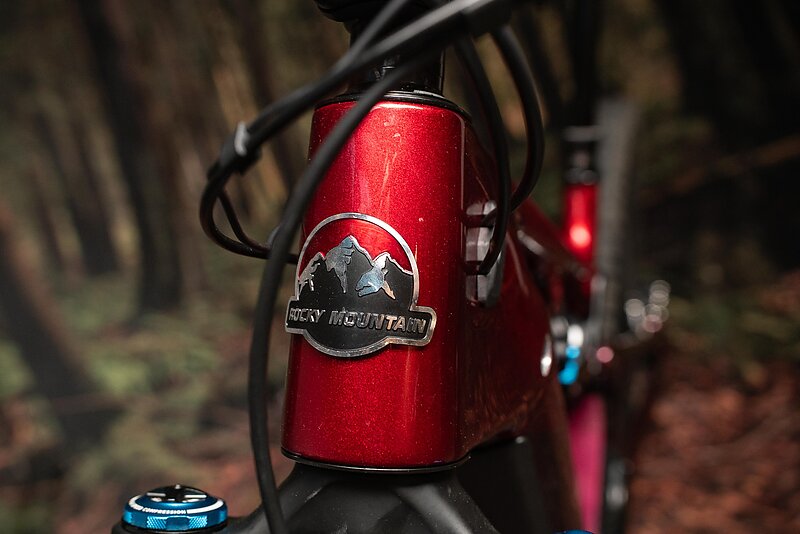
Most of the Powerplay 3’s frame details make sense: you can easily fit a big bottle in the front triangle, the Ride4 adjustment is easy to use, and the cables don’t go through the headset. A few of the details, like the 30.9 mm seat tube, are very “Rocky” and somewhat idiosyncratic, which, at this point is to be expected.
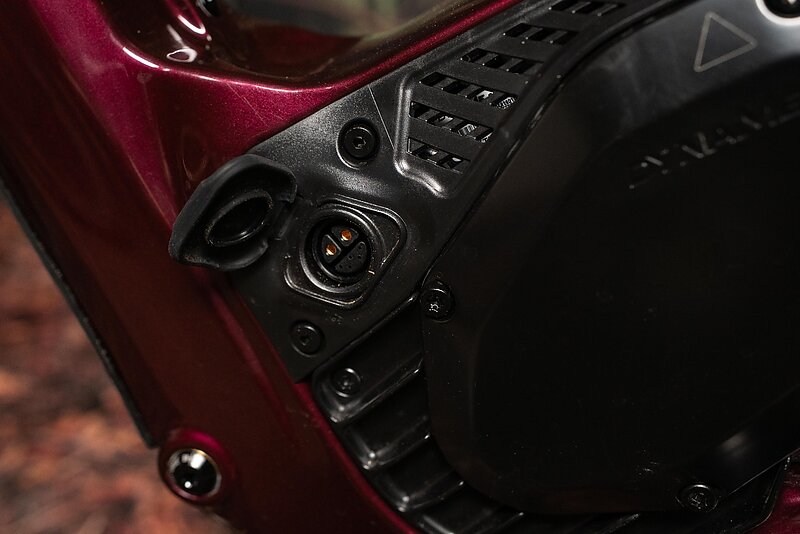
This is a little thing, but I do have beef with the charge port cover. It’s a flimsy, ill-fitting piece of rubber that doesn’t do much to protect the port, and doesn’t like to stay closed. I was quite annoyed with it, and it feels super out of place on a $10,000 bike ostensibly designed with North Shore riding in mind. Desert-born Pivots have notably better-sealed charge ports, and I’d love to see Rocky do better here.
Altitude Powerplay 3 Build
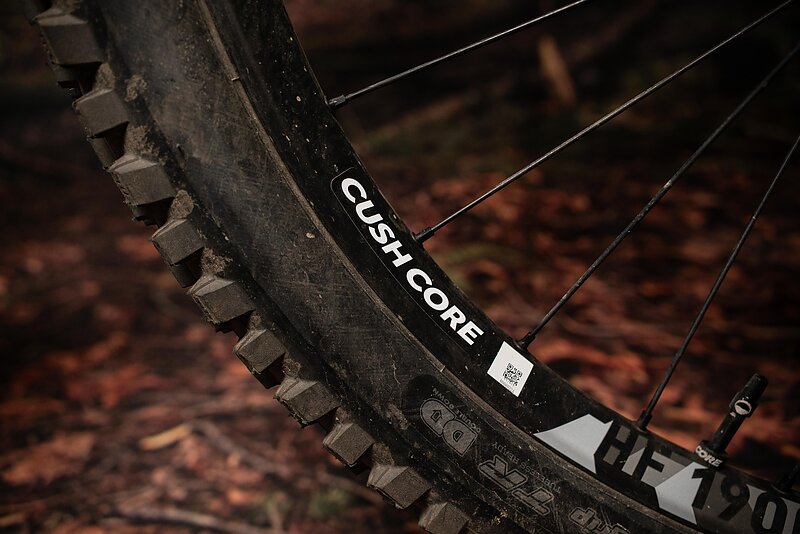
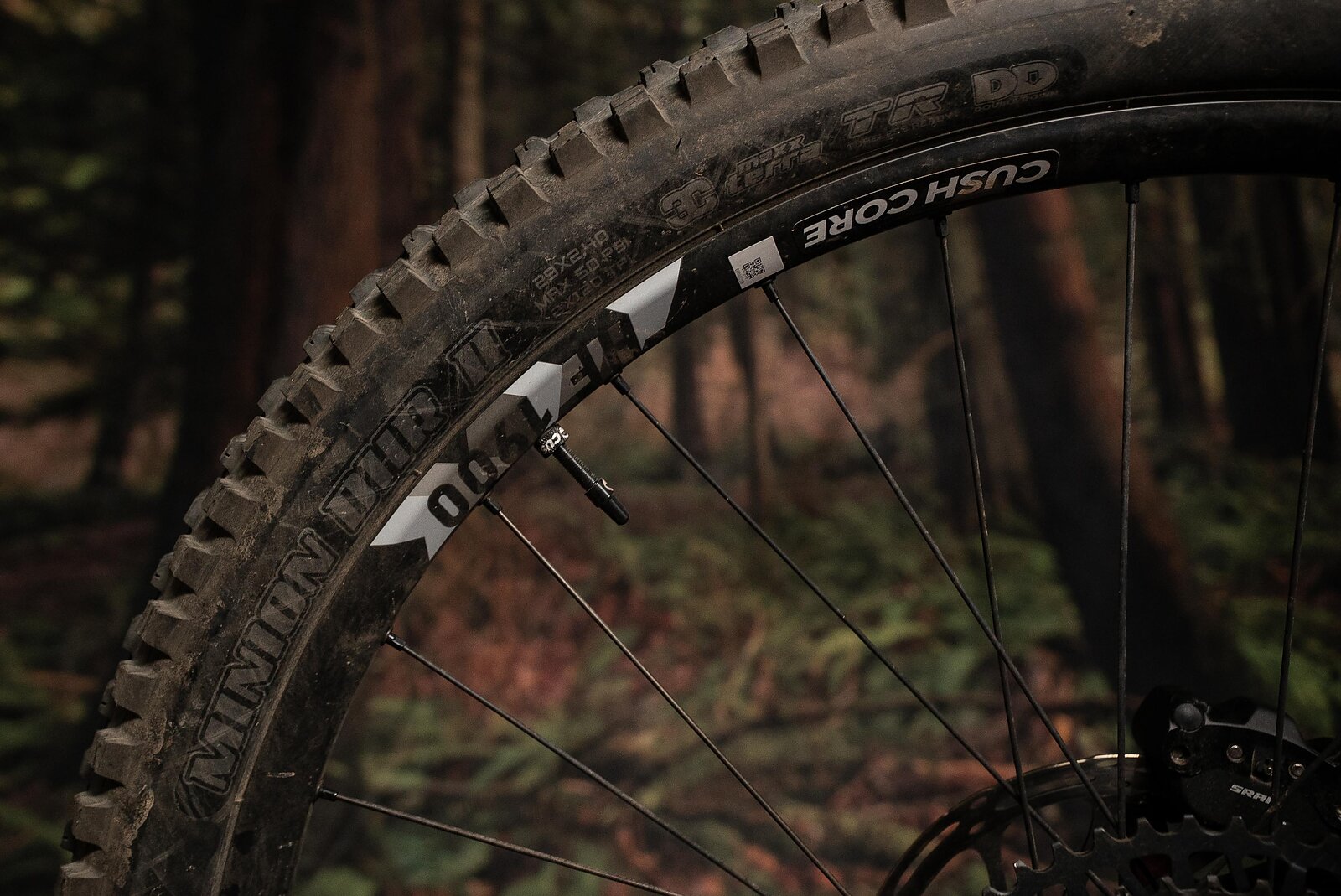
I rode the highest-end Carbon 70 build of the Altitude Powerplay, and it’s generally a very solid build. Highlights include the Fox Factory 38 and X2, DoubleDown Assegai (in MaxxGrip!) and DHRII, and SRAM Maven Silver brakes. But I really wish those brakes came with HS2 rotors, not CenterLines. They make a noticeable difference in brake feel. Some folks will be stoked that the Altitude comes stock with CuschCore inserts, while others (like me) won’t really care one way or another. And some folks will be mad that a bike this expensive comes with alloy wheels and a mechanical drivetrain, but again, I’m somewhat ambivalent, given how well Eagle 90 (yes, this bike comes with an Eagle 90 drivetrain, not 70, even though “70” is in the name) performs.
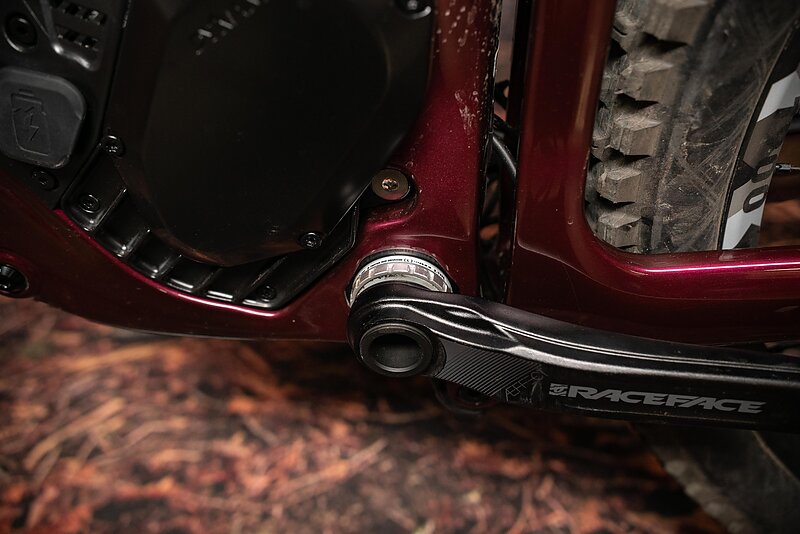
The one thing that I was truly frustrated by was the Altitude’s crank length. It comes stock with 165 millimeter cranks. Those aren’t necessarily that long, but most other e-bikes I’ve ridden of late come with 155 or even 150 millimeter cranks, and that extra centimeter or so makes a big difference in terms of pedal strikes. I had more pedal strikes on the Altitude Powerplay than any other e-bike, and if I owned one, I’d immediately swap them out for a shorter option.
Riding the Altitude Powerplay 3
All e-bikes suffer somewhat from a divide between how the motor system performs, and how the bike actually rides, so with the Altitude Powerplay 3, let’s take it head-on. First, we’ll talk about the Dyname S4 Pro, and then we’ll cover the overall chassis performance.
Rocky programs the S4 Pro with four “assistance levels” as well as a “boost level” that’s separately tuneable. That adds an extra level of tuning and complexity that some folks will dig, and others will ignore. In its stock form, you can use the remote to choose how much assistance the bike is going to give you, and you have the default boost of zero. But, with some menu-wrangling, you can adjust that to +/- 1 or 2. Negative boost requires more work from you, regardless of the assistance level, and positive boost requires less. It’s another way to determine how “zippy” the bike feels.
I played around a little here, and felt like the negative levels were fairly lethargic, while the positive levels made it feel a little closer to Bosch or Specialized’s systems. As such, I stuck with a boost of +2. If I’m gonna ride a 50+lb whip around, I want it to do the work for me. Even in that highest boost mode, it doesn’t feel anywhere near as aggressive either the Avonix M1 or M2S motors, but it’s still plenty of power to zip my 200 lbs up most trails. Additionally, it provides a nice level of torque, allowing me to ride techy moves more like I would on a regular bike, instead of trying to carry speed into them and then blast through like I would on some other e-bikes.
The Dyname system generally does a fairly good job of smooth, consistent power delivery. It’s not quite as refined-feeling as Avonix’s systems, and it has the same stutter when picking up power that Bosch suffers from. I especially notice this when I’m at rest, with one foot on the pedals, and one on the ground. The motor clips on and off, and makes a gross noise. The answer here is simple, take your foot off the pedal! Otherwise, the Dyname’s overdrive and power transmission feels less scary than the Bosch CX-R, and it feels competitive with most of the “traditional” motor market.
Most of the e-bikes I’ve been riding recently have 800 wh batteries, and I did notice the Powerplay’s slightly lower range, which led to me rolling home close to the end of the battery several times. I’d definitely consider the range extender if I planned on doing rides longer than a couple of hours.
On the “how does it ride” side, the Altitude Powerplay is quite interesting. Long-travel, full 29” e-bikes are somewhat rare, and the Altitude combines that with fairly long chainstays and a high pivot. Even so, it doesn’t feel ponderous, or hard to maneuver. If anything, its suspension feel errs on the side of responsive over traction-forward and plowey. I found myself pumping and popping in situations where I might usually drop my heels and power through.
I tend to think e-bikes get their stability from the combination of weight-distribution, suspension tuning, and geometry. And it doesn’t feel to me like the Altitude has quite as low of a center of gravity as some e-bikes. Similarly, this is one of the least “stereotypically high-pivot” feeling high-pivots I’ve ever ridden. But, you get plenty of geometric stability, which makes for an interesting combo. It’s not my favorite, but I bet some riders will jive with it over more traditional e-bikes, since you can move the bike around with slightly subtler motions, instead of the more considered inputs I usually resort to.
Going downhill, the Altitude Powerplay is a nearly-silent bike. There’s no motor rattle or chain slap, and barely any hub noise, which means it’s one of the quietest bikes, e or not, that I’ve ridden recently. I rode it at night a few times, and loved the sensation of cruising quietly through the dusk, watching the rabbits scatter from the trail.
The Altitude jumps quite nicely, it’s got a solid platform to push off of, and it rewards pumping, although it does feel a little long in tighter corners, and I’d be quite tempted to throw a 275.” wheel on the back immediately if I owned one.
All in, it’s a nicely balanced, and somewhat conventional, or classic feeling e-bike, without one specific trait that stands out to me aggressively.
For Now
Out the gate, the Rocky Mountain Powerplay 3 certainly looks different. But on the trail, it’s surprisingly normal feeling. No, it’s not the most plowey, capable, and aggressive option in this class, and it doesn’t have the MOST power or torque or battery capacity. But that might be ok. Constantly pushing the limits isn’t always the right call. But it will be interesting to see if the larger e-bike market agrees, or if it continues chasing this folly as far as it will go.
Learn more: Rocky Mountain